
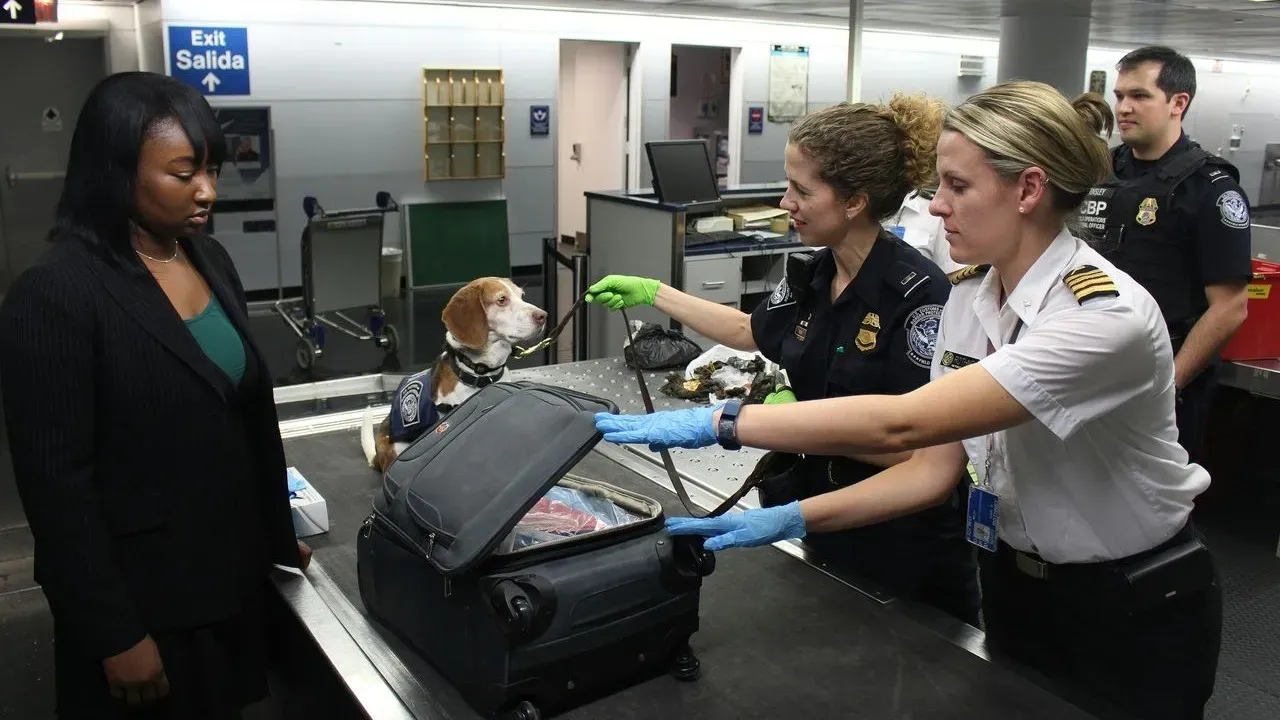

Indianapolis International Airport serves thousands of passengers each day, and its security teams remain alert to items that do not belong in checked bags. Last month, officers discovered two live smoke grenades among a traveler’s luggage, with one concealed inside a jar of peanut butter. The find prompted a standard review of screening procedures and offered a clear reminder of how carefully checked items are examined before they reach aircraft holds.
Why the Discovery Matters for Everyday Travelers
Airport security protocols exist to protect everyone on board, and even seemingly ordinary containers receive close attention during screening. Smoke grenades fall under prohibited items because they contain pyrotechnic materials that can pose risks in flight. When such devices appear in checked luggage, the incident triggers immediate coordination between TSA officers and local authorities to ensure safe removal and proper handling.
Passengers often pack snacks or household goods without realizing that certain contents can raise flags. The Indianapolis case illustrates how concealment attempts, intentional or otherwise, still surface through routine X-ray and canine inspections. Awareness of these processes helps travelers prepare more confidently and reduces the chance of delays at the checkpoint.
Timeline and Response at Indianapolis International Airport
The screening occurred during regular operations at the airport’s checked baggage area. TSA personnel identified the anomalies through standard imaging technology, leading to a manual inspection that confirmed the presence of the two devices. One grenade had been placed inside the peanut butter jar, while the second remained elsewhere in the same bag.
Following established procedures, officers secured the items and notified the appropriate agencies. The traveler was detained for questioning, and the luggage was held for further evaluation. Such responses occur swiftly to maintain the flow of other passengers while upholding safety standards.
Key Rules That Apply to Checked Luggage
TSA guidelines distinguish between carry-on and checked baggage, yet certain categories remain restricted in both. Explosive or incendiary devices, including smoke grenades, are not permitted regardless of packaging. Travelers are encouraged to review the full list of prohibited items on the TSA website before packing.
Common household products can sometimes contain restricted components, so double-checking labels and contents is advisable. Liquids, gels, and pastes in checked bags generally face fewer limits than in carry-ons, but any item that could be mistaken for or used as a hazardous material receives extra scrutiny. Clear communication with airline staff about unusual items can prevent surprises during screening.
Practical Steps to Pack Responsibly
- Consult the TSA’s official prohibited items list and the airline’s specific policies well before departure.
- Separate any questionable objects, such as tools, chemicals, or novelty items, and consider shipping them instead.
- Use clear packing cubes or labeled containers so screeners can quickly identify contents without opening every item.
- When in doubt about a product, leave it at home or declare it at the check-in counter for guidance.
- Allow extra time at the airport, especially when traveling with specialty foods or equipment that might require additional inspection.
Looking Ahead for Safer Journeys
Incidents like the one at Indianapolis reinforce the value of transparent packing habits and respect for security measures that keep air travel reliable. Travelers who stay informed contribute to smoother experiences for themselves and fellow passengers. As screening technology continues to advance, the focus remains on vigilance paired with practical preparation, allowing journeys to proceed with confidence and care.
AI Disclaimer: This article was created with the assistance of AI tools and reviewed by a human editor.