
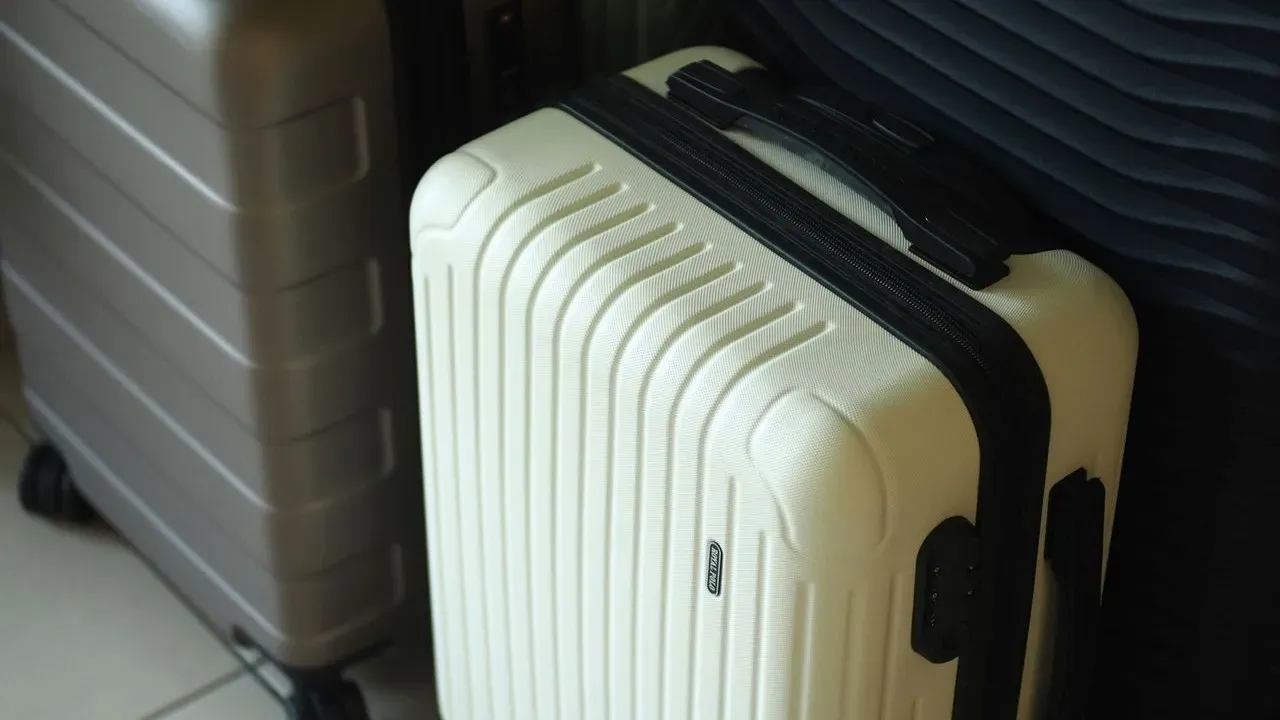

Air travel continues to reward those who master the art of packing light. Frequent flyers have long understood that a well-chosen carry-on can eliminate extra costs while preserving the freedom to move easily between connections and destinations. This approach supports more intentional journeys, reducing both financial strain and the environmental footprint tied to excess luggage handling.
The Practical Payoff of Staying Under the Limit
Checked baggage fees have become a standard part of many airline pricing structures, often adding unexpected expenses to each trip. Travelers who keep everything in one carry-on avoid these charges entirely and gain greater control over their schedule. The result is a smoother experience from departure to arrival, with fewer lines and less worry about lost items.
Beyond the immediate savings, this method encourages more thoughtful preparation. When space is limited, every item earns its place through careful consideration of need and versatility. Such discipline aligns naturally with responsible travel, where the goal is meaningful experiences rather than excess belongings.
Selecting a Carry-On That Works for Real Journeys
The right bag serves as a reliable companion across different travel styles and climates. Frequent flyers often favor models with durable wheels, multiple compartments, and expandable sections that adapt without exceeding airline dimensions. These features support efficient movement through airports while protecting contents during transit.
Lightweight construction matters as much as capacity. Materials that resist wear yet remain easy to maneuver reduce physical strain, especially on longer days or when navigating public transit at the destination. A thoughtfully designed carry-on becomes an extension of the traveler’s planning rather than an additional burden.
Space-Saving Approaches That Deliver Results
Layering clothing strategically creates more room while keeping essentials accessible. Rolling garments instead of folding them minimizes wrinkles and allows tighter packing within the available space. This simple shift often surprises new practitioners with how much more fits without added pressure on the bag’s structure.
Grouping smaller items into packing cubes or compression sacks further organizes the interior and prevents shifting during travel. Prioritizing multi-use pieces, such as a versatile jacket or neutral layers, reduces the total number of items required. These habits compound over repeated trips, turning packing into a quicker, more confident routine.
- Assess airline size restrictions before each journey to confirm compliance.
- Choose versatile fabrics that transition across activities and weather.
- Place heavier items near the wheels for better balance when rolling.
- Review contents the night before to remove anything nonessential.
Building Habits That Support Purposeful Travel
Mastering carry-on packing extends beyond logistics into a broader mindset of intentionality. It invites travelers to focus on the places they visit and the connections they make rather than managing excess gear. Over time, this practice fosters greater appreciation for the journey itself.
Those who adopt these methods consistently report feeling more present upon arrival, unencumbered by the logistics of multiple bags. The approach respects both personal resources and the broader systems that move people around the world efficiently. In this way, smart packing becomes one quiet contribution to more sustainable and enjoyable travel for everyone involved.
AI Disclaimer: This article was created with the assistance of AI tools and reviewed by a human editor.