
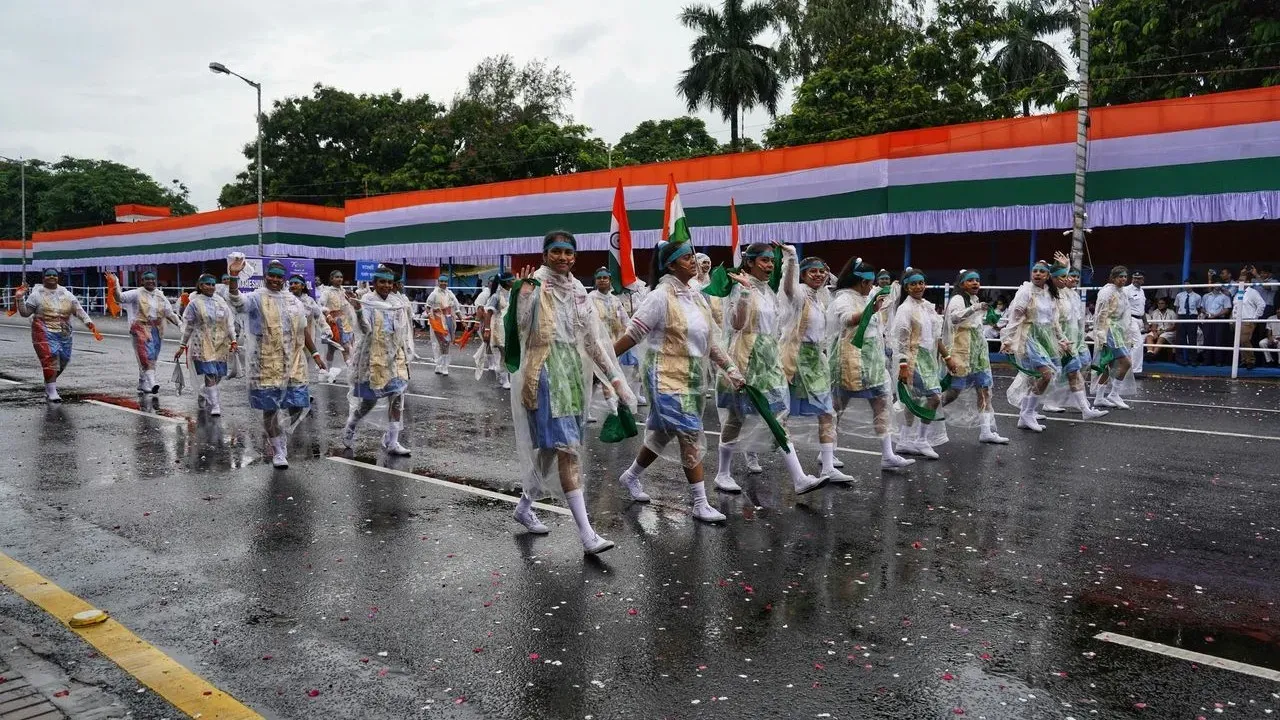

The United States reached a rare milestone this year, marking 250 years since the signing of the Declaration of Independence. Across the country, towns and cities with deep historical roots hosted gatherings that blended longstanding traditions with a renewed appreciation for shared public spaces. These events offered residents and visitors alike a chance to experience the nation’s story through the very landscapes where much of it unfolded.
Small-Town Squares and Main Streets
In communities that trace their founding to the early republic, parades wound through streets lined with preserved buildings and local landmarks. Residents gathered on courthouse lawns and village greens, where generations have marked national holidays in similar fashion. These settings provided a tangible connection to the past, allowing participants to stand in the same spots where earlier Americans once assembled.
The scale remained intimate by design. Families brought folding chairs and picnic baskets, while local bands played from bandstands that have hosted performances for decades. Such gatherings reinforced the role of these compact downtowns as living centers of civic life rather than mere historical curiosities.
Waterfronts and Riverfront Parks
Along major rivers and coastal harbors, larger crowds assembled on promenades and piers that have served as arrival points and gathering places for centuries. Fireworks displays lit up skies above working waterfronts, where historic vessels sometimes joined modern boats in evening processions. These locations offered expansive views that connected the day’s festivities to the broader geography of the nation’s development.
Public access to these shores remains a point of pride in many cities. Organizers emphasized keeping pathways open and events inclusive, allowing people of all ages to find vantage points without barriers. The result was a collective experience rooted in place, where the water itself served as both backdrop and reminder of the country’s ongoing story.
National Parks and Open Landscapes
Beyond urban centers, protected lands hosted quieter observances that highlighted the natural settings intertwined with the nation’s identity. Visitors hiked trails or attended ranger-led programs that wove together environmental history and the broader narrative of independence. These spaces invited reflection on how the land has shaped communities over two and a half centuries.
Attendance at such sites underscored a growing interest in purposeful travel that respects both history and ecology. Participants often combined visits with nearby historic districts, creating itineraries that balanced celebration with stewardship of the places that make the milestone meaningful.
Looking Ahead from Familiar Ground
The 250th anniversary provided an opportunity to revisit the settings that continue to anchor American life. Whether in preserved town centers, revitalized waterfronts, or expansive public lands, the day’s events demonstrated how physical places sustain collective memory. Travelers seeking similar experiences in coming years will find these locations ready to welcome new generations while honoring the continuity that defines them.
AI Disclaimer: This article was created with the assistance of AI tools and reviewed by a human editor.