

Most travelers buy a policy the way they buy a phone case, quickly, cheaply, and without reading much beyond the price tag. It feels like a formality, something you check off between booking a flight and packing a bag. The trouble is that travel insurance is a legal contract full of timing rules, definitions, and conditions that only become visible once something actually goes wrong, and by then it is often too late to fix the gap.
The “Lookback Period” That Decides If Your Health History Counts Against You

Every comprehensive travel insurance policy has a window insurers use to check your medical history before your trip, usually called a lookback period. To determine what qualifies as a pre-existing condition, a travel insurance company looks back 60 to 180 days before the day the policy was purchased. Something as minor as a new prescription or a dosage change inside that window can technically reclassify a stable condition as pre-existing.
If you had any changes in your medical status during that period, such as a new diagnosis, a decline in health or the addition of new prescription medication, the condition will be considered pre-existing. Travelers rarely think to ask their insurer what the lookback period actually is on the specific plan they are buying, which means they find out only after a claim gets flagged.
The Narrow Window to Get a Pre-Existing Condition Waiver

Even if you have a manageable, well-controlled condition, most insurers will not cover a related flare-up unless you qualify for a waiver, and that waiver has a strict deadline. You must buy your policy within a certain time after making your first nonrefundable payment for the trip, and the window for purchasing coverage is typically 14 to 21 days. Miss that window by even a few days and the waiver simply is not available anymore, no matter how healthy you are.
Qualifying also means insuring your entire trip cost up front, not just part of it. Insure all of your nonrefundable travel expenses when you buy your policy, being sure to consider all aspects of your trip, including transportation, accommodations, rental cars, and tours or excursions. Skip a deposit or add a booking later without updating the policy, and that piece of the trip may fall outside the waiver entirely.
Buying Insurance After the Problem Already Exists

Travel insurance is designed to protect against events you could not have predicted, not ones already in motion. Travel insurance only covers unforeseen events, however many travelers think they can buy travel insurance after they become sick, and if you are already sick when you buy your policy, any claim related to that same illness will not be covered. The same logic applies to storms and other named weather events.
Travel insurance is meant to protect travelers against sudden and unforeseen events, not threats that are already on the horizon when the insurance is purchased, so if you buy travel insurance after a winter or tropical storm has been named, your plan won’t provide coverage for claims related to that event. Waiting until a threat is already in the news is one of the most common and avoidable ways a claim gets denied.
Medical Evacuation Costs That Dwarf Standard Coverage Limits

People often assume the medical portion of their policy is the important number, but evacuation is where costs explode. Medical evacuation by air ambulance back to the United States can cost from $20,000 to $200,000, depending on where you are and your health condition. A remote trek or a cruise far from a major hospital can push that figure even higher.
Coverage limits vary enormously between plans, and the cheapest option is not always adequate. Experts generally recommend at least $100,000 of medical evacuation coverage when traveling internationally, or $250,000 in coverage if you are going on a cruise or traveling to a remote location. A budget plan with a $50,000 evacuation cap can leave a serious gap exactly when you need it least.
Adventure Activities That Standard Plans Quietly Exclude

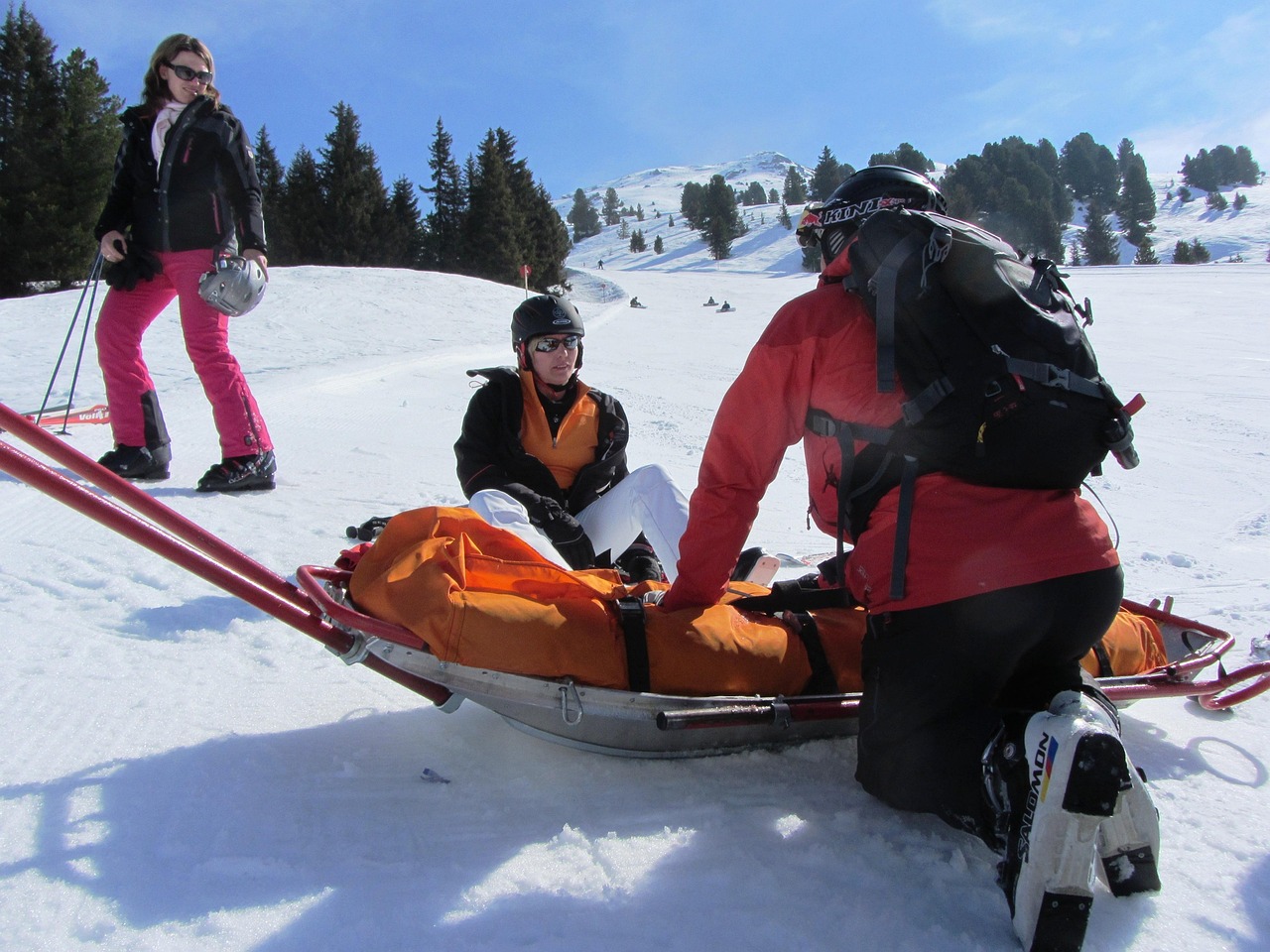
Skiing, scuba diving, and even casual moped rides are treated differently than most travelers expect. Policies often exclude high-risk activities unless you add a rider, and skiing, scuba diving, or even riding a motorbike may be denied under standard coverage. These exclusions are not always labeled in obvious language, so they are easy to miss during checkout.
The fix is straightforward but requires reading the plan closely before departure. Skiing, scuba diving, hiking in remote areas, if not covered by a rider, injuries won’t be reimbursed, since policies often exclude “high-risk” sports unless specified. Anyone planning even one adventurous day on a trip should confirm the activity is named in the policy, not assumed to be included.
Documentation Requirements That Sink Otherwise Valid Claims

Insurers do not take your word for what happened. Insurance companies require clear and complete documentation to process claims, and submitting unclear receipts, incomplete medical records, or missing official reports such as a police report for theft can result in your claim being declined. This trips up honest claimants just as often as it stops fraudulent ones.
The scale of the problem is larger than most people expect. Documentation issues account for up to 35 to 40 percent of rejected or delayed claims, according to InsureMyTrip’s 2024 data. Keeping digital copies of every receipt, bill, and official report from the moment something goes wrong makes a real difference later.
The Gap Standard Cancellation Coverage Does Not Fill

Basic trip cancellation only pays out for reasons explicitly listed in the policy, things like documented illness, a death in the family, or a carrier going bankrupt. Personal hesitation, work conflicts, or general unease about a destination usually do not qualify. Cancel For Any Reason is an optional travel insurance benefit that provides partial reimbursement of your travel expenses if you choose to cancel your trip for a reason not covered by your plan’s Trip Cancellation benefit.
Even this upgrade has firm rules that catch people off guard. To qualify, you must purchase CFAR within 14 to 21 days of your first trip payment and insure 100% of your prepaid, nonrefundable trip costs, and reimbursement typically covers 50% to 75% of those costs, with cancellation required at least 48 hours before departure. Travelers who assume “cancel for any reason” means full reimbursement at any time are usually disappointed.
Alcohol Involvement Voids Claims More Often Than People Realize

A fall or an injury after a few drinks on vacation is common, and many travelers assume normal coverage still applies. It often does not. Almost never can alcohol-related accidents be covered, and even moderate alcohol involvement can void claims.
This exclusion tends to surface only after an incident, when the claim comes back denied and the traveler is left covering hospital bills alone. Reviewing exactly how a policy defines “intoxication” before a trip, rather than after an accident, is the only way to know where the line actually sits.
Domestic Health Insurance and Medicare Rarely Follow You Abroad

Many travelers assume their regular health coverage extends internationally, or at least covers emergencies. It usually does not, and Medicare is a particularly common blind spot. Medicare typically does not pay for most care outside the United States, so if you rely on Medicare, buy a comprehensive travel medical policy and check gaps.
The scale of who this affects is large. This kind of broad coverage is absolutely vital for the over 100 million Americans who travel abroad each year, many of whom don’t realize their domestic plans like Medicare are basically useless outside the U.S. Assuming your home coverage will simply carry over is one of the more expensive mistakes a traveler can make.
Missing the Filing Deadline After Something Actually Goes Wrong

Even a fully valid, well-documented claim can be denied if it arrives too late. This is basically another way of saying you missed the deadline, since most insurance companies have a timely filing limit, and if you don’t provide the required documents within the stated time frame, your claim could be denied. Most plans set that limit at around ninety days, which sounds generous until a busy return home gets in the way.
Many claims are denied simply because travelers waited too long to inform their insurance provider of an incident, and promptly reporting any loss, accident, or illness is essential to keep your claim valid. Calling the insurer the same day something happens, even before all the paperwork is gathered, protects the claim far better than waiting until everything feels tidy.
A Policy Is Only as Good as the Details You Actually Read

None of these gaps exist because insurers are trying to trick anyone. They exist because travel insurance is built around precise definitions and deadlines, and most people buy it the way they buy any other add-on at checkout, in a hurry and without much scrutiny. The travelers who get the most value out of a policy are usually the ones who spent twenty extra minutes reading the fine print before they ever needed to file a claim. That small bit of homework, done early, is what actually turns a policy from a formality into real protection.
AI Disclaimer: This article was created with the assistance of AI tools and reviewed by a human editor.