
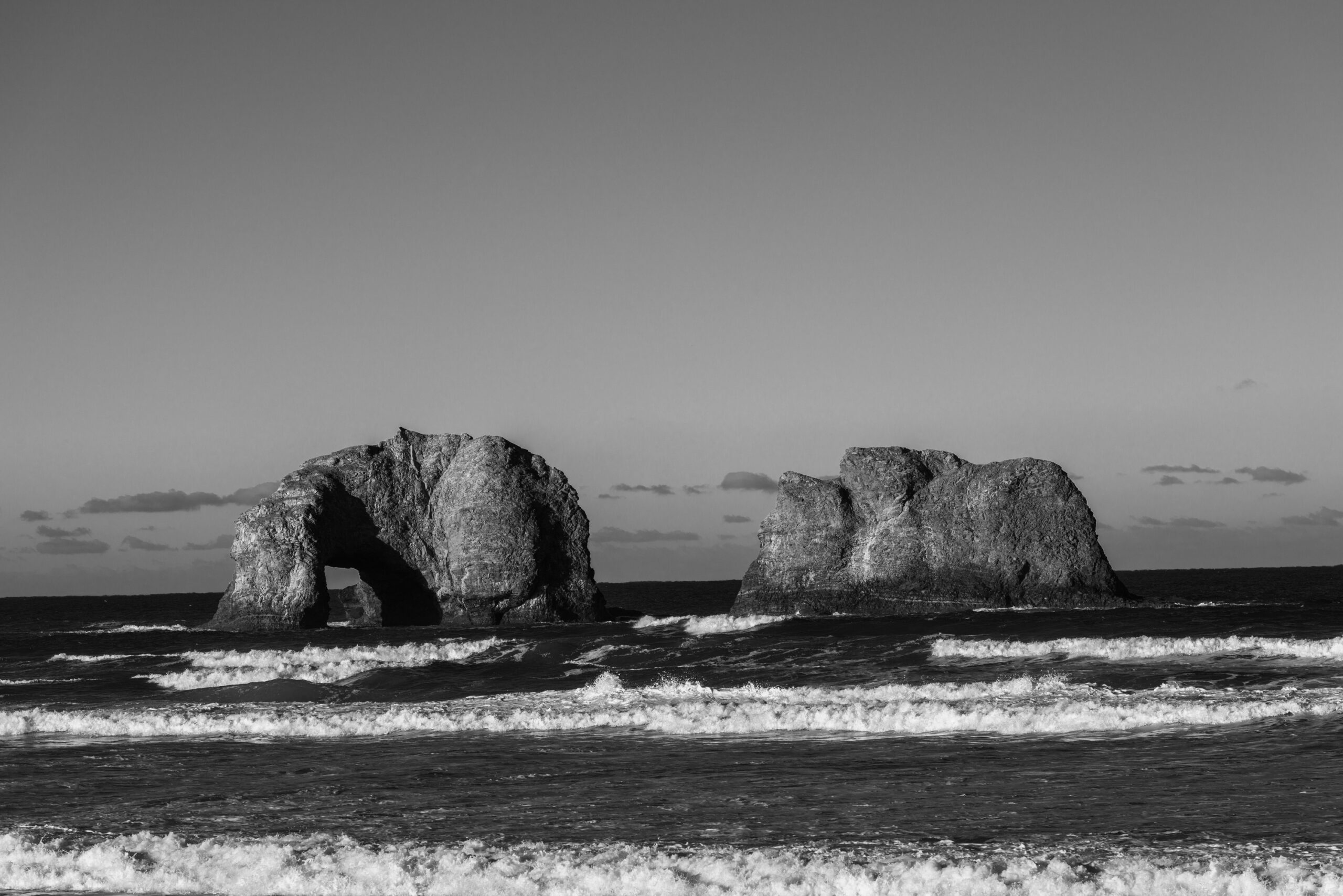
There’s a particular kind of quiet that settles over certain stretches of the Oregon coast, the kind where the tide pulls out and the sand just keeps going, further than seems reasonable for a town this size. Most visitors driving Highway 101 blow right past it on their way to somewhere louder.
Yet tucked between two of the coast’s more famous names sits a town that quietly claims one of the longest stretches of unbroken beach in the entire region, and it rarely gets the attention it deserves.
A Coastal Town Built Around Its Beach
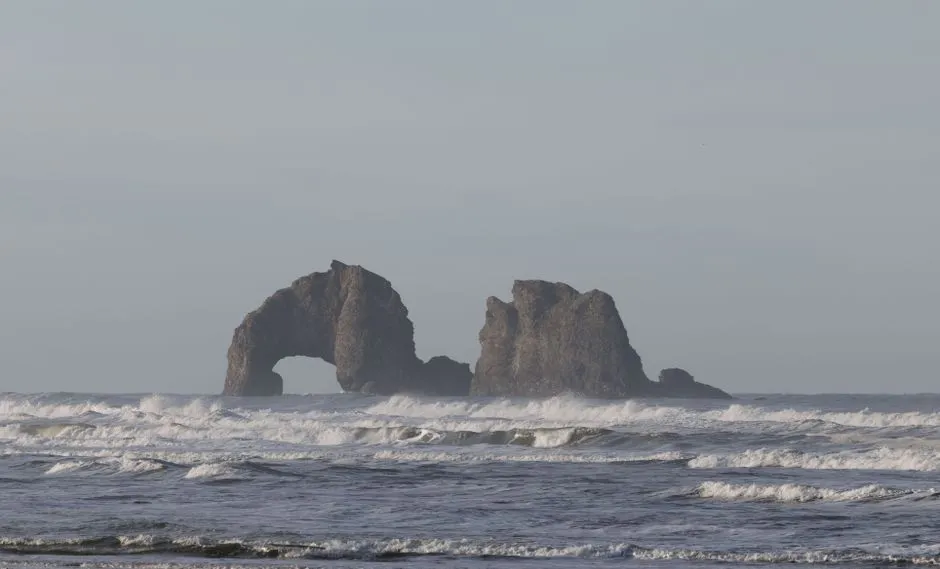
Rockaway Beach sits along the northern Oregon coast, roughly a two-hour drive from Portland and nestled between the well-known towns of Cannon Beach and Tillamook. Nestled between the stunning and budget-friendly Cannon Beach and Tillamook, Rockaway Beach is situated less than two hours west of Portland, a cozy little coastal nook perfect for escaping the hustle and bustle. It’s a modest town by any measure, with a main street lined more by antique shops than resort chains.
What sets it apart isn’t size or spectacle, but the simple fact that its beach barely stops.
Seven Miles Of Uninterrupted Sand
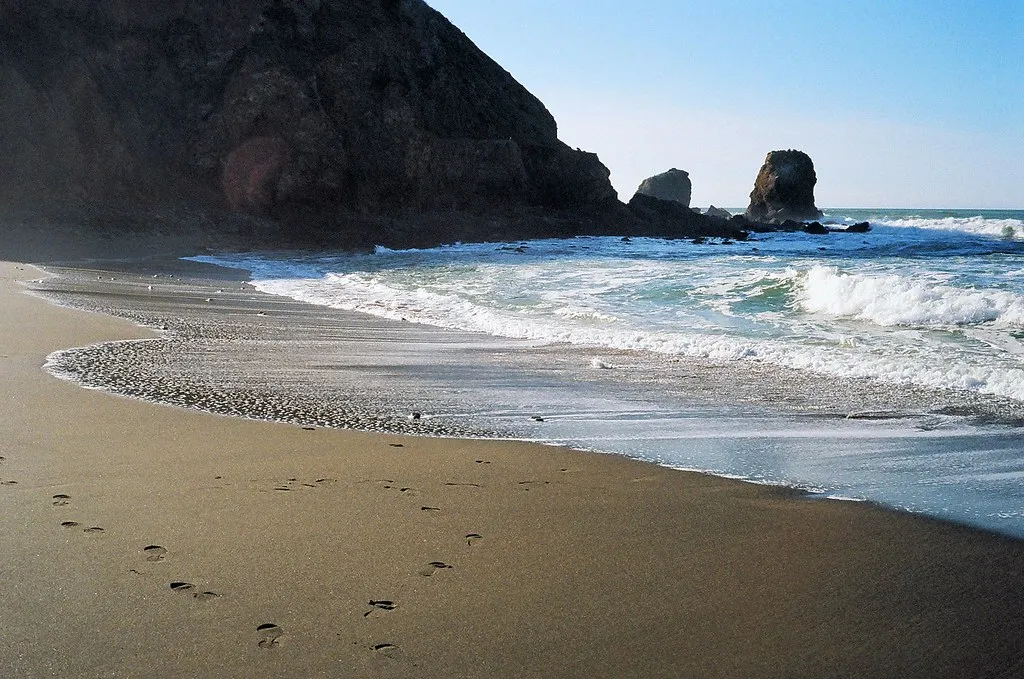
The defining feature of Rockaway Beach is right there in how locals describe it themselves. At Rockaway, there are 7 miles of beach, wide open and ready to explore, with more than 31 public access points sprinkled throughout town.
That’s a notably longer continuous stretch than many of Oregon’s more photographed beaches; Cannon Beach, for comparison, spans 4 miles, leaving plenty of space in the sand to spread out, while Seaside’s famous promenade covers a fraction of that distance. The sheer length here means visitors rarely feel hemmed in, even during the busier summer weekends.
Twin Rocks: The Beach’s Signature Backdrop
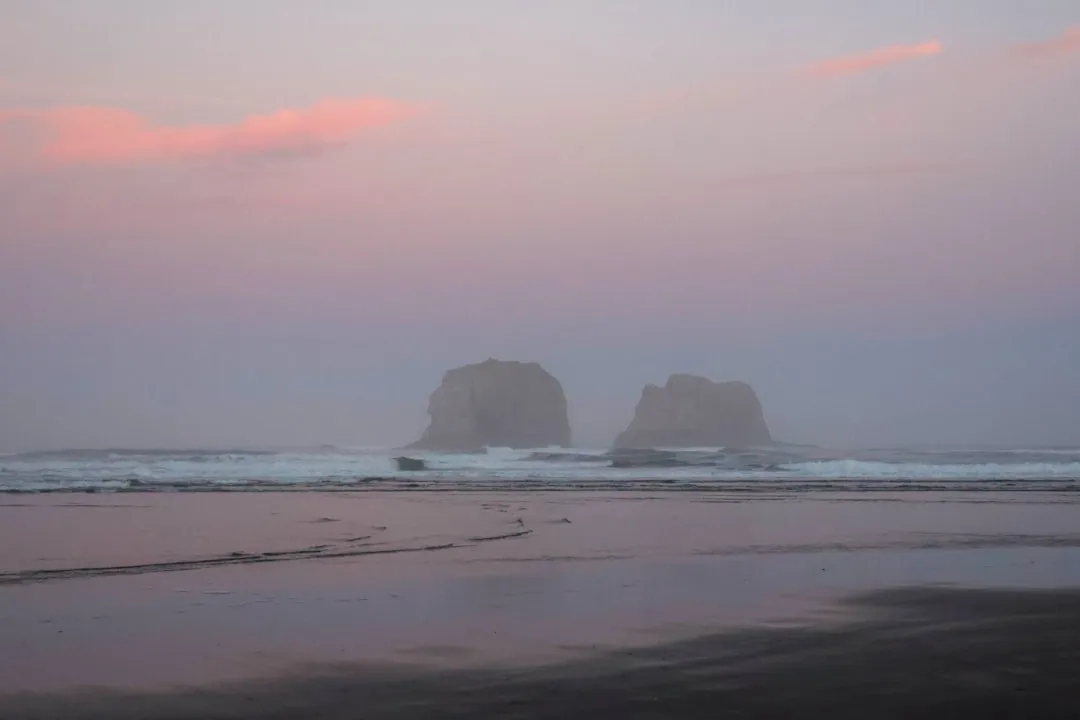
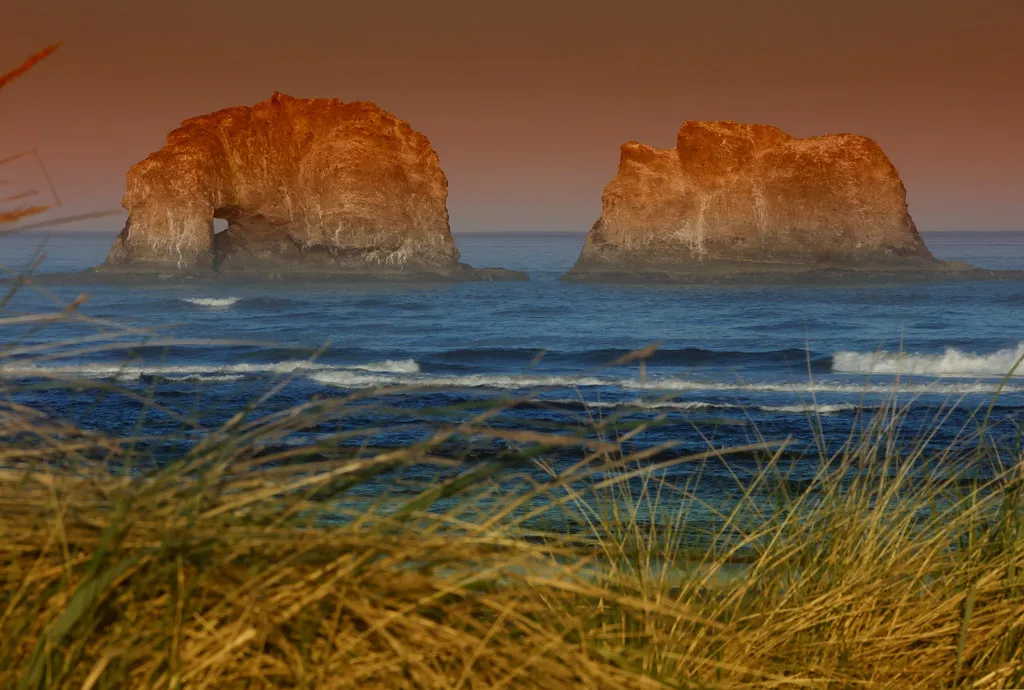
No description of Rockaway Beach is complete without mentioning the Twin Rocks, the sea stacks that anchor almost every photograph taken here. One of Rockaway Beach’s most photo-worthy views is of Twin Rocks, an impressive pair of 100-foot-tall sandstone formations rising majestically out of the sea, and though the rocks can be seen for miles, the best view comes from the beach access point on Minnehaha Street.
They give the otherwise flat, expansive shoreline a sense of scale and drama. At sunset, when the light hits the sandstone just right, it’s easy to see why these formations show up in nearly every local business’s branding.
A History Rooted In Trains And Tourism
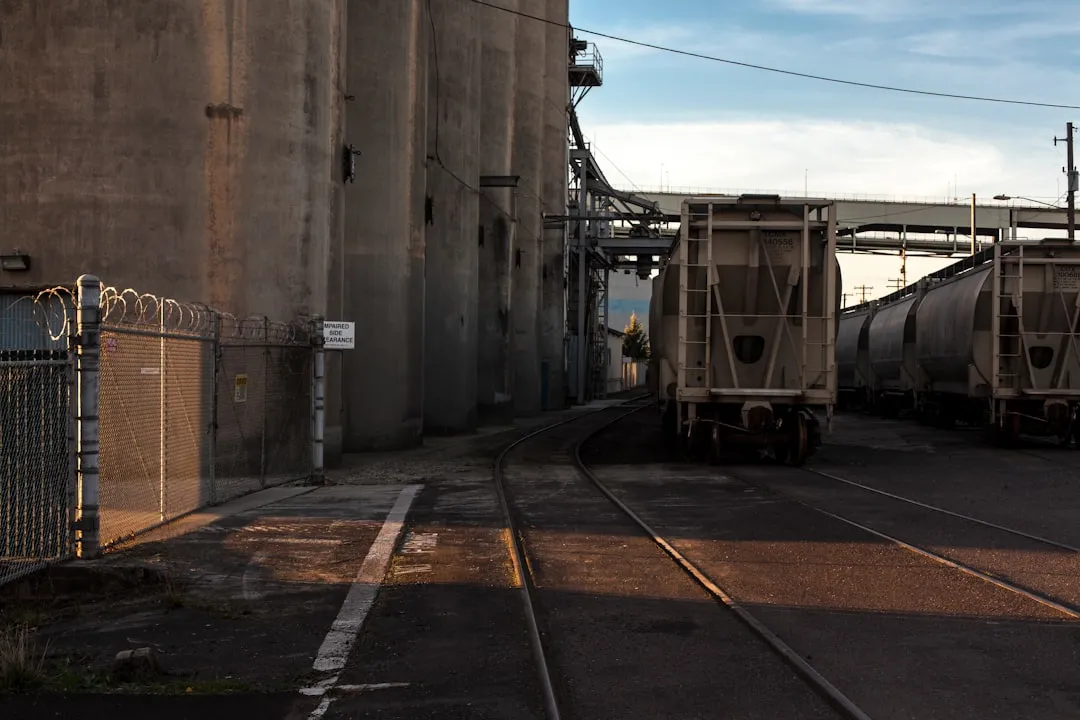
Rockaway Beach’s identity as a beach town didn’t happen by accident. It started as a summer resort destination in the early 1900s when the railroad connected Portland to the coast. Curiously, the town’s name comes from Rockaway Beach, New York, since early developers hoped it would become just as popular. That early ambition never quite turned the town into a bustling resort city, and in many ways that’s part of its appeal today.
Oregon’s Beach Bill And The Freedom To Roam
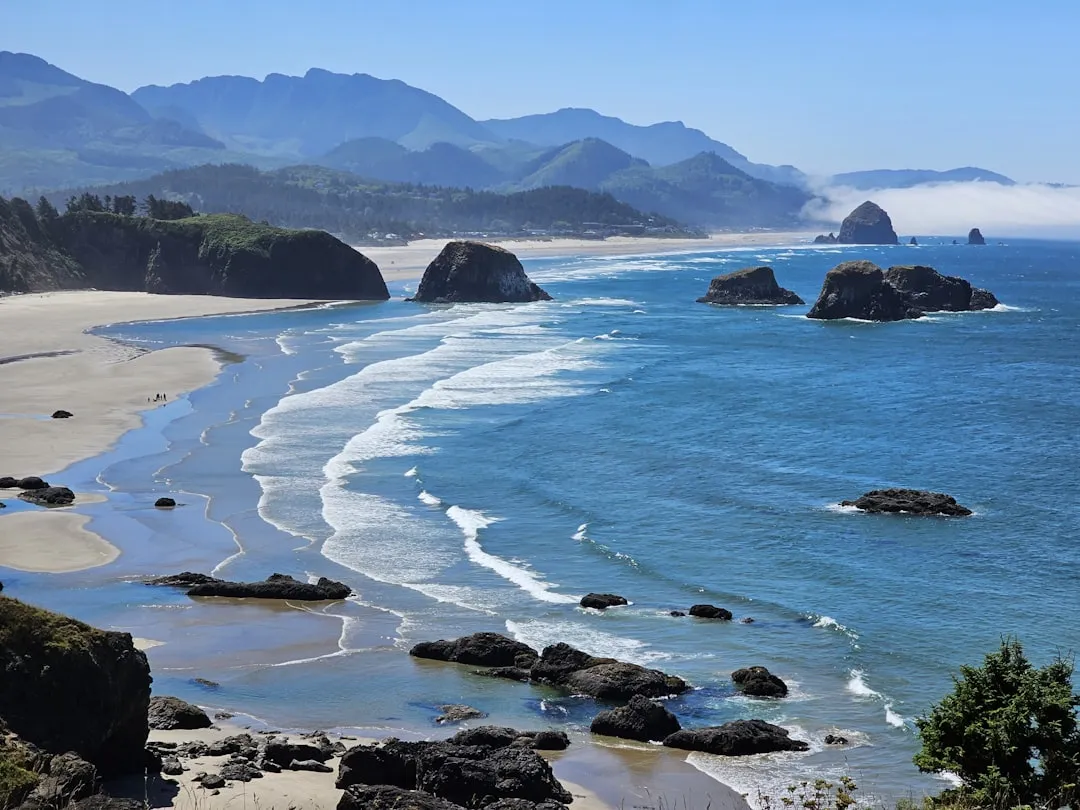
Part of what makes a seven-mile uninterrupted beach possible at all comes down to state law rather than local geography. In 1967, the Oregon Beach Bill declared free public beach access to everyone, and unlike California and Washington, the public has free and uninterrupted use of the beaches in Oregon, so visitors won’t see sections cordoned off as private property for hotel guests only.
That legal framework is a big reason towns like Rockaway Beach can offer this kind of open, walkable shoreline without gates or restricted zones. It’s a quietly significant piece of policy that shapes how the entire Oregon coast feels to visitors.
Riding The Rails: The Oregon Coast Scenic Railroad
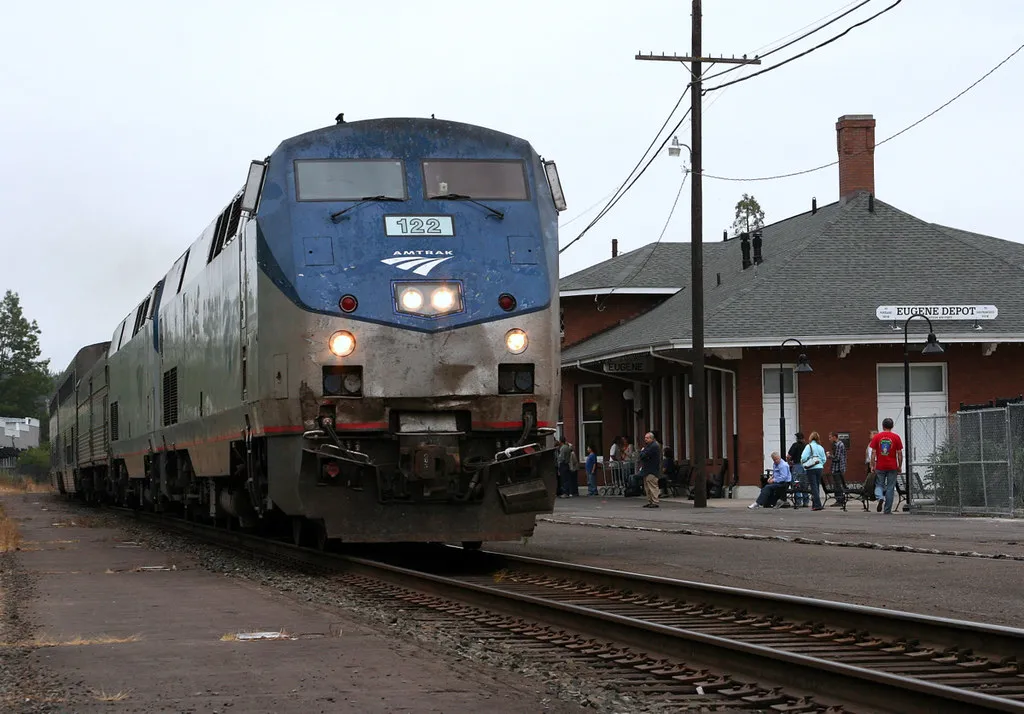
The train heritage that built Rockaway Beach hasn’t entirely disappeared. Founded in 2003, the Oregon Coast Scenic Railroad is a section of the old Port of Tillamook Bay railroad line that extends the Tillamook Air Museum through Garibaldi, Rockaway Beach, and Wheeler. Visitors can hop aboard a historic locomotive at the Rockaway Beach Station and embark on a 90-minute round trip excursion to Garibaldi and back, meandering past ocean vistas and lush Oregon greenery. It’s a slower, more nostalgic way to see the coastline than a car window ever offers.
Local Flavors And Small-Town Shopping

Rockaway Beach isn’t trying to compete with the dining scenes of bigger coastal towns, but it holds its own in a low-key way. Restaurants like Sand Dollar Restaurant, Pelican Brewing, Old Oregon Smokehouse, and Tie-Breaker all serve rave-worthy clam chowder, alongside heartier plates that draw on the region’s seafood and dairy traditions.
For shopping, Blue Water Fine Art Gallery showcases works from emerging and established artists, while Seaquest gifts and The Little Crow beckon shoppers with unique finds including antiques, collectibles, jewelry, and clothing. None of it feels manufactured for tourists, which is exactly the point.
Beyond The Beach: Trails, Bogs, And Big Trees
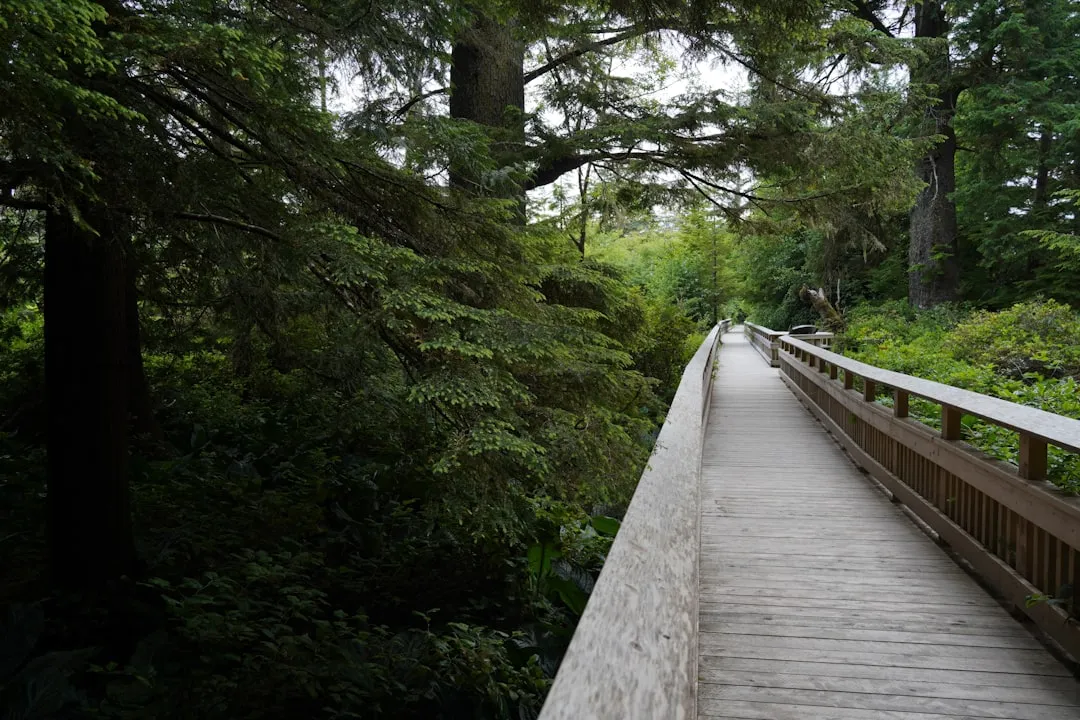
For travelers who want a break from sand between their toes, Rockaway Beach has a few worthwhile forest detours. A half mile wooden boardwalk leads to the Rockaway Big Tree, a Western red cedar that towers 154 feet overhead and is almost 50 feet in diameter, with the boardwalk also traversing a coastal bog thick with skunk cabbage and salmonberry. It’s a short outing, but a genuinely different kind of Oregon coastal scenery, all moss and shade after so much open sky on the beach.
Nearby Coastal Neighbors Worth Exploring
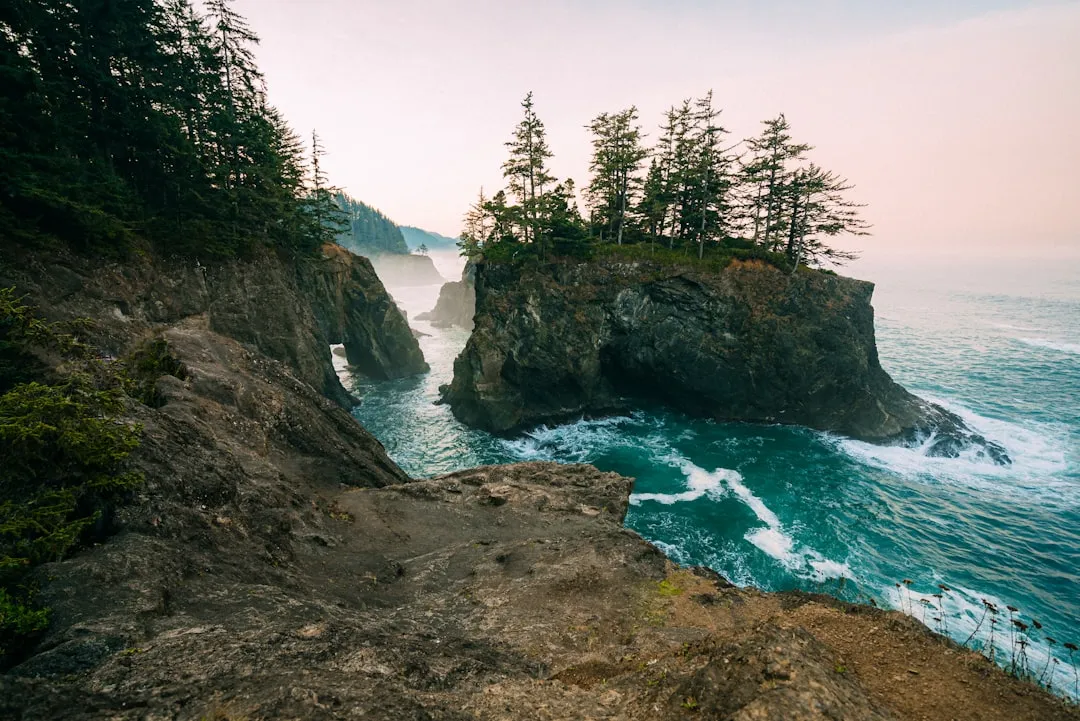
Rockaway Beach’s location puts several other classic Oregon coast stops within easy reach. Just north sits Garibaldi, a working port town with a salty, nautical feel and a great place to dive into Oregon’s fishing culture, while Manzanita and its own seven miles of pristine sand beneath Neahkahnie Mountain lie a bit further south. Travelers often pair a Rockaway Beach stay with day trips to Cannon Beach or Tillamook, both close enough for an easy afternoon visit without needing to change hotels.
Planning Your Visit
Getting to Rockaway Beach is straightforward for anyone already planning an Oregon coast trip, since it sits along the well-traveled northern stretch of Highway 101. Despite its charms, the town remains notably uncrowded, as despite hundreds of vacation rental houses and hotel rooms, many with beach access, the coastline is generally uncrowded. Peak season brings the best weather, but even summer weekends here feel calmer than the crowds found at some of Oregon’s more famous coastal stops. For travelers who want long walks on open sand without jostling for space, that alone makes the drive worthwhile.
There’s something refreshing about a place that doesn’t oversell itself. Rockaway Beach isn’t chasing the fame of Cannon Beach or the nostalgia-driven crowds of Seaside. It simply offers seven miles of open shoreline, a couple of sea stacks worth staring at, and enough small-town warmth to make a short visit feel like it lasted longer than it did.
AI Disclaimer: This article was created with the assistance of AI tools and reviewed by a human editor.