
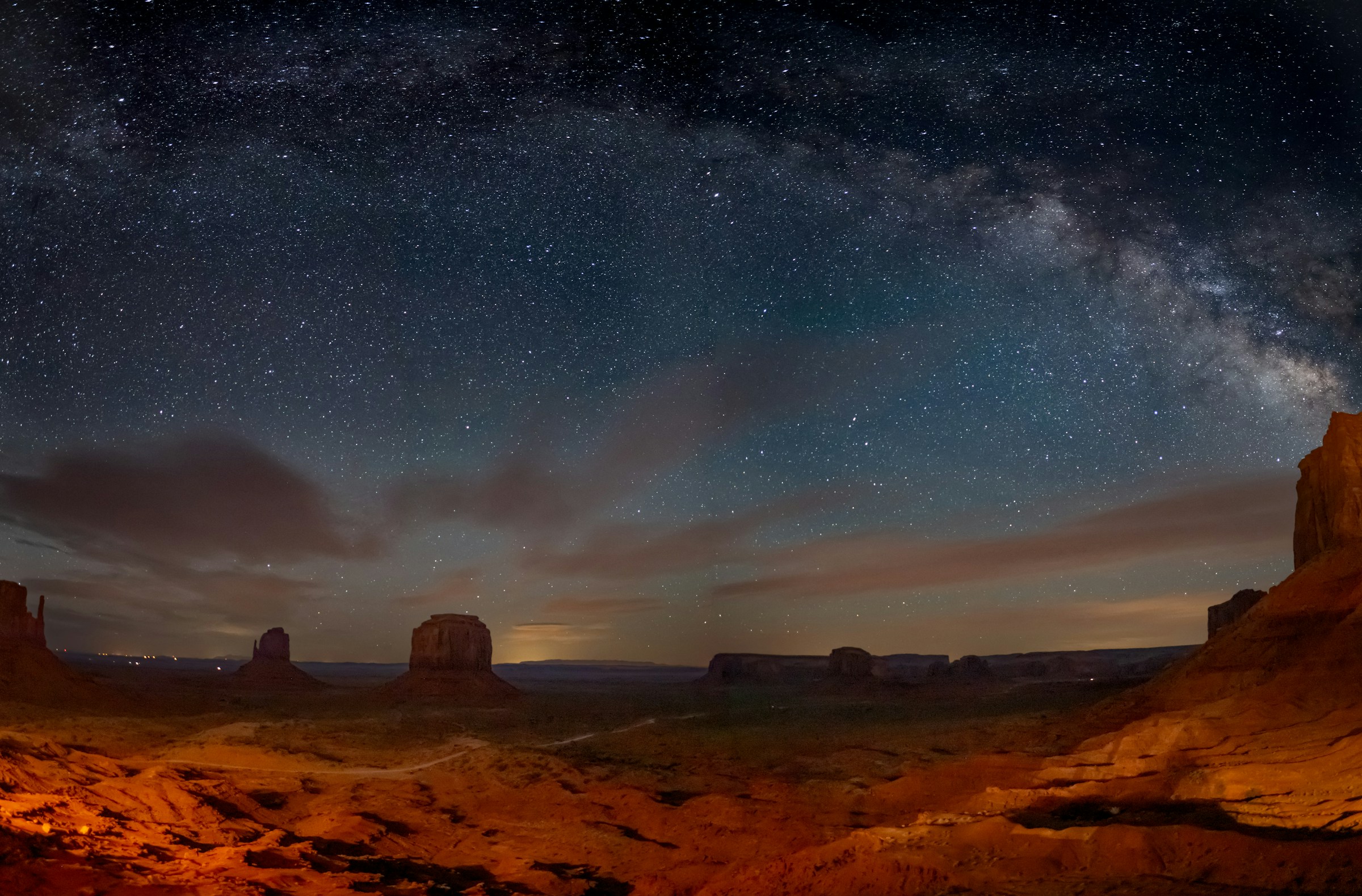
Drive east out of Scottsdale on Shea Boulevard, and something odd happens. The streetlights that have lined the road for miles simply stop. Ahead, the McDowell Mountains rise like a dark curtain, and beyond them sits a small desert community that has spent years fighting to keep its sky exactly as dark as nature intended.
A Town Built Around a Fountain, Not a Freeway
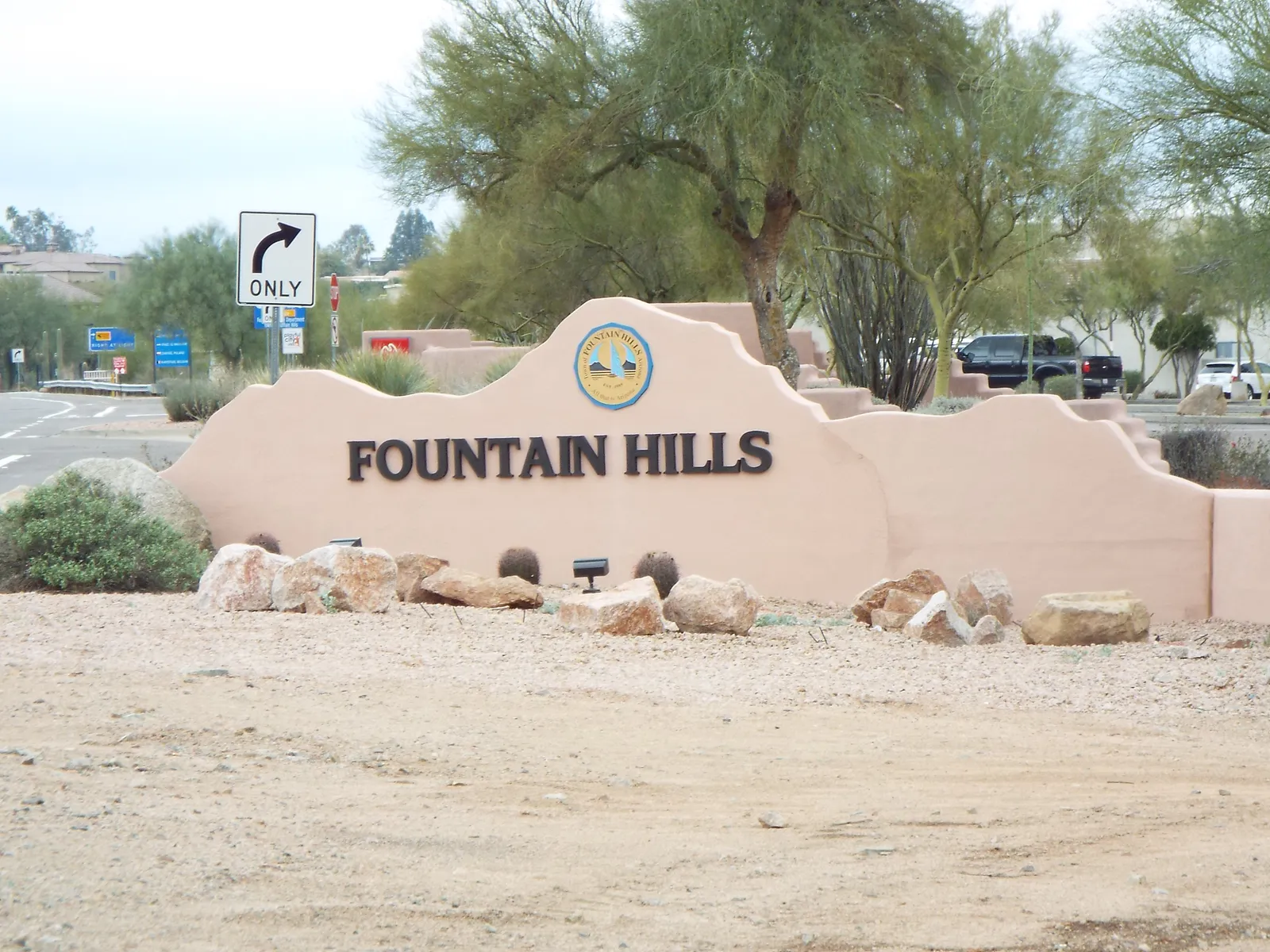
Fountain Hills sits at the edge of the Sonoran Desert, just past the eastern boundary of metropolitan Phoenix. The town is an incorporated municipality of approximately 25,000 inhabitants situated at the edge of the greater Phoenix, Arizona metropolitan area, and it derives its name from a fountain in a manmade lake at its center, which pushes 379,000 liters of water to heights of up to 170 meters. The community was originally laid out in 1970, and it later incorporated as its own town in 1989.
What makes Fountain Hills unusual isn’t just its centerpiece water feature, impressive as that is. It’s the fact that a town this close to a major American city has managed to hold onto genuinely dark skies, something most suburbs lose within a decade or two of growth.
An Accidental Advantage: The McDowell Mountains
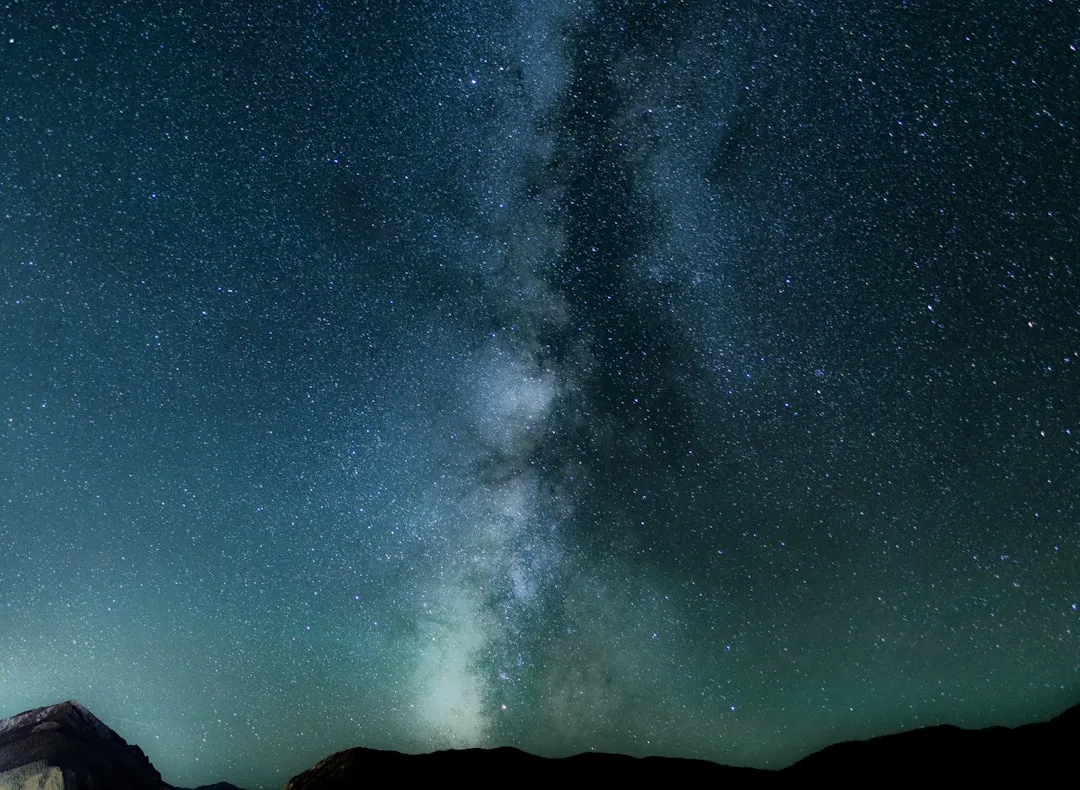
Fountain Hills’ situation at the edge of one of the largest metropolitan statistical areas in the United States makes for surprisingly dark nights, given the screening effect of the neighboring McDowell Mountains. That range acts like a natural wall, blocking much of the glow that would otherwise spill over from Scottsdale and Phoenix. Town residents have come to appreciate the typical nighttime conditions of their neighborhoods, where the night sky brightness is low enough to afford occasional glimpses of the Milky Way.
It’s a rare bit of geographic luck. Few communities sitting this close to a metro area of several million people can say the same.
The World’s 17th International Dark Sky Community

The Town of Fountain Hills was awarded International Dark Sky Community status, one of only two International Dark Sky Communities located near major metropolitan areas, becoming the seventeenth community worldwide to earn the designation. The recognition came from what is now known as DarkSky International, the organization that certifies places committed to reducing light pollution. At the time, IDA Executive Director J. Scott Feierabend called it an important moment for the movement to preserve dark skies in the American West, noting that given the explosive growth of Western cities, this outcome was a significant and hopeful sign of progress.
The designation wasn’t handed out lightly. It required years of measurable commitment to lighting policy, something the town had already been building toward for a long time.
A Grassroots Push That Started With a Handful of Residents
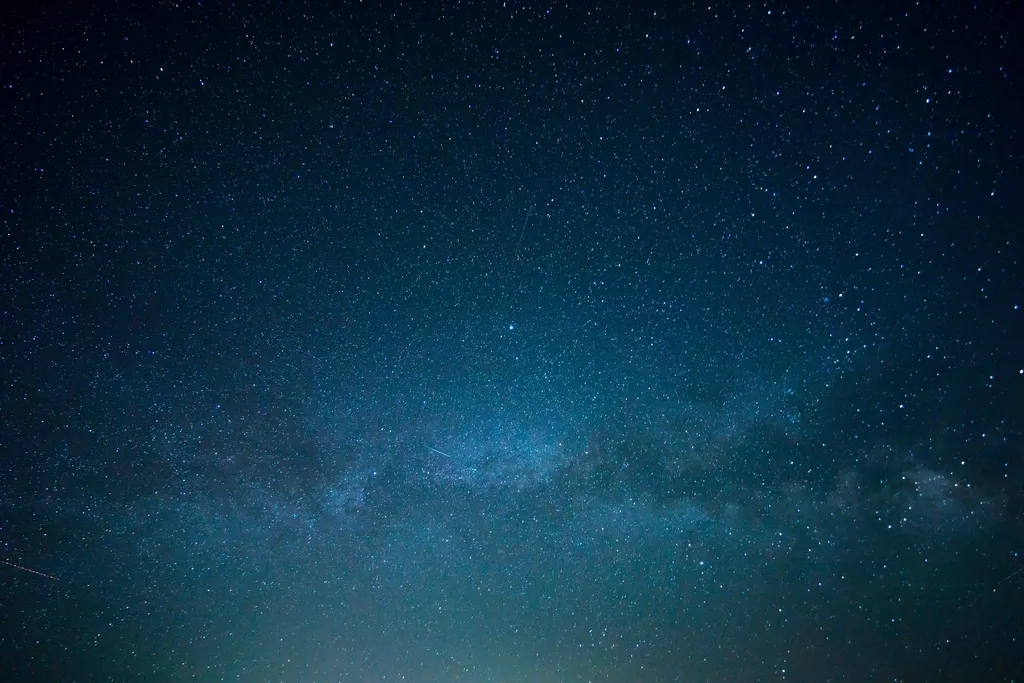
Locals interested in preserving these conditions, even as the metro area to their west grows, took up the cause of certification in early 2015, forming the Fountain Hills Dark Sky Association as a community ambassador organization, and they secured comprehensive improvements to the Fountain Hills outdoor lighting ordinance in 2016. The concern wasn’t abstract. The formation of the association was triggered by the advent of bright white light emitting diodes, with founders realizing that if action weren’t taken soon, the town would begin to have a night sky glow just like the rest of the Phoenix metropolitan area.
That kind of foresight is easy to overlook once a designation is in hand. But it’s worth remembering that dark skies rarely stay dark by accident. Someone usually has to notice the problem before it becomes irreversible.
Why New LED Lighting Almost Ruined Everything
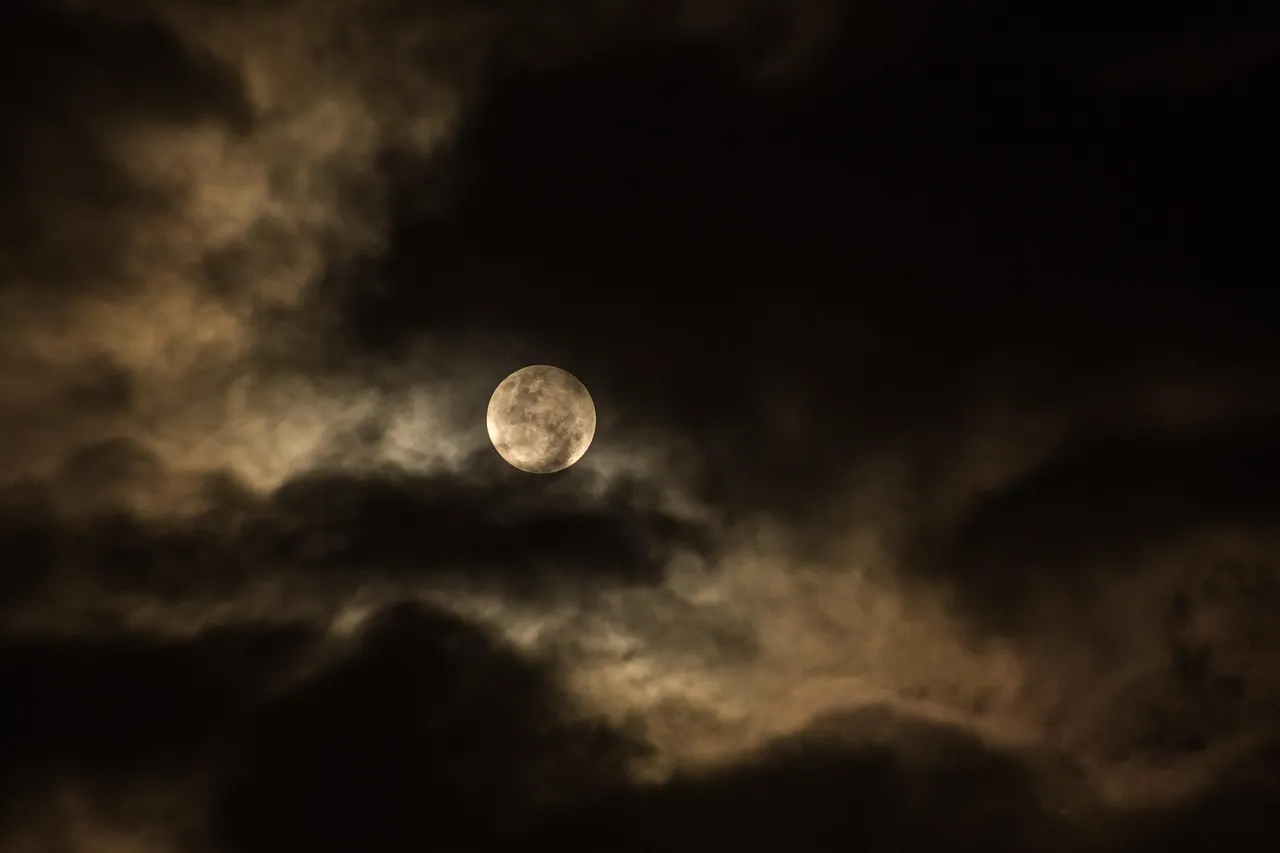
The irony of Fountain Hills’ dark sky story is that the very technology meant to save energy nearly cost the town its night sky. Bright white LEDs, while efficient, scatter more blue light into the atmosphere than the warmer sodium lighting they replaced, and that scatter is a major contributor to skyglow. One founding member of the local dark sky association explained that if that happened, the town would no longer be able to enjoy the wonders of the night sky, and the effect would be detrimental to both humans and wildlife. Fountain Hills responded by rewriting its lighting code around shielded fixtures and warmer color temperatures, a fix that other growing towns are now studying as a model.
Star Parties, Telescopes, and a Library That Lends Them Out
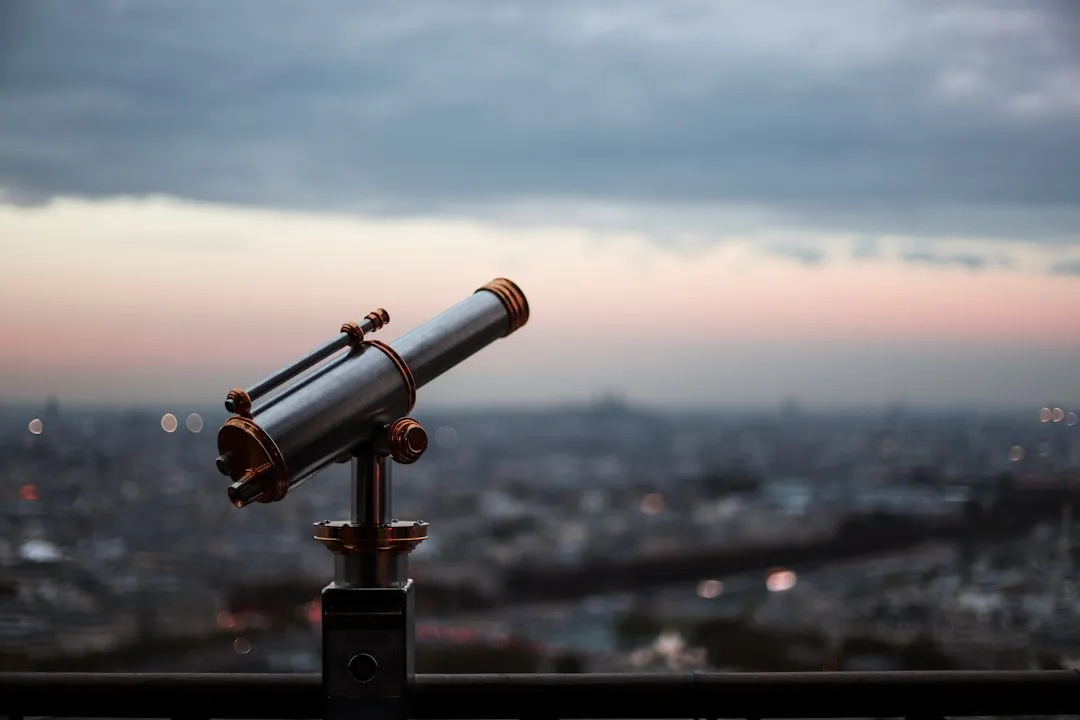
Many residents have moved to Fountain Hills specifically because of its dark skies, and the local astronomy club has over 600 people on its mailing list and coordinates regular star parties. One of the club’s founding members even donated three telescopes to the Fountain Hills Library, which are now available for checkout, a gesture that led to a national award for the library. It’s the kind of small, practical detail that says a lot about a community’s priorities. A town doesn’t lend out telescopes at its public library unless stargazing has become part of daily life rather than a novelty for tourists.
The Annual Dark Sky Festival
Each spring, Fountain Hills throws open its civic plaza for what has become one of its signature community events. Visitors to the Dark Sky Festival can view planets and stars through telescopes, and with hands on exhibits, educational booths, kids’ activities, telescope zones, and interactive experiences, the free festival is designed for all ages to discover the magic of the night. Past festivals have included a passport activity for kids, visits from live animals brought by wildlife rescue groups, an exhibit about Arizona State University’s contributions to Mars rover design, and a star party with a dozen telescopes.
The event serves a dual purpose. It’s a genuine celebration for families, and it’s also a quiet reminder of why the lighting ordinance exists in the first place.
A New Observatory Is Rising in the Town Center
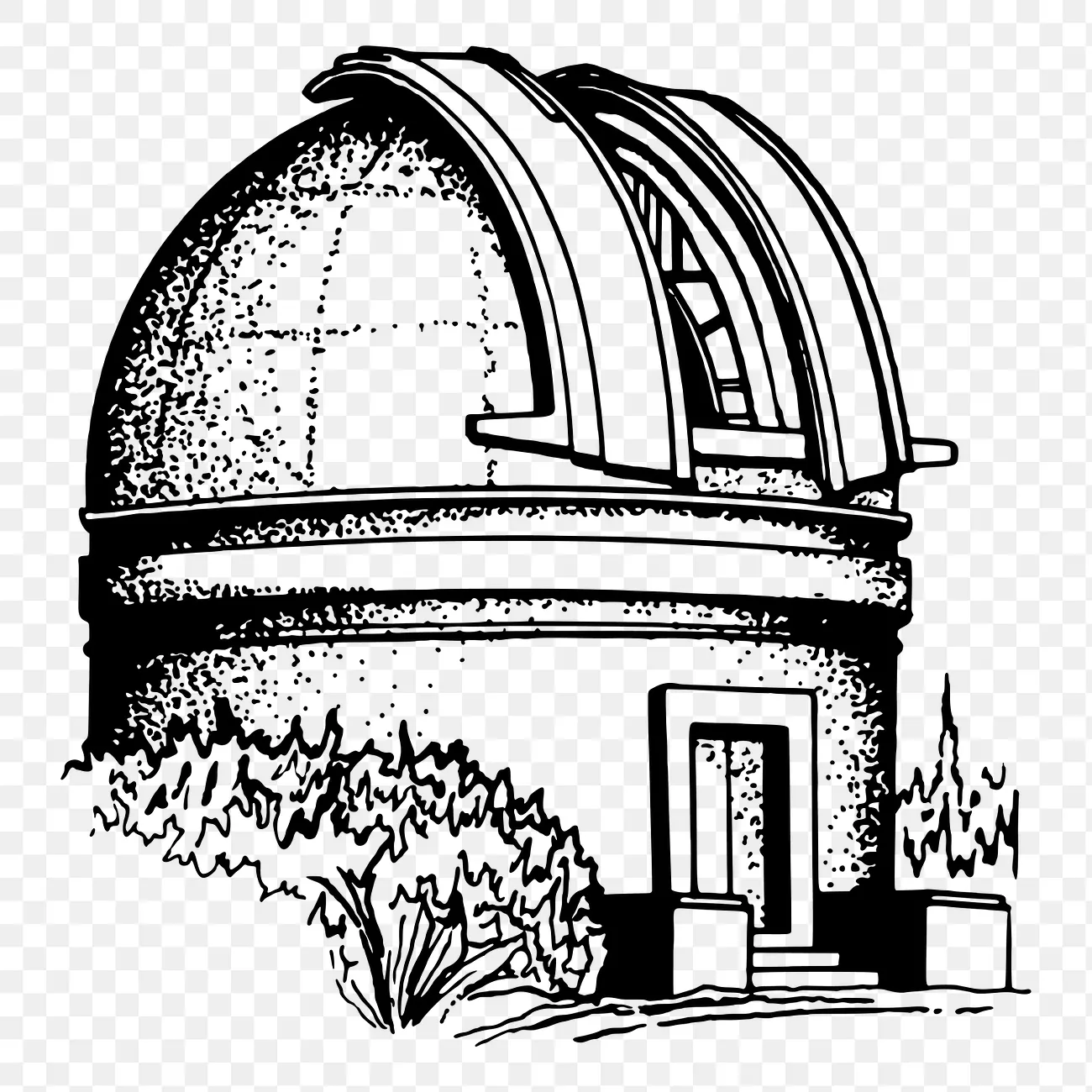
Fountain Hills isn’t resting on its designation. A Dark Sky Discovery Center is currently under construction and scheduled to open in the middle of the year, and it will house a telescope with a 27.5-inch diameter available to the public and researchers worldwide. The center will be located in the Town Center, an area that already serves as a hub for institutions that attract visitors, including the Community Center, Fountain Hills Library, River of Time Museum, and Town Hall.
Local reporting describes the project as a new attraction coming to Arizona’s billion-dollar astro-tourism industry, with backers hoping it can bring the region into the space age while also breathing new life into the town itself. It’s a significant bet on stargazing as both a scientific resource and an economic driver, and it puts Fountain Hills in a small club of communities building serious public observatories rather than just protecting empty sky.
A Resort Built Around the Same Idea
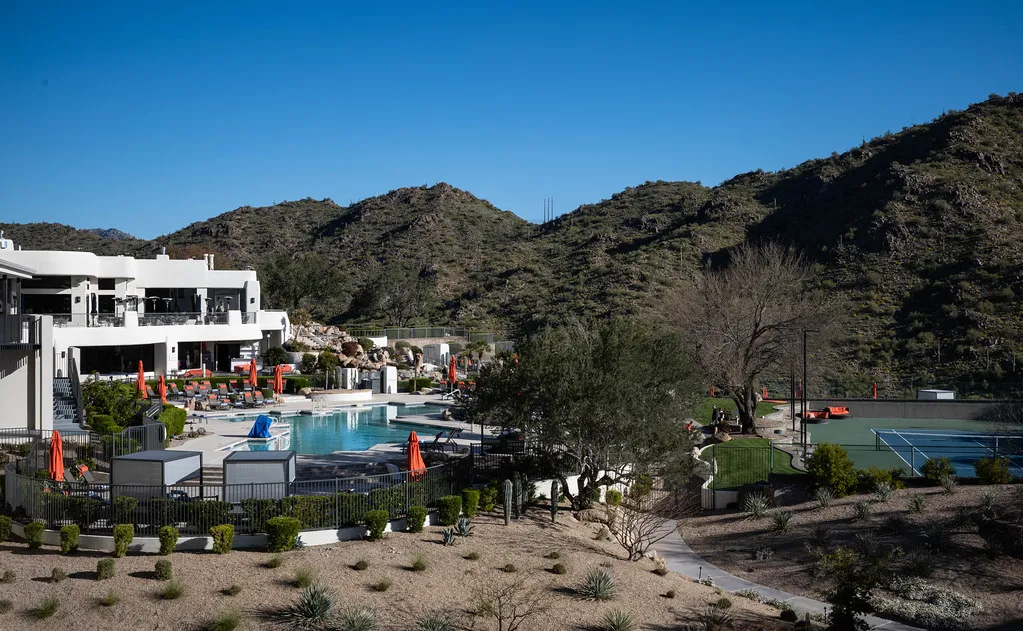
The town’s commitment to dark skies has attracted more than astronomy clubs. ADERO Scottsdale, the only Autograph Collection resort in a certified Dark Sky Zone, offers guests high definition telescopes stationed at the hotel, made possible thanks to Fountain Hills achieving Dark Sky Community status for its lighting ordinance and the natural screening effect of the neighboring McDowell Mountains. The resort’s signature night sky program, called Find Your Way, includes complimentary high-definition telescopes upon request, exclusive use of a mobile stargazing app, and guided Friday night sky tours. It’s a small but telling sign of how far the dark sky identity has traveled, from a civic ordinance into a genuine hospitality draw.
Beyond the Stars: A Desert Worth Exploring by Day
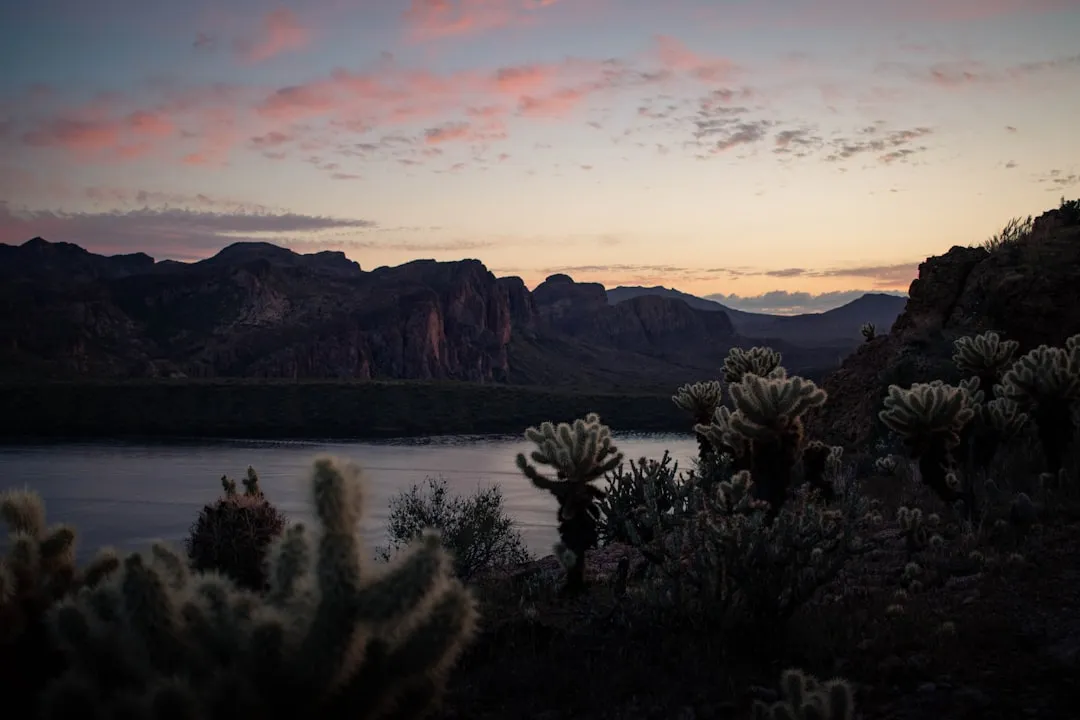
Stargazing might be Fountain Hills’ calling card, but the daylight hours have plenty to offer too. Hikers, bikers and wanderers appreciate the town’s easy access to the outdoors, with mountain bikers, equestrians and hikers spreading out on looping trails at the 21,000-acre McDowell Mountain Regional Park, while nearby Saguaro Lake offers a guided boat cruise on the Desert Belle. Closer to town, the Fountain Hills Desert Botanical Garden is a hidden gem of botanical and geological delights, while the path around the fountain offers a scenic loop for walkers and joggers.
The same qualities that make the night sky dark, namely low humidity, minimal urban sprawl, and open desert terrain, also make the daytime landscape genuinely worth exploring. A visit here rewards patience on both ends of the clock.
What This Means for Travelers Planning a Trip
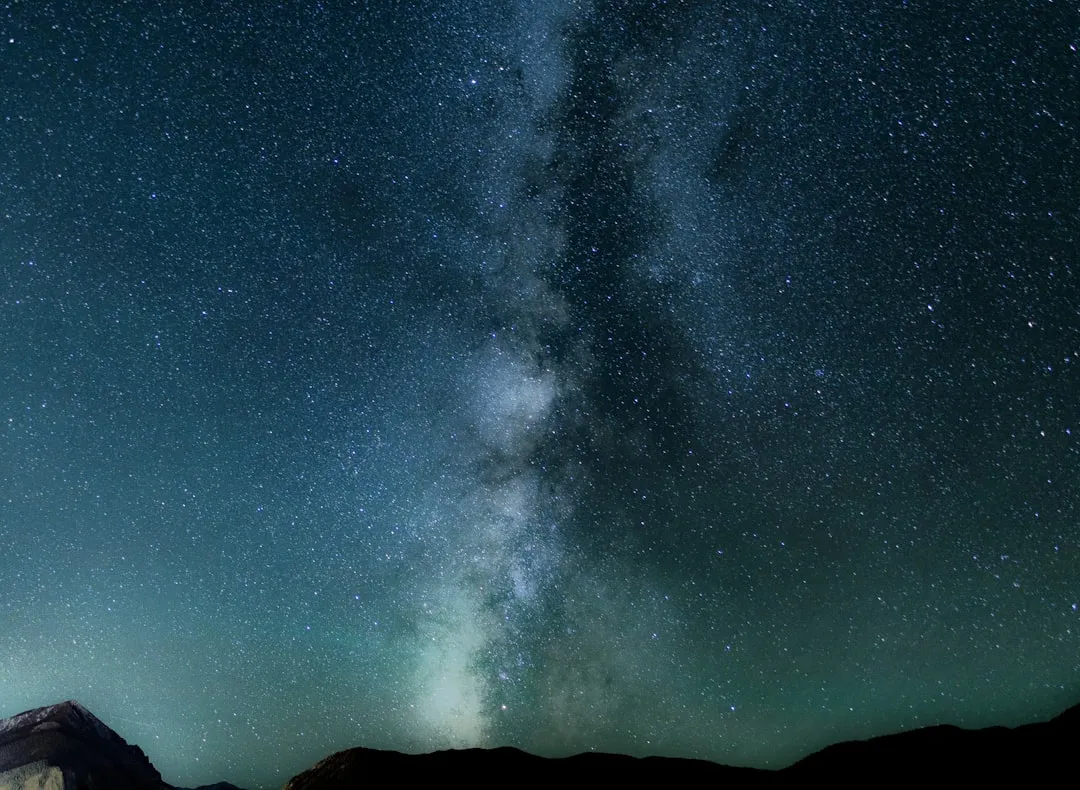
Fountain Hills offers something increasingly rare for a place this accessible: a night sky that hasn’t been washed out by growth. Look into the sky in a place like a major city and most times you cannot see a single star, but in Fountain Hills, you can see the entire Milky Way right from your back yard. For travelers who want a dark sky experience without a long drive into true wilderness, that combination of proximity and preservation is hard to find anywhere else in the country.
The town’s efforts are also a reminder that dark skies aren’t simply inherited. They’re maintained, ordinance by ordinance, streetlight by streetlight, by people who decided the view was worth protecting. Whether you come for a weekend star party, a quiet evening at a resort telescope, or simply to see what the Milky Way actually looks like, Fountain Hills offers a rare kind of clarity, both in its sky and in its sense of purpose.
AI Disclaimer: This article was created with the assistance of AI tools and reviewed by a human editor.