
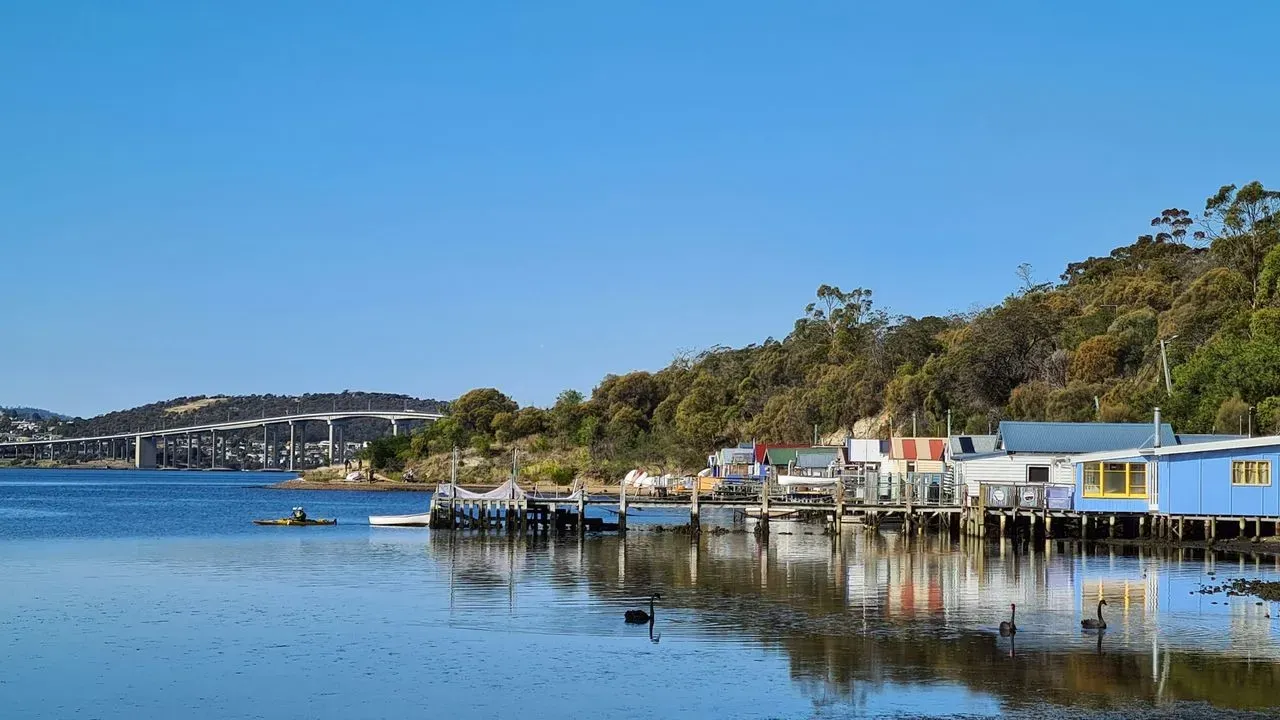

Hobart, Tasmania – Australia’s second-oldest city sits on an island that still feels far removed from the mainland. Its compact harbour, sandstone warehouses, and surrounding peaks create a setting where colonial layers meet raw wilderness in a way few capitals can match. Visitors often arrive expecting a quiet regional centre and leave surprised by the depth of its cultural offerings and the ease of reaching some of the planet’s most pristine landscapes.
A Capital Shaped by Isolation and Convict Heritage
Hobart’s location at the southern edge of the inhabited world has long defined its character. The city developed around a deep natural harbour that once served as a key British penal outpost. Today the same waterfront remains central, with historic buildings now housing galleries, restaurants, and small businesses that preserve the original stonework while adapting to contemporary use.
The convict era left a tangible legacy that extends beyond the city limits. Sites such as the Cascades Female Factory offer guided walks that focus on the experiences of transported women, providing context for a difficult chapter in Australian history without sensationalism. These places sit alongside everyday neighbourhoods like Battery Point, where Georgian cottages and rose-filled gardens invite quiet exploration on foot.
MONA and the City’s Contemporary Cultural Pulse
The Museum of Old and New Art, known as MONA, stands as the clearest expression of Hobart’s willingness to embrace the unexpected. Built into a former brewery site on the Derwent River, the institution presents provocative works in subterranean galleries that encourage visitors to move through the space at their own pace. Its presence has drawn international attention while remaining deeply rooted in local sensibilities.
That same spirit appears in smaller venues and markets. Salamanca Place, with its row of converted warehouses, hosts a Saturday market that blends produce, crafts, and street performances. Nearby, the Tasmanian Museum and Art Gallery reopened after major renovations with renewed emphasis on Aboriginal history and contemporary Tasmanian art, offering a measured counterpoint to MONA’s more subversive approach.
Wilderness Within Easy Reach
One of Hobart’s most distinctive advantages is the speed with which travellers can move from urban streets into protected natural areas. Mount Wellington, or Kunanyi, rises directly behind the city and delivers sweeping views on clear days. Short drives or organised tours reach Bruny Island for coastal cruises that encounter seals and seabirds, while slightly longer routes lead to Port Arthur or the dramatic coastline of Freycinet National Park.
Closer to town, the Royal Tasmanian Botanical Gardens provide a gentler introduction to the island’s cool-climate flora. The gardens’ lawns and glasshouses offer space for reflection, and their location makes them an easy addition to any itinerary that also includes wildlife sanctuaries such as Bonorong, where native species are cared for and released when possible.
Practical Rhythms of a Small Capital
Daily life in Hobart moves at a measured pace that suits its scale. The city centre and waterfront remain walkable for most visitors, with buses available for longer distances. Accommodation ranges from modest guesthouses to waterfront apartments, many within a short stroll of Salamanca or the harbour. Local eateries emphasise fresh seafood and seasonal produce, with several long-standing spots serving as reliable anchors for visitors and residents alike.
Weather adds its own variable. Even in summer, temperatures rarely climb far above the low twenties Celsius, and conditions can shift quickly. Packing layers remains standard advice for anyone planning outdoor time on the mountain or along the coast.
Hobart rewards travellers who value contrast over scale. Its combination of convict-era history, ambitious contemporary art, and immediate access to wild places creates a destination that feels both grounded and expansive. Those who spend several days here often find the city serves as an ideal base for discovering the wider island while offering enough depth on its own to justify a deliberate, unhurried visit.
AI Disclaimer: This article was created with the assistance of AI tools and reviewed by a human editor.