

There is a particular kind of quiet that settles over a place once you have crossed water to reach it, a sense that the ferry ride itself is part of the destination rather than a means to an end.
Off the northeast coast of Newfoundland, past fishing villages with names like Twillingate and Farewell, sits an island that has spent the last decade quietly becoming one of the most talked about places in Canadian travel circles, not because of marketing campaigns but because of what its residents chose to build after everything else fell apart.
An Island Shaped By The Sea
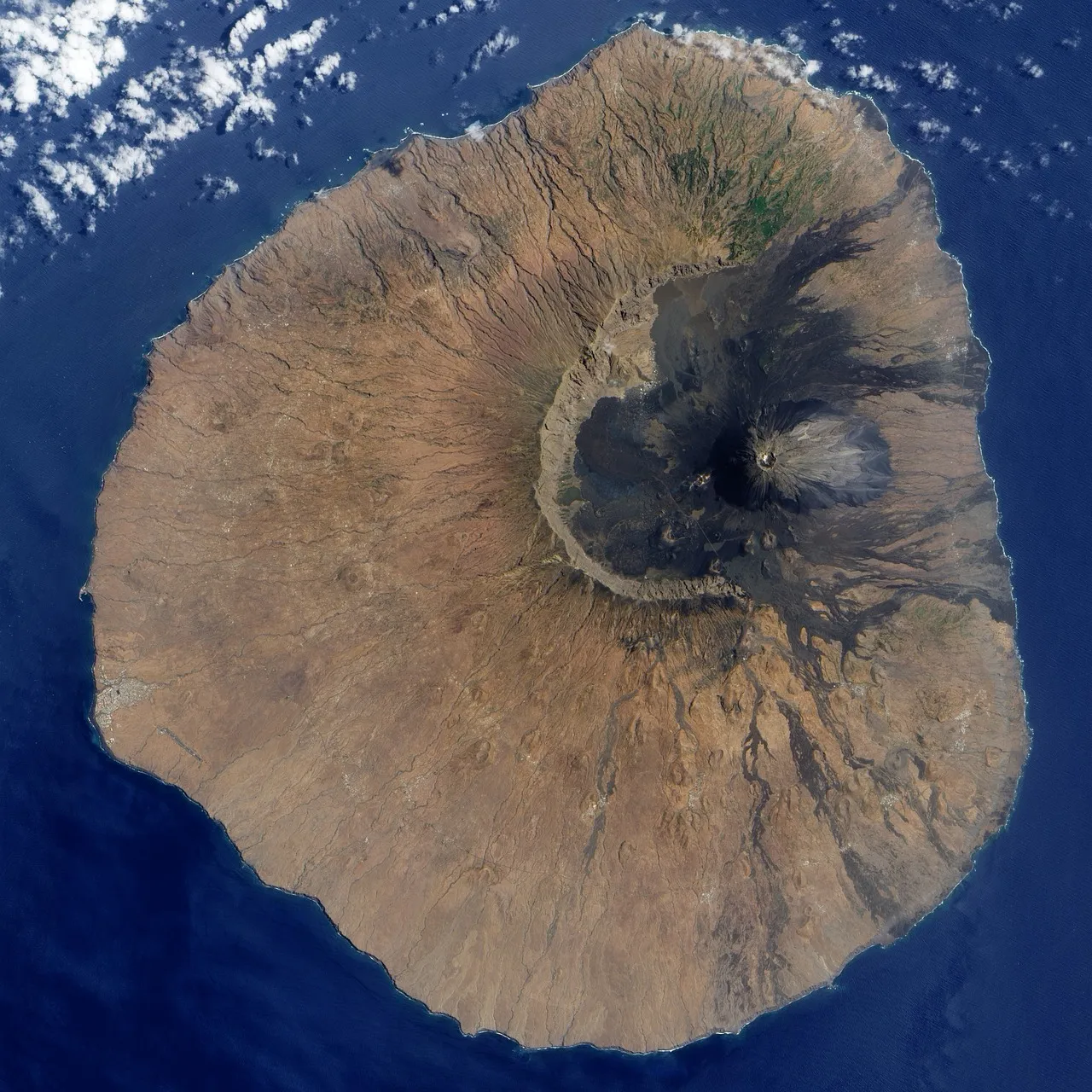
Fogo Island lies off the northeast coast of Newfoundland, separated from the mainland by Hamilton Sound and reachable only by ferry or small aircraft. It is the largest of the offshore islands of Newfoundland and Labrador, lying off the northeast coast of Newfoundland, and measures about 25 kilometres long and 14 kilometres wide, with a total area of roughly 238 square kilometres.
The rock beneath your feet here is genuinely ancient. The landscape, with its 400-million year old rocks and lush moss and forests, is wild, to say the least. That geological depth gives the island a stillness that feels older than the fishing outports scattered along its shore.
A Community That Refused To Disappear
To understand why people now travel here, it helps to know what nearly ended the island altogether. The northern cod fishery closed in 1992, though crab and lobster fisheries have largely replaced it, with a fish-packing plant remaining in operation in the town of Fogo.
The same troubles that still plague nearly all of rural Newfoundland followed: a lack of jobs, an outmigration of young people seeking work, and a dwindling and aging population. Yet the island did not simply resettle and fade. Fogo Island, once again, is defying the odds, with some young people returning, an uptick in employment, and increased tourism offering the prospect of related small businesses.
The Inn That Changed Everything
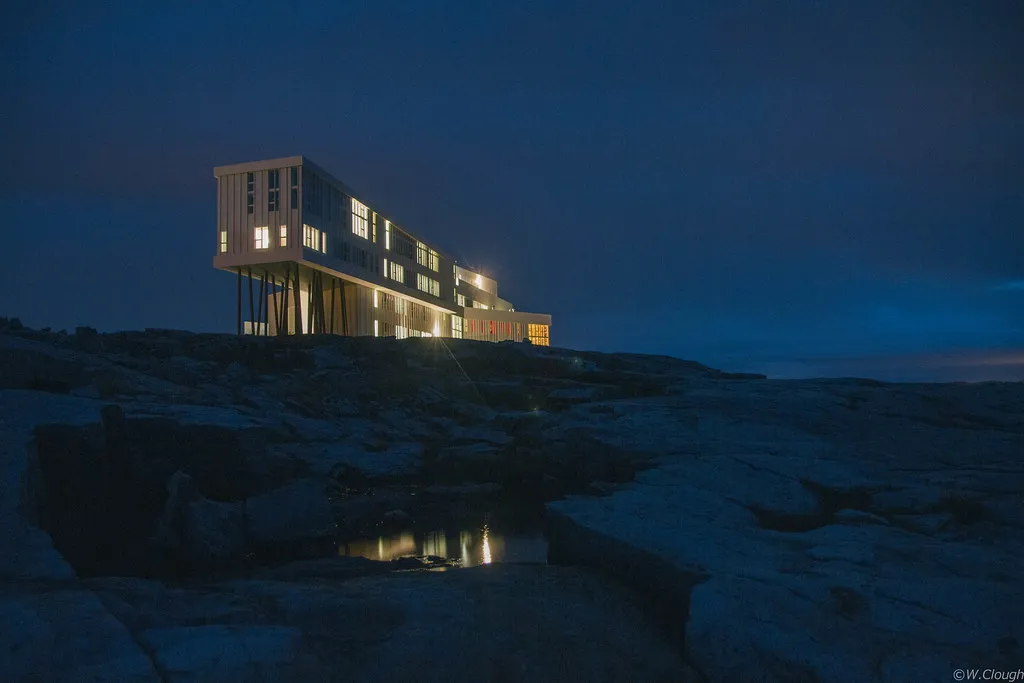
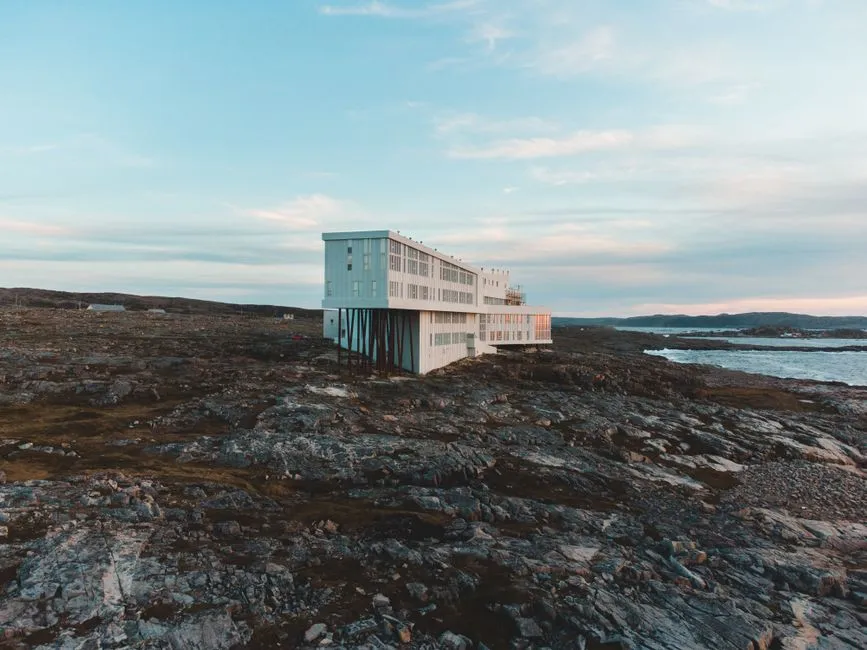
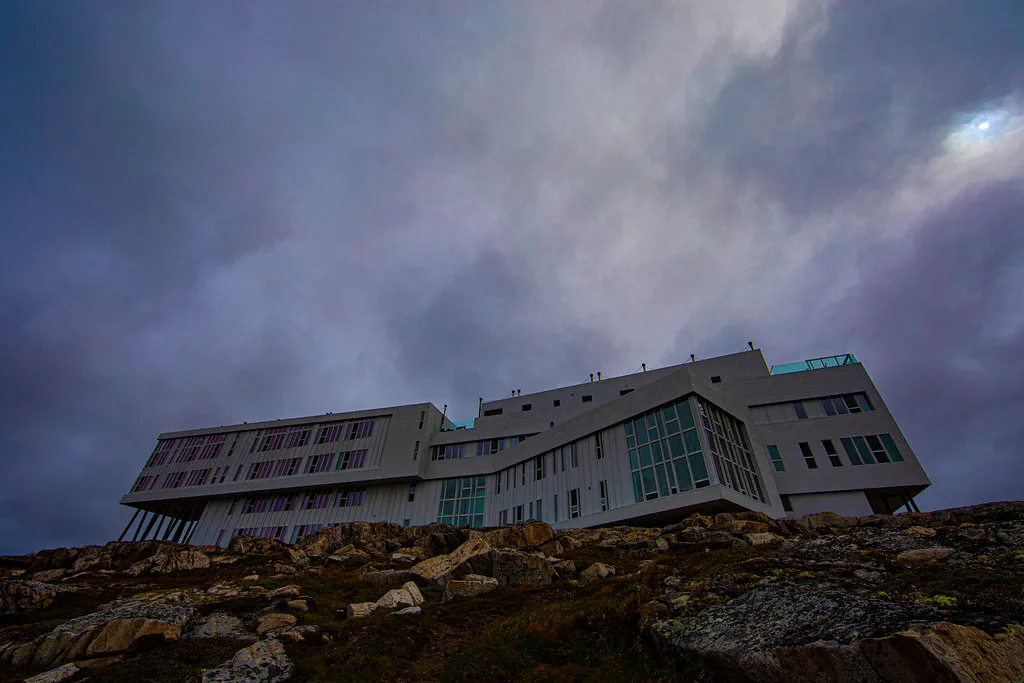
Much of that turnaround traces back to one building. Shorefast opened the Fogo Island Inn in 2013 as a way to express traditional knowledge and hospitality in new ways and to serve as an economic engine for the island, designed by Newfoundland-born, Norway-based architect Todd Saunders, featuring 29 one-of-a-kind rooms drawing from the island’s vernacular architecture.
The energy-efficient structure features solar thermal roof panels, uses no fossil fuels, avoids single-use plastic, and collects rainwater to filter and reuse in toilets and laundry, and the 29-room lodge has won numerous architectural awards. Perched on stilts that echo the traditional fishing stages along the shoreline, it looks less like a hotel than a piece of the coastline itself.
Radical Transparency At The Front Desk

What makes the Inn unusual is not just its design but its ownership. The Inn was built with philanthropic funds, and all surplus profits are returned to Shorefast for reinvestment into the community, meaning there are no investors seeking a return and no private gain, so the community of Fogo Island is the beneficial owner of the Inn. That structure led to something called the Economic Nutrition label.
For example, if staying at the Fogo Island Inn, over half of your money will remain on Fogo Island, ninety six percent stays in Canada, the majority goes directly to labour, and there is no private gain as any operating surpluses are returned to Shorefast for community reinvestment. It is a rare thing in hospitality, a receipt that doubles as a statement of values.
Art On The Edge Of The Atlantic

Fogo Island’s creative life extends well beyond the Inn’s walls. Artists work in one of four studios designed by Newfoundland-born, Norway-based architect Todd Saunders, scattered along the coastline. The studios reference traditional Newfoundland fishing stages in their stilt-leg construction, connecting modern design to centuries-old outport culture.
Four off-grid artist studios sit along the coastline, ranging from 200 to 1,200 square feet. Visitors can wander past them on public trails, watching contemporary sculpture rise beside weathered fishing sheds, a pairing that somehow feels natural rather than jarring.
Icebergs, Whales, And Puffins
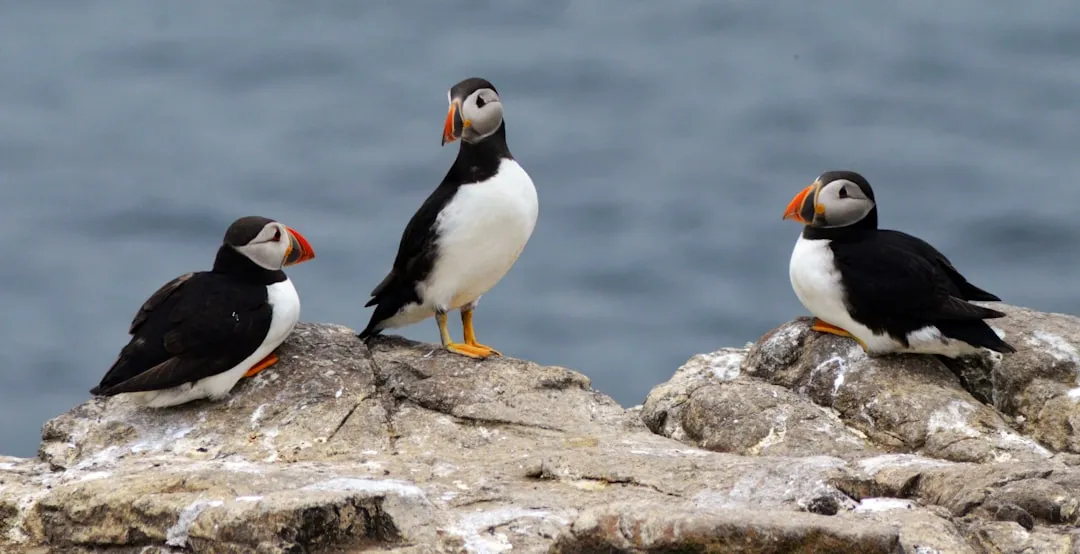
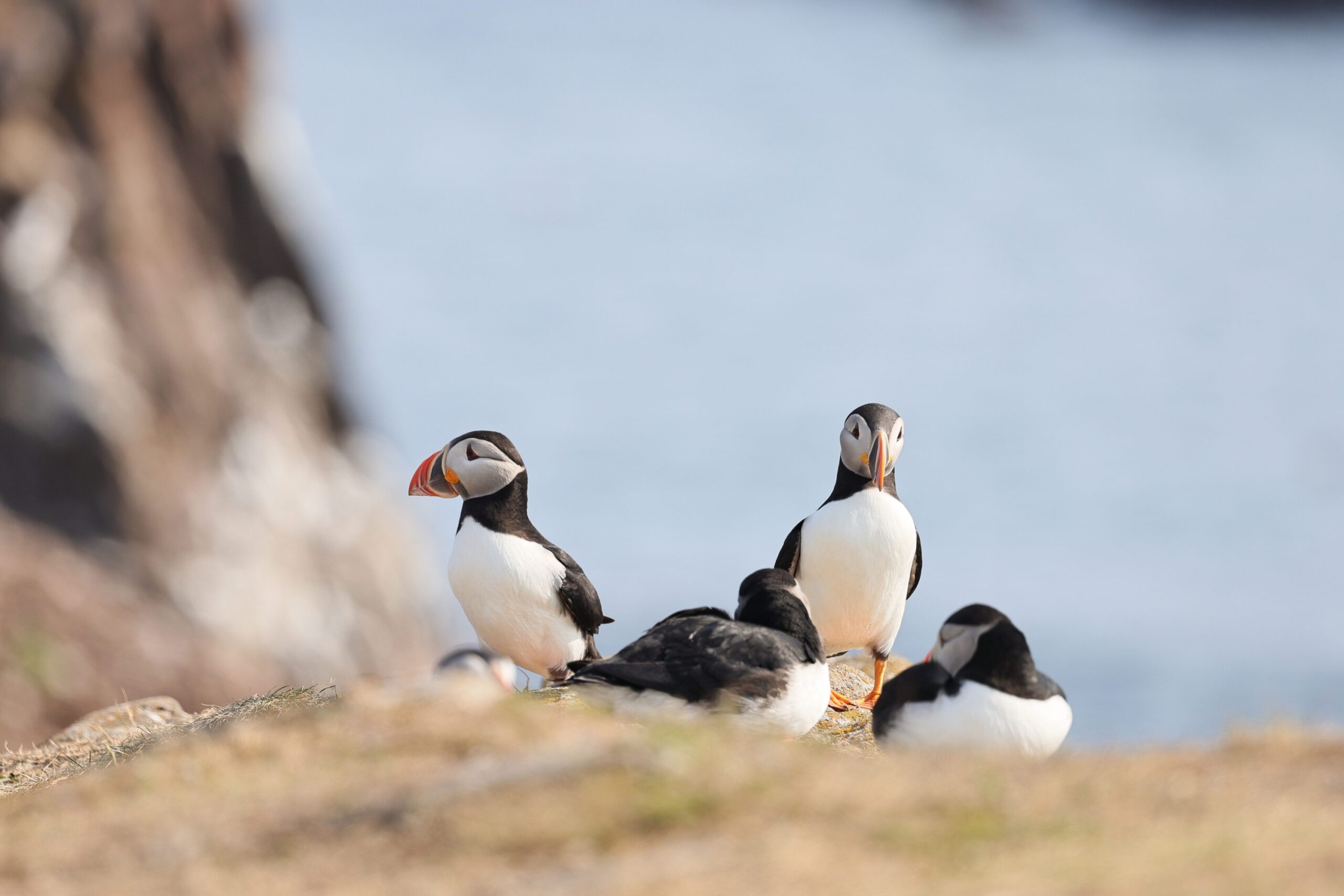
Wildlife is not an afterthought here, it is a season unto itself. Atlantic puffins nest on Fogo Island’s cliffs from late May through early September, making summer the prime wildlife-viewing window. During the summertime, you can spot whales from the shores of Fogo Island, with humpbacks and minkes the most common though other species including dolphins also pass through.
Along Iceberg Alley in any given spring, you might spot between 400 and 800 frozen formations slowly floating by. Boat operators can take visitors closer to both the icebergs and the seabird colonies, though sightings depend heavily on the season and the year.
Standing At The Edge Of The Flat Earth
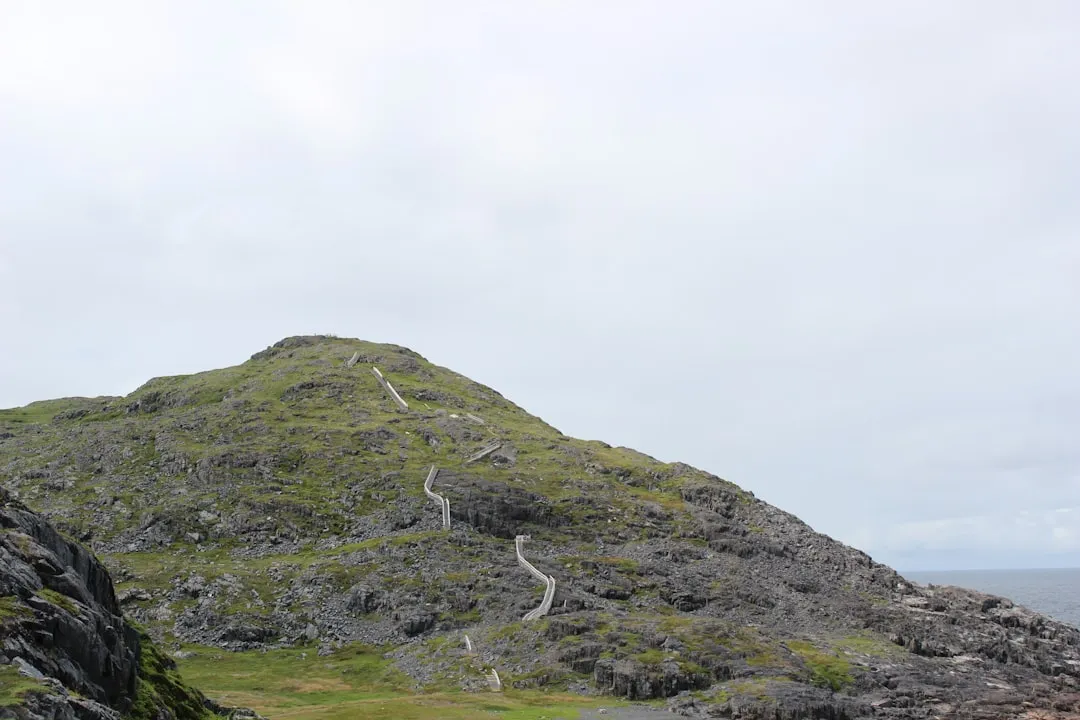
No visit to Fogo Island feels complete without a climb up its most curious landmark. Brimstone Head is one of the four corners of the earth according to the satirical Canadian Flat Earth Society, a rocky promontory located on Fogo Island, 15 kilometres off the northeast coast of Newfoundland.
The area around Fogo is comprised of very hard volcanic rock, created 420 million years ago in a dramatic explosion. Locals treat the flat earth claim with good humor rather than earnestness, and the hike up rewards visitors with sweeping views over the harbor and the open Atlantic beyond.
Hiking Trails And The Rhythm Of Seven Seasons
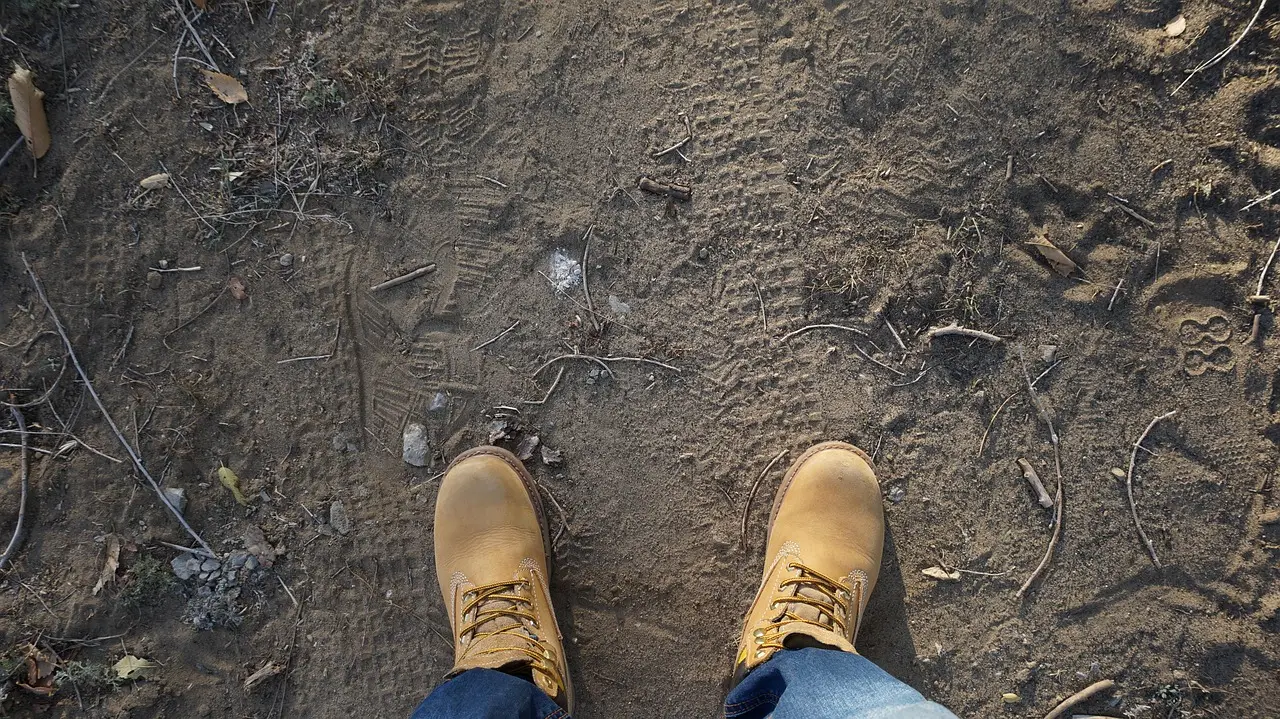
Beyond Brimstone Head, the island offers a modest but well loved trail network. It has seven hiking trails, such as Lion’s Den, Brimstone Head, Turpin’s and Joe Batt’s Point Trail, along with ten town owned local museums and heritage properties, including the Marine Interpretation Centre, the Lane House Museum, and the Bleak House Museum.
Locals joke about the island having seven seasons rather than four, a nod to how unpredictable the weather can swing within a single day. Fogo Island has a marine based subarctic climate bordering on a cold humid continental climate, with cooler summers than inland areas of Newfoundland, and the fourth warmest month of June just straddles ten degrees Celsius in mean temperature. Packing layers is less a suggestion than a requirement.
Getting There: The Ferry As A Filter
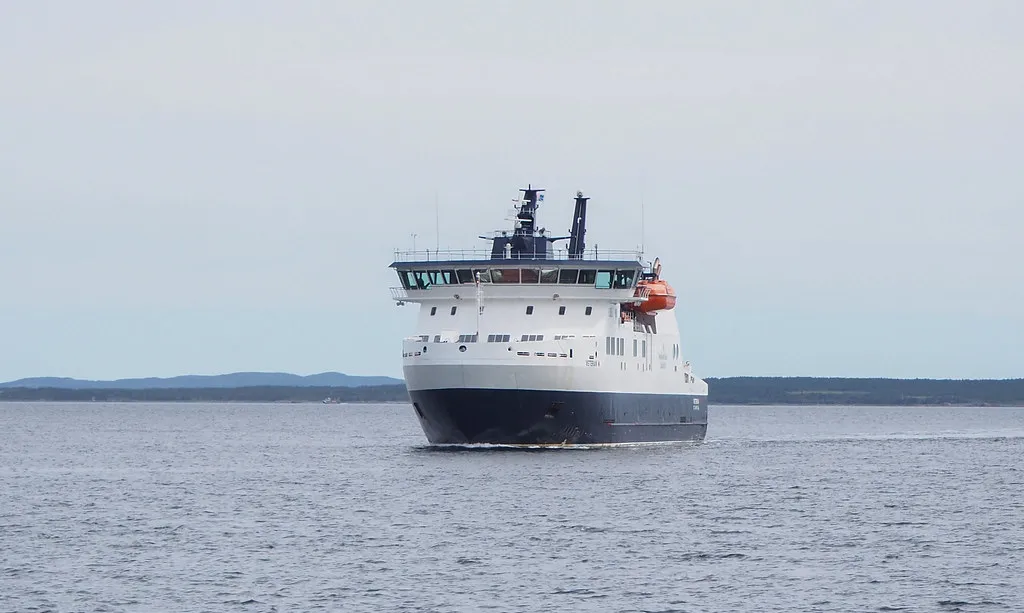
Reaching Fogo Island requires a deliberate effort, and that is largely the point. Fogo Island can be reached by taking Route 330 north from Gander to the ferry service that runs from Farewell, with the crossing from Farewell to Fogo Island taking approximately 50 minutes.
The roughly 45 minute ferry crossing from Farewell acts as a natural filter, since there is no cruise ship dock, no airport with commercial jet service, and no chain hotels. That lack of easy access has shaped the island’s character as much as its history has, keeping visitor numbers modest by design rather than by accident.
Why Travelers Are Choosing Fogo Island Now
In 2026, Fogo Island has come to represent something of a counterpoint to the crowded, overexposed destinations dominating so much travel conversation. The island represents a counter movement to overtourism, a place where fewer than 2,500 residents share their home with visiting artists, architects, hikers, and wildlife enthusiasts.
This fits a broader shift toward destinations that are geographically remote, culturally distinctive, and intentionally low capacity, and Fogo Island may be its clearest example. The trend connects to broader conversations about sustainable community planning, and Fogo Island’s model, where tourism profits fund community programs rather than extract wealth, offers a template other remote communities are studying. That balance between welcome and restraint is precisely what keeps drawing travelers across the water.
Fogo Island never set out to become a bucket list destination. It became one almost by accident, as a side effect of a community deciding to invest in its own survival rather than wait to be rescued from outside. That distinction is worth sitting with long after the ferry has carried you back to the mainland.
AI Disclaimer: This article was created with the assistance of AI tools and reviewed by a human editor.