
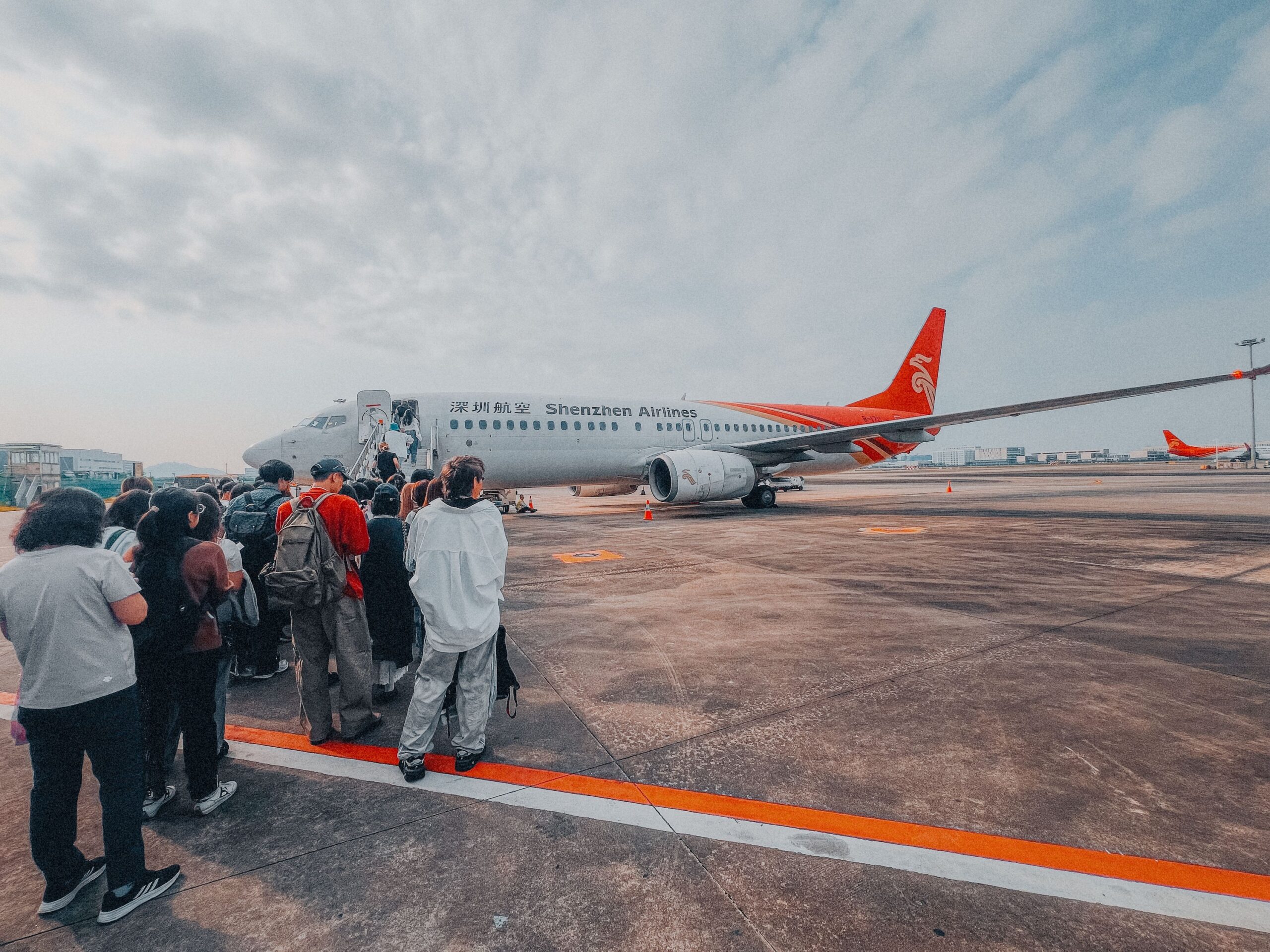

If you’ve flown more than once or twice in the past year, you may have noticed something feels a little different at the gate. The familiar boarding calls, the group numbers, even the shape of the line itself, have shifted at several major U.S. carriers. It’s not your imagination, and it’s not random. Behind the scenes, airlines have been rethinking boarding order with a mix of new technology, new research, and a fair amount of trial and error.
Southwest Ends Its Fifty Year Open Seating Tradition
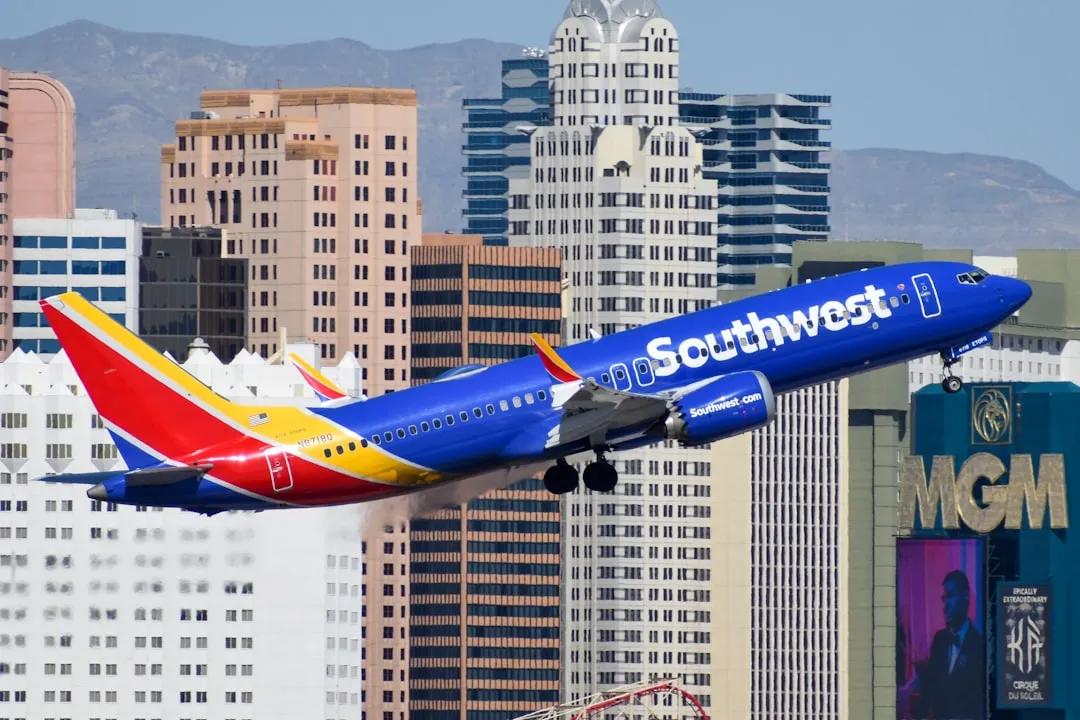
For more than five decades, Southwest Airlines was the one major carrier that let passengers choose their own seat once onboard, a system built around check in time rather than a reserved spot. Under the old system, passengers received a boarding position based on their check in time (A1 through C60) and then chose any open seat.
That changed in early 2026. Southwest Airlines introduced assigned seating on January 27, 2026, ending its open seating model after more than 50 years. Under the new system, seats are assigned at booking, and boarding now uses numbered groups 1 through 8, determined by fare type and loyalty status. Fittingly, the final Southwest flight with open seating was an overnight flight from Honolulu to Los Angeles, carrying flight number WN1971 in reference to the airline’s first year of operation, operated by an aircraft painted in Southwest’s original Desert Gold livery.
Southwest’s Rocky Rollout Forces A Quick Rewrite
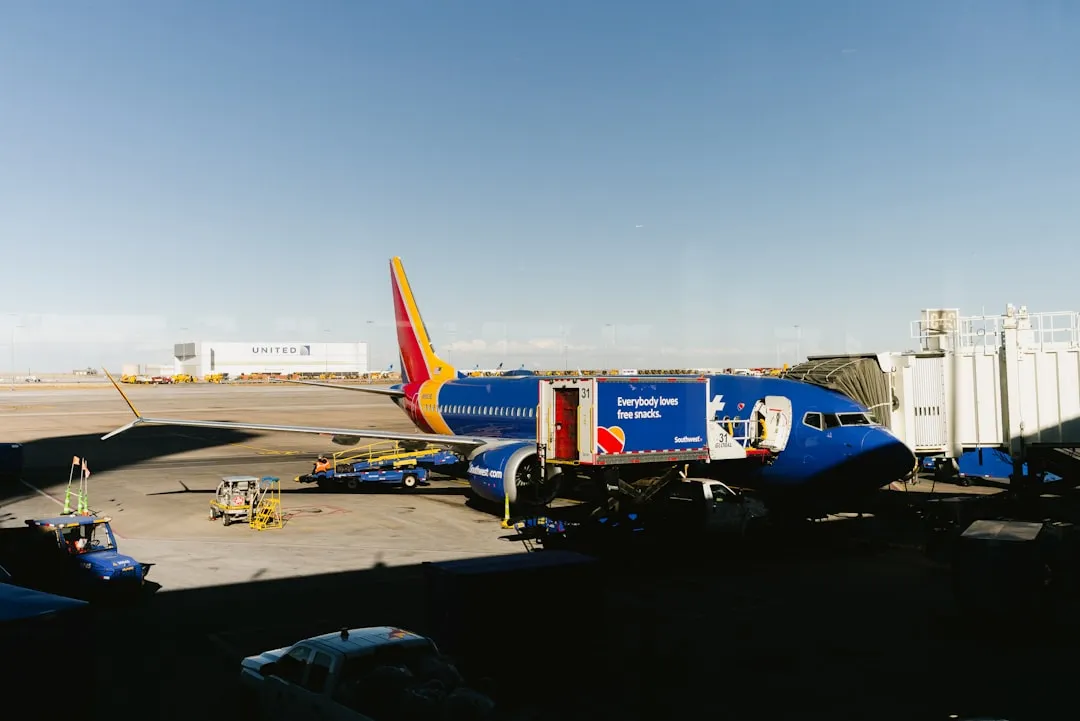
Launching a brand new boarding system for the first time in fifty years was never going to be simple, and Southwest found that out fast. The first version placed a heavy concentration of higher value passengers toward the front of the process, since Extra Legroom customers, premium fare passengers, and elite members all had strong claims to early boarding, which made sense commercially because Southwest needed to protect its new premium products.
That created a genuine operational headache, since too many priority passengers arriving at once often meant a crowded aisle and a scramble for bin space near the front rows. Within weeks, the airline adjusted course. Starting April 30, 2026, A-List and A-List Preferred Members began enjoying earlier access to the cabin and overhead bin space, with A-List Preferred boarding ahead of Group 1 and A-List Members boarding in Group 1.
The airline also made a physical change to help with the crowding problem, since signs were added above the Extra Legroom seats to reserve bin space for customers sitting in those rows, alongside the installation of larger overhead bins that hold noticeably more bags.
JetBlue Swaps Letters For Numbers
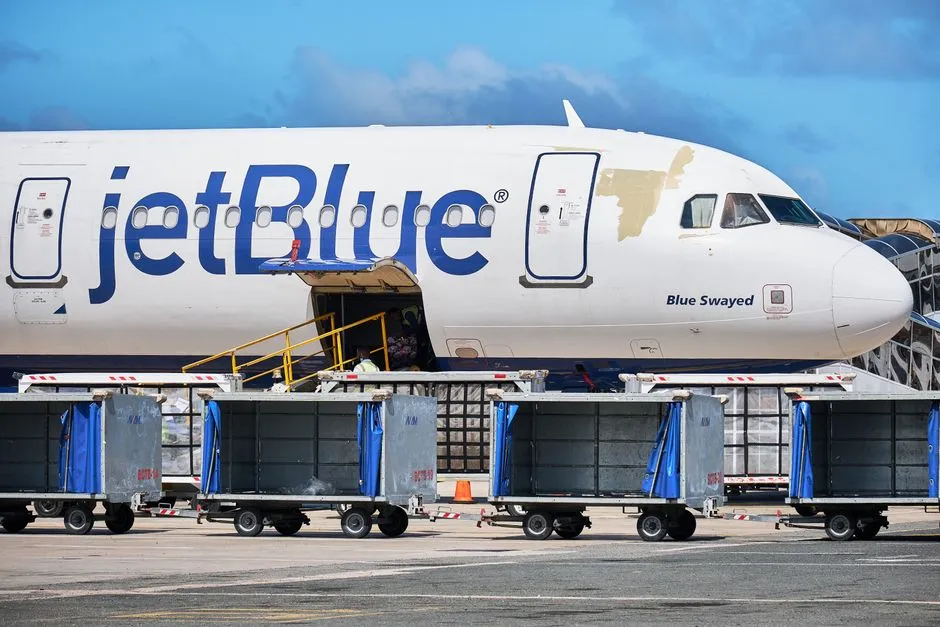
JetBlue made its own move away from tradition this spring, retiring the lettered groups longtime flyers had grown used to. JetBlue switched from lettered boarding groups (A through F) to numbered groups (1 through 8) on April 29, 2026. The new order runs from preboarding for customers with disabilities, through Group 1 for Mosaic 3 and 4 members plus Mint customers, Group 2 for Mosaic 1 and 2 members plus EvenMore customers, and a new Group 3 for JetBlue Premier World Elite Mastercard and JetBlue Business Card holders along with Blue Extra fares.
The most notable shift favors travelers who pay for extra space, since EvenMore passengers, who previously boarded after Mosaic 1 and 2 members, moved up into Group 2 where they now board alongside those tiers, a real upgrade for anyone paying for extra legroom. The bigger picture here is consistency, since the switch brings JetBlue in line with how most major U.S. airlines already board their flights, which should make gate area announcements less confusing for occasional flyers.
American Airlines Takes Aim At Gate Lice
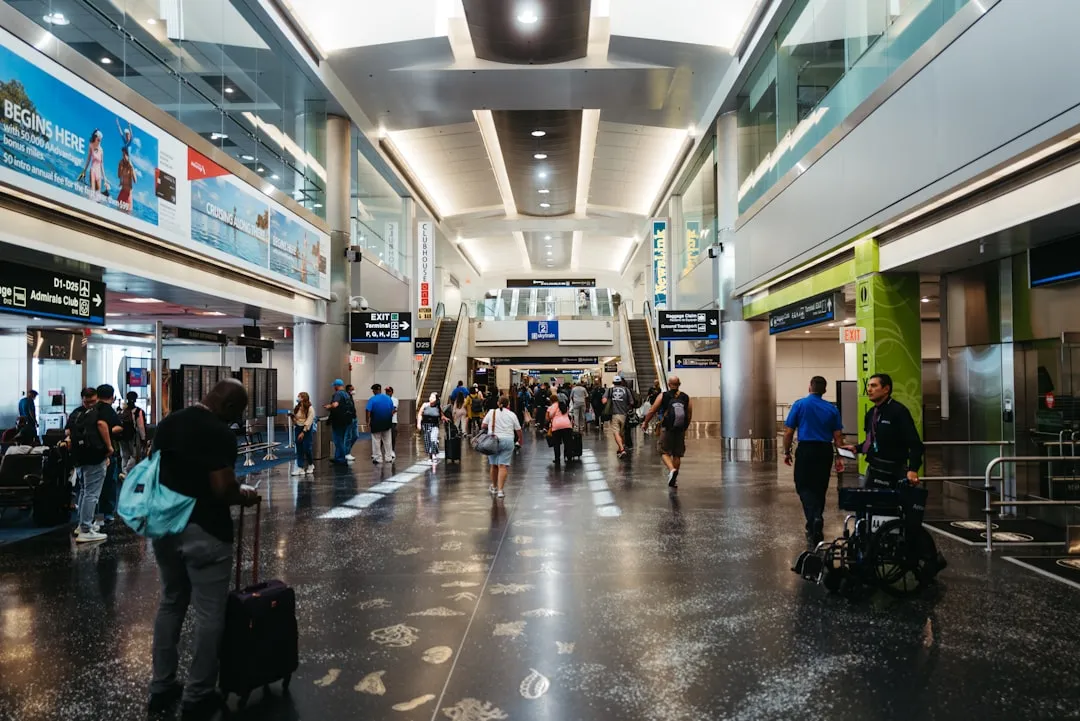
American Airlines has spent the past couple of years chasing a very specific problem, one that frequent flyers know by a slightly unflattering nickname. Frequent fliers and premium travelers have long complained about so called gate lice, passengers who crowd the boarding line well before their group number has been called.
The airline’s answer was new technology tested first at a handful of airports, where American piloted what it called a cutting edge system at Albuquerque International Sunport, Ronald Reagan Washington National Airport, and Tucson International Airport. The system works quietly but firmly, since when a passenger tries to board before their group is called, the technology alerts both the passenger and the gate agent, with an audible sound triggered and the boarding pass denied until the correct group is called.
By the end of 2025 the rollout had reached a large share of the airline’s network, with roughly nine in ten of American’s customers departing from hub airports where the technology had been implemented. Given that American boards more than half a million passengers for its flights each day, even small gains in orderliness add up across a massive operation.
American Also Reshuffled Who Boards First
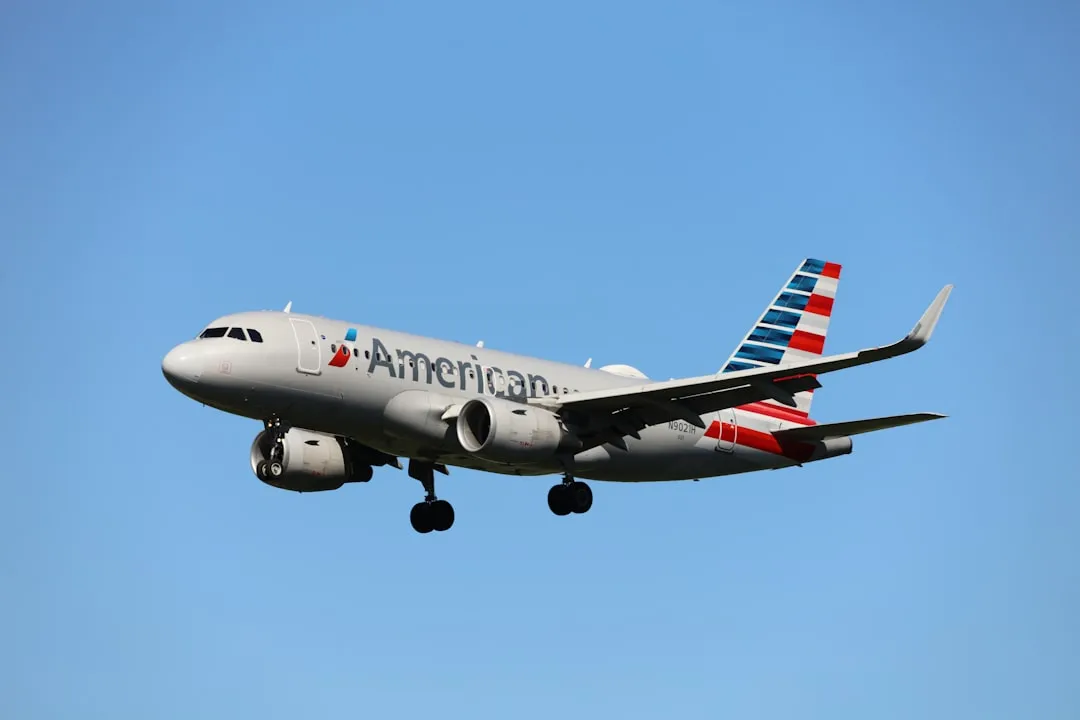
Technology wasn’t the only lever American pulled. In the spring of 2025 the airline made a change that surprised some frequent flyers, since starting May 1, American added a few minutes to the time allotted for boarding and shook up some of the boarding groups, moving some premium cabin passengers further to the front of the line alongside its most frequent fliers.
The most talked about part of that change involved first and business class travelers, who used to board in boarding group one but were moved to the preboard group alongside the airline’s top tier ConciergeKey frequent flyers. American also stretched out the overall boarding window, with the airline adding five minutes to boarding, so that Airbus A319 and A320 aircraft now begin boarding 35 minutes before departure, while Boeing 737, Airbus A321, and widebody aircraft begin 40 minutes prior.
Even at the far end of the loyalty ladder there’s a payoff, since entry level AAdvantage members can expect Group 6 priority, with elevated benefits reserved for status holders further up the chain.
United’s WILMA Method: Window, Middle, Aisle
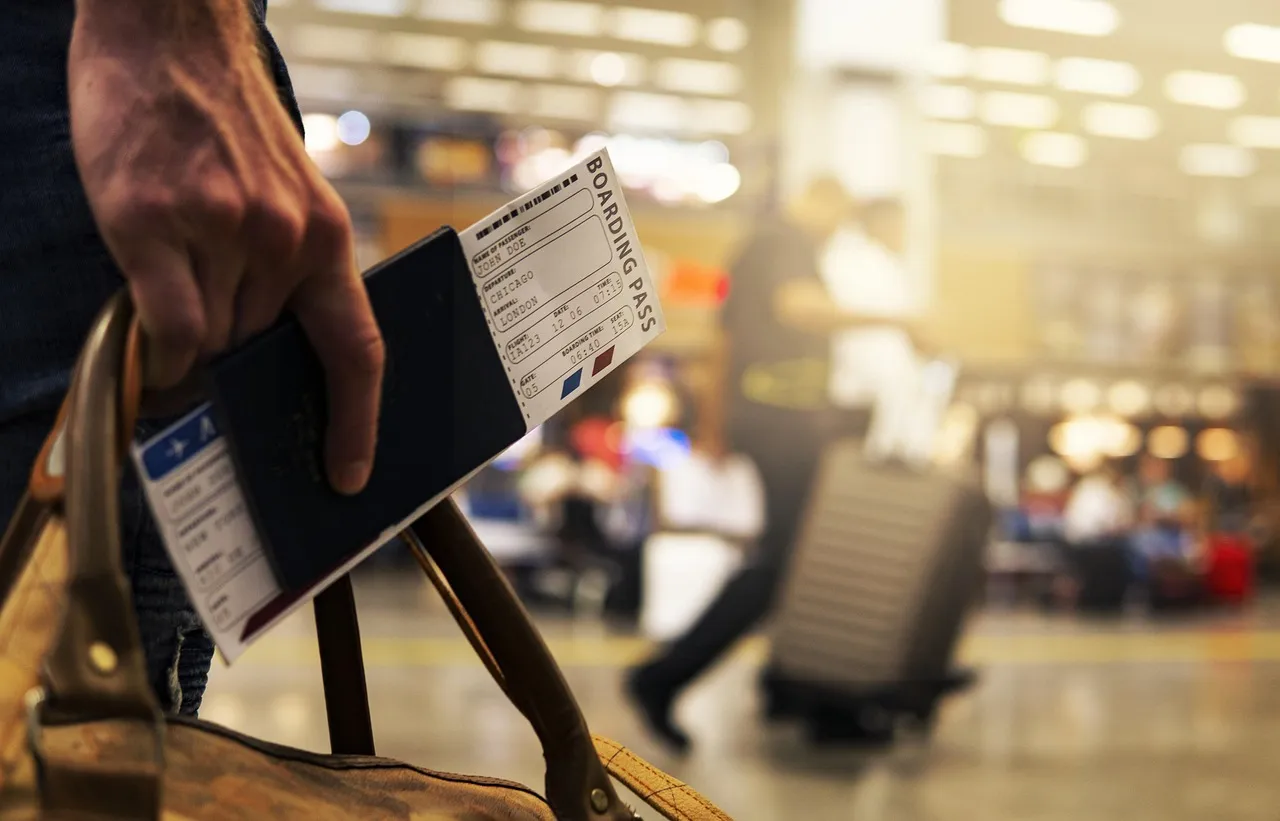
United Airlines took a different approach entirely, focusing less on who boards first by status and more on how economy passengers fill their rows. United reintroduced its WILMA window to aisle boarding process, which the airline says saves an average of two minutes per flight.
The logic is straightforward once you think about it, since passengers seated in separate rows are not asking others to move seats, and when storing hand luggage they do not interfere with each other the way aisle seated passengers often do when window and middle passengers still need to squeeze past.
The change is limited to economy, since first class and business class see no change in their routine, and there is also no change for those with priority boarding privileges, including travelers with disabilities, unaccompanied minors, active duty military, and families with young children. A later independent time and motion review backed up the airline’s own numbers, finding that staggering seat entry by window, then middle, then aisle can reduce overall boarding time by up to one tenth.
The Research Behind The Redesign
None of these changes happened in a vacuum. Airline boarding has been studied by researchers and academics for years, and the financial stakes explain why. One widely cited study found the average cost to an airline for each minute spent at the terminal runs around thirty dollars, meaning each minute saved in turnaround time has the potential to generate well over sixteen million dollars in annual savings across a large airline’s schedule.
Interestingly, the research doesn’t always favor the tidiest looking systems. Some studies suggest that random seating, which low cost carriers historically used, is actually quite efficient because passengers rush to their preferred seats as they board, and boarding through both front and back doors further improves speed.
Back to front boarding remains common mainly because it is simple to explain at the gate, even though it is the most common strategy specifically because it is easier to implement, with the plane’s last row boarding first and all rows filling before the front rows get their turn.
Delta’s Zone System And Its Credit Card Shortcut
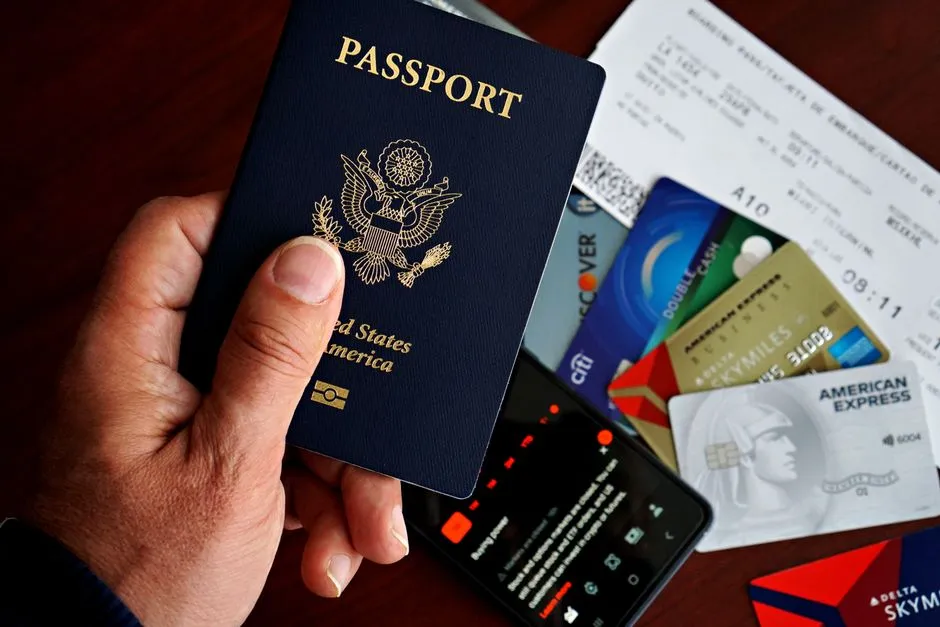
Delta has kept a comparatively steady approach through all this industry churn, relying on a numbered zone system rather than the more dramatic overhauls seen elsewhere.
Delta uses 8 numbered zones plus pre-boarding, with Zone 1 reserved for Delta One and first class passengers and Zone 8 for basic economy. One detail stands out for cardholders, since Delta co-branded Amex card holders board in Zone 5 regardless of fare class, giving everyday travelers a tangible reason to consider the airline’s credit card even if they never fly premium cabins.
It’s a quieter system than Southwest’s or JetBlue’s recent overhauls, but the underlying incentive is the same one every airline is leaning on this year, rewarding loyalty and spend with a better spot in line.
Credit Cards And Paid Priority Are Doing More Work Than Ever
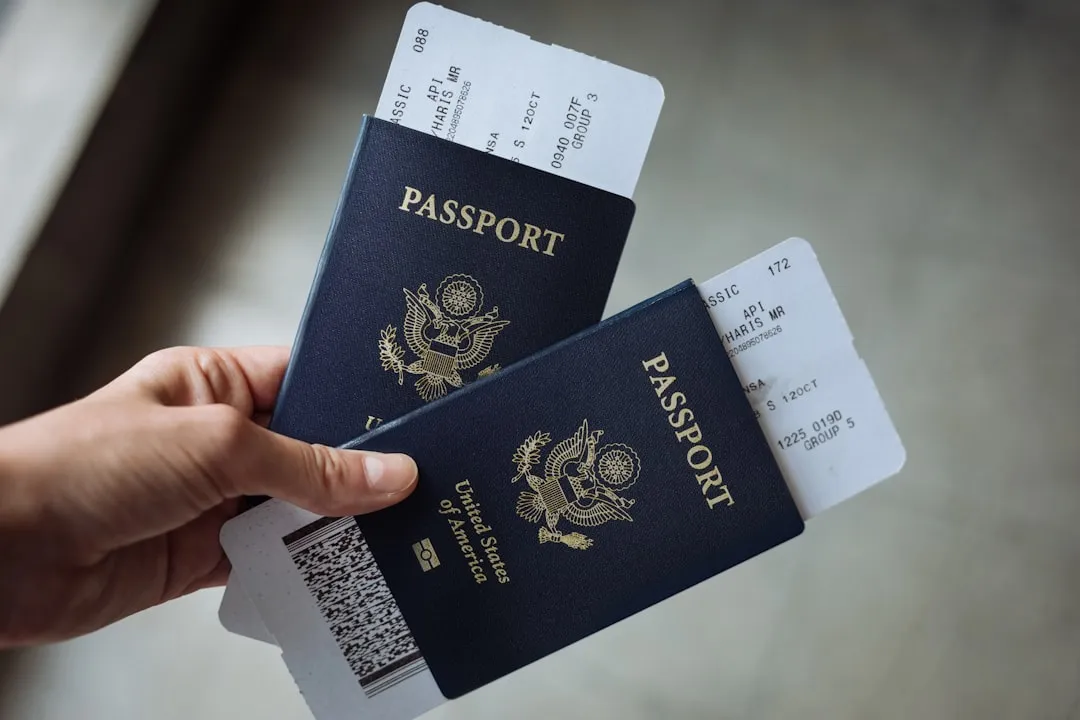
Across nearly every airline making changes this year, one theme keeps repeating, and it’s that a branded credit card or a small add on purchase now buys a meaningfully better boarding position than it used to. On most major U.S. airlines, holding the airline’s branded credit card moves you one to two boarding groups earlier than standard economy, making it one of the most accessible ways to improve your boarding position.
For travelers without status or a card, there’s still a direct route, since American, Spirit, and Frontier all sell priority boarding as a separate purchase, which is the most direct option if you want guaranteed early boarding for one specific trip. Southwest folded this into its new system too, since Southwest credit card holders get at least Group 5 boarding under the new numbered structure.
The cost of entry is fairly modest in the context of a whole trip, since most entry level airline credit cards run roughly $95 to $150 per year and also include perks like a free checked bag.
What This Means The Next Time You Fly
Taken together, these changes add up to one of the more active stretches of boarding reform the U.S. airline industry has seen in years, driven by a mix of monetization strategy, genuine efficiency research, and years of passenger frustration over crowded gate areas. The practical takeaway is simple, since your old habits and assumptions may no longer apply.
If you’re flying an airline that has recently changed its system, it’s worth glancing at your boarding pass before you head to the gate, because the group number you see may not be the one you’re used to. Policies in this space also keep moving, so it pays to stay current, since boarding group policies are subject to change and airlines frequently update their procedures, so it’s always worth checking the airline’s official website for the most current process before a trip.
The boarding line has never been anyone’s favorite part of flying, but it says something about the industry that so many carriers are rethinking it at the same time. Some of these changes chase efficiency, some chase revenue, and a few genuinely try to make the whole experience calmer for everyone standing at the gate. Whichever airline you fly next, it’s worth a second look at your boarding pass. The line may not work quite the way you remember.
AI Disclaimer: This article was created with the assistance of AI tools and reviewed by a human editor.