

There’s a particular sound that signals summer has arrived in northern Michigan, the low hum of boat engines drifting across a bay at dusk. For thousands of families across the state, that sound belongs to one place, and one place only. Every June, without much discussion, the same cottages get booked, the same beach chairs come out of storage, and the same drive up US-31 begins again.
The Bay That Anchors the Town
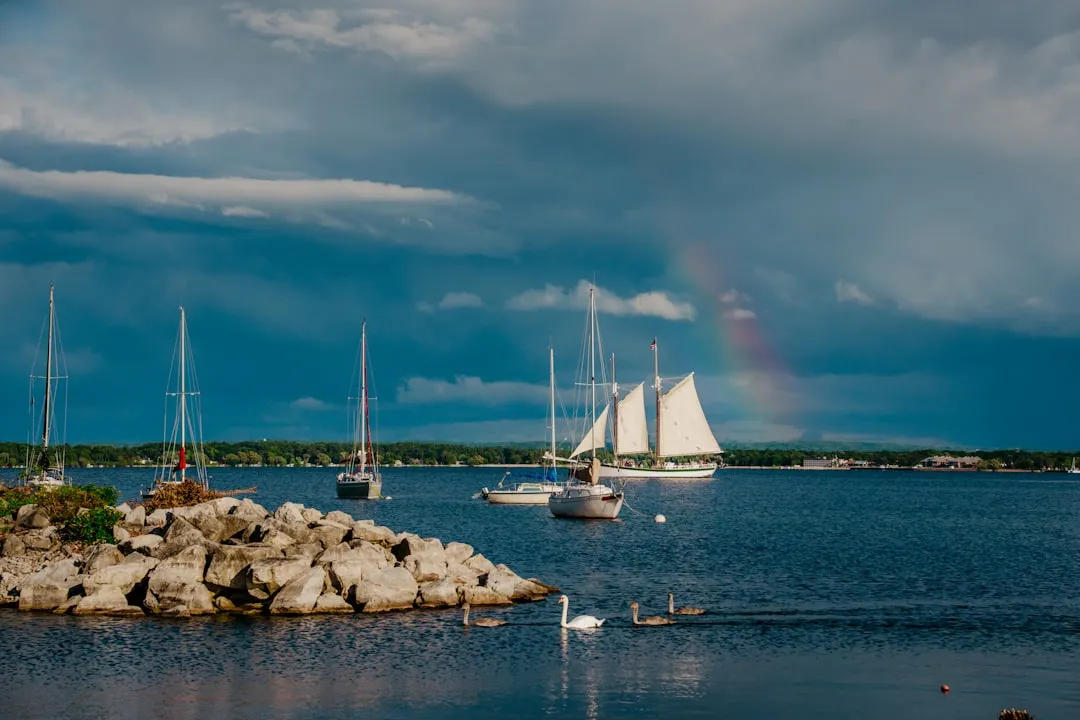
Traverse City sits where two arms of Lake Michigan meet, wrapped around the east and west arms of Lake Michigan’s 32-mile-long Grand Traverse Bay. That geography shapes everything about the place, from the direction the streets run to the way locals talk about which side of the bay catches the better sunset.
The water here is genuinely clear, cold even in August, and it’s the reason so many people first fell for this stretch of coastline decades ago. It’s not a manufactured resort feel either. The bay was here first, and the town grew up around it.
A Festival That Feels Like a Family Reunion
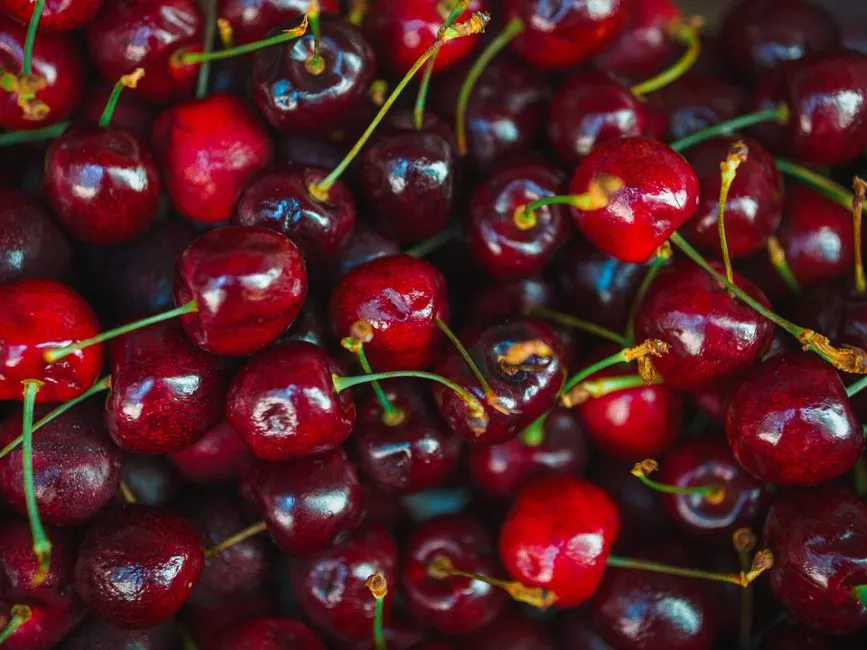
Traverse City has long called itself the Cherry Capital of the World, and it backs that up every summer with a festival that anchors the whole season. The National Cherry Festival is held in July every year in Traverse City.
Generations of Michigan families plan their summer calendars around it, showing up for the same parade route, the same pie eating contest, and the same fireworks over the bay their parents watched decades earlier. It’s less a tourist attraction and more a communal checkpoint, a reminder that summer is officially underway.
The Numbers Behind the Return Trips

The pull isn’t just anecdotal. Visitors spent about $630.8 million in Grand Traverse County in 2023, up from $583.8 million in 2022 and $493.2 million in 2021. Zoom out to the broader ten-county Northwest Region, and the traffic is staggering.
According to Pure Michigan’s 2023 Statewide Travel Visitation Report, 14.2 million people visited the Northwest Region in 2023, and that compares to 10.6 million travelers in 2022 and 14.0 million in 2021. What stands out most, though, is where that money goes. Just over half of people visiting the Northwest Region in 2023 shopped in locally owned businesses, compared to roughly two in five nationally.
Dunes, Beaches, and a Short Drive to Somewhere Wild
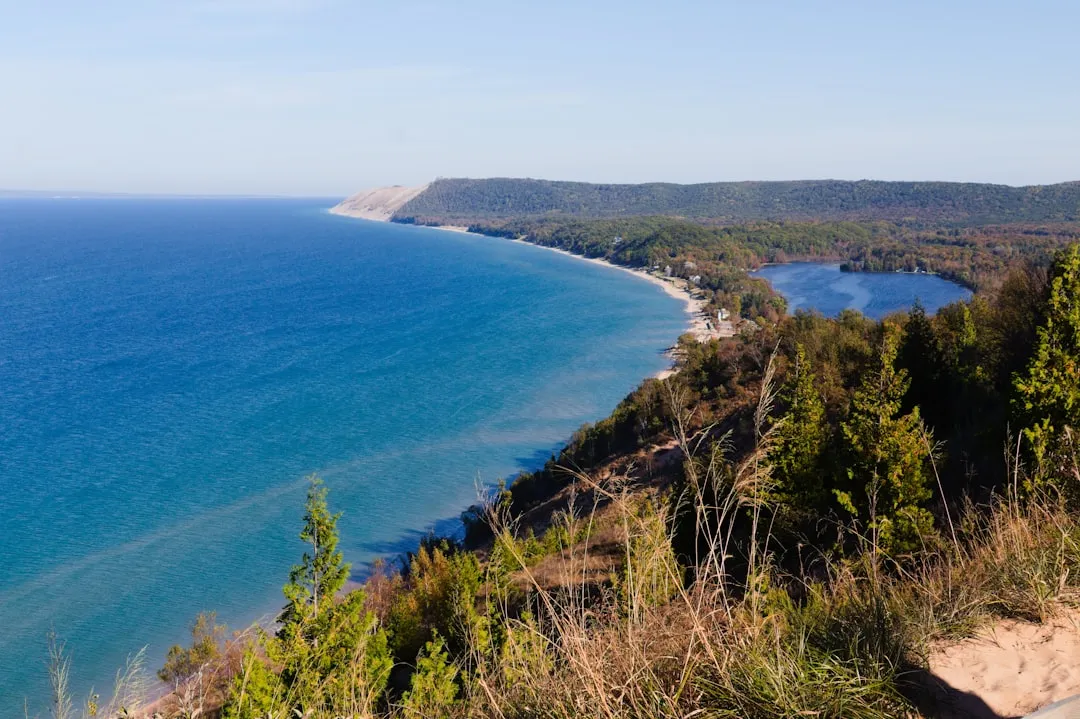
A short drive west of downtown sits one of the most photographed landscapes in the Midwest. Sleeping Bear Dunes National Lakeshore is about 30 miles, roughly a 40 minute drive, from downtown Traverse City. The park itself is enormous, boasting 35 miles along Lake Michigan, two islands and 21 inland lakes, and bringing in over a million visitors every year.
It’s the kind of place people mention almost apologetically, as if the dunes themselves might be too much to explain to someone who hasn’t stood at the top of one. Families who return to Traverse City every summer often build an entire day trip around it, climbing the dune, wading into the lake below, then heading back for dinner on the water.
A Downtown Built for Slow Mornings and Long Evenings
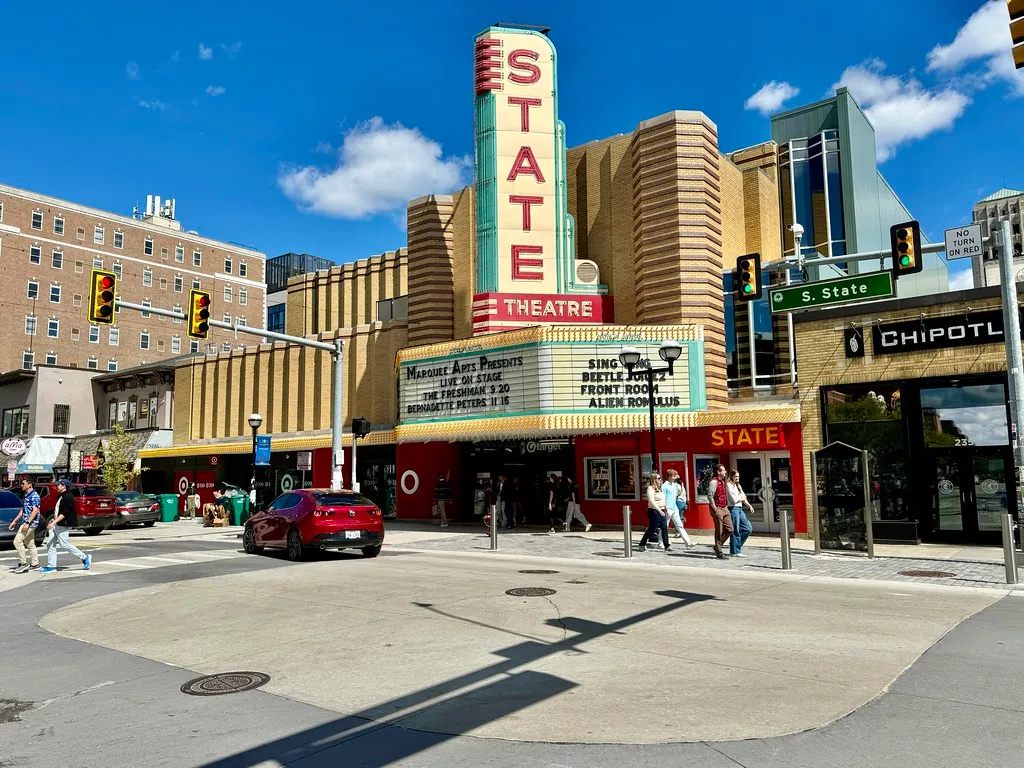
Front Street doesn’t try particularly hard to impress anyone, and that’s part of its appeal. Independent bookstores sit next to cherry product shops, coffee counters, and restaurants that have been serving the same regulars for years. The town has held onto its scale, staying walkable and human sized even as visitor numbers climb.
That consistency matters to people who’ve been coming for a decade or more, since a downtown that changes too much stops feeling like a tradition and starts feeling like just another destination.
Wine Country on Two Peninsulas

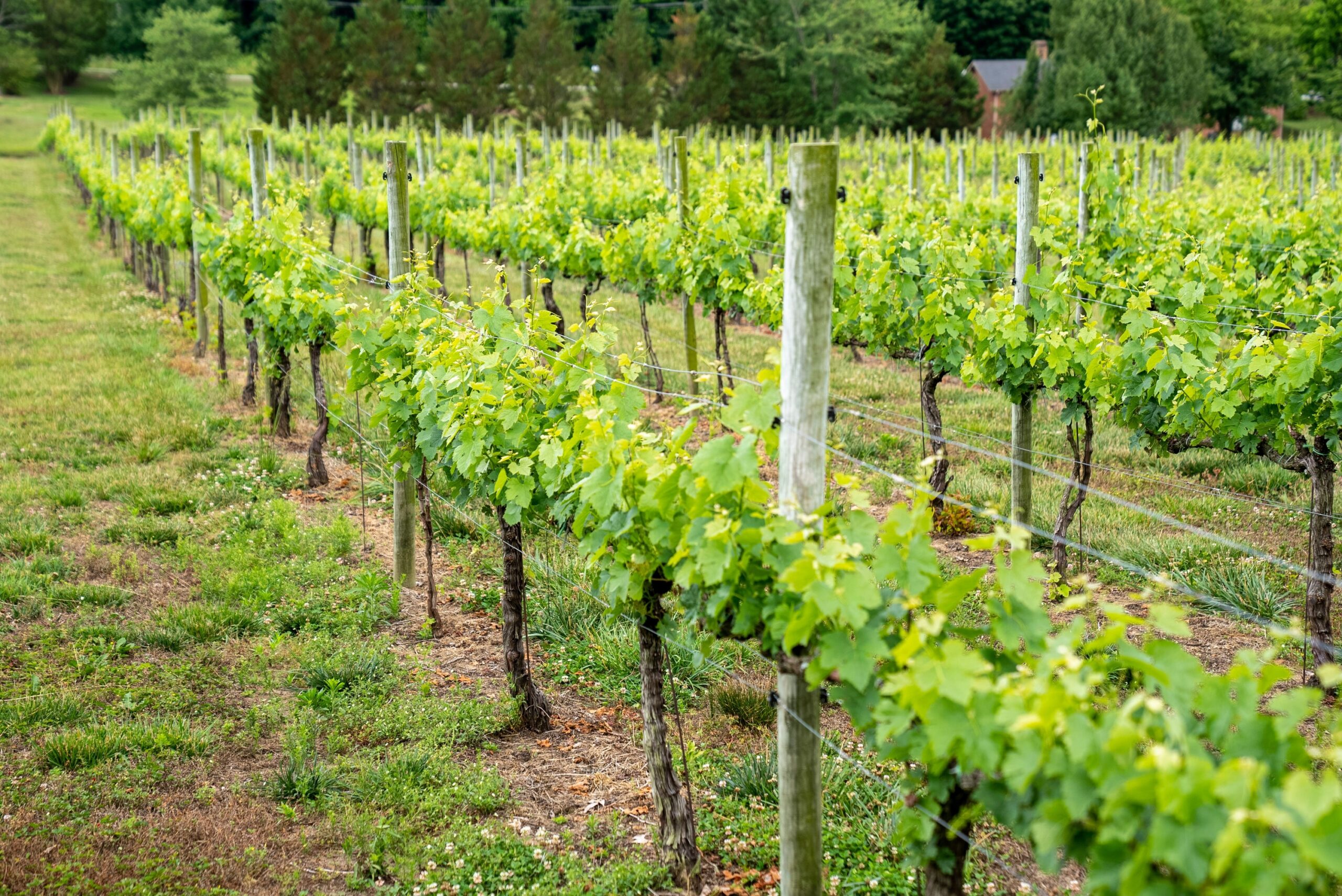
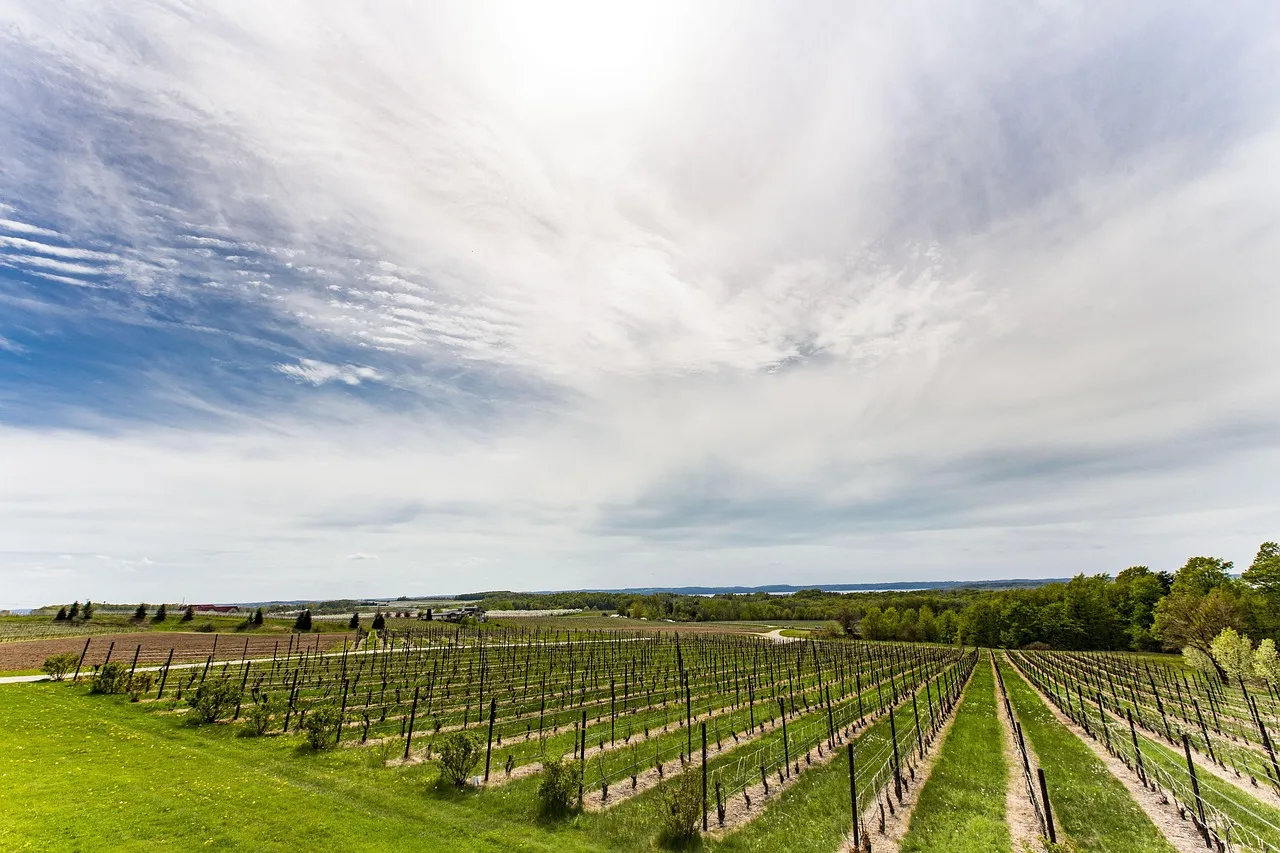
Traverse City is flanked by two narrow peninsulas, Old Mission and Leelanau, both lined with vineyards that take advantage of the lake effect climate. Tasting rooms overlook the bay from bluffs that would look more at home in a coastal wine region than in the Midwest.
This isn’t a recent development either, the region’s wine industry has had decades to mature into something locals genuinely take pride in rather than treat as a marketing gimmick. For adults returning year after year, an afternoon touring the peninsulas has become as much a part of the ritual as the beach itself.
The Same Cottage, Summer After Summer
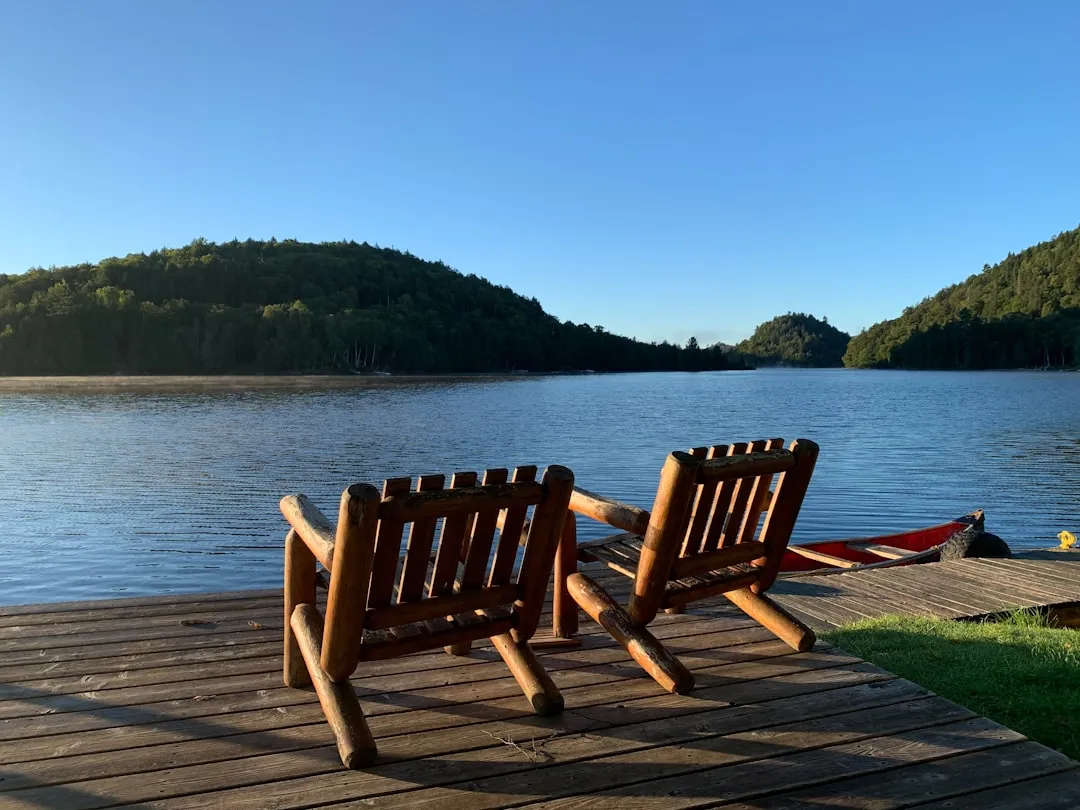
Short term rentals have become a bigger part of how families experience Traverse City summers, and the growth reflects real demand. STR supply in the Traverse City area increased by about one in eight units between July 2023 and July 2024, while demand jumped by roughly one in eleven.
Grand Traverse County now has more than 2,300 short term rentals available at any given time, which is about half of the county’s total hotel inventory. Many of those rentals are the exact same cottage a family has booked for years, sometimes passed down through word of mouth from one generation to the next. There’s a quiet loyalty in that pattern that hotel chains rarely inspire.
A Town Still Investing in Its Busiest Season
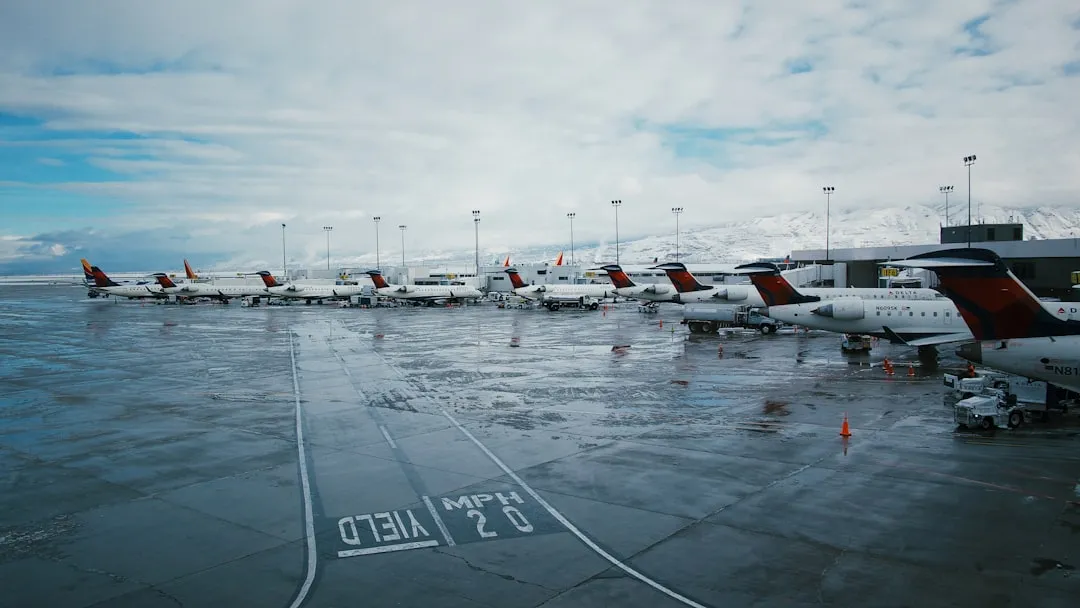
Traverse City isn’t coasting on nostalgia. Cherry Capital Airport logged 787,114 passengers in 2024, its biggest year ever, up more than one in ten from 2023, which had also been a record breaker. Passenger traffic climbed nearly a quarter further in 2025 compared to that record year, and the airport is planning to construct five new airline gates in 2026 to keep up with rising demand.
The town also added something new to the calendar in 2025, a late summer food and wine event that spanned 80 gatherings across venues on both peninsulas, local restaurants, and the downtown Open Space. Growth like that could easily erode a small town’s character, but so far Traverse City has managed to add without losing what made people want to keep coming back in the first place.
Why the Return Trip Never Gets Old
None of this happens by accident. Michigan’s tourism economy overall is enormous, with the industry supporting more than 350,000 jobs statewide, drawing over 130 million visitors, and generating more than $30 billion in direct spending in 2024, and a 2025 SMARInsights report found that advertising alone influenced 1.5 million leisure trips to Michigan, generating $2.8 billion in visitor spending.
Traverse City captures an outsized share of that attention, not because it’s flashy, but because it keeps delivering on something simple, a clean bay, a walkable downtown, and a festival that still feels like it belongs to the people who show up for it. For Michiganders, that combination is hard to replace. Summer ends the same way it begins, with a promise, quietly made, to come back again next year.
AI Disclaimer: This article was created with the assistance of AI tools and reviewed by a human editor.