
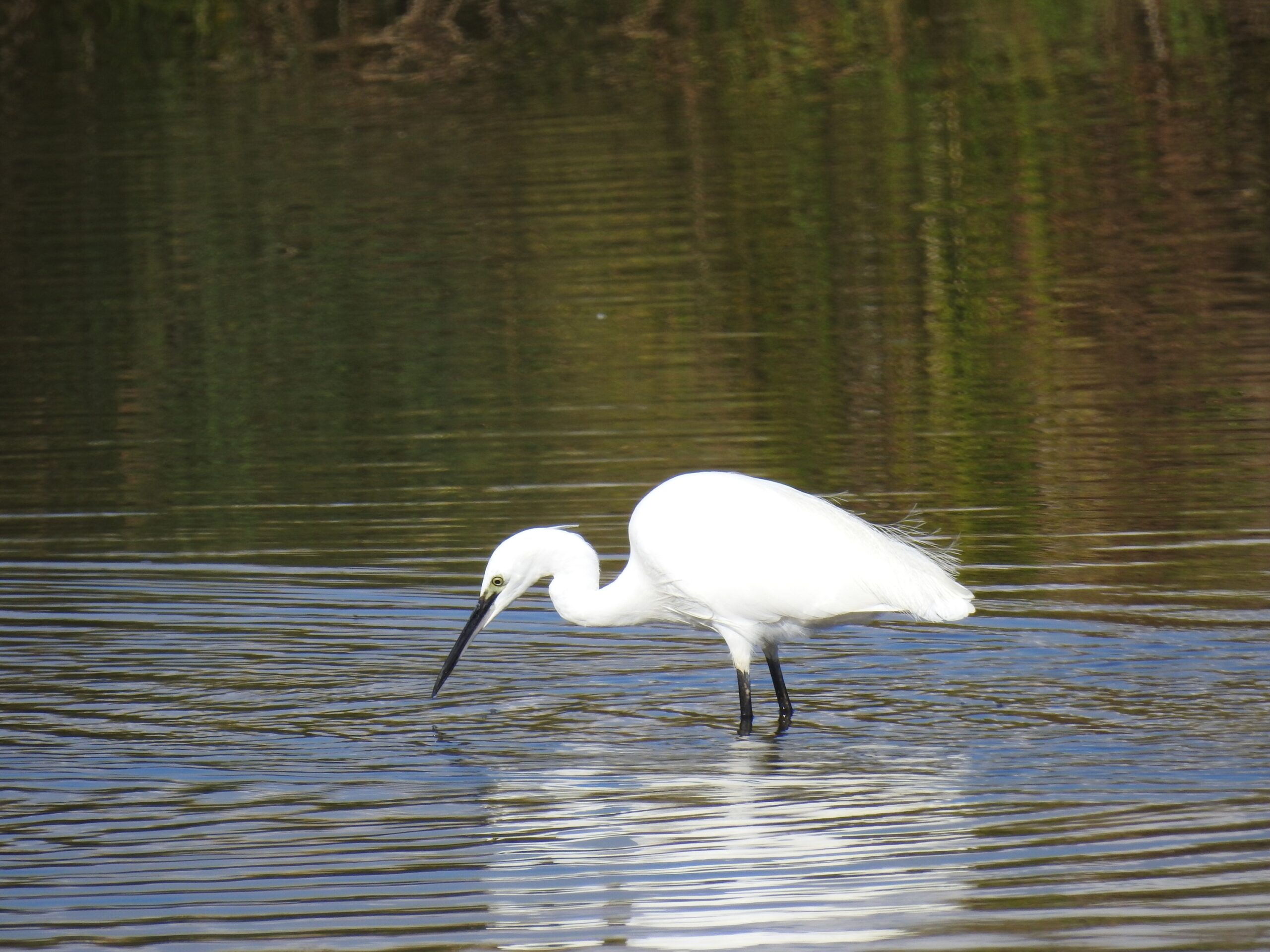
There is a particular kind of stillness that settles over Beaufort County at low tide, when the mud flats exhale their briny scent and the marsh grass bends in long unison with the wind. Somewhere out past the swing bridge, a heron stands motionless in ankle deep water, waiting.
This corner of the South Carolina Lowcountry has spent centuries shaped by water moving in and out twice a day, and that rhythm still dictates almost everything that happens here, from where the oysters grow to when the dolphins feed.
The ACE Basin: One of the Last Undeveloped Estuaries on the Coast
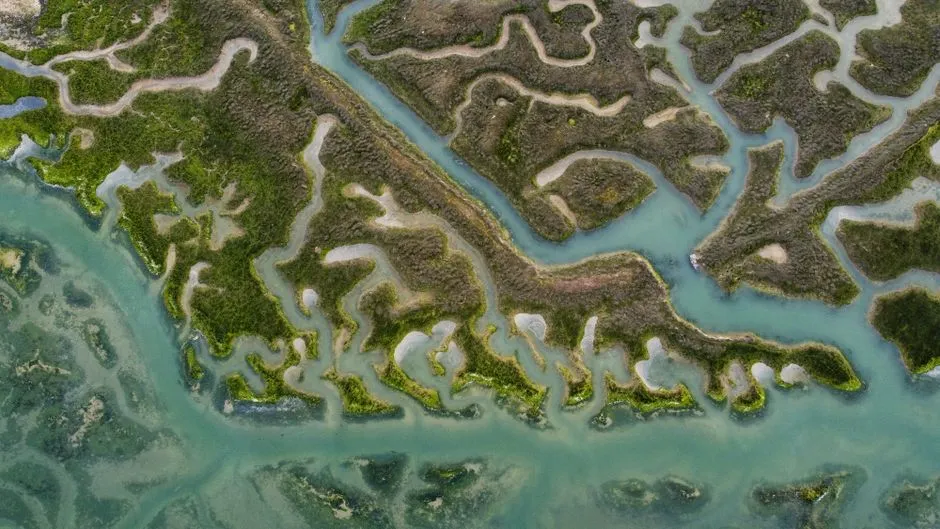
Just north and east of Beaufort, across the Coosaw River, lies a stretch of coastline that has largely escaped the development pressure seen elsewhere on the Atlantic seaboard. It is the third largest reserve in the nation and one of the largest undeveloped estuaries on the East Coast, named for the Ashepoo, Combahee and Edisto rivers, which meander past pine and hardwood uplands, cypress swamps, and expansive tidal marshes to meet in St. Helena Sound.
The area was designated a National Estuarine Research Reserve by NOAA in 1992, and the Reserve now protects 98,308 acres of natural beauty, abundant wildlife and unique cultural heritage. Paddling into it feels less like entering a park and more like slipping into a landscape that has changed very little in generations.
McCalley’s Creek and the Oysters That Keep the Water Clear
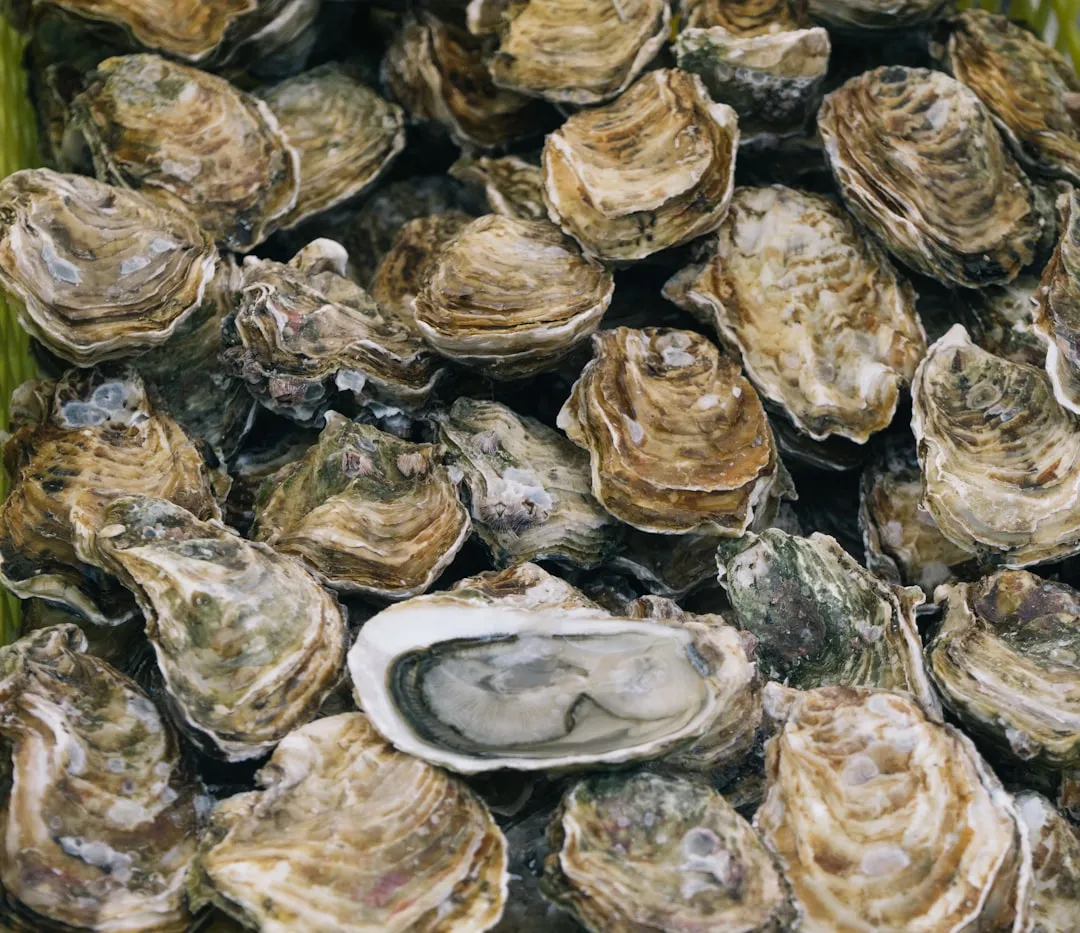
Beaufort County’s marshes owe much of their clarity to a creature most visitors only think about at dinner. The marsh is bordered by oysters, each filtering 50 gallons of water daily, a quiet, unglamorous job that keeps the estuary healthy enough to support everything above it in the food chain.
The salt marsh estuary makes up roughly half of Beaufort County, and tour operators on creeks like McCalley’s have built entire outings around this connection, pairing a paddle with a stop at a working oyster hatchery. Visitors can paddle from the Single Lady Oyster Hatchery on McCalley’s Creek, tour the hatchery, and finish with an oyster tasting, a nod to how much the Lowcountry loves its oysters.
Pinckney Island: A Refuge Built Almost Entirely of Marsh
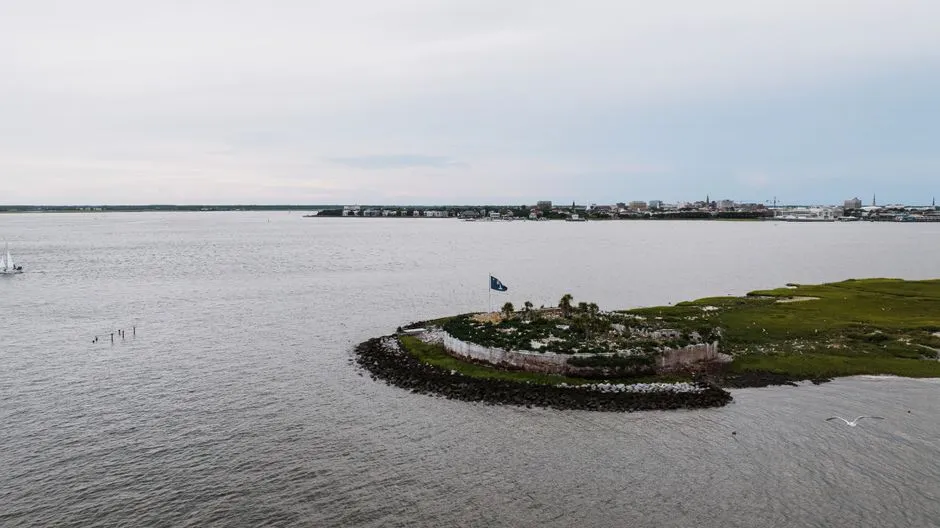
Just outside Beaufort proper, on the way toward Hilton Head, sits a wildlife refuge that is more water than land. Pinckney Island National Wildlife Refuge covers over 4,000 acres, including Pinckney Island itself, Corn Island, Big and Little Harry Islands, and Buzzard Island, along with numerous small hammocks.
Nearly two thirds of the refuge consists of salt marsh and tidal creeks, and walkers along the main trail pass through wide open marsh views before reaching shaded groves of live oak. The refuge is easily accessible and receives nearly a quarter of a million visitors a year, making it one of the more approachable ways to stand at the edge of a genuine tidal wilderness without needing a boat.
The Combahee River: Rice Fields and a Difficult History
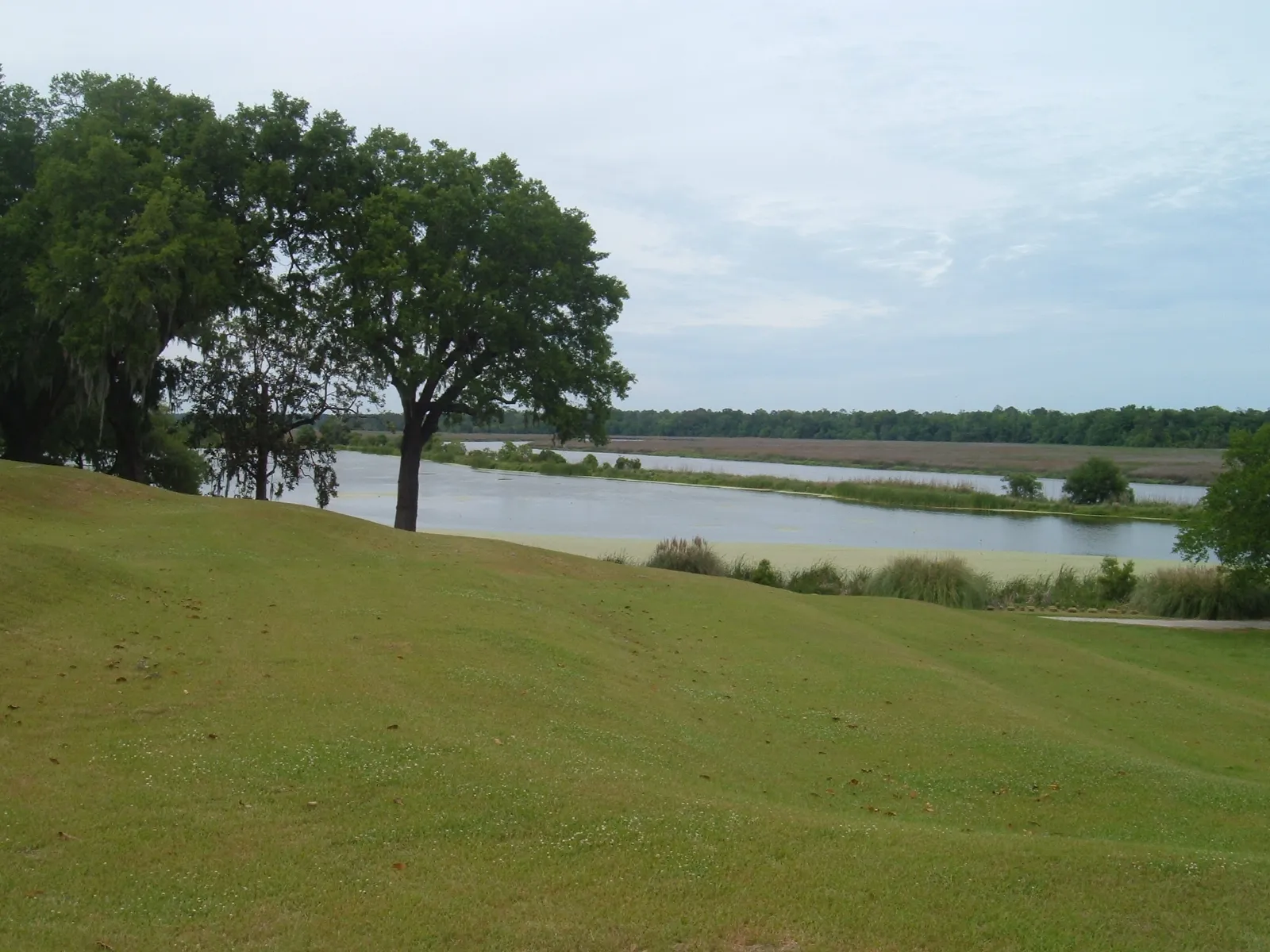
Some creeks carry more than water. The Combahee River, one of the three rivers that give the ACE Basin its name, runs through former rice plantation land that tells a complicated story about the region’s past.
Paddlers who take historic tours on the Combahee can visit the place where Harriet Tubman and others freed 756 enslaved people on June 2, 1863, a moment of the Combahee River Raid that unfolded on water most visitors would otherwise never see. Guides on these trips often weave together the region’s rice culture, its conservation successes, and this specific history, making the paddle as much a lesson as a nature outing.
Strand Feeding: A Hunting Trick Almost Unique to This Coast
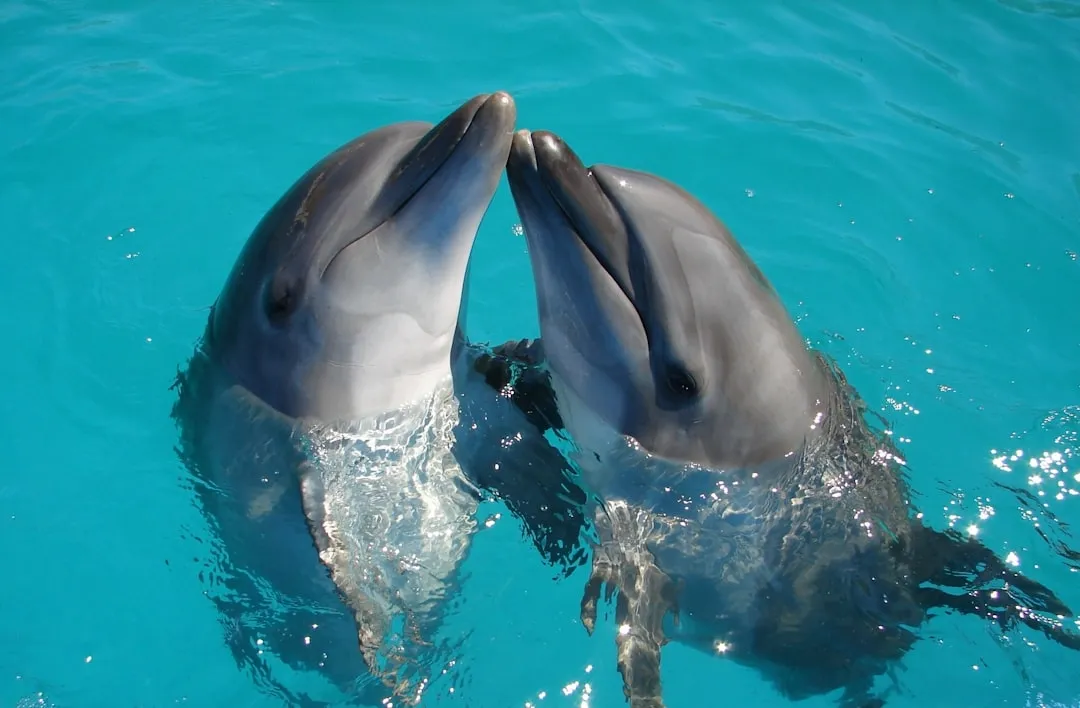
Few sights in Beaufort’s marshes match the surprise of watching a pod of bottlenose dolphins launch themselves onto a mud bank. This cooperative feeding technique, called strand feeding, is unique to South Carolina and Georgia and was first documented in 1971 in the shallow marshes of Georgia, with dolphins working as a unit to corral schooling fish toward a bank. Research conducted in Beaufort County’s own Bull Creek has studied the behavior closely.
A study of bottlenose dolphins in the salt marshes of Bull Creek documented how a coordinated group rushes a muddy creek bank, using their bow wave to push fish onto shore before temporarily stranding themselves to feed. It is rare enough that even longtime locals consider a clear sighting a stroke of luck.
The Tides That Set the Schedule for Everything
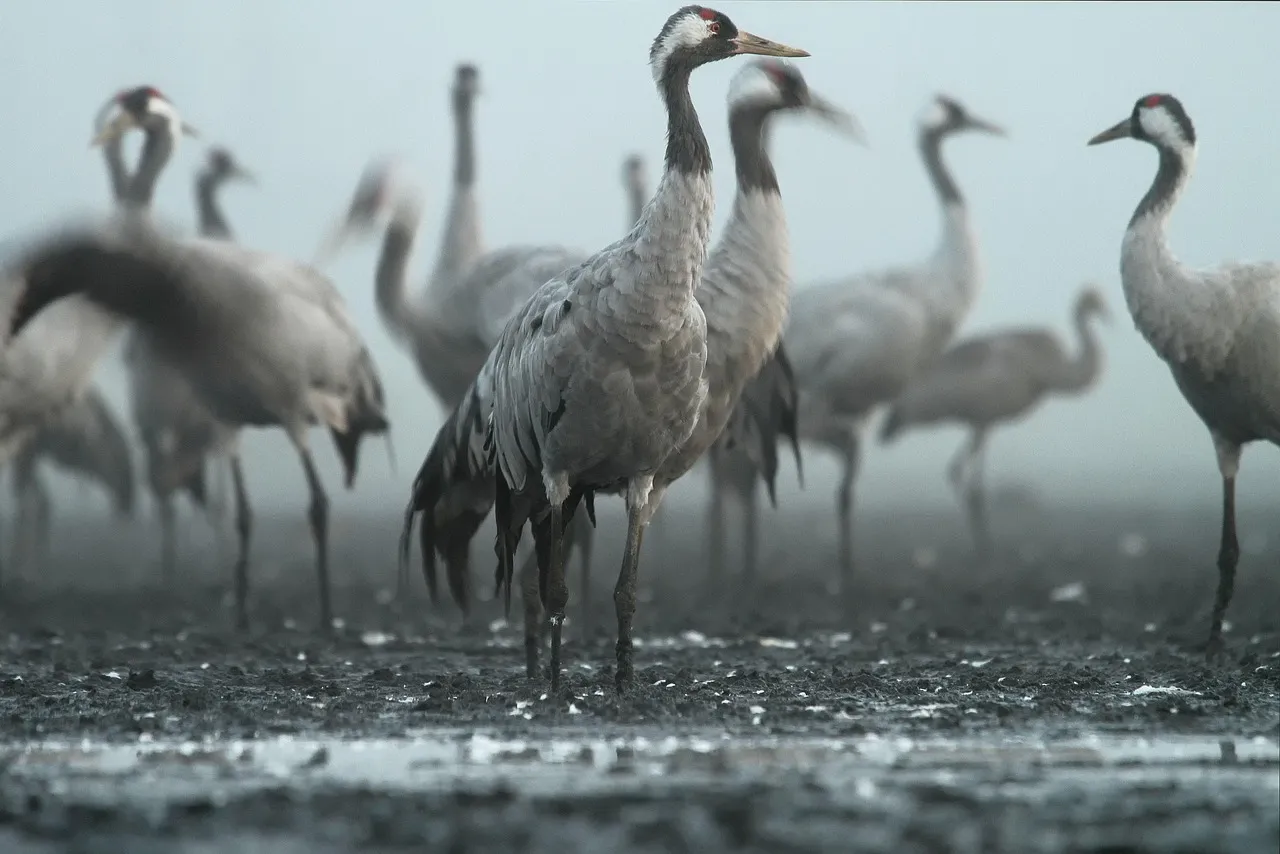
Nothing in Beaufort’s marsh world happens on its own timetable. The water dictates it all. The Port Royal area watershed in Beaufort County boasts more marsh grass in its saltwater watershed than any other county in the United States, encompassing 200,000 acres of marsh grass flooded twice daily by the tides.
Each tidal cycle lasts approximately six hours, twelve minutes and twenty three seconds, comprising two high and two low tides over roughly twenty four hours and forty nine minutes, which causes the tide to arrive about forty nine minutes later each day. Local guides plan almost every trip around this shifting clock, since a marsh at full flood looks and behaves nothing like the same marsh exposed at dead low water.
Hunting Island’s Story River and Its Web of Small Creeks
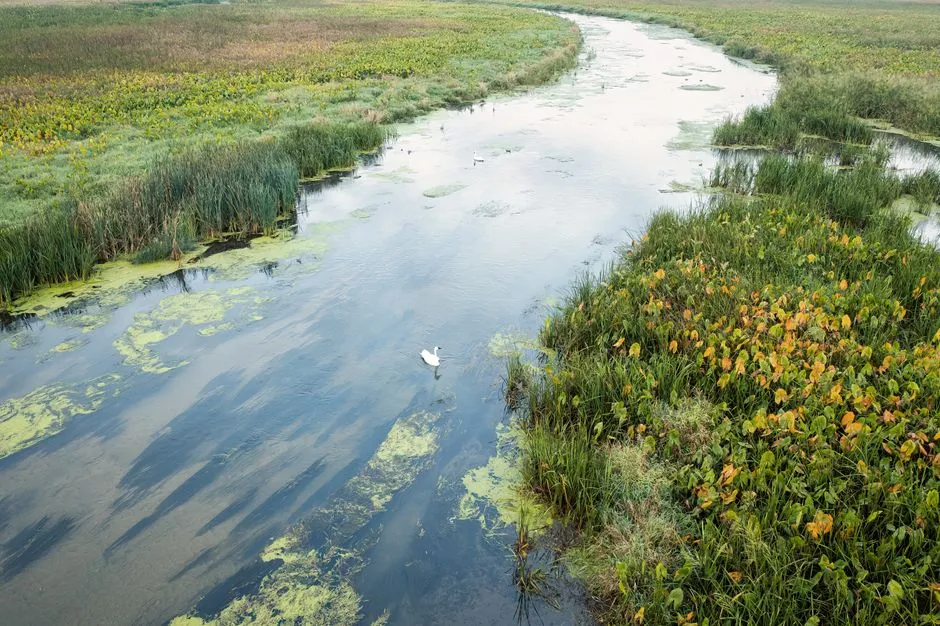
Down toward the barrier islands, the marsh takes on a different character, threaded by countless small tidal channels rather than one wide river. At Hunting Island, the salt marsh estuary is created by a network of capillary creeks that lead from Hunting Island State Park through Fripp Island and Harbor Island, known collectively as the Story River.
This saltwater river is part of the Southeast Coast Saltwater Paddling Trail, roughly 800 miles connecting the Chesapeake Bay to the Georgia Florida border, giving paddlers an unbroken route through four states of tidal marsh. Kayakers here move through a maze rather than a channel, which is part of what makes the area feel so quietly untouched.
A Marsh Full of Wings: Birdlife Along the Atlantic Flyway
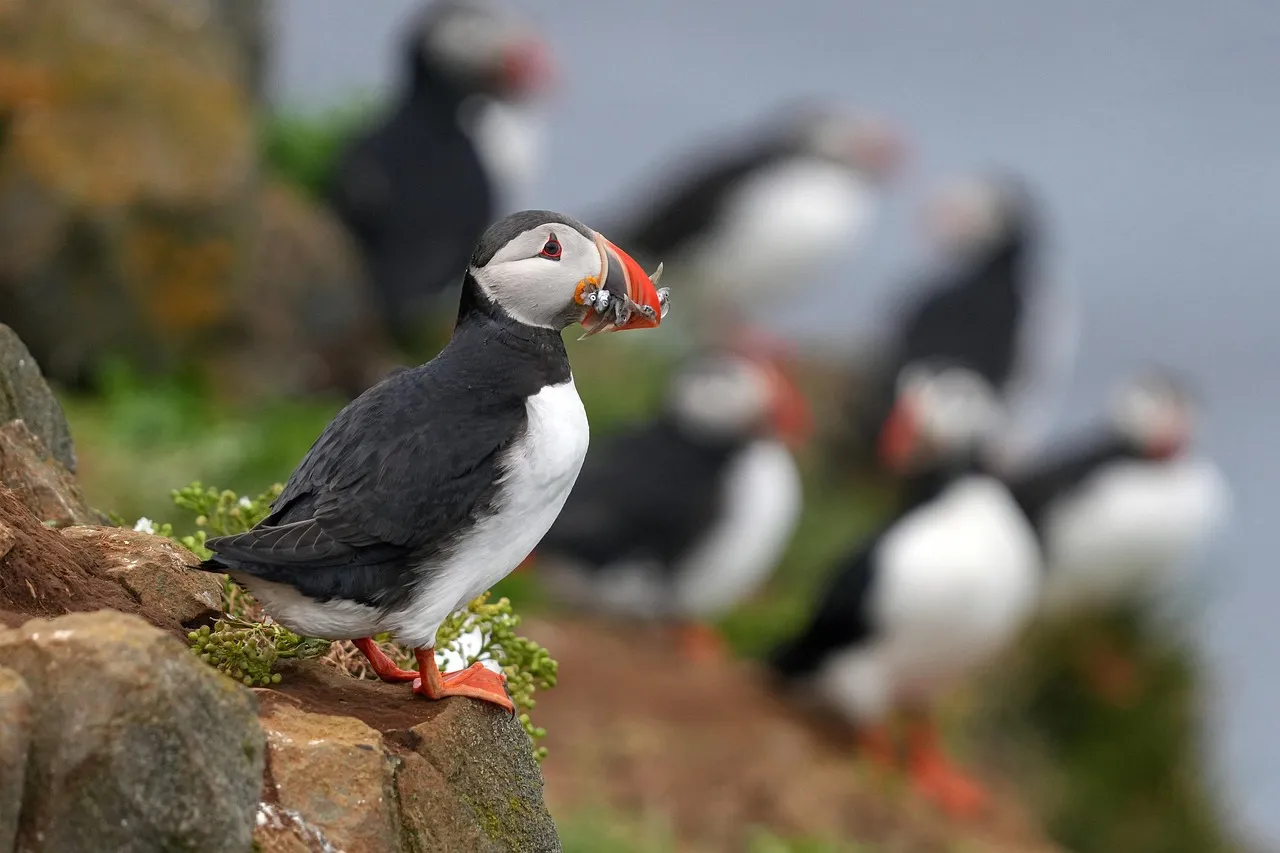
Salt marsh is not only fish and dolphins. It is also, quietly, one of the richest bird habitats on the East Coast. The refuge bird list at Pinckney Island alone contains over 250 species, and Pinckney Island is an important link in the chain of wildlife refuges along the Atlantic Flyway, attracting thousands of migratory birds annually.
Further south, the Story River near Hunting Island is home to nearly 300 different species of birds, including egrets, herons, terns, bald eagles, roseate spoonbills and pelicans. Watching a rookery of wading birds lift off a marsh island at dusk is, for many visitors, the moment the trip becomes memorable.
Paddling the Creeks: How Most People Actually See the Marsh
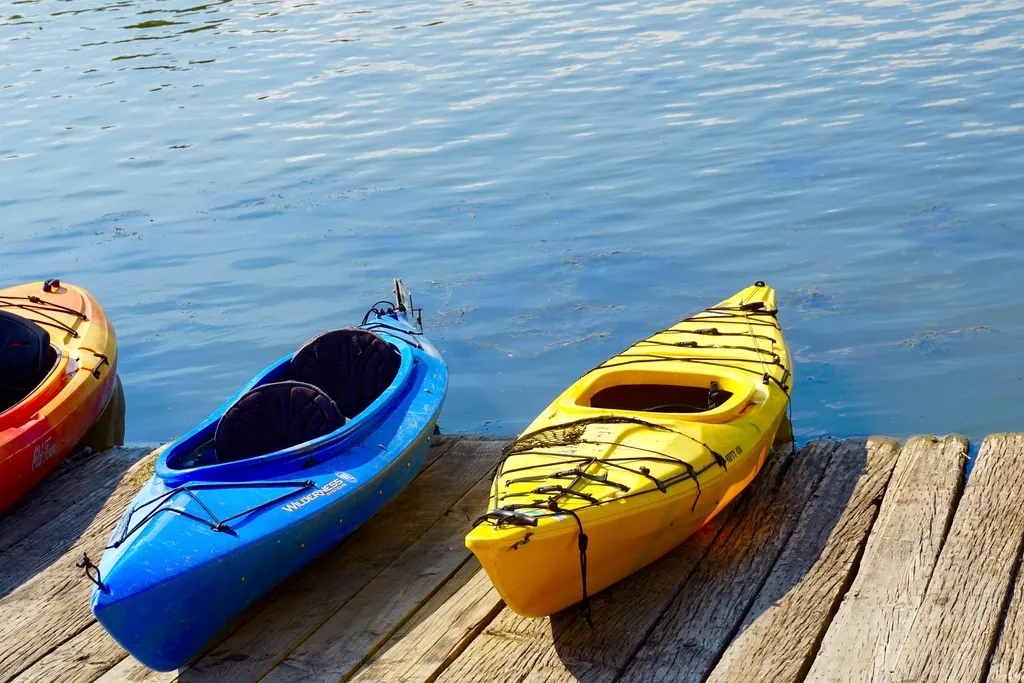
For nearly everyone who spends real time in Beaufort’s marshes, the entry point is a kayak rather than a car. Educational trips through the salt marsh at low tide in downtown Beaufort typically include a stop on a sandbar and a cast net demonstration to show the marine organisms living in local waters. Other routes head inland entirely.
One popular blackwater creek excursion runs four miles through an old growth cypress and tupelo forest with little to no current, making it suitable for beginners. Between the historic river tours, the ecology paddles, and the swamp routes, there is a version of this landscape suited to almost any level of experience or curiosity.
Watching Over the Water: Research and Long Term Monitoring
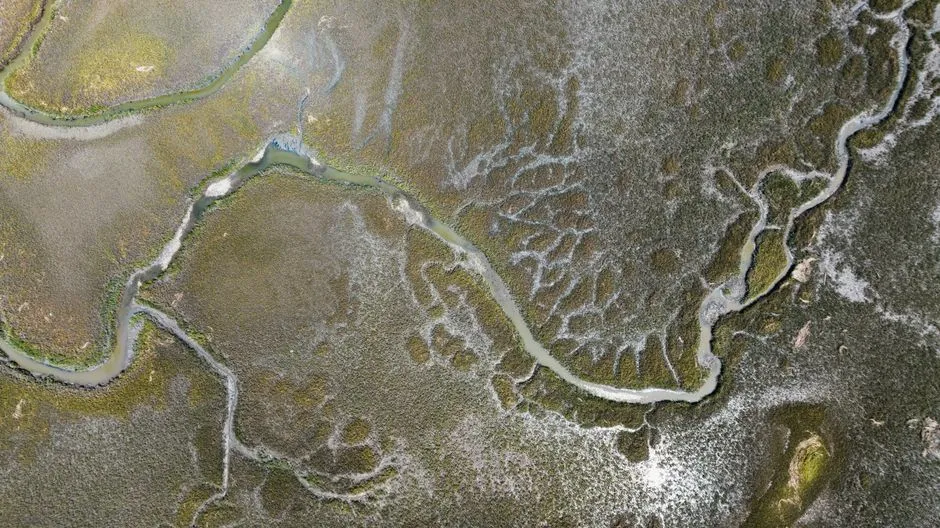
None of this abundance is guaranteed to last without attention, which is why so much quiet scientific work happens alongside the recreation. The ACE Basin Reserve serves as a living laboratory for biologists to study water quality, marsh health, fish, crustaceans, sea turtles and birds, among many other research areas.
Ongoing studies examine freshwater and saltwater dynamics in the major ACE Basin tributaries and mechanisms of marsh response and retreat tied to sea level rise, all part of a broader effort to document both short term variability and long term changes in these estuaries. Partnership work with the North Inlet Winyah Bay reserve is also studying and working to improve the health of South Carolina’s 350,000 acres of salt marsh statewide, a reminder that Beaufort’s creeks are part of a much larger, interconnected system worth protecting.
Beaufort’s marshes reward patience more than speed. The most memorable moments here, a dolphin sliding onto a mud bank, an egret lifting off a rookery, the tide turning almost imperceptibly beneath a kayak, tend to arrive quietly and on their own schedule. Anyone willing to slow down to that rhythm will find that this landscape has a way of staying with you long after the paddle ends.
AI Disclaimer: This article was created with the assistance of AI tools and reviewed by a human editor.