
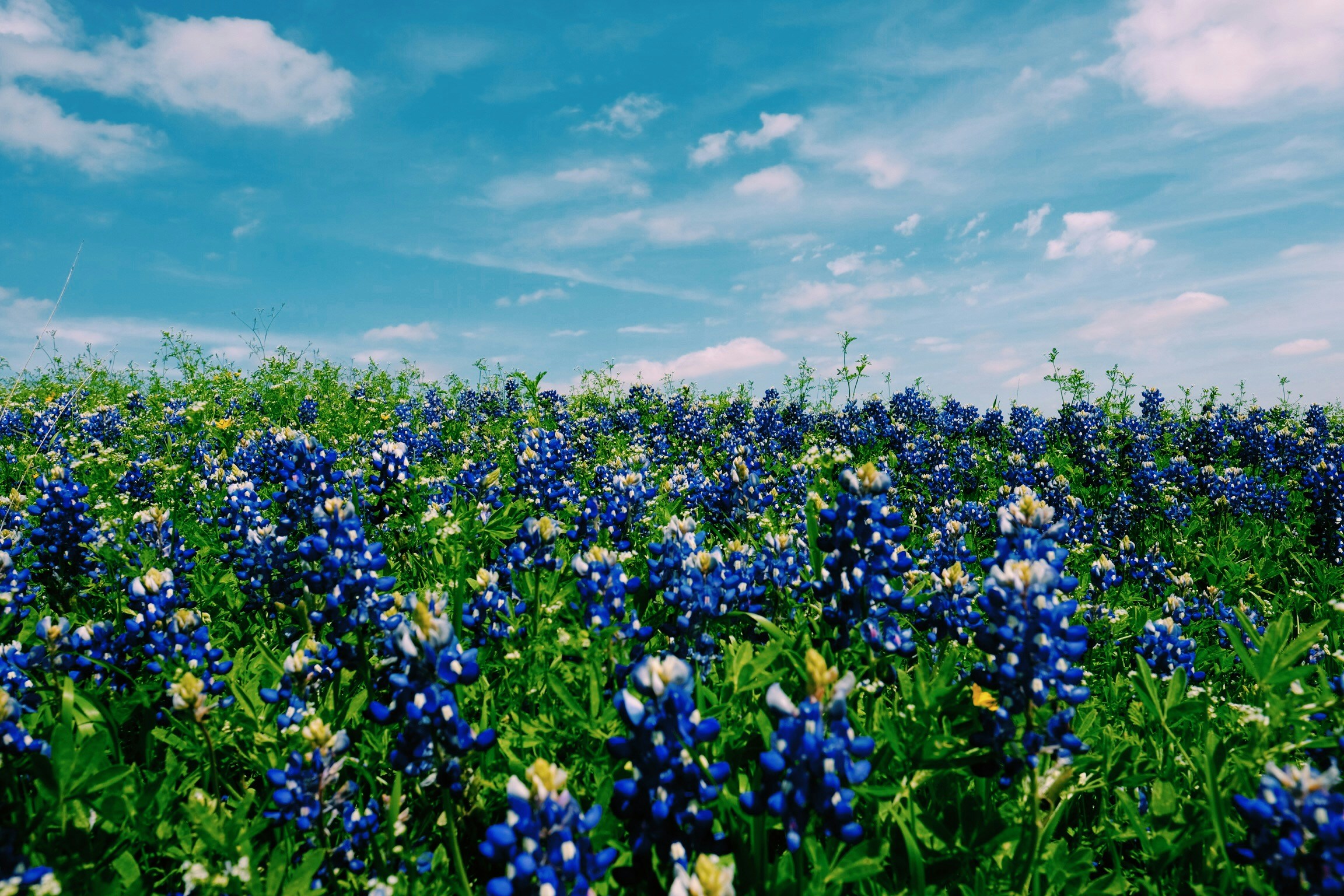

There’s a stretch of Highway 290 west of Austin where the traffic thins out, the land starts to roll, and the strip malls give way to limestone fences and peach stands. Most visitors picture the Hill Country as a single postcard, a field of blue flowers or a shop-lined square in Fredericksburg. The reality is a patchwork of small towns, working orchards, and family vineyards, each with its own rhythm and its own reason for a slow visit rather than a quick photo stop.
Peach Orchards Along Highway 290
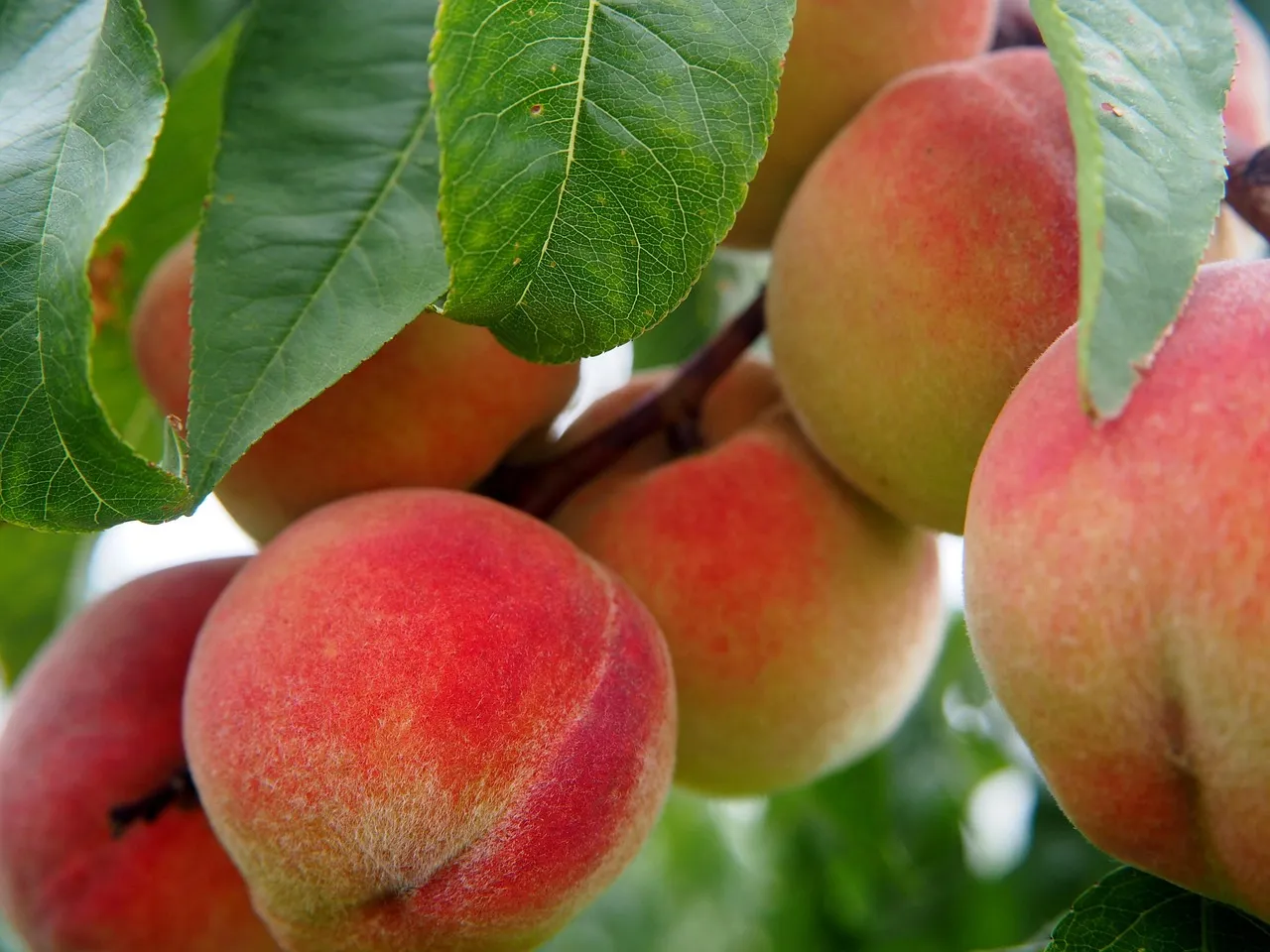
Gillespie County, anchored by Fredericksburg and Stonewall, has been growing peaches for generations, and the numbers back up the reputation. Gillespie County produces roughly one-third of all Texas peaches across approximately 600 acres. The sandy loam soil sits over limestone bedrock at 1,700 feet elevation, and the swing between hot days and cool nights helps concentrate the sugars in the fruit.
Roadside stands and orchards along Highway 290 and Highway 87 sell more than 20 varieties of Gillespie County peaches, ripening in waves rather than all at once so there is usually something ready to pick between mid-May and mid-August. In 2026, growers described the crop as lighter than usual after a warmer than normal winter left the trees short on the chill hours they need to set fruit, though most orchards still had enough for pies, cobblers, and Saturday morning picking.
Bluebonnets and the Hill Country Wildflower Season
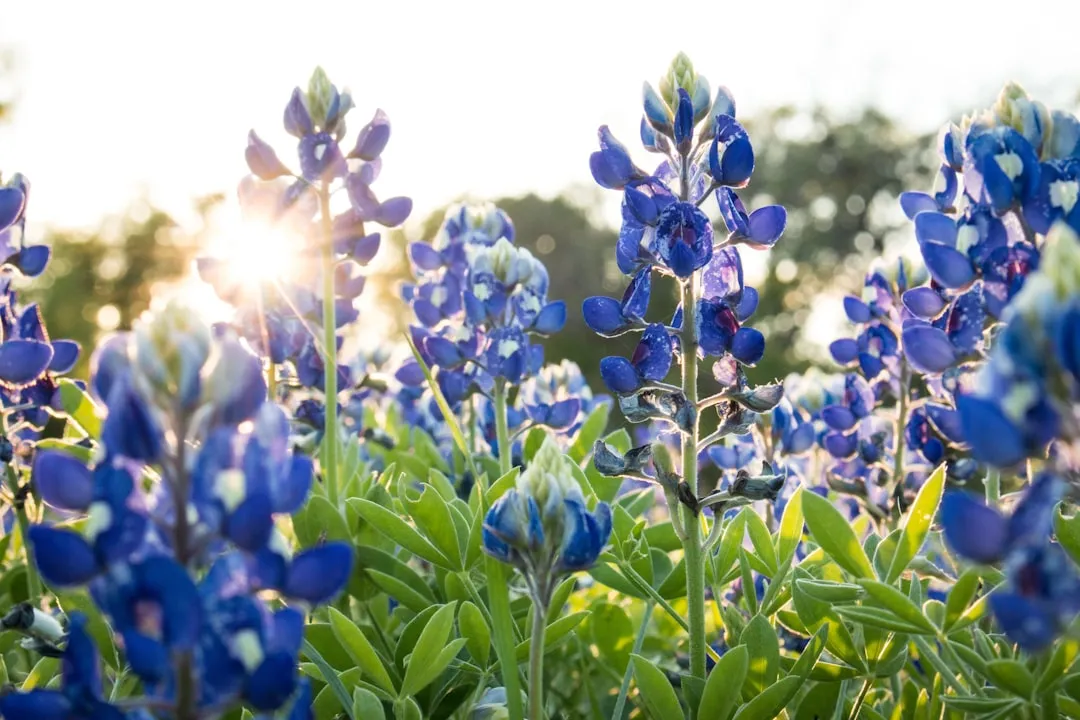
Every spring, the limestone hillsides between Austin and San Antonio fill with the pale blue spikes that give the season its name. Texas actually has six native bluebonnet species, and all of them are recognized as the state flower, blooming from late March into early May. The 2026 season arrived unevenly.
Forecasters at the Lady Bird Johnson Wildflower Center warned that the bloom would vary widely across the state because of uneven rainfall and continuing drought. Meteorologists tracking the region suggested visiting between April 10 and April 15 for the best chance at peak Hill Country blooms, historically one of the more reliable windows even in leaner years.
Fredericksburg’s own Wildseed Farms, the country’s largest working wildflower farm with over 200 acres locally and more than 600 acres statewide, offers a dependable close-up view even when the wild roadside patches are thinner than usual.
Fredericksburg: The Heart of German-Texan Hospitality
Fredericksburg is the town most people mean when they say Hill Country, and it earns the attention honestly. Founded by German immigrants in the 1840s, its Main Street still carries that heritage in its architecture, bakeries, and biergartens, all wrapped around a genuinely small-town pace. The town’s devotion to its own fruit did not go unnoticed either. Fodor’s Travel named Fredericksburg one of the ten small towns most dedicated to their local fruit.
That civic energy shows up year round, since Fredericksburg hosts more than 400 festivals and special events annually, meaning there is rarely a week without some kind of community gathering happening on or near the square.
The Wine Road: Vineyards Along Highway 290
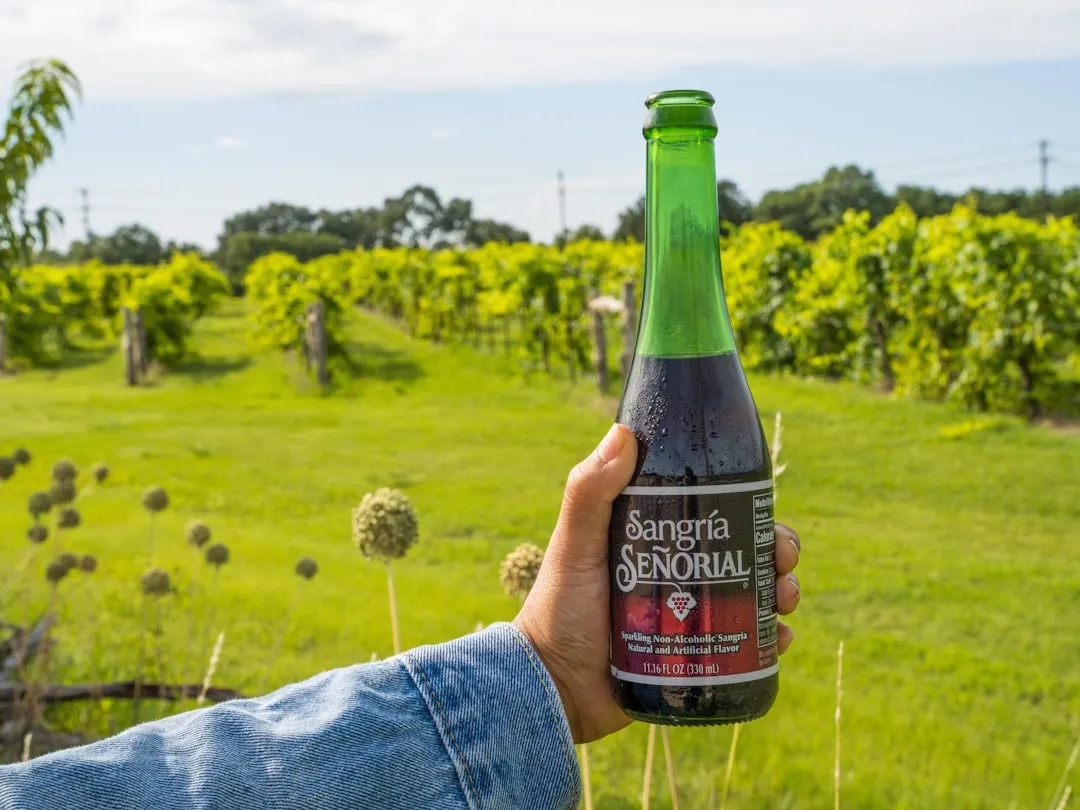
Somewhere between the peach stands and the German bakeries, Fredericksburg quietly became a serious wine destination. The Texas Hill Country AVA is the second largest certified American Viticultural Area in the country, spanning well over nine million acres. Within that vast boundary sit more than 100 wineries and tasting rooms spread across Fredericksburg, Hye, Stonewall, and Johnson City, many clustered along the stretch of Highway 290 known simply as the Wine Road.
The region’s rise has been dramatic enough that it has become the second most visited wine region in the United States, trailing only Napa Valley. Growers here lean on Texas grown fruit and German style varietals like Riesling and Gewürztraminer, a nod to the same immigrant heritage that shaped the towns around them.
Gruene Historic District and the Guadalupe River
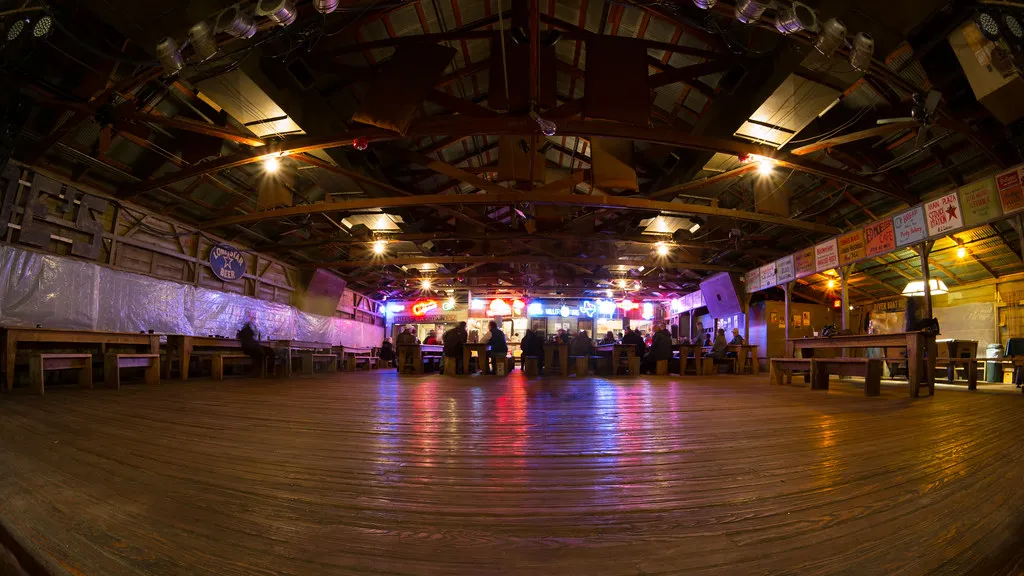
A short drive southeast, on the banks of the Guadalupe River, sits Gruene, a district so small it isn’t technically its own town. Henry D. Gruene and his family settled the land in 1872 to establish a cotton farm, and the community thrived until a boll weevil infestation in the 1920s crippled the cotton industry, and by 1930 the population had dwindled to just 75 residents.
The town nearly vanished after the war, saved only by a restoration effort in the 1970s. Today its centerpiece, Gruene Hall, established in 1878, stands as Texas’s oldest continually operating dance hall, while the Gristmill restaurant occupies a rebuilt cotton gin overlooking the river below.
Wimberley’s Artists, Swimming Holes, and Market Days
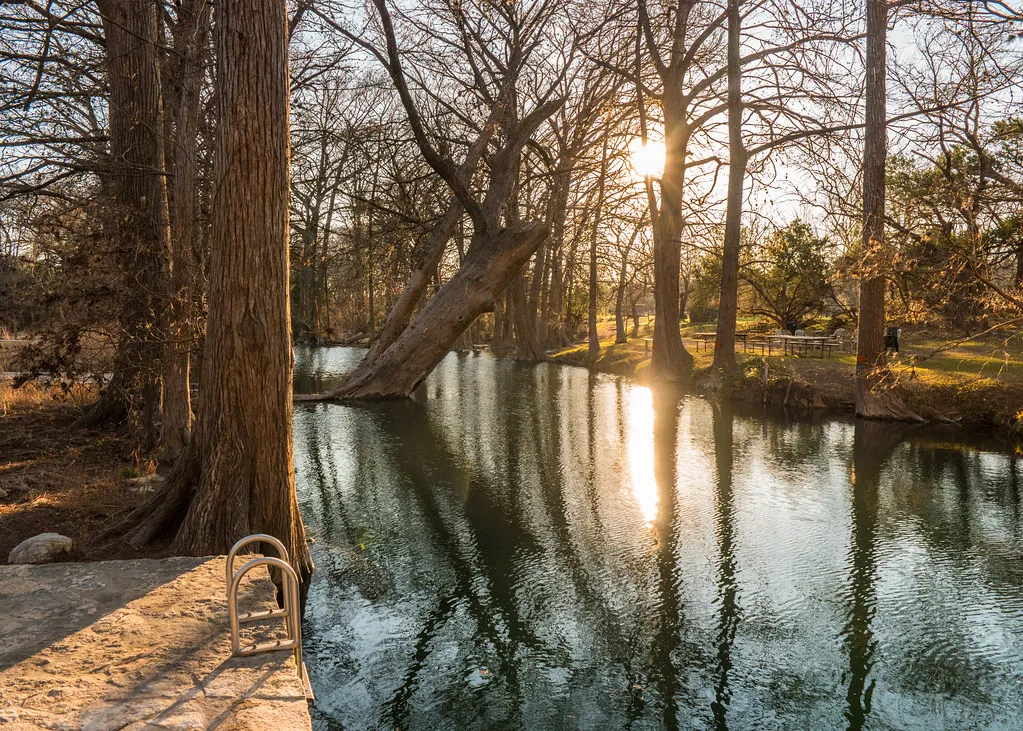
Wimberley grew up as a milling and ranching outpost where the Blanco River meets Cypress Creek, and it has since become one of the Hill Country’s quieter creative pockets. Over time it turned into a gathering place for artists and musicians drawn to its natural surroundings. Visitors come for the water as much as the galleries, with Blue Hole Regional Park offering clear spring fed swimming beneath shady cypress trees and the nearby Jacob’s Well spring drawing hikers and swimmers alike.
On weekends, Wimberley Market Days brings out local artisans, antique dealers, and food vendors on the first Saturday of each month from March through December.
Johnson City: LBJ Country and a Growing Arts Scene
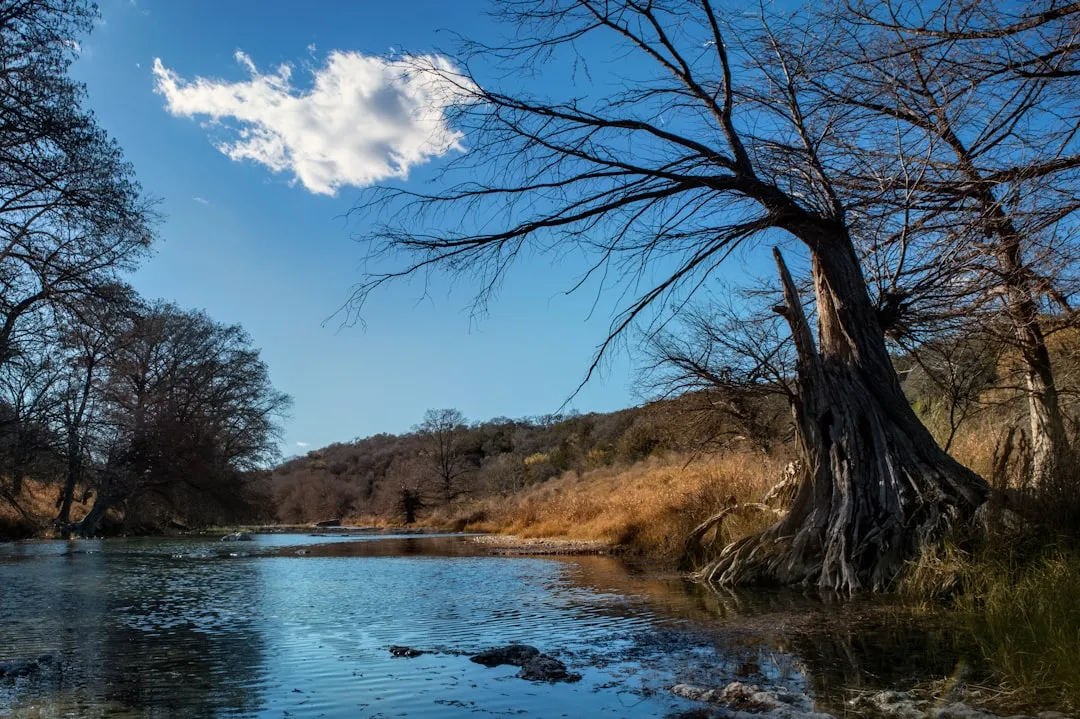
Johnson City carries a different kind of history, one tied directly to the White House. As the hometown of President Lyndon B. Johnson, the town preserves his legacy through the LBJ Boyhood Home, the Johnson Settlement, and a National Park Service visitor center. Beyond the presidential history, the town has quietly reinvented itself.
In recent years Johnson City has become something of an art hub, with galleries filling old storefronts and a First Saturday Art Walk where local artists open their doors alongside wine and conversation. The mix of political history and small gallery culture gives the town a personality distinct from its flashier neighbors.
Blanco: Limestone Courthouse and Lavender Fields

Blanco tends to get passed by on the drive between bigger destinations, which is precisely part of its appeal. At the center of town sits an impressive limestone courthouse built in 1885, still surrounded by the kind of shaded benches that invite a slow cup of coffee. Just past the square, Blanco State Park offers riverside trails and picnic spots, a good place to stretch your legs between town visits. Summer brings a burst of color and scent to the area when the Blanco Lavender Festival draws visitors from across the state each year.
Luckenbach: A Trading Post Turned Legend
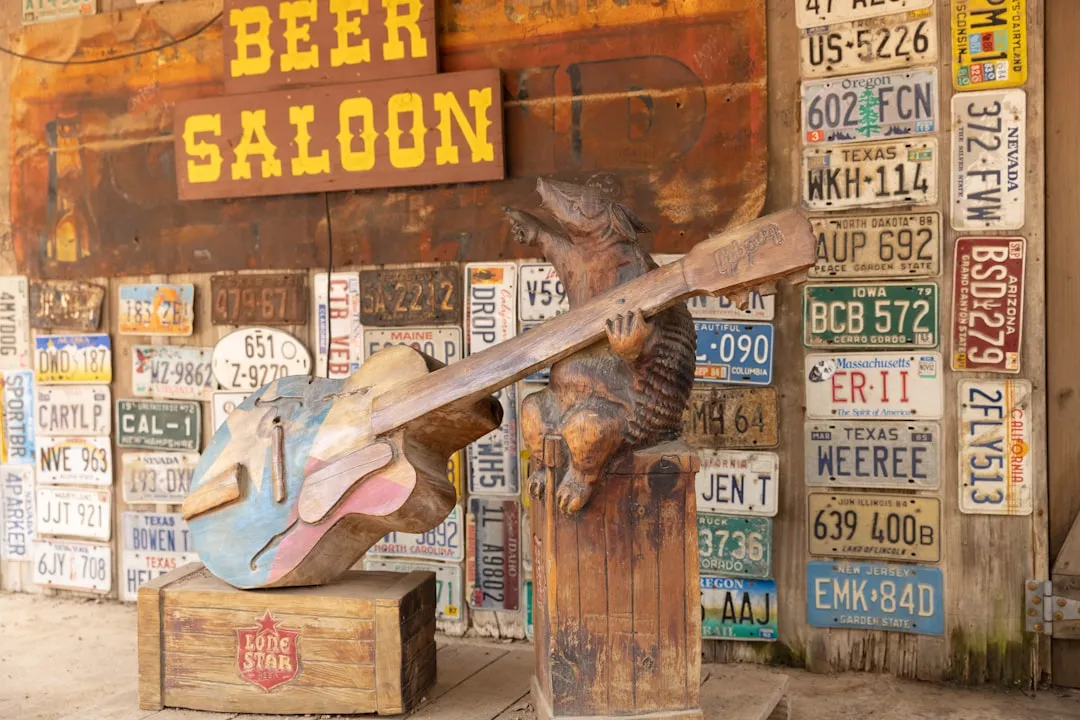
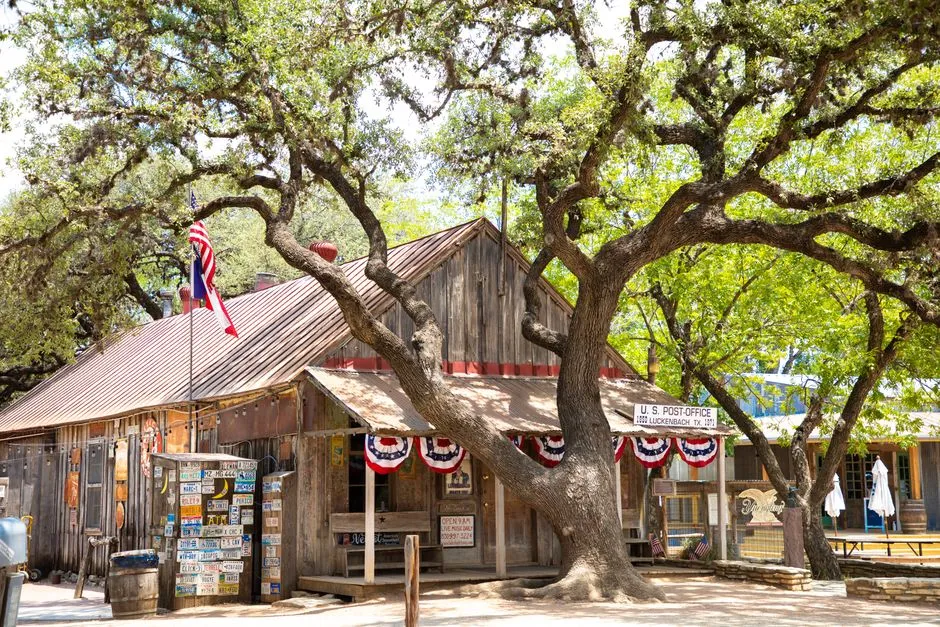
Few places in Texas carry more outsized fame relative to their actual size than Luckenbach. Established as a trading post in 1849, it remains barely more than a crossroads today, yet its name is known across the country thanks to old country songs and a persistent word of mouth reputation.
The town’s few structures include an old dance hall still in use every weekend, a general store, and a bar, all shaded by oak trees that have stood for centuries. It is the kind of stop that rewards patience rather than a checklist, best enjoyed with no particular agenda beyond listening to whoever happens to be playing that afternoon.
Planning a Season by Season Visit
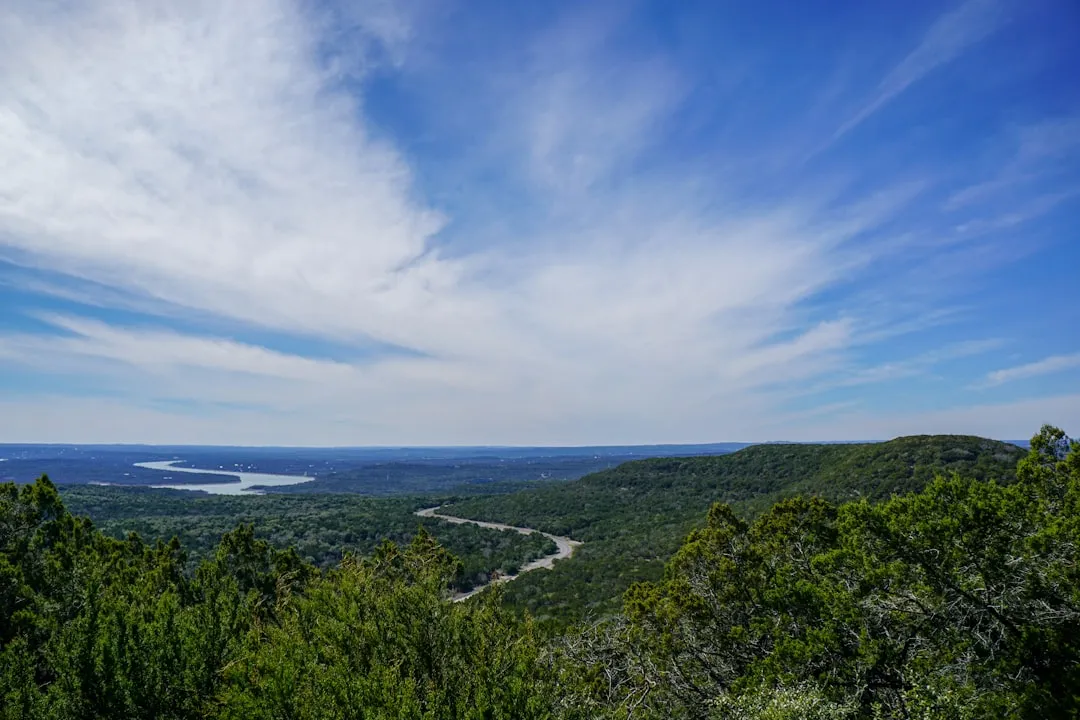
The Hill Country rewards travelers who think in seasons rather than single trips. Spring belongs to the wildflowers, though 2026’s patchier bloom is a reminder that nature does not run on a fixed schedule and conditions shift from year to year.
Early summer through August is peach season, when roadside stands along Highway 290 fill with fresh fruit, jams, and homemade cobbler, while fall and winter bring wine harvest events and the holiday markets that towns like Gruene and Fredericksburg are known for. Whatever the month, checking directly with local orchards, wildflower centers, or town visitor bureaus before a trip remains the most reliable way to catch each place at its best.
The towns strung along this stretch of Central Texas do not compete for attention so much as complement each other, each holding onto a piece of the region’s German, ranching, or musical roots. Whether the peaches are running light or the bluebonnets are having a quieter year, the Hill Country’s real appeal has always been less about a single perfect moment and more about the unhurried welcome waiting in each small town along the way.
AI Disclaimer: This article was created with the assistance of AI tools and reviewed by a human editor.