
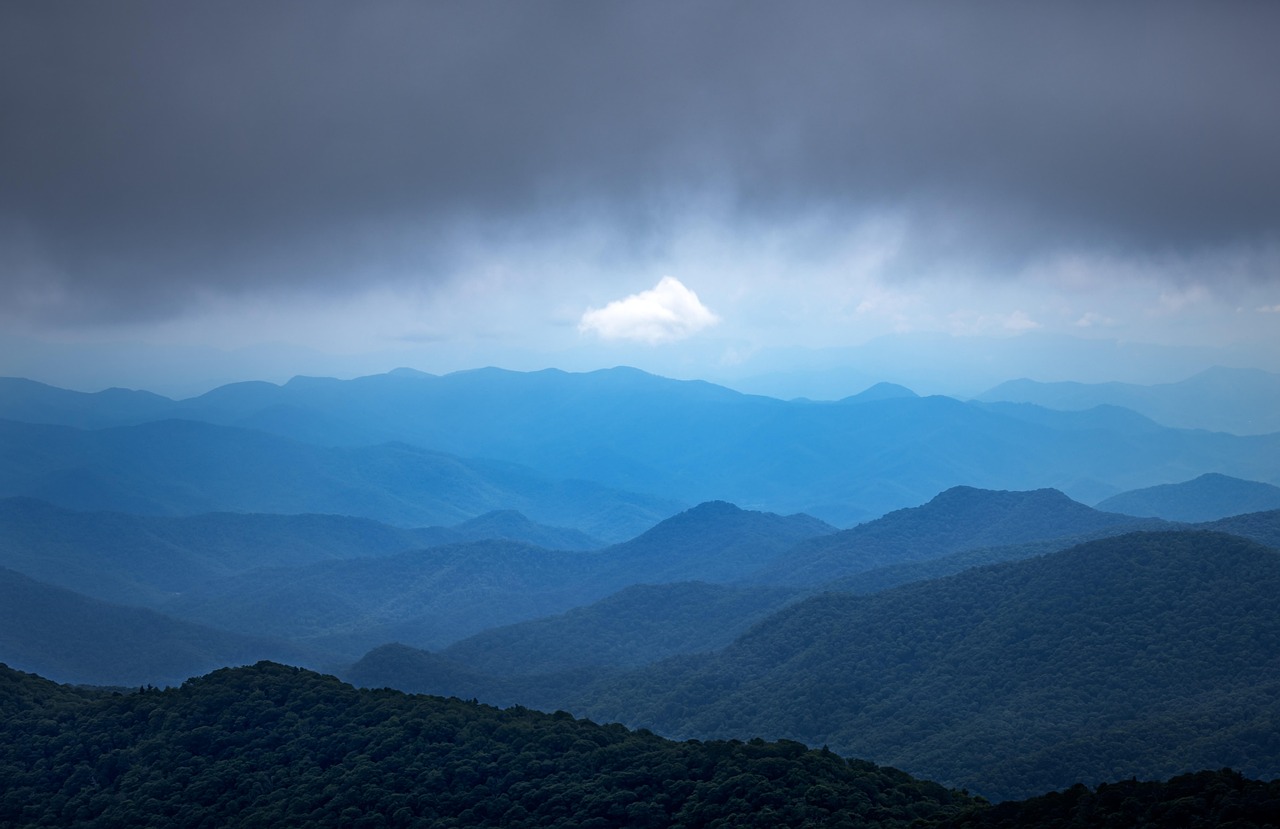
A Valley Shaped by Silence
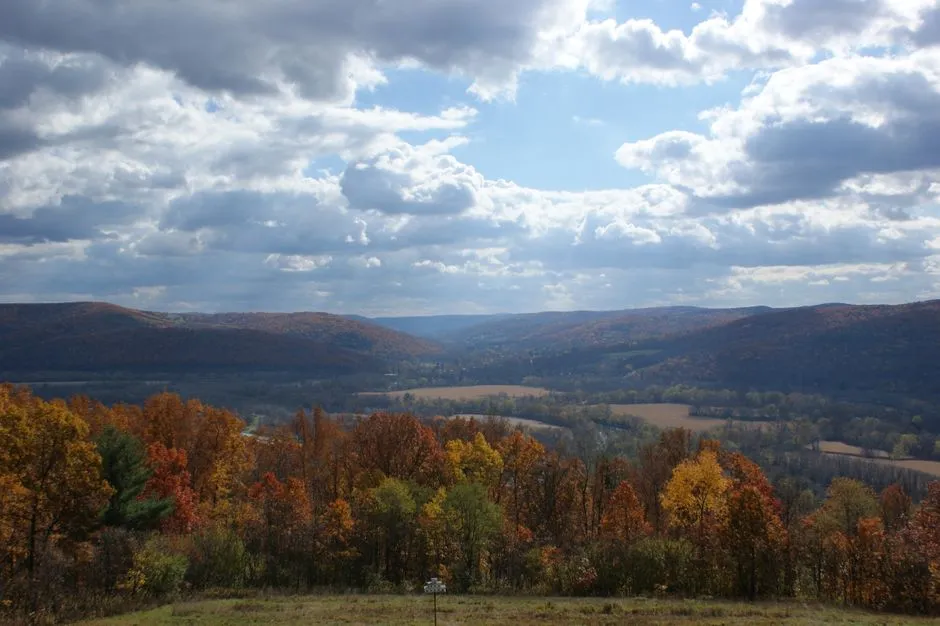
Tucked into the Allegheny Mountains of eastern West Virginia sits Green Bank, a census-designated place in Pocahontas County within West Virginia’s Potomac Highlands inside the Allegheny Mountain Range. It’s a small place by any measure, with a population of just 141 as of the 2020 census.
The surrounding county is enormous and sparsely peopled, with elevations ranging from slightly under 2,000 feet to several points above 4,800 feet. That combination of high ridgelines, deep hollows, and very few people is exactly what makes the valley feel like it belongs to another century.
Where Cell Signal Simply Stops

Drive in from the east and the change is subtle at first, then unmistakable. As you drive toward the Green Bank Observatory, something subtle happens. Cell bars fade. Notifications stop chiming. Radios go quiet. It is not dramatic, but it is noticeable. In a world built on constant connection, this place asks for something different. Even where a bar or two clings on, cell service is available in some areas, but it is unreliable. Data is slow. Some areas have no signal at all. It’s not that the valley is remote in the backcountry sense. It’s that the silence here is deliberate.
The Science Behind the Silence
None of this happened by accident. The Quiet Zone, established in 1958, was not the child of neglect. Rather, the trappings of contemporary life, even in the 1950s, were causing an uptick in Radio Frequency Interference, and that didn’t bode well for the nascent Green Bank Observatory, set to become a behemoth of American astronomy, or for the military radar experiments in nearby Sugar Grove, West Virginia.
The Federal Communications Commission stepped in, and the FCC created the Quiet Zone in 1958 to protect the radio telescopes at Green Bank and Sugar Grove from harmful interference. Today that protected area is genuinely vast. The Quiet Zone is an approximate rectangle of land comprising roughly 13,000 square miles, straddling the borders of Virginia and West Virginia, and also including a small part of Maryland.
Life Inside the Quiet Zone
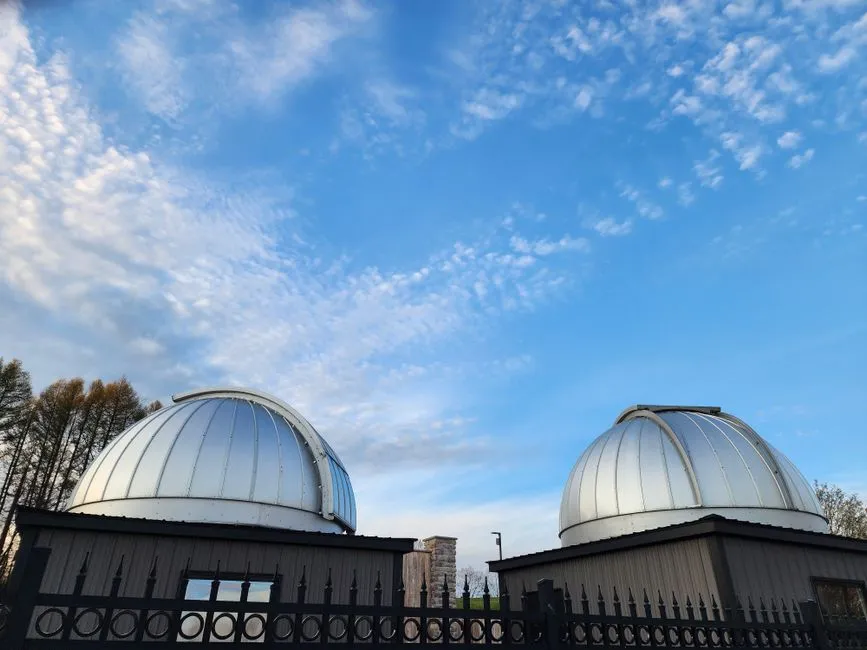
Closer to the observatory, the rules tighten considerably. The West Virginia Radio Astronomy Zone is an area legally recognized by the state, placing restrictions on emissions from electronic devices that interfere with the Observatory’s operations, within a ten-mile radius surrounding the site. For decades that meant no WiFi at all for the local school, though that finally changed.
The school had been operating without WiFi for its entire existence until the 2025/26 school year, when Observatory engineers worked with the school to set up routers at a specific frequency, 2.4GHz, chosen to minimize interference. Visitors feel the rules too, since at the telescope grounds themselves visitors are often asked to turn off their phones or leave them in their cars.
The World’s Largest Steerable Telescope
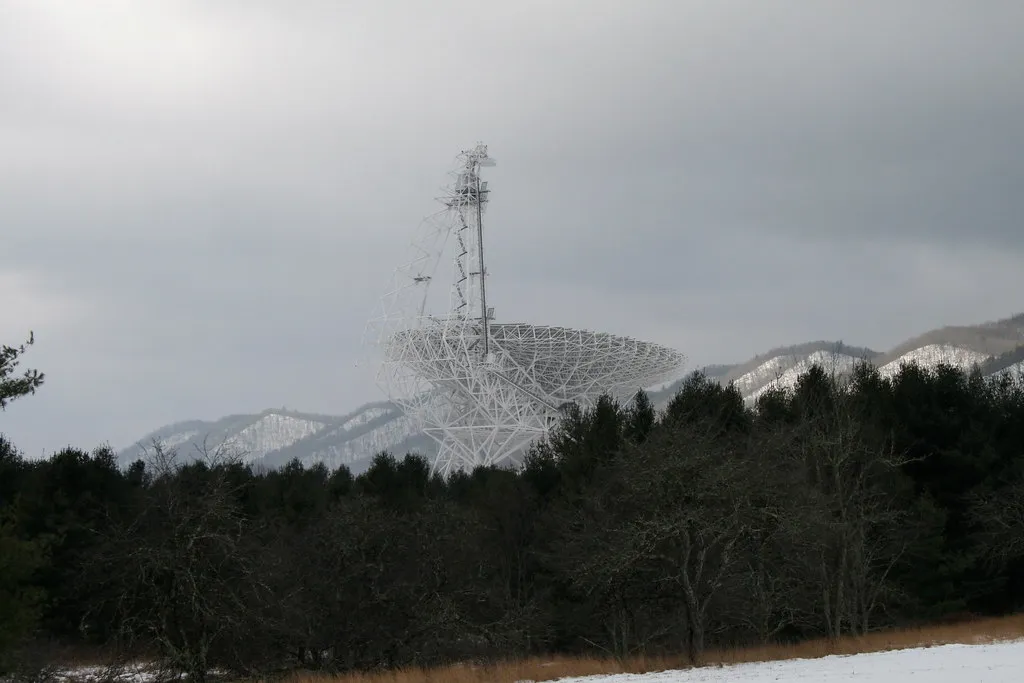
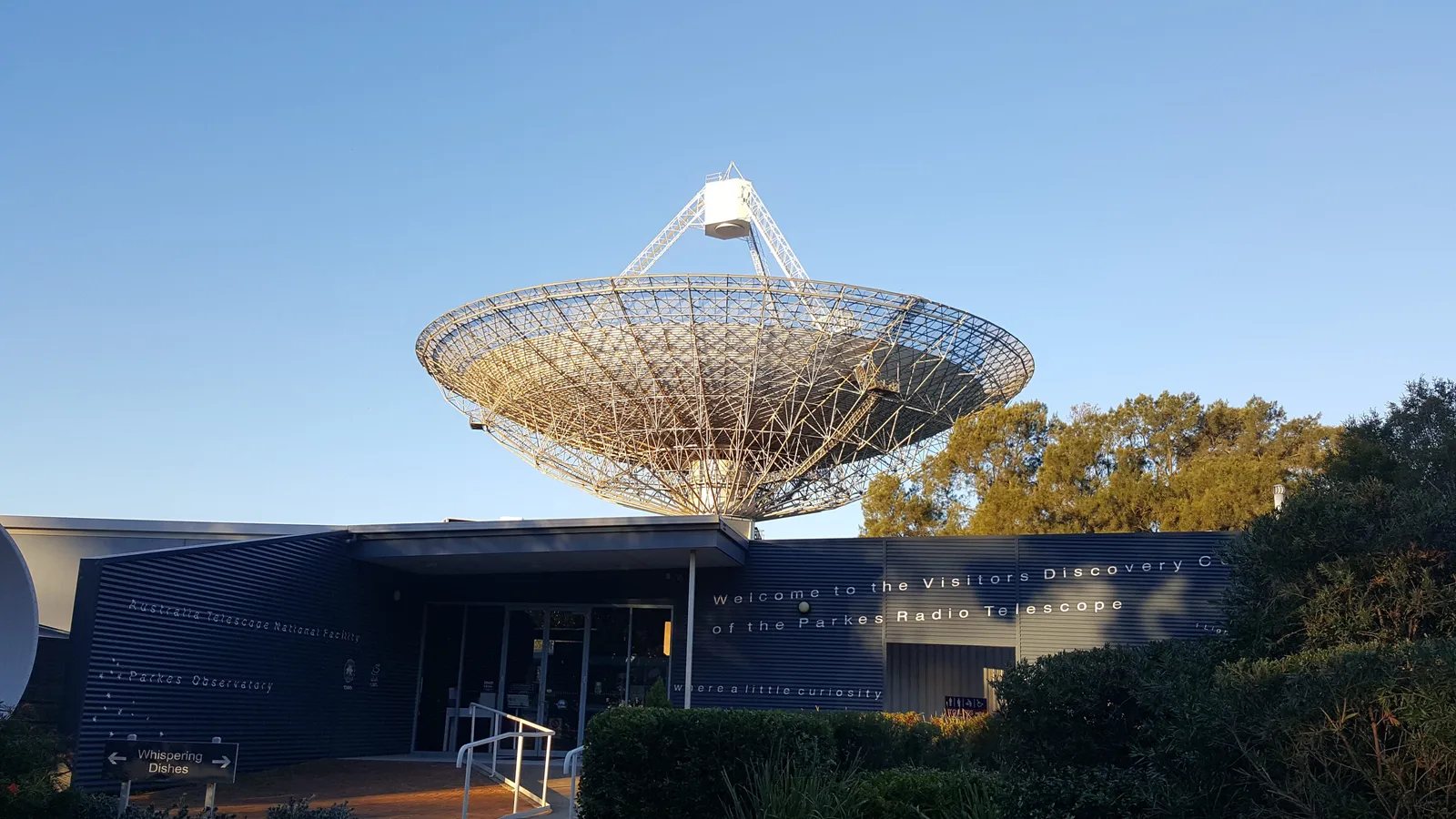
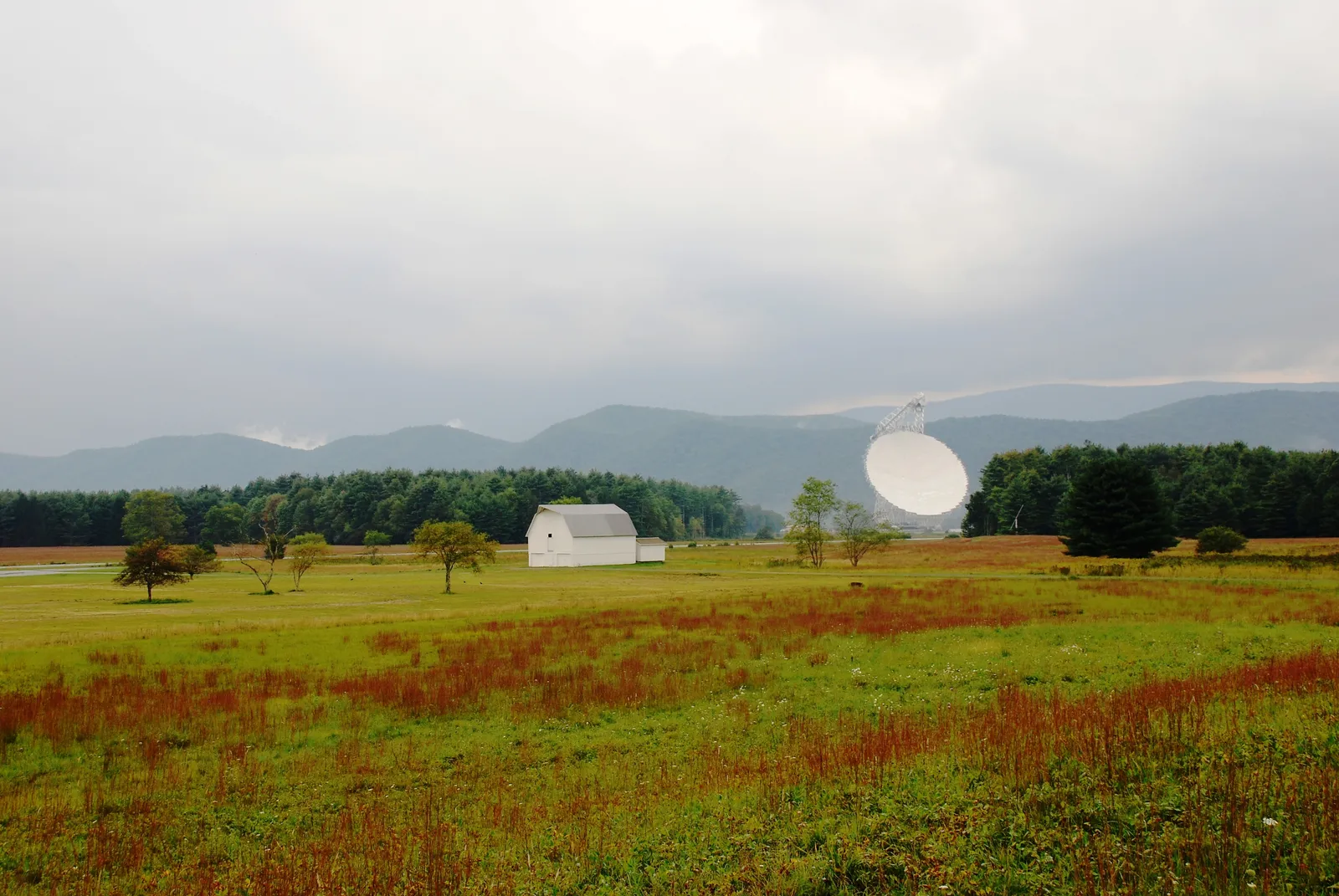
The reason for all this restraint stands at the center of the valley, and it’s hard to overstate how large it is. The Robert C. Byrd Green Bank Telescope is the world’s largest fully steerable radio telescope, and seeing it in person stops people in their tracks. It’s a genuinely massive structure, described by one visiting astronomy writer as a 300-foot behemoth with a support structure like an industrial crane.
Despite the scientific sensitivity of the site, access is remarkably open. At Green Bank Observatory, the site of the largest steerable telescope in the world, anyone can just wander up, and the facility draws a real crowd, with 50,000 visitors each year coming through for tours and educational programs.
Wildlife and Dark Skies Working Together

The same radio silence that protects the telescopes turns out to protect other things too. Just south of Green Bank, Watoga State Park, Calvin Price State Forest, and Droop Mountain Battlefield State Park together cover 19,869 public acres committed to protecting the land from light pollution. That darkness has quietly become a habitat asset.
A park superintendent has noted that dark conditions helped preserve a habitat for species like synchronous fireflies, discovered in the park around the same time, which have thrived there because they prefer very dark skies, while light pollution can disrupt the rhythms animals rely on for reproduction, feeding, and protection from predators. It’s a reminder that quiet, in more than one sense, has ecological value.
Stargazing Without Interference

Combine the radio restrictions with the mountainous terrain and you get something rare on the East Coast. The rugged topography, rural character, and inclusion in the National Radio Quiet Zone have culminated in one of the largest dark sky areas in the Eastern United States, earning Dark Sky International’s Dark Sky Park designation not once, but three times across the region’s parks.
Locals point out that plenty of unofficial spots rival the certified ones. Winter is actually a favorite season for it, since cold air holds less moisture, meaning the atmosphere is clearer and less hazy, which allows for sharp, defined views of celestial objects like stars, planets, and distant galaxies.
Hiking and Outdoor Recreation in the Valley
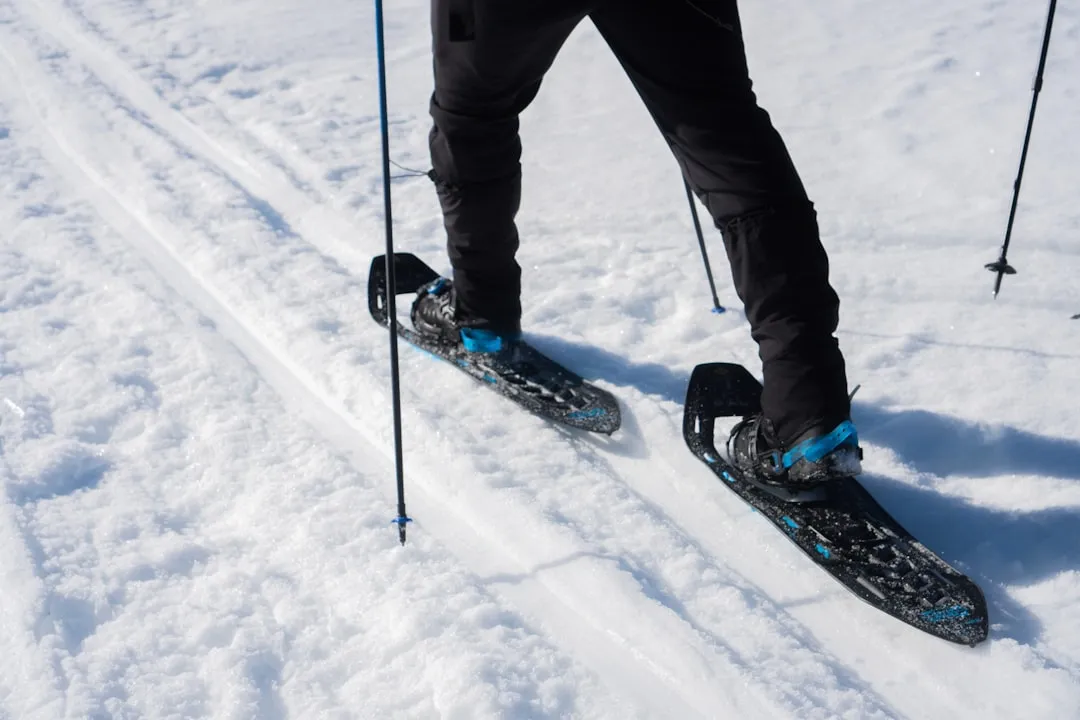
The valley isn’t only about looking up. It sits inside a working landscape of forest and public land, and Green Bank is surrounded by natural resources drawing visitors for camping, hiking, fishing, skiing, mountain biking, and other outdoor activities. Nearby, the Cranberry Wilderness area offers its own quiet corners, including a campground tucked along a high ridgetop between the Cranberry and Williams Rivers, with fishing, hiking, and stargazing opportunities.
Add in the historic Cass Scenic Railroad and the Snowshoe Mountain ski resort nearby, and the valley supports a genuine four-season outdoor culture built around its landscape rather than around any screen.
A Growing Appeal for Digital Detox Travelers

Places like this have started to align with a broader shift in how people choose to travel. Global figures show that the digital detox tourism market reached 1.42 billion dollars in 2024 and is projected to grow at a compound annual rate of 8.6 percent through 2033. The wider wellness travel sector is even larger, with the global wellness travel market valued at 814 billion dollars in 2024 and expected to grow by roughly 7 percent annually through 2028, with digital detox experiences representing a substantial portion of that.
Reports from 2025 describe a rising number of travelers paying to have their devices taken away during vacations, signaling a demand for genuine reconnection. Green Bank never marketed itself this way, but it happens to offer, by federal decree, exactly what that trend is chasing.
Visiting the Valley Respectfully
Tourism here matters economically, even in a county this small. Visitors to the Observatory spend approximately 150 dollars per day on transportation, lodging, meals, and recreation, adding up to roughly 7.5 million dollars a year in West Virginia, and tourism has grown from a minor part of Pocahontas County’s economy into a major industry. Visitors are asked to plan ahead precisely because the infrastructure isn’t built for spontaneity, downloading maps and directions before arrival, carrying cash, and expecting to power devices down rather than off.
It’s worth checking ahead too, since campground availability, closures, and rules can change, so it helps to check the Monongahela National Forest and West Virginia State Parks websites before heading out. None of this is difficult, but it does ask visitors to slow down and plan a little more deliberately than they might elsewhere.
There’s something clarifying about a place that simply won’t let you check your phone. Green Bank and the valley around it exist because of a scientific need for silence, yet what that silence has preserved along the way, dark skies, quiet forests, a slower pace of visiting, feels like its own kind of gift. It’s not a destination that promises transformation or asks you to unplug on principle. It just quietly removes the option to stay plugged in, and lets the mountains take it from there.
AI Disclaimer: This article was created with the assistance of AI tools and reviewed by a human editor.