

Where Water Meets Wilderness
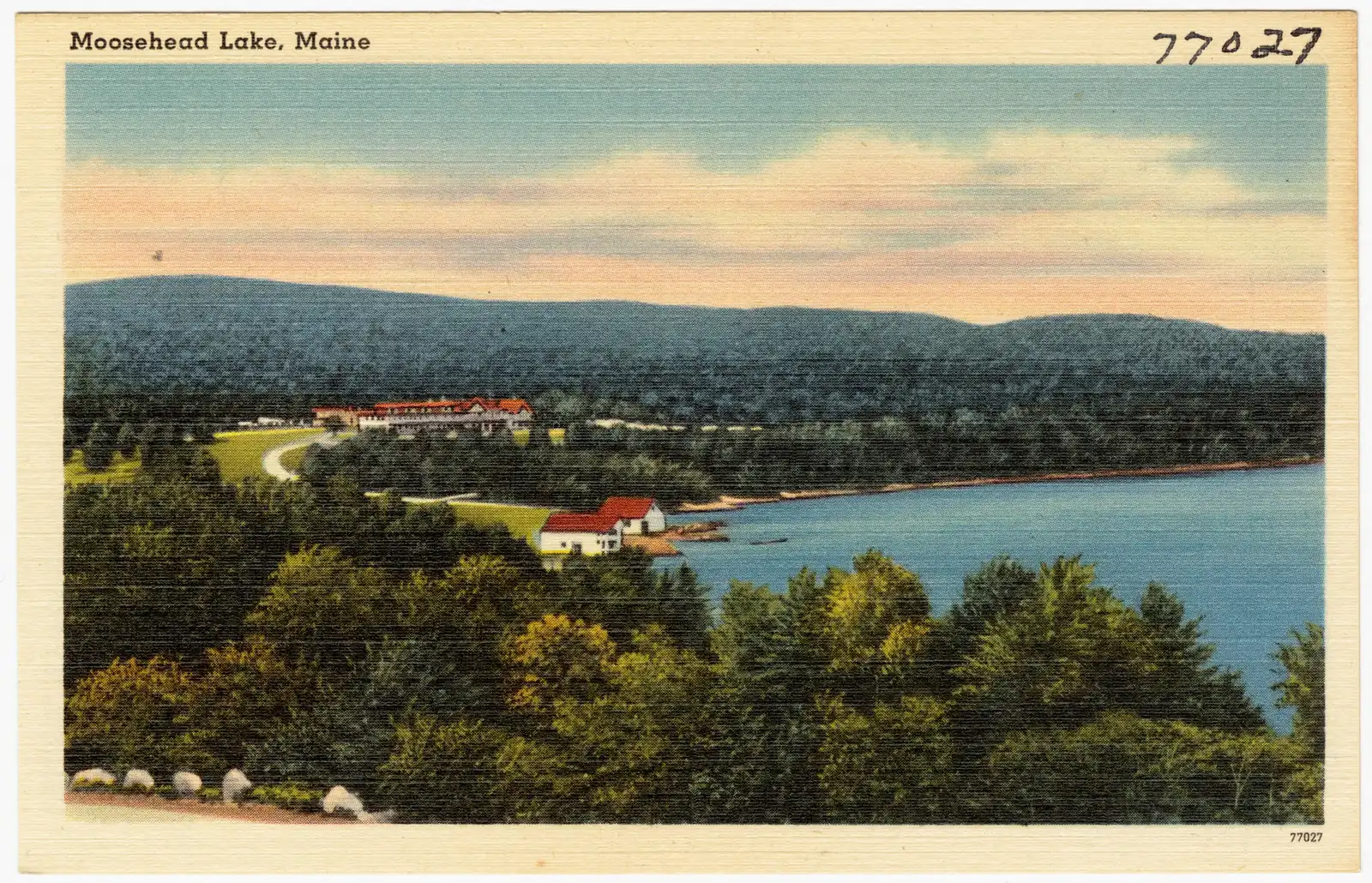
Moosehead Lake sits in Piscataquis County, tucked into the mostly undeveloped Longfellow Mountains of north central Maine. It is a deep, coldwater lake, the largest lake in Maine and the largest lake wholly within New England, and it serves as the source of the Kennebec River.
The lake sits at an elevation of roughly 1,023 feet, which helps explain why summers here stay mild even as the surrounding forest thickens with black spruce and fir. Getting there takes some effort too, since Greenville, the main gateway town, is approximately 90 miles north of Bangor and 150 miles north of Portland, a drive that alone filters out a lot of casual day trippers.
A Lake Large Enough to Rank Among New England’s Biggest
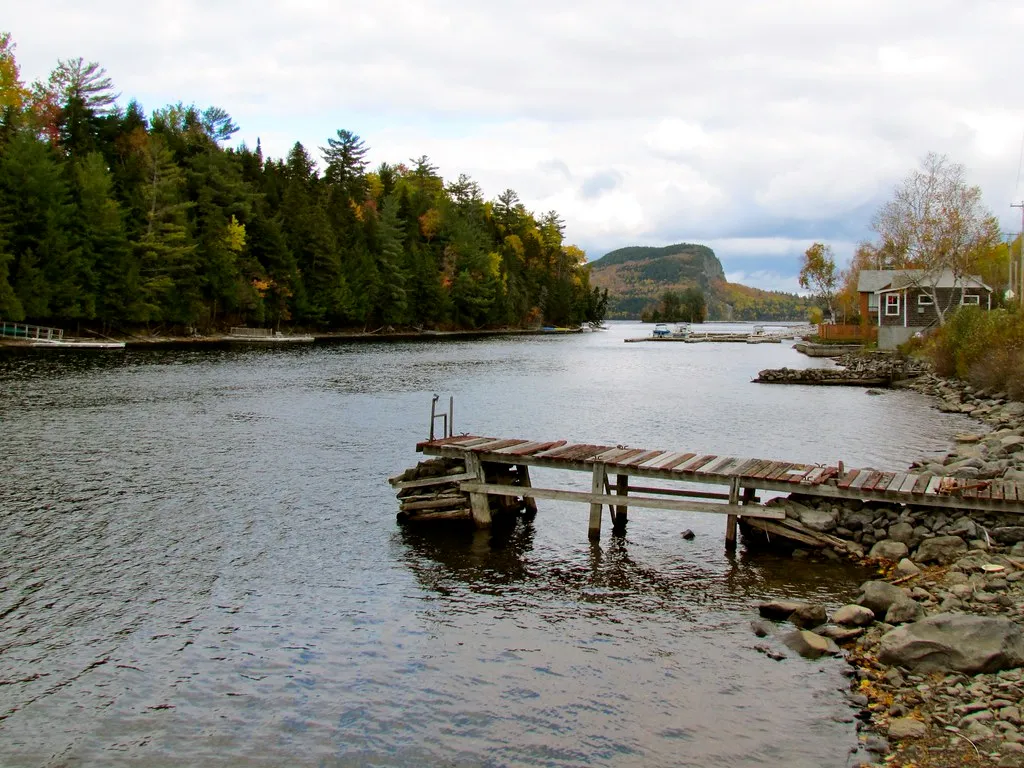
Numbers help put Moosehead’s scale into perspective. It is the second-largest lake in New England after Lake Champlain, and the largest mountain lake in the eastern United States. This massive body of water, the largest in the state, is 40 miles long and covers nearly 75,000 acres. It is approximately 40 by 10 miles, with an area of 120 square miles and over 400 miles of shoreline, and it has an average depth of 55 feet with a maximum depth of 246 feet.
For comparison, Lake Winnipesaukee in New Hampshire, often considered New England’s quintessential big lake, covers only about 72 square miles, which makes Moosehead nearly double its size while drawing a fraction of the boat traffic.
Four Hundred Miles of Shoreline, Mostly Untouched
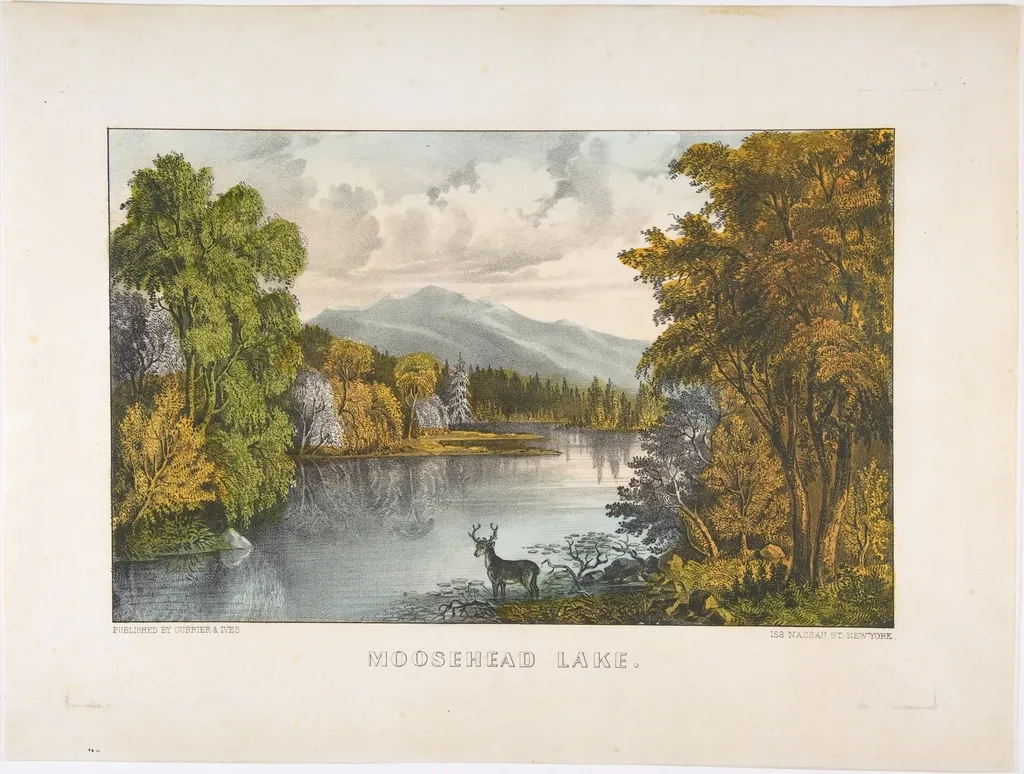
What sets Moosehead apart from other large lakes isn’t just its size, it’s how little of that shoreline has been developed. Much of the land bordering the water is owned by timber companies or held under conservation easement rather than lined with private docks and lake houses. Several rural townships border the lake, and Greenville is by far the largest town on the lake, with a small downtown area that has banks, shops, and restaurants. Beyond that single town, the shoreline reads more like wilderness than resort country, with boreal forest running unbroken for miles at a stretch.
Greenville: A Small Town Anchoring a Big Lake
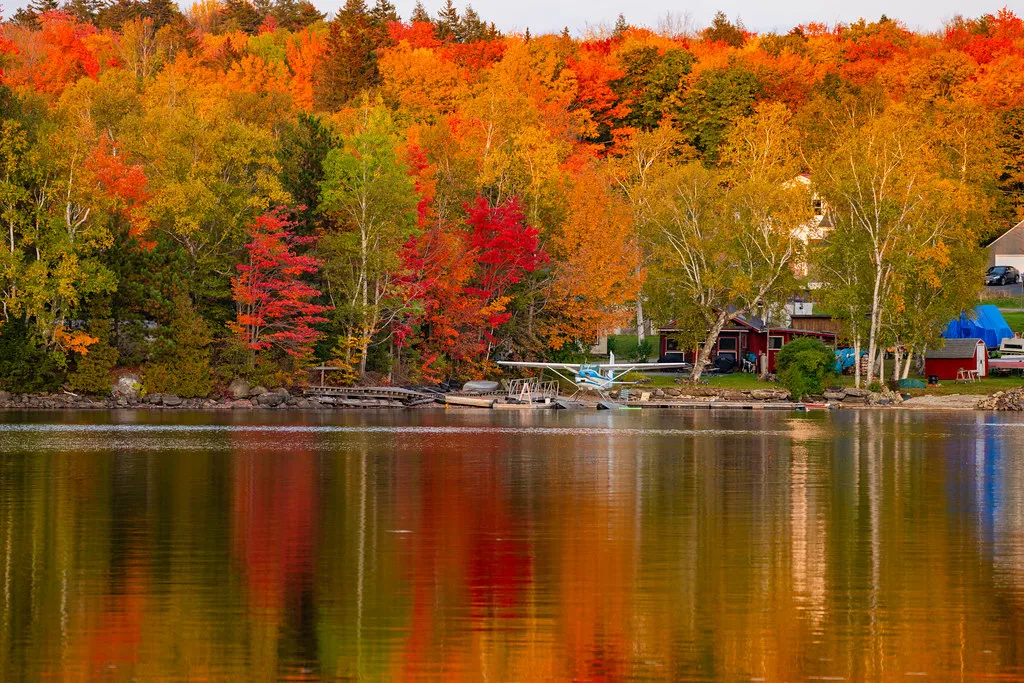
Greenville sits at the southern tip of Moosehead and functions as the region’s only real hub. The town of Greenville at the lake’s southern tip is the main service center for the region, and it is the largest and most accessible town on the lake. It’s a modest place, with a handful of outfitters, diners, and inns rather than sprawling development, and that modesty is part of what keeps the whole region feeling unhurried.
From here, floatplanes buzz off toward remote ponds, and the historic steamboat that once carried loggers and tourists still departs from the town landing each summer.
Mount Kineo’s Cliffs Rising Straight From the Water
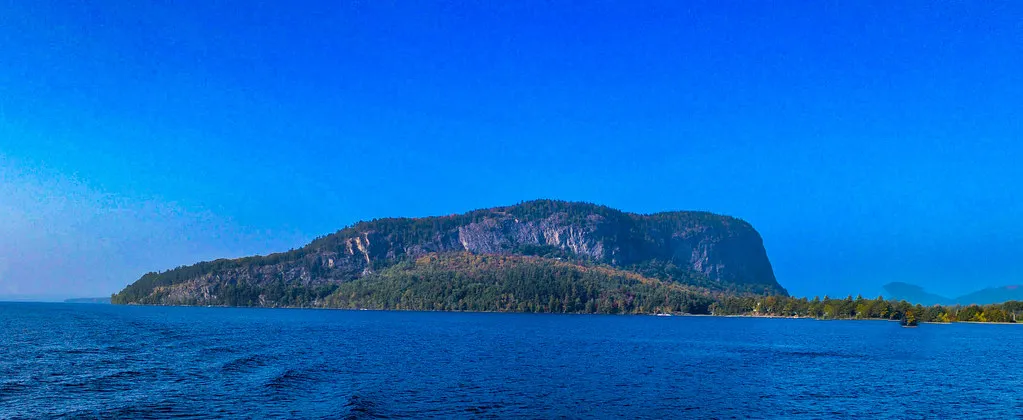
No feature defines Moosehead’s skyline quite like Mount Kineo, a dramatic rhyolite formation on the lake’s eastern shore. Mount Kineo, with 700-foot cliffs rising straight up from Moosehead Lake, has attracted visitors for centuries, from early American Indians to later tribes seeking its rhyolite to make stone tools.
Composed of rhyolite, a volcanic glass-like rock that fractures into sharp edges perfect for stone tools, native peoples traveled hundreds of miles to obtain Kineo flint, and artifacts made from this stone have been found across New England and into Canada. Today the peninsula is reachable only by boat, and a network of hiking trails climbs to a fire tower with sweeping views across the entire lake and surrounding peaks.
More Moose Than People
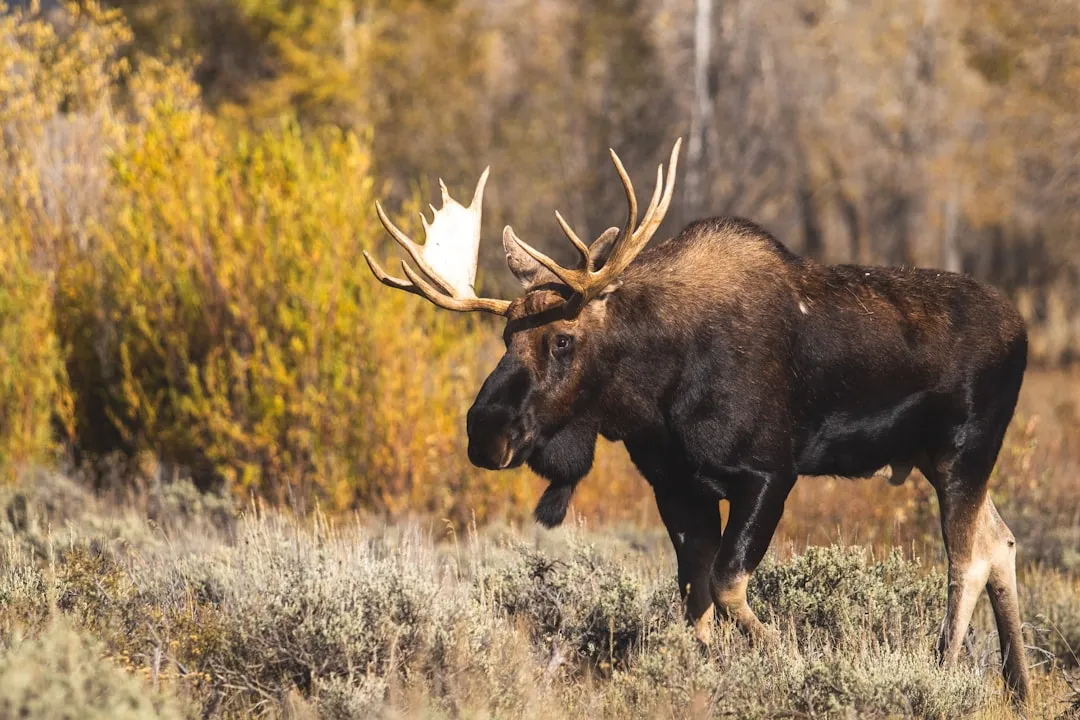
The lake’s name comes honestly, since the region really does have a striking moose presence. The region has a large moose population, with moose outnumbering people three to one. Guided moose safaris out of Greenville are a genuine local industry rather than a novelty, and early mornings along Lily Bay or the shallow coves near Kokadjo are reliable spots for sightings. Bald eagles and loons round out the wildlife picture, both benefiting from a shoreline that has stayed largely free of the noise and lighting that comes with heavy development.
Cold, Clear Water and a Storied Fishery
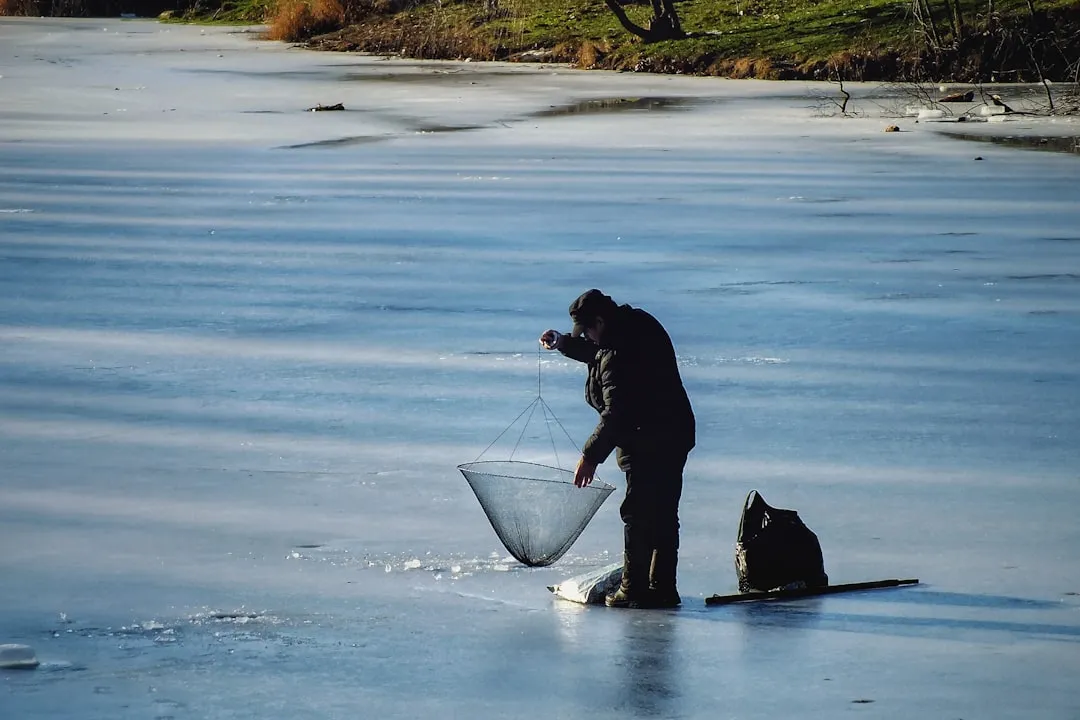
Moosehead’s depth and cold temperatures have made it a serious fishing destination for generations. Moosehead Lake has been a famous sport fishing destination for more than a century and a half, and its deep, cold, well-oxygenated water is ideal habitat for salmon, togue, and brook trout. The lake is great for fishing, with plenty of landlocked salmon, brook trout, and togue, or lake trout.
Winter brings a different kind of fishing tradition entirely, when ice fishing becomes popular, with cozy and eclectic ice shacks dotting the lake. Local anglers will also tell you the fishery has shifted over the decades as other species were introduced, a reminder that even a lake this large isn’t immune to slow ecological change.
A Lake That Rewards Every Season
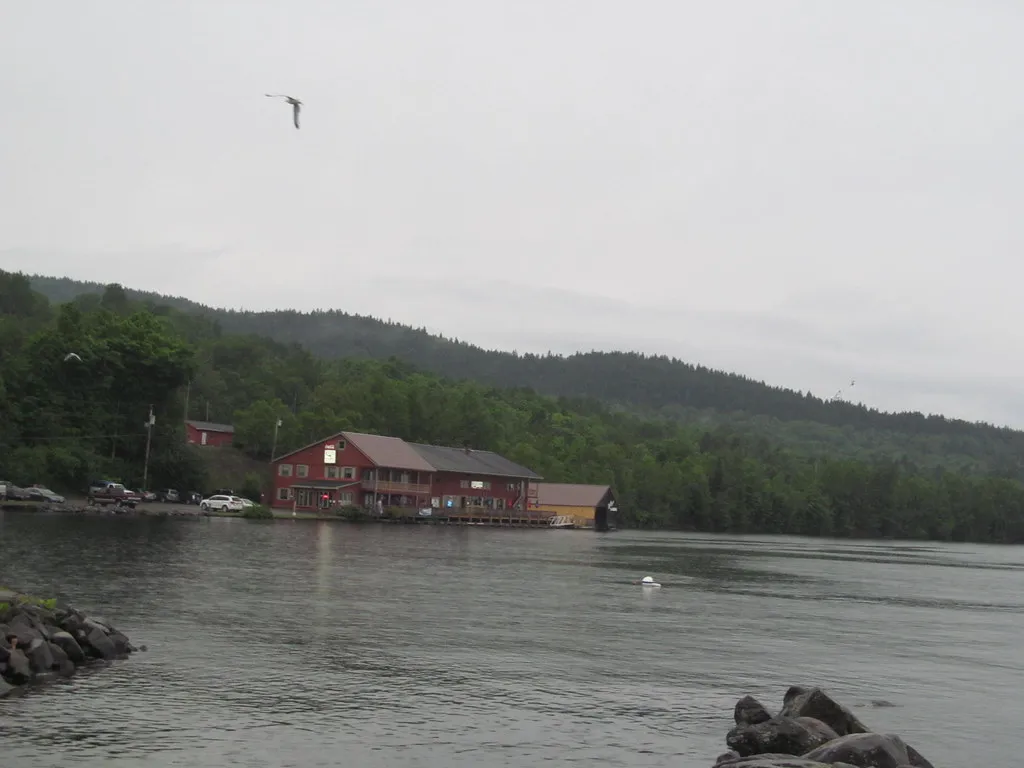
Part of what keeps Moosehead from feeling like a single-season destination is how differently it behaves throughout the year. Because of its cold climate, the lake becomes completely frozen over for about five months each year, transforming the surface into a hub for ice fishing, snowmobiling, and cross-country travel across the ice itself.
Once the thaw comes, kayakers and canoeists have the run of calm coves and open water, while fall brings a quieter kind of beauty as the surrounding hardwoods turn color against the dark spruce line. Few large lakes in the region offer this much seasonal range without the crowds that usually follow it.
The Historic Steamboat Still Sails
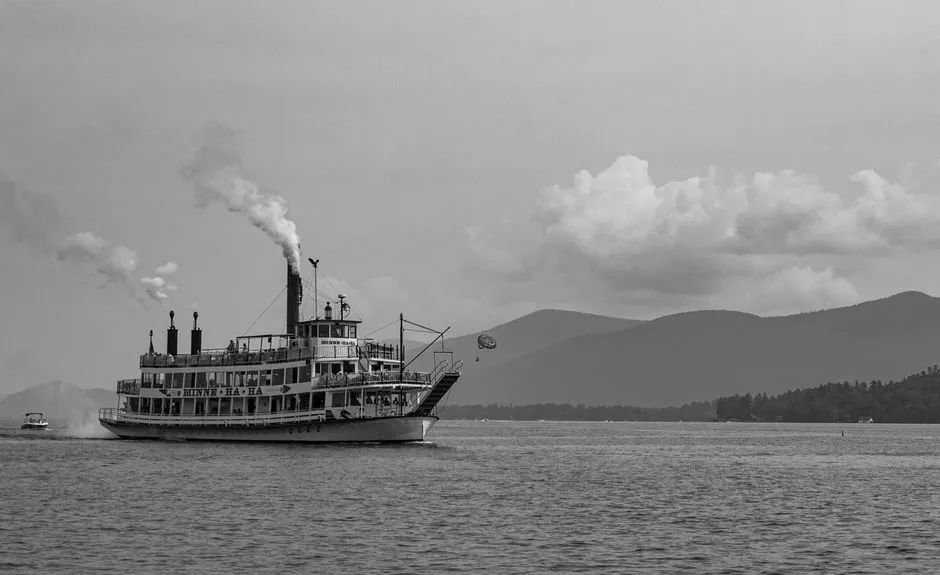
A working piece of Moosehead’s past still moves across its water every summer. Greenville, at the southern end, has long served as something of a seaplane capital for the region, and alongside the floatplanes, the old steamship tradition endures too.
Narrated cruises aboard the historic vessel let visitors take in Mount Kineo and the lake’s open expanses without needing their own boat, a low-key way to experience the scale of the place. It’s a reminder that Moosehead’s history as a resort destination goes back well over a century, even if the crowds that history might suggest never quite materialized.
Why Moosehead Stays Quiet: Conservation at Work
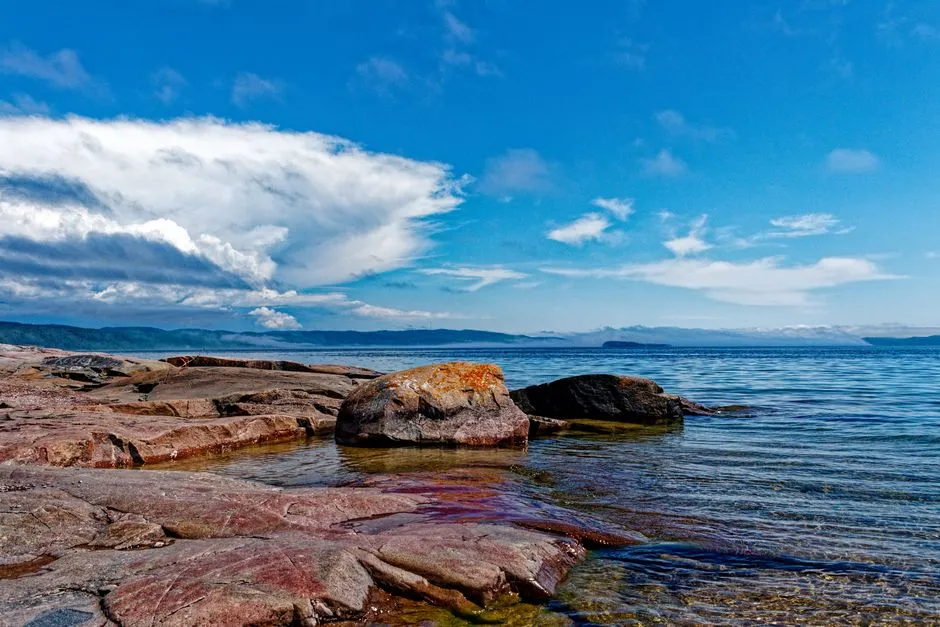
The lake’s undeveloped character isn’t accidental, it’s the result of decades of deliberate land protection. A major development proposal was submitted for the Moosehead region in 2005, and it was the largest development ever proposed for the state of Maine, yet large-scale build out never followed at the pace once feared.
The Forest Society of Maine, a land trust serving Maine’s North Woods, holds nearly one million acres of forestland in conservation easements, a good portion of which surround the Moosehead Lake region. More recently, a new organization, the Moosehead Regional Land Trust, was formed in 2025, adding another layer of local commitment to keeping the watershed intact for future visitors and residents alike.
Moosehead Lake isn’t quiet by accident, and it isn’t likely to change quickly either. Between the timber company easements, the land trusts, and the sheer distance from any major city, the lake has kept a version of itself that many other large New England waters lost decades ago. For anyone willing to make the drive north, that’s less a hidden gem cliché and more a straightforward fact: some of the best water in the region is also some of the least visited, and that combination is getting harder to find every year.
AI Disclaimer: This article was created with the assistance of AI tools and reviewed by a human editor.