

Planning a trip to Kyoto invites travelers to consider more than a single address. The city unfolds through distinct districts, each carrying its own rhythm, history, and daily life. Selecting a base determines whether mornings begin with temple bells, river views, or the quiet shuffle of traditional streets.
Gion Preserves a Quiet, Timeless Atmosphere
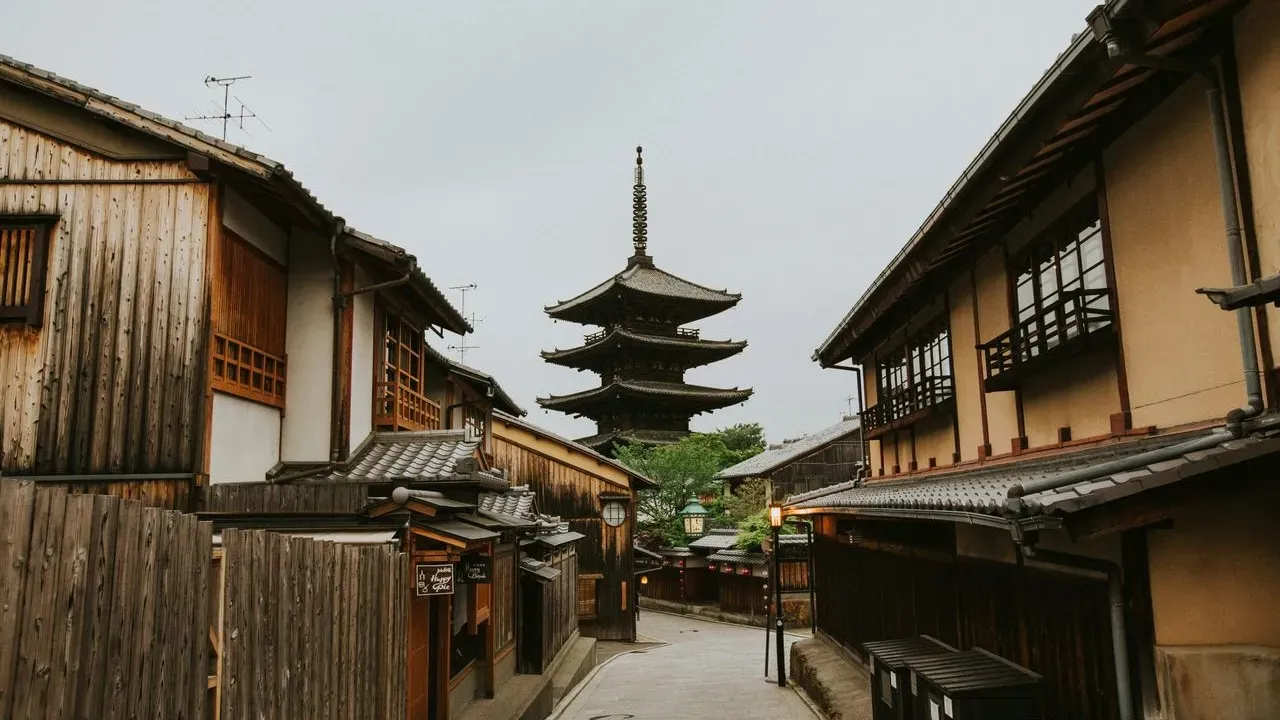
Gion invites visitors into narrow lanes lined with wooden machiya houses and lantern-lit storefronts. The district maintains a measured pace that rewards slow walks and early evenings. Traditional teahouses and small shops continue to operate alongside the historic architecture, offering a direct connection to Kyoto’s cultural heritage without overwhelming crowds at every turn. Staying here places guests within easy reach of evening performances and seasonal festivals that unfold in the same streets used for centuries. The area encourages respect for local customs, from quiet observation of geisha processions to mindful navigation of residential zones. Many ryokans in Gion emphasize tatami rooms and kaiseki dining drawn from regional ingredients, deepening the sense of place.
Southern Higashiyama Blends Temples With Everyday Life
Southern Higashiyama stretches along gentle slopes where centuries-old temples stand beside modest homes and small gardens. The neighborhood balances spiritual sites with residential calm, allowing visitors to experience both morning prayers at Kiyomizu-dera and afternoon strolls through nearby markets. Stone paths and occasional cherry or maple trees mark the changing seasons in subtle, reliable ways. Accommodations here often occupy restored townhouses or modern properties that respect the low skyline. Guests can step from their doors directly onto routes leading to lesser-visited shrines or hillside viewpoints. The setting supports thoughtful exploration, whether through guided walks focused on temple history or independent wandering that respects restricted areas.
Downtown Kyoto Connects Convenience With Contemporary Energy
Downtown Kyoto pulses with shops, restaurants, and transit links that keep the city accessible. The area mixes department stores and boutique retailers with historic pockets that survive amid the activity. Travelers who value quick access to rail lines and evening dining options find the district practical without sacrificing proximity to cultural landmarks. Properties range from sleek hotels to intimate guesthouses tucked above street level. The neighborhood supports a full itinerary, from early departures to distant sites and relaxed returns for local cuisine. Its central position reduces transit time while still allowing short walks into quieter side streets that reveal older storefronts and seasonal displays.
Arashiyama Offers Riverside Calm and Natural Surroundings
Arashiyama sits at the edge of the city where the Hozu River meets bamboo forests and temple grounds. The district’s mornings often begin with mist over the water and the sound of oars from small boats. Walking paths through the groves provide a measured contrast to more urban districts, with seasonal foliage adding color from spring blossoms to autumn leaves. Ryokans and small inns here frequently incorporate garden views and onsen facilities that draw on the surrounding landscape. The setting suits travelers seeking space for reflection or gentle outdoor activity, such as cycling along the river or visiting nearby monkey park trails. Local operators emphasize low-impact visits that protect the bamboo stands and river ecosystem.
Matching a Neighborhood to Travel Intentions
Each district contributes its own layer to a Kyoto visit, from Gion’s preserved lanes to Arashiyama’s natural edges. Thoughtful selection begins with priorities: proximity to temples, access to dining, or immersion in quieter residential rhythms. Many visitors combine areas across a single trip, using efficient transit to experience multiple atmospheres without changing bases daily. Responsible choices include supporting properties that maintain traditional buildings, source locally, and guide guests on respectful conduct. Kyoto rewards those who move with awareness of its living communities and seasonal cycles. The right neighborhood becomes more than lodging; it becomes the lens through which the city reveals itself.
AI Disclaimer: This article was created with the assistance of AI tools and reviewed by a human editor.