
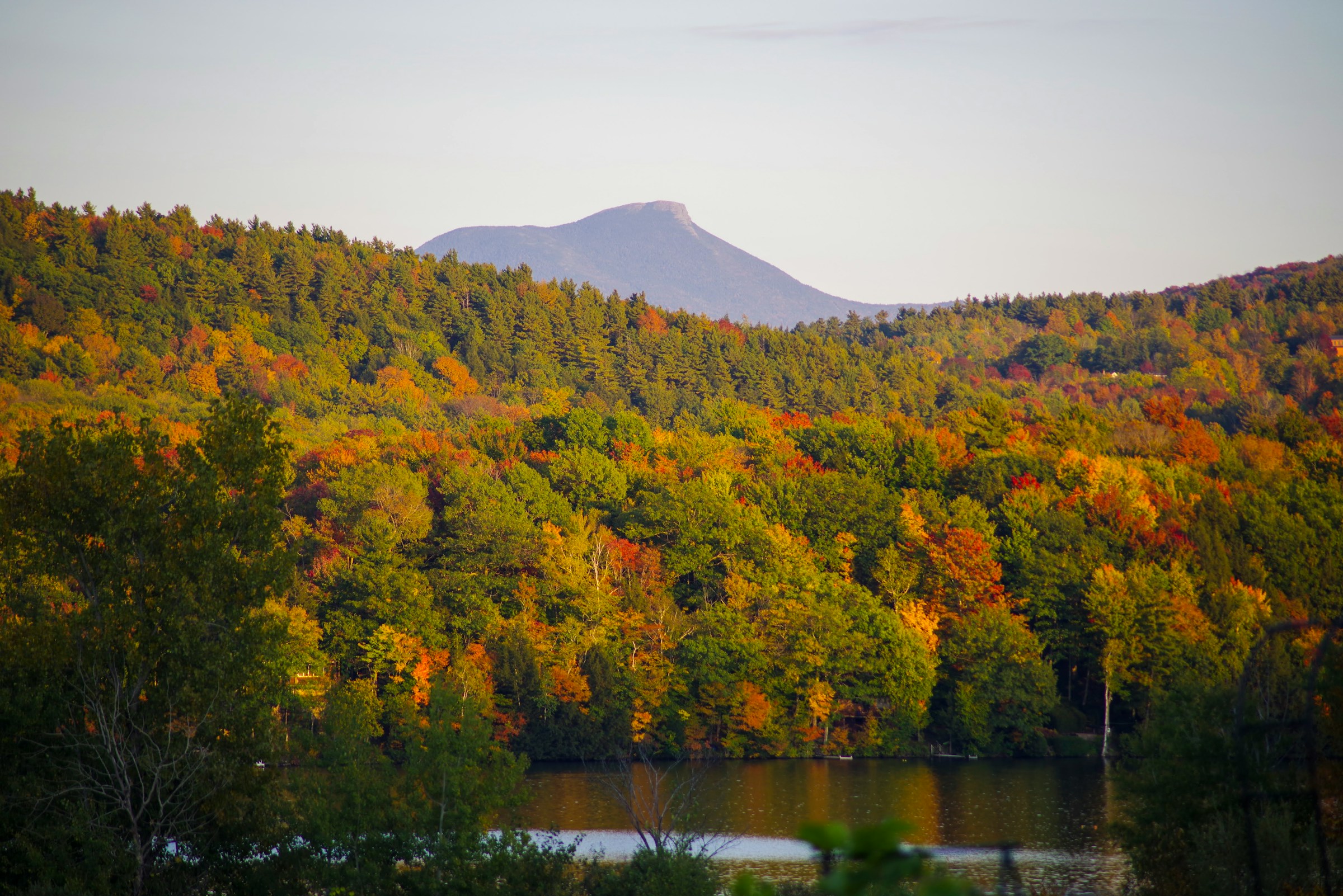

Ask ten New Englanders when the leaves look their best and you’ll likely get ten different answers, each defended with the confidence of someone who has been burned by bad timing before. Part of the reason is that “peak” isn’t a single date stamped on a calendar. It’s a slow wave that rolls south and downhill over roughly six weeks, which means the right week for a mountain town in northern Vermont is almost never the right week for a beach town in Rhode Island.
That variability is exactly what makes planning a foliage trip both tricky and kind of fun. Below is a state-by-state, week-by-week look at how the season typically unfolds, along with the research behind why that timing keeps shifting.
There’s No Single Perfect Week, It’s a Moving Target
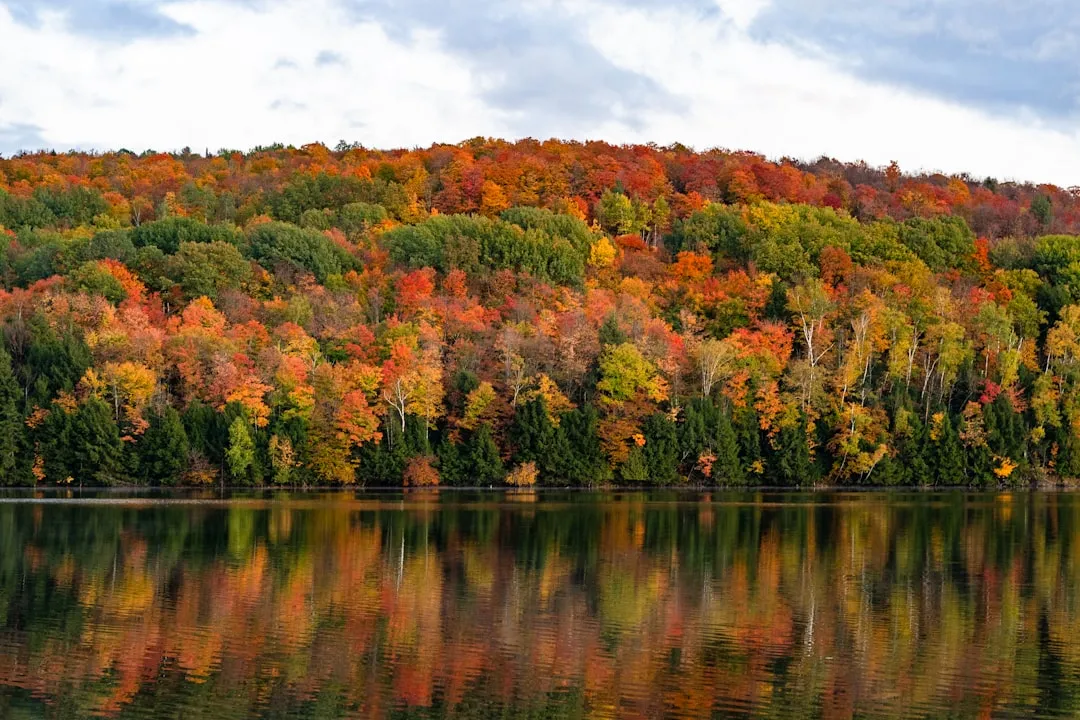
The most useful thing to understand before planning any trip is that New England foliage doesn’t peak all at once. According to the Old Farmer’s Almanac, New England’s peak foliage typically occurs late September to mid-October, depending on the state, with northern Maine, Vermont, and New Hampshire peaking first, followed by Massachusetts, Rhode Island, and Connecticut. Even within a single town, the window doesn’t last long. Peak foliage usually lasts 7 to 10 days in a given location, but the exact window can shift due to temperature, rainfall, and wind. That short shelf life is why so many travelers end up chasing the color from state to state rather than picking one fixed weekend.
Late September Into Early October: Vermont’s Northeast Kingdom Gets There First
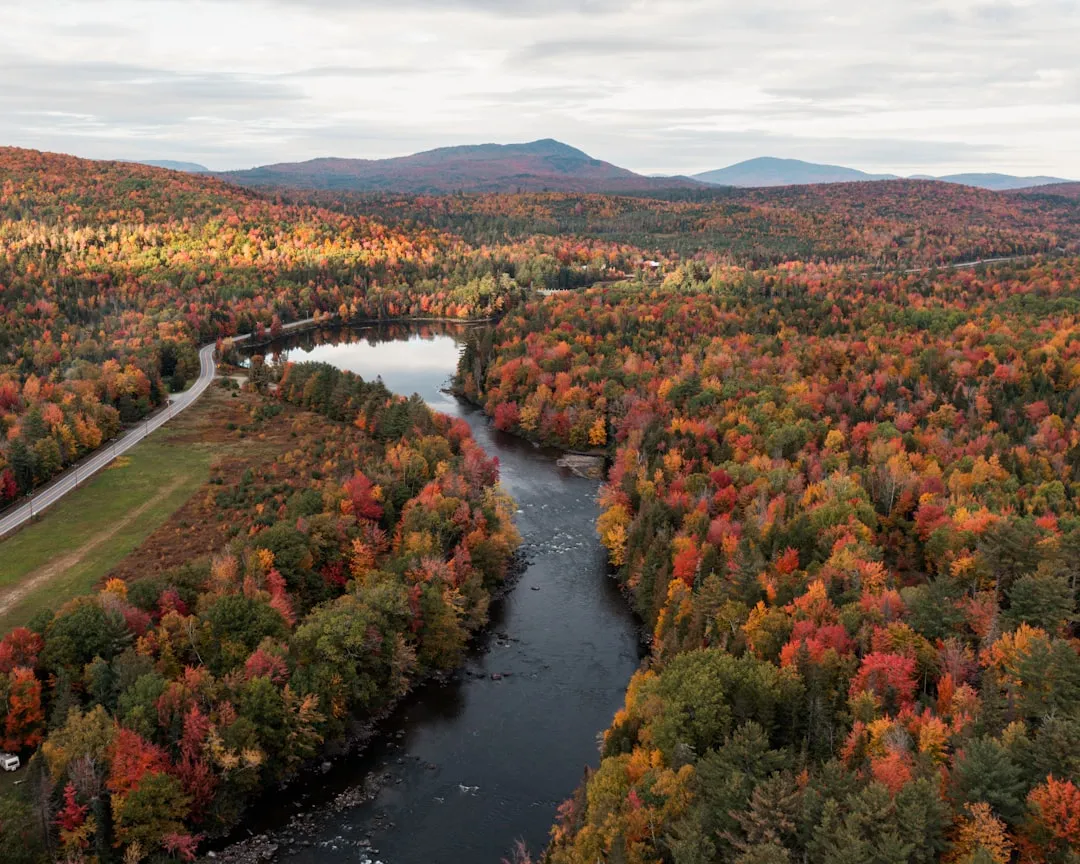
If you want the earliest reliable color in the region, look north and up in elevation. Vermont tourism officials note that Vermont fall colors usually start in early to mid-September in the higher elevations and in the northern part of the state, moving into the valleys and southern parts of Vermont as September turns to October. The Northeast Kingdom, Vermont’s remote northeastern corner, is usually the first place in the state to hit its stride, with an early peak in late September to early October, with Smuggler’s Notch reaching middle peak from the end of September into mid-October. Anyone hoping to beat the crowds and the higher hotel rates of Columbus Day weekend often finds this the sweet spot.
The First Week of October: New Hampshire’s North Country and Maine’s Deep Woods
By the first days of October, the wave of color has spread across the White Mountains and Maine’s northern forests. Longtime foliage forecaster Jeff Foliage, who has tracked the season for decades, has called the first week in October a “safe” bet, noting that a window from October 3 to 8 tends to leave visitors pretty well set. Maine’s Baxter State Park typically leads the state, with an early peak from late September to early October, followed by Bar Harbor and Acadia National Park peaking from the end of September into mid-October. This is often the quietest week of the entire season, since school is still in session and the big holiday crowds haven’t arrived yet.
Columbus Day Weekend: New England’s Unofficial Foliage Holiday
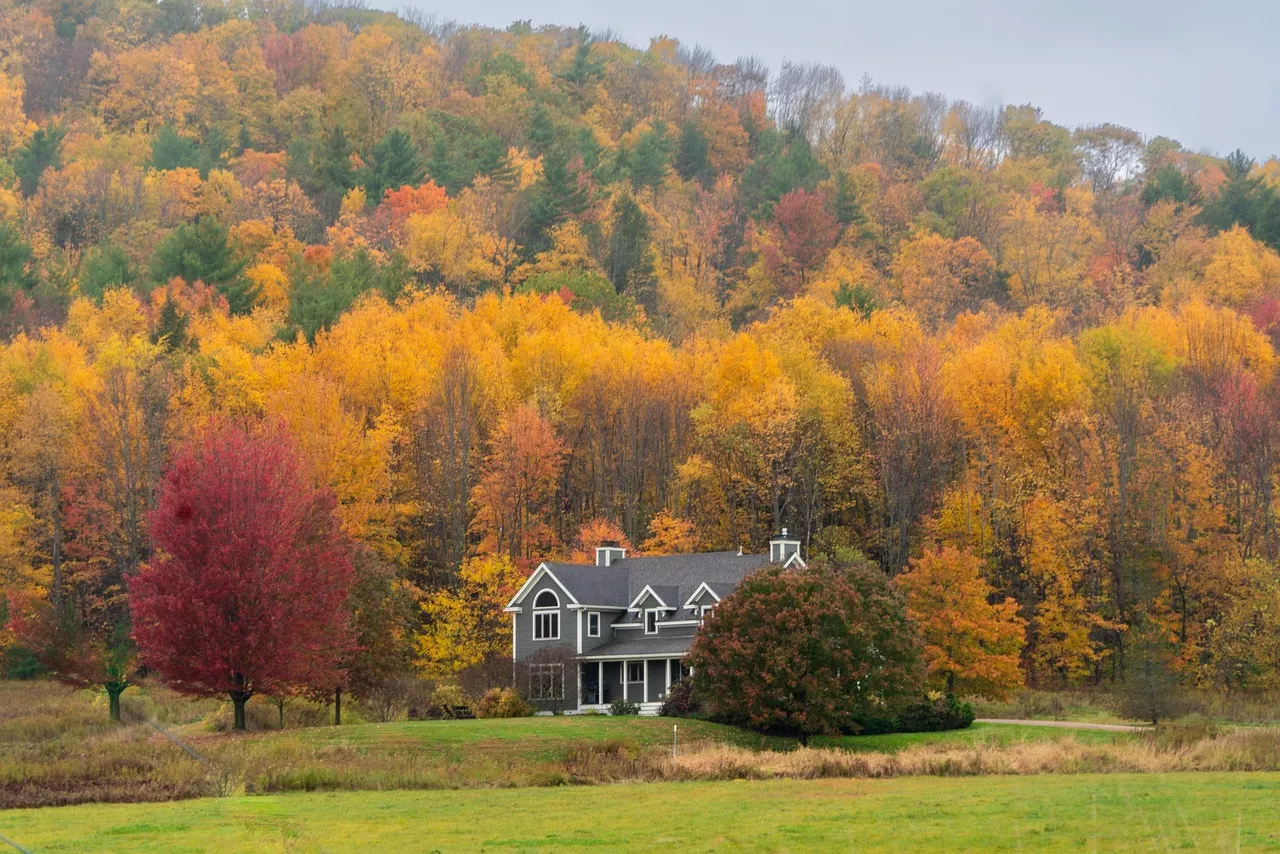
No single stretch of the calendar is more associated with leaf peeping than the three-day weekend built around Columbus Day and Indigenous Peoples’ Day. As the Boston Globe has reported, with peak fall foliage season nearing full swing, northern New England gears up for a tourism bump this weekend, and the Columbus Day and Indigenous Peoples’ Day weekend is typically the highlight of fall travel for the region, particularly Vermont, Maine, and New Hampshire, where leaves change earlier than in most parts of Massachusetts.
It’s also the weekend when lodging fills up fastest and traffic on scenic byways can crawl. Locals who know the pattern often recommend visiting the weekend before or after if crowds are a concern, since the color rarely disappears overnight.
The Second Week of October: The Kancamagus Highway’s Prime Time
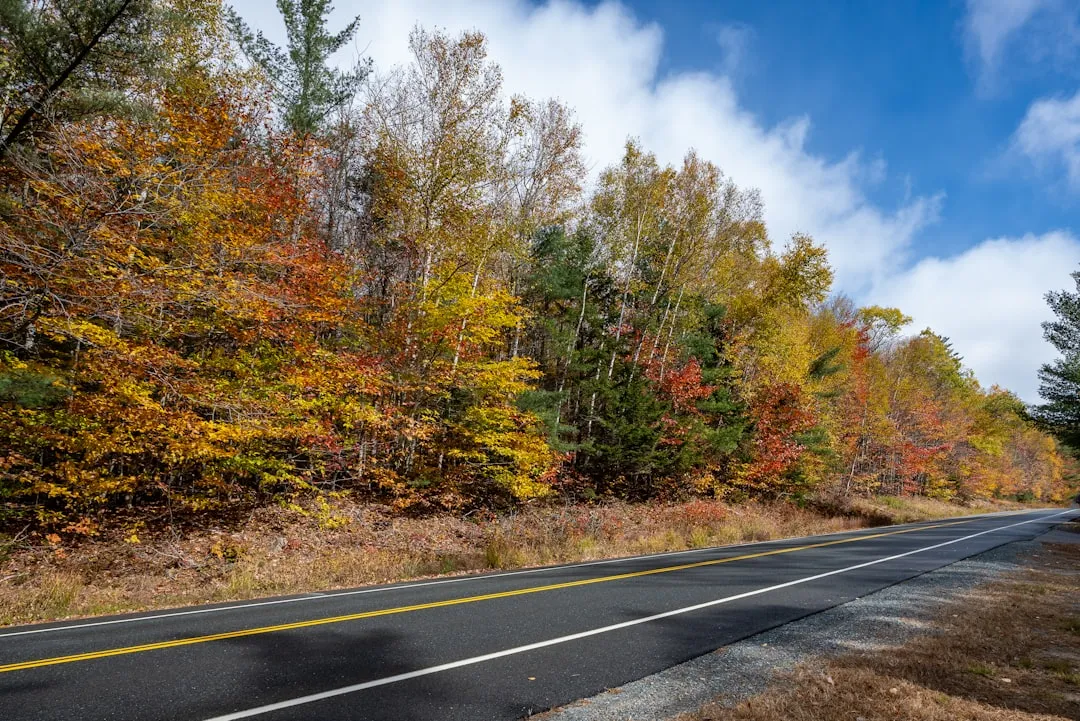
For much of central and southern New England, the second week of October is often when things really come together. The Old Farmer’s Almanac’s mapping suggests much of New England, as well as the Pacific Northwest, will be at or near peak fall color by October 11.
Vermont tourism sources describe this window similarly, noting that the exact timing of peak foliage colors depends on a number of factors and can vary from year to year, but generally, autumn colors reach their crescendo during the last week of September and the first or second week of October. This is also prime time along New Hampshire’s Kancamagus Highway, one of the most photographed drives in the country, where hardwood ridgelines light up in overlapping shades of orange and crimson.
Mid-October Into Late Month: The Berkshires and Central Massachusetts Take Their Turn
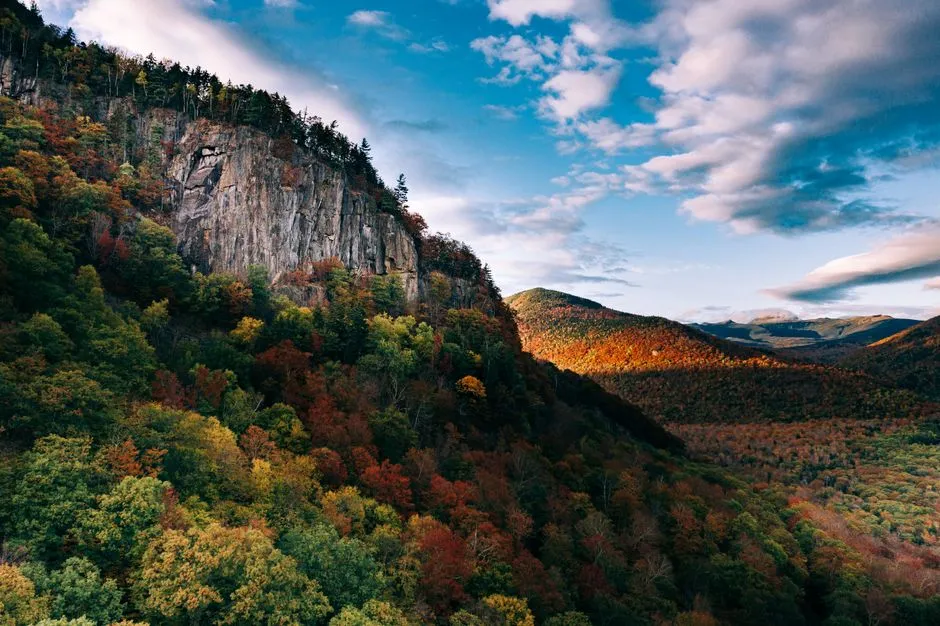
As the color show moves south, Massachusetts becomes the main event. Reporting from Boston.com on the 2025 season noted that for western Massachusetts and northern parts of central Massachusetts, peak fall foliage arrives by October 14 and starts to fade by October 24. The Berkshires, with their rolling hills and historic mill towns, tend to track closely with this timeline. Travelers heading to the Mohawk Trail or the hills around the Connecticut River Valley generally do well aiming for the middle two weeks of October.
Late October: Coastal Connecticut, Rhode Island, and Cape Cod’s Last Call
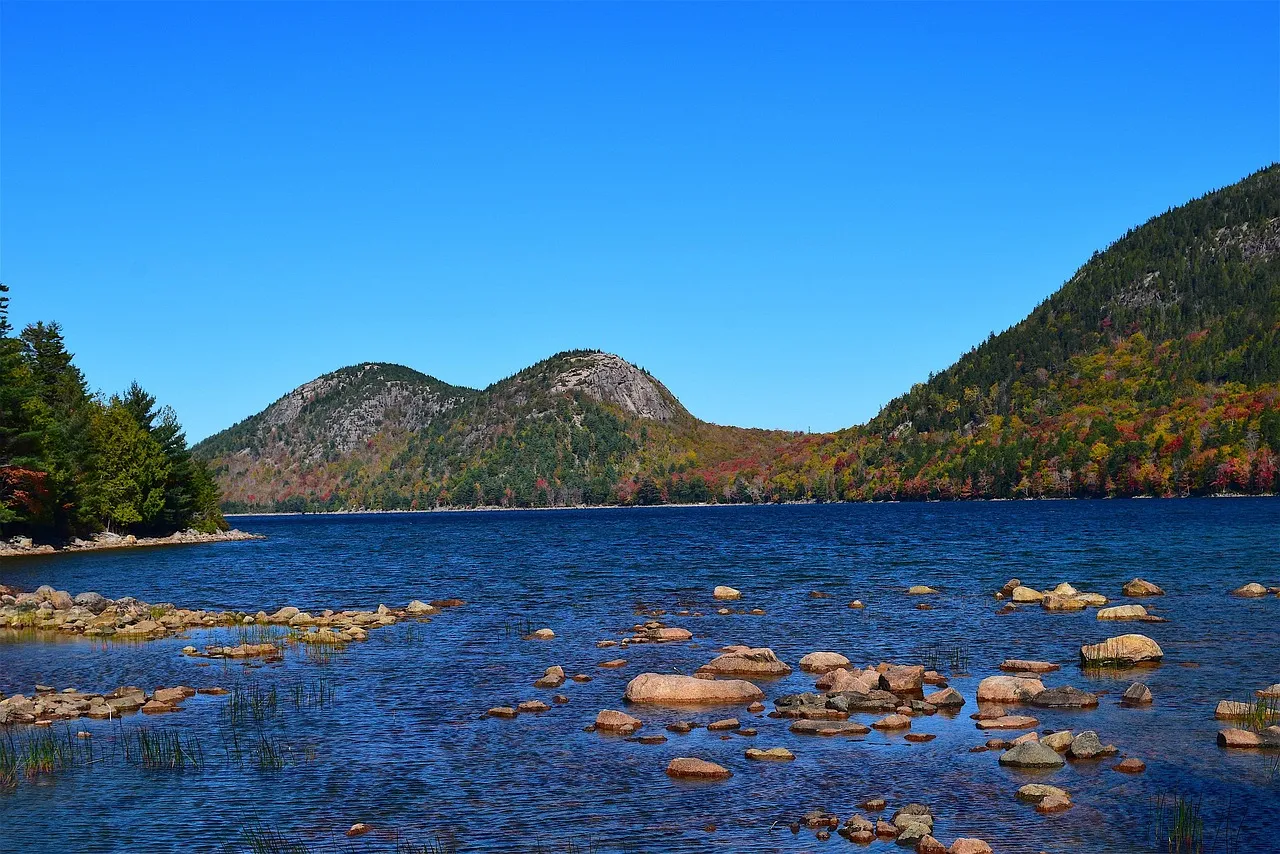
The coast is always the last part of New England to turn, thanks to the moderating effect of ocean water on temperature. According to New England.com’s regional tracking, coastal Connecticut and Rhode Island often peak in late October to early November. Boston and its surrounding coastal areas follow a similar pattern, with reporting noting that the Boston area, along with the Cape and the islands, is the last to hit peak fall foliage, with many areas holding off until October 24 or possibly even Halloween weekend. This later timing is actually good news for anyone who couldn’t get away in early October. It offers a genuine second window rather than a consolation prize.
A Warming Climate Is Quietly Rewriting the Calendar
The dates above reflect long-standing patterns, but those patterns are shifting. Alexandra Kosiba, a forest ecophysiologist at the University of Vermont, has explained that fall foliage is occurring later than it has historically based on global climate change, with the season delayed by about a week since experts started monitoring it in the mid-20th century, around the time “leaf-peeping” entered the modern lexicon.
The shift is measurable at specific sites, too. Research by University of Richmond professor Stephanie Spera found that peak fall foliage in Maine’s Acadia National Park now occurs two weeks later than it did in the 1950s, and by 2060 peak foliage could happen as late as October 30 to November 2. None of this means the color is disappearing, but it does mean the old rules of thumb are becoming a little less reliable with each passing decade.
Why Getting the Week Right Matters to Local Economies
Timing isn’t just a matter of personal vacation planning. It’s genuinely significant for the small towns that depend on fall visitors. The National Park Service estimates that millions of visitors flock to New York, Vermont, Massachusetts, New Hampshire and Maine each year to hike, drive and wander beneath the changing canopy, bringing an estimated $8 billion to local economies. A season that arrives too early, fades too fast, or gets muted by drought can ripple through innkeepers, restaurants, and farm stands that count on those few weeks to carry them through the quieter months. That’s part of why so many regional tourism boards now publish weekly updates rather than a single seasonal forecast.
Tracking the Peak in Real Time Before You Book
Given how much the timing can shift year to year, the smartest approach is to treat any published date as a starting point rather than a guarantee. Vermont’s own tourism site is upfront about this, describing its foliage tracker as a “Current Conditions” map that is approximate, based on the reports it receives. Checking these live trackers, along with state park and national forest updates, in the week or two before a trip is far more reliable than locking in dates months in advance. Building some flexibility into travel plans, even just shifting a trip by a few days based on a fresh report, often makes the difference between catching the color at its best and arriving just after it has faded.
Planning Around a Season That Rewards Patience
There’s no single “best week” that applies to all of New England, and honestly, that’s part of the region’s charm. The season moves like a tide, cresting first in the northern mountains and finally reaching the coast weeks later, giving patient travelers multiple chances to catch it just right. Whether that means an early October drive through Vermont’s Northeast Kingdom or a late October walk along the Rhode Island shoreline, the reward is the same unmistakable New England autumn, just delivered on its own unhurried schedule.
AI Disclaimer: This article was created with the assistance of AI tools and reviewed by a human editor.