

Most towns along the old highways of America either grew into something unrecognizable or disappeared entirely once the interstates arrived. There’s a strange middle ground, though, a handful of places that got frozen somewhere between the two fates. One of them sits in the high desert of northern Arizona, and if you roll into it at the right hour, with the light hitting the neon just so, it genuinely feels like the calendar stopped sometime around 1955.
A Railroad Town Long Before It Was a Highway Town
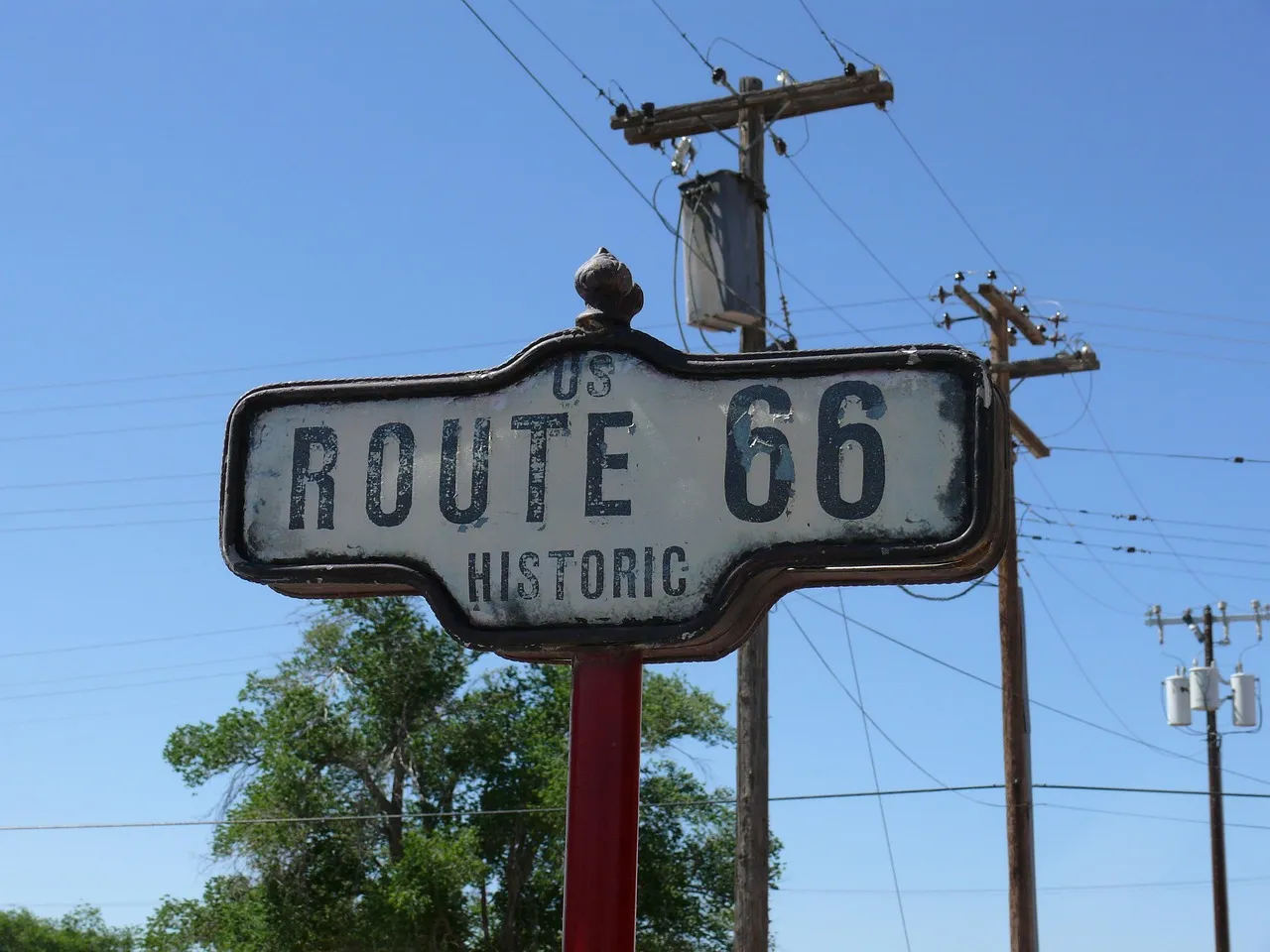
Seligman’s story doesn’t actually start with Route 66. Seligman was founded in 1886 as a railroad town when the Atchison, Topeka and Santa Fe Railway came through northern Arizona, and it was originally called “Prescott Junction” before being renamed in honor of Jesse Seligman, a New York banker who helped finance the railroad.
The community flourished as a shipping hub for cattle and goods long before automobiles ever became part of the picture. That earlier identity matters, because it gave the town a solid foundation of brick buildings and a real Main Street grid well before Route 66 gave it a second act.
When the Mother Road Turned Seligman Into a Boomtown
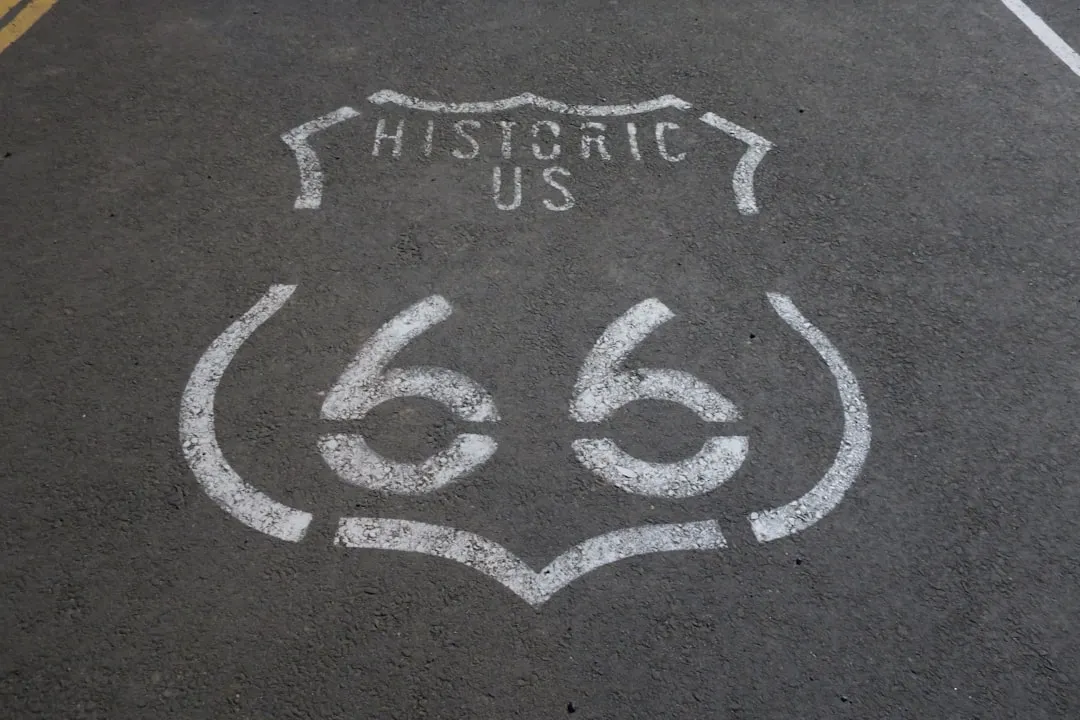
When Route 66 was commissioned in 1926, Seligman became a key stop for travelers crossing Arizona. The traffic wasn’t a trickle either. The Seligman Historic District’s old buildings and neon signs date back to a time when more than 9,000 vehicles rolled daily through Seligman.
That kind of volume transformed a quiet railroad stop into a genuine roadside economy, packed with motels, cafes, and gas stations built to catch travelers heading toward the Grand Canyon or on to California. It’s worth pausing on that number, nine thousand cars a day through a town this small, because it explains why so much of what got built here still has the bones of a place that once mattered enormously to cross country travel.
The Day the Traffic Simply Stopped
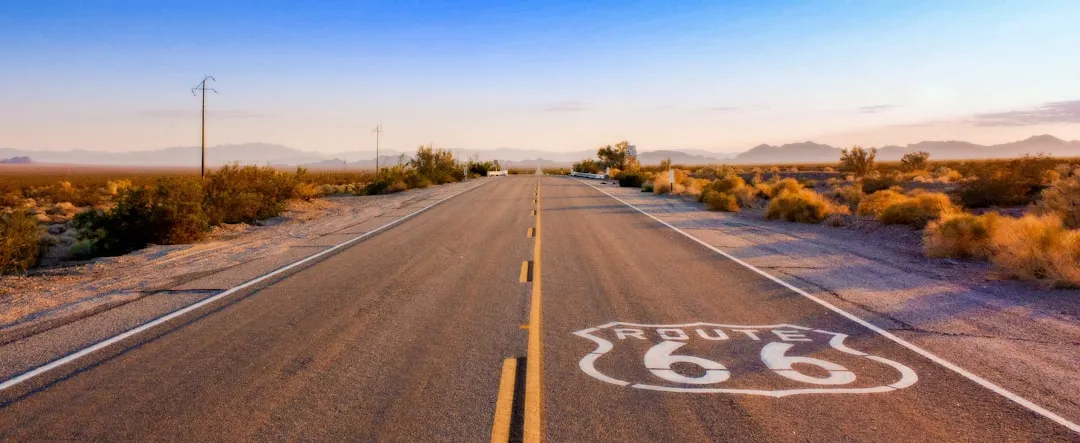
The turning point came fast, and it came on a specific afternoon. On Sept. 22, 1978, Interstate 40 opened and Route 66 was bypassed, and instantly Seligman lost most of its economy.
Longtime residents describe it less as a gradual decline and more as a switch being flipped. There were 9,000 automobiles that would go through Seligman every 24 hours, but at 2:30 in the afternoon, all the traffic went to I-40. The town died for ten long years, and residents felt forgotten by the world.
The Barber Who Refused to Watch His Town Fade
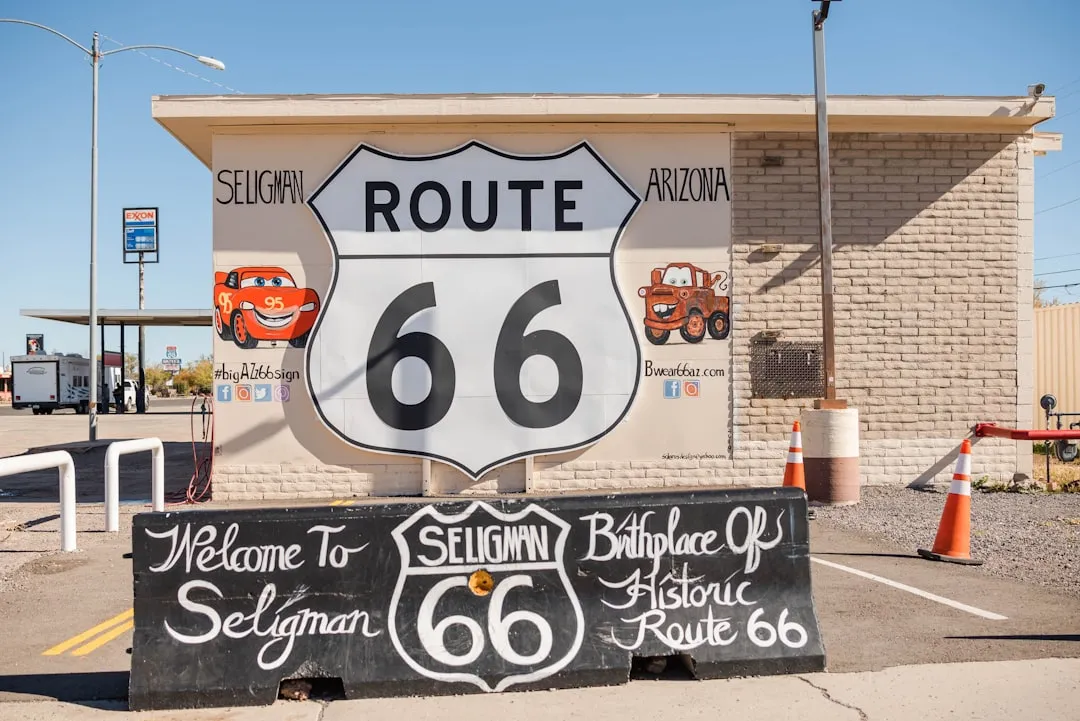
Every Route 66 revival story eventually leads back to one man behind a barber’s chair. Angel Delgadillo, born April 19, 1927, is an American barber and businessowner in Seligman, Arizona who has been dubbed the “guardian angel” of U.S. Route 66. He ran a barbershop in town founded May 22, 1950, and later opened a souvenir shop inside his business, along the historic road.
Delgadillo watched the same collapse everyone else in town watched, but he was the one who decided it didn’t have to be permanent. That abandonment by the interstate eventually prompted him to help found the Historic Route 66 Association of Arizona and lobby the state to sign Route 66, and his efforts, as much as anyone’s, led to Route 66’s revival.
Becoming the Birthplace of Historic Route 66
The movement Delgadillo started had a specific starting point. He summoned like-minded individuals to a meeting at the Copper Cart restaurant on February 18, 1987. They resolved to preserve the Mother Road and formed the Historic Route 66 Association of Arizona, and the following November, the State of Arizona designated the road running from Seligman to Kingman as Historic Route 66.
A year later, the town threw a proper celebration for it. The Historic Route 66 Fun Run Car Rally and Show had a total of 153 cars register to drive Route 66 from Seligman to the California border, with Bobby Troup, author of the famous Route 66 song, attending along with Will Rogers Jr. and Arizona Governor Rose Mofford. That designation didn’t just save a road sign, it gave every other Route 66 state a template to follow.
Walking Main Street Feels Like Stepping Into an Old Postcard
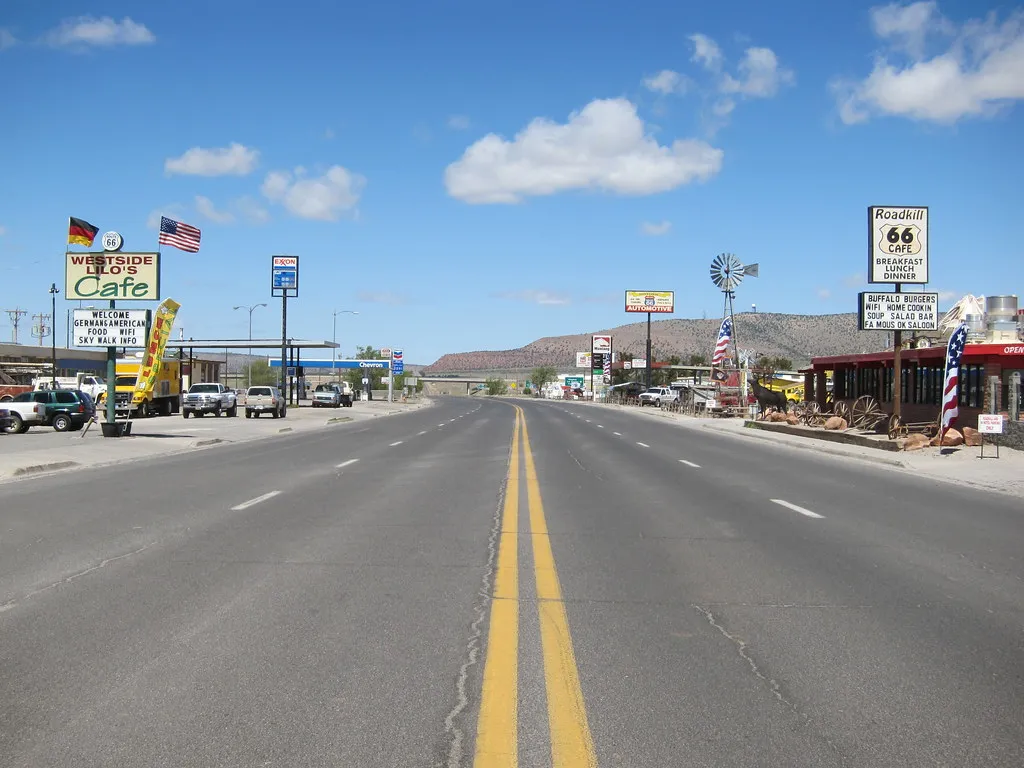
Spend twenty minutes on foot in downtown Seligman and the comparison to a time capsule stops feeling like a marketing phrase. Park your car and take a stroll down Main Street, where retro motels, old gas stations, and vintage automobiles line the road like a 1950s postcard.
The historic district isn’t just a curated strip either. Visitors can take a self-guided tour of old Seligman Commercial Historic District, listed on the National Register of Historic Places in 2005, walking past structures built as early as 1900 and feeling the friendly ambiance that made Seligman a notable stopping point for train and highway travelers. Even a vacant Phillips 66 station near the edge of town still carries its original detailing. You can still make out the red harlequin diamond painted on the wall typical of a 1950s Phillips 66 service station.
The Snow Cap and Other Living Relics

No building in Seligman captures the town’s stubborn charm quite like the Snow Cap Drive-In. It was opened by Angel Delgadillo’s brother, Juan, in 1953, and it has been serving up jokes along with milkshakes ever since. It’s also earned a genuine record for its menu. Seligman’s Snow Cap Drive-In entered the Guinness Book of World Records for “Most Milkshake Flavors on Display” on September 10, 2022, when staff prepared 266 flavors.
Down the street, the Copper Cart is still serving meals in the same building where the preservation movement was born, and the Roadkill Cafe leans into its own particular brand of roadside humor. Taxidermied animals decorate The Roadkill Café, whose slogan is “you kill it, we grill it.” These aren’t reproductions built for tourists; they’re businesses that survived the lean years and are still run largely the way they always were.
The Real Radiator Springs
Anyone who grew up watching Pixar’s Cars might recognize Seligman’s silhouette without quite knowing why. While researching the history of Route 66 for the 2006 Pixar motion picture Cars, John Lasseter met Delgadillo, who told him how traffic through the town virtually disappeared on the day that nearby Interstate 40 opened.
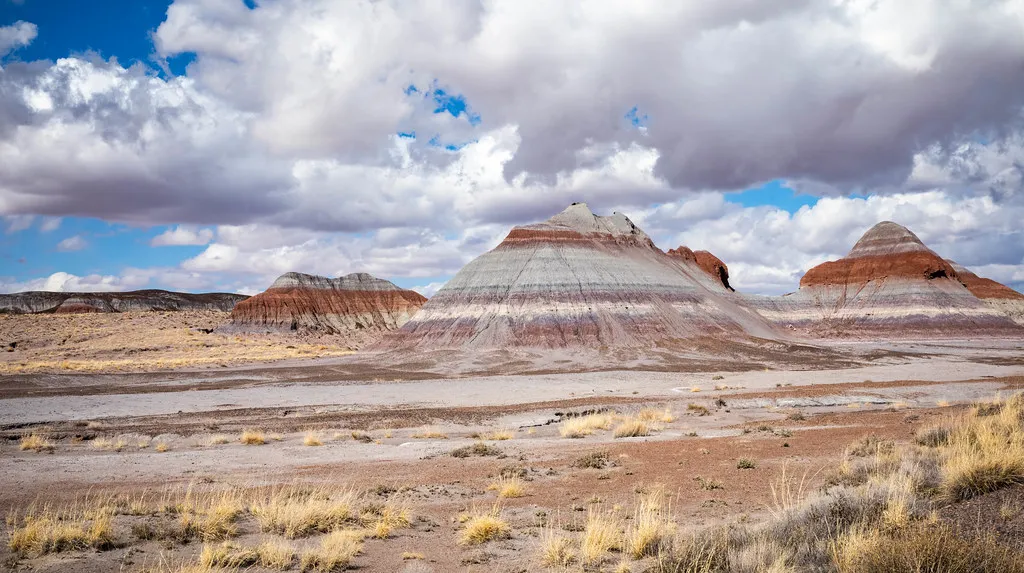
The town’s landscape ended up shaping the film’s fictional setting almost directly. Seligman’s iconic desert topography looks very similar to the backdrop of the little Route 66 town in the beloved animated film, and the film’s story was inspired by tales from Angel Delgadillo’s own memories of the town. Little nods to the movie now show up around town, a Mater-like toothy truck parked outside one shop, a pastel Volkswagen bug outside another, small winks for fans who know where to look.
A Town Kept Alive by Car Culture and Community
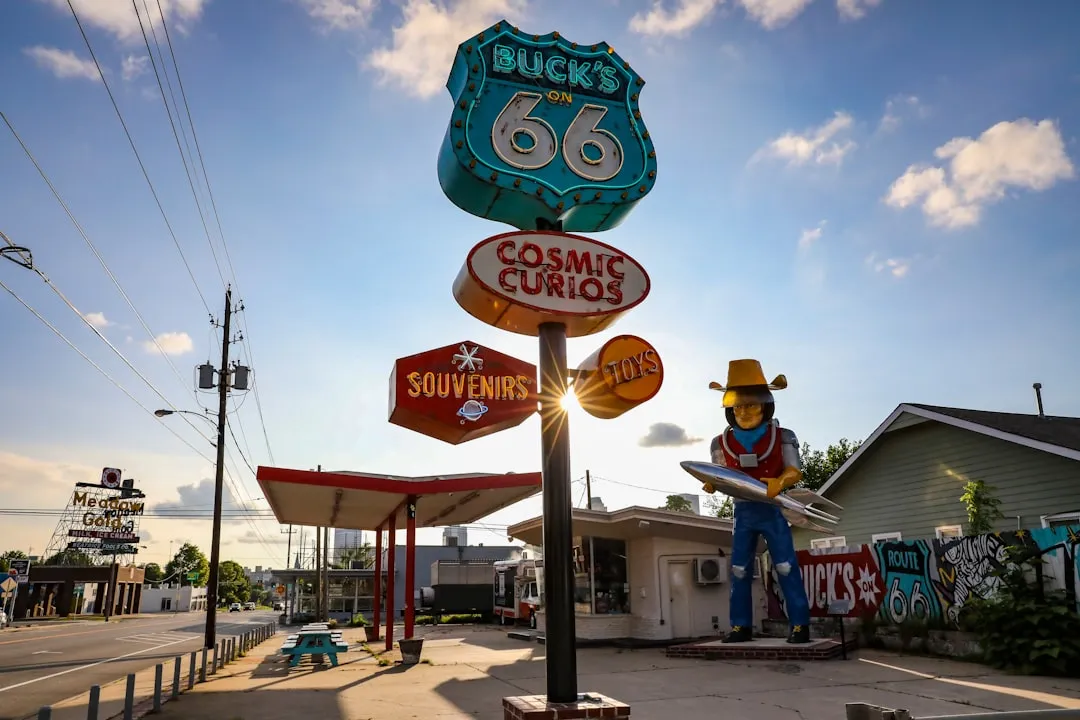
Seligman hasn’t just preserved its old buildings, it has kept the rituals of the road alive too. The Historic Route 66 Fun Run Car Rally and Show is an annual event held in Seligman on the first weekend of May, drawing over 800 cars for a weekend of nostalgia and fun.
Delgadillo himself remained a fixture at the family gift shop for decades after his official retirement. Mr. Delgadillo finally retired from his barbershop in 2022 at the age of 95, and reporting from the following years noted he continued visiting the shop to greet travelers. As of 2025, sources following his story noted that Delgadillo had reached the age of 98, a living link to the town’s earliest highway days and a figure many visitors still hope to meet in person.
Why This Stretch of Desert Highway Still Matters
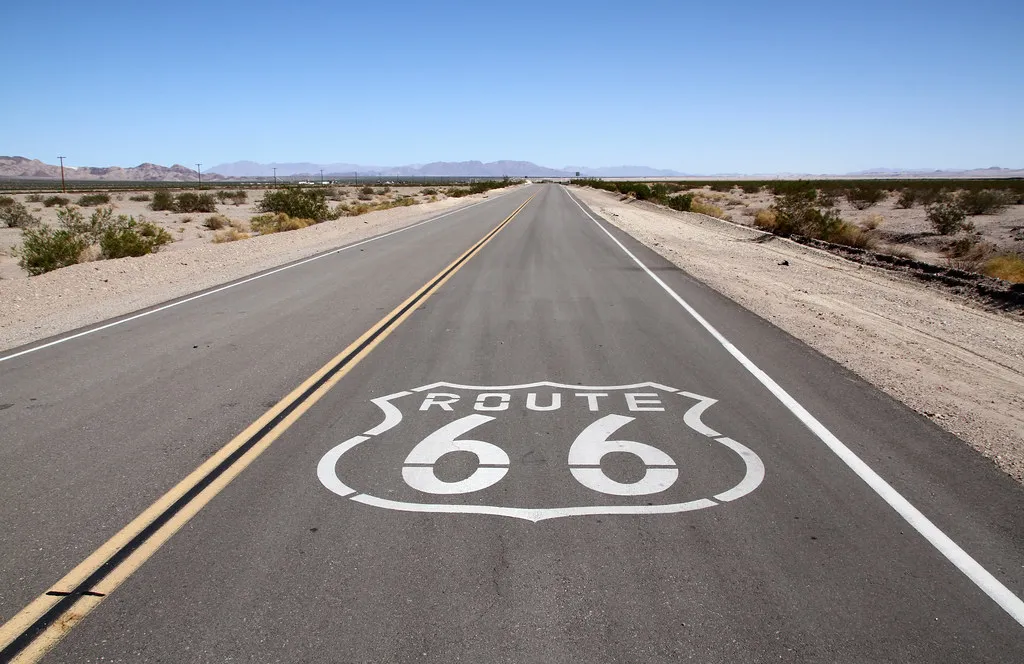
Seligman’s real distinction isn’t just its look, it’s its geography within Route 66’s remaining mileage. Seligman remains as the starting point of the longest surviving section of America’s iconic road, which runs 160 miles to Topock, Arizona. With a population hovering at roughly 450 residents, it’s a small place carrying an outsized piece of American road trip history on its shoulders.
Nearby stops only add to the case for visiting, from the Grand Canyon Caverns to the town of Kingman down the road, but Seligman remains the anchor point where the whole preservation movement began. It’s not a museum built to look old for tourists; it’s a working town that happened to freeze at the exact moment its economy needed rescuing, and then never quite let go of that look. That’s a rarer thing than it sounds, and it’s worth seeing in person before the last of the generation that saved it is gone.
AI Disclaimer: This article was created with the assistance of AI tools and reviewed by a human editor.