

Most visitors driving through Rhode Island’s East Bay make a beeline for Newport, with its mansions and yacht races, or Providence, with its restaurants and art scene. Somewhere in between, tucked along a quiet bend in the Warren River, sits a town that rarely makes the highlight reel but has been doing the actual work of a New England seaport for longer than almost anywhere else in the region.
Warren, Rhode Island does not shout about its history. It simply keeps living it, one working dock and one weathered wharf at a time.
A Working Harbor With Deep Roots
Warren was permanently settled by English colonists in 1653, and its waterfront has been in active use in some form ever since. Warren’s working waterfront is one of the oldest in New England, with more than 16 miles of shoreline and multiple marine-based industries. That is not a small claim in a region where nearly every coastal town likes to describe itself as historic.
What sets Warren apart is that its harbor never fully retired into a museum piece. Boats still moor there, businesses still depend on the water, and the rhythms of a working port still shape daily life in a way that many prettier, more photographed harbors gave up long ago.
From Sowams to Warren: The Land Before the Port

Long before any European ship anchored nearby, the land that became Warren was the heart of a Pokanoket settlement called Sowams. Warren was the site of the Pokanoket Indian settlement of Sowams, a region consisting of over 60 settlements under the authority of Chief Massasoit, who controlled land from Plymouth to the eastern shores of Narragansett Bay. English colonists Edward Winslow and Stephen Hopkins visited Sowams as early as 1621, beginning a relationship between Plymouth Colony and Massasoit’s people that would shape the region for decades.
By 1632, Plymouth settlers had established a trading post right at Sowams, exchanging goods with the Wampanoag well before permanent English settlement began nearby in 1653. That early contact, and the later tensions that followed Massasoit’s death, are part of the deeper story beneath Warren’s docks, one that predates the harbor itself by generations.
A Name Borrowed From a British Admiral
The town did not become “Warren” until 1747, when a long-running boundary dispute between Massachusetts and Rhode Island was finally settled. The town was named to honor Sir Peter Warren, the British naval hero of Louisbourg, once it officially came into existence as part of Rhode Island. It is a small detail, but it says something about how tied the town has always been to maritime identity, right down to its name.
Interestingly, Warren also has a claim to fame that has nothing to do with fish or ships. Warren was the original home of Brown University, founded in 1764 as the College in the English Colony of Rhode Island and Providence Plantations, registering its first students the following year. The university eventually moved to Providence, but the town that hosted its earliest days kept building its identity around the water.
Whaling Ships by the Dozen

By the mid-1700s, Warren had become a serious player in one of colonial New England’s most demanding industries. In the mid-18th century, the town was well known as a whaling port, and shipbuilding became an important industry. The numbers from the following century back this up in a striking way.
From 1821 to 1861, an average of 16 whalers per year sailed out of Warren, each with a crew averaging about 25 officers and sailors. Warren was the dominant whaling port within Rhode Island, sending out more than three times as many voyages as Providence and almost twice as many as Newport. That is a remarkable statistic for a town that today counts barely over eleven thousand residents.
Shipyards That Shaped New England’s Fleet
Whaling ships do not build themselves, and Warren’s shipyards earned their own reputation alongside the fleets they launched. Warren was a major center for shipbuilding, especially from 1790 through 1860. The vessels coming out of those yards were not just numerous, they were admired.
Three famous clipper ships, the Lookout, Gem of the Sea, and Mary Ogden, were built in Warren. One of the town’s whaling vessels, the Dolphin, sailed from Warren in 1850 and was later described by researchers as among the fastest square-riggers of its era, a small but telling detail about the caliber of craftsmanship the town produced.
War, Fire, and a Long Recovery
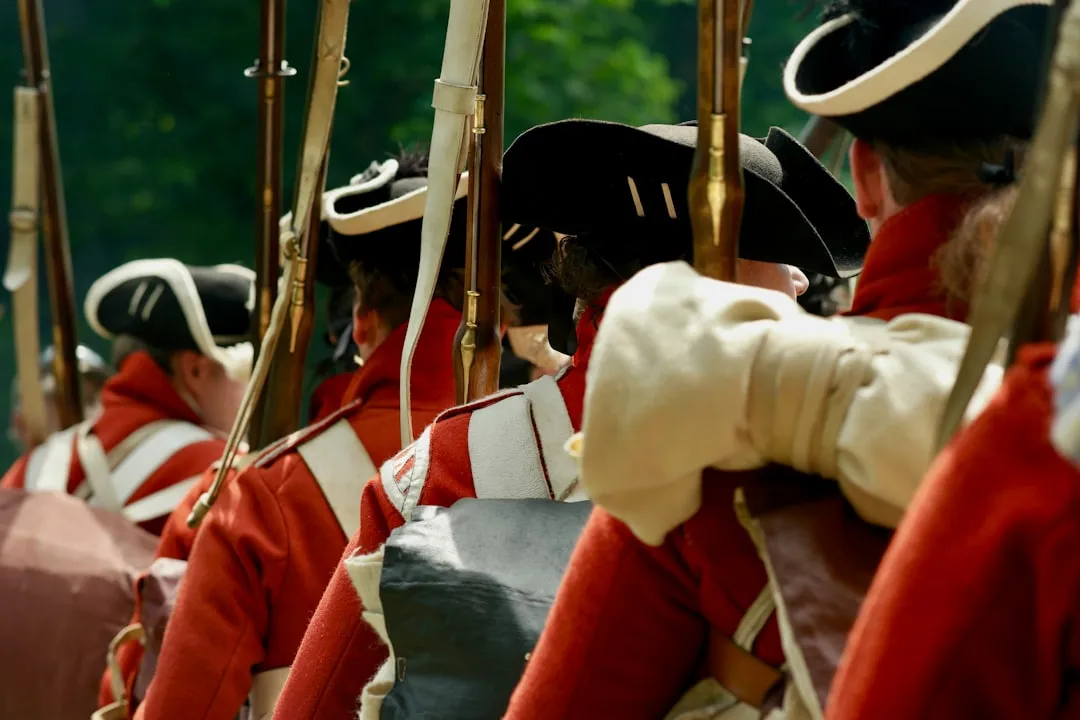
No working harbor with this much history escapes hardship, and Warren’s came during the Revolutionary War. The American Revolutionary War seriously affected Warren’s commercial prosperity, and the town was subject to British raids in 1778 along with the rest of the region. The damage was significant enough to threaten the town’s future as a port.
Yet the setback proved temporary. Commerce revived within the decade after the Revolution and continued until the middle of the 19th century, with Warren becoming famous for the fine vessels launched from its yards. That pattern of taking a hit and rebuilding has repeated itself more than once in the town’s three centuries on the water.
A Harbor That Never Stopped Working

As whaling declined nationally by the mid-1800s, Warren did what many New England mill towns did and pivoted toward manufacturing. With the decline of the whaling industry and related seafaring commerce toward the middle of the 19th century, business attention turned to textile manufacturing, and Warren’s first cotton mill was erected in 1847. The waterfront itself, though, kept its working character even as the industries around it shifted.
That continuity is recognized today in a formal way. A large part of the town is listed in the National Register of Historic Places as the Warren Waterfront Historic District, covering more than half a square mile and more than 300 buildings. Few New England harbor towns can point to that much physical evidence of continuous maritime use still standing along their shoreline.
Streets Built Around the Water
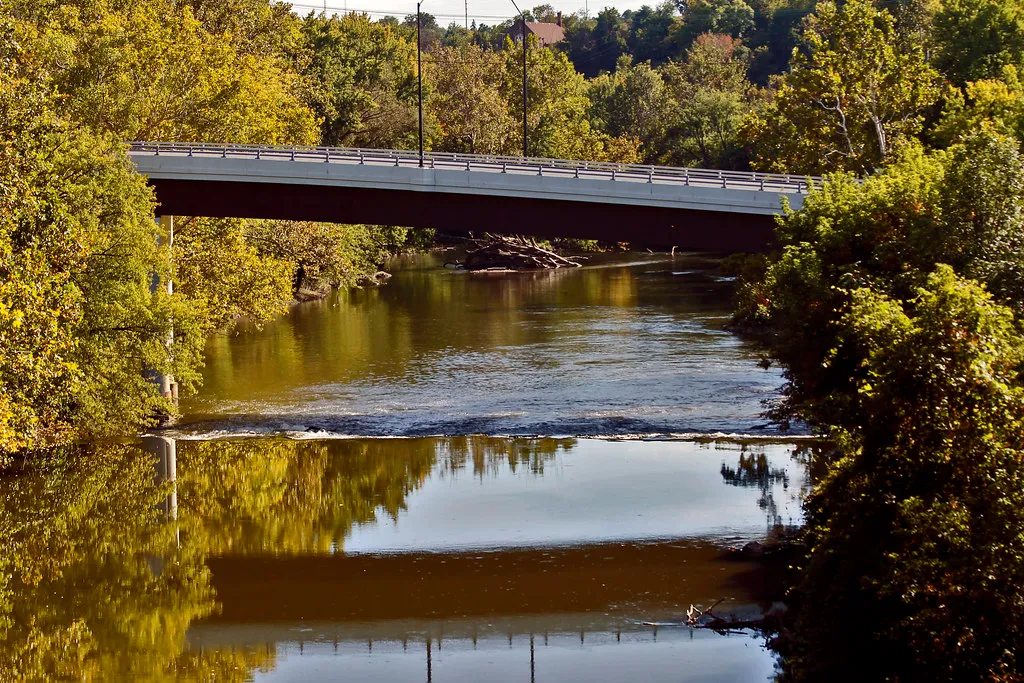
Warren’s downtown was laid out with the harbor as its organizing principle, and the town’s street pattern still reflects it. In contrast to towns with modern commercial strips, Warren has an old, close-packed seaport as its core, with a street pattern that more emphatically records the classic layout for a seaport village than any other town in the state. Walking from the water inward, you can still trace the logic of a town built to serve ships first and everything else second.
Today that same downtown holds Delekta’s, a pharmacy and soda fountain that has been serving its signature coffee milkshake, known locally as a coffee cabinet, since 1858. Water Street runs parallel to the river with galleries, studios, and seafood restaurants, while Main Street anchors the town’s shops, including an independent bookstore and a cooperative for local artists.
Life on the River Today
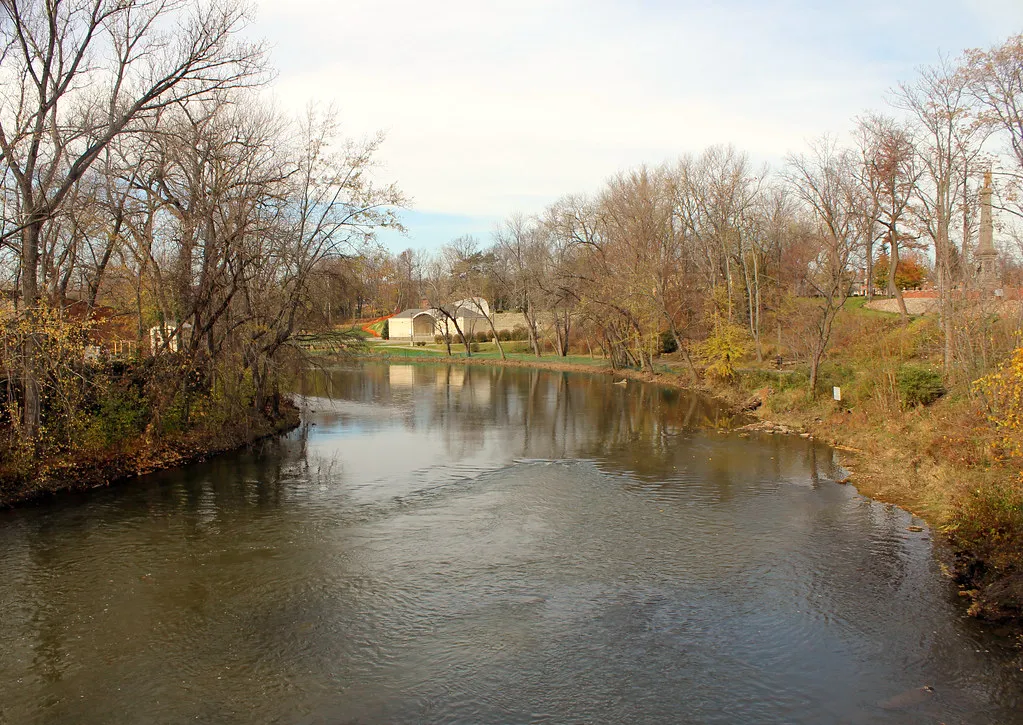
Warren’s working waterfront now shares space with a genuinely lively small-town scene, and the two coexist without much friction. Unique boutiques, restaurants, galleries, and apparel shops have moved in, along with Rhode Island’s first food-focused small-business incubator, Hope and Main, and Warren is also one of the state’s nine tax-free arts districts. That mix of old maritime grit and newer creative energy gives the town a personality that feels earned rather than manufactured.
Getting out on the water itself remains easy and low-key. The East Bay Bike Path runs directly through town along the river, connecting Warren to Providence and Bristol, and continuing south leads into Colt State Park’s paved loops and shoreline views. Local paddlers also use the river for kayaking, and Burr’s Hill Park offers a spot to watch fishing boats move across the bay.
A Small Town Carrying Big History
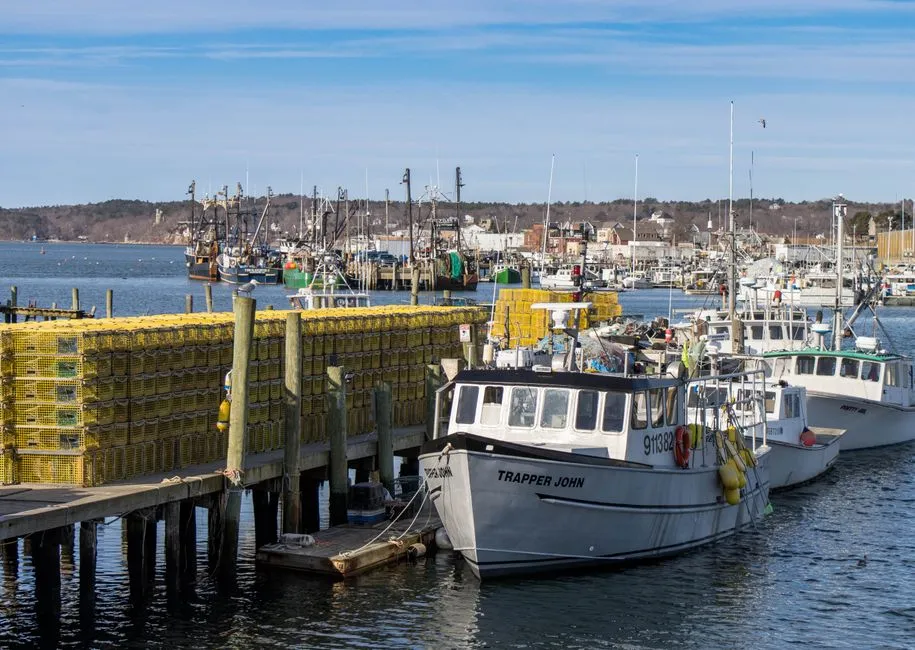
What makes Warren worth a visit is not any single landmark, but the sense that the harbor has simply kept doing its job for nearly four centuries without needing to reinvent itself for tourists. Even conservation efforts here have a maritime thread; shipbuilder and entrepreneur Luther Blount launched an oyster restoration initiative on Prudence Island in 1976, work that later grew into a shellfish hatchery run with Roger Williams University. It is a fitting footnote for a town whose identity has always been tied to what the water provides.
Warren is not trying to be Newport, and it does not need to be. It offers something quieter and, in its own way, more genuine: a living harbor with the paperwork, the buildings, and the working boats to prove its age, sitting patiently along a river that has carried ships, whalers, and now bicycles and kayaks, for longer than almost any other stretch of shoreline in New England.
AI Disclaimer: This article was created with the assistance of AI tools and reviewed by a human editor.