

There’s a specific kind of stress that used to be reserved for oversleeping before a flight. Now it starts at the gate, when a staff member points at your bag and nods toward the metal sizing frame. That moment is happening far more often in 2026 than it did just a few years ago.
The rules around carry-on luggage haven’t dramatically changed. What has changed is who’s actually checking, how they’re checking, and what happens when your bag fails the test. For millions of travelers, this shift has turned a routine convenience into an unexpected cost.
The Rule That Never Really Changed, Just Started Getting Enforced
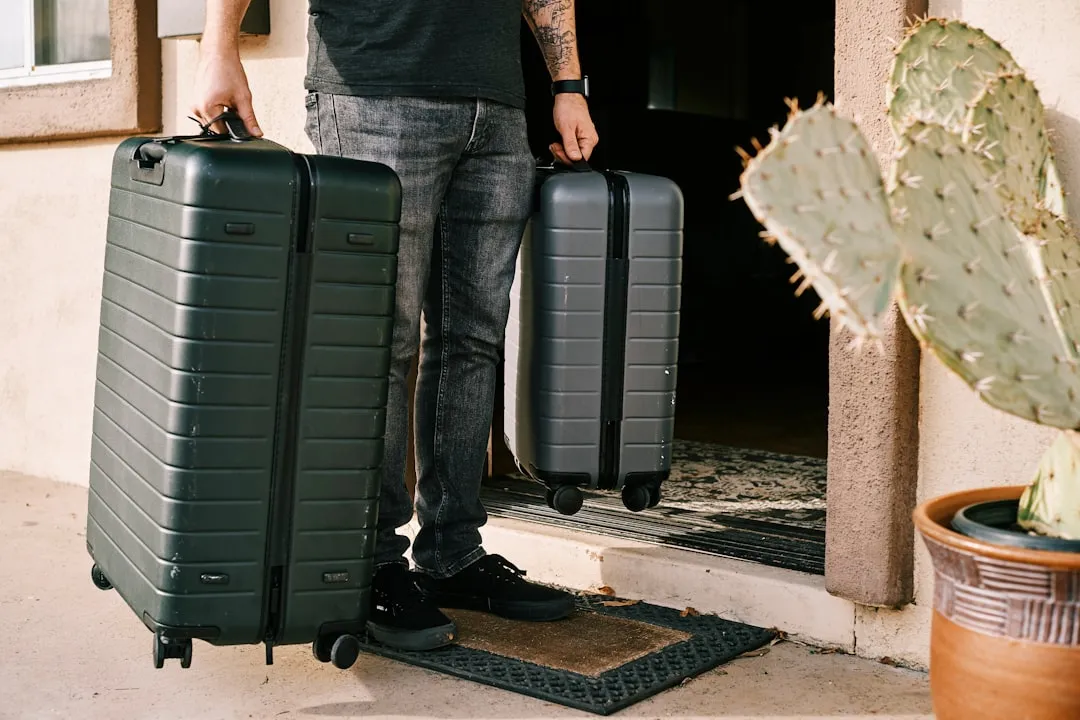
The standard that most U.S. major carriers have published for years remains 22 x 14 x 9 inches for carry-on bags. The size limits didn’t change. What’s changed is enforcement. Airlines are simply following through on rules that were always on the books but rarely applied with consistency.
Carry-on rules were always there, but airlines did not always enforce them. The shift from a loose honor system to something more systematic has caught many frequent travelers off guard, especially those who have been flying the same bag for a decade without issue.
Air travelers have always had to navigate confusing baggage policies, but in 2026 the situation has reached a new level of complexity. Airlines are tightening luggage rules, enforcing old measurements more aggressively and preparing for a sweeping industry move toward a universal standard luggage size.
The Critical Detail About Wheels and Handles
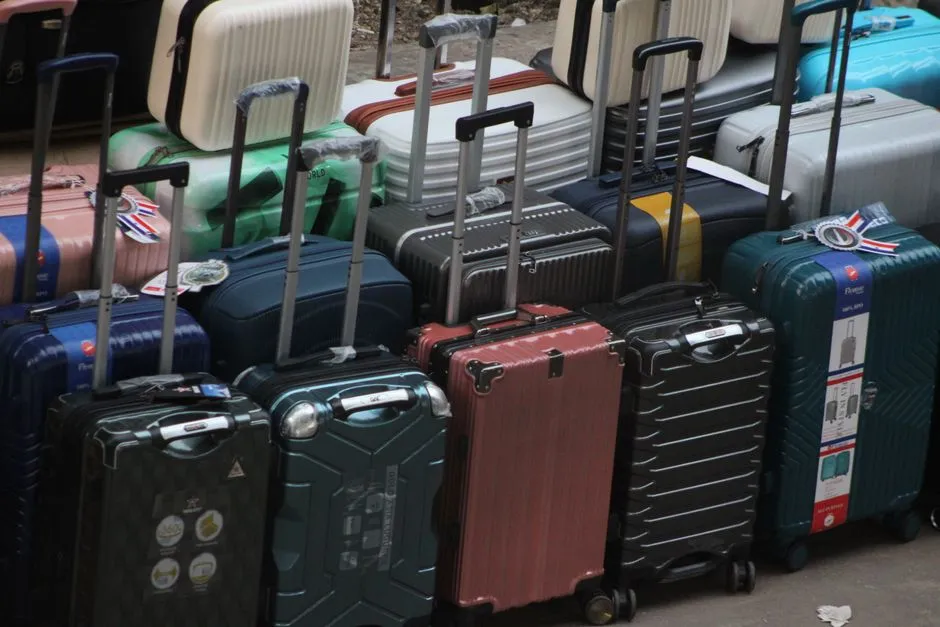
A significant change to the policy is that the dimensions now include wheels, handles, bulging pockets, and similar protrusions. This single point trips up more passengers than almost anything else. A bag marketed as “22 inches” typically refers to the main body shell, not the total measurement from the base of the wheels to the tip of the extended handle.
Manufacturers continue selling “carry-on” bags that no longer meet shrinking standards once wheels, handles, bumpers and corner guards are included. That “cabin-approved” label on the luggage tag means less than it once did.
Don’t trust the tag on your suitcase that says “Cabin Approved.” Manufacturers often measure the shell of the bag, but airlines measure the wheels and handles. Measure your bag at home, fully packed, from the very bottom of the wheels to the very top of the fully extended handle.
Where the Major U.S. Airlines Stand Right Now
Most major U.S. airlines claim the same carry-on limit: 22 x 14 x 9 inches including wheels and handles. This covers American, Delta, United, JetBlue, and Alaska. Southwest allows slightly larger bags at 24 x 16 x 10 inches. Budget carriers operate under entirely different logic.
Budget carriers like Frontier and Spirit typically restrict carry-ons to around 18 x 14 x 8 inches for items that fly free under “personal item” policies. On these carriers, a standard roller bag that flies free on Delta will cost you at the gate if you haven’t paid in advance.
Many airlines now adjust baggage allowances based on destination, aircraft type, season, fare class, and loyalty status. The same airline, on the same route, can apply different rules depending on what ticket you bought. That variability is part of what makes the current landscape so easy to get wrong.
Automated Sizing Machines: No More Negotiating
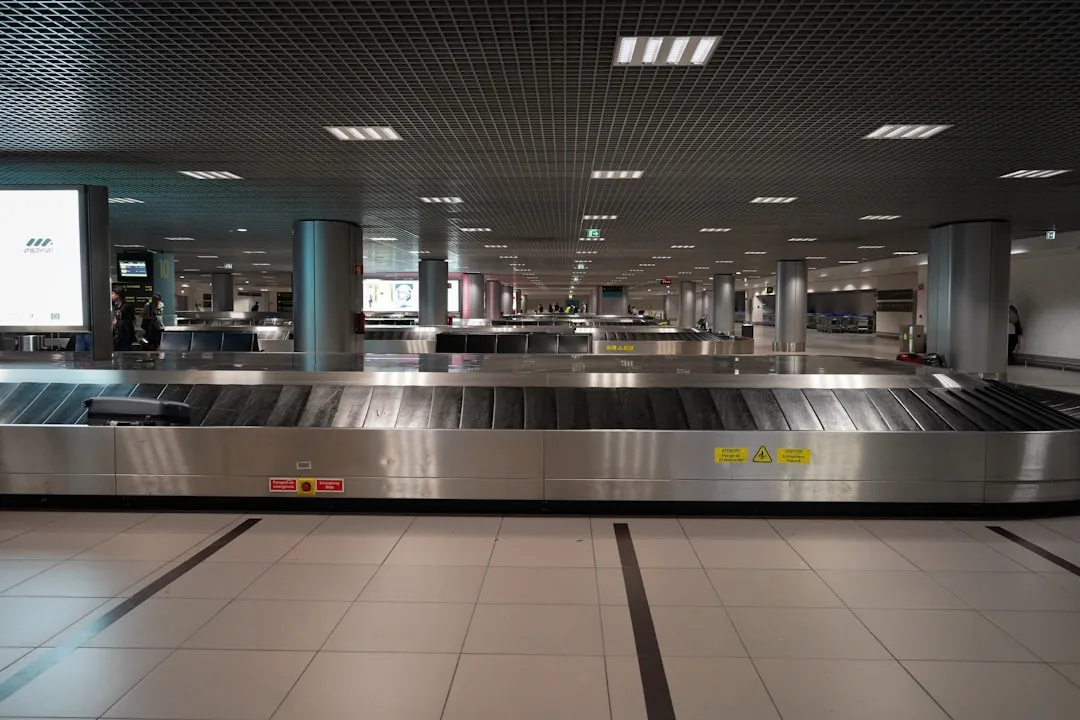
Airlines are measuring bags at the gate instead of relying on the honor system, and they’re doing it with automated scanners that don’t negotiate. A gate agent once had the flexibility to wave a slightly oversized bag through on a quiet morning. That discretion is increasingly being removed from the equation.
These machines measure your bag to the millimeter. If your bag exceeds the limit in any dimension, the system will instantly flag it as checked baggage. If flagged at the gate, you risk being sent back to the counter to check the bag, delaying your boarding and incurring the highest possible fee.
Automated sizing gates that electronically measure bags are currently limited to select airports as part of ongoing pilot programs, rather than being standard across all terminals. The rollout is gradual, but the direction is clear. More airports are adopting them, and travelers should expect wider deployment in the months ahead.
The Revenue Reality Driving Stricter Enforcement
In 2024, U.S. airlines amassed $7.27 billion in baggage fees, marking a continued reliance on ancillary revenue streams as the industry rebounds from pandemic-era disruptions. That’s not a coincidental number. It reflects a deliberate strategic shift in how airlines price and structure their products.
American Airlines topped all U.S. carriers, bringing in $1.50 billion from baggage fees over the year. United Airlines followed closely with $1.34 billion, and Delta Air Lines rounded out the top three at $1.06 billion. These are not edge revenues. They are core to how the modern airline business model functions.
Stricter enforcement at the gate converts free carry-ons into paid checked bags. Critics call it revenue protection dressed up as safety. The reality is some of both: the safety rationale is real, and the revenue is real, and they reinforce each other.
The Safety Argument: Overhead Bins and Evacuation Times
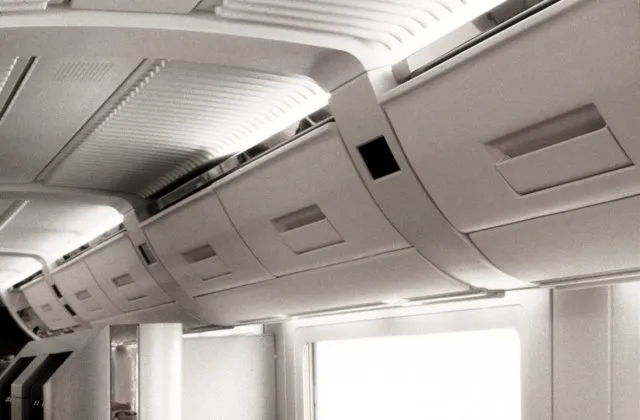
Modern narrowbody aircraft – the Boeing 737 MAX, Airbus A321neo, and their variants – fly fuller than at any time in commercial aviation history. Load factors across U.S. carriers averaged nearly 85 percent in 2025, and most flights between major hubs run significantly higher. Full planes mean full overhead bins, and full overhead bins create genuine operational problems.
Overcrowding in overhead bins cascades into a safety problem the FAA does care about: evacuation time. The federal standard requires that any commercial aircraft be evacuable in 90 seconds with half the exits blocked. Bags jammed into aisles, bins that won’t close, and passengers struggling to retrieve luggage during an emergency all slow that process down.
The FAA itself doesn’t measure your roller bag at the gate. The agency sets the safety framework – evacuation timing, weight distribution, hazmat rules, and what airlines must enforce – and the carriers handle the bag-by-bag enforcement on the ground. The result is a patchwork of enforcement that looks different at every gate, even within the same terminal.
Basic Economy Tickets: The Strictest Category of All
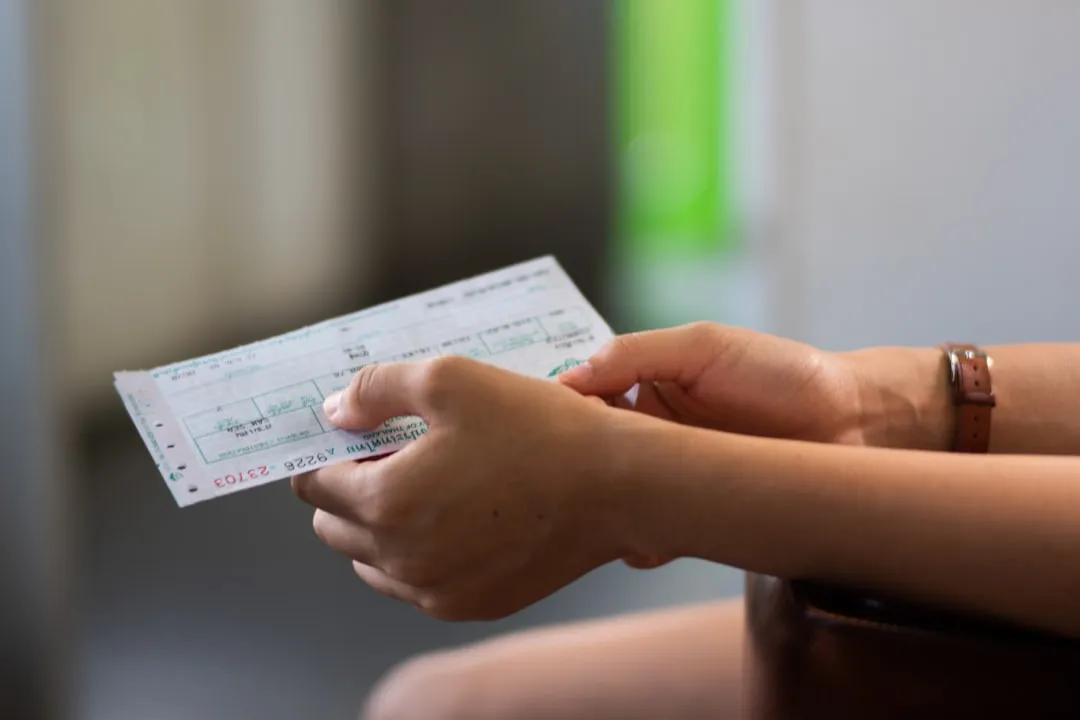
The enforcement of carry-on baggage rules has evolved from inconsistent to systematic across most major carriers. Basic Economy tickets are subject to particularly strict scrutiny. If you’re traveling on a basic economy fare, your carry-on situation is fundamentally different from that of a standard economy passenger.
United Airlines states in its Contract of Carriage that it will not accept any carry-on baggage for passengers traveling on a Basic Economy fare, and Basic Economy passengers whose baggage is checked at the gate will be charged the applicable checked bag service charge, plus a $25 gate handling service charge. That surprise fee at the jet bridge is avoidable – but only if you know to look for it.
Gate-check fees run from roughly $35 to $65 depending on the carrier, substantially more than pre-paying for checked bags online. Checking a bag online before departure is almost always the cheaper option if you have any doubt about your carry-on dimensions.
How European Budget Airlines Are Handling It
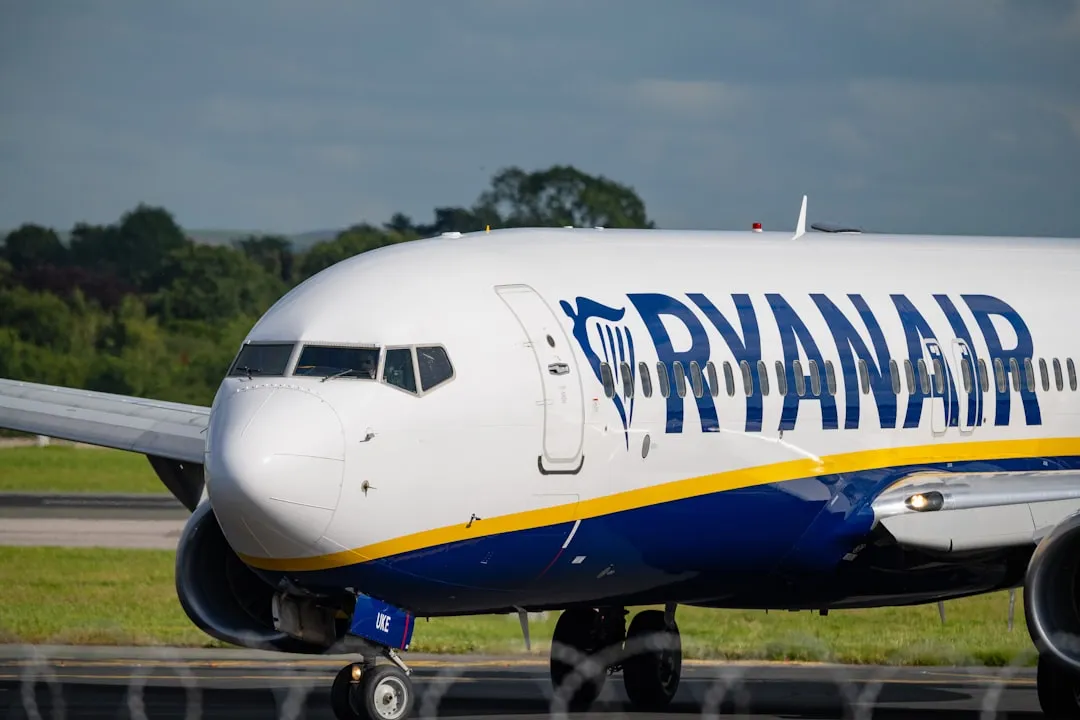
In 2026, Ryanair, easyJet, Jet2, and Wizz Air have all taken steps to tighten their policies surrounding carry-on luggage, leaving many travelers struggling to stay compliant with the ever-stricter enforcement. European low-cost carriers have long operated under more aggressive baggage fee structures than their U.S. counterparts, and that gap is only widening.
Ryanair’s cabin baggage policy remains among the most closely watched in Europe, not least because misjudging it can be costly. Reports have highlighted families charged around £400 at the gate after their bags failed to meet the airline’s rules, underlining how aggressively the carrier enforces its limits.
On Ryanair, the gate check fee is currently €50–70 depending on route and timing. On EasyJet, it runs €45–65. Gate-checked bags go into the hold as standard checked luggage, which means they may not arrive at the destination on the same flight if the aircraft is full, and may be subject to the same mishandling risk as any checked bag.
The Personal Item: Your Real Safety Net
Every airline allows one personal item in addition to your carry-on, and this distinction has become more important as carry-on enforcement tightens. Personal items must fit under the seat in front of you, which means dimensions around 17 x 10 x 9 inches for most carriers. Traveling with only a personal item has become a genuine strategy, not just a minimalist preference.
Airlines don’t count certain items against your baggage allowance: jackets and coats, umbrellas, duty-free purchases made after security, assistive devices like wheelchairs or canes, and food for infants traveling with you. This means you can wear a bulky jacket through security, carry an umbrella, and board holding a bag of airport purchases without sacrificing your personal item slot.
City break travelers, digital nomads, and students are among the groups most likely to benefit from the personal-item-only approach. A compact underseat backpack or slim wheeled case now offers enough room for several days’ worth of clothing and essentials, particularly outside winter.
International Routes: Weight Limits Matter Too

Beyond size restrictions, many airlines are now more strictly enforcing carry-on weight limits, commonly between around 15 and 22 pounds on international routes. U.S. domestic passengers have largely been shielded from weight enforcement, but the moment you fly internationally, the rules tighten considerably.
International carriers often enforce stricter size and weight limits than U.S. domestic airlines. European budget carriers like Ryanair restrict carry-ons to dimensions smaller than U.S. standards and charge for anything larger. Asian carriers commonly enforce weight limits that U.S. carriers ignore.
If you’re connecting from a domestic flight to an international flight, your bag might comply with Delta’s rules but violate Lufthansa’s rules when you board in Munich. Multi-carrier itineraries require checking every airline in the chain, not just the one you booked your ticket with. The strictest carrier on your journey sets your effective limit.
What to Do Before You Pack
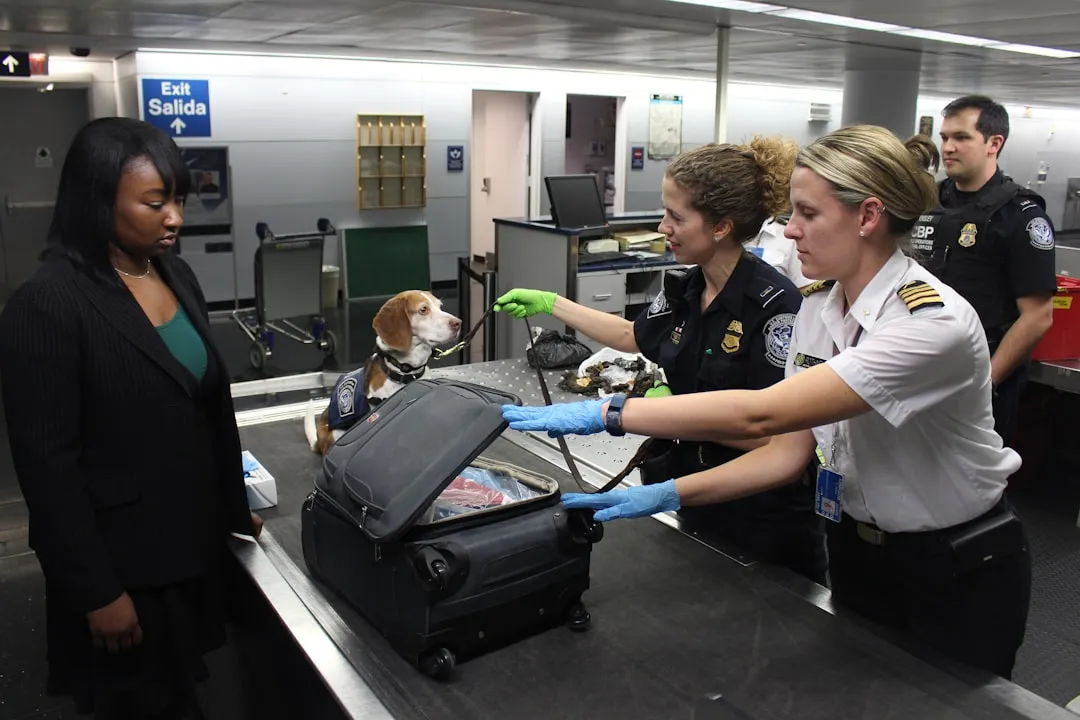
Stricter enforcement is not universal, and you should confirm your airline’s rules close to travel for the best guidance. The best thing you can do before traveling is visit the airline’s website and view their specific baggage restrictions and guidelines. Policies can shift seasonally, and the current rules are not always reflected on third-party booking platforms.
Prepaying for baggage during booking can often yield savings of roughly 20 to 30 percent compared to paying at the airport. If you know your bag is on the edge, paying in advance is almost always cheaper than gambling on the gate sizer. The cost differential is significant enough to be worth the few minutes of planning.
By staying informed and investing early in updated luggage, travelers can avoid costly last-minute gate-checks, unexpected fees, or the frustration of being separated from their belongings in transit. The airport is not the place to discover that your bag has been noncompliant for the past three years.
Conclusion

The carry-on crackdown of 2025 and 2026 is not a sudden policy revolution. It’s the slow, steady application of rules that were always there. Airlines found that looser enforcement left money on the table while creating congestion in cabins already operating at near-full capacity. Tighter gates, automated sizers, and fare structures that separate carry-on access from basic ticket prices have all moved together in the same direction.
The practical reality for travelers is straightforward: measure your bag at home including every protrusion, check the specific rules for every carrier on your itinerary, and treat the personal item allowance as a genuine tool rather than an afterthought. A well-chosen underseat bag can make the entire question of overhead bin politics irrelevant.
The travelers who adapt most smoothly are those who treat baggage rules as part of the trip planning process, not something to sort out at the gate. The metal sizer doesn’t care how many times you’ve flown with that bag before.
AI Disclaimer: This article was created with the assistance of AI tools and reviewed by a human editor.