
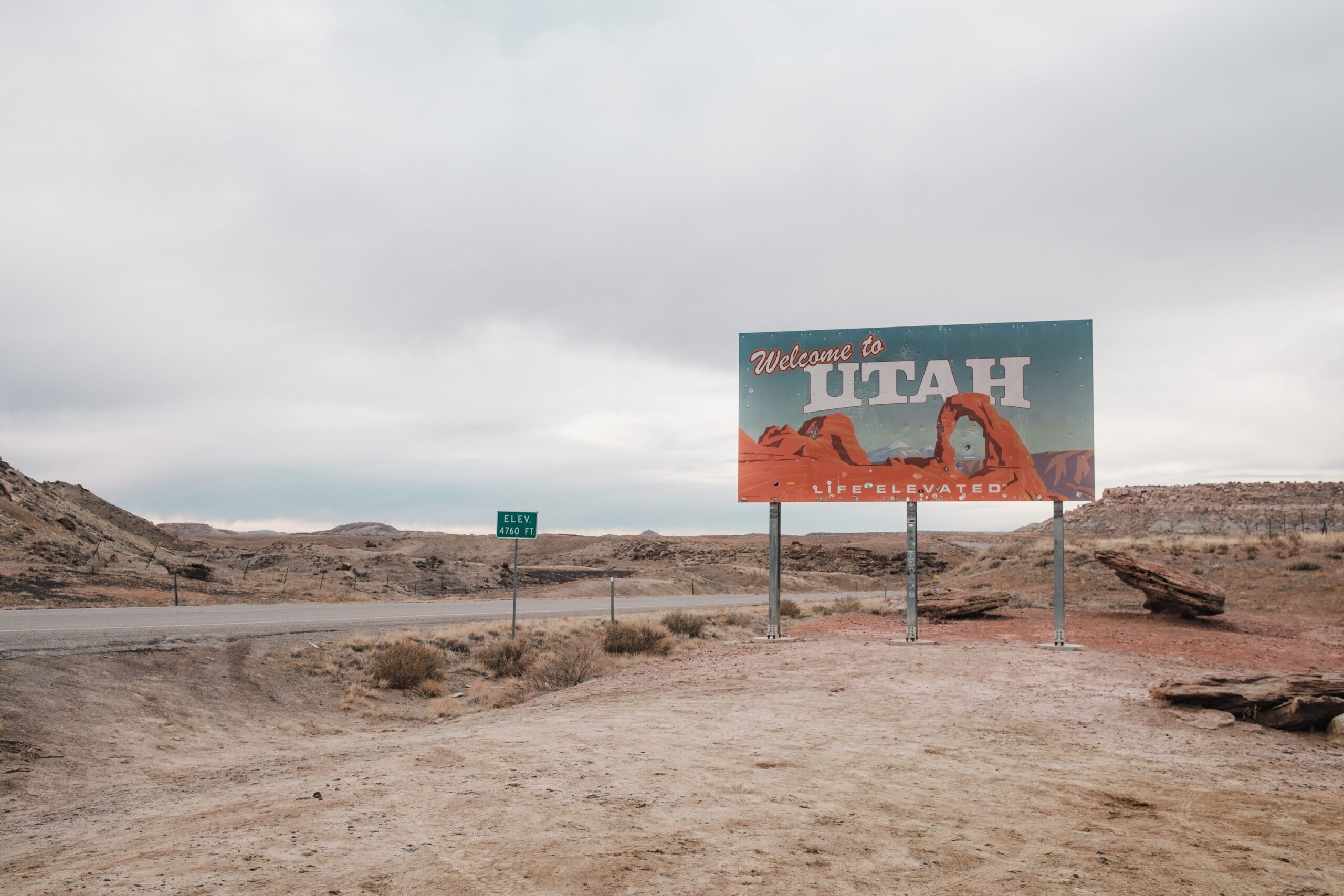

Most people think of Utah as a place of vast red desert and national park crowds. Spring City, nestled quietly in the Sanpete Valley at the foot of the Wasatch Plateau, asks you to think again. This is a place where the 19th century hasn’t so much been preserved as simply never left.
Spring City sits at an elevation of 5,823 feet in the Sanpete Valley of central Utah. It’s small, agricultural, and easy to miss if you don’t know where to look. But what waits inside its city limits is arguably the most intact pioneer-era village in the entire American West.
A Town Listed on the National Register – All of It
What makes Spring City genuinely rare has nothing to do with a single landmark or a preserved main street. It is one of only two sites in the United States where an entire city is a Historic District on the U.S. National Register of Historic Places. The other is Colonial Williamsburg, Virginia. This isn’t a comparison to take lightly.
The Spring City Historic District boundaries coincide with the city limits, a designation that recognizes the town’s status as a well-preserved example of a Latter-day Saint pioneer settlement. Walking any street here, you’re walking through living history, not a reconstruction of it.
Spring City was listed on the National Register of Historic Places on October 22, 1980. That formal recognition set in motion decades of thoughtful, community-driven restoration work that continues to this day.
The Pioneer Roots That Shaped Everything
Spring City was originally settled in 1852 by James Allred along with about a dozen other families. Because of issues with Native Americans, the settlers abandoned the area for a few years before some of those pioneers returned and resettled the site in 1859. The town was formally incorporated in 1870.
Beginning in 1853, the Allred family and other church leaders encouraged Danish immigrants to settle in Sanpete County. By the mid-1860s, locals referred to the north side of town as “Little Copenhagen” or “Little Denmark.” The Danish community contributed skills as tradesmen, bakers, blacksmiths, shoemakers, and masons, and introduced the parstuga house type – a three-room single-storey plan from Scandinavia – to the town’s architectural mix.
Spring City grew gradually but steadily, reaching a population of 850 in 1880 and a peak size of about 1,230 in 1900. Today, the town has fewer than a thousand full-time residents, which is part of what keeps it so remarkably whole.
Limestone Walls and a Rare Architectural Collection
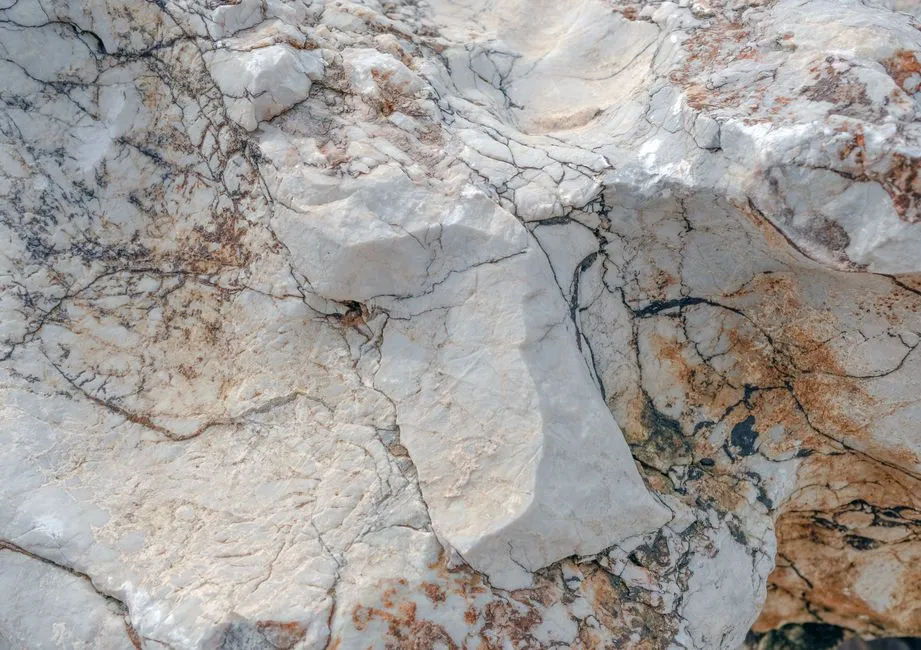
The town center is recognized as a well-preserved example of a Latter-day Saint pioneer settlement with a concentration of 19th-century oolitic limestone architecture. This stone, quarried locally, gives the buildings a warm, golden-gray tone that changes subtly with the light throughout the day.
If Sanpete County possesses Utah’s greatest treasury of architecturally significant buildings from the pioneer and early twentieth century eras, then Spring City is its crown jewel. The town’s wealth of impressive structures is due to its talented early designers and builders, as well as to the fact that the population decreased in every decade from 1900 to 1970, reducing the need to destroy older structures.
According to town historians, there are four extant pioneer houses that date to the 1860s, twenty-four from the 1870s, and twenty from the 1880s. One 1905 home once served the community as a bishop’s storehouse. That number of original structures standing in one small town is genuinely extraordinary.
The Bypass That Accidentally Saved a Village
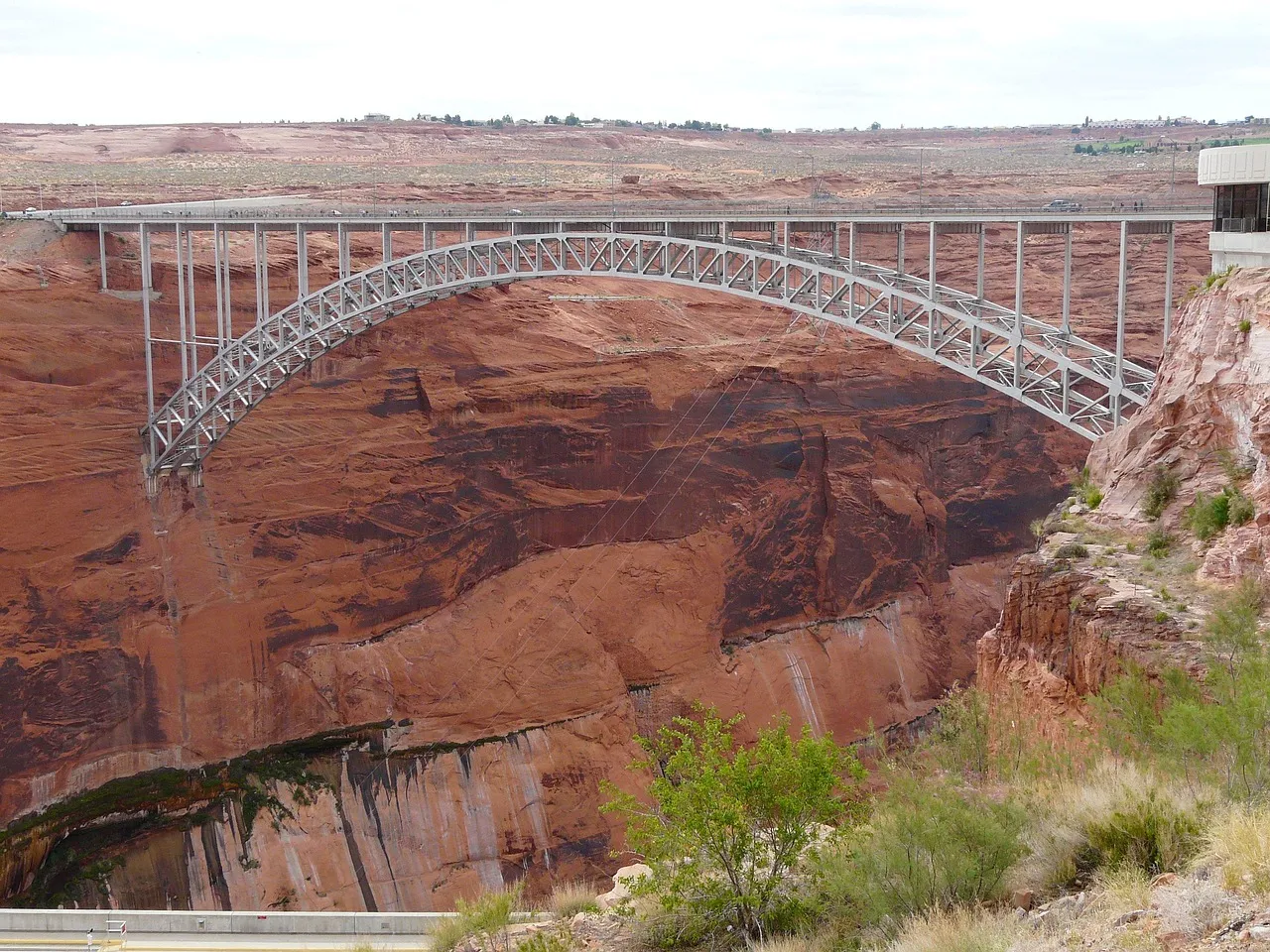
In 1957, when US Highway 89 was built, it bypassed Spring City, leaving it off the beaten path. Considered to be “a town frozen in time,” it is widely known as the best preserved example of a 19th Century Pioneer Village. That bypass was a quiet stroke of luck for the town’s future.
In the nineteenth century, the key road through the county, now U.S. Highway 89, bypassed Spring City a mile west of town. This economic disadvantage has been partly compensated for by the lack of newer structures replacing historic sites.
Since the mid-1970s, many architectural gems have been restored, both by local residents and by interested newcomers. Some of the vacant buildings have been converted to new commercial, cultural, or residential uses, in part accounting for the city’s population growth in each decade since 1970. Isolation, in this case, proved to be preservation.
The Public Buildings Worth Every Slow Walk
Spring City’s remarkable LDS meetinghouse, or tabernacle, and city hall – both limestone edifices – and its spectacular Victorian elementary school and bishop’s storehouse – both of brick – are among its most important public buildings. These are not museums. They are structures that still anchor community life.
Other historic buildings include a rock Latter-day Saint chapel, stores, an old firehouse, theater, jail, and school. Few towns of this size anywhere in the West can claim such a complete ensemble of period structures still standing in their original context.
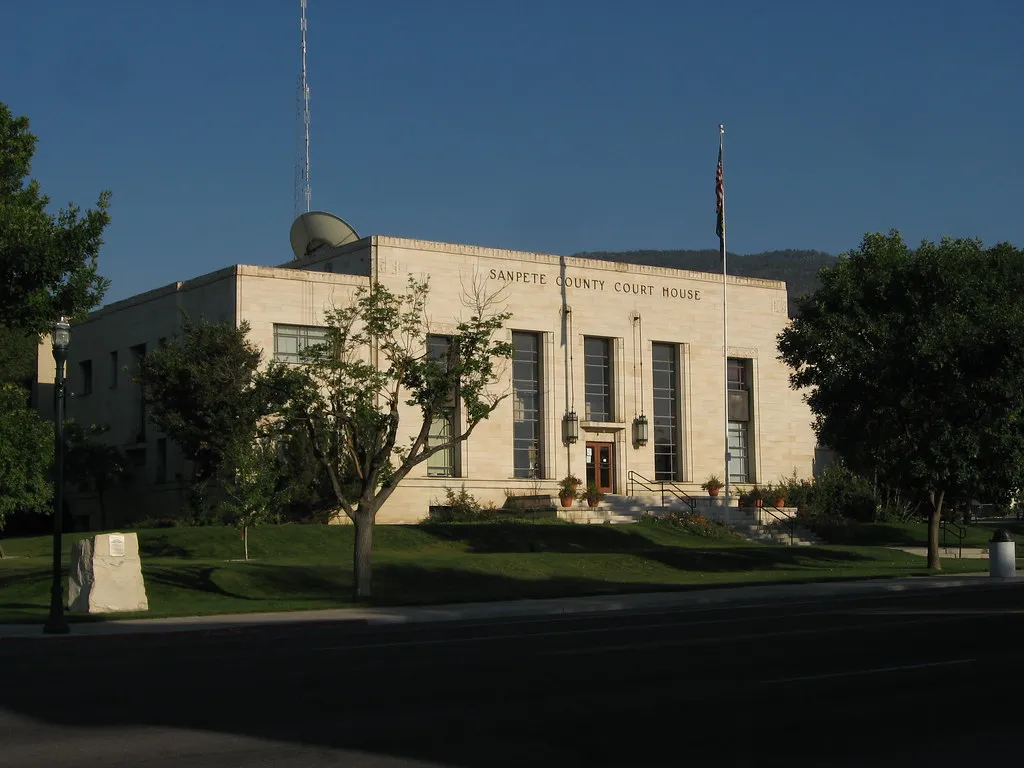
The City Hall was built in 1893 of local limestone. The building was later used as a school and is now home to the local Daughters of Utah Pioneers Museum. The layering of uses within a single building tells you everything about how communities adapt without letting go of the past.
An Arts Community That Grew Organically

Although still primarily a farming community, Spring City has been known as an artist community since the late 20th century. Joseph Bennion and Lee Udall Bennion were among the first professional artists to settle permanently in the town; Bennion established Horseshoe Mountain Pottery on Main Street in 1980, and their presence drew subsequent artists to the area.
The city has attracted professional artists since the 1970s and is home to Spring City Arts, a nonprofit organization that operates a gallery in a restored early-20th-century automobile showroom on Main Street. That detail alone captures something essential about how Spring City handles its buildings: nothing is wasted, nothing is torn down if it still has a use.
Today some of the historic homes are used as bed and breakfast inns, art studios, and boutiques. The community has found ways to keep its buildings alive without sanitizing what they once were.
The Heritage Day Tradition
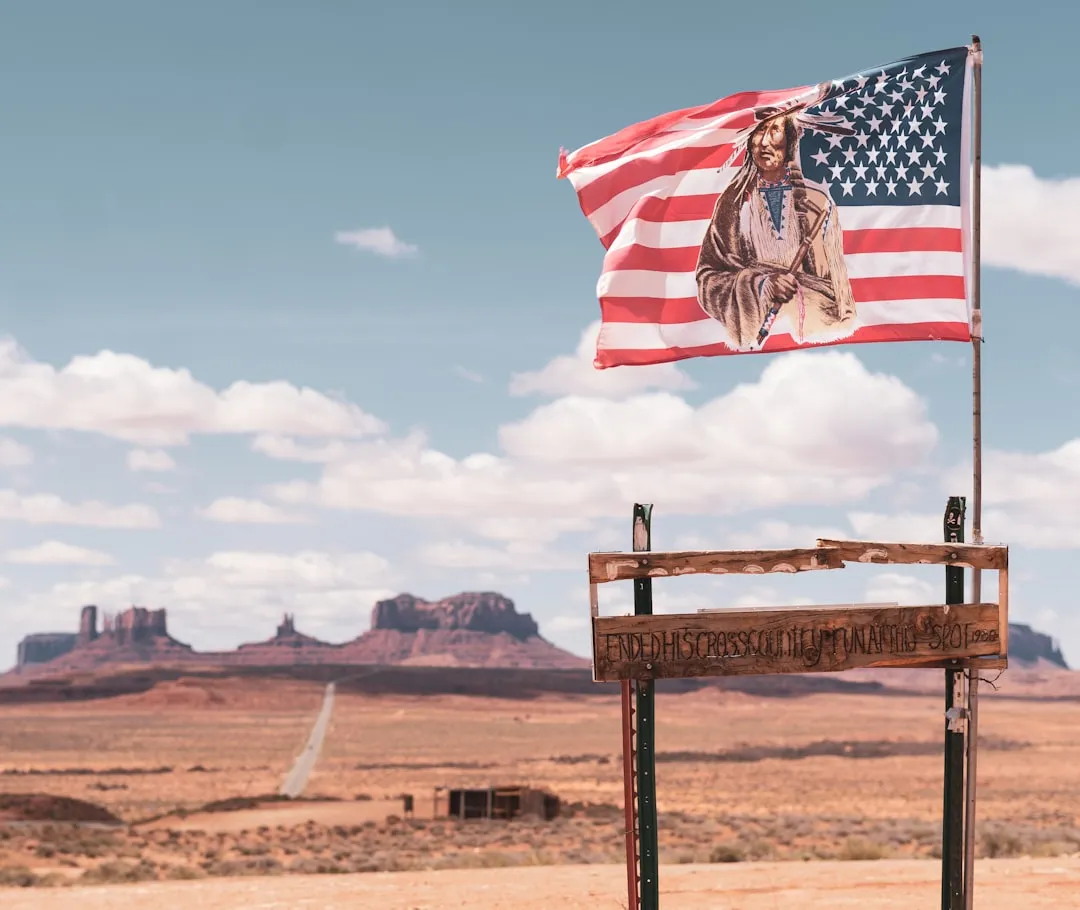
Heritage Day, organized by Friends of Historic Spring City and held on Memorial Day weekend, features a ticketed historic homes tour, an art auction, a framed art sale, live music, food trucks, and a bake sale by the local Daughters of Utah Pioneers chapter. The event draws thousands of visitors each year to tour the town’s 19th-century pioneer architecture.
The Spring City Arts Plein Air Competition and Studio Tour, held on a Saturday in late August or early September, draws artists from across the region to paint rural Sanpete Valley scenes; the public may view completed work, visit local artist studios, and purchase paintings.
Pioneer Day events on July 24 and 25 include a Fireman’s Breakfast and a Pioneer Parade down Main Street. A Bluegrass and Folk Festival is held in late summer. These events feel genuinely rooted rather than staged for outside visitors.
Preservation Work Still Underway
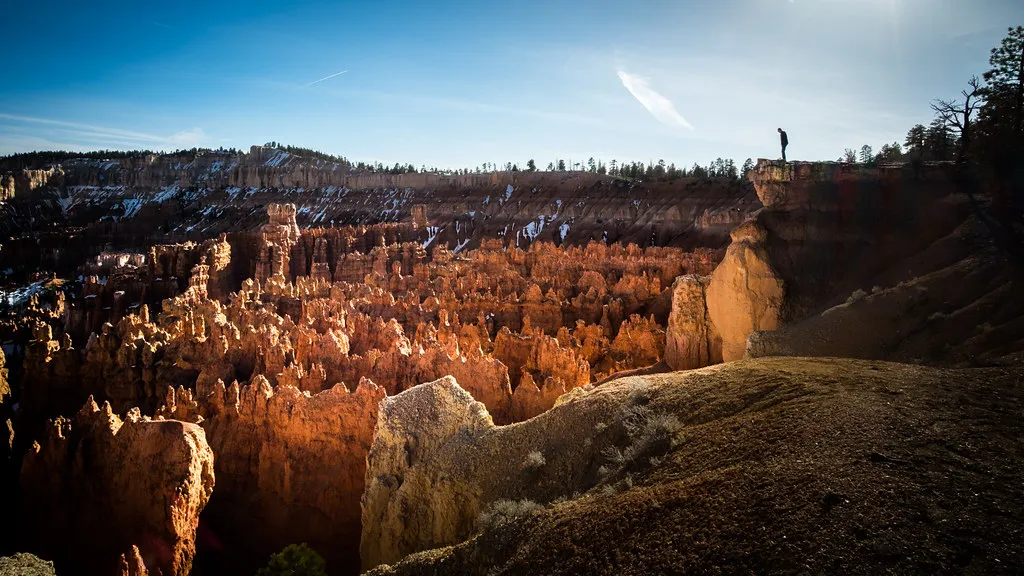
The old Spring City schoolhouse was acquired from the school district for $1 after a period of use as a camper manufacturing plant. The local Daughters of Utah Pioneers chapter stewarded the building for decades; when that group could no longer maintain the project, painter Lee Udall Bennion and ceramicist Joseph Bennion co-founded Friends of Historic Spring City, a nonprofit that funds ongoing restoration through an annual home tour. The schoolhouse restoration took approximately 40 years to complete.
During the 1970s, Spring City residents used federal preservation funds to transform their town into a model for heritage tourism. That early investment laid a foundation that subsequent generations of both locals and newcomers have continued to build on.
Twelve Utah sites were added to the National Register of Historic Places in 2025, with five century-old homes in Farmington among the buildings added. The additions highlight Utah’s rich historical and cultural heritage, preserving significant sites. The broader state context makes Spring City’s wholesale designation all the more impressive in comparison.
The Honest Tensions of Living History
Preservation is rarely simple, and Spring City has not been exempt from that reality. Spring City’s population was once so low it was actually declared a ghost town. Its elevation to a National Historic District led to an influx of people driven to restore and save the town, but which also dramatically changed the culture of the community.
There are politics to preserving these old buildings, and tensions around old versus new are ever-present for many rural Utahns, even today. That complexity is worth acknowledging. A preserved town is not a static one, and the people who live there navigate real tradeoffs.
Residents are proud of the town’s heritage and work to preserve the historic value of their properties. That local pride, more than any legislation, is what ultimately keeps a place like this alive.
How to Experience Spring City Today
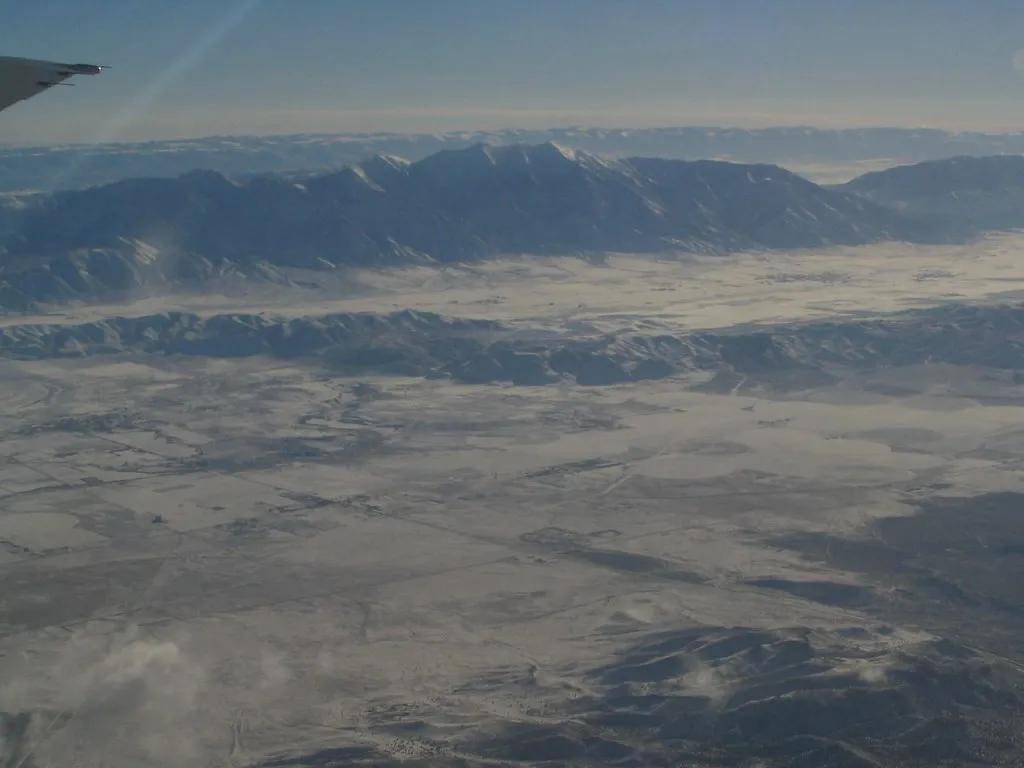
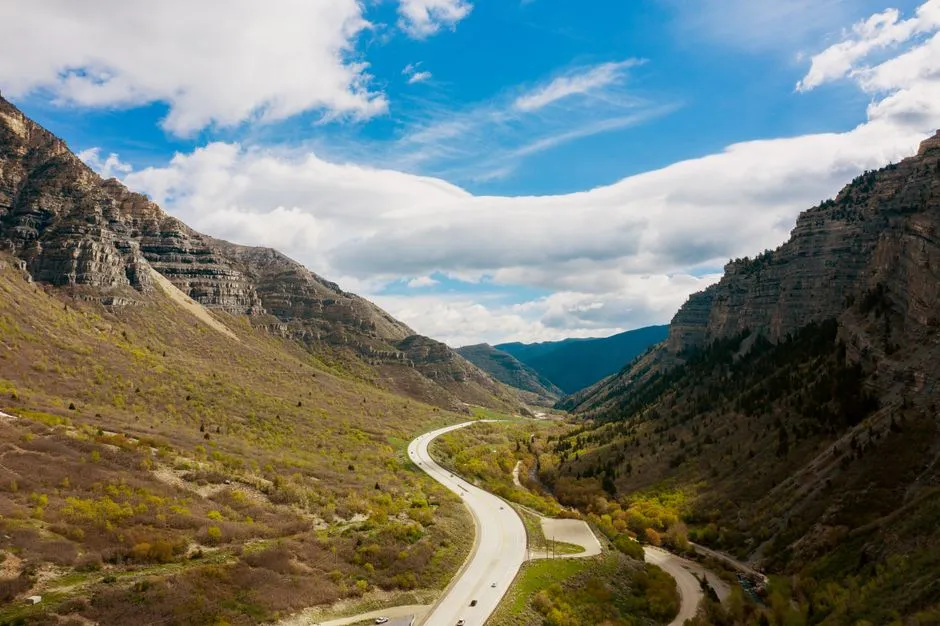
Just an hour outside of Salt Lake City is the quaint village of Spring City. The entire area is listed on the National Register of Historic Places because it is home to Utah’s best-preserved pioneer architecture. The drive through the Sanpete Valley itself is scenic enough to justify the trip.
The entire town is listed on the National Historic Register, and in 2010 Forbes Magazine named it one of “America’s Prettiest Towns.” The town has no traffic lights, but it does have an award-winning café, a celebrated pottery shop, a delightful soda fountain, and many art galleries and studios.
Spring City lies at an elevation of 5,823 feet in the Sanpete Valley of central Utah, tucked beneath the Wasatch Plateau, which rises on the town’s eastern perimeter. That mountain backdrop, combined with the stone and brick streetscapes below, creates a setting that rewards an unhurried pace. Come without a packed itinerary. The town rewards slowness.
There’s something quietly remarkable about a place that survived not because of investment or tourism campaigns, but because a highway went somewhere else and a community chose to care. Spring City didn’t get famous to be preserved. It stayed itself long enough that preservation found it.
AI Disclaimer: This article was created with the assistance of AI tools and reviewed by a human editor.