

Picture this: you return a rental car on time, tank full, not a scratch in sight – and then, two weeks later, your credit card statement shows a charge for several hundred dollars. No explanation, no warning. It happens more than most travelers expect.
Travelers everywhere are reporting unexpected rental car fees and damage claims that appear long after the trip is over. The good news is that a few deliberate steps taken before, during, and after your rental can make all the difference between a clean bill and a disputed one.
The Big Picture: How Surprise Charges Happen

The rental car industry operates in a uniquely complex payment environment. Transactions can be initiated online, fulfilled in person, and finalized days or even weeks later – sometimes with additional charges applied after the vehicle is returned. While this model is essential to effective fleet management, it also creates friction that can lead to disputes.
In 2024, U.S. car rental companies collected more than $2 billion in optional insurance and add-on fees, a significant portion of which came from products renters didn’t truly need. That’s a striking number. Understanding why this happens is the first step toward protecting yourself.
One of the most pervasive problems in car rentals is the hidden fee. Travelers are often lured in with low advertised rates, only to be shocked when extra charges appear on their final bill. These can include cleaning fees, administrative charges, or taxes that were not clearly disclosed. A rate that appears to be $25 a day can quickly balloon when additional costs are tacked on.
The Core Trick: Document Everything Before You Drive Away

It’s important to protect yourself by carefully documenting the car’s condition. Before driving away, take clear photos and videos of the entire vehicle, including any existing damage, no matter how small. This detailed visual record serves as your proof of the car’s initial state.
When picking up a vehicle, thoroughly documenting all existing damage using the rental company’s mobile app at pickup is very important. Renters should not only look at the car from the outside but take pictures and videos of any existing scratches, dents, and other imperfections.
The reason a quick walkaround matters more than it used to is simple: repair costs have been running hot. The U.S. Bureau of Labor Statistics reported that motor vehicle maintenance and repair rose 6.9% over the 12 months ending November 2025, while overall CPI-U rose 2.7% over the same period. When repairs cost more, rental companies have more financial incentive to recoup those costs.
Photograph the Fuel Gauge Too – Every Single Time
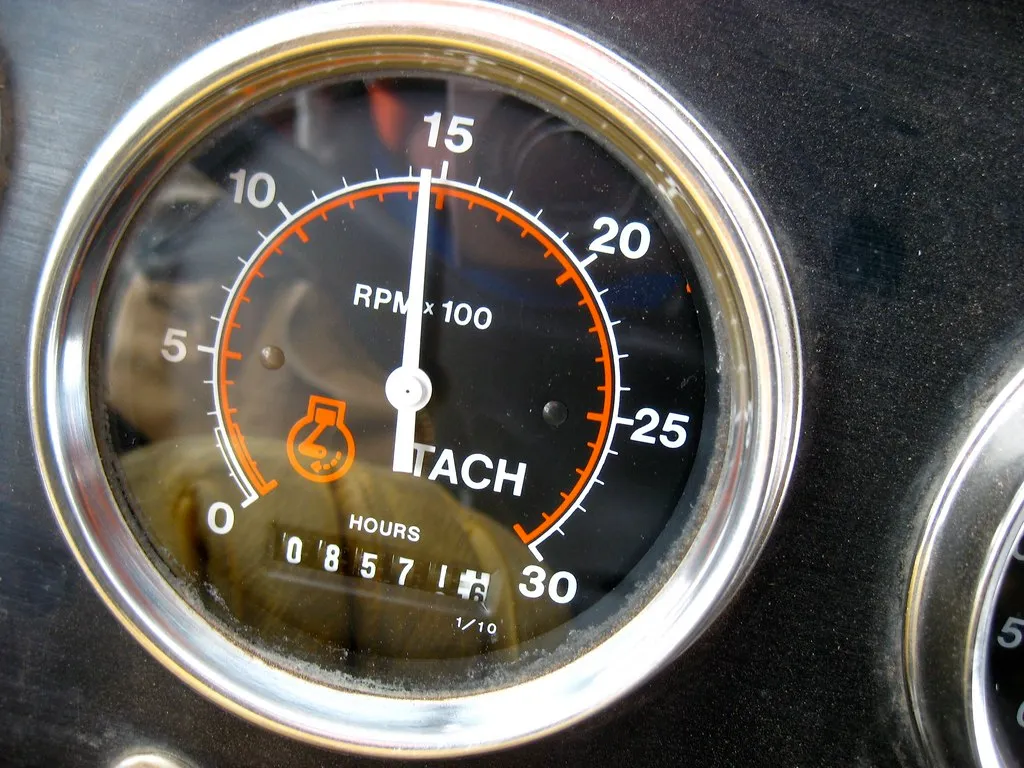
Take a photo of the fuel gauge before returning the car. This can serve as evidence if there is a dispute about the fuel level at the return time.
Returning the car without a full tank is one of the fastest ways to get hit with a huge bill. Rental companies often charge far more per gallon than nearby gas stations. Even being slightly under full can trigger expensive refueling fees. Consumer experts recommend filling the tank close to the return location and saving the receipt as proof.
Gas receipts, toll receipts, and return paperwork may help dispute questionable fees later. Travelers should never toss paperwork immediately after returning the car. Even a simple fuel receipt can help prove you refilled the tank shortly before drop-off.
Return During Business Hours and Get It in Writing

Returning your rental car during the rental company’s business hours is a crucial step in preventing disputes about damage. Having the car inspected immediately upon return allows for any existing damage to be documented right away, which is important for clarity and avoiding later disagreements. This immediate inspection also helps facilitate communication with the company about the car’s condition at the time of return.
Whenever possible, request that an employee inspect the vehicle with you present. Ask for written confirmation that no damage was found. This does not guarantee you will avoid future claims, but it can strengthen your case if a dispute later appears.
If you can spare a few minutes, wait for an attendant to confirm the dropoff and print out your receipt. This will help avoid any miscommunications later on about whether you had returned the vehicle.
Watch Out for Damage Claims on Pre-Existing Dings

Some companies try to charge you for a scratch or dent that was already on the car when you picked it up. This is one of the most common issues renters face, and it is why documenting the car’s condition is so important.
A substantial portion of disputes stem from variations in vehicle inspections. Some studies suggest that roughly one in three renters feels unfairly charged because rental companies inadequately documented pre-existing damage.
Car and Driver reported that Hertz is using AI to scan rental cars for damage and planned to have the scanners at 100 U.S. locations by the end of 2025. The scanning system checks the vehicle’s body, glass, tires, and undercarriage for damage and maintenance issues. This makes thorough personal documentation even more important, since the bar for detection is rising.
Understand the Toll Trap Before You Hit the Road
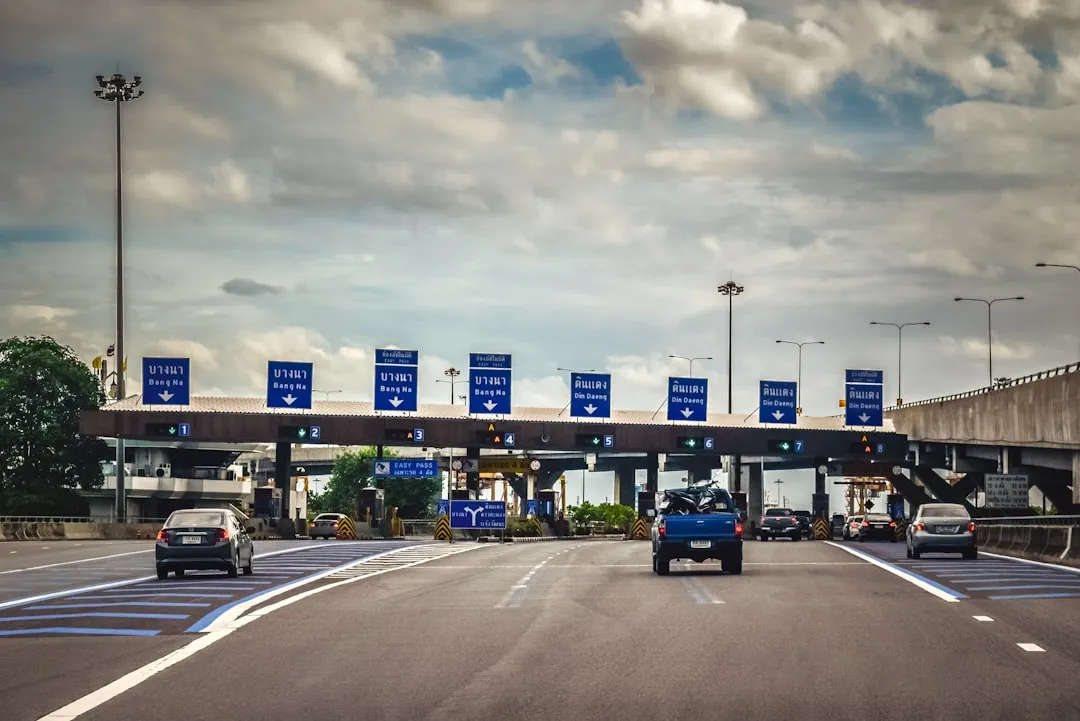
Toll roads are familiar in many destinations, and while car rental companies offer toll payment programs for convenience, these often come with extra daily fees on top of the toll charges themselves. Some rental companies automatically enroll you in these programs, even if you didn’t ask for them. A company might charge you $4 to $6 per day to use their toll transponder, plus the cost of the tolls themselves.
Electronic toll systems may seem convenient during a road trip, but they can become costly later. Some companies charge daily administrative fees just for activating the toll service. Drivers sometimes discover dozens of dollars in processing charges even when the actual tolls were minimal. These charges are typically buried in the rental agreement.
If you have your own compatible transponder, bring it. If your toll transponder is compatible with the region, consider using it or paying cash for tolls if possible. If you know you won’t use many toll roads, decline the toll program altogether.
Airport Pickup vs. Off-Airport: A Fee You Can Control

Renting a car from an airport location often comes with additional surcharges and taxes. These fees can significantly increase your total rental cost, so it might be worth comparing prices with off-airport locations.
When booking through Avis and Budget, an airport concession fee may be tacked on at the very end of the reservation process. At Raleigh-Durham International Airport, this fee ended up being about 18%.
Some travelers save money by taking a shuttle to an off-airport rental location instead. The FTC notes that airport rentals frequently cost much more because of these additional charges. It’s worth a 10-minute shuttle ride if it trims a meaningful amount off your total.
Your Credit Card May Already Cover You

Many people can decline rental car protection because it duplicates coverage they already have, usually because their own auto insurance policy applies. According to auto insurer State Farm, for most people traveling for personal reasons, paying extra for coverage from a car rental company is probably a waste of money.
If you can safely decline $20 per day of add-ons at the rental counter because of your credit card, that saves you $280 on a rental during a two-week vacation. That’s real money.
Most of the major credit card networks, including Visa, Mastercard and American Express, all offer some form of rental car coverage for cards on their networks. However, the coverage on any particular card can vary according to the bank that issued it, and even cards from the same issuer can have different levels of coverage. Check your card’s guide to benefits before the trip, not at the counter.
Know Your Rights When a Charge Appears After the Fact

If you believe a fee is unfair, start by contacting the rental company directly. Calm, detailed communication often works better than angry demands. Ask for photographs, repair invoices, inspection reports, and documentation supporting the charge. Companies may reverse questionable fees when challenged with evidence requests.
Under the Fair Debt Collection Practices Act, you can demand written verification of the debt. Debt collectors are required to pause their efforts until they provide proof.
If you’ve exhausted all other options, you can file a complaint with a consumer protection agency. In the United States, you can file a complaint with the Federal Trade Commission or your state’s attorney general. These agencies can’t always resolve individual disputes, but they do use complaints to identify patterns of fraud and take action against companies engaging in deceptive practices.
Read the Agreement – Yes, the Whole Thing

Many rental agreements contain pages of terms that few travelers actually read while standing at the counter after a long flight. That moment of exhaustion is exactly when important clauses slip past you.
Always read the rental agreement thoroughly before signing. Don’t just skim through it; ensure you understand all the terms and conditions, including potential fees. Don’t hesitate to ask questions if you’re unsure about any part of the rental process. Rental agents may not volunteer information about hidden fees, so it’s up to you to clarify any doubts.
Carefully reviewing the rental agreement remains one of the best ways to avoid unpleasant surprises. Look specifically for policies involving fuel, tolls, cleaning, damage, late returns, and additional drivers.
The Return Timing Trap Most Travelers Don’t See Coming

Surprisingly, returning the car early can also result in fees. Rental companies might charge an early return fee or adjust your rate if you don’t fulfill the minimum rental period.
Some rental companies charge early return fees ranging from $10 to $20. Additionally, if you booked at a weekly rate, the price could be recalculated to a higher daily rate. Returning two days early might cost more than keeping the car.
Most car rental companies provide a grace period before late fees kick in, often limited to 30 minutes or one hour. After that, charges can accumulate quickly. Each company has different grace period policies, so knowing them before renting is essential.
The Takeaway
Rental car surprise charges are rarely the result of bad luck. They’re almost always the result of a gap in documentation, a missed clause, or a decision made under pressure at the counter. The single most effective habit any traveler can build is simple: take timestamped photos at pickup, take the same set of photos at return, keep every receipt, and know what your credit card already covers before you ever get to the desk.
Navigating this environment requires preparation and awareness. Researching rental companies in advance, documenting the condition of the vehicle, confirming coverage with your insurance and credit card, and reading the fine print of agreements are essential steps.
The trick isn’t a secret loophole. It’s just doing a few deliberate things that most people skip because they’re tired, running late, or simply don’t know the stakes. Now you do.
AI Disclaimer: This article was created with the assistance of AI tools and reviewed by a human editor.