
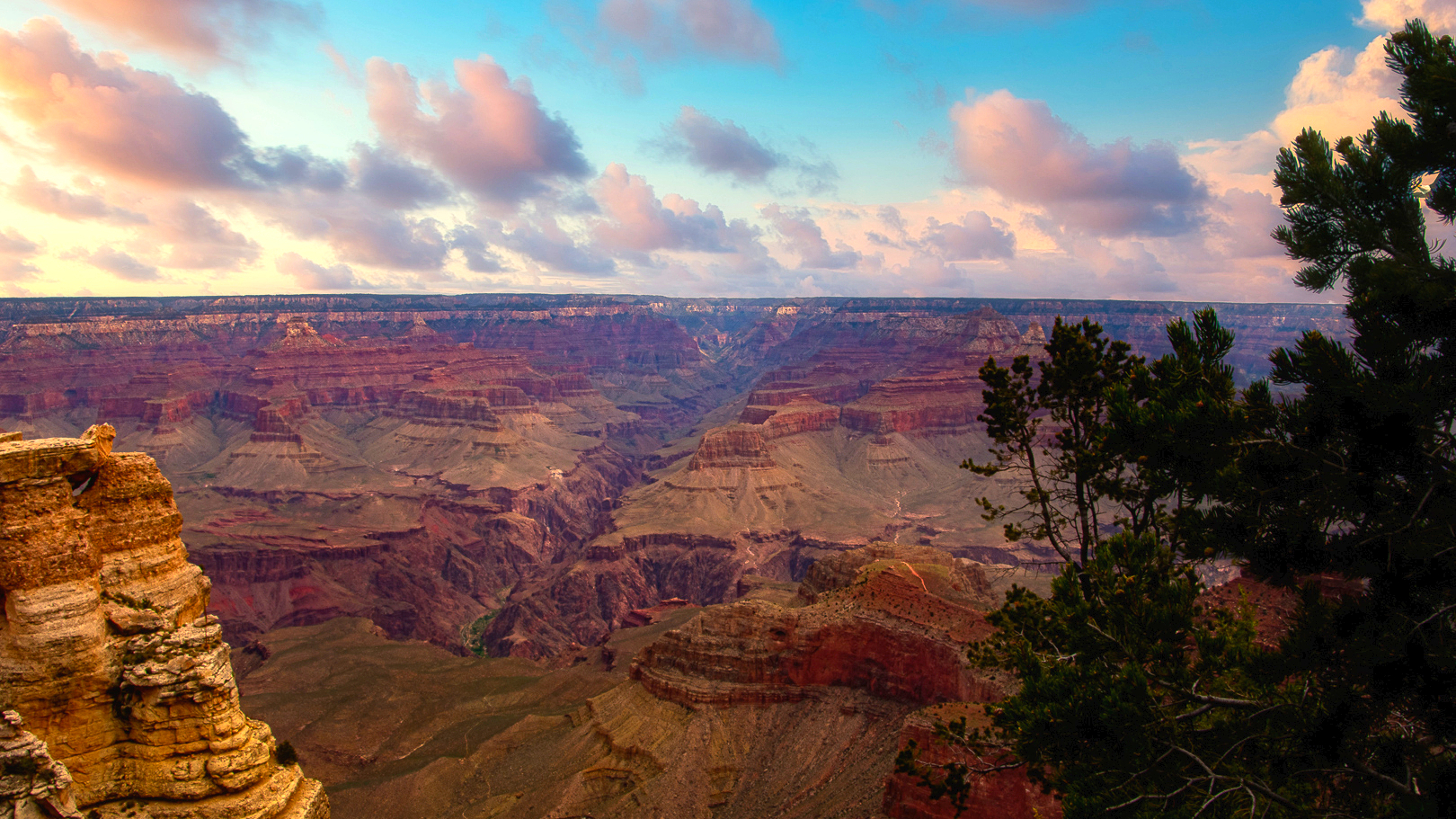

There’s a stretch of canyon country in northern Arizona that doesn’t make it onto most travel shortlists. No shuttle buses circle its trailheads on weekends. No influencer line forms at golden hour. Yet quietly, and with growing enthusiasm, Arizona residents have been making their way back to the Red Rock-Secret Mountain Wilderness near Sedona with a sense of rediscovery that feels personal rather than trendy.
The Red Rock-Secret Mountain Wilderness covers 47,195 acres within the Coconino National Forest in Arizona. That’s a lot of land. Enough, in fact, to absorb a crowd and still leave you feeling genuinely alone in the desert. Here’s why locals keep returning.
A Landscape Shaped by Millions of Years
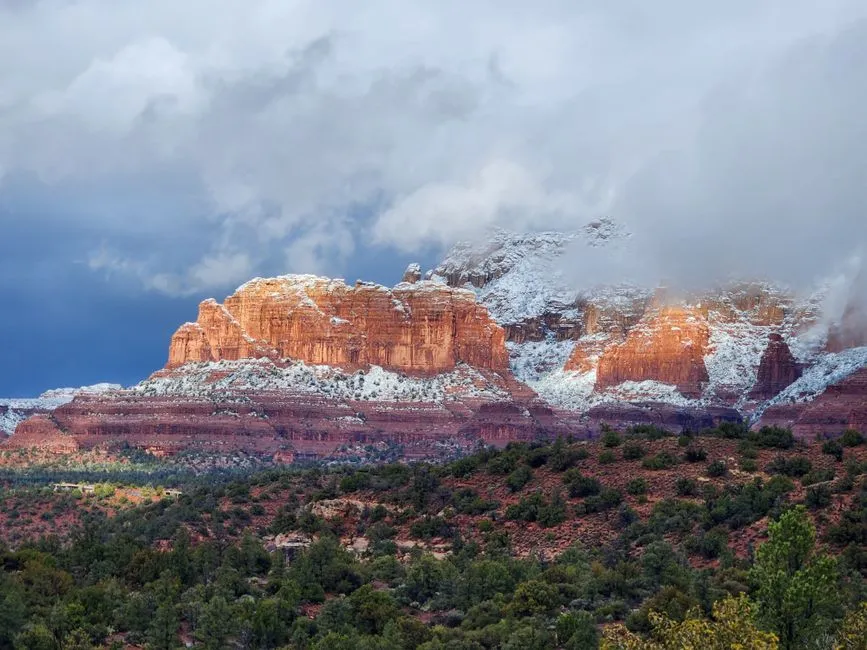
The wilderness is predominantly made up of wind and water-sculpted pinnacles, windows, arches, and slot canyons, along with the red-rock cliffs of the Mogollon Rim that mark the edge of the Colorado Plateau. These aren’t formations that appeared overnight. They represent some of the longest-running geological drama on the planet.
Wind-carved arches, pinnacles, and slot canyons create a landscape that seems almost alien in its beauty. The red-rock cliffs of the Mogollon Rim offer visitors a glimpse into the Earth’s tumultuous past. Standing at the base of those walls, it’s hard not to feel the weight of that time.
The Scale Is Hard to Wrap Your Head Around
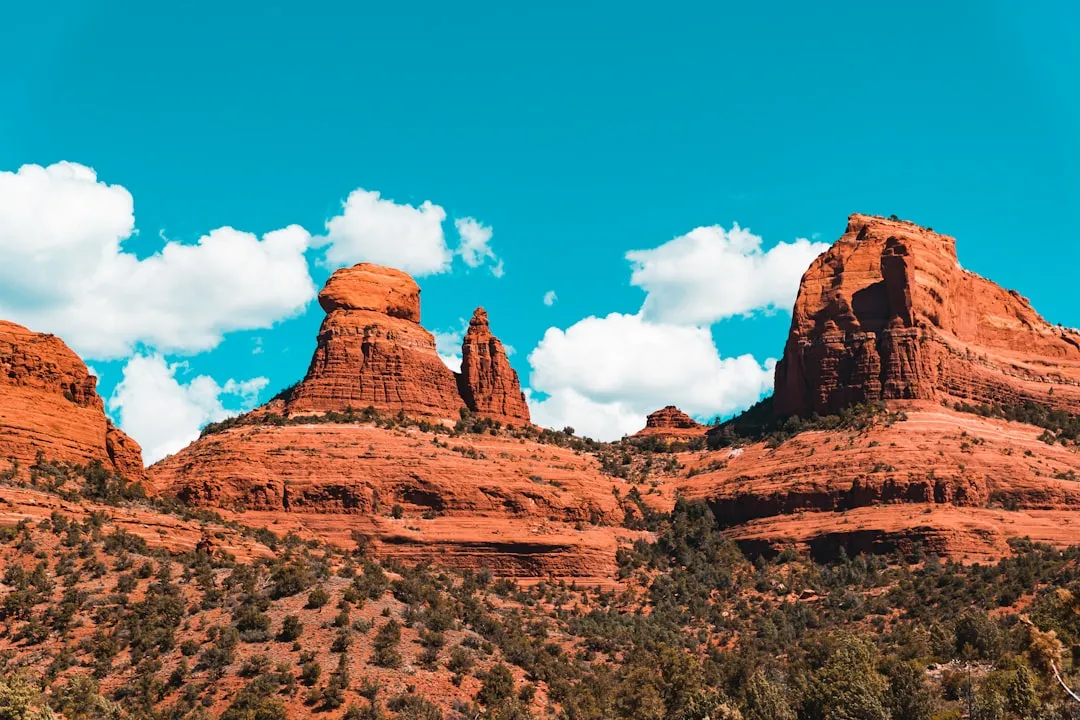
This wilderness spans just over 50,000 acres of some of the Southwest’s most extraordinary landscapes. For millions of years, water and wind have sculpted these incredible features of red rock, creating deep gorges and riverbeds adjacent to towering peaks and plateaus.
The great thing about this area is that it is extremely wide in scope. It is not like visiting a single attraction and soaking it up in one visit. It would take countless visits to exhaust the options that this area provides. Arizona residents know this, which is likely why they keep showing up.
The Secret Canyon Trail: A Walk Worth Every Step
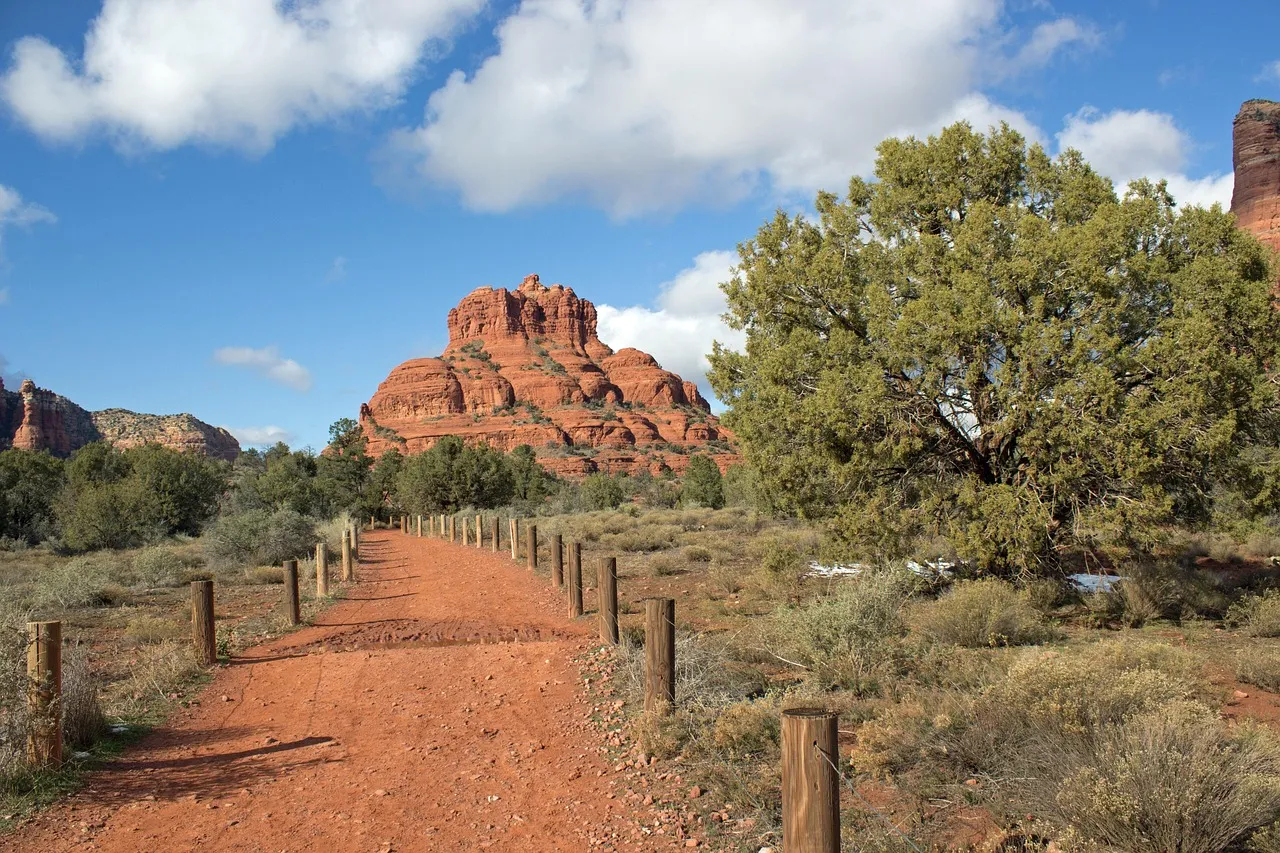
The Secret Canyon Trail meanders for 4.2 miles along Secret Canyon as it climbs Secret Mountain. It’s a route that rewards patience, revealing deeper canyon views the further in you go.
The Secret Canyon Trail is a challenging trail leading into the Red Rock-Secret Mountain Wilderness, accessible from the end of Forest Road 538 on the Rim. It provides a diverse experience, beginning in an urban setting and eventually leading into the wilderness, increasing the potential for solitude. That transition from pavement to pure backcountry is part of the appeal.
Ancient Voices in the Canyon Walls
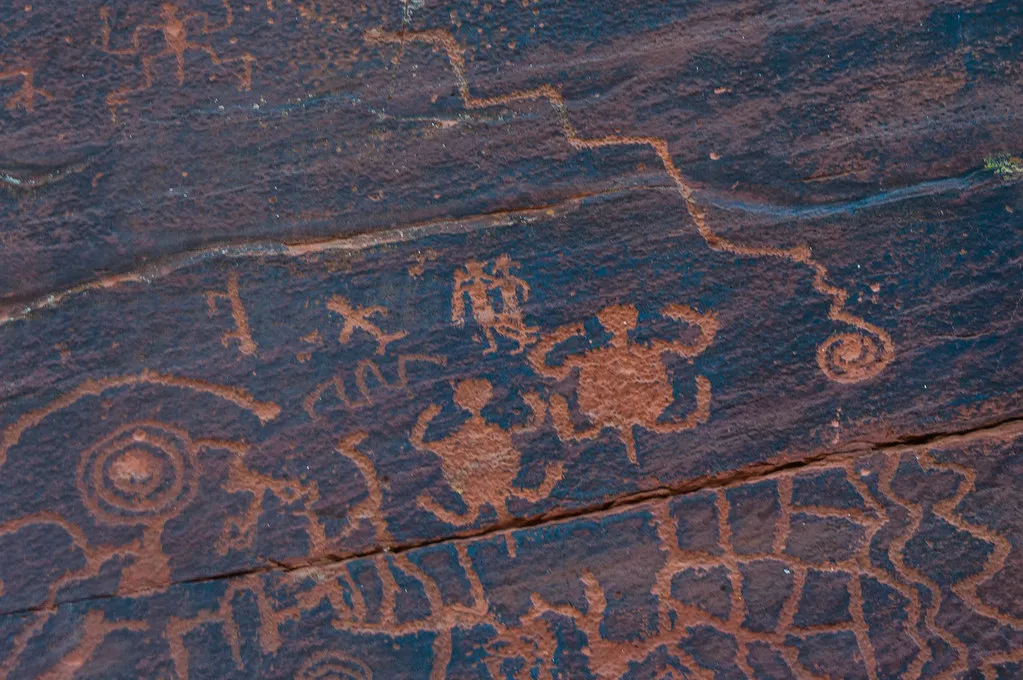
The Red Rock-Secret Mountain Wilderness was originally home to the Southern Sinagua people between 1150 and 1300 CE. Many of the canyon walls and cliff dwellings contain preserved petroglyphs and pictographs crafted by these ancestral people.
Arguably the most impressive sites within the wilderness are the Honanki and Palatki Heritage Sites, which contain remarkable prehistoric pictographs spanning the range of human occupation of the Verde Valley. These were the largest cliff dwellings of the Red Rock country. Visitors are asked to observe these sites with care and never touch or remove anything, honoring the cultures they represent.
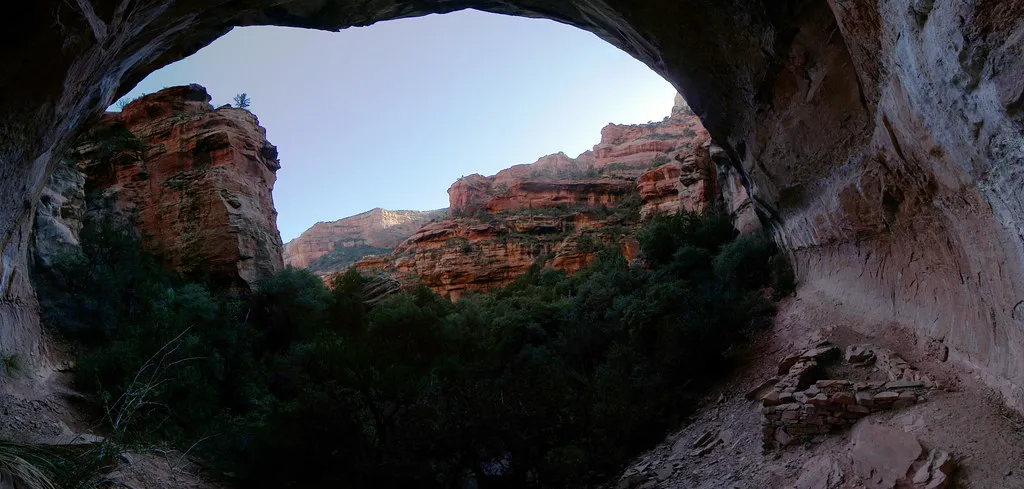
At Honanki, visitors can walk under a 900-foot-tall cliff overhang. With over 1,500 petroglyphs and pictographs, it is one of the most well-preserved cliff dwelling sites near Sedona.
Wildlife That Reminds You Who Was Here First
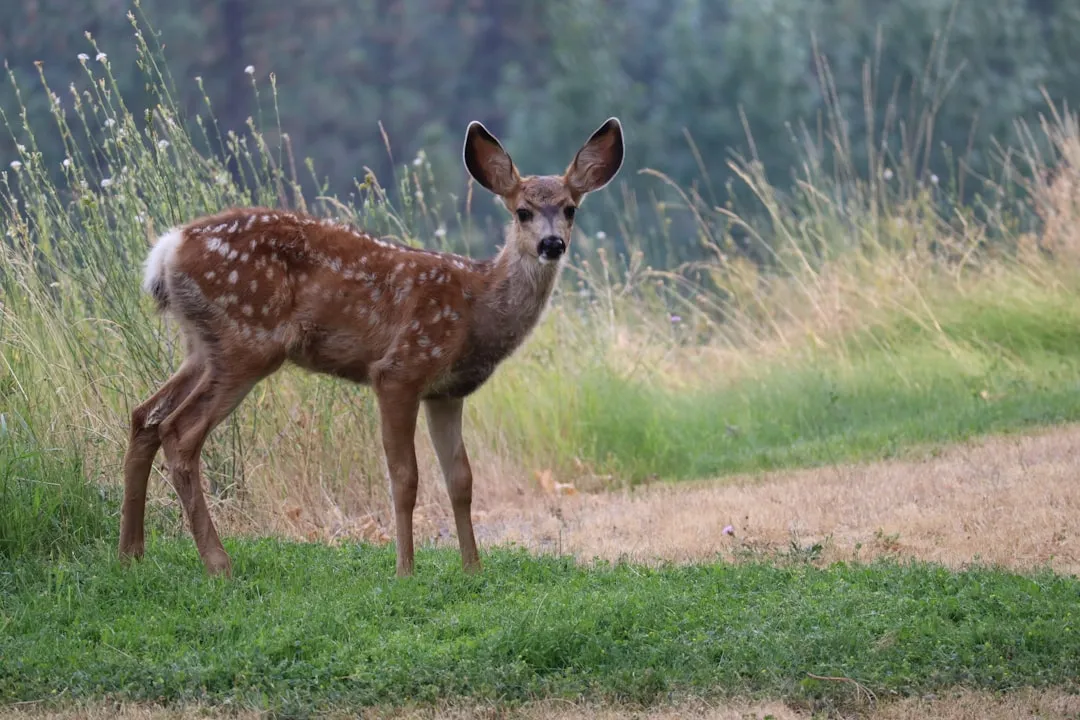
The high rims are relatively cool and moist compared with the lower desert portions of the wilderness, and a wide variety of vegetation supports plentiful wildlife, including elk, mule deer, white-tailed deer, javelina, coyote, rabbit, mountain lion, and black bear.
The Boynton Canyon trail offers wonderful views of the canyon floor and the unique desert plants that thrive here, such as Arizona cypress and manzanita. It’s a place where you might see mule deer or hear the calls of canyon wrens. These encounters happen quietly, without ceremony, which is exactly the point.
Boynton Canyon: Sacred Ground and Stunning Views
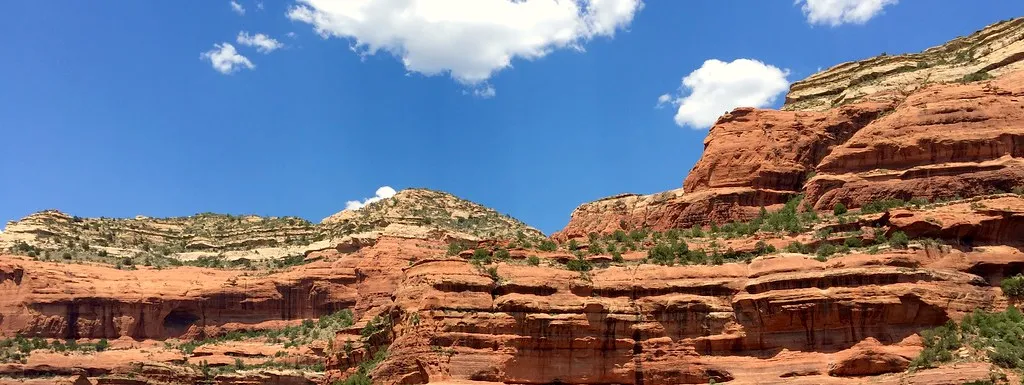
Boynton Canyon is considered a sacred place by some Indigenous groups, and many visitors are drawn to its tranquil and inspiring energy. This is a place that carries meaning beyond its geology, and thoughtful visitors honor that.
Visitors to Boynton Canyon can also delve into Sedona’s ancient history. Ancient ruins from the Sinagua people, a Native American community who inhabited the region from around 500 to 1425 AD, can be spotted along the canyon trail. The trail itself is relatively accessible, making it a favorite among local families and experienced hikers alike.
According to AllTrails, the most highly rated hike in the Red Rock-Secret Mountain Wilderness is the Boynton Canyon Trail, which holds a 4.8-star rating from over 15,000 community reviews. The trail runs 6.6 miles with an elevation gain of 931 feet.
The West Fork: A Completely Different World
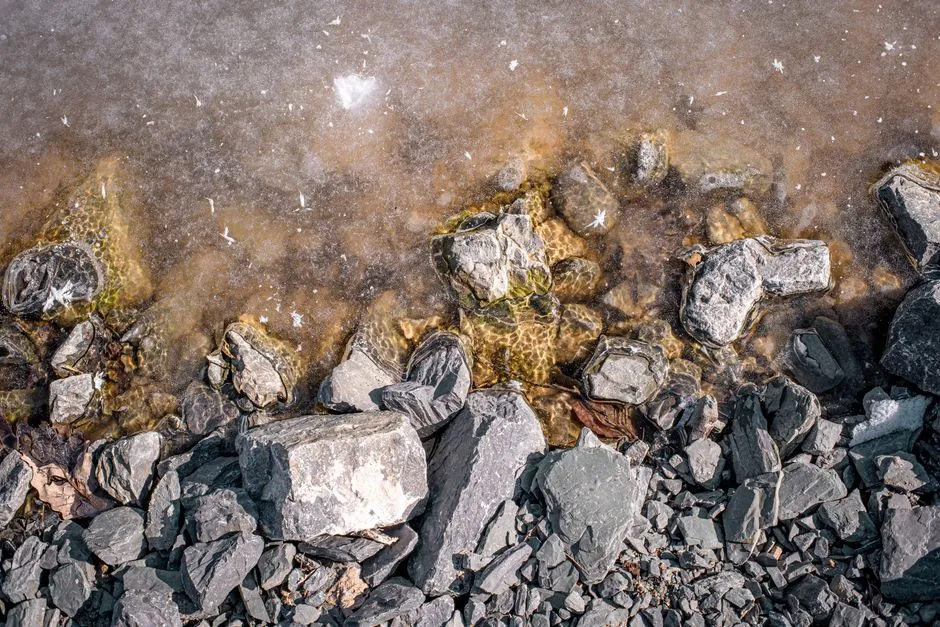
The West Fork of Oak Creek Canyon trail travels along a beautiful stream surrounded by lush vegetation. Dramatic, multi-hued canyon walls soar overhead. It’s the kind of place that genuinely surprises people who expect every Arizona trail to be arid and exposed.
This lush canyon trail contrasts sharply with Sedona’s desert environment. Hikers cross Oak Creek multiple times beneath towering red rock walls and leafy sycamores. West Fork is one of the best Sedona trails for families, shaded walks, and photography, especially in fall, when the canyon transforms into a mosaic of gold and amber leaves.
Fay Canyon: Short Trail, Outsized Reward
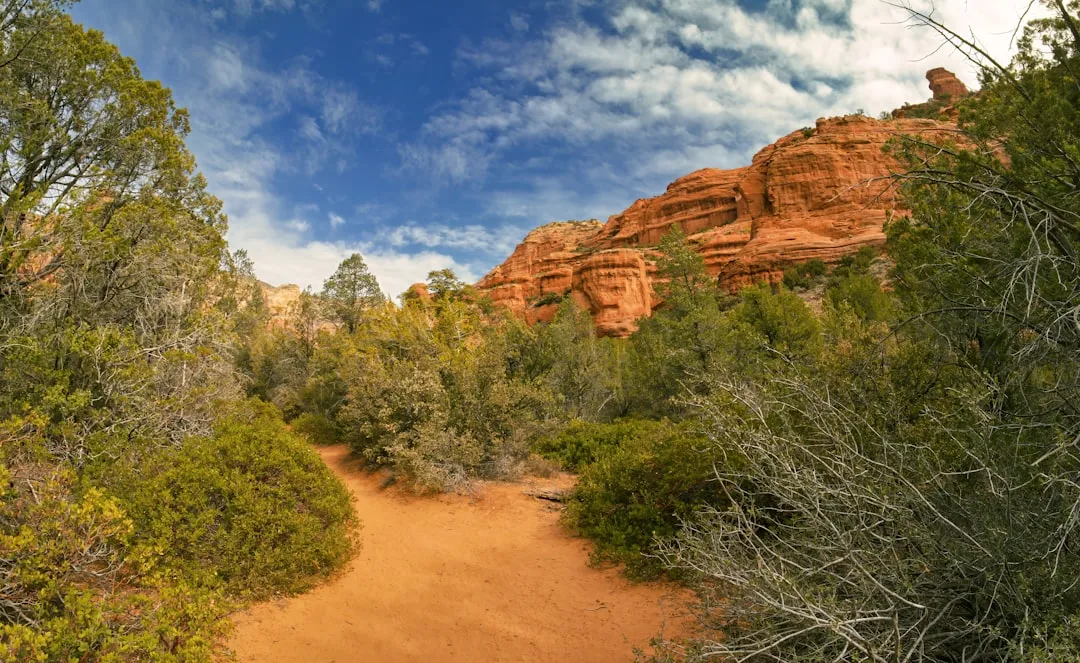
Fay Canyon is a favorite hike for many who prefer a shorter hike with minimal elevation gain or who enjoy the grandeur of red sandstone walls towering overhead. It’s the kind of trail that punches above its weight.
The Fay Canyon trail is a great option for those who prefer a shorter hike with minimal elevation gain. This route takes visitors past breathtaking red sandstone walls and ends at a natural stone arch. This small yet secret canyon is home to a variety of desert plants and provides excellent views of the surrounding cliffs.
Solitude Is Still Very Much on the Menu
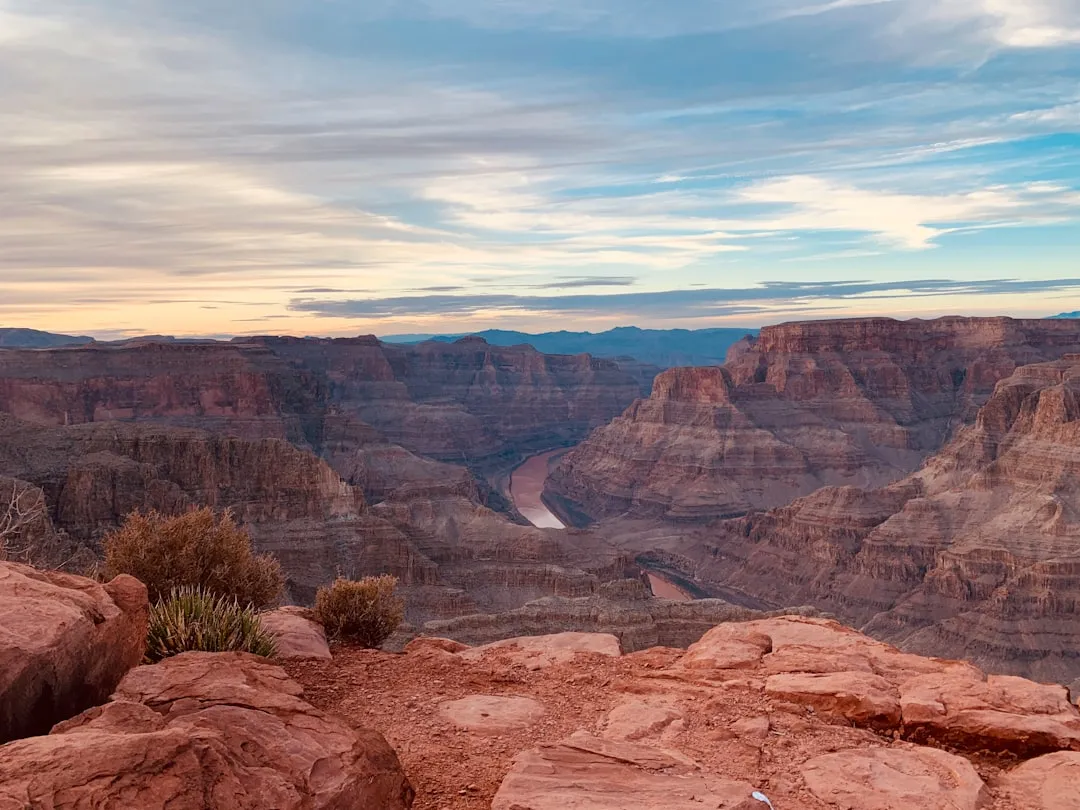
Although this is one of Arizona’s most accessible wilderness areas, you can still find solitude here, largely due to the deep canyons, the many hidden grottoes, and the dense riparian vegetation. That combination of accessibility and quietude is rare, and locals have figured it out.
Long Canyon offers a gentle ascent through a forested canyon with intermittent views of red rock formations, sandstone cliffs, and rugged summits. Solitude, silence, an interesting habitat, and opportunities for exploration add to the allure. The crowds concentrate elsewhere, leaving this kind of trail peacefully underused.
How to Visit Responsibly
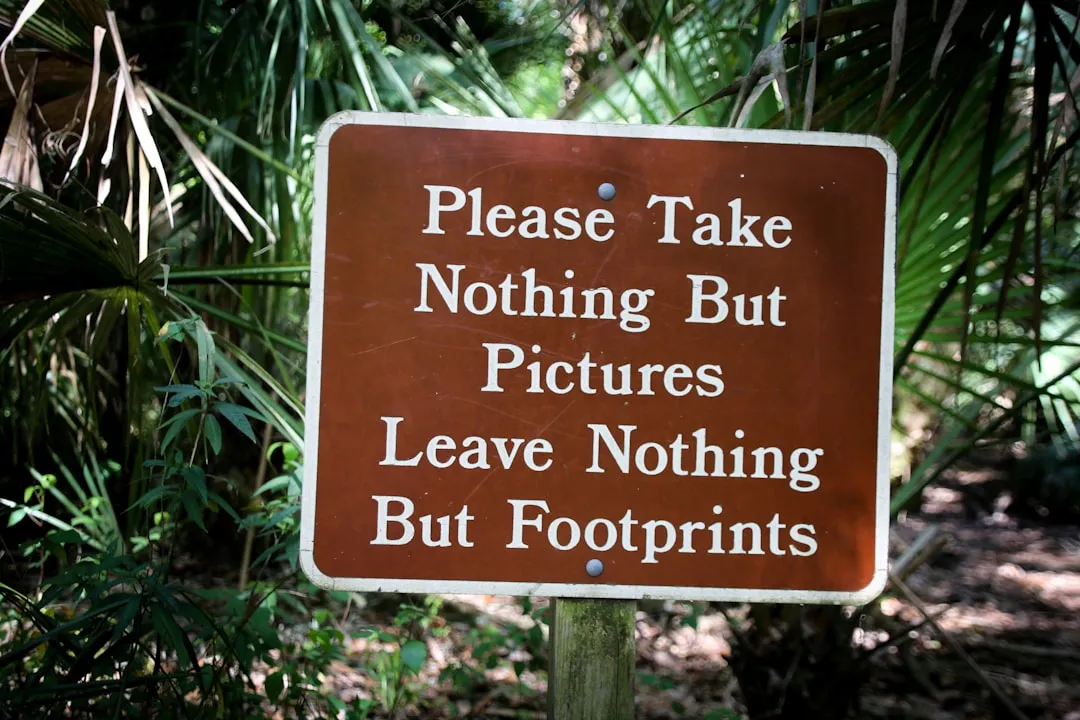
While the allure of the wilderness is undeniable, it’s important to prioritize safety. Summer temperatures can soar, so hikers should carry plenty of water and avoid strenuous activities during the hottest parts of the day. It’s also essential to practice proper cultural resource etiquette, respecting ancient ruins and refraining from removing artifacts.
Preserving Sedona’s fragile desert ecosystem ensures it can be enjoyed for generations. Following Leave No Trace principles means staying on marked trails, since shortcutting causes erosion, and packing out all trash, including organic waste like fruit peels.
Sedona has an arid climate and temperatures can get high, so taking plenty of water and sunscreen on hikes is essential. Starting early in the morning also means better light for photography and far fewer fellow hikers on the trail.
Why 3 Million Annual Visitors Haven’t Spoiled It Yet
According to the Sedona Chamber of Commerce, more than 3 million visitors come to Sedona each year, and hiking ranks among their top three activities. Most of those visitors concentrate on a handful of well-known spots. The broader wilderness absorbs the rest.
With more than 200 trails covering over 400 miles, there’s truly a path for every skill level, from casual strollers to seasoned trekkers. That trail network is wide enough that even a busy weekend in Sedona doesn’t necessarily translate to a crowded canyon a few miles deeper into the wilderness.
The Takeaway
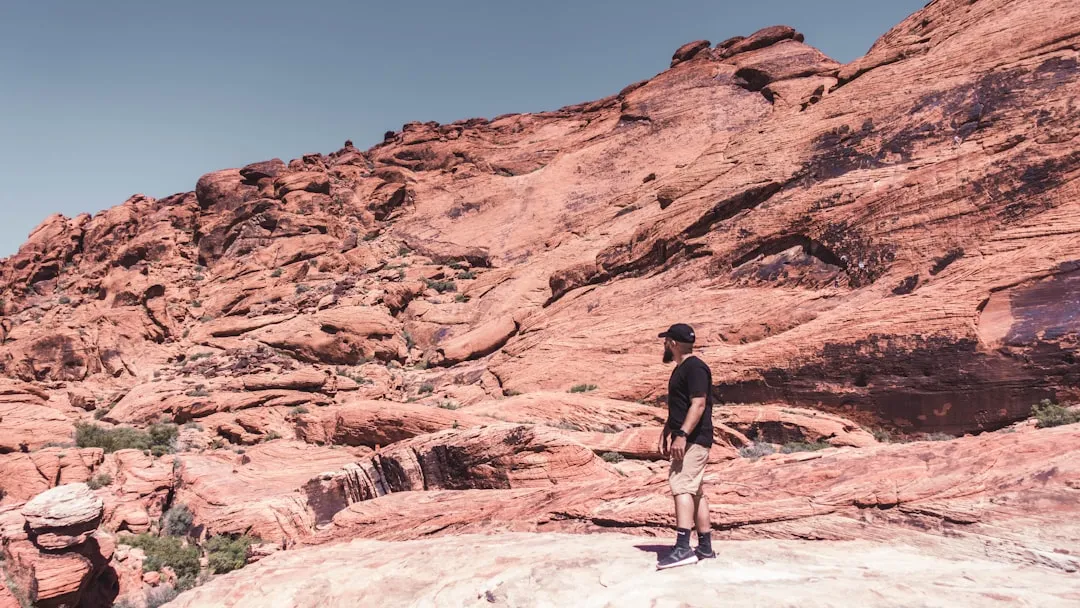
There’s something quietly significant about a landscape this large remaining genuinely explorable in 2026. The Red Rock-Secret Mountain Wilderness is one of Arizona’s most accessible wilderness areas where you’ll find tranquil solitude among deep canyons and red-rock cliffs where wildlife abounds. That combination is not something to take for granted.
Arizona locals haven’t been keeping this place a secret out of selfishness. They’ve been returning to it out of genuine affection, the kind that builds slowly over many visits. By treading lightly, we ensure that future generations can enjoy this pristine wilderness as we do today. That, in the end, is the only real condition worth honoring here.
AI Disclaimer: This article was created with the assistance of AI tools and reviewed by a human editor.