
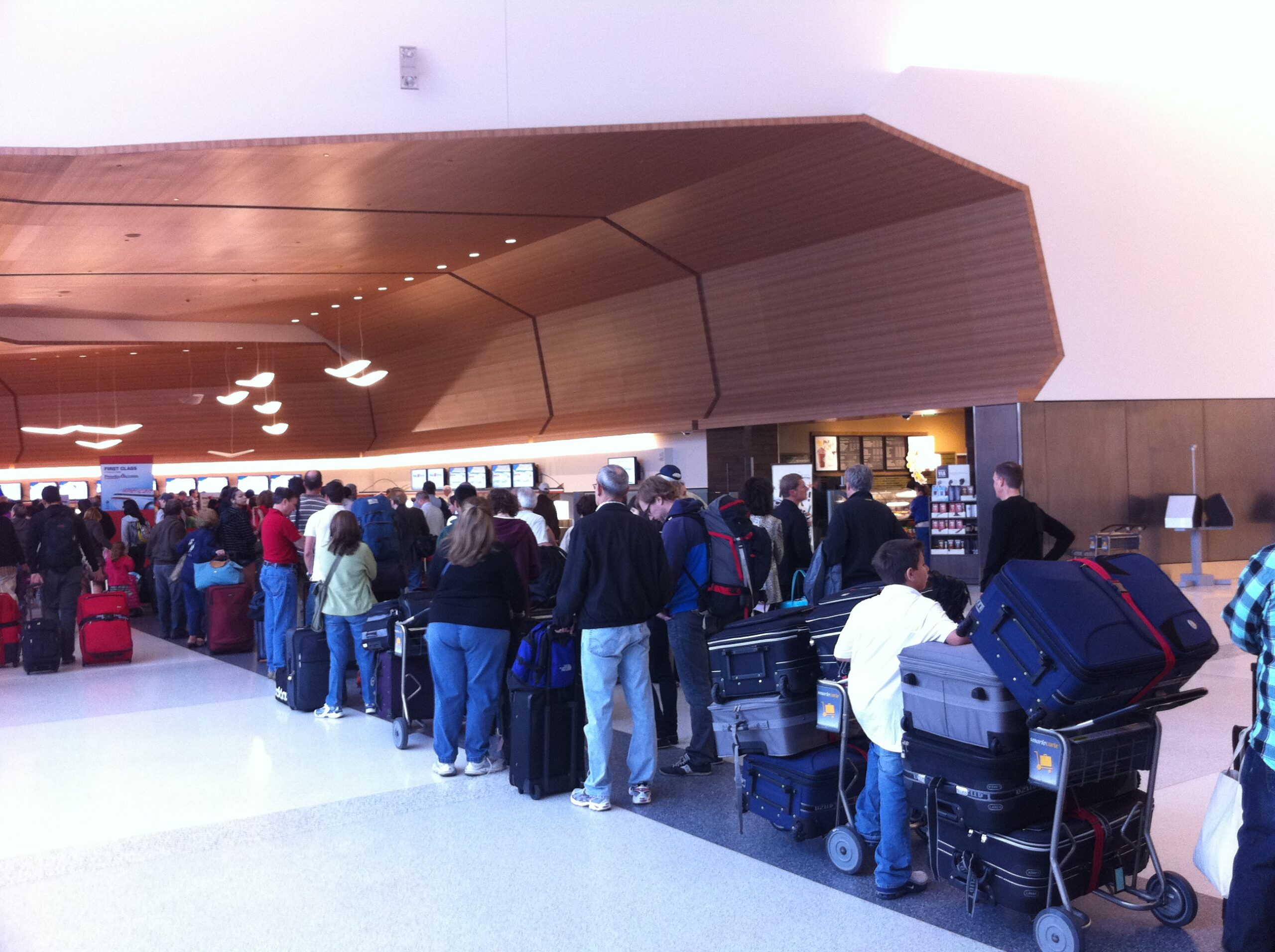

Most people walk into an airport checkpoint thinking the line will move smoothly, right until it doesn’t. Something stalls. A bag gets pulled. An alarm goes off. What most travelers don’t realize is that a measurable chunk of that delay traces directly back to things they did, or forgot to do, long before they ever reached the belt.
In 2024 alone, TSA screened roughly 904 million passengers and over 2 billion carry-on items. Industry data updated in early 2026 shows that average daily passenger throughput at TSA checkpoints rose modestly from 2024 to 2025, reflecting continued demand for air travel. With numbers like that, the ripple effect of a single traveler’s mistake runs down the entire line behind them.
Forgetting to Follow the 3-1-1 Liquids Rule

This one has been in effect since 2006, yet it remains one of the most common sources of checkpoint delays. All liquids, aerosols, and gels packed in carry-on bags must be 3.4 ounces or less, and certain foods like sauces, jams, and preserves are treated as liquids too. If they exceed that limit, they need to go in a checked bag.
TSA allows each passenger to carry liquids, gels, and aerosols in travel-size containers that are 3.4 ounces, and all travel-size containers must fit inside one quart-size bag. Common travel items that must comply include toothpaste, liquid makeup, shampoo, conditioner, mouthwash, and lotion.
Since 2024, TSA has increased its focus on powders such as protein mixes, spices, and cosmetics, especially in quantities over 12 ounces, and this is being enforced more strictly, especially on international flights. Officers may swab or test large powder containers, so packing them in checked bags whenever possible is the smarter call.
Not Having Your ID Ready at the Document Check
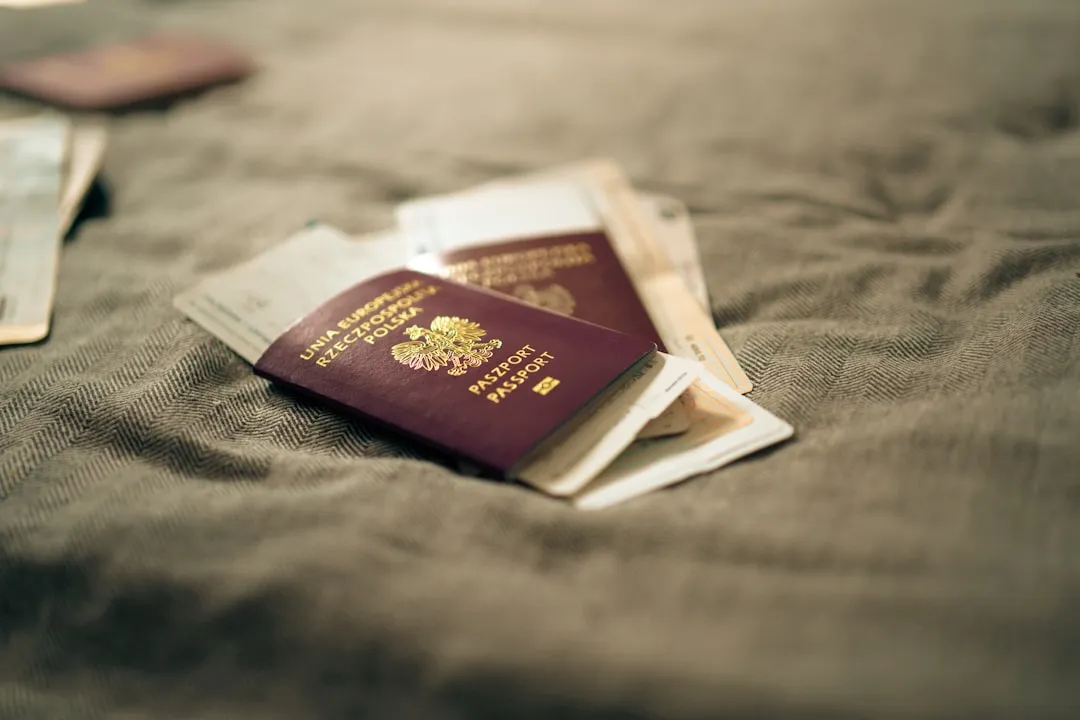
Standing at the document podium while rummaging through a bag is one of the easiest ways to slow an entire lane. The bottom line is painfully simple: have your documents ready before you reach the podium, not when you get there. Treat the checkpoint like a checkpoint, not like a surprise quiz.
As of May 7, 2025, state-issued driver’s licenses and IDs that are not REAL ID compliant are no longer accepted as valid forms of identification at airports. Passengers should either travel with an acceptable alternative form of ID, like a passport, or enroll for a state-issued REAL ID through their state DMV offices.
TSA announced that it will refer all passengers who do not present an acceptable form of ID the option to pay a $45 fee to use TSA ConfirmID, a modernized alternative identity verification system, beginning February 1, 2026. Travelers can pay $45 to use TSA ConfirmID for a 10-day travel period. The process can take between 10 to 15 minutes, but up to 30 minutes or longer. That is a significant, avoidable wait.
Leaving Electronics Buried Inside Your Bag

TSA requires travelers to remove electronics larger than a cell phone and liquids in containers over 3.4 ounces from carry-on bags during screening. It is a rule that has been in place for years. Still, a surprising number of people forget it or assume it does not apply to them.
You will be asked to remove personal electronic devices larger than a cell phone from your carry-on bag and place them into a bin with nothing placed on or under them for X-ray screening. This is not optional, and it causes one of the most common and most avoidable delays at standard security lanes.
New CT scanners are rolling out at more TSA checkpoints, and at major airports, you may no longer need to remove laptops or tablets from your bag. The caveat is that these scanners are not everywhere yet, and TSA officers may still ask you to unpack. To be safe, pack electronics near the top of your bag so they are easy to access if needed, and until that technology is fully universal, assume you need to pull that laptop out.
Overstuffing and Disorganizing Your Carry-On

A cluttered bag is a slow bag. TSA recommends keeping your bag organized to help ease the screening process, as it takes time for TSA officers to make sure a jam-packed, cluttered, overstuffed bag is safe. When the X-ray image looks chaotic, officers have to intervene.
In addition to screening personal electronic devices separately, TSA officers may instruct travelers to separate other items from carry-on bags such as foods, powders, and any materials that can clutter bags and obstruct clear images on the X-ray machine. Every extra item they pull out adds time to your screening and to everyone behind you.
A well-packed bag moves through in seconds. A jammed one can hold up a lane for several minutes while officers sort through the image, ask questions, or conduct a secondary search. The fix is simple: organize before you leave home.
Wearing Metal-Heavy Clothing and Accessories
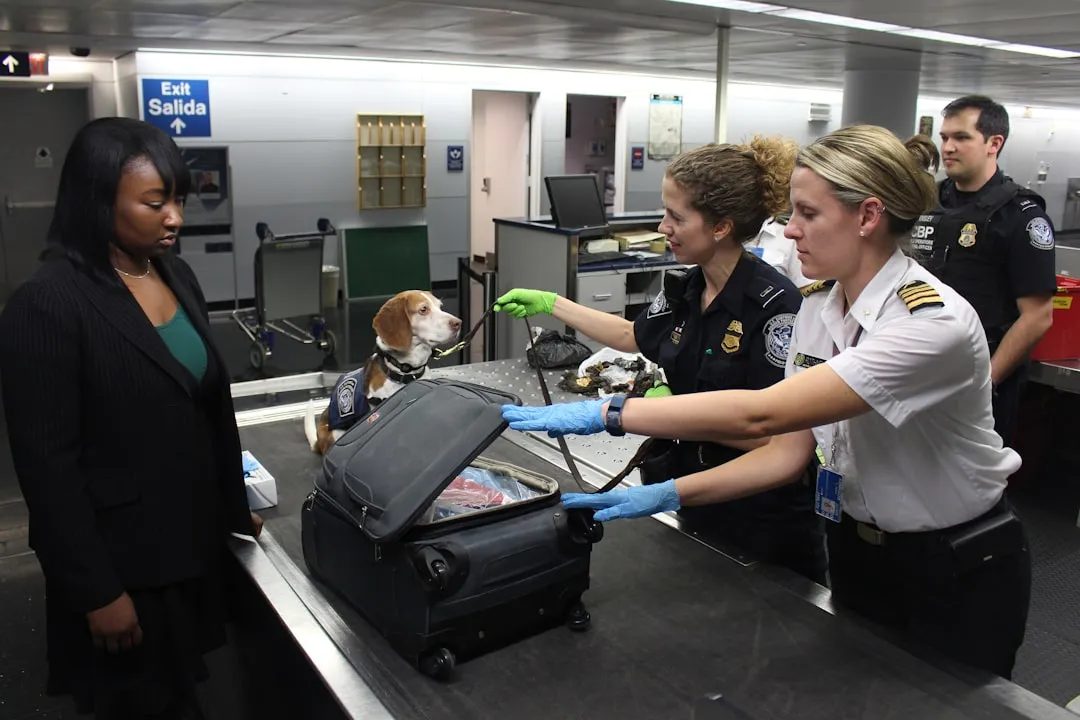
What you wear to the airport genuinely changes how long you spend at the checkpoint. What you wear matters more than most people realize, and according to travel experts, anything too loose, too tight, or with too much metal can set off the TSA scanners and lead to pat-downs and extra security checks.
According to results from a USA Today Blueprint poll, nearly 60% of all travelers have made a mistake at a TSA checkpoint in the last five years. Forgetting to remove a belt and shoes is the most common mistake, with more than a quarter of poll respondents admitting they have done it. It can cost precious time, and when you forget, TSA agents will send you back to the conveyor belt to grab another plastic bin and make you go through the whole process again.
Worth noting: one of the biggest TSA changes in 2025 was ending the shoe removal rule. In July 2025, TSA announced passengers can now keep their shoes on during screening, which saves time and makes the process easier for everyone. However, officers retain the flexibility to ask for shoe removal if security warrants it, so being aware remains worthwhile.
Choosing the Wrong Lane at the Wrong Time
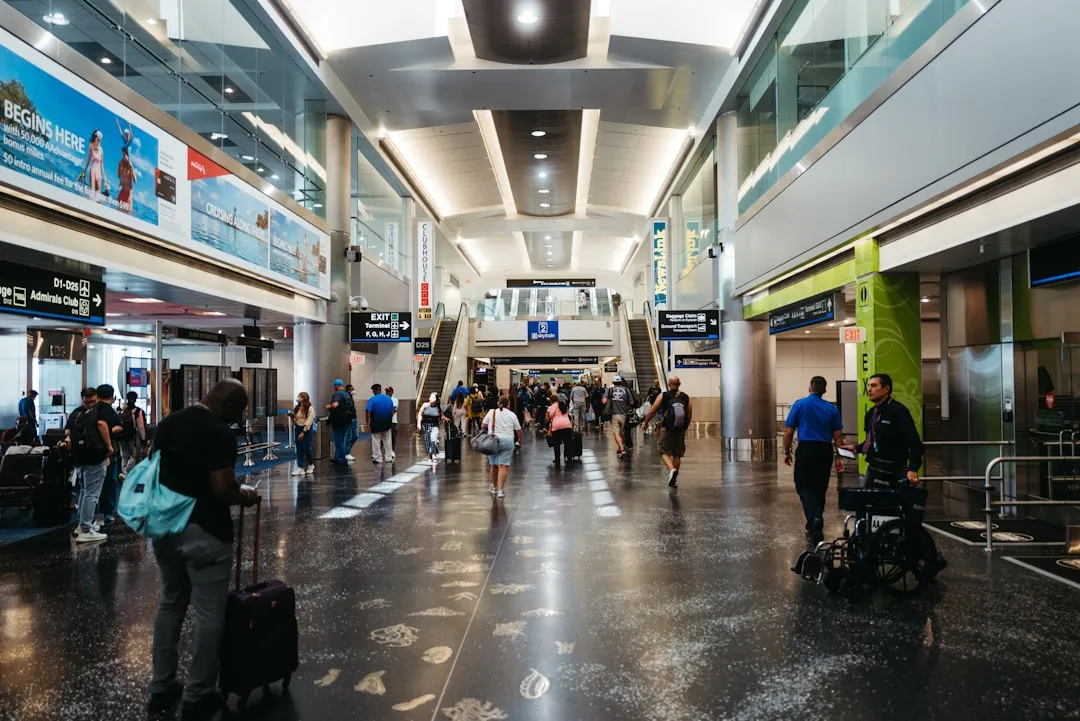
Reports indicate that airport security waits in early 2026 are a patchwork. Many travelers are clearing TSA in 15 to 30 minutes at off-peak times, while others still face much longer queues at large hubs or during holidays and Monday morning business waves.
During peak periods, even well-staffed checkpoints can experience rolling backups when banks of flights converge or when severe weather disrupts schedules and pushes more passengers into the same time window. Picking the wrong checkpoint at the wrong time, especially at airports with multiple terminal options, can add significant minutes to your wait.
Dallas Fort Worth International Airport operates multiple security checkpoints across its five terminals, and the airport publishes live TSA wait times directly on its official website. Travelers can view estimated wait times by checkpoint and terminal before choosing where to enter security, which can be particularly useful at DFW due to its size and layout. Checking ahead is a simple habit worth building.
Not Using the MyTSA App Before You Leave Home
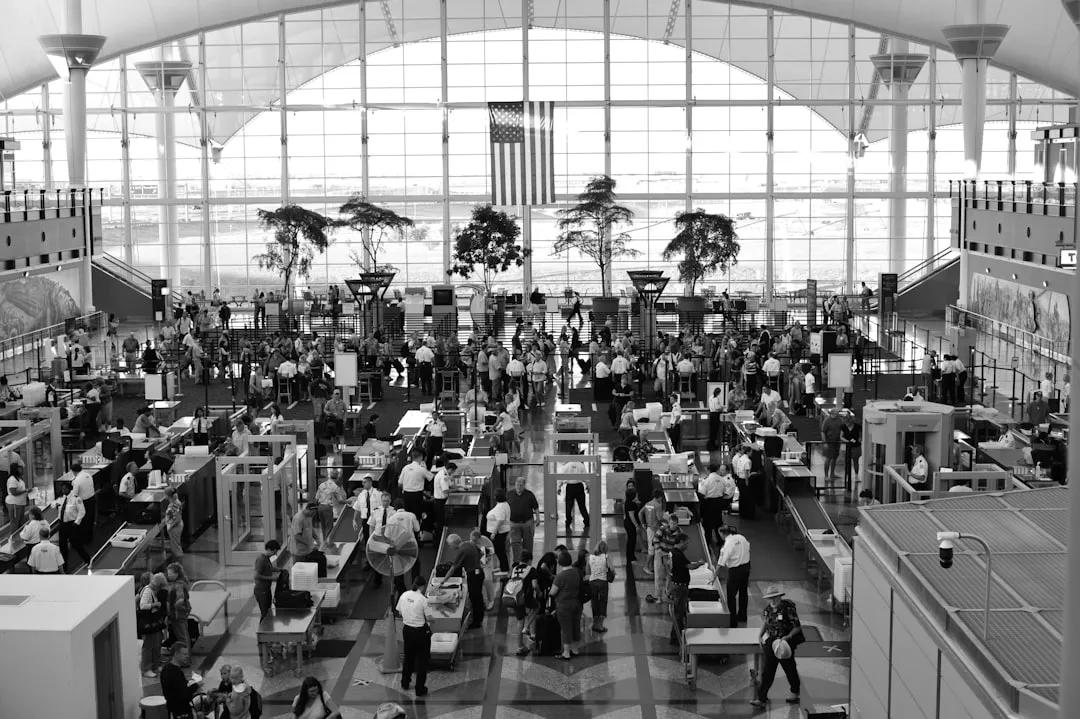
The Transportation Security Administration does not publish a single nationwide wait-time dashboard, but with the MyTSA mobile app, travelers can search an airport and get real-time information. Most travelers skip this entirely and walk in blind.
Downloading the MyTSA application lets you check and post airport delays reported by fellow travelers in real time, confirm what items can be brought through security, and review other tips for travelers from TSA. That real-time crowd-sourced data can point you toward a faster checkpoint or let you know when conditions have spiked unexpectedly.
Wait times may also change quickly because of traveler volume, staffing, weather, and operational delays. Checking conditions 30 to 60 minutes before you head to the security area, especially at large hub airports, is one of the cheapest time-saving moves available to any traveler.
Skipping TSA PreCheck When You Fly Regularly
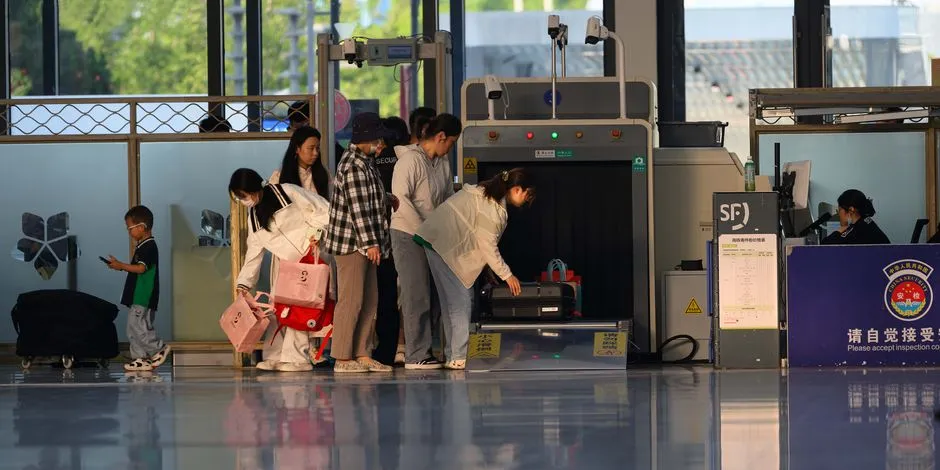
This is the single biggest structural mistake frequent flyers make. During normal security operations, TSA estimates that roughly 99% of passengers with PreCheck wait less than 10 minutes. The contrast with standard lanes, which can run 20 to 30 minutes or more during busy periods, is significant.
TSA PreCheck is a genuine time-saver for domestic travel: you get to keep on your shoes, light jackets, and belts when going through TSA checkpoints, and you can leave your larger electronic devices inside your carry-on luggage. If you travel internationally on a regular basis, Global Entry includes TSA PreCheck.
TSA PreCheck is available at over 200 U.S. airports. To enroll, you must apply online and then visit an enrollment center for fingerprints and a photo. Depending on the provider, you will need to pay a $78 to $85 fee. The wait to be approved usually takes about 3 to 5 days, and your membership lasts five years.
Ignoring Peak Hour Patterns at Hub Airports
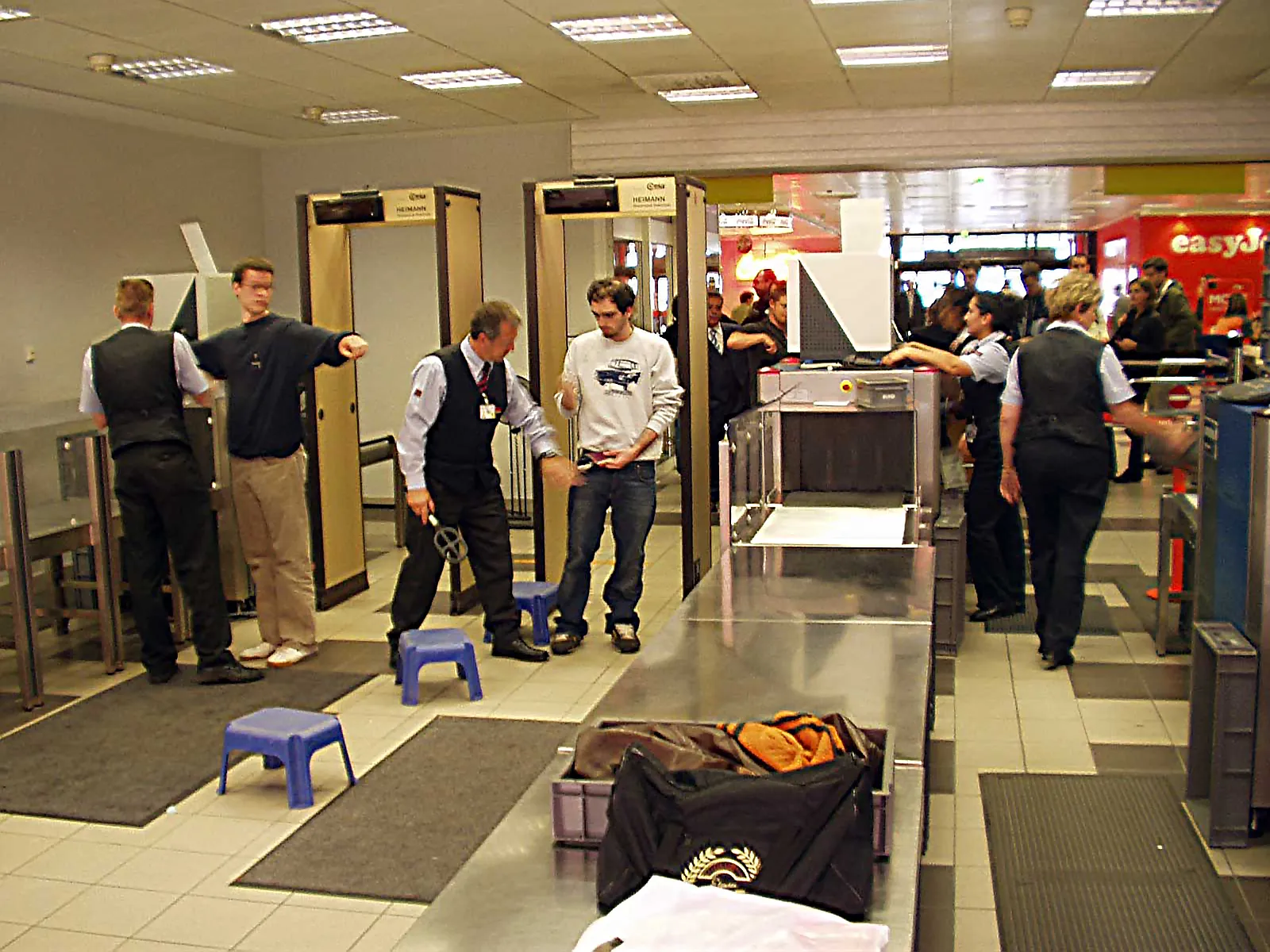
TSA reported record screening totals over the 2025 Labor Day weekend and projected the busiest summer on record for U.S. airports, while travel groups highlighted strong demand over the winter holidays. Treating peak travel periods like regular travel days is a recipe for a frustrating checkpoint experience.
Chicago O’Hare International Airport serves as a major hub for both domestic and international flights, with TSA checkpoints spread across multiple terminals. Wait times can rise significantly during peak morning and evening travel windows, and because O’Hare handles a high volume of connecting passengers, security congestion can build quickly.
At Pittsburgh International Airport during June 2024, TSA recorded 15 days when checkpoint volume exceeded 18,000 individuals screened, an increase of up to 5,000 to 6,000 more people on peak days compared to one year earlier. Three days that month saw volume exceed 20,000 people, with the biggest increase in the early morning hours from 4 to 7 a.m. The lesson: know your airport’s surge windows before you travel.
Scrambling at the Belt Instead of Preparing in Line
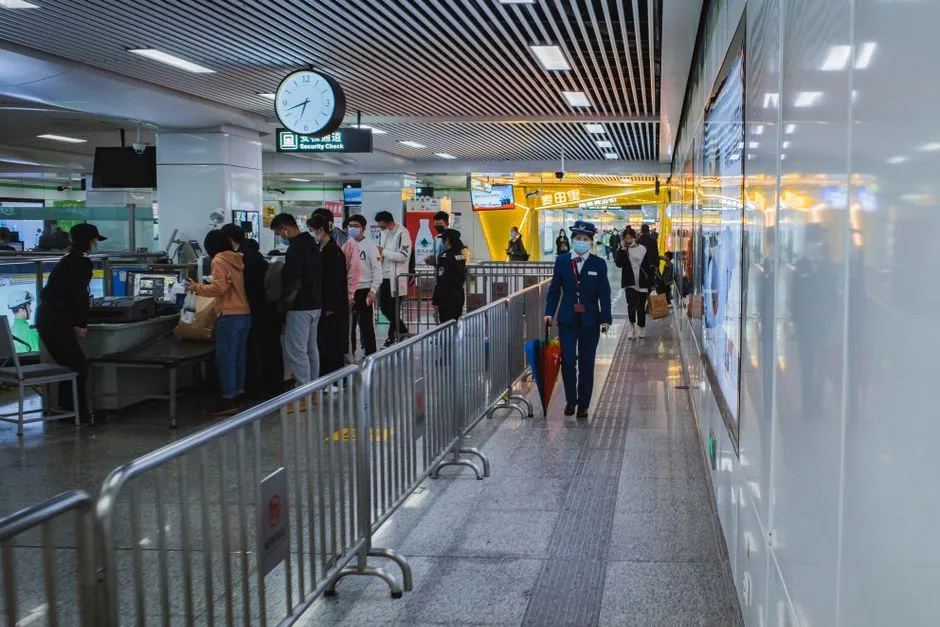
TSA recommends emptying your pockets prior to arriving in the checkpoint, and placing wallets, phones, keys, and coins inside your carry-on bag instead of placing them in a bin. This ensures personal items are not left behind and they will not alarm the security screening equipment. Doing this while waiting in line, rather than at the belt, keeps things moving.
Preparing for security when packing and ensuring that there are no prohibited items in carry-on luggage is critical. Bringing prohibited items to the security checkpoint will result in a bag check, slowing the screening process for you and all travelers behind you. That bag check is one of the most common causes of full lane stoppages.
There is a compounding effect to checkpoint unpreparedness that most people underestimate. One traveler fumbling with pockets, liquids, and an unlabeled power bank can set off a chain that slows the lane for several minutes. Multiplied across a busy morning, those minutes accumulate fast.
The Takeaway
Given the uneven picture across U.S. airports, travel experts and recent public guidance consistently recommend building a larger time buffer into airport plans. That advice has never been more relevant than it is right now, with record passenger volumes and shifting security requirements both in play.
The encouraging truth is that nearly every delay described in this article is within a traveler’s control. Checking your ID, organizing your bag, downloading the MyTSA app, and knowing your airport’s peak hours costs nothing except a little preparation.
The 20 minutes you lose at the checkpoint is rarely the airport’s fault. More often than not, it’s a small decision made days or hours earlier. Make the better one, and the line gets shorter for everyone.
AI Disclaimer: This article was created with the assistance of AI tools and reviewed by a human editor.