
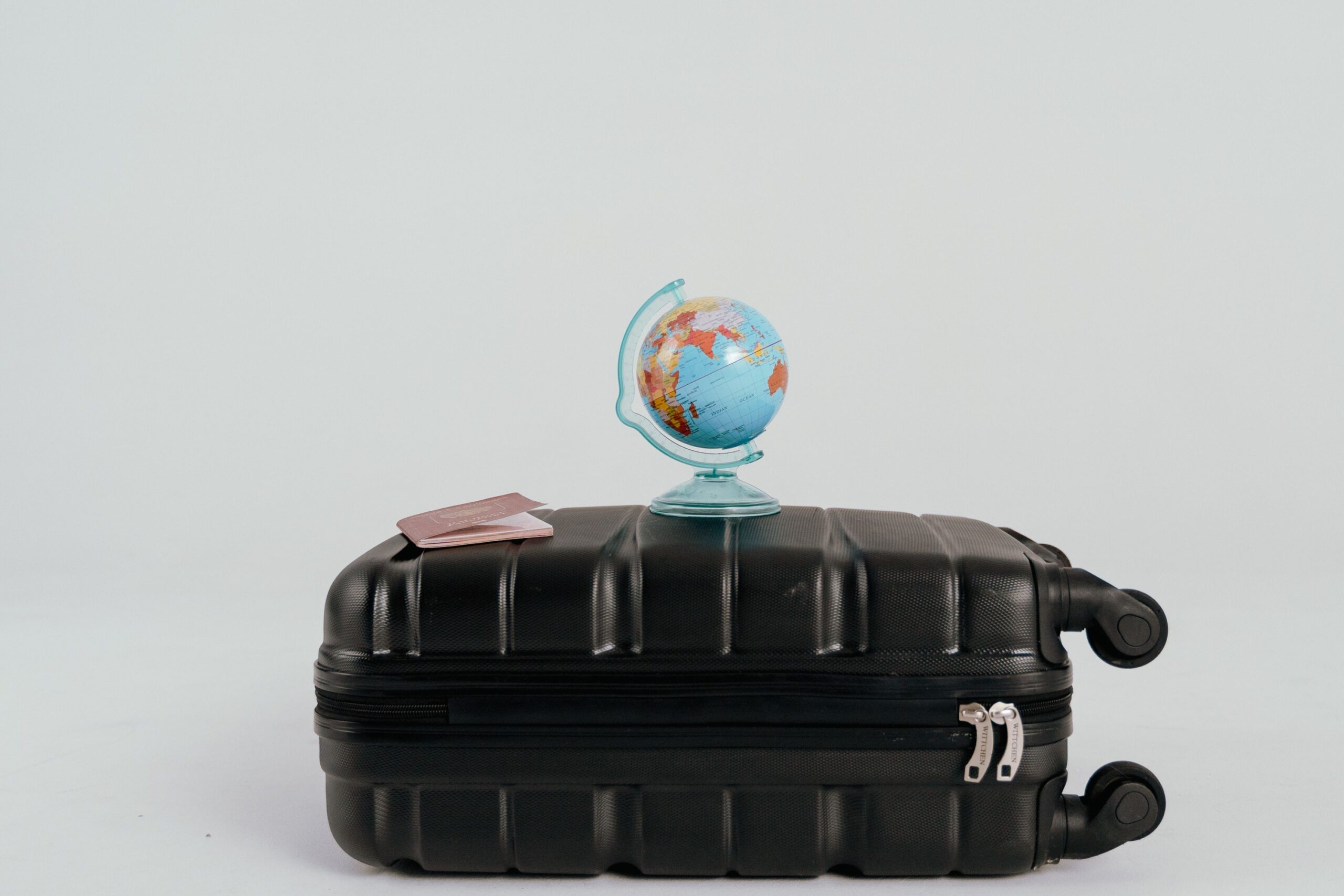

There’s a question that almost every frequent flyer eventually asks: does the color of my suitcase actually matter? Most people pick black because it’s practical, professional, and easy to find at any luggage store. What they don’t always realize is that this choice creates a ripple effect that touches everything from TSA screening queues to baggage claim mix-ups and even theft.
The answer, backed by a growing body of travel industry data, is that color matters more than most travelers give it credit for. It shapes how quickly your bag is identified, how likely it is to be confused with another, and how clearly it stands out on an X-ray belt. Here’s what the evidence actually shows.
Black Is the Dominant Color – By a Very Wide Margin
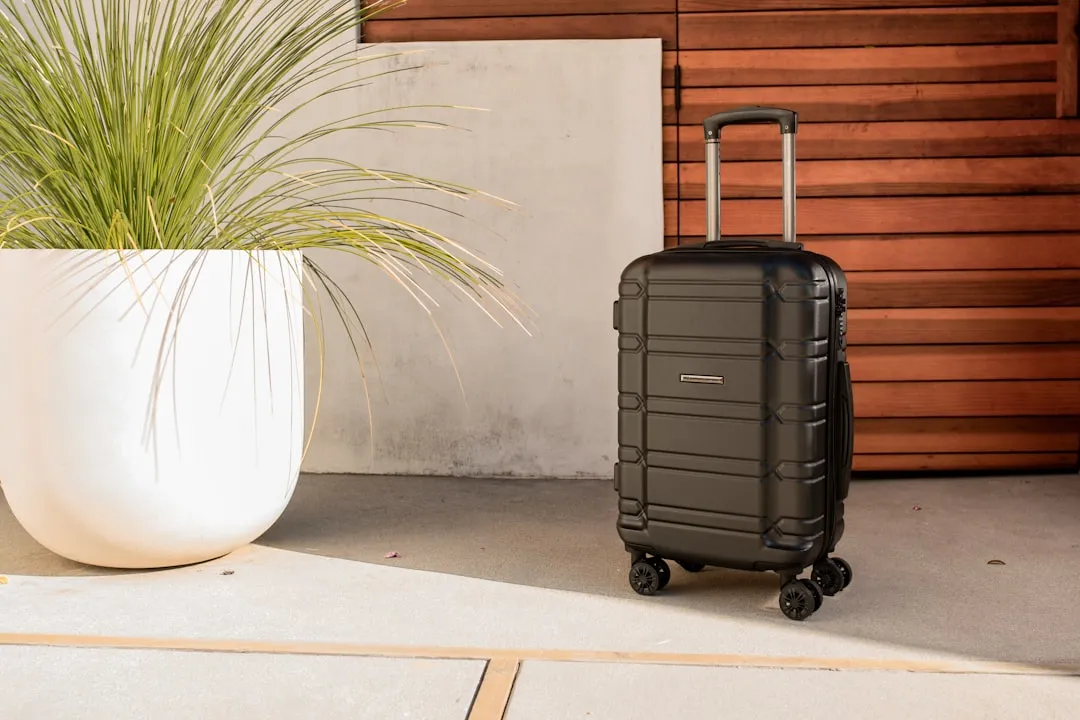
Black remains the dominant suitcase color, chosen by around 40 to 45 percent of travelers worldwide. That’s nearly half the bags rolling through any given airport on any given day. Its popularity is largely due to its professional appearance and universal appeal, with business travelers in particular preferring it for its sleek and formal style.
Blue is the second most popular suitcase color, accounting for roughly 30 percent of purchases. Gray luggage accounts for about 20 percent of the global suitcase market. Taken together, these three dark shades cover the vast majority of all bags in circulation.
Why the Black Bag Problem Matters at Security
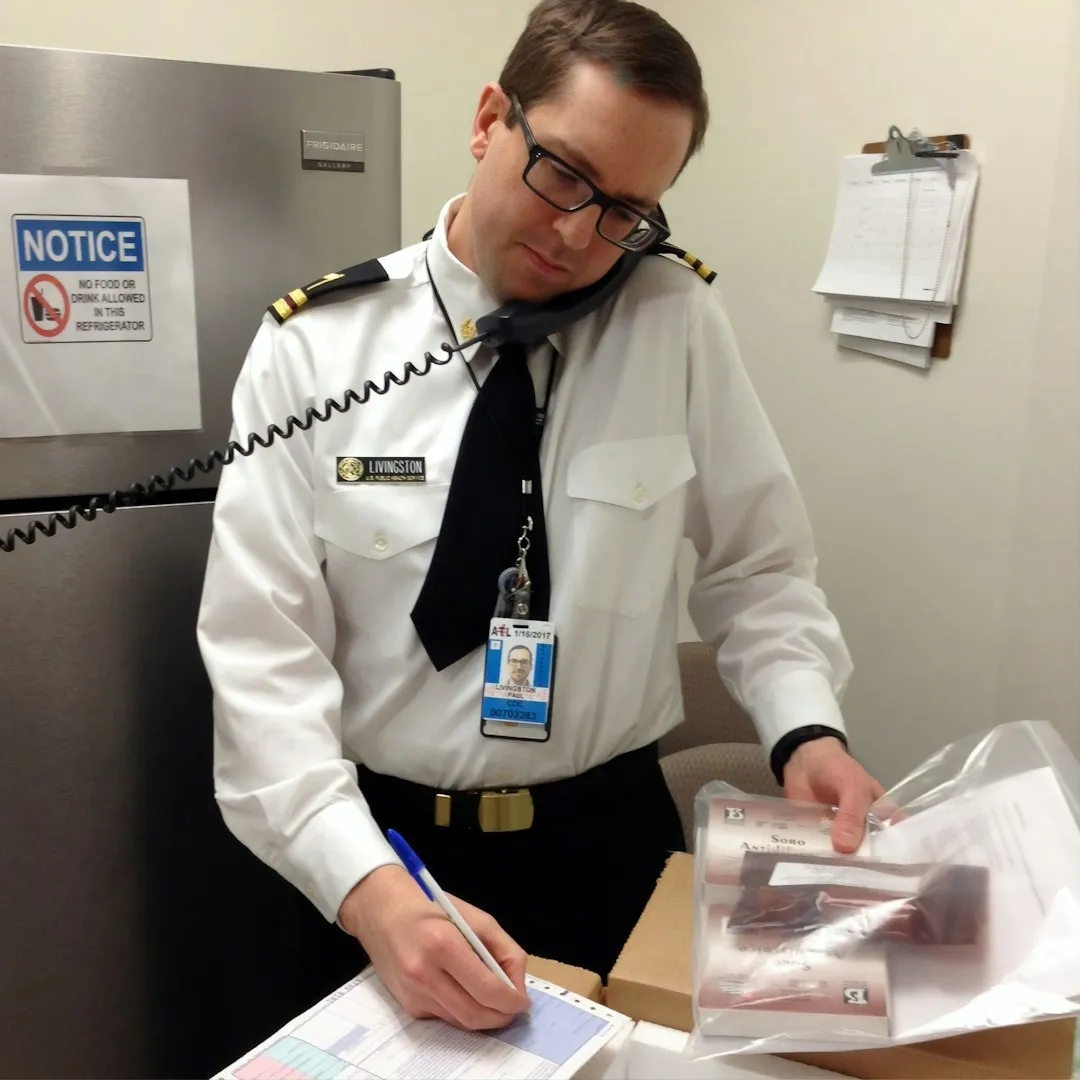
TSA screens all checked and carry-on baggage before it is permitted onboard commercial aircraft, and while technology generally enables electronic screening without opening bags, there are times when physical inspection of a piece of luggage is necessary. The sheer volume of identical-looking dark bags can create complications during that process.
Search teams dedicated to locating missing luggage encounter particular difficulties when dealing with generic-looking cases. Distinguishing characteristics become crucial for rapid identification, especially in large hub airports where thousands of bags transit daily. Without unique identifiers, recovery processes extend dramatically, increasing labor costs and passenger dissatisfaction.
What TSA Actually Says Triggers a Physical Bag Search
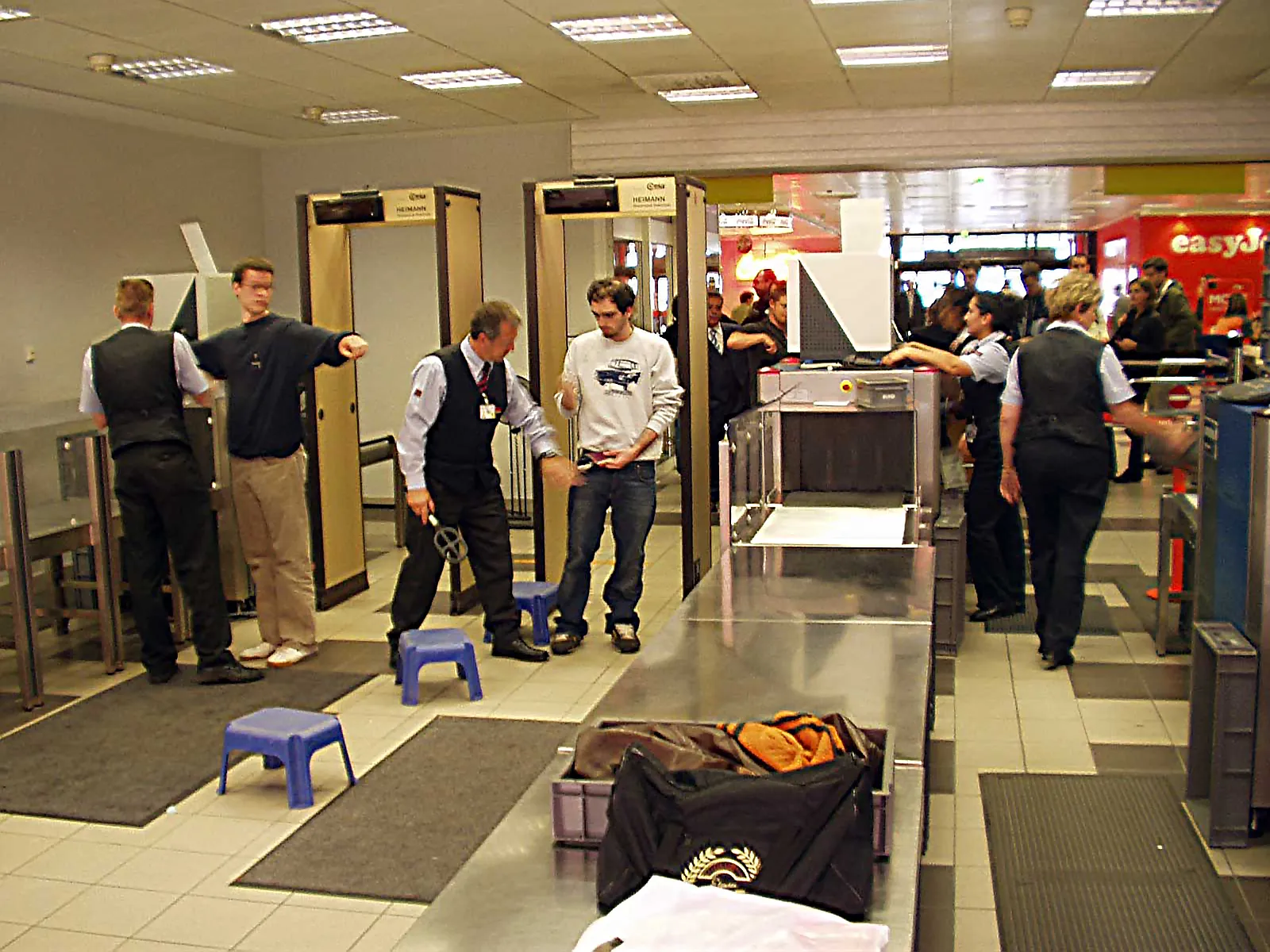
The majority of checked baggage is screened without the need for a physical bag search, though TSA may inspect your checked baggage during the screening process, and if your property is physically inspected, TSA will place a notice of baggage inspection inside your bag. Color alone is not a formal trigger in TSA’s published criteria.
TSA officers and high-tech scanners look for items that obscure X-ray views, mimic explosives, or indicate security risks. Even permitted items may trigger a manual bag search if they create an ambiguous image on the scanner. Items with a density similar to plastic explosives frequently trigger extra screening. How a bag is packed, and what’s inside it, drives the decision far more than the shell color.
The Cluttered Bag Factor: Color Meets Content
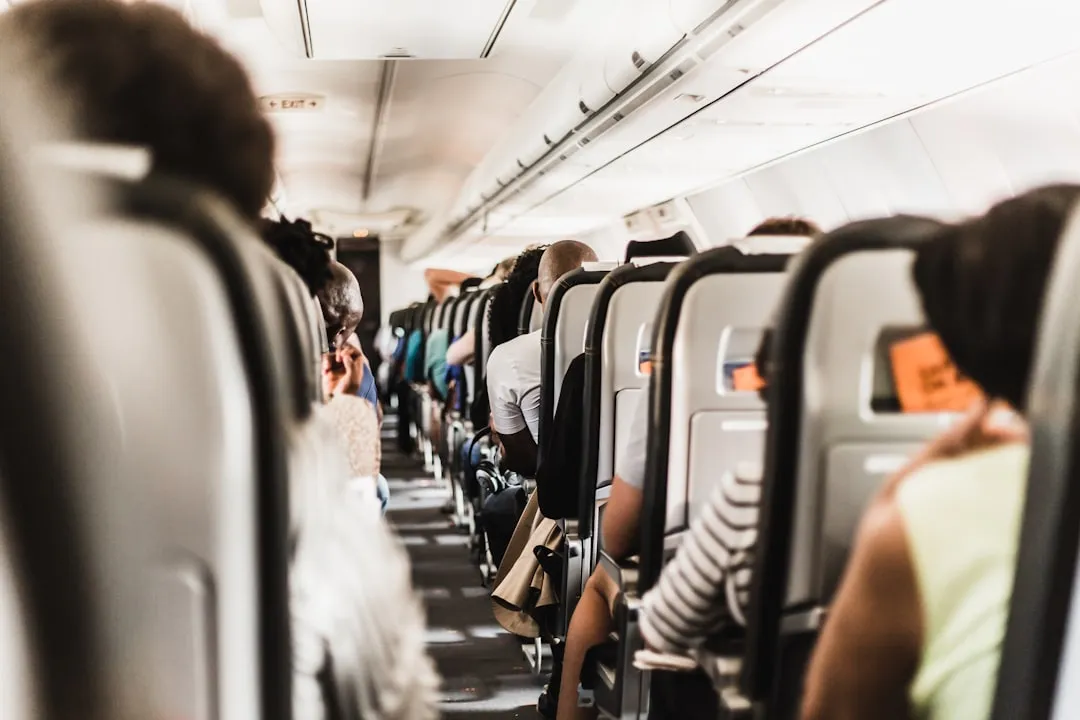
TSA officers may instruct travelers to separate items from carry-on bags such as foods, powders, and materials that can clutter bags and obstruct clear images on the X-ray machine. TSA recommends keeping your bag organized to help ease the screening process, as it takes time for officers to make sure a jam-packed, cluttered, overstuffed bag is safe.
Dark bags already create lower-contrast X-ray images in some older scanning systems. Pair that with a densely packed interior and you have a combination that increases the likelihood of a secondary inspection. It’s not just about color – but color and packing habits tend to travel together.
Advanced CT Scanners Are Changing the Screening Landscape
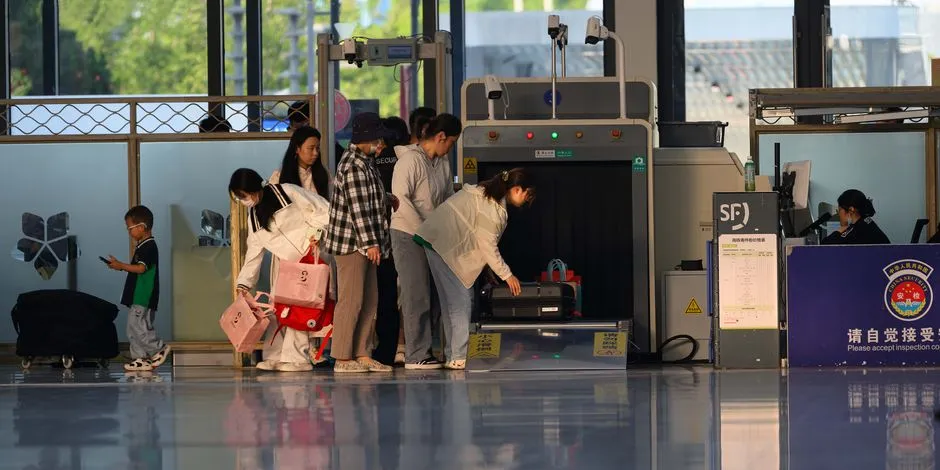
CT scanners provide a clear 3D image of the contents of a traveler’s carry-on bag. Using a touch-screen monitor, TSA officers can rotate the image to get a more complete view of what’s inside each bag. This results in fewer bags needing to be pulled aside and opened.
New CT scanners are being deployed at major airports, allowing TSA officers to view detailed 3D images of bags and assess potential threats more effectively. In airports with this advanced equipment, passengers are often allowed to leave liquids in their carry-on bags. Still, not all airports use this technology, and TSA officially recommends continuing to use standard packing procedures to avoid delays.
Airlines Have Started Warning Passengers Directly
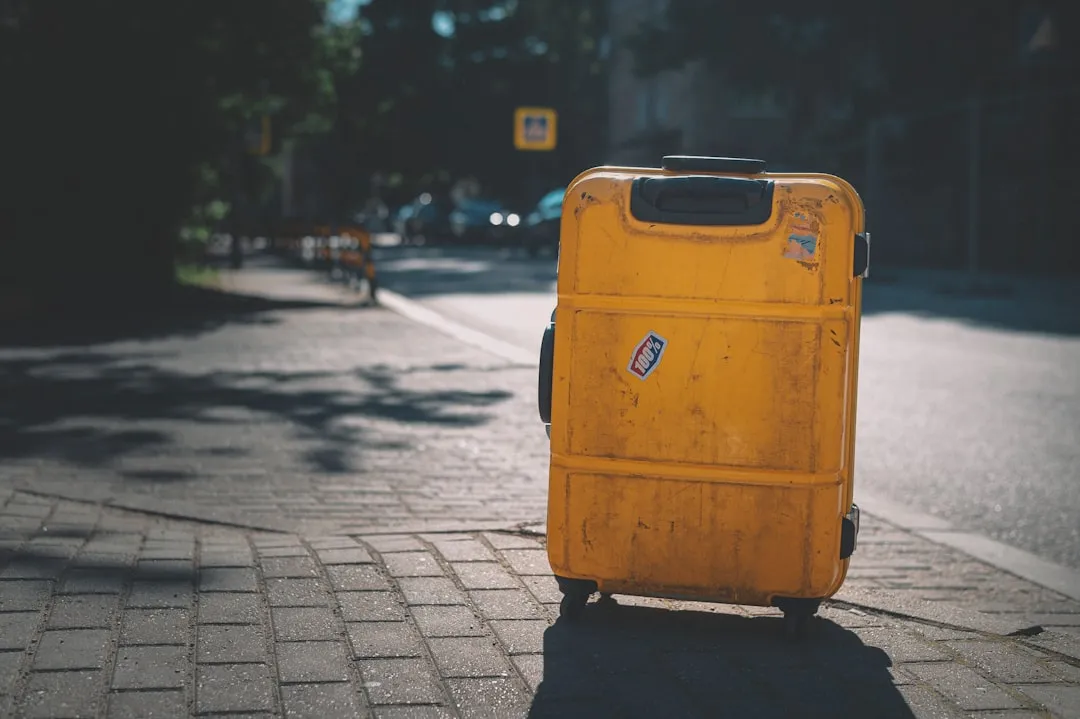
Ryanair issued a statement in 2024 identifying black, navy, and grey suitcases as those most often lost due to being so common, making it difficult for passengers and airport crew alike to identify specific bags. The carrier advised passengers to steer clear of suitcases in such colors to avoid uncomfortable situations such as look-alike suitcases being mistakenly claimed by unsuspecting travelers.
Ryanair’s statement highlighted a striking statistic: approximately 99.9 percent of travelers choose black, navy blue, or gray suitcases, creating massive identification challenges at destination airports. That’s not a minor inconvenience – it’s a systemic problem that affects handling crews, security staff, and fellow passengers alike.
Dark Bags Are Also the Most Likely to Be Stolen

Black luggage is most likely to be stolen simply because there’s so much of it. Black luggage is by far the most common, so thieves can usually get away with picking up a black suitcase and walking away. The cover of a crowd of identical bags provides real, practical camouflage for opportunistic theft.
According to ABC News, some travel experts warn about choosing a regular, common black suitcase. Bob Arno, author of a well-known travel safety book, told the outlet that thieves love a black bag because it’s easy to feign ignorance or a simple mistake if caught. It’s a sobering reminder that bag color has real security implications beyond the checkpoint.
The Baggage Loss Connection: Color and Confusion at the Carousel

Black, navy, and gray continue their longtime status as the most popular luggage shades – often chosen because they show wear and tear less than other colors – but they also rank high among pieces most easily misplaced, largely due to other passengers grabbing them by mistake.
Tired passengers struggle to locate their belongings among dozens of nearly identical cases, leading to frustrated delays and mistaken retrievals. Airport security personnel report increased incidents where travelers accidentally grab wrong suitcases, creating additional screening complications and departure delays. Every mistaken grab creates a small but real disruption to the flow of a terminal.
What the Data Says About Safer, More Visible Colors
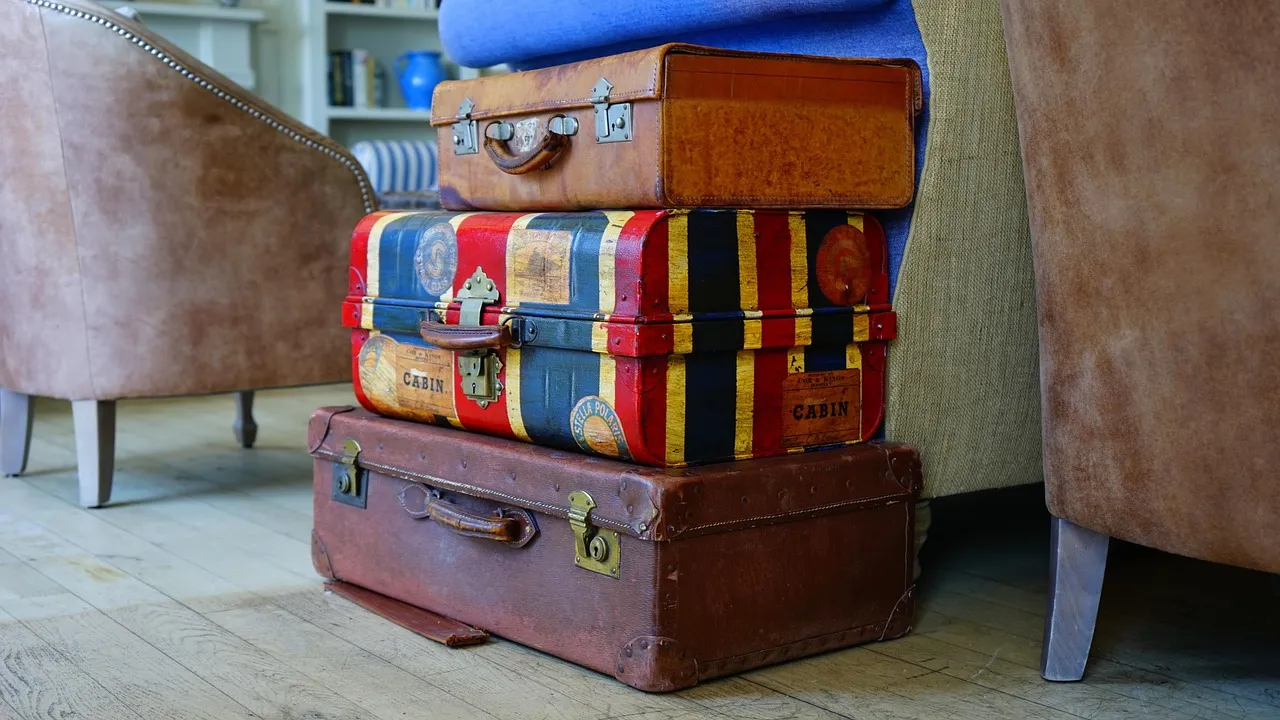
Suitcases in eye-catching hues such as pink, purple, green, orange, or yellow are the best option for travelling. These colors are less common and make spotting your suitcase on the baggage carousel far easier. That same visibility also makes a bag easier for airline staff to locate and retrieve when it goes missing.
Most people tend to buy black or navy suitcases, says Phil Dengler, co-founder of travel site The Vacationer. They can hide normal wear and tear such as scratches better than light-colored suitcases. Dengler recommends opting for colors like beige, light blue, light red, light pink, light green, and white, which will instantly catch the eye.
Practical Steps: Making Any Bag Safer and Easier to Identify
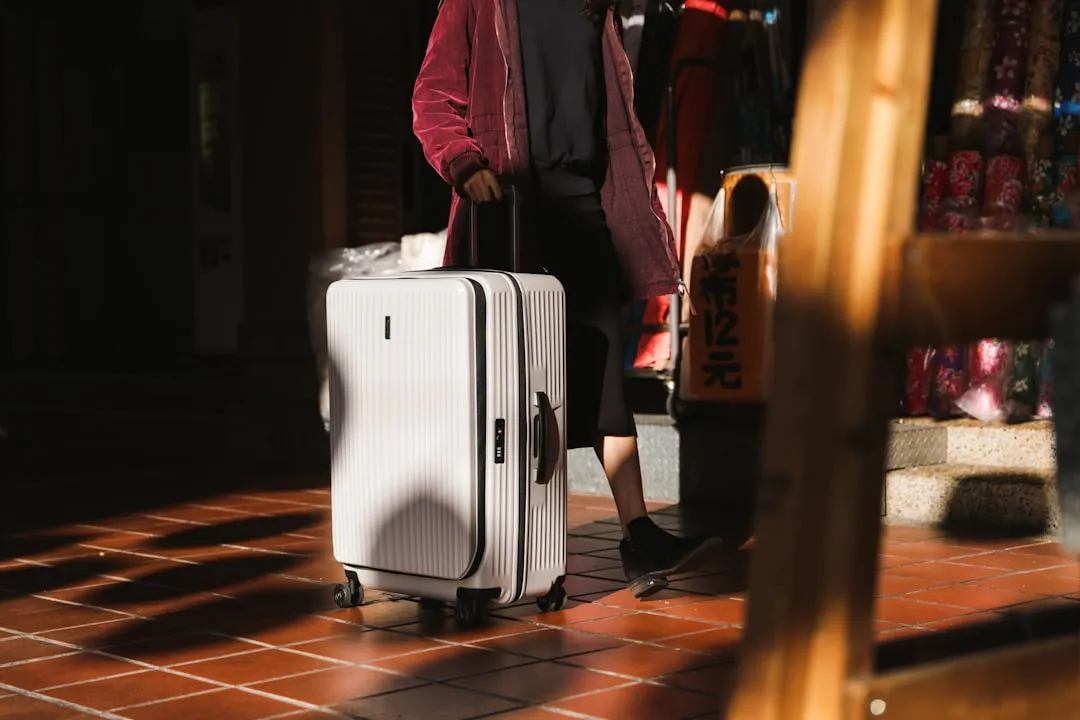
Travelers can implement several cost-effective strategies to make their baggage instantly recognizable without sacrificing professional appearance. Colorful luggage straps, distinctive handle wraps, or bright identification tags provide immediate visual cues.
Thieves are most likely to target the most popular luggage colors, as they won’t stand out from the crowd as they make their getaway. They’re much less likely to try to walk off with highly conspicuous, bright-colored luggage, as the bag’s real owner is likely to spot what’s happening. A simple brightly colored strap can change the calculus entirely, at almost no cost.
TSA screens approximately 3.3 million carry-on bags for explosives and other dangerous items daily. Against that kind of volume, anything you can do to make your bag easier to identify – for yourself, for security staff, and for airline handlers – is worth the small effort it takes.
The Takeaway
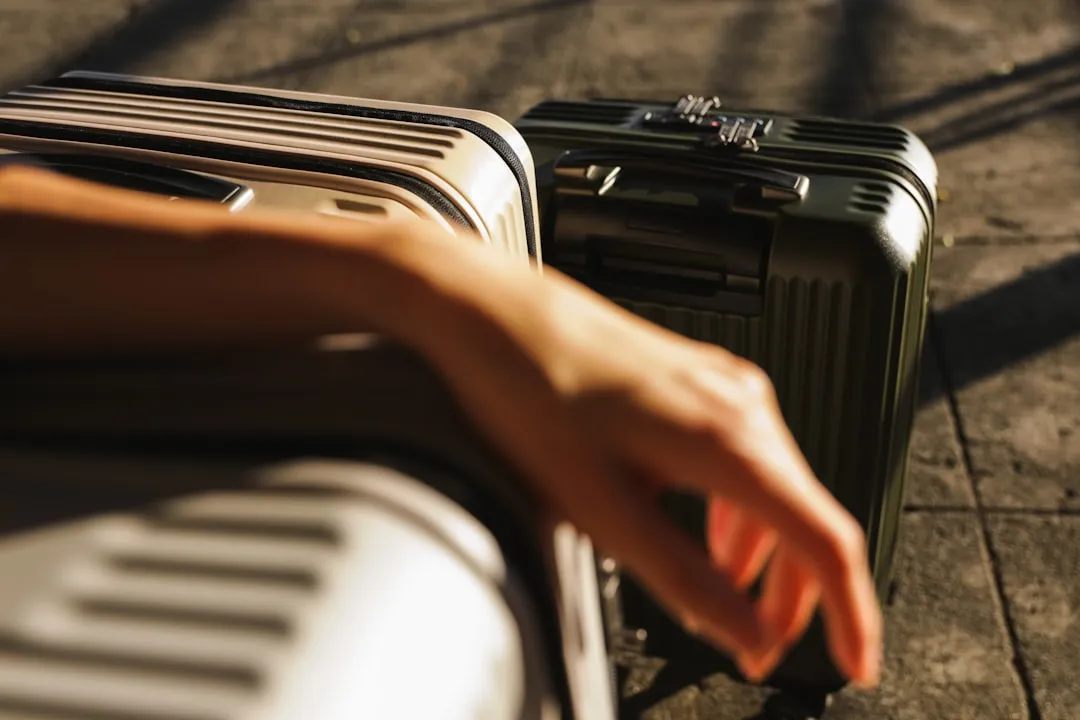
The honest answer is that TSA does not search bags based on their exterior color. Screening decisions are driven by what’s inside and how clearly it reads on a scanner, not by whether your suitcase is charcoal or coral. What the evidence does make clear, however, is that black and dark-toned bags create a cascade of real-world complications: they’re harder for airline staff to identify, more often grabbed by mistake, and more commonly targeted by thieves.
Choosing a distinctively colored bag, or simply adding a bright strap or tag to the one you already own, is one of the quietest, most effective things a traveler can do. It doesn’t guarantee a smoother journey, but it removes one more variable from a process that already has plenty of moving parts.
AI Disclaimer: This article was created with the assistance of AI tools and reviewed by a human editor.