
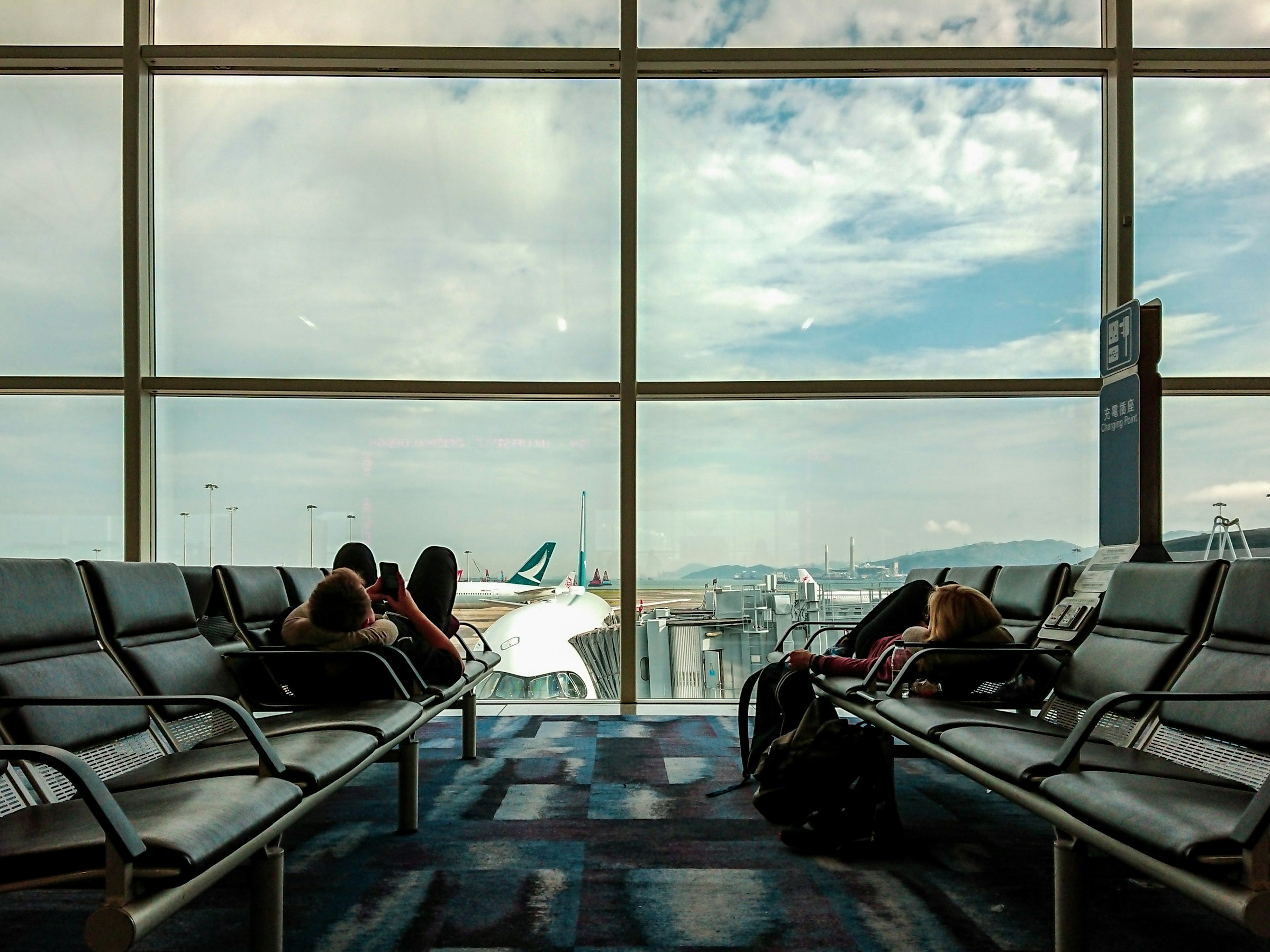

Few questions reveal more about our shifting social norms than this one. The airport terminal is one of the few places where thousands of strangers are forced into close, extended proximity, usually tired, often stressed, frequently running on bad coffee. In that context, what you do with your phone matters more than you might think. This is a genuinely contested etiquette question, and the answer is more nuanced than a simple yes or no.
The Terminal Is Already Very Loud. Does That Change Things?
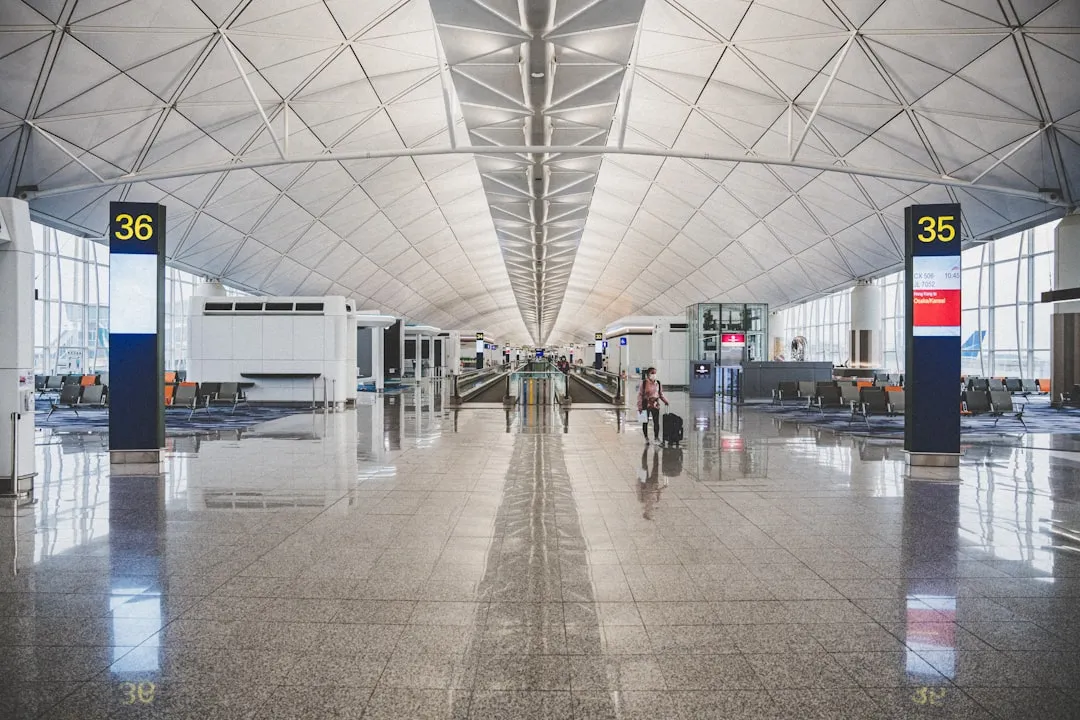
It might seem like adding one more voice to the din is harmless. A National Academies study found that the average daytime ambient noise inside a U.S. airport terminal sits at around 66 decibels, which is roughly equivalent to a washing machine, and that baseline does not even account for PA announcements. So the argument goes: if it’s already noisy, what’s the difference?
The difference is directionality and intelligibility. A generic background hum is one thing. A one-sided conversation with someone’s face filling a phone screen is a completely different kind of intrusion. Our brains are wired to track speech, and an intelligible nearby conversation pulls attention involuntarily, even when you’re trying to tune it out.
What the Research Says About Noise Annoyance

A systematic review and meta-analysis published in the International Journal of Environmental Research and Public Health found that depression was roughly 1.23 times more common in people who were highly noise-annoyed, and that anxiety risk was approximately 55 percent higher in noise-annoyed individuals compared to those who were not. These are not trivial figures.
A cross-sectional survey examining workers in shared and open-plan office environments found that irrelevant speech, including noise generated by telephone calls and conversations, increases noise annoyance, decreases work performance, and worsens mental health outcomes. The airport gate area is functionally an open-plan environment, just with worse seats and no escape route.
The Speaker Audio Problem Is Real
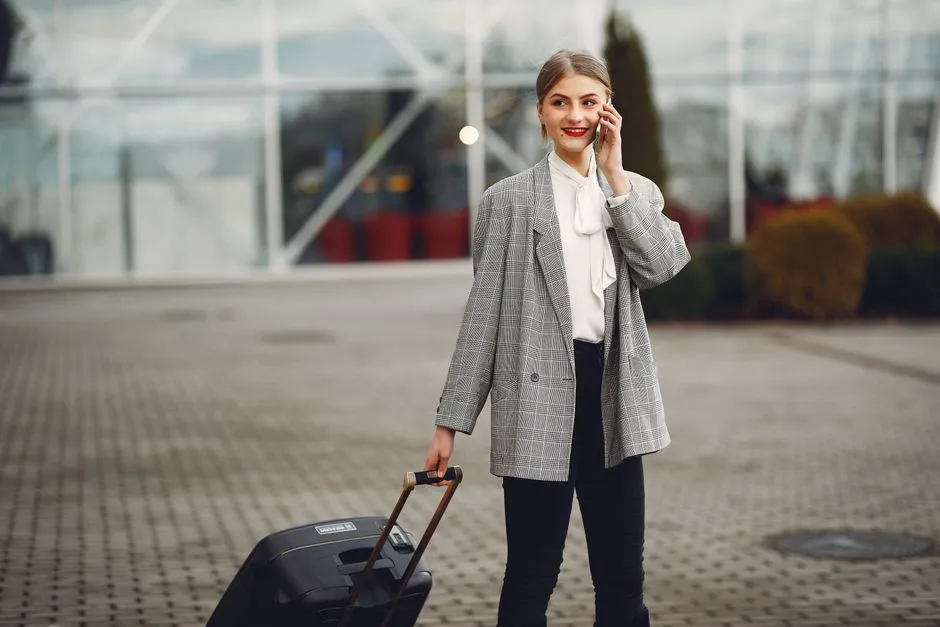
Playing a video call through your phone’s external speaker in a crowded space means two audio streams are being projected outward: your own voice and the voice of whoever is on the other end. That doubles the intrusion compared to a standard phone call. The person on the other end often can’t hear you well either, so naturally the volume creeps up.
A National Academies study noted that TSA safety announcements require a minimum sound level of 72 to 78 decibels inside an airport to be considered intelligible. That’s the threshold you’re competing against if you’re trying to be understood on speaker, which is precisely why people raise their voices without realizing it.
The Etiquette Consensus in 2025 and 2026
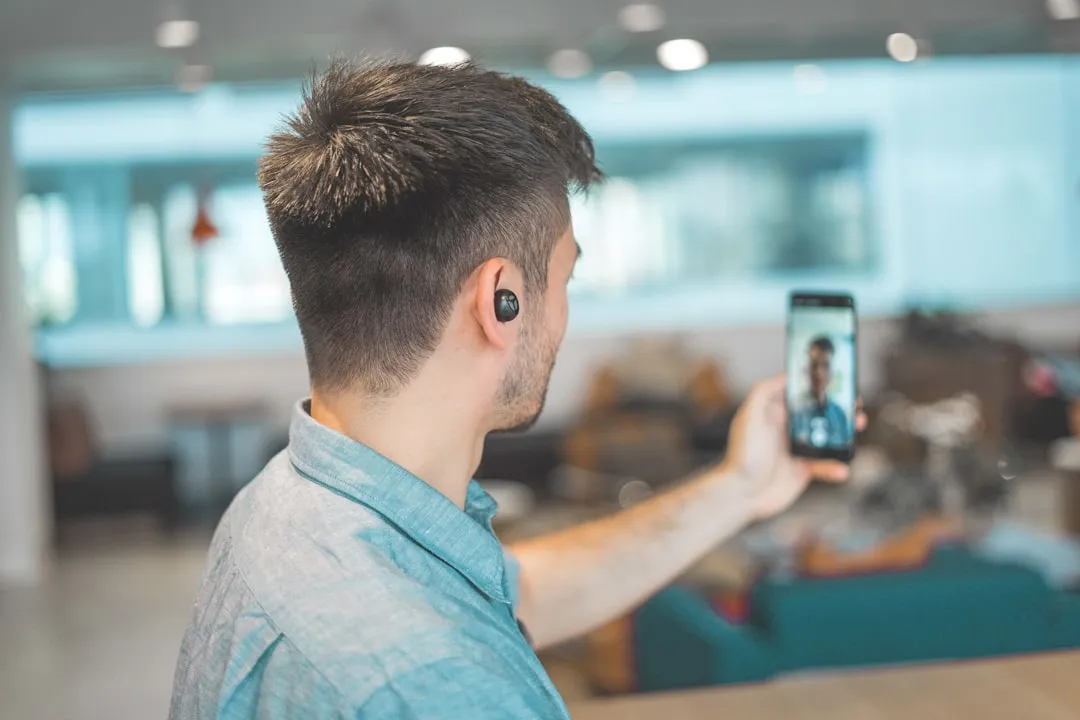
As communication technology has evolved, so have expectations for digital etiquette. FaceTime used to feel novel and exciting, but with increasingly blurred lines between personal and professional life, people have developed stronger feelings about how and when video calls are appropriate. That sensitivity has only grown.
After years of digital fatigue, asynchronous communication such as texts, direct messages, and voice notes has become the preferred default for many people. Forcing a live, speaker-enabled video call on those around you in an enclosed space cuts directly against that current. It signals, however unintentionally, that your call is more important than everyone else’s peace.
When It’s Probably Fine
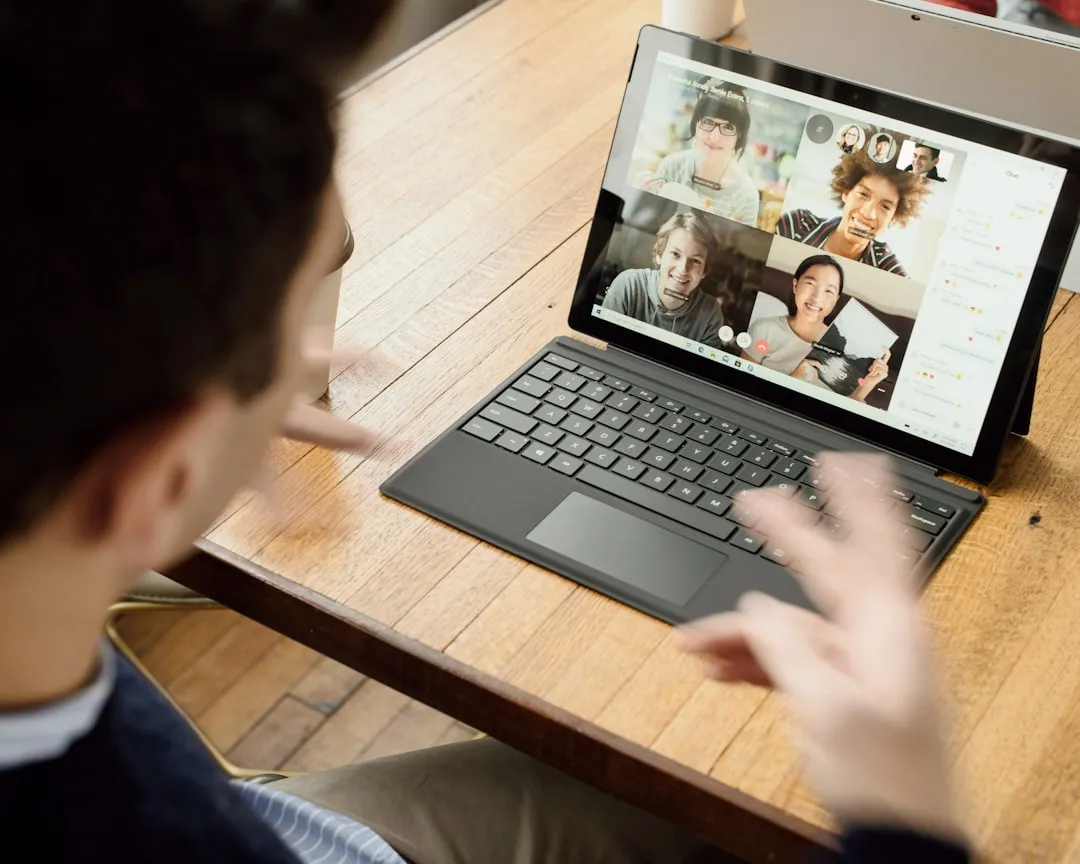
Context matters enormously. A quiet corner of a large terminal with few people nearby, a brief call with a child or an elderly parent who doesn’t text, a genuine emergency where you need visual confirmation of something: these are scenarios where most reasonable people would understand. The key word is “brief.”
Close relationships, such as best friends, partners, or family members who communicate via video regularly, may not need the same level of formality or restraint because their dynamic allows for spontaneous connection. Still, that openness applies to the other person on the call, not to the strangers seated two feet away from you.
When It’s Almost Certainly Not Fine
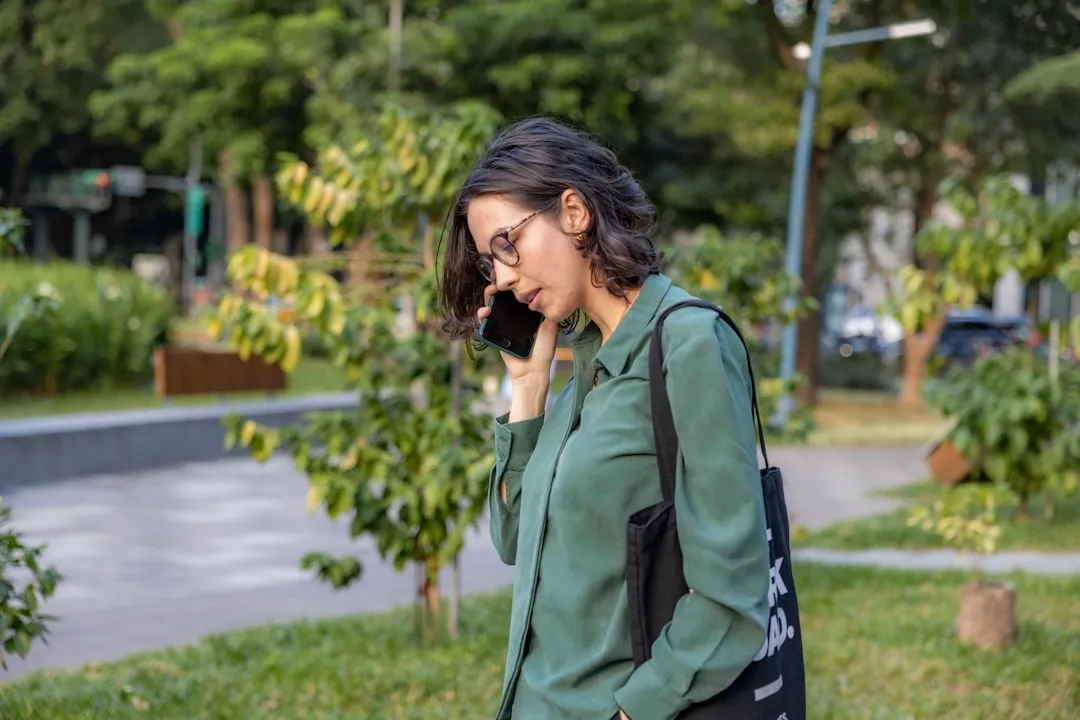
A packed gate area at peak travel hours is not the right setting for a long, casual FaceTime catch-up. Neither is a quiet regional terminal where twenty people are sitting in shared silence, waiting. The smaller and quieter the space, the more your speaker audio dominates the room.
Mobile phone use has led to significant annoyance related to conversation noise in public spaces. Unwanted one-sided conversations in public areas represent an important matter of social discourtesy. A video call through speakers amplifies this problem because it broadcasts both sides of the exchange rather than just one.
Headphones Solve Almost Everything
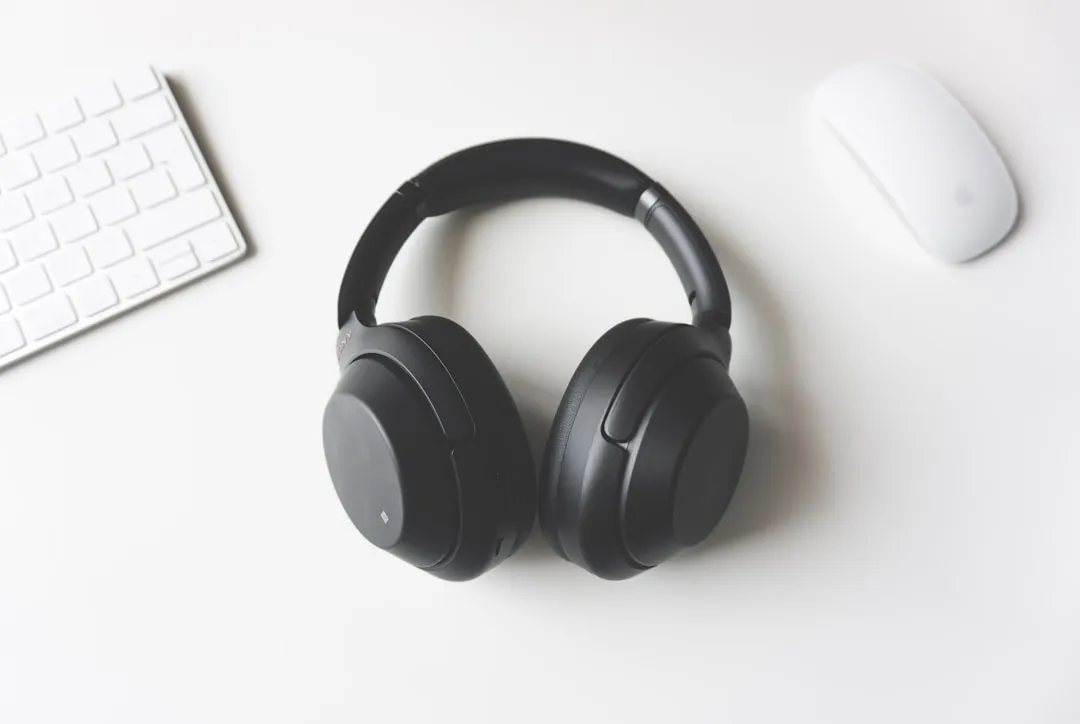
This is the simplest and most consistent piece of guidance across every etiquette conversation about public video calls: use headphones. Earbuds, over-ear headphones, even a basic wired pair. They contain your audio, they make you much easier to hear clearly, and they immediately remove the burden from everyone around you.
Most airports sell headphones at retail prices that would make your eyes water, which is fair incentive to simply keep a pair in your carry-on. Noise-canceling headphones have the added benefit of helping you concentrate during the call despite the terminal’s baseline noise level, which, as noted, is already comparable to a household appliance running continuously.
The “Loud Talker” Effect and Why It’s Harder to Control Than You Think

TSA safety announcements must reach between 72 and 78 decibels to be heard clearly in a U.S. airport terminal. According to the CDC, that level is roughly equivalent to a gas-powered lawnmower and can cause hearing damage after about two hours of exposure. When you’re competing with that kind of ambient volume, you naturally speak louder than you intend.
This is not a personal failing. It’s a physiological response called the Lombard effect, where speakers unconsciously raise their voice to be heard above background noise. It means that even if you start your FaceTime call at a polite volume, the terminal’s noise environment will likely push that volume up within minutes, broadening the impact on those around you.
What Travelers Actually Think About It

Anecdotal evidence from travel forums, social media, and etiquette discussions consistently places speakerphone and video calls in public spaces near the top of the list of most-cited travel annoyances. A 2024 workplace survey by Face For Business found that roughly six in ten employees had avoided a work call due to anxiety. The anxiety is partly social, rooted in awareness of how calls sound to others.
There’s a useful inversion here. If many people are anxious about how their own calls come across to nearby listeners, that anxiety is well-founded. The people sitting next to you at the gate almost certainly notice, and the majority would prefer the audio stayed contained. That intuition is worth respecting.
A Note on Privacy, Yours and Theirs

An open FaceTime call in a terminal doesn’t just broadcast your voice. It also broadcasts your conversation content, and potentially the face and voice of the person on the other end of the call, into a space full of strangers. Personal information, family updates, work discussions, health matters: all of it is available to anyone within earshot.
An important related issue is the concern that users of mobile phones in public places may have about others overhearing portions of their conversations. That concern is entirely legitimate. Headphones don’t just protect others from your call. They protect your own information from the room.
The Verdict: A Grounded Take
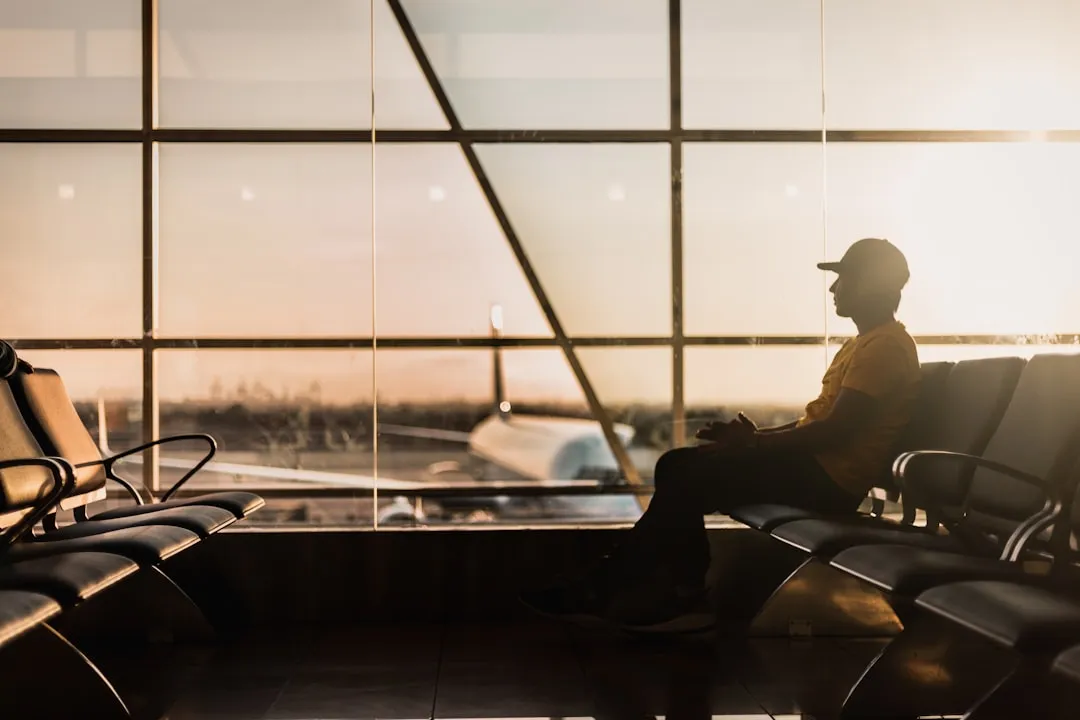
FaceTime without headphones in an airport terminal isn’t a moral catastrophe. It’s a minor social friction that becomes a genuine problem depending on duration, volume, timing, and the density of the space around you. Brief calls in low-traffic areas, with reasonable volume control, fall into a defensible gray zone.
The honest answer, though, is that headphones make the question disappear entirely. They’re the one piece of technology that removes every concern raised here, instantly. Pack them, use them, and everyone’s airport experience gets a little better, including yours.
AI Disclaimer: This article was created with the assistance of AI tools and reviewed by a human editor.