
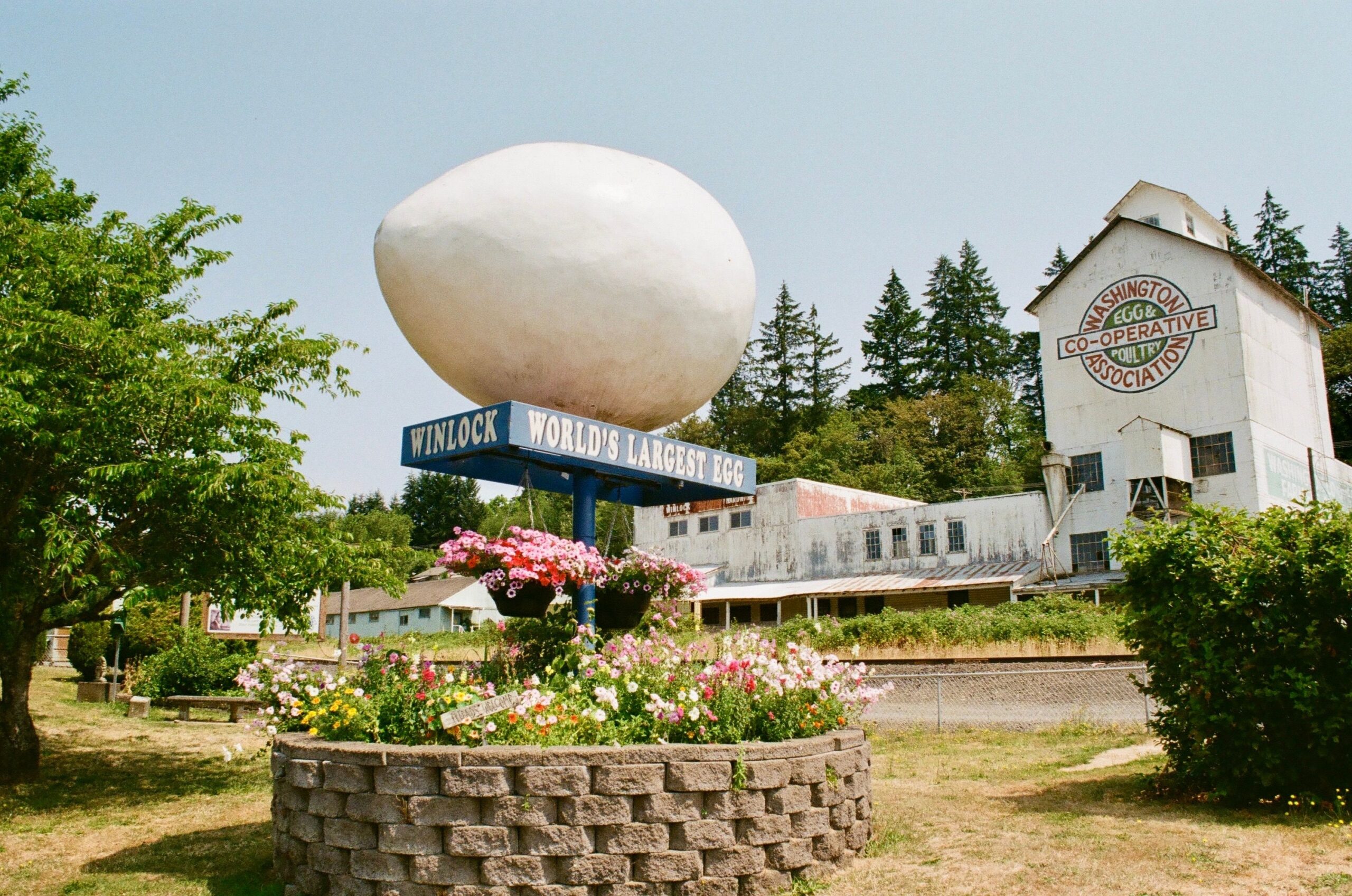

There’s something uniquely American about the impulse to slow down, pull off the highway, and stand next to a giant fiberglass corn dog. Roadside attractions have been a fixture of American travel culture since the 1920s, and they’re not going anywhere. If anything, they’re getting more attention than ever.
When U.S. travelers were asked what types of trips they planned in 2024, more than thirty percent said they were going on a road trip, making it the third most popular type of vacation. With that kind of enthusiasm for the open road, it’s worth asking: what exactly draws you off the highway and onto the gravel? Your answer probably says more about you than you’d expect.
The Giant Sculpture Lover: You Think Bigger Is Always Better
If your photo roll is full of you posing next to oversized fiberglass animals or towering cowboy statues, you’re drawn to the spectacle of scale. Roadside attractions are often unusual, kitschy man-made structures positioned along highways to draw the attention of passing motorists, and they frequently feature exaggerated scales and novelty architecture shaped like everyday objects. For you, a 28-foot spaceman holding a rocket is not ridiculous. It’s the whole point.
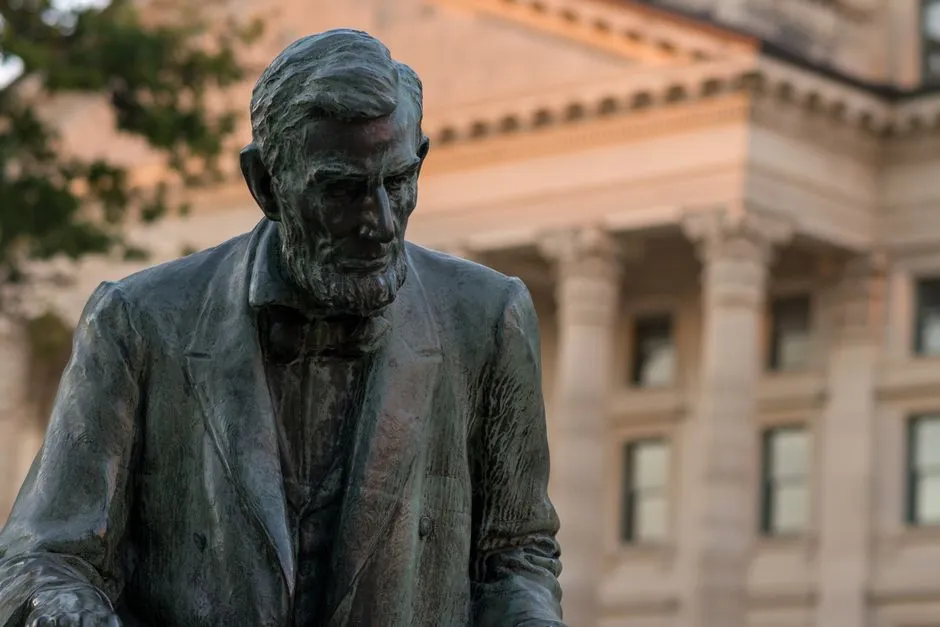
Route 66’s whimsical collection of giant sculptures invites travelers to stop and take a selfie, including a statue of Abraham Lincoln reading from the world’s largest rail splitter covered wagon in Lincoln, Illinois. You appreciate the audacity involved in building something that massive just to get someone to pump the brakes. There’s a generous, almost childlike spirit to that logic, and you share it.
The Route 66 Nostalgist: You’re Chasing Something That Feels Irreplaceable
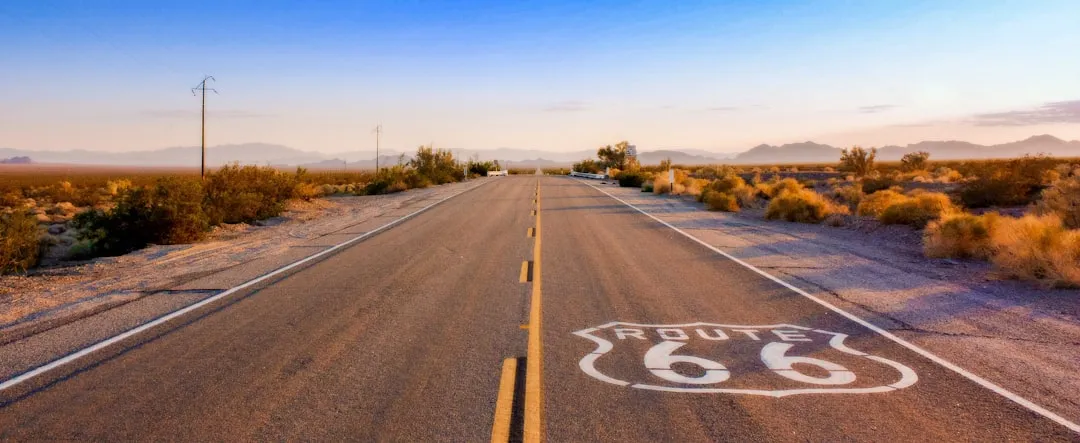
You don’t just want to see the attraction. You want to feel the weight of American road trip history beneath your feet. Nicknamed “The Mother Road” by John Steinbeck in The Grapes of Wrath, Route 66 offers drivers plenty of history, nostalgia, and quirky curiosities. Completed in the late 1930s, the iconic 2,451-mile stretch was the highway for folks wanting to travel from middle America to the West Coast in the twentieth century.
Route 66, stretching from Chicago to Santa Monica, is the most popular road trip route, attracting over 5 million road trips annually. This iconic highway is famous for its historic landmarks, classic diners, and nostalgic American road trip experience. You move slowly and you don’t apologize for it. A restored gas station is as meaningful to you as any museum, because it is a museum. You’re the person who reads every placard.
The Folk Art Pilgrim: You Seek Out Human Creativity in Unexpected Places
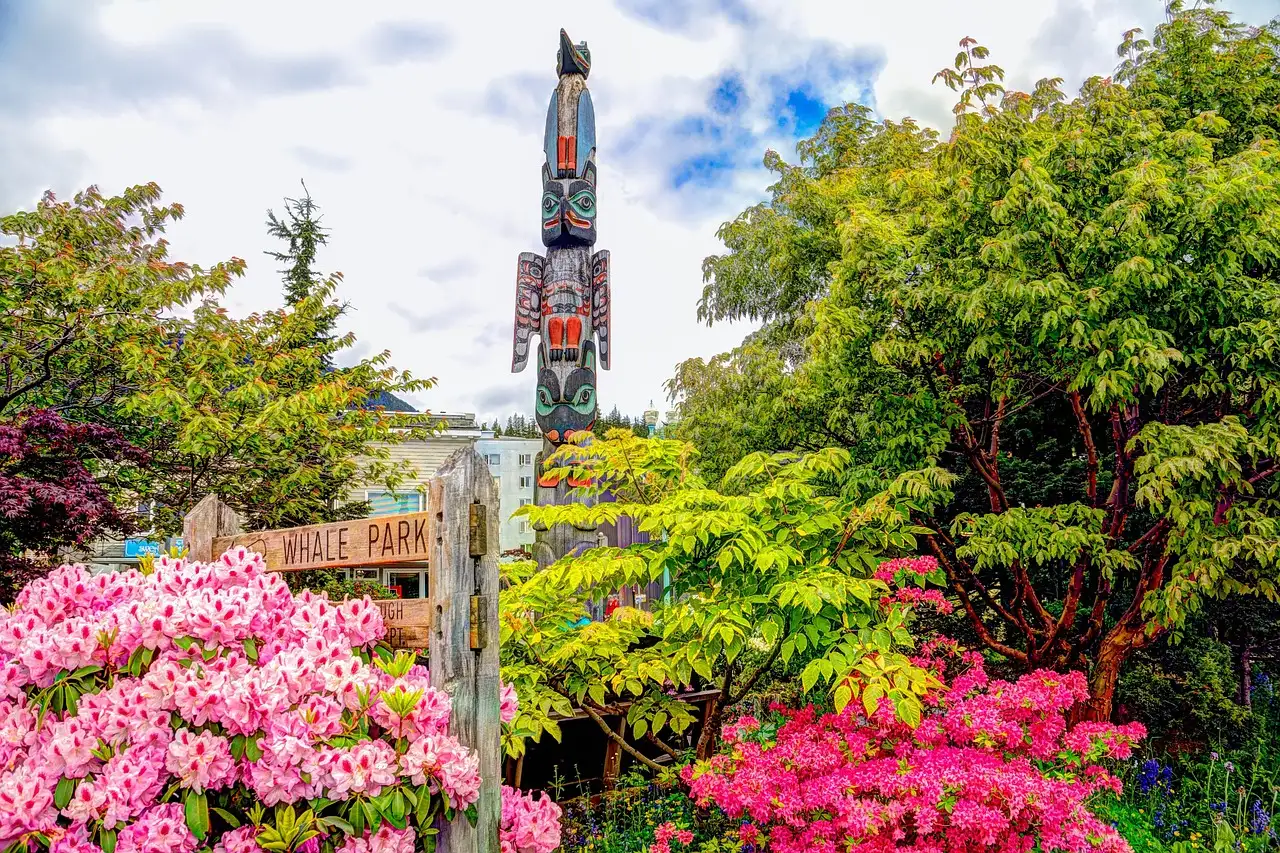
Your version of roadside attraction isn’t a corporate gimmick. You’re drawn to the places where one person poured years of work into something the world wasn’t necessarily asking for. Totem Pole Park in Foyil, Oklahoma, created by folk artist Ed Galloway, features the world’s largest concrete totem pole at 90 feet tall, and the entire site is a kaleidoscope of colorful handmade structures.
These places appeal to travelers who value creative authenticity over polish. You tend to find modern art museums a little too curated. You prefer your art surrounded by grass, maybe a little weather-worn, and completely free to visit. You’re the kind of traveler who calls ahead to ask if the site will be open and then goes anyway if it isn’t.
The Social Media Documenter: Experience and Content Are the Same Thing for You
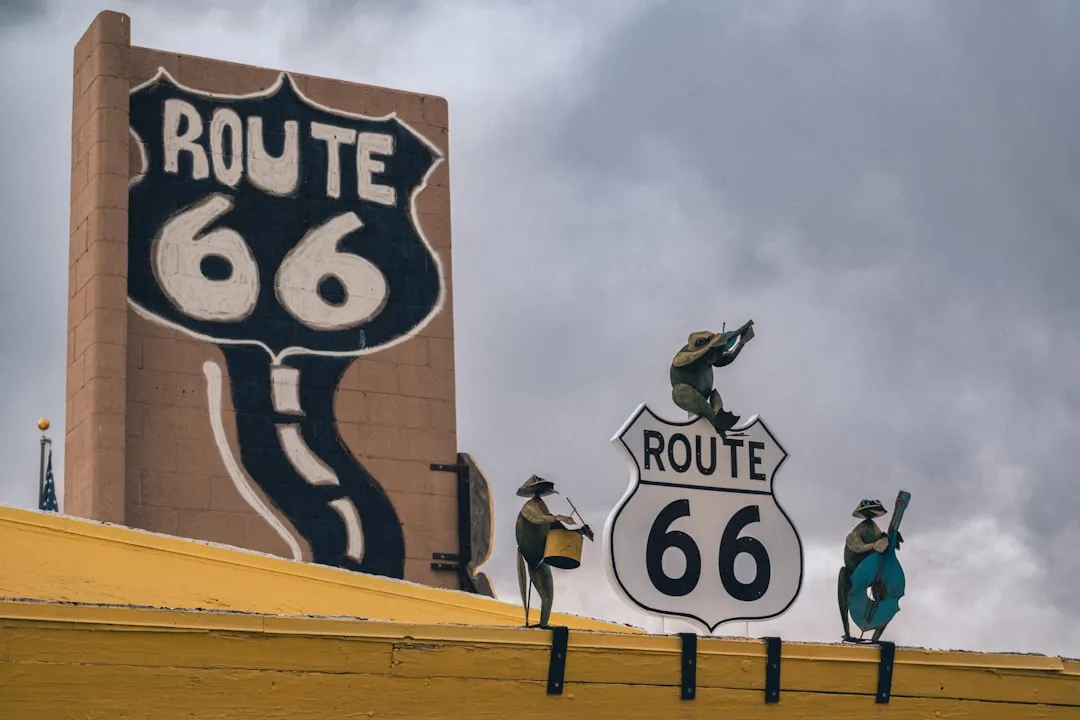
You’re not stopping purely for the photo, but the photo is definitely part of it. Nothing is more social media-friendly than a quirky roadside attraction, and the U.S. is full of them, with travelers going out of their way to see them. You understand the visual grammar of what works online, and a 65-foot elephant or a ketchup bottle water tower delivers exactly that.
About a third of Gen Z prioritizes social media responses over authentic experiences, while nearly half actively seek out experiences that will generate engaging content for their social media platforms. That sounds more cynical than it is. For many travelers, sharing an experience is part of how they process and enjoy it. The stop and the story are intertwined, not separate.
The Vintage Architecture Fan: You Notice Things Other People Drive Past
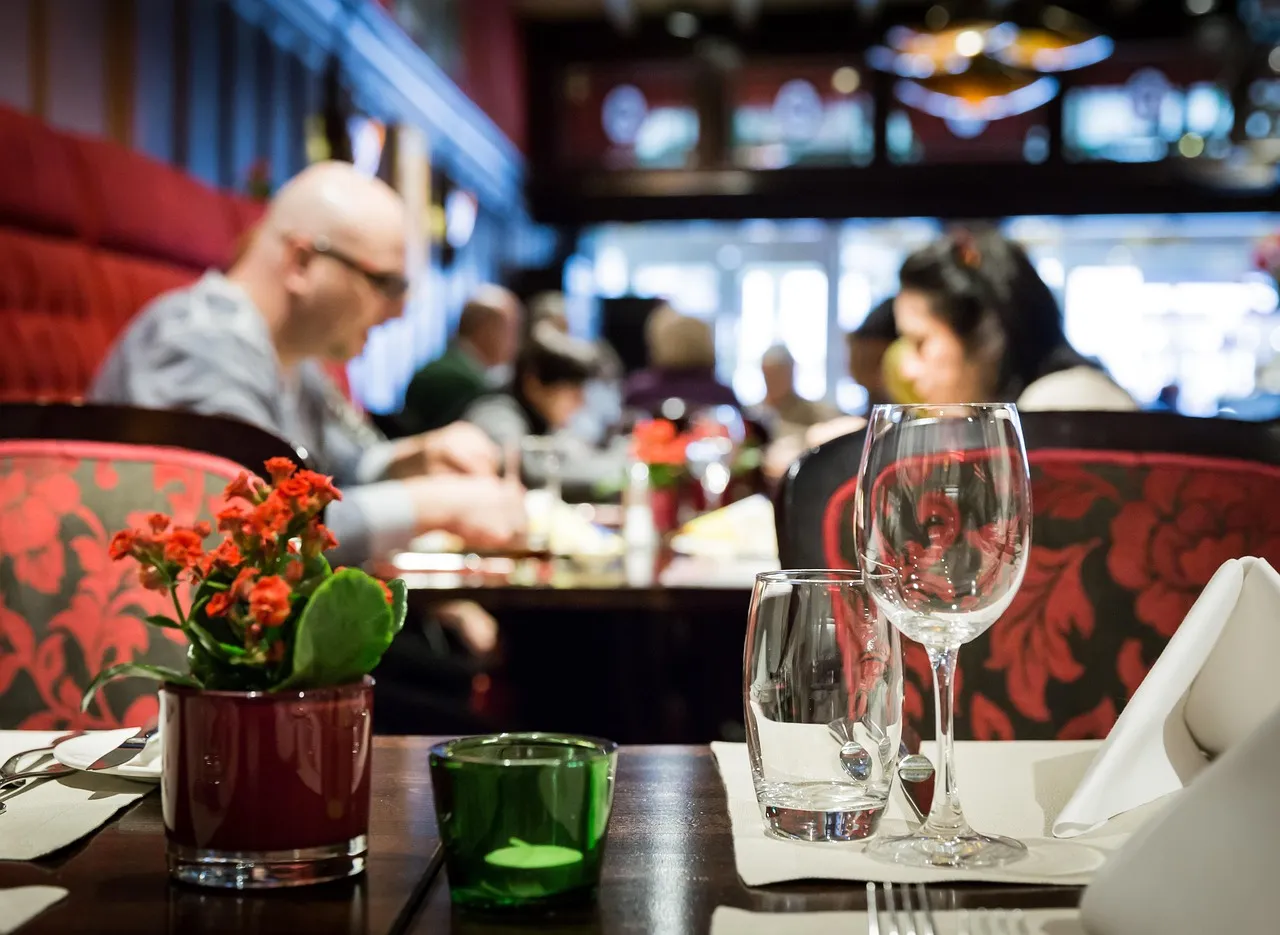
You’re the person who spots the old Googie-style diner from the highway and immediately signals to pull over. When long-distance road travel became practical and popular in the 1920s, entrepreneurs began building restaurants, motels, coffee shops, and unusual businesses to attract travelers, and many of the buildings were attractions in themselves in the form of novelty architecture. You see those buildings as primary sources of American cultural history.
Roy’s Motel and Café in Amboy is a restored service station with Googie architecture features. For you, this kind of stop isn’t a detour. It’s the destination. You probably own at least one book about mid-century American design, and you almost certainly have opinions about neon sign preservation.
The “World’s Largest” Collector: You Appreciate the Absurd Record-Keeper in Yourself
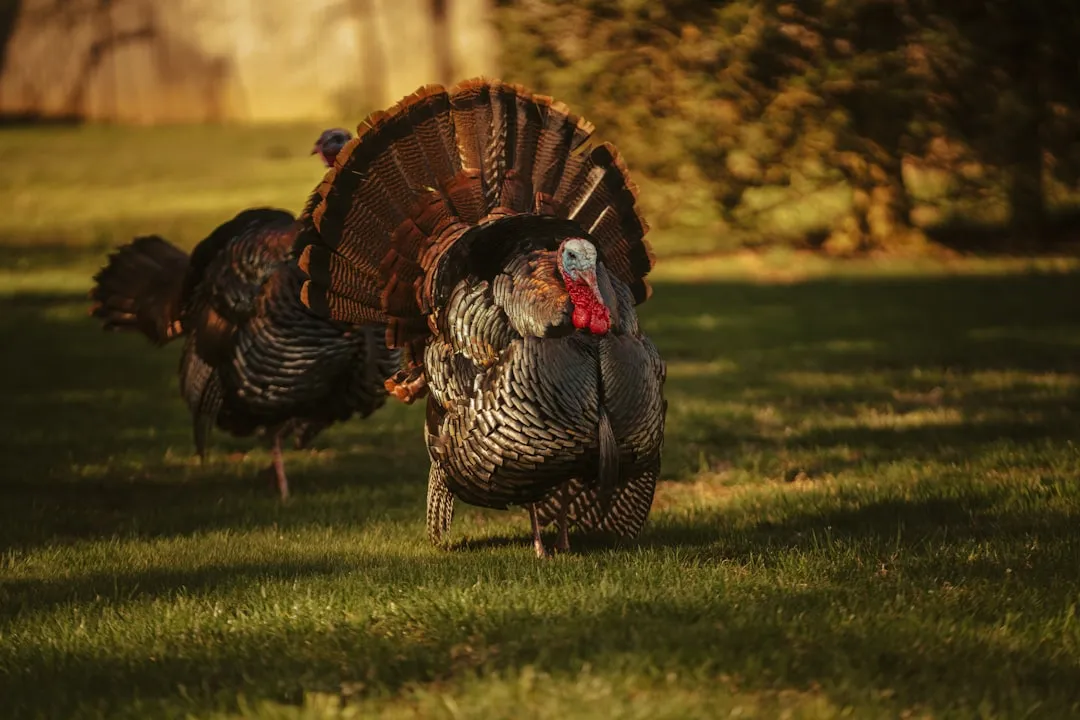
There’s a particular breed of road tripper who keeps a mental list, or an actual list, of World’s Largest things they’ve encountered. Shrinking small towns have built roadside attractions to “foster civic pride” and “make it interesting for people to come,” with examples including Big Tom, a 22-foot-tall turkey in Frazee, Minnesota, and a collection of giant items in Casey, Illinois. You respect this civic hustle enormously.
In August 2024, a Missouri businessman along with co-creators installed a 15-foot-tall, 6,300-pound cowbell right off Missouri Highway 28 in Belle, with the large bell being 12 feet across and eight feet deep. You love that this exists. You love that someone decided to do it. And now that you know about it, you’re quietly rerouting your next trip.
The Historic Preservation Enthusiast: You Stop for Things on the National Register
Not every roadside pull-off is equal in your mind. You have a soft spot for the ones that made it onto the National Register of Historic Places, because that means someone fought to protect them. The World’s Largest Catsup Bottle water tower was added to the National Register of Historic Places in August 2002. You find that genuinely moving.
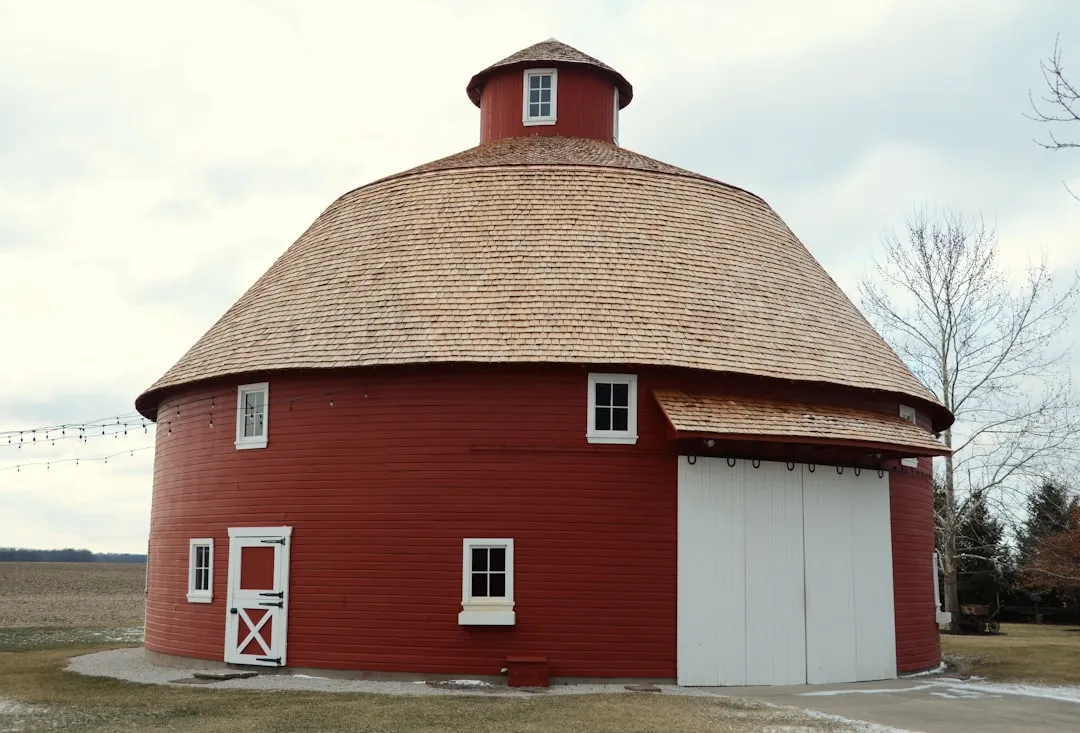
The Round Barn in Arcadia, Oklahoma is a distinctive Route 66 landmark famous for its unique round design and red exterior. Built in 1898, it has been restored and is listed on the National Register of Historic Places. You’re drawn to the story of survival, the effort it takes to keep something like this standing. You probably donate to preservation organizations, or at least feel like you should.
The Off-the-Beaten-Path Seeker: You’re Looking for Things Nobody Else Knows About
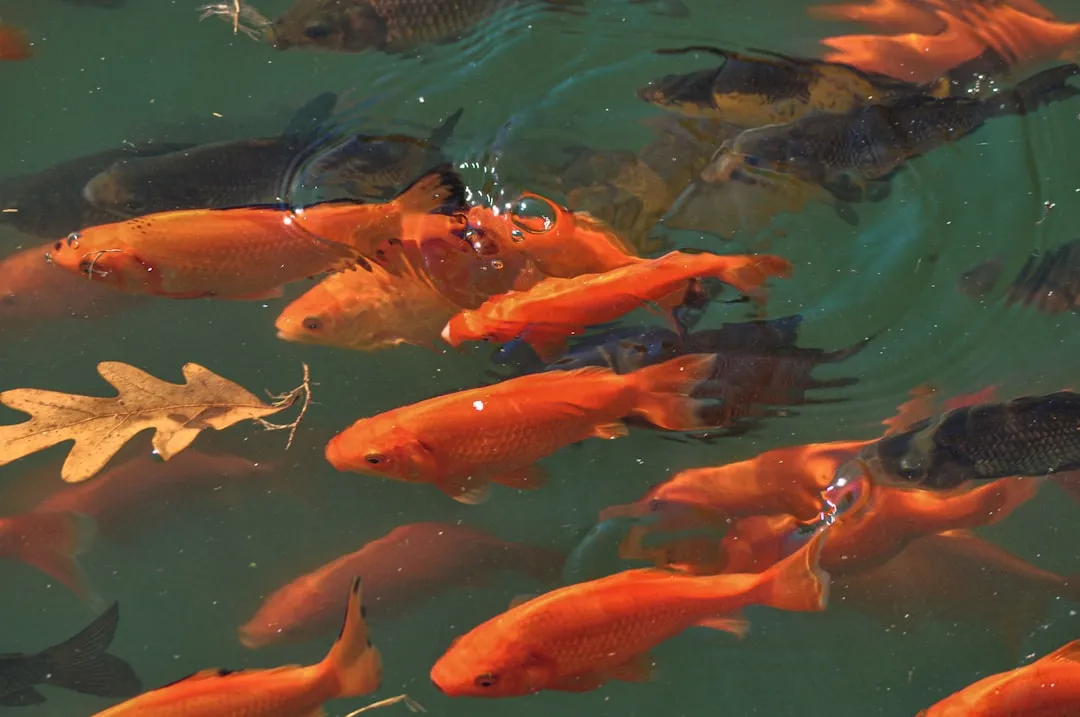
You’re not interested in the top-ten lists. You find the famous stops slightly too crowded and the experience slightly less pure once a gift shop appears. Hidden-gem locations and no-stress getaways are top of the list for young travelers, marking a shift from the kinds of bucket-list destinations that have saturated Instagram and TikTok. You were always ahead of this curve.
Shaffer’s Fish Bowl may be one of the least-known roadside attractions on Route 66 and is certainly one of the more unusual. It’s not a giant object or a manmade structure, but rather a small pool of water in the middle of the Arizona desert full of goldfish. It’s a natural spring that sits on an older stretch of Route 66 between the towns of Kingman and Oatman. That’s exactly your kind of stop. Odd, quiet, and requiring effort to find.
The Family Road Tripper: You Want Joy That Works for Everyone in the Car
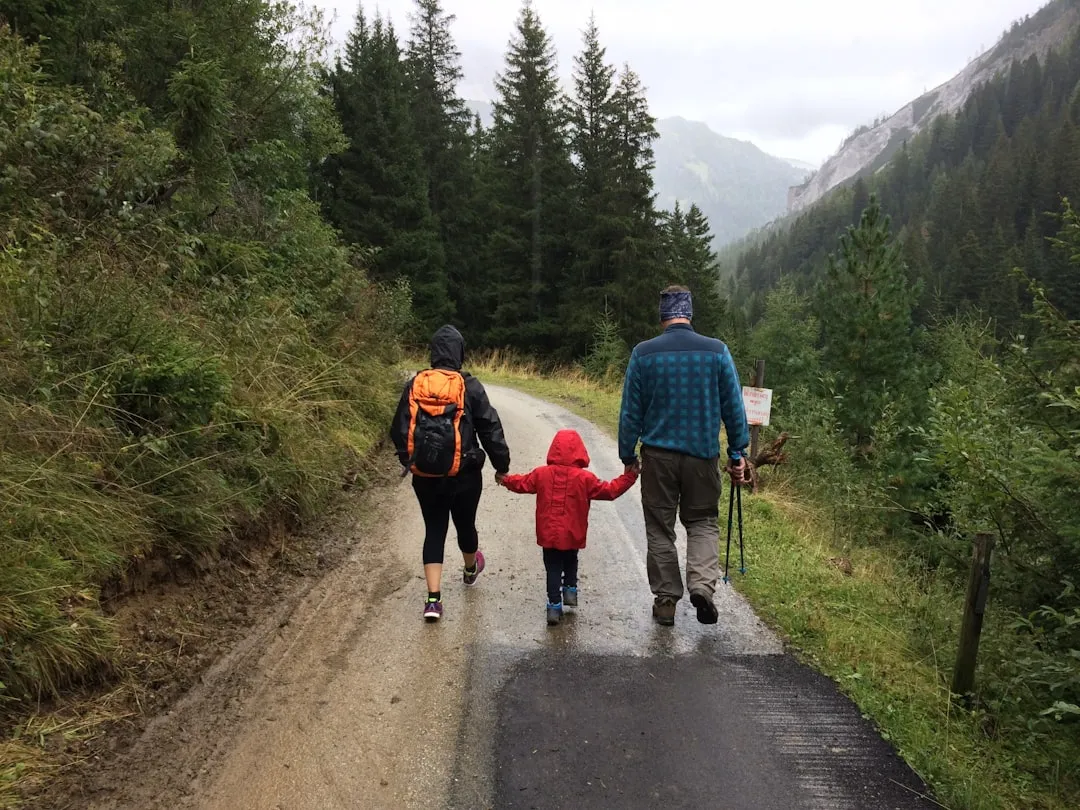
Your criteria for a good stop is democratic. It needs to work for a seven-year-old, a seventy-year-old, and every age in between. Orlando’s Gatorland takes the crown as America’s most popular roadside attraction, with nearly 6,000 TripAdvisor reviews averaging 4.4 stars and some of the strongest visitor feedback. That kind of broad appeal is exactly what you’re looking for.
Multigenerational travel is surging, especially among Gen Z, and over the past two years, more than half of Gen Z adults have traveled with their parents. Roadside attractions sit naturally at the center of this trend. They’re accessible, usually free or low-cost, and they create the kind of shared memory that families reference for years. You know this from experience.
The Spontaneous Detour-Taker: You Make Decisions From the Car Window
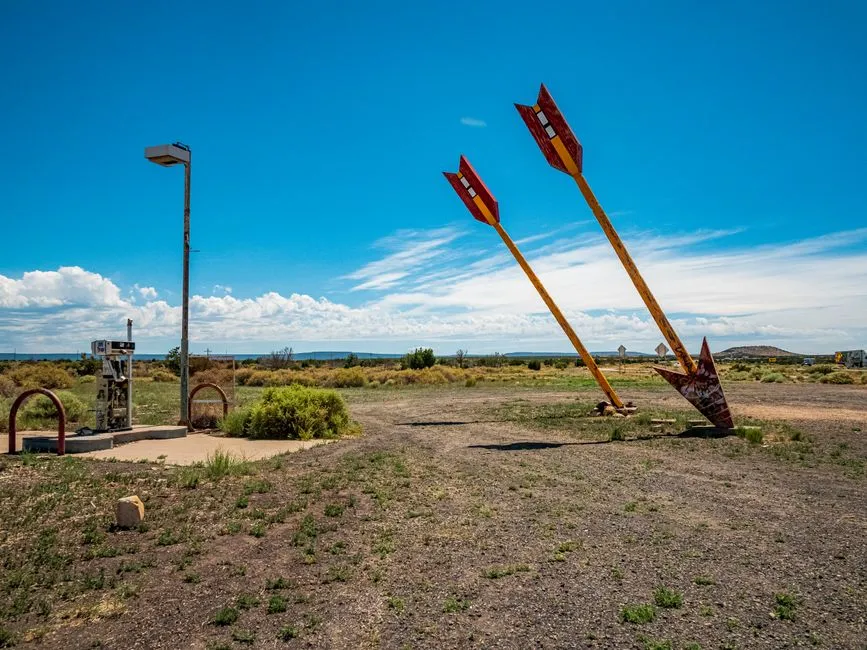
You didn’t plan to stop. You saw the sign. Maybe there were two signs, and the second one had an arrow. That was enough. A roadside attraction is a feature along the side of a road meant to attract tourists. In general, these are places one might stop on the way to somewhere, rather than being a destination. They are frequently advertised with billboards. You are the exact person those billboards were designed for, and you have no shame about it.
The average American traveler took three trips in 2024, two of which were well-planned at least a month in advance, with the other being spontaneous. That spontaneous trip is very likely the one you remember most clearly. You operate on the principle that the best stops are rarely on the itinerary. You’re usually right.
The Takeaway
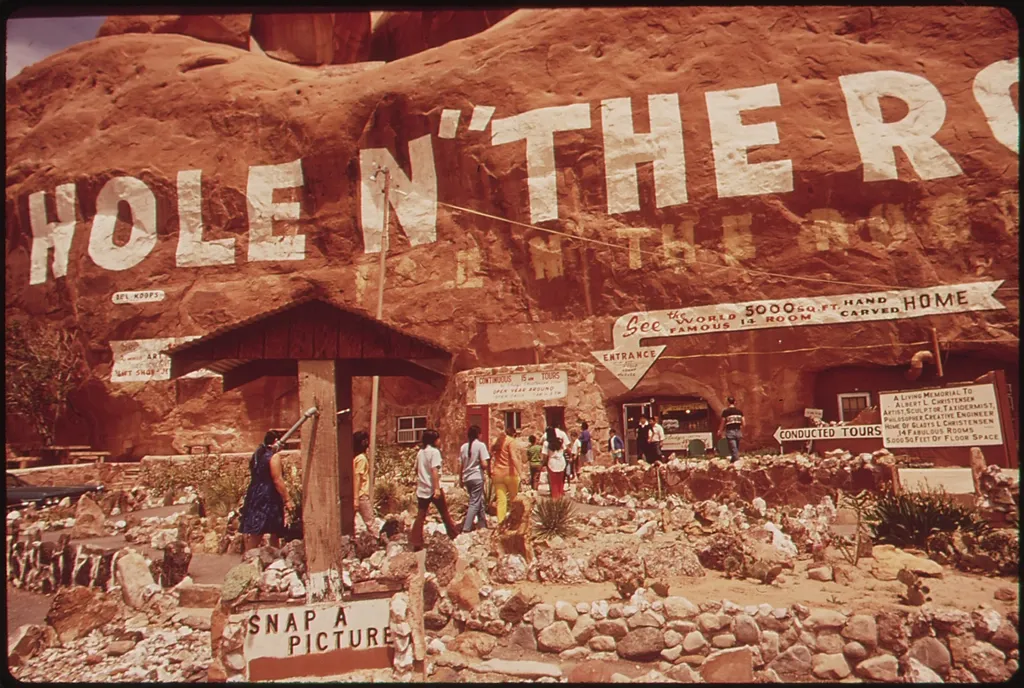
Roadside attractions are a genuine lens into how people travel and what they hope to find when they do. Whether you’re drawn to the folk art, the absurdity of scale, the nostalgia, or simply the inexplicable goldfish pool in the Arizona desert, the choice reflects something real about your relationship with curiosity, with place, and with the journey itself.
Roadside attractions primarily embody elements of vernacular culture, local folklore, and commercial boosterism, serving as brief diversions rather than major destinations. That description is accurate, but it also undersells them. The brief diversion is sometimes exactly what travel needs. It’s the unplanned stop, the strange thing by the road, that reminds you the world is larger and stranger and more interesting than any itinerary ever planned for.
AI Disclaimer: This article was created with the assistance of AI tools and reviewed by a human editor.