
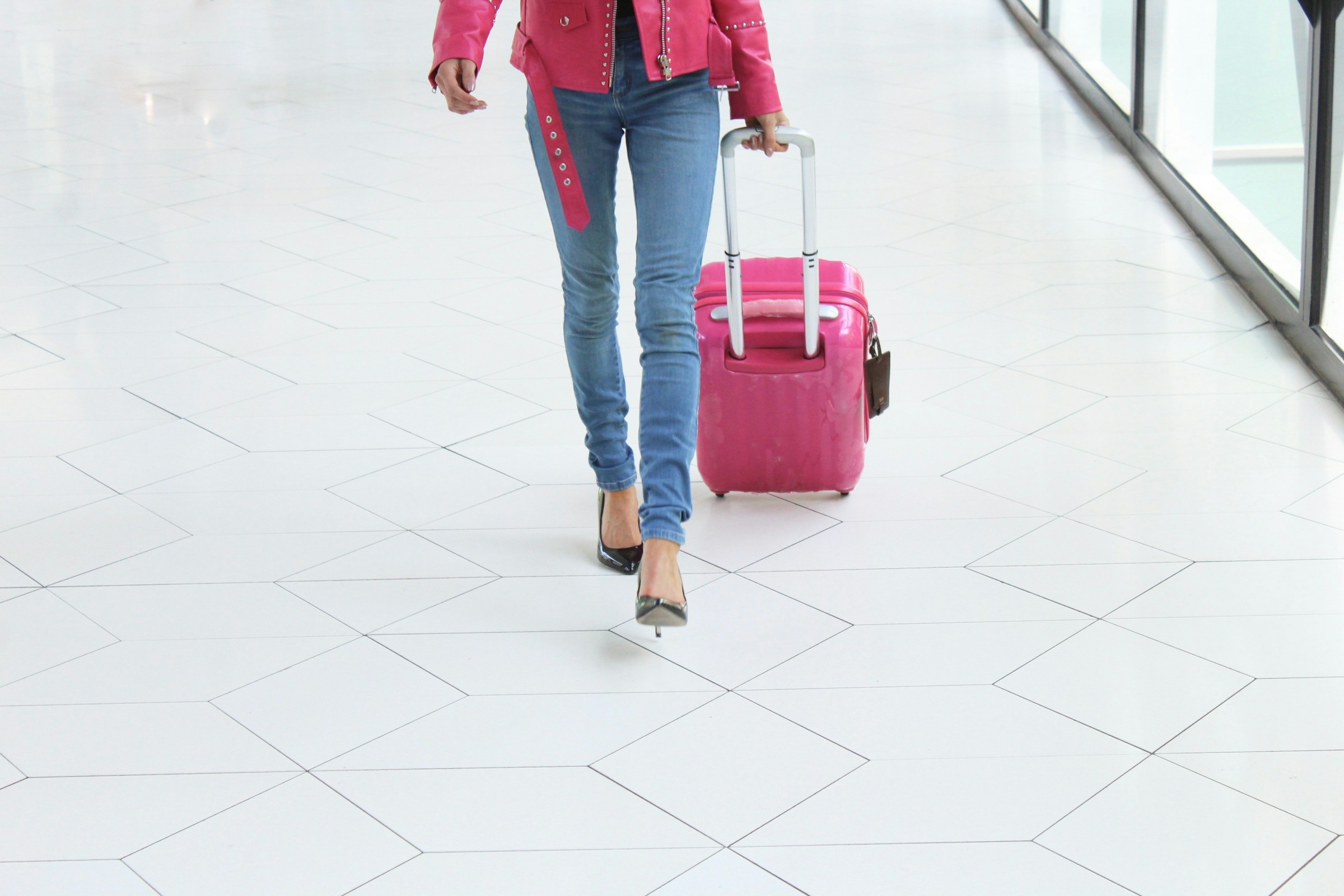

There’s something quietly revealing about a departure hall. Thousands of strangers converge in the same fluorescent-lit space, and within seconds, you read each other. Not through conversation, but through clothes. The sweatpants wearer, the blazer-at-6am traveler, the one coordinating their carry-on to their sneakers – they’re all saying something, whether they mean to or not.
What people wear to the airport reflects broader attitudes about fashion, self-expression, and even how they approach comfort in everyday life. The research backs this up. Clothes are an important part of human life, serving as an outward symbol of a person’s attitudes, values, and interests, and expressing the mood and personality of the person. So before you grab that hoodie or iron that blazer, consider what your airport outfit might actually say about you.
The Comfort-First Traveler: Sweatpants and Zero Apologies

This is the most common airport archetype by a wide margin. According to a CivicScience poll of more than 15,000 travelers, roughly 57 percent say they wear loose and comfortable clothing on a plane. These are people who have made a clear-eyed decision: the airport is a means to an end, not a fashion stage.
Americans aged 65 and over are the most likely to say they wear loose and comfortable clothing when flying. This group tends to prioritize function without guilt, and there’s something genuinely wise about that. Comfort remains the most important factor when choosing what to wear to the airport, since long journeys, security queues, and time spent sitting during flights all mean clothing should allow freedom of movement and feel comfortable for several hours.
A majority of comfort-first travelers say they rarely or never do a substantial wardrobe refresh. Their relationship with clothing is practical and low-maintenance. They know what works, and they stick with it.
The Coordinated Traveler: Every Detail Intentional
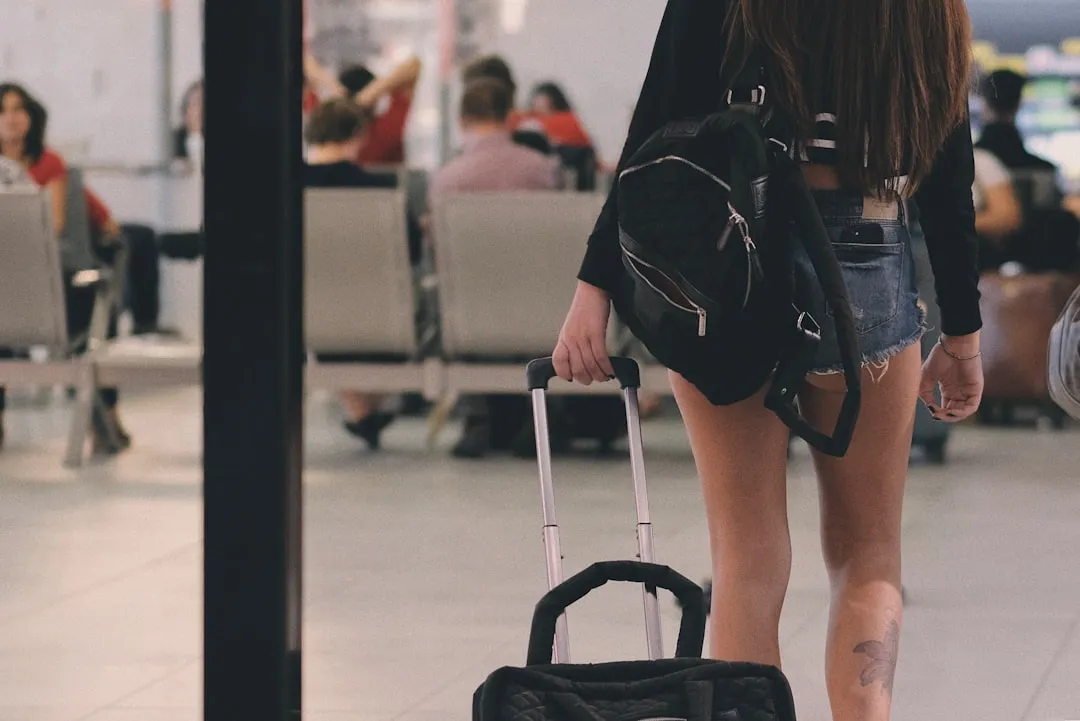
One in five travelers carefully plan their airport outfits ahead of a trip. These are the people whose neutral tote matches their sneakers, whose scarf doubles as a blanket, and whose entire look appears effortless despite being anything but. Instead of quickly choosing an outfit before heading to the airport, many travelers now plan their airport clothing in advance, with neutral colours such as black, beige, cream, and grey being particularly popular because they create a clean, timeless look.
Travelers often combine these outfits with matching accessories such as backpacks, cross-body bags, and suitcases. The coordinated traveler sees the terminal as part of the journey itself, not just a waiting room. Some go even further, with roughly 26 percent coordinating their outfits with their luggage.
The Style-First Traveler: Fashion Over Everything
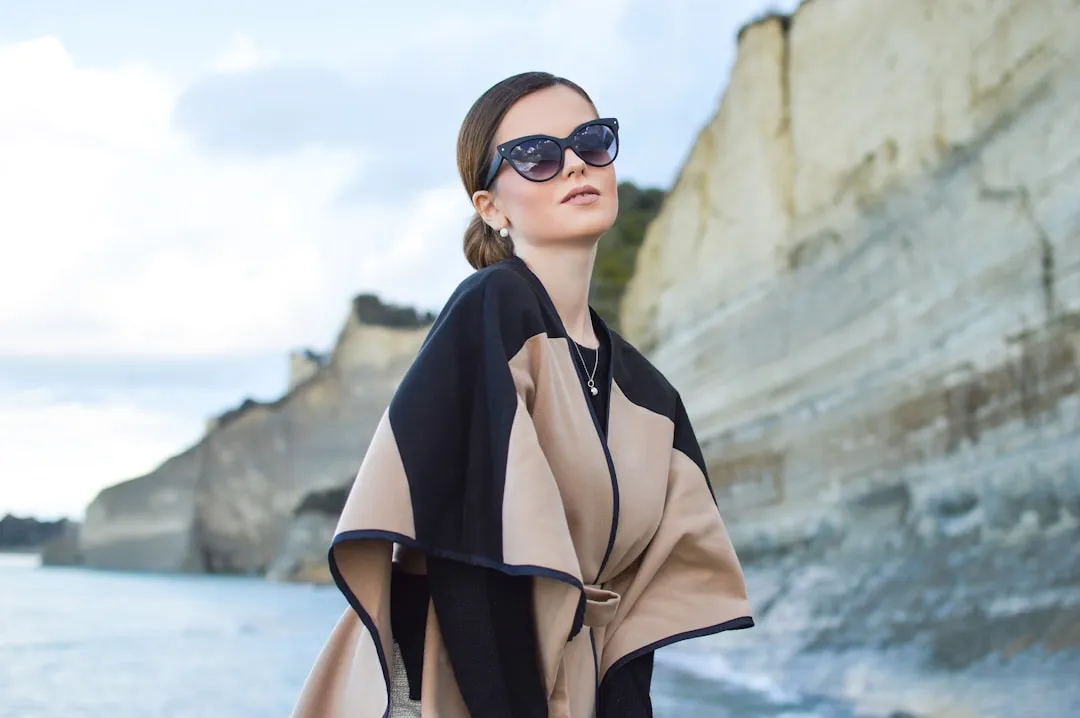
While the majority of travelers opt for loose and comfortable clothing, about 13 percent say they wear something fashionable or formal to the airport. This is a small but visible group who treat the departure hall the way others treat a dinner reservation. Appearance is a priority, full stop.
Those who wear standard, fashionable, or formal outfits while flying are eight points more likely to say they tend to conceal how they’re feeling through the way they dress. That’s a telling detail. For some, a polished airport look is less about showing off and more about feeling controlled and composed during an inherently unpredictable experience.
Research on “enclothed cognition” reveals that attire affects self-perception and behavior – for instance, formal attire boosts authority and cognitive performance, while casual clothing promotes relaxation and creativity. The style-first traveler may be onto something real.
The Gen Z Aesthetic Traveler: The Airport as Content

Nearly one in four Gen Z travelers say fashion and style matter most when choosing their airport outfit. For this generation, the terminal is as much a backdrop as it is a transit point. This visual-first mindset is reflected in the content travelers share online, especially on TikTok, where travel style has become its own genre.
A Skyscanner study conducted in July 2025 reveals that 85 percent of Gen Z believe that travel directly influences their personal style, compared with 74 percent across all generations. The airport outfit, for this group, is the opening frame of their travel narrative. In an era where travel content dominates social media feeds, the way you dress during travel can influence your personal brand.
About 17.5 percent of travelers have splurged on luggage, outfits, or accommodations specifically to enhance their trip’s social media appeal, with Gen Z at 30 percent leading the way. The outfit isn’t separate from the trip. It’s part of how the trip gets told.
The Loungewear Devotee: Pajamas at the Gate

The pajama-at-the-airport debate has moved from Twitter threads to government commentary. The U.S. Secretary of Transportation Sean Duffy recently lamented the rise of casual dress among airline passengers, calling for travelers to go back to an era where people didn’t wear their pajamas to the airport. The public, however, remains largely unbothered.
A 2026 study by travel site LocalsInsider examined how people actually dress to fly in the 30 largest U.S. metro areas, ranking cities by an “Airport Casual Score” based on loungewear, pajama-pant acceptance, and how much effort people say they put into their outfits. Portland took the crown for the most dressed-down airport style in the country, with locals among the least likely to say making an effort at the airport matters, and more than half saying pajama pants are perfectly acceptable on a flight.
Only 11 percent of flyers in the past year cite passengers dressing too casually as a problem they’ve encountered when flying. The loungewear traveler, it turns out, reflects a wide social consensus: nobody actually minds.
The Quiet Observer: Standard Shirt and Pants, No Statement
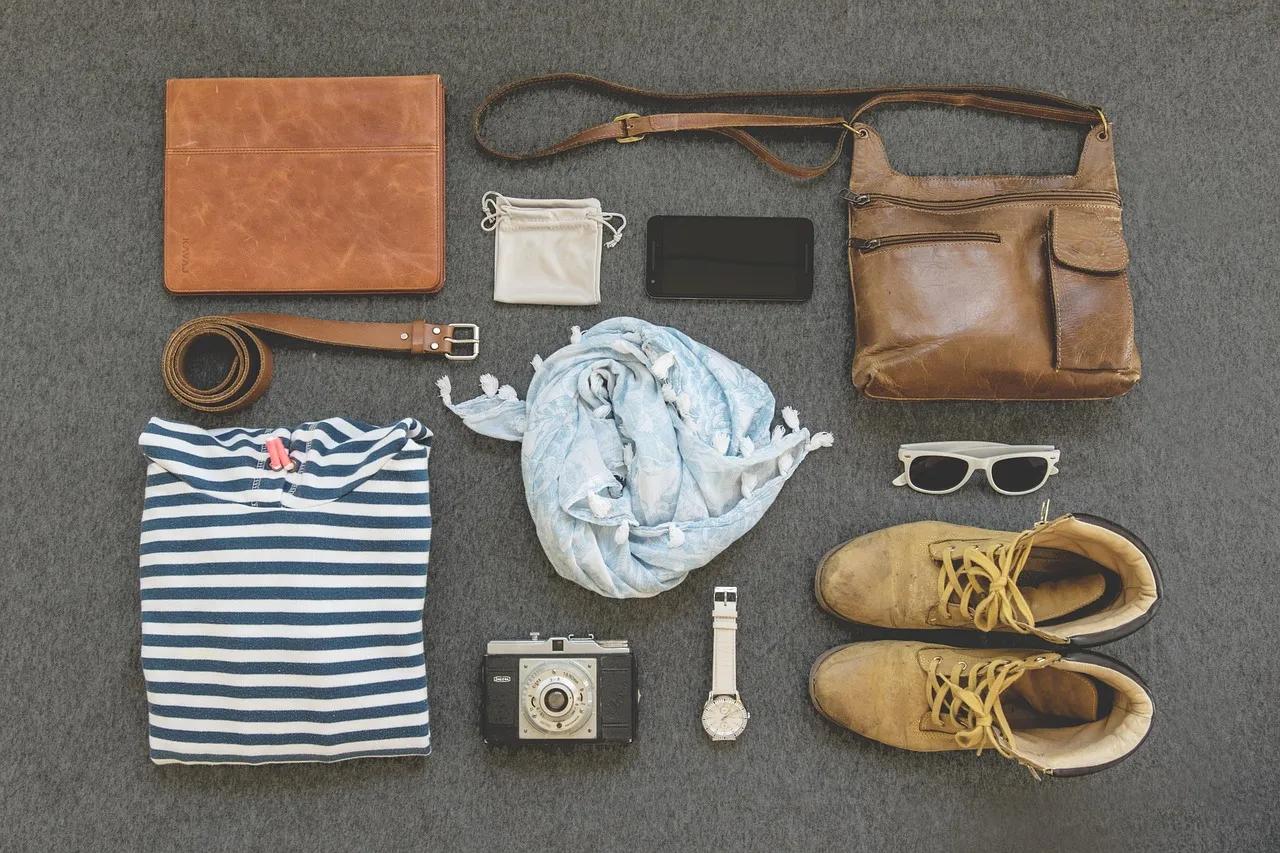
Roughly 27 percent of travelers opt for a standard shirt and pants. This group neither chases comfort culture nor performs for the camera. They’re simply dressed. It’s the airport equivalent of a resting face: readable, neutral, and often underestimated.
Suburban residents are the most likely to favor comfort-first travel attire, while rural residents are more likely to wear standard outfits. The standard-dressed traveler often sees flying as a transaction, something to get through cleanly. Their outfit says: I’m prepared, I’m reasonable, and I’m not looking for attention.
The Practical Layerer: Always Ready for Temperature Chaos
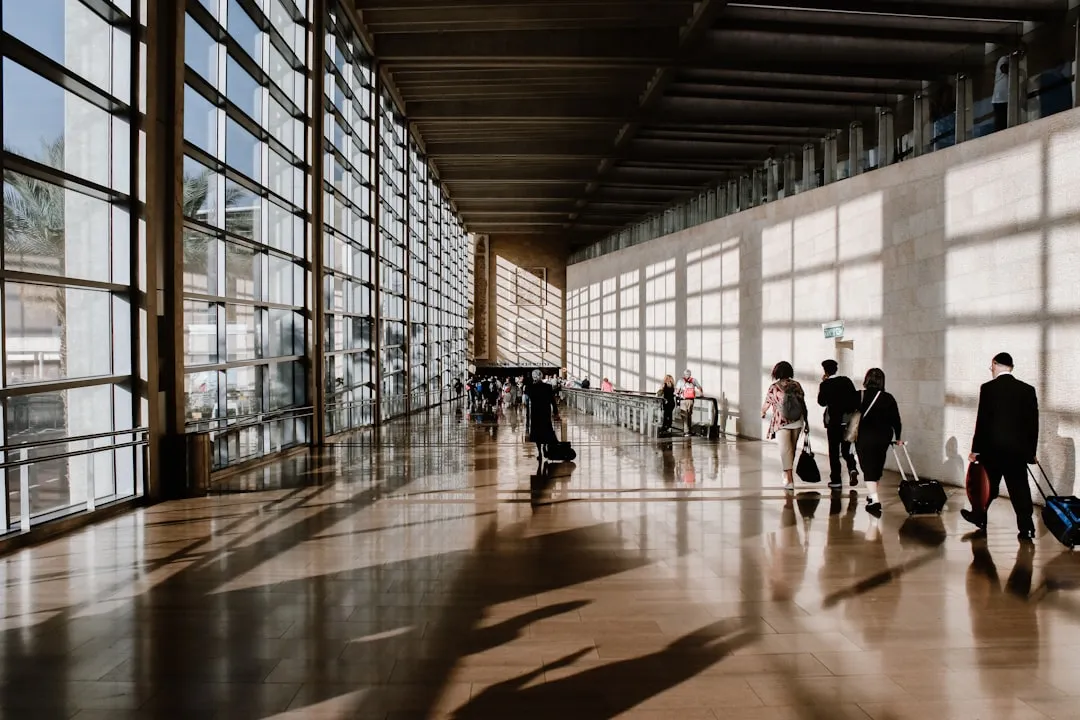
Every seasoned traveler has been burned by the same combination: a freezing cabin followed by a sweltering arrival city. The practical layerer has been there once and never repeated the mistake. Airport fashion is a unique style niche that demands attention to comfort, versatility, and appearance, since it’s one of the few places where your outfit needs to survive a rollercoaster of environments – from chilly terminals to warm destinations – while keeping you comfortable through long hours.
Temperatures can change throughout the journey, so wearing layers allows travelers to adapt easily between warm terminals and cooler aircraft cabins. The layerer is not trying to look stylish or make a statement. They’re running the numbers in their head and dressing accordingly. Reliability is their personality trait, not just their fashion philosophy.
The Social-Media-Influenced Shopper: Dressed for the Trip Before It Starts
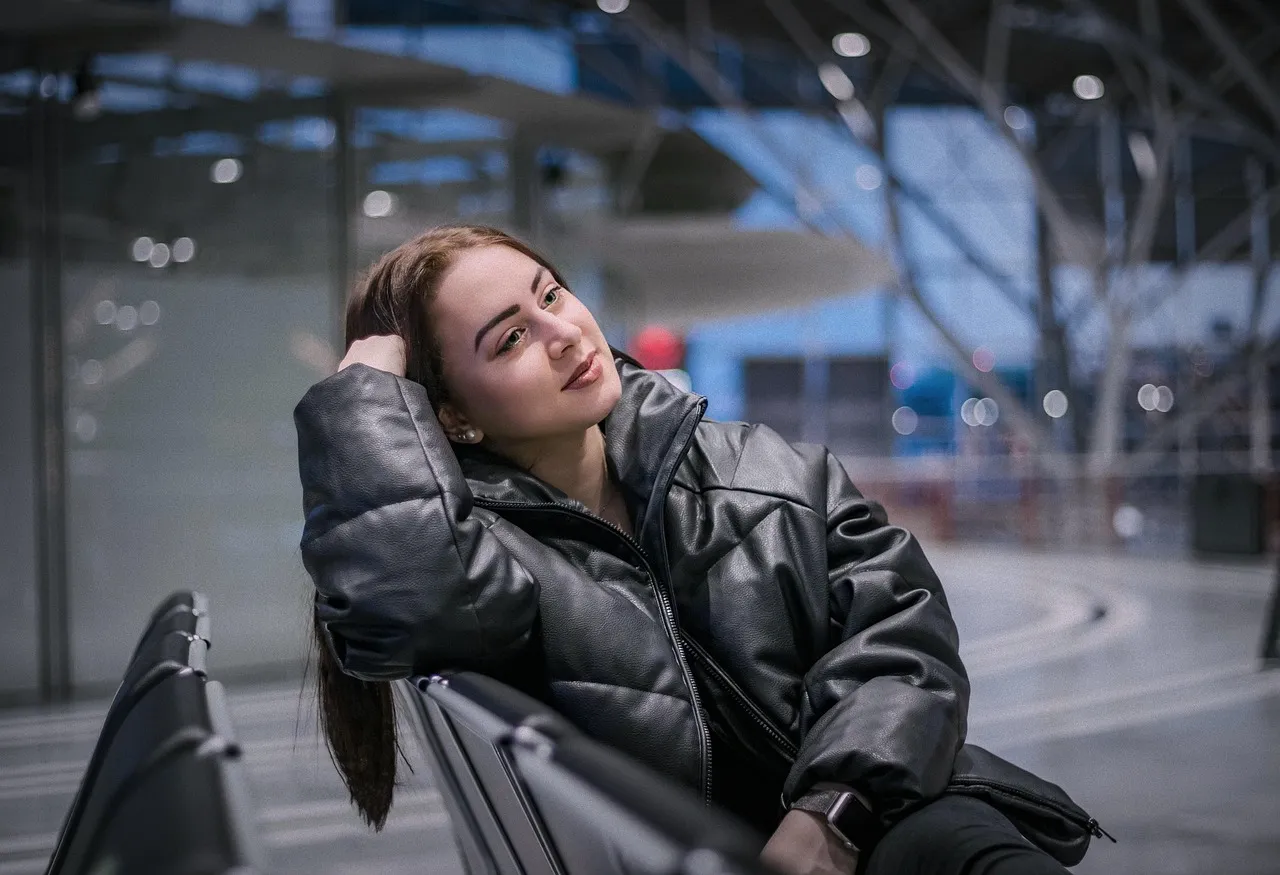
Over half of U.S. travelers have purchased new clothing for a trip within the past 12 months. For a growing segment, the airport outfit isn’t pulled from an existing wardrobe. It was bought for this trip specifically. Social media fashion influencers are now showcasing curated airport outfits not just for style, but as travel capsules that can serve multiple post-flight occasions, with TikTok and Instagram reels highlighting quick transitions from “flight mode to dinner mode” using minimal changes.
Over one in five travelers anticipate that social media or pop culture will prompt them to spend more on travel-related fashion, luggage, or unique experiences, with more than half planning to spend $500 or more. These travelers are not just dressing for the flight. They’re dressing for the memory, the post, and the version of themselves they want to project across the whole trip.
The Judgment-Free Pragmatist: Functional Footwear and Nothing Else
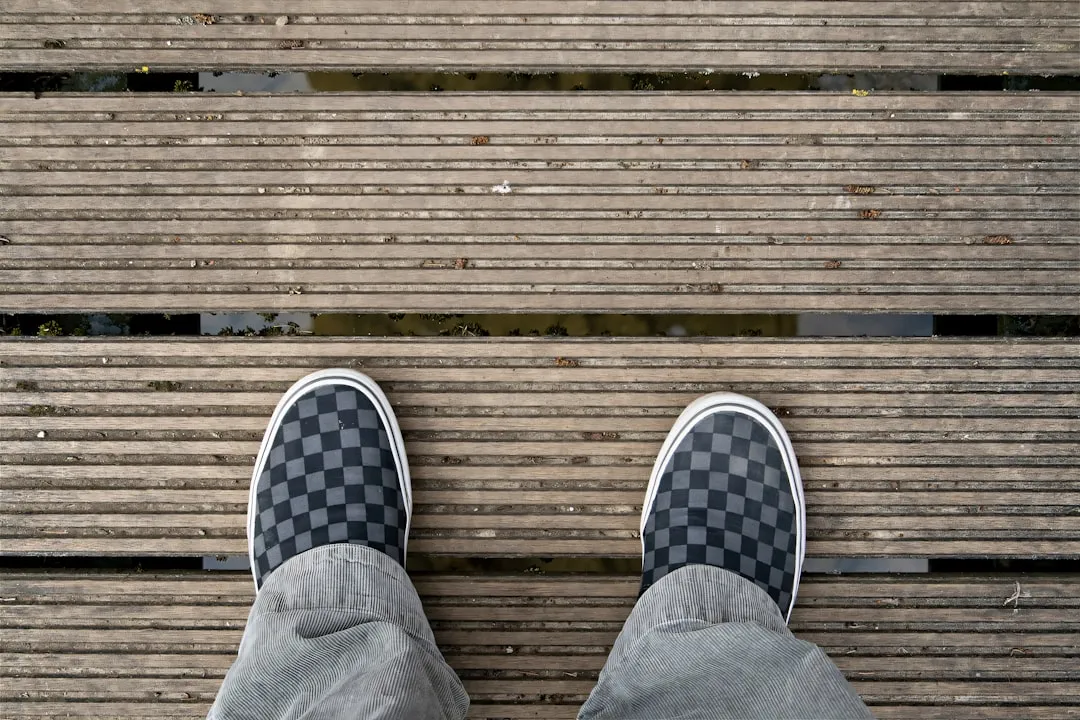
This traveler has one filter for every piece of clothing: will it help or slow them down? Complicated lacing gets left at home. Shoes that are difficult to remove can slow down airport security checks, making slip-on trainers or simple shoes easier when traveling. Their outfit choices are almost entirely logistical, and there’s a certain quiet confidence in that approach.
Natural or lightweight materials help keep you comfortable during flights and while moving through busy terminals. The pragmatist has done this enough times to know what matters. They won’t win a street-style competition at the gate, but they’ll be through security and seated before anyone else has untied a single boot.
The Sustainably-Minded Traveler: Wearing Values, Not Just Clothes
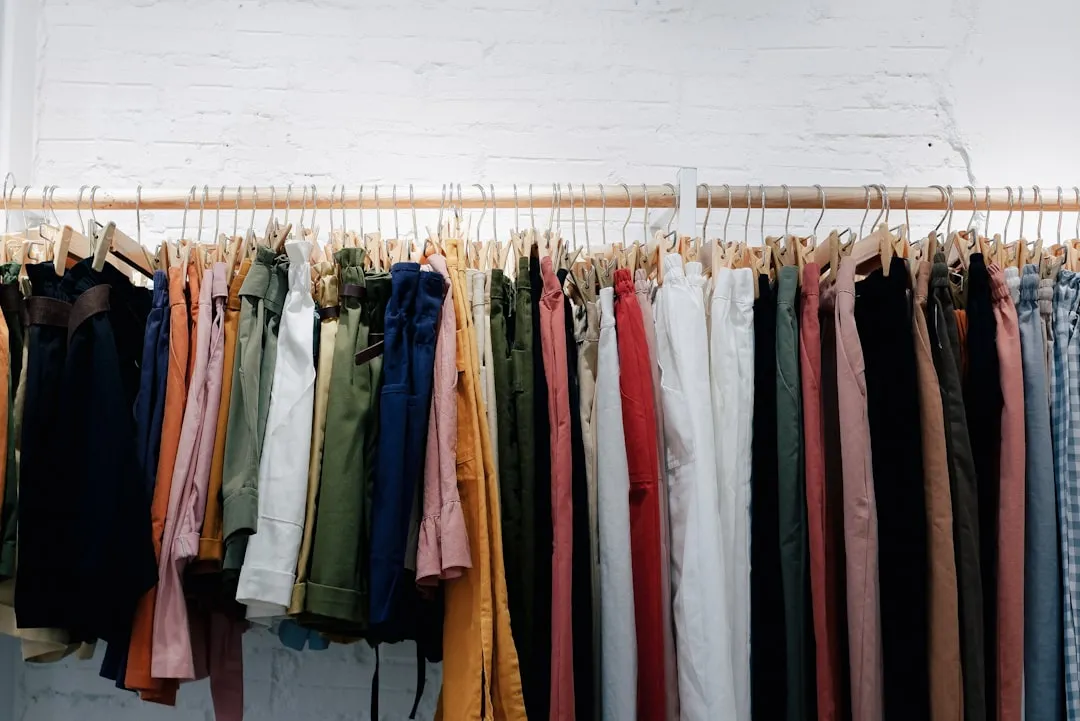
A quieter but growing cohort arrives at the airport in pre-loved, secondhand, or ethically sourced pieces. Their outfit is a reflection of values that extend well beyond the journey itself. Roughly 70 percent of those who wear loose, comfortable outfits on planes say they own secondhand clothing, compared to 57 percent of those who wear non-comfortable outfits.
People experience dissonance between their environmental values and their consumption behavior toward non-sustainable brands, and attempts to resolve this dissonance have given rise to alternative approaches such as slow fashion, thrifting, preloved sales, and intentional rewearing. For this traveler, what’s on their back at check-in is an extension of how they try to move through the world more broadly. The fashion choices people make are rarely shallow or unthinking.
The Takeaway
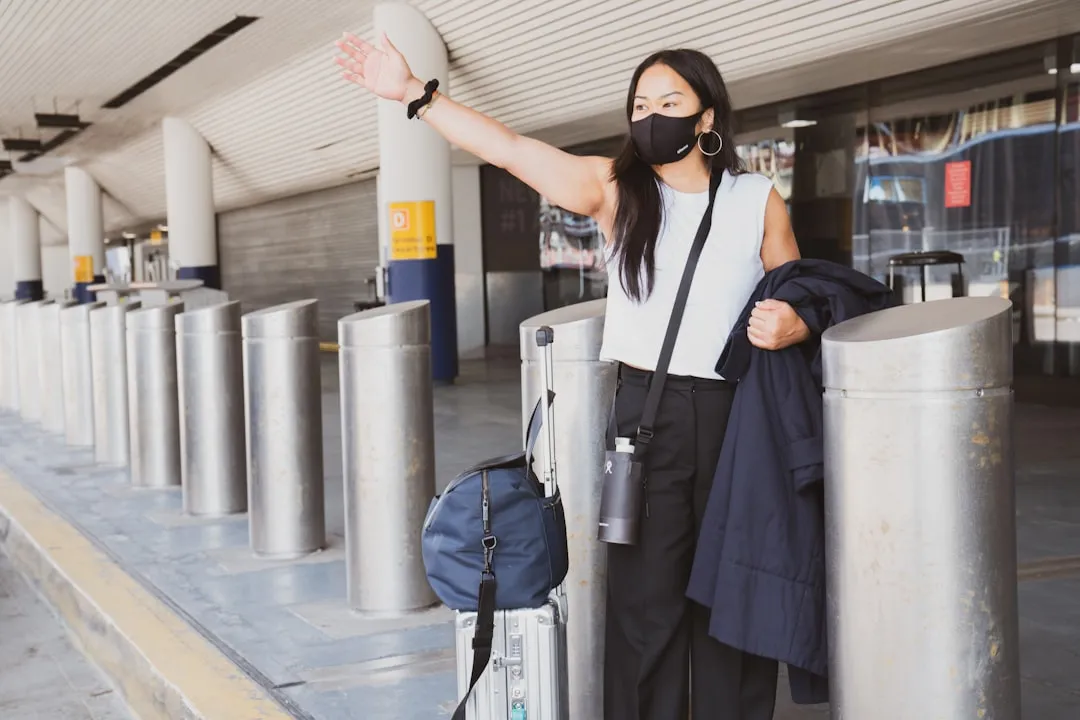
Airport fashion, it turns out, is a genuinely rich mirror. Fashion serves as a strategic psychological buffer, and for many people, clothing is about protection – not just from the elements, but also from judgment and self-doubt, allowing the person to determine how much to reveal of their true self. The terminal simply makes that more visible than usual.
Nearly half of travelers admit to judging fellow passengers based on their airport attire. Which means the reading goes both ways. What’s worth remembering is that comfort, style, pragmatism, and sustainability are all legitimate frameworks. None of them is wrong. The person in sweatpants and the person in a trench coat are both just trying to get somewhere, and both are telling a quiet story about who they are when nobody’s watching – except, of course, everyone is.
AI Disclaimer: This article was created with the assistance of AI tools and reviewed by a human editor.