


There was a time when driver education in America was treated as a serious civic matter. The peak came in the 1960s and 1970s, when driver education was widely subsidized and culturally expected, and states invested in curriculum development. At the center of that education was one deceptively simple discipline: maintaining a safe following distance and respecting the lane system as a shared, purposeful structure.
Today, that culture has largely eroded. Highways feel more like pressure contests than cooperative systems, and the numbers bear that out in sobering ways. The habit those mid-century drivers were taught – patience, predictability, and keeping a respectful gap – turns out to be exactly what our roads are desperately missing in 2026.
The 1960s Driving Mindset Was Built on Genuine Discipline

In the 1960s, heavy traffic and soaring accident statistics prompted instructors to introduce a mindset shift – no longer was it enough to simply obey traffic signals. Defensive driving became a philosophy, not just a checklist. The concept of defensive driving had been developed by the National Safety Council to reduce the risk of collisions by anticipating dangerous situations, and it became a cornerstone of driver education, teaching drivers to act proactively rather than reactively.
For much of the twentieth century, learning to drive in America followed a formal path. Teenagers sat in small classrooms watching films about braking distance and hand signals. Instructors, often former mechanics or retired police officers, handed out workbooks and scheduled behind-the-wheel sessions weeks in advance. That rigor produced drivers who genuinely understood what it meant to share a road.
What “Keeping Your Distance” Actually Means – and Why We’ve Forgotten It

Tailgating is the action of a driver following another vehicle while not leaving sufficient distance to stop without causing a collision if the vehicle in front stops suddenly. The safe distance varies depending on factors including vehicle speed, weather, visibility, and other road conditions.
The three-second rule says that when a car in front of you passes any point, you should be able to count to three before you cross that same point. The more distance between cars, the more time to react. It’s a principle taught in virtually every driver’s manual, yet it’s being ignored at a stunning scale on highways across the country.
Tailgating causes 1.4 million U.S. crashes annually. The average driver actually follows other vehicles at just 1.2 seconds – well below the recommended three-second rule. That gap between what we know and what we do is where lives are being lost.
The Crash Numbers Are Staggering
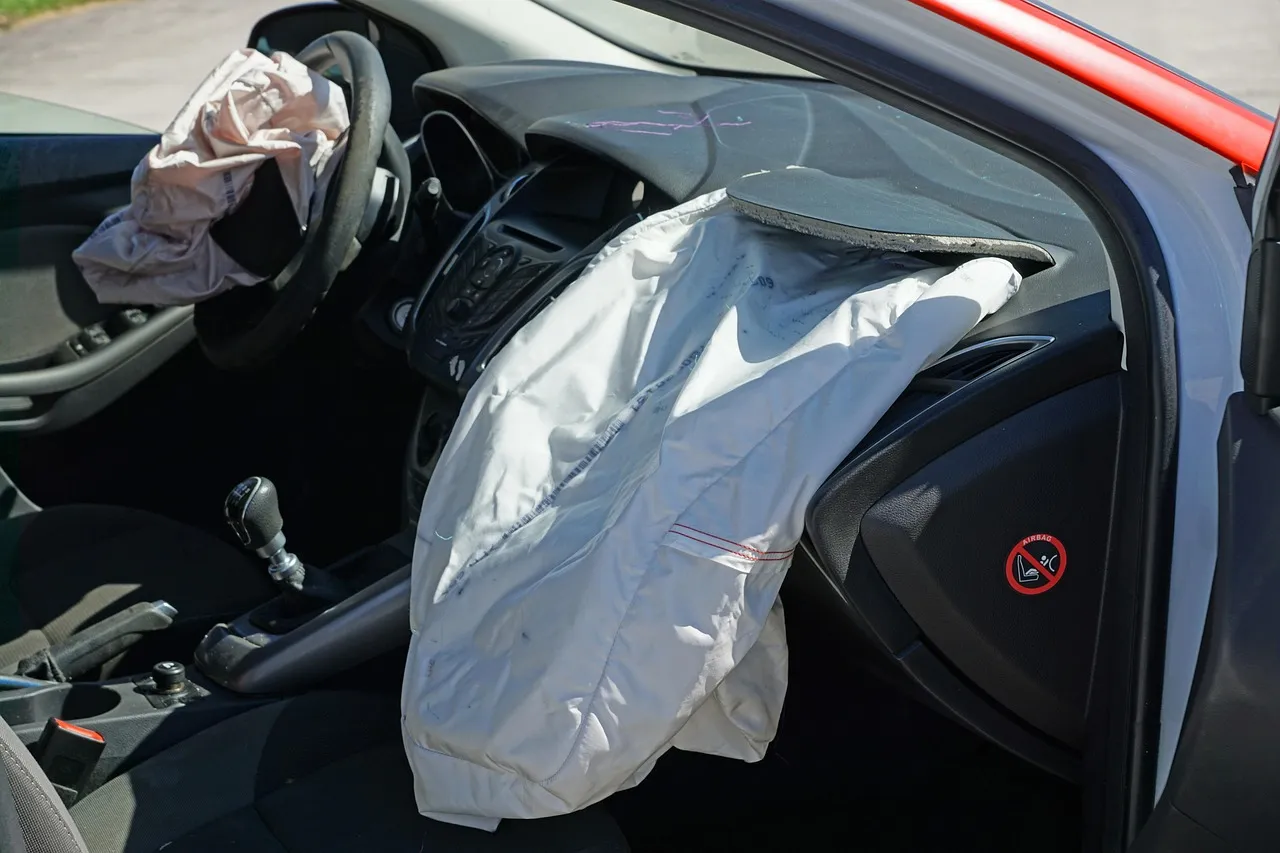
Tailgating is still driving staggering harm, with 5,200 fatalities in 2022 and roughly $100 billion a year in damages and losses, while rear-end crashes linked to tailgating hit 1.8 million incidents in that same year. These are not minor fender-benders on side streets. Most of them happen at speed, on the very highways that were designed to move people safely and efficiently.
Statistics show that roughly three quarters of tailgating accidents happen on highways and tollways. According to National Highway Traffic Safety Administration data, rear-end collisions make up roughly one third of all accidents involving more than one passenger vehicle every year. The sheer consistency of these figures, year after year, suggests this isn’t bad luck. It’s a behavioral pattern.
Why Following Distance Is a Physics Problem, Not Just a Politeness Issue

When a driver tailgates, even a momentary distraction can turn into a serious crash. Reaction time is significantly reduced, and vehicles traveling at 60 mph or faster require longer stopping distances than many people assume. If the car in front brakes suddenly, there’s simply not enough space to avoid impact.
A car traveling at 60 miles per hour could need nearly 300 feet to stop safely. That distance is not feasible when tailgating occurs. Put plainly, the physics of modern highway speeds demand far more space than most drivers allow. The average time to stop when following at two seconds is about 120 feet, compared to 65 feet at a one-second gap, increasing crash risk at closer distances.
The Psychological Side: Why Drivers Tailgate Without Realizing It
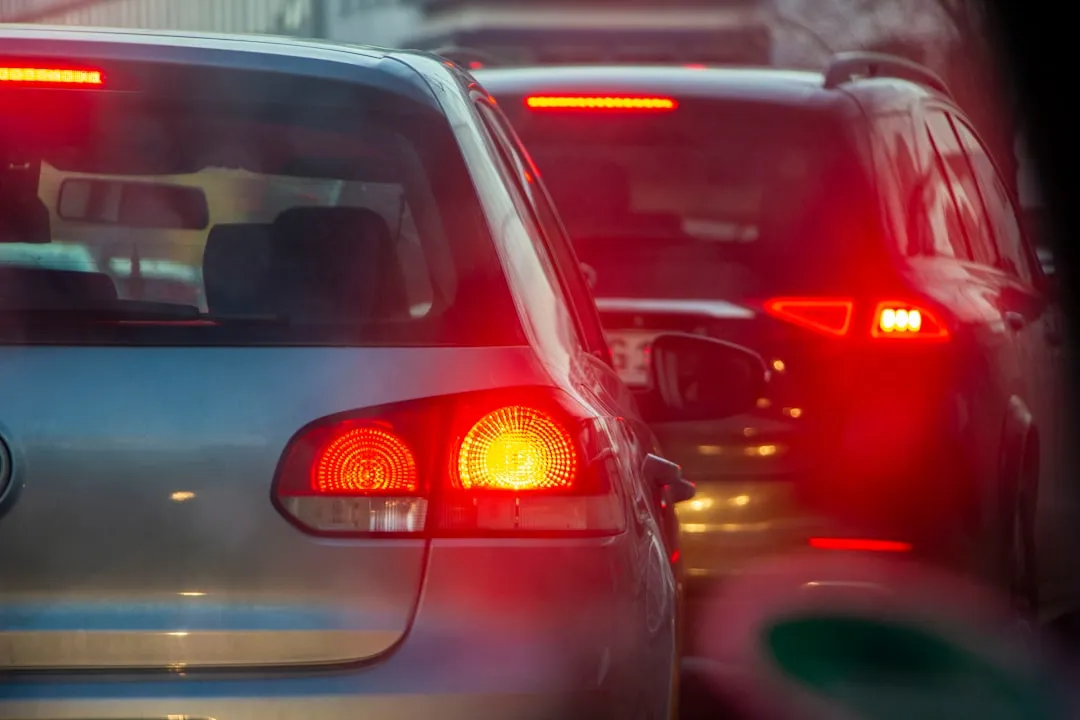
Tailgating can occur because of a lack of perceived risk in doing so. It is often done unconsciously or negligently, very often by people who consider themselves safe drivers and generally obey other rules of the road. That’s one of the most troubling aspects of this habit – many tailgaters don’t believe they’re doing anything wrong.
Common causes of tailgating include impatience – drivers in a hurry may tailgate to pressure the car ahead to go faster – and distraction, where motorists who are texting or attending to other tasks may not notice how close they are to the leading vehicle until it is too late. Younger drivers between ages 16 and 25 are particularly prone, with nearly half admitting to following too closely on a regular basis.
Left-Lane Discipline: The Lost Art of Passing and Moving Over
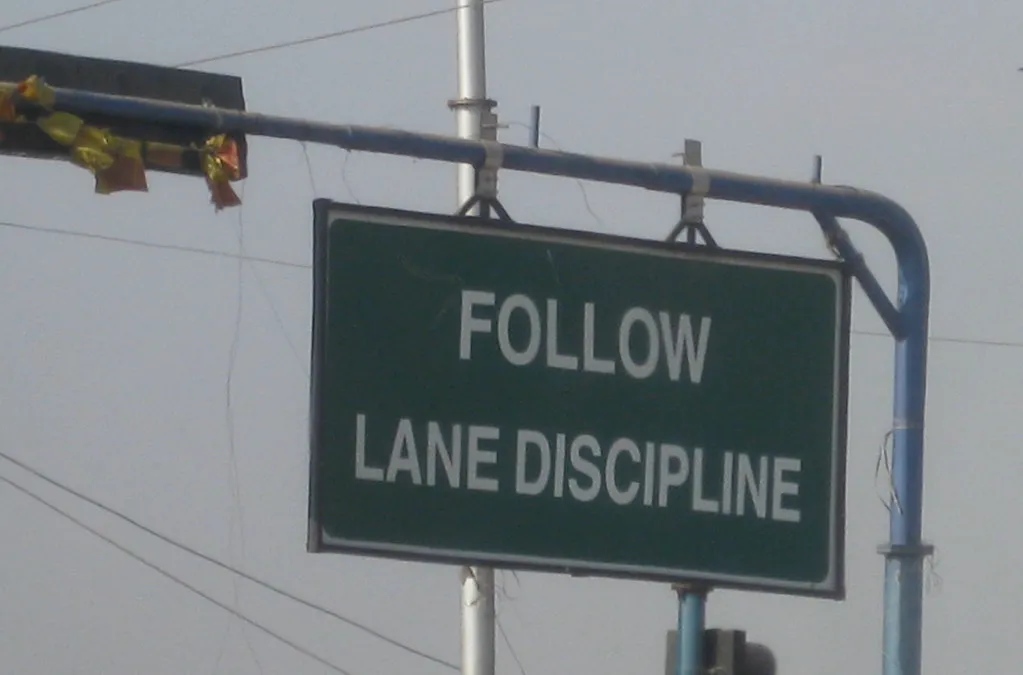
Safe following distance is only part of the equation. The other piece the 1960s got right was lane discipline itself – the understanding that each lane has a purpose. The right lane is for slower-moving traffic and for entering or exiting the highway. The middle lane is best for cruising and maintaining speed. The left lane is intended for overtaking slower vehicles.
Lane discipline involves staying in your designated lane, following lane markings, and changing lanes only when it is necessary and safe. It is a fundamental part of defensive driving that promotes safety and helps keep traffic flowing smoothly. Today, millions of drivers treat the left lane as a permanent home – a habit that creates frustration, aggressive behavior, and genuine danger.
States Are Finally Fighting Back Against Left-Lane Camping

Lawmakers across the country have begun responding to what has become a real highway safety issue. Connecticut lawmakers are aiming to make the commute smoother, with a new state law starting October 1, 2026, allowing police to ticket drivers who “camp” in the passing lane without actively passing another vehicle.
Florida House Bill 317 – called Interstate Safety – says that drivers cannot operate in the furthermost left-hand lane of any road, street, or highway with a speed limit of at least 65 mph unless they are passing another vehicle or preparing to exit the road. Iowa legislators have described similar legislation as “an effort to prevent left-lane camping on multi-lane highways and improve traffic flow.” The fact that so many states are acting on this simultaneously suggests the problem has become undeniable.
The Road Rage Connection Nobody Talks About Enough
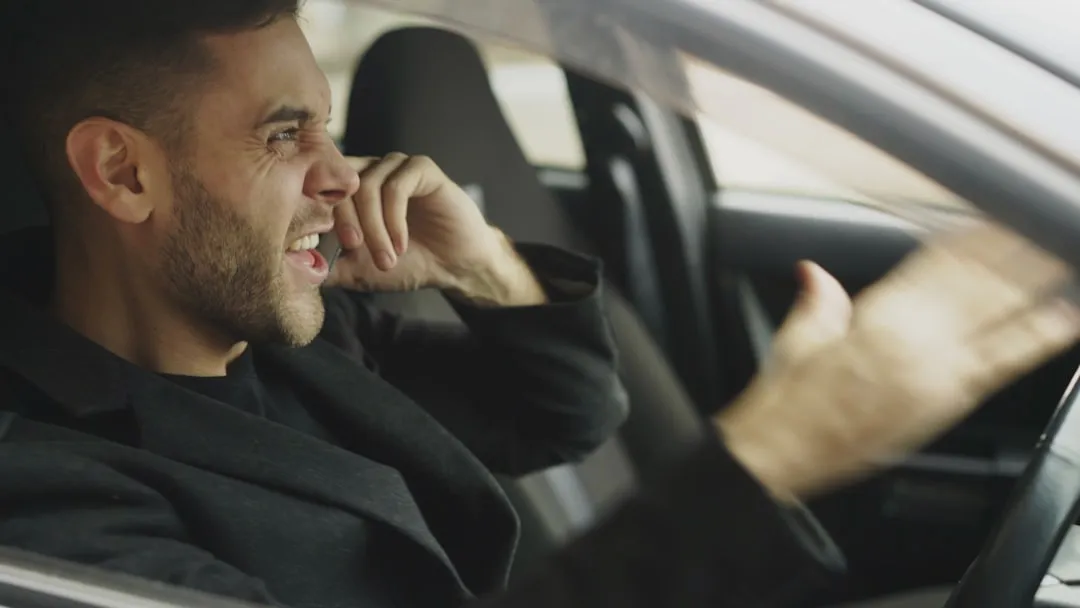
Left-lane camping and chronic tailgating don’t just create crashes in isolation. They feed a broader culture of hostility behind the wheel. A 2024 study found that nearly all surveyed individuals – roughly 96% – had witnessed an act of road rage in the past six months.
A nationwide survey of over 3,000 drivers documented widespread aggressive behaviors in 2025. Since 2019, more than 12,600 injuries and 218 murders have been attributed to road rage. Tailgating can provoke road rage where one vehicle is blocking and another attempts to defy the block. The cascade is almost predictable: one driver camps the left lane, another tailgates out of frustration, and the situation escalates from there.
Technology Helps, But It Can’t Replace the Habit
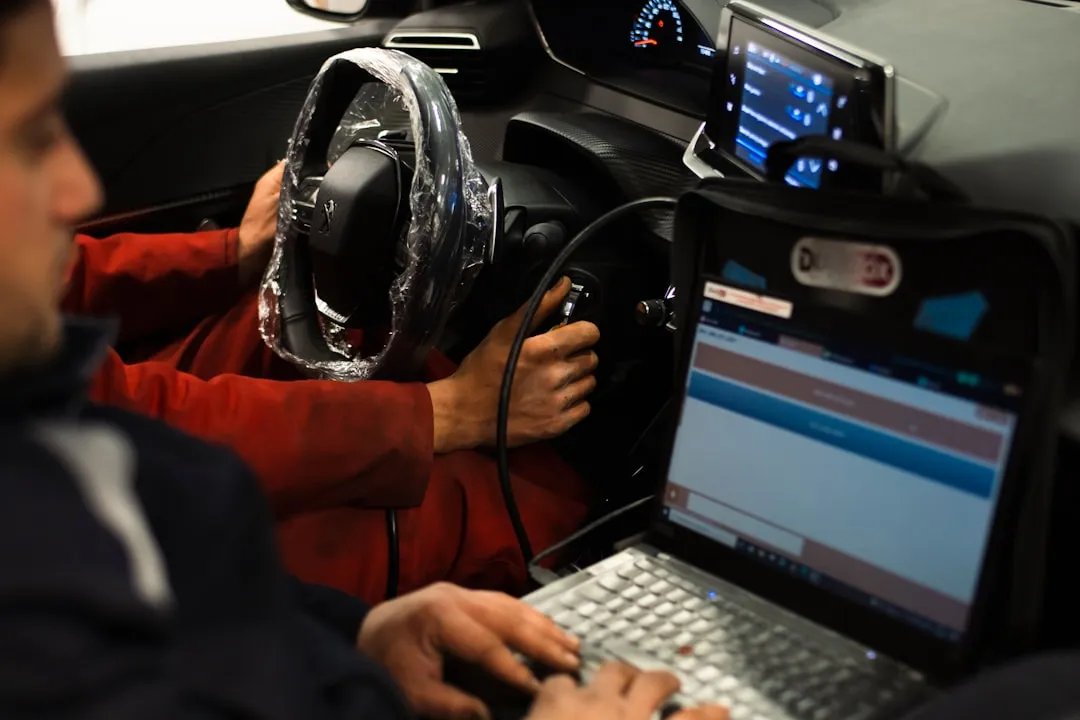
Modern vehicles offer tools that partially compensate for poor following distance. Automated emergency braking systems reduce rear-end crashes caused by tailgating by approximately half, showing technology’s clear effectiveness. That’s meaningful progress. Still, technology works best when it supplements responsible behavior – not when it substitutes for it entirely.
Distracted driving emerged as a new challenge, and intelligent transportation systems, electronic stability controls, and the advent of self-driving cars ushered in a new era of innovations designed to mitigate the effects of human error. Yet despite all of it, tailgating rates remain stubbornly high. Reducing following distance from two seconds to just one second doubles the risk of a rear-end crash, according to safety studies – a fact no lane-departure alert can truly offset.
Driver Education Peaked in the 1960s – and Has Been Declining Ever Since

Part of the problem is structural. The culture that produced disciplined highway drivers in the 1960s has quietly unraveled over the decades. The decline began quietly. Budget cuts pushed driver education out of public schools. Liability costs rose. Parents increasingly took on instruction themselves, guided by simplified manuals and online resources.
Online coursework replaced classrooms. Behind-the-wheel instruction became modular or optional. The result is a generation of drivers who passed a test but never absorbed a philosophy. Controlling your speed, keeping emotions in check, and maintaining safe distances are all part of the defensive driving approach that remains the most reliable path to safer roads.
What Bringing This Habit Back Would Actually Look Like

Reviving the discipline of the 1960s doesn’t require turning back the clock on technology or car design. It requires recalibrating expectations. Applying the three-second rule decreases rear-end crash likelihood by over 60%, underscoring the importance of maintaining safe following distances. That single change, if adopted more widely, would have an immediate and measurable effect on highway safety.
Proper lane discipline minimizes the risk of collisions by ensuring that vehicles move predictably. When every driver stays in their lane and follows the rules, it reduces the chances of sudden, unexpected movements that can cause accidents. When more drivers adopt defensive habits, roads become calmer overall. Fewer accidents translate into less congestion, fewer emergency responses, and lower medical costs. Ultimately, it fosters a community-wide culture of safety that benefits everybody.
The Road Forward

The habit we’re missing isn’t complicated. It isn’t some lost technology or a policy waiting on federal approval. It’s patience – the practiced, deliberate kind that drivers in the 1960s were formally taught and socially expected to demonstrate. Tailgating remains one of the most preventable causes of accidents on U.S. roads. Its contribution to rear-end collisions, pileups, and highway crashes is well-documented, and the habit persists largely due to impatience, distraction, and lack of awareness.
The data from 2024 and 2025 makes a strong case that we are overdue for a cultural reset behind the wheel. Legislation helps. Better technology helps. But the most powerful shift would be a renewed sense that the highway is a shared space – not a personal race track – and that the three seconds of space you leave in front of your car could easily be the most important decision you make on any given drive.
AI Disclaimer: This article was created with the assistance of AI tools and reviewed by a human editor.