
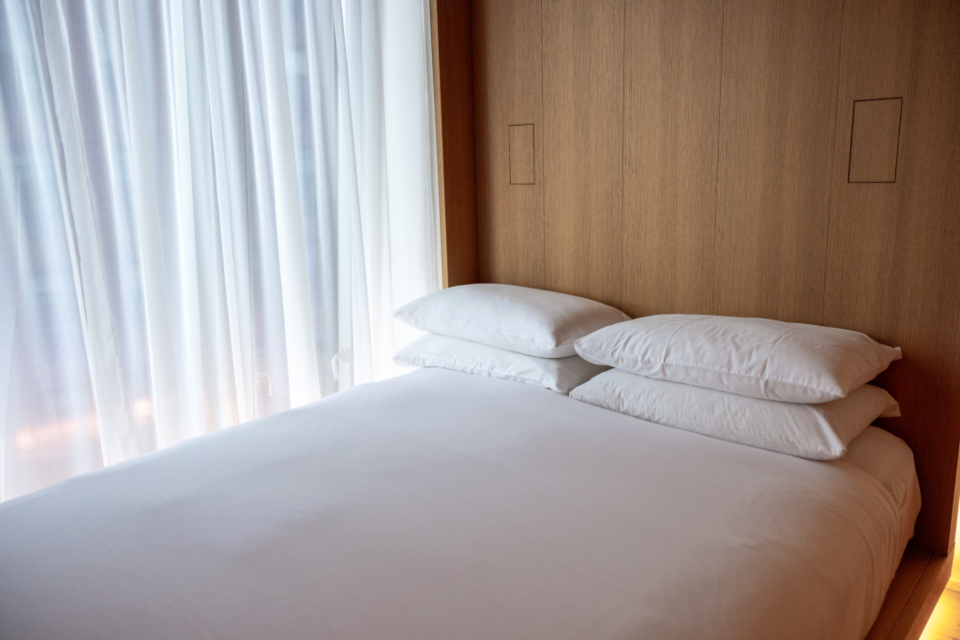

1. Touching the TV Remote Without Wiping It First
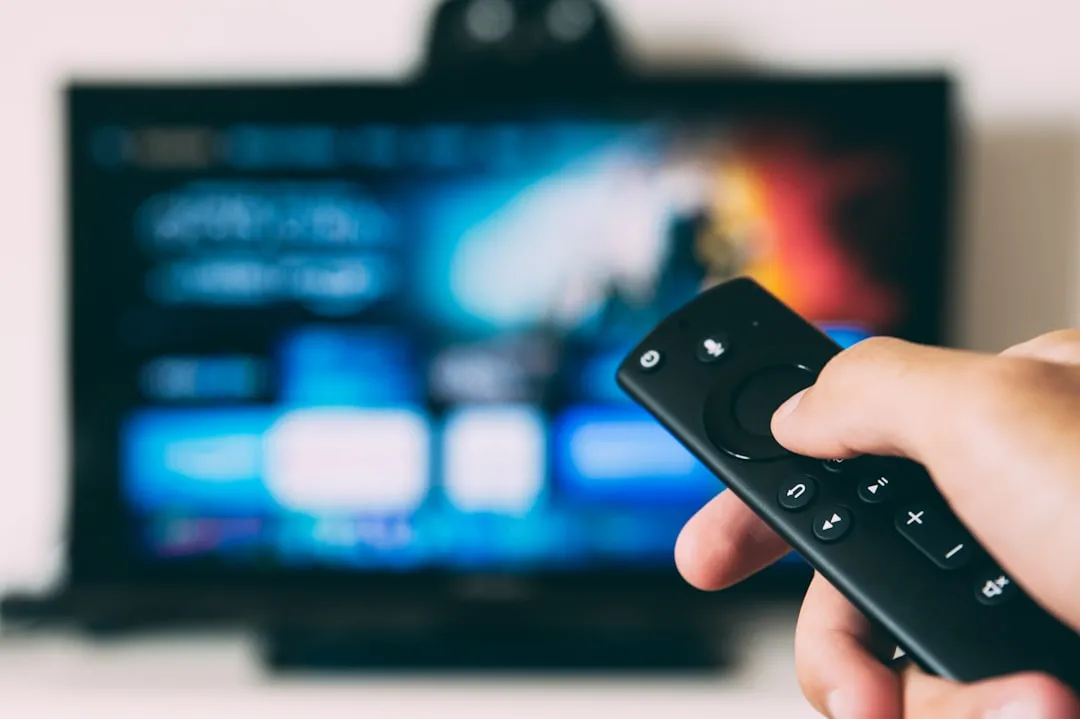
The TV remote is one of the first things most guests reach for, and one of the last things hotel housekeeping properly sanitizes. Research from the University of Houston, presented at the American Society for Microbiology, found that television remotes are among the most heavily contaminated items in hotel rooms, with high levels of bacterial contamination alongside the bedside lamp switch.
The remotes racked up a mean of 67.6 colony-forming units of bacteria per cubic centimeter squared – and for comparison, one study of environmental cleanliness in hospitals recommended a top limit of 5 CFU per cubic centimeter squared. That is a significant gap.
Both flight attendants recommend wrapping the remote control inside a shower cap to prevent your fingers from coming into contact with germs and bacteria. It takes about five seconds, and the shower caps are already there in the bathroom.
2. Sleeping Under the Decorative Bedspread or Comforter
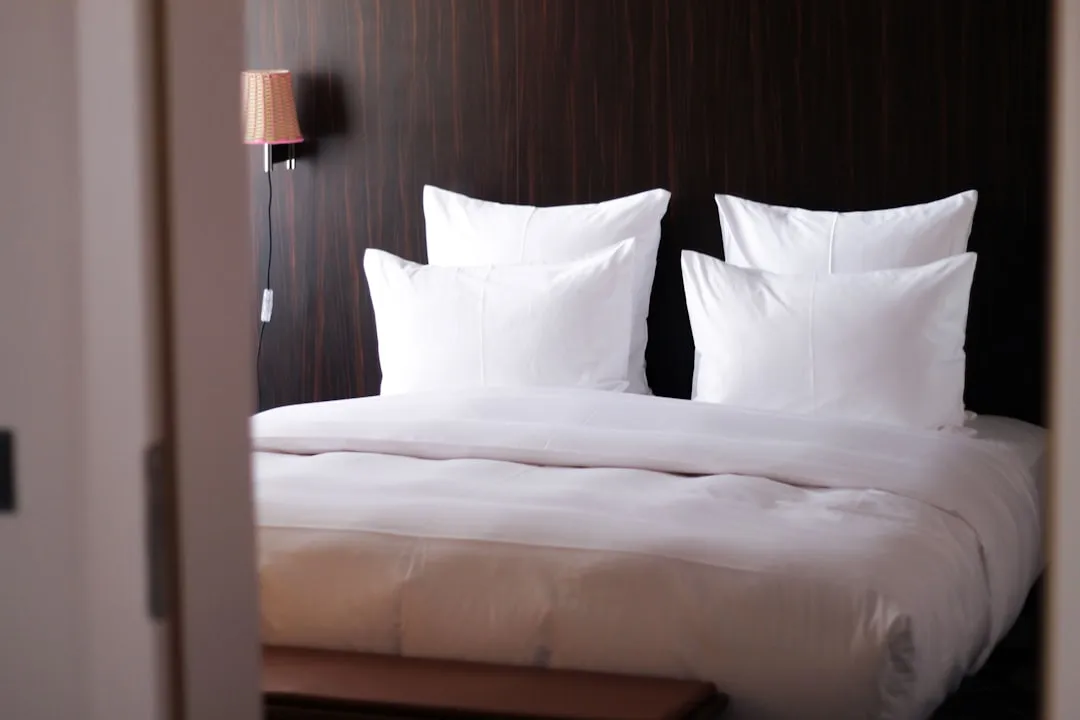
That thick comforter draped across the bed looks welcoming, but its washing schedule may be far less reassuring. According to a Reader’s Digest report, certain hotels were found to only wash their decorative bedding four times a year – a cautionary fact when it comes to decorative pillows or bedspreads in a hotel room.
Generally speaking, the comforter will only be washed every few months at the most, so make sure clean sheets are covering it, while decorative pillows are never washed – these should be immediately discarded to a nearby seat or sofa.
Experienced flight attendants are well aware of this. Many seasoned crew members never sleep with the comforter even on the coldest nights. If a hotel uses a duvet with a removable cover, that is generally the safer option – many hotels use duvet covers rather than traditional comforters, as these can be easily removed and washed between guests, much like sheets, making it a more hygienic option that is becoming increasingly popular in the industry.
3. Using the In-Room Coffee Maker
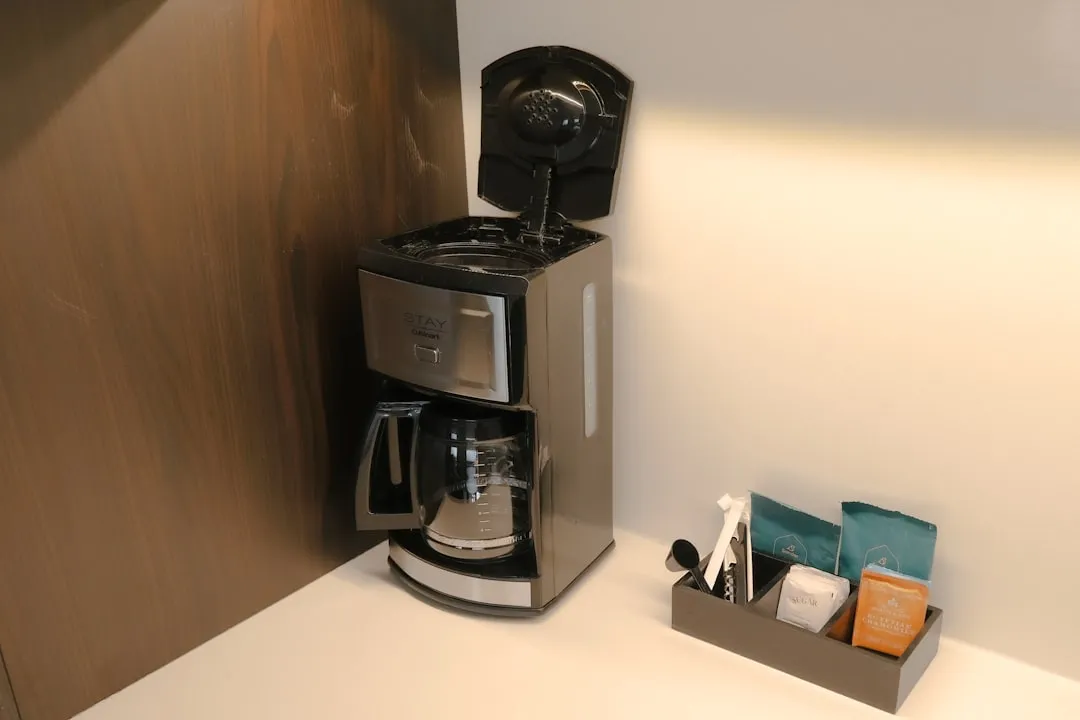
It seems harmless enough. You want your morning coffee, and there it is on the desk. The problem, as flight attendants with hotel management backgrounds know well, is what happens between guest stays. That coffee maker does not get properly cleaned – it just accumulates bacteria.
After a recent viral hotel coffee pot controversy, many travelers are rethinking what they assume is clean inside hotel rooms. The interior components that hold water and heat it repeatedly are rarely, if ever, deep-cleaned between guests.
If you insist on using it, one practical approach is to carry white vinegar, a natural and non-toxic solution that can safely rinse things like coffee pots, kettles, or bathroom surfaces. Otherwise, the hotel lobby café or a nearby spot is a genuinely safer choice for your first cup of the day.
4. Skipping the Room Safety Check Upon Arrival
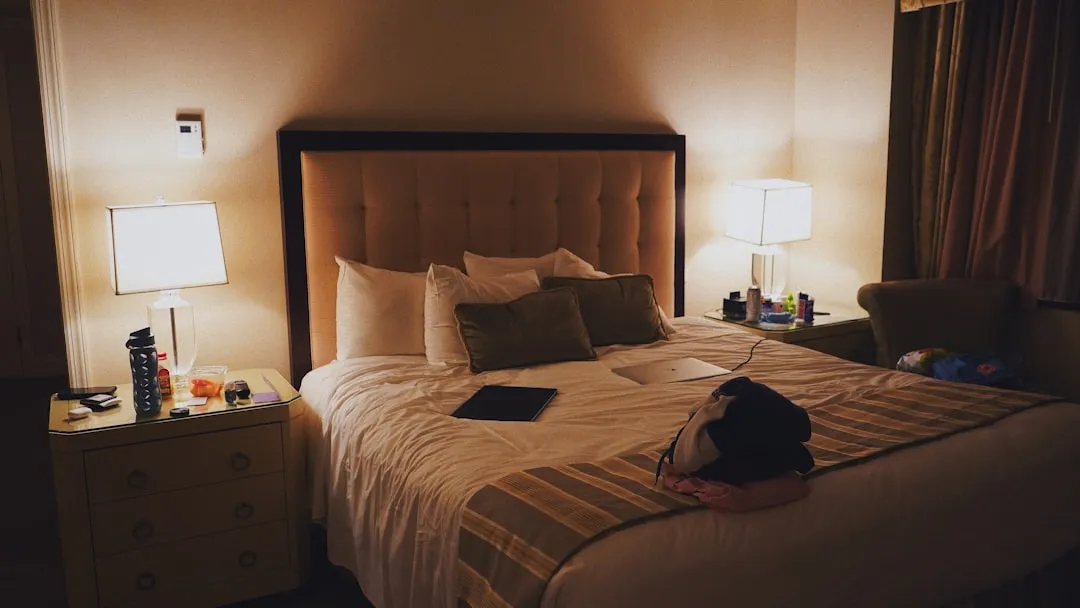
Most travelers drop their bags, kick off their shoes, and collapse on the bed. Flight attendants, almost universally, do something different first. When checking into a hotel, flight attendants are trained to keep security top of mind. Upon arriving in your room, the first thing to do is check the locks – ensure that both the door’s deadbolt and security latch are functioning properly.
Before settling in, it is wise to take a moment and check your room thoroughly. Flight attendants always make it a habit to inspect the entire room, looking behind curtains, inside closets, and under the bed. This is not anxiety – it is preparedness, and there is a real difference.
Once you get your room key, propping the door open with your luggage is a wise move – just in case someone has not checked out yet or you were given the wrong room key. On rare occasions, the previous guests may simply not have left. It sounds unlikely until it happens to you.
5. Saying Your Room Number Out Loud at Check-In

This is a habit flight attendants warn about strongly, and it costs nothing to change. This tip is well known by all flight attendants: never ever say your room number out loud. Someone could be listening and then try to break into your room while you are out, or even while you are sleeping.
Another widely shared tip is to be discreet when checking in. Never announce your room number out loud – instead, ask the hotel receptionist to write it down for you. This simple precaution helps protect your privacy and keeps others from overhearing your location within the hotel.
Beyond check-in, experienced flight attendants also advise against posting your hotel name on social media while you are still there. You could have stalkers you do not even know about. Posting the pictures after you have left is always the smarter move.
6. Not Checking the Bed Sheets for Signs of Poor Housekeeping
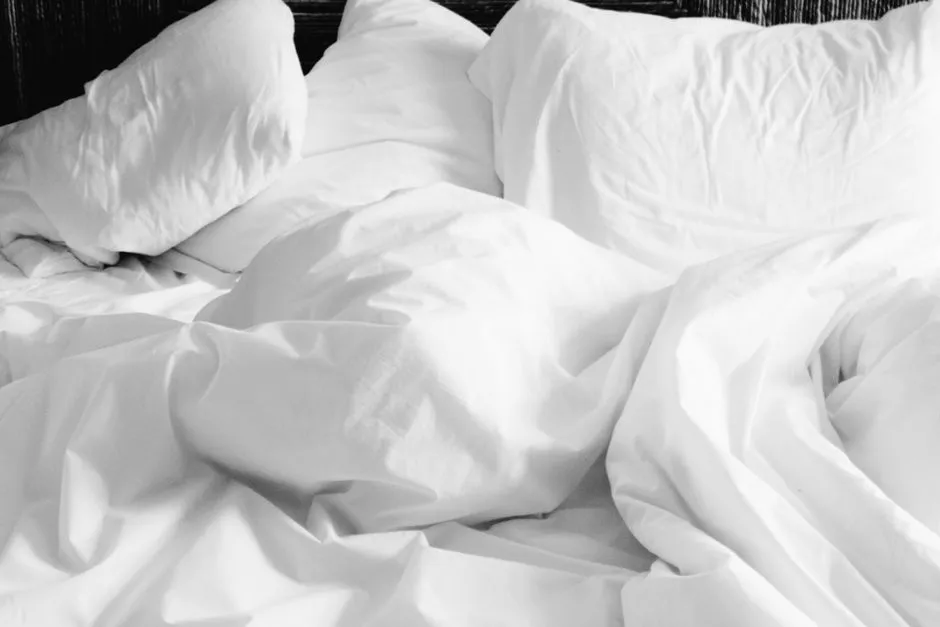
Flight attendants who stay in hotels regularly have developed a quick-check routine that most travelers skip entirely. Flight attendants will regularly pull back the bed sheets as soon as they get into their room to look for telltale signs that the sheets have not been changed, or perhaps even worse, evidence of a bedbug infestation.
The concern is real enough that some crew members have taken it a step further. Some crew members tuck messages into the sheets to help alert fellow flight attendants or other guests that the linen they are about to climb into has not been changed. Some flight attendants even create a stain on the sheets to ensure housekeeping does not dismiss their request on arrival.
The dresser and nightstand drawers are also worth checking. If something was left in the drawer – old items from a previous guest – it might be an indication the room was not well cleaned. Quick checks like these take under a minute and tell you a lot.
7. Ignoring High-Touch Surfaces Like Light Switches and Door Handles
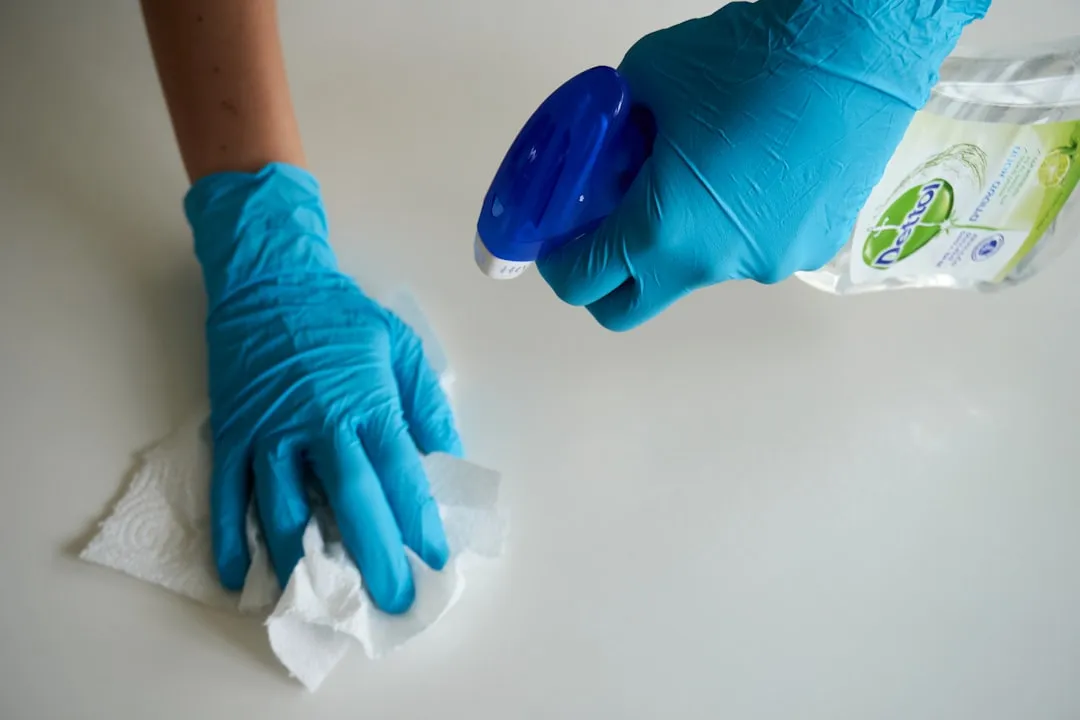
Most travelers wash their hands after the bathroom and call it a day. Flight attendants go further. Working crew members wipe surfaces including remotes, light switches, door handles, bathroom handles, and nightstands – because you simply do not know how many hands have touched them.
Research from the University of Houston identified the top hot spots for aerobic bacteria in hotels as the bathroom sinks and floors, the main light switches, and the TV remotes. Light switches are touched dozens of times per stay by every guest, yet they are rarely targeted by standard cleaning routines.
Flight attendants understand that hotel rooms, while cleaned regularly, are still high-traffic spaces with a lot of touchpoints. They recommend wiping down the most frequently touched surfaces upon arrival using a small pack of disinfectant wipes on areas like the TV remote, door handles, light switches, and faucet handles.
8. Using the Refillable Shampoo and Conditioner Dispensers
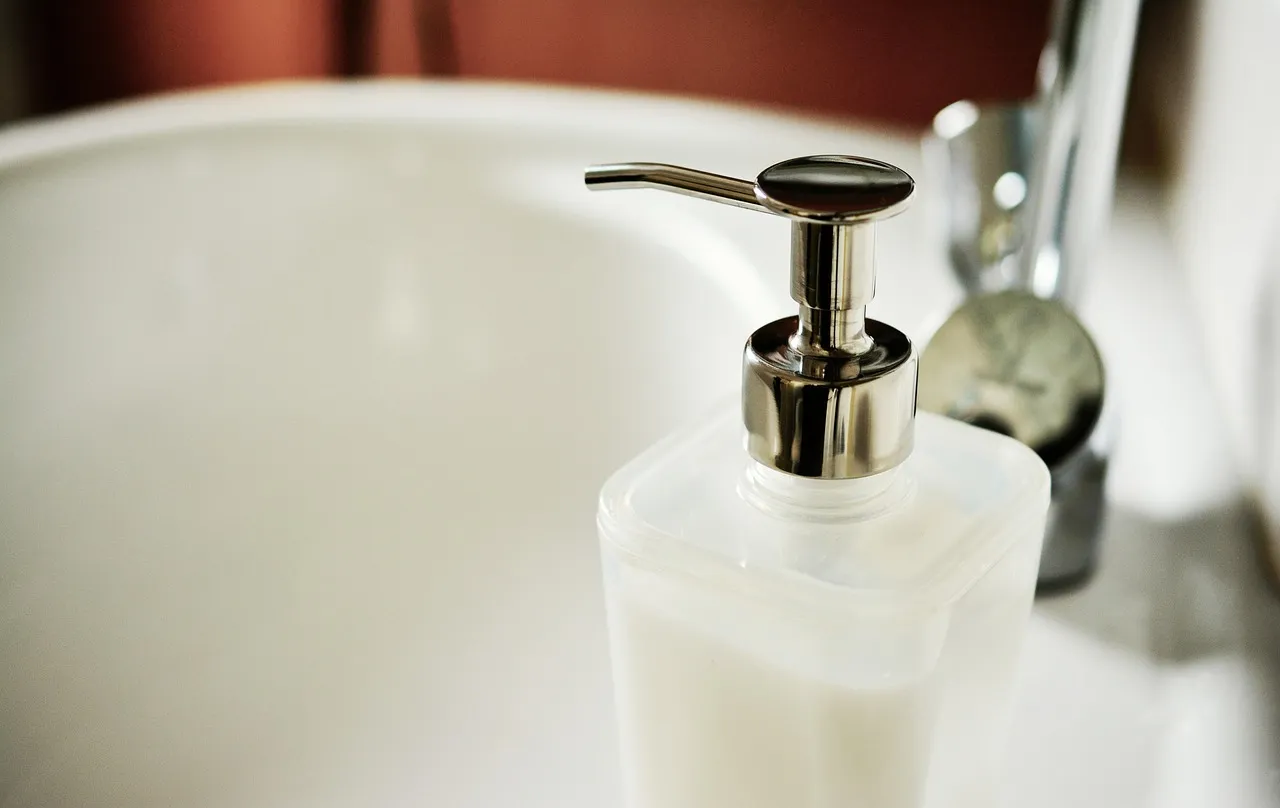
Refillable wall-mounted dispensers have become common in hotels, partly in response to regulations around single-use plastic. The sustainability motive is genuine. The hygiene concern, however, is also real. The refillable shampoo, conditioner, and bath gel dispensers get unscrewed by other guests – and stuff you would not want to know about winds up in them.
Some hotels use tamper-proof mounting on the walls. Many do not. In some cases the mounting is left unlocked, and the dispensers themselves do not get cleaned – housekeeping does not always refill them properly either.
If you prefer certainty, bring your own travel-sized toiletries. Several U.S. states have moved to regulate single-use plastic bottles in hotels, with California, Washington, and Illinois each having similar sustainability laws in place or phasing them in, making traveler-owned refillable bottles an increasingly practical alternative.
9. Leaving the Room Without Securing the Door Properly
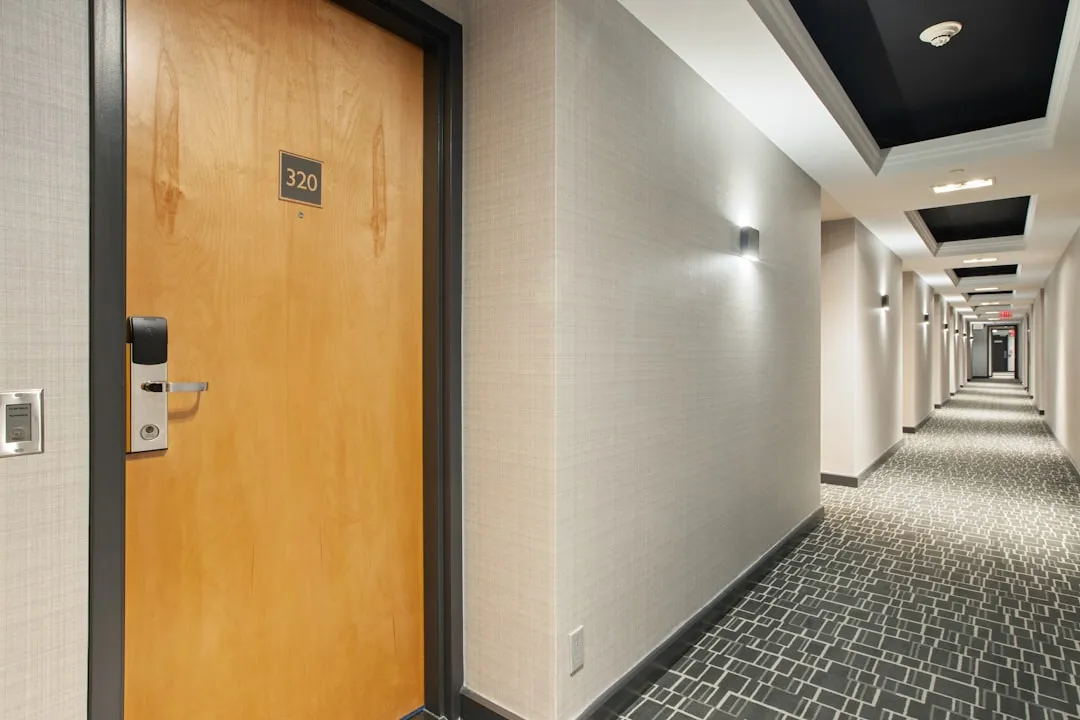
Closing the door is not the same as securing it. Flight attendants – who often travel alone to unfamiliar cities – take door security seriously and have practical methods for it. Some flight attendants travel with portable doorstops or small alarms that they place under the door to provide added security while they sleep.
A common flight attendant method involves hanging a washcloth on the inside security lock to prevent someone from unlatching it using a wire slipped under the door – a technique that videos online have already demonstrated is possible.
When leaving the room, some flight attendants leave the TV on at a normal volume – not loud enough to disturb neighbors, but sufficient to give the impression that someone is inside the room. It is a small detail that can make a difference.
10. Forgetting to Review the Fire Exit Plan

This is the habit that might seem most forgettable, and yet flight attendants consider it essential. Their entire professional training is built around knowing exit routes before something goes wrong. It is important to review the evacuation plan as soon as you enter the room. Review the emergency evacuation sign and diagrams, which are usually posted on the back of your door. Get familiar with the exit route and look for the exit closest to you.
Flight attendants consistently note that guests should always make sure they know where fire exits are, and make this check a routine part of arriving in any new room. If a fire starts at 2 a.m. in an unfamiliar building, you will be grateful you did not skip that thirty-second exercise.
The logic is the same as on a plane. Safety information feels unnecessary right up until the moment it is not. Knowing the layout of two or three hallways is a genuinely small investment in a potentially significant outcome.
A Final Thought on Hotel Stays
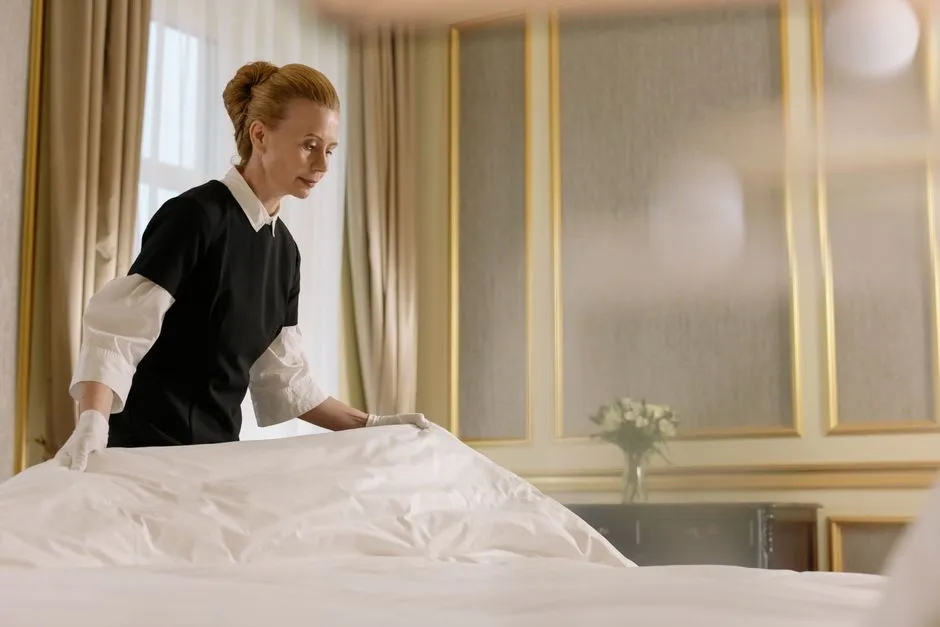
None of this is meant to make a hotel stay feel stressful. Most hotels do their best, and most stays go perfectly well. What flight attendants offer is something more useful than alarm: it is calibrated awareness, built from years of checking into rooms across the world at all hours of the day and night.
Many crew members carry disinfectant spray, personal hygiene tools, portable door locks, and air purifiers for comfort and safety. Hotels follow cleaning standards, but high-touch surfaces and shared appliances can vary widely in cleanliness.
A few simple habits – wiping down surfaces, pulling back the sheets, checking the locks, knowing your exit – cost almost nothing and add real peace of mind. Traveling smarter is rarely about doing more. It is mostly about doing a few things more deliberately.
AI Disclaimer: This article was created with the assistance of AI tools and reviewed by a human editor.