

There was a time when the only screen on a family road trip was the windshield. Kids pressed their faces against the glass, invented rules on the fly, and somehow turned two hundred miles of highway into an afternoon of genuine entertainment. No Wi-Fi required, no charging cables, no headphones creating separate little worlds inside the same car.
For more than a century, road trips have been a hallmark of American culture, and to keep restless kids entertained and silence the inevitable “are we there yet?” chorus, families long turned to car games. What follows is a gallery of those classics – the ones that turned the backseat into a place of laughter, competition, and, occasionally, sibling chaos.
I Spy: The Oldest Trick in the Book

The game I Spy is first recorded in the early 20th century, with the Oxford English Dictionary citing its earliest formal mention in Rosamond Lehmann’s 1946 work. That’s older than most families realize. It predates the interstate highway system, the modern minivan, and certainly any screen mounted to a headrest.
One player chooses an object within sight and announces “I spy with my little eye something beginning with…” – naming the first letter. Other players then attempt to guess the object, and the game is often played as a car game. Simple as that. The genius is in the simplicity.
The simplicity of I Spy makes it accessible for all ages, ensuring everyone in the car can participate. A favorite among families, it turns any mundane stretch of road into a playground of discovery. A red barn, a cloud shaped like a dog, a water tower – suddenly everything outside the window mattered.
The License Plate Game: A Cross-Country Treasure Hunt
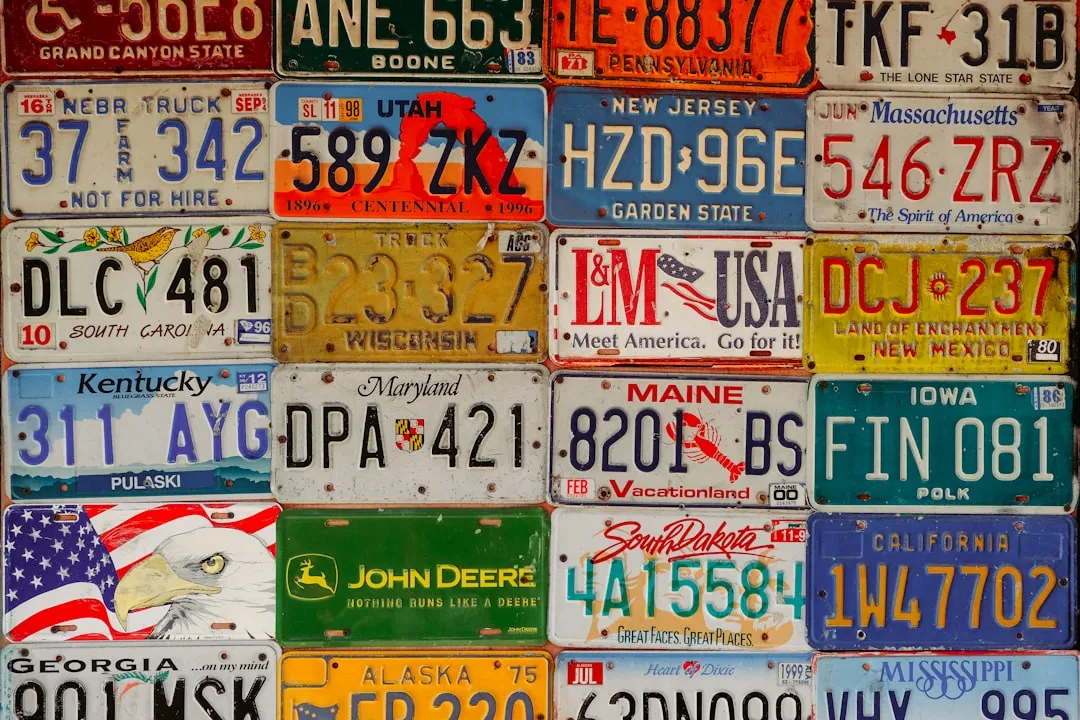
A road trip isn’t complete without the License Plate Game. Children eagerly scan for license plates from all 50 states, turning highways into a treasure hunt. This one had a marathon quality to it – it could last the whole trip, building momentum quietly over hundreds of miles.
The game rewards those with sharp vision and curiosity. The task is simple: spot license plates from as many different states as possible. It is educational and adventurous, often leading to conversations about geography and state trivia. Hawaii or Alaska plates were the holy grail. Spotting one in the middle of Kansas felt like winning something real.
Some families kept the License Plate Game running the whole trip, spanning states, with kids trying to find a Hawaiian plate in the middle of Kansas while keeping themselves busy as parents shared the driving. It required patience and persistence – traits that, arguably, a tablet app can’t teach quite the same way.
20 Questions: The Thinking Person’s Backseat Game

Twenty Questions is a spoken parlor game that encourages deductive reasoning and creativity. The game dates to at least the eighteenth century and, during the twentieth century, was used as the basis for some radio and television quiz programs. By the time families started piling into station wagons for summer vacations, it was already a well-worn classic.
One person thinks of something – animal, vegetable, or mineral – and others have 20 yes-or-no questions to guess it. The game stimulates curiosity and logical thinking, with each question narrowing down possibilities. It’s not just about guessing but strategizing the right questions to ask. The backseat became a courtroom of sorts, everyone cross-examining the person in the middle.
In an age before instant answers, “20 Questions” provided intellectual challenge and a platform for spirited backseat debates. There’s something to be said for a game that forces kids to think before they speak – and to listen carefully to the answers they receive.
Mad Libs: Filling in the Blanks, One Laugh at a Time

Mad Libs is a word game created by Leonard Stern and Roger Price. It consists of one player prompting others for a list of words to substitute for blanks in a story before reading aloud. The result, more often than not, was complete nonsense – and that was exactly the point.
The game was invented in the United States, and more than 110 million copies of Mad Libs books have been sold since the series was first published in 1958. Mad Libs was invented in 1953 by Leonard Stern and Roger Price. The name itself came from a chance overheard argument in a New York restaurant, where one man called another’s idea “mad” for wanting to “ad-lib.”
Mad Libs activity books, first published in 1958, became a road trip staple. Now comprising 120 volumes, the Mad Libs series has sold more than 150 million copies, and since 2008, more than two million Mad Libs apps have been downloaded. It turns out the fill-in-the-blank format works just as well on a screen – though something about the paper version, dog-eared in a backseat, felt more alive.
The Etch A Sketch and the Magic Slate: Drawing Without the Mess
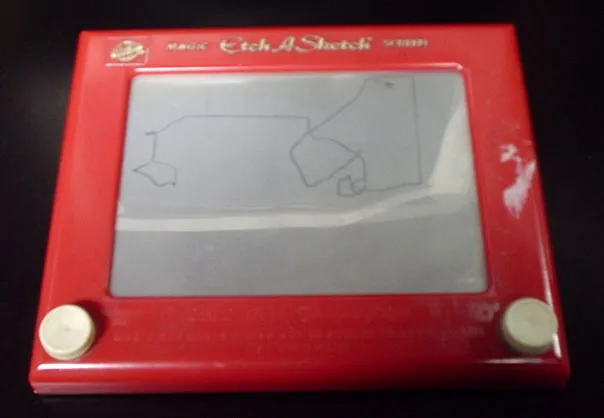
Early road trip games often adapted existing approaches to portable play, including the Magic Slate Drawing Pad, invented by R.A. Watkins in 1923, which allowed kids to create and erase drawings easily, eliminating the need for paper or crayons. The roads were bumpy, the cars were loud, and somehow children still managed to produce entire drawings on these things.
The Magic Slate inspired the introduction of the much-beloved Etch-A-Sketch Magic Screen in 1960. Two dials, infinite possibilities – or at least that’s how it felt when you were nine. Straight lines were hard. Diagonal lines were near impossible. Kids attempted them anyway, with tremendous confidence.
Both devices gave children a self-contained creative outlet that required zero batteries, zero Wi-Fi, and zero parental supervision to operate. The only cost was the occasional argument over whose turn it was to hold the thing.
Punch Buggy: The Game That Was Definitely Not Invented by Parents

Whenever a Volkswagen Beetle appeared on the road, a chorus of “Slug Bug!” erupts from the backseat. The first to spot and call it out gets to gently tap a fellow passenger’s arm. The game blends vigilance with playful physical interaction, adding a layer of excitement to spotting these iconic cars.
Variations of the game existed, but the core fun remained the same – finding the Beetle first. In the 1970s, Beetles were iconic, their quirky design making them easy targets. This game adds a humorous twist to road trips, creating laughter and, sometimes, playful bruises.
No reasonable adult would have designed a car game that rewarded hitting your sibling. Yet somehow, Punch Buggy survived decades of family road trips entirely intact. It’s still being played today in cars that now have USB ports and rear-seat monitors mounted at eye level.
Counting Cows and Cemeteries: Rural Road Trip Logic

Cow Counting introduces a rural twist to road games. As you pass farmland, count the cows on your side of the car. Spot a cemetery, and your total goes back to zero. This game blends humor with a competitive edge, as players race to amass the highest count.
In the 1950s, backseat companions would play “Count the Cows” driving through Pennsylvania while their parents drove up front. You’d count the bovines on your side of the car and lose all of them if you passed a graveyard. An older sibling, knowing the route, would pick her seat so the younger one would hit a cemetery just before the destination. The strategic cruelty of that move is, frankly, impressive.
Cow Counting only works on certain kinds of roads – long, open stretches through farmland, the kind that don’t exist much on modern express routes. In a way, the game was perfectly matched to its era. When the highways changed, this one quietly faded with them.
The Alphabet Game: Every Sign Becomes a Clue

The Alphabet Game turns every road sign and billboard into a letter-hunting adventure. Players race to find the entire alphabet in order, with each letter a small victory. The elusive “Q” and “Z” often pose the greatest challenges, making each find a triumph.
Road Sign Alphabet gives a twist to the classic alphabet game. Players use the first letter of actual road signs to complete the alphabet. Words like “Exit,” “Yield,” and “Zoo” become prized finds, each sign a stepping stone to victory. Whoever spotted the “Q” on a Quik-Stop sign first was basically a hero for the next ten miles.
The game made children notice the world outside the window in a way that was genuinely intentional. Every overpass, every town name, every gas station billboard became worth scanning. That kind of sustained, curious attention is a quiet gift – one most people didn’t recognize as such at the time.
The Categories Game: Fast Thinking, Faster Answers
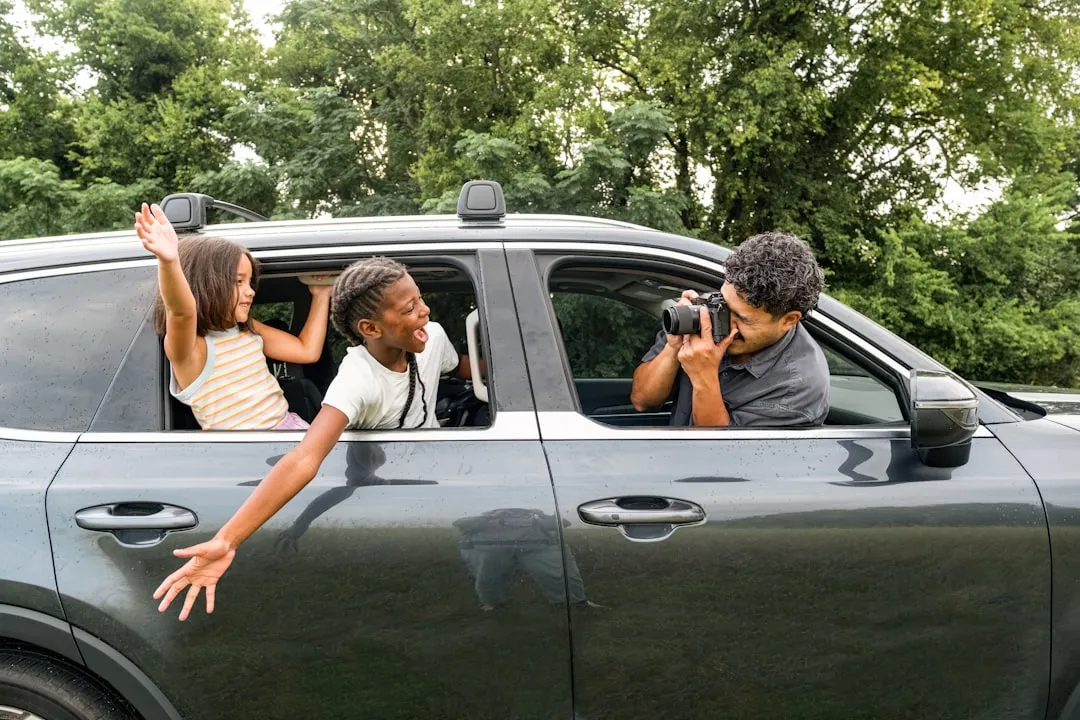
Categories invites players to flex their knowledge on various topics. Pick a category – fruits, TV shows, or 1970s bands – and take turns naming items. Hesitate too long, and you’re out. This game brings excitement and tension, as players dig into their memory banks.
The game brings excitement and tension, as players dig into their memory banks. It’s a test of speed and mental agility, with each round offering new challenges. Younger kids often tried to sneak in repeats hoping no one would notice. Older siblings always noticed.
What made Categories work on long drives was its adaptability. You could aim it at anything – state capitals, dog breeds, types of pasta – and it scaled naturally with the ages of the people playing. A five-year-old and a twelve-year-old could sit in the same round, and neither felt entirely out of place.
Road Trip Bingo: Turning the Scenery Into a Win
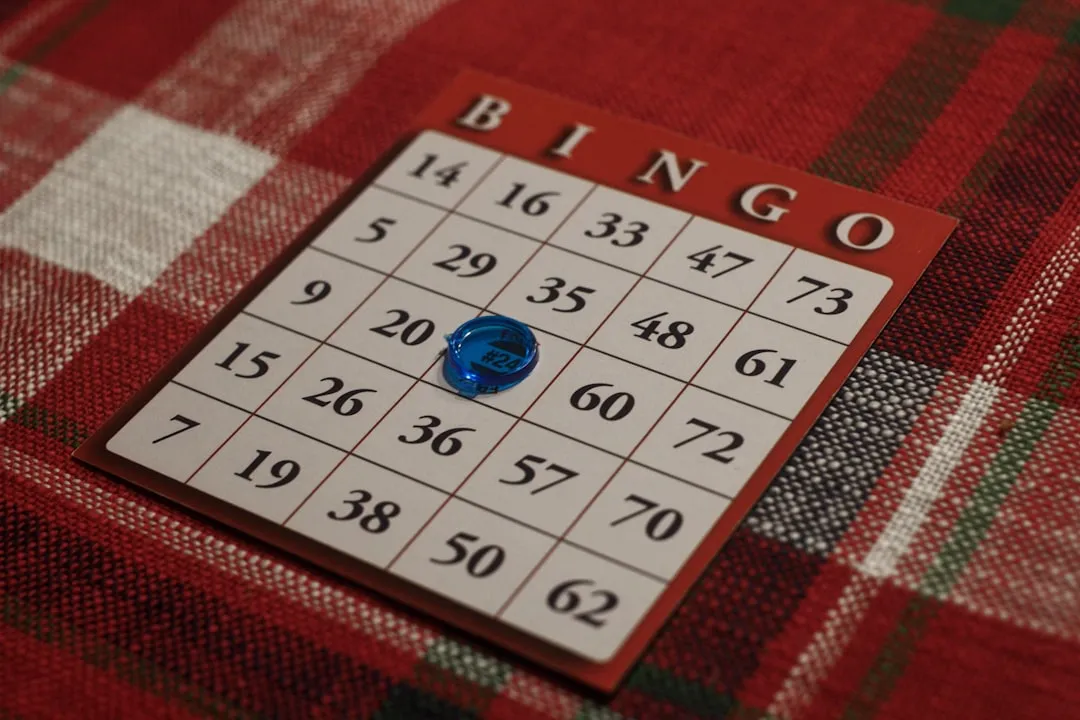
Road Trip Bingo transforms ordinary sights into strategic wins. Each player gets a bingo card with images of common roadside sights – cows, stop signs, or gas stations. The goal is to mark them off as spotted, with the first to get five in a row declared the winner. This game adds an element of suspense to every mile.
Road Trip Bingo elevates the ordinary journey into a thrilling scavenger hunt. Each player holds a bingo card adorned with images – cows, gas stations, and unique vehicles. Parents often prepared these cards at home the night before departure, which was its own kind of ritual.
Unlike most car games, Bingo had a physical component – something to hold, something to mark. That tactile quality mattered. It gave restless hands something to do, which is, when you think about it, precisely what a good road trip game is supposed to accomplish.
When Tablets Took the Wheel: What the Numbers Show
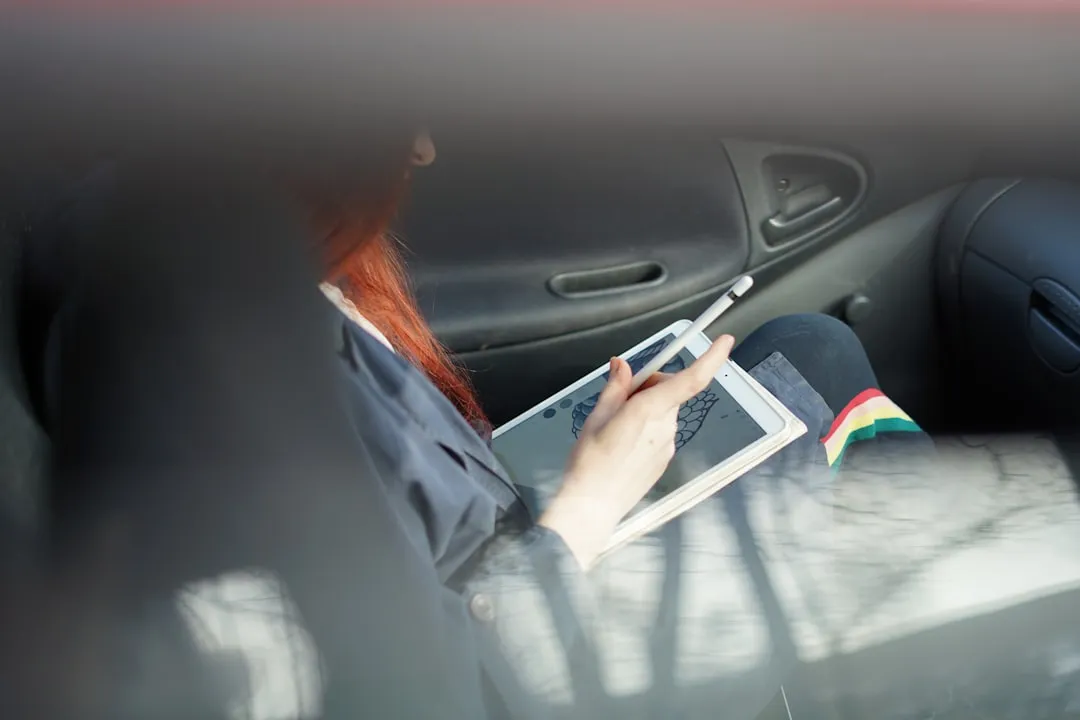
According to Common Sense Media, tablet ownership grew almost sevenfold among children aged 0 to 8 years, with nearly half having a tablet in 2024 compared to just 7% in 2013. That is a remarkable shift in just over a decade – one that has fundamentally changed what the backseat looks and sounds like.
Roughly four in ten toddlers have their own tablet device by the time they are 2 years old, according to a report from Common Sense Media based on a survey of nearly 1,600 parents of children aged 8 and younger, conducted in August 2024. Parents have also signaled that they are generally comfortable with screen time when traveling in a vehicle.
The digital age brought a new slate of entertainment forms, including smartphones and tablets offering movies, audiobooks, and game apps. As Richard Ratay, author of a history of family road trips, notes, while the group games of the 1960s and 1970s were a collective experience, the popularity of personal electronic devices has changed that. Everyone in the same car, each in their own world.
What We Gained, What We Lost – and Why These Games Still Matter

Technology has had both a positive and negative effect on the family road trip experience, and while the group games of the 1960s and 1970s were a collective experience, personal electronic devices have changed the dynamic. That observation isn’t a criticism of screens – it’s simply an honest accounting of what shifted.
Most of those classic car games were short and simple, and several were quite silly. But they kept people talking to each other and laughing, and kids didn’t really notice the time passing by. That last part is worth sitting with. The time passed because the company was good. The game was just the excuse.
The old backseat games weren’t sophisticated. They required nothing. No charge, no download, no account. They just required the people already sitting in the car to actually pay attention to one another. That, perhaps more than any particular game, is what families are quietly rediscovering when they put the devices away – even just for a few miles.
AI Disclaimer: This article was created with the assistance of AI tools and reviewed by a human editor.