
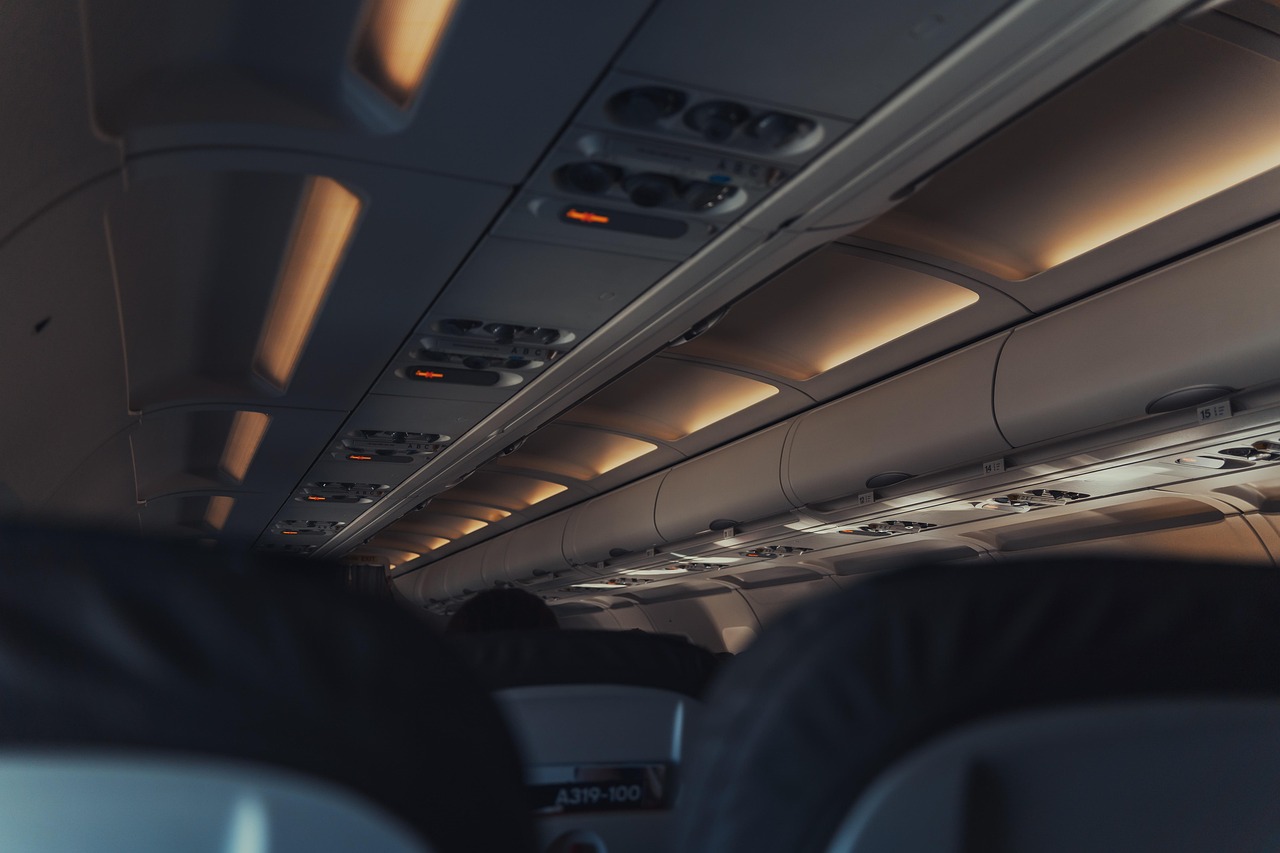

Few things on a commercial flight stir more quiet frustration than the moment the seat in front of you tilts back without warning. It’s a small motion, perhaps three or four inches at most, yet it can feel like a full invasion of whatever meager personal space you had managed to carve out. The recline debate has become one of the defining etiquette conflicts of modern air travel, landing in op-eds, viral social media videos, and even courtrooms.
What makes this tension so persistent is that both sides have a reasonable case. The person reclining paid for a seat that has a recline function. The person behind them paid for a space that just shrank. Neither is technically wrong, and that absence of a clear answer is precisely what keeps the argument going.
The Numbers Tell a Divided Story
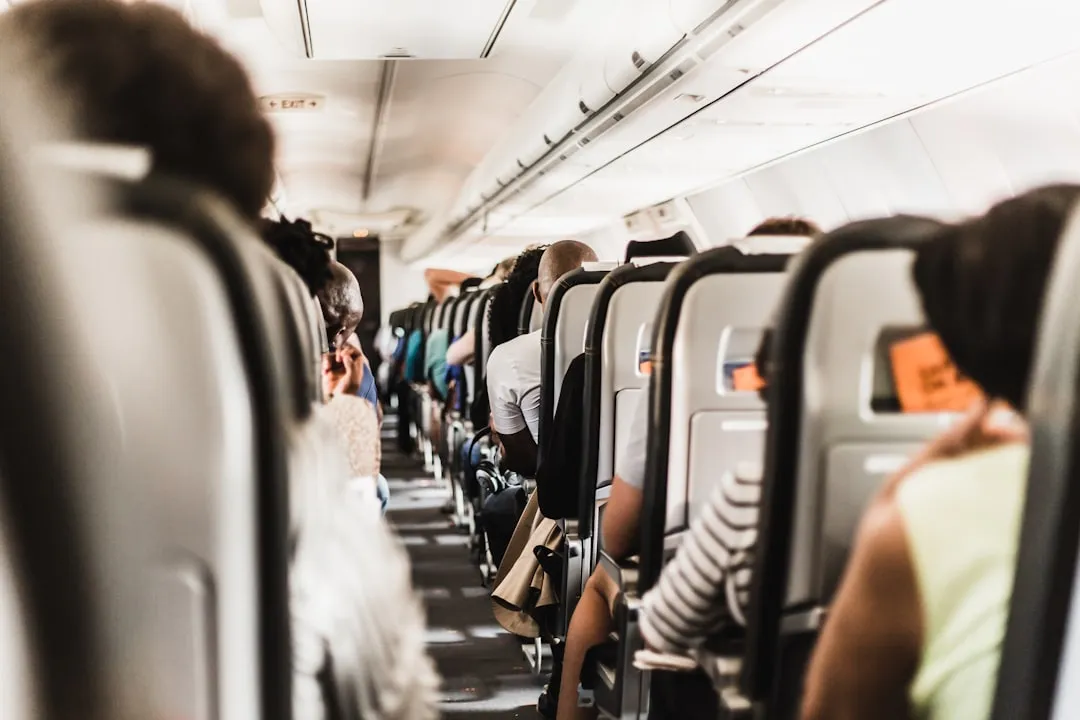
Opinion data on reclining is genuinely split, and it shifts depending on how the question is asked. Roughly 55 percent of respondents in a 2024 YouGov survey said they are okay with a fellow passenger reclining their seat. That sounds like a majority endorsement, until you look at other data from the same period.
A separate survey found that more than 77 percent of travelers consider it rude to fully recline your seat. The gap between those two findings reveals something interesting: many people accept reclining in principle but still find it inconsiderate in practice. Tolerance and approval are not the same thing.
In a large 2024 survey of over 3,100 U.S. passengers, 44 percent said they think it is outright rude to recline seats on an airplane. That is nearly half the flying public, which is a significant portion to ignore if you are the one reaching for the recline button.
How Much Space Are We Actually Talking About?
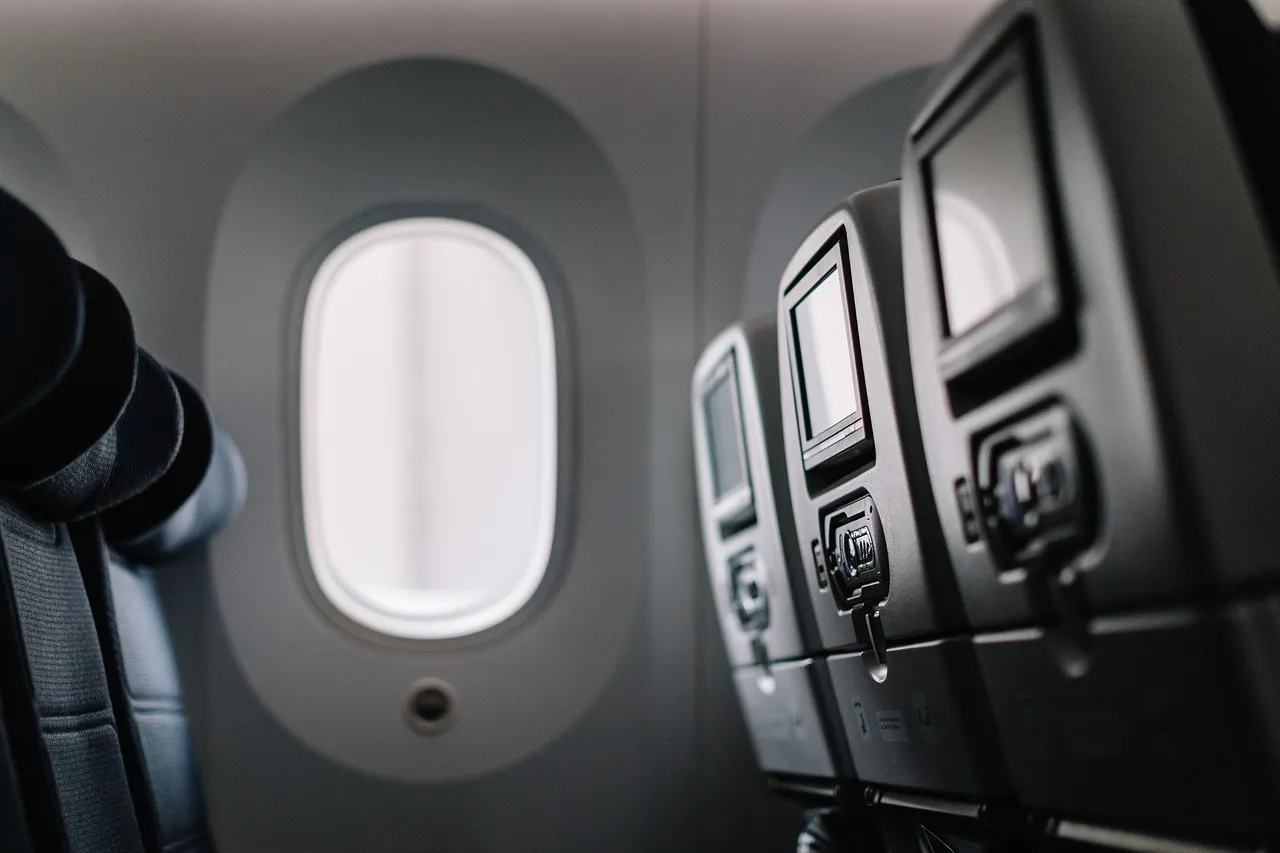
To understand why reclining generates such strong reactions, it helps to look at what economy seating actually looks like today. According to Flyers Rights, a Washington D.C. based advocacy group, seat width has narrowed from an average of 18.5 inches in the early 2000s to around 17 inches, while seat pitch, the distance between a row of seats, has shrunk from an average of 35 inches to around 30 inches and in some cases as cramped as 28 inches.
Economy passengers today typically get between 30 and 34 inches of legroom and seat widths ranging from 17 to 18.5 inches. Those numbers feel abstract until you are actually sitting in one of those seats for several hours. At that point, every inch becomes acutely personal.
Between the early 2000s and 2017, seat pitch decreased on an average of four inches across airlines, which means reclining your seat has become an increasing encroachment on someone else’s personal space. A recline that felt manageable two decades ago now feels like a genuine imposition.
The Legal Reality: It Is Your Right, Like It or Not
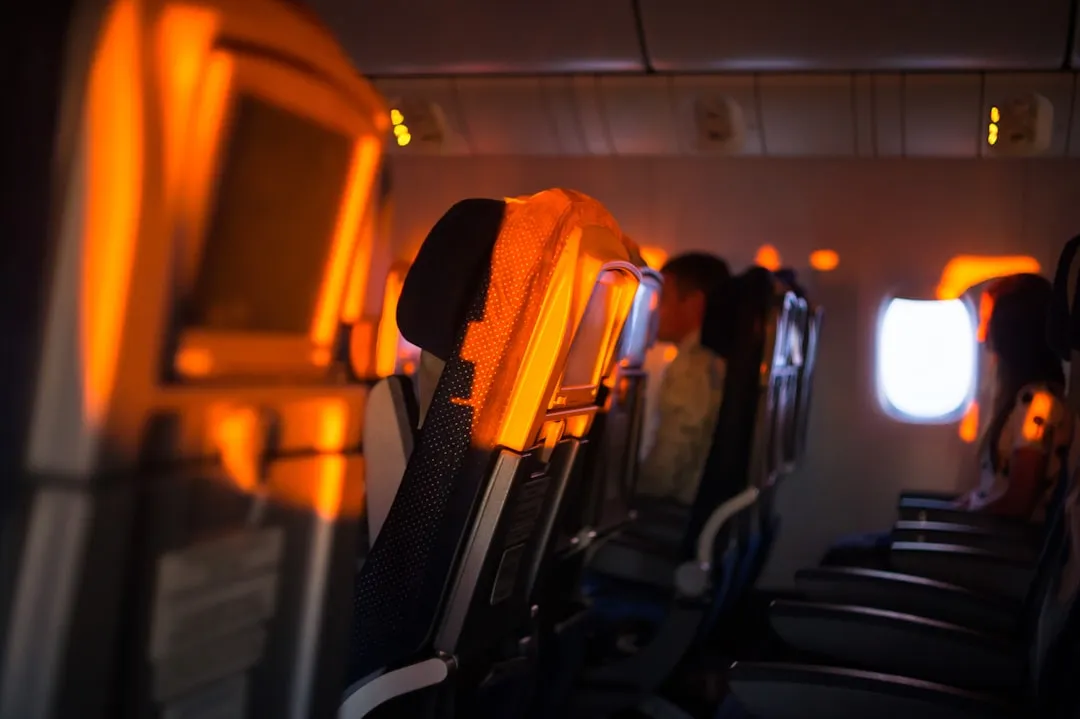
Whatever the etiquette community decides, the legal position is fairly clear. Every passenger who purchases a ticket has the right to recline their seat, and while social media fights have started over the issue, the person being reclined into has no legal case. That does not make reclining universally wise, but it does mean that personal moral codes are doing all the heavy lifting here, not regulation.
Common courtesy, as etiquette expert Diane Gottsman of the Protocol School of Texas has noted, dictates that passengers remain cognizant of those around them and respect others’ basic comfort in a tight public space, even when they have technically purchased the right to use their seat’s features. The right to do something and the wisdom of doing it are two separate considerations.
Leaning back in a seat cuts into another passenger’s already limited legroom, tightening cramped quarters that some 26,000 travelers raised concerns about as part of a Federal Aviation Administration survey on airline seat size. That is a remarkably large number of people formally registering the same discomfort.
No Federal Standard Exists, and That Is Part of the Problem
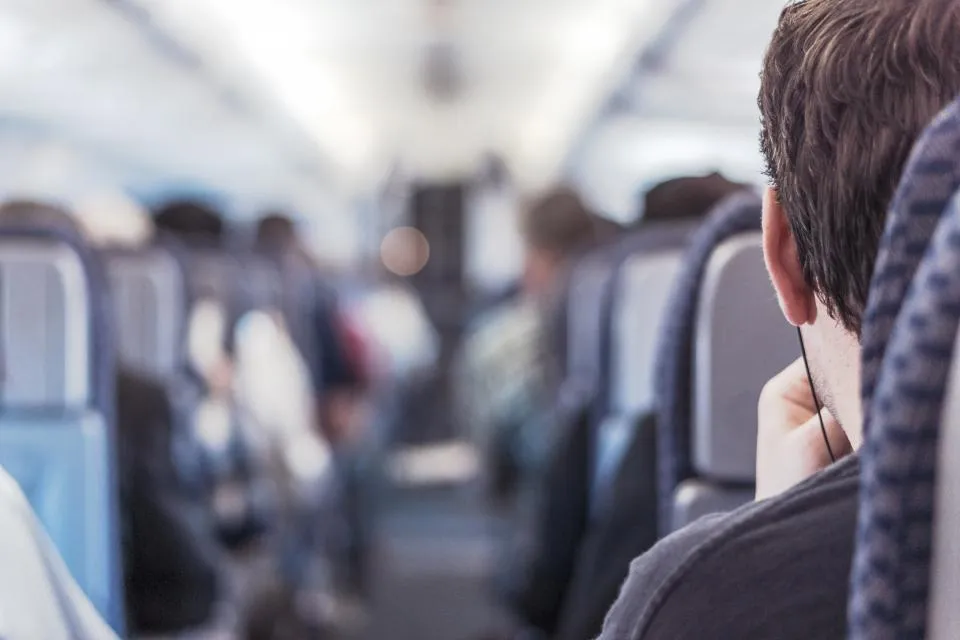
Economy seat widths range from 16 to 18.5 inches, with no FAA minimum in effect as of 2025, leaving configuration decisions to individual carriers. This regulatory gap means airlines compete primarily on price and capacity, often at the expense of passenger comfort. There is no floor below which they are legally required to stop shrinking seats.
Consumer groups have been fighting for a federal mandate setting minimum standards for airline seats and legroom, arguing that tight seating and crowded flights could impede an evacuation in the case of an emergency. Safety, not just comfort, is the argument being made in regulatory circles.
New FAA legislation has required a reevaluation of evacuation standards that will include an examination of seat size and configuration, and the results of this assessment could lead to the establishment of minimum seat size requirements. Whether those requirements will actually address recline depth specifically remains to be seen.
The Physical Reality of Reclining on Your Body
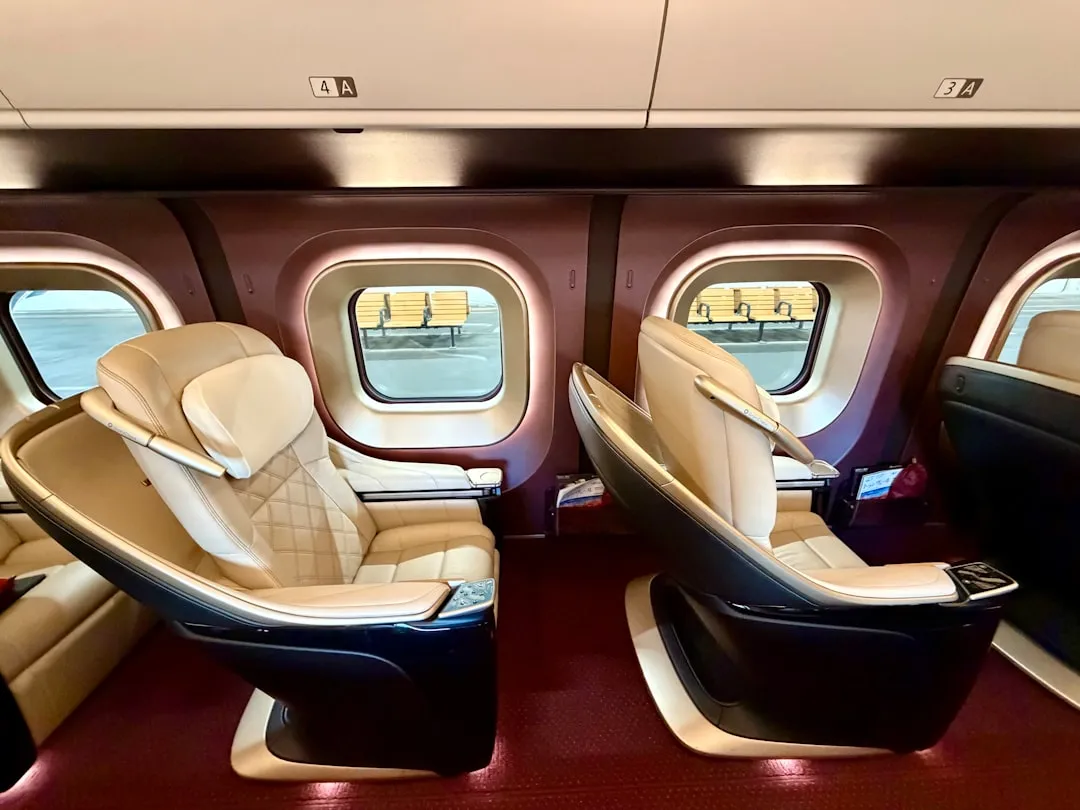
There is a health dimension to this debate that rarely gets enough attention. Studies suggest that the ability to recline a seat, even a small amount, can help reduce discomfort, especially on extended flights, as reclining redistributes weight and relieves pressure on the lower back. So the recliner is not always being inconsiderate; sometimes they are managing genuine physical discomfort.
A slight seat recline of about 100 to 110 degrees can actually reduce stress on the lower spine. That is a notably modest angle, not the full lean-back position that tends to cause conflict. The therapeutic benefit, such as it is, does not require going all the way back.
While reclining can provide some temporary relief from conditions like sciatica by shifting body weight away from the lower back, overly reclining can restrict circulation and worsen discomfort in some cases, which means moderate recline levels are generally the better balance. The case for reclining is real, but it is a case for partial reclining, not the full drop.
What Flight Duration Should Have to Do With It
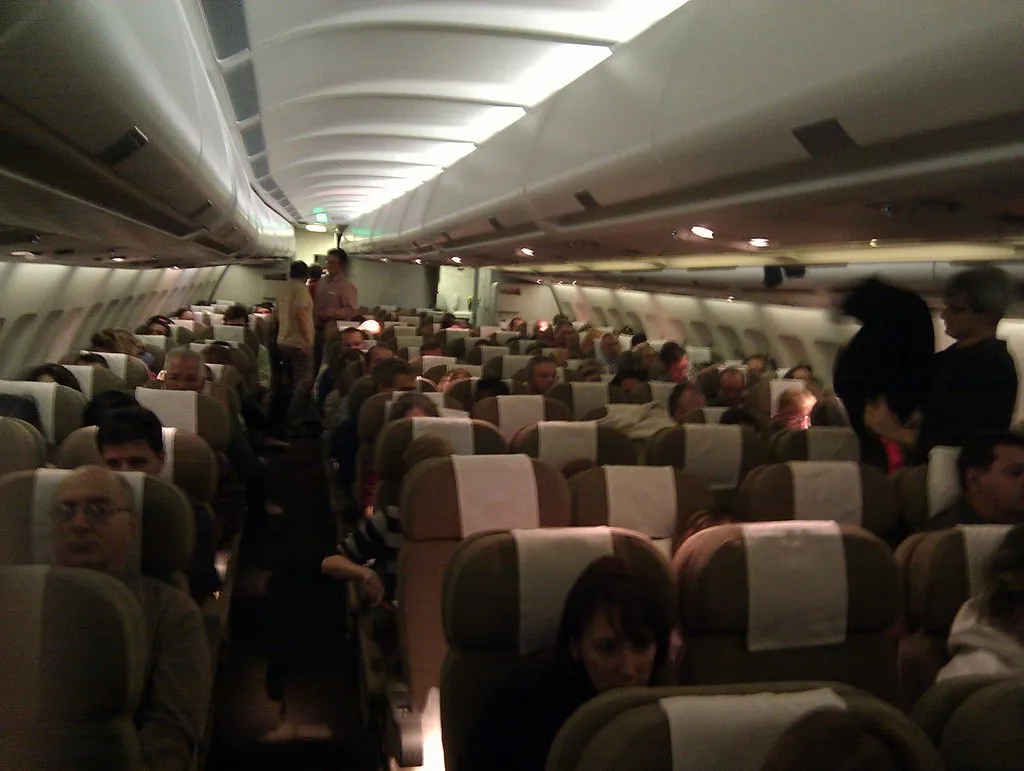
Most experienced travelers and etiquette observers draw a line based on how long the flight is, and that informal standard has some practical logic behind it. A 90-minute domestic hop is very different from a ten-hour transoceanic crossing. On a short flight, the inconvenience to the person behind you is compressed into a tight window where they are likely trying to work or simply get through the trip.
Frequent traveler and journalist Tim Neville, who stands at six foot seven, admits that reclining is more comfortable for him personally but says that unless he is on a long-haul flight, he does not recline at all. That is a practical framework many travelers quietly use.
Overnight flights are a slightly different matter. When the cabin lights are dimmed, meals have been cleared, and the reasonable expectation is that most passengers will attempt sleep, a modest recline feels less intrusive. It is the daytime, short-haul full-recline that generates the sharpest tension.
The Geography of Opinion: It Varies by Region
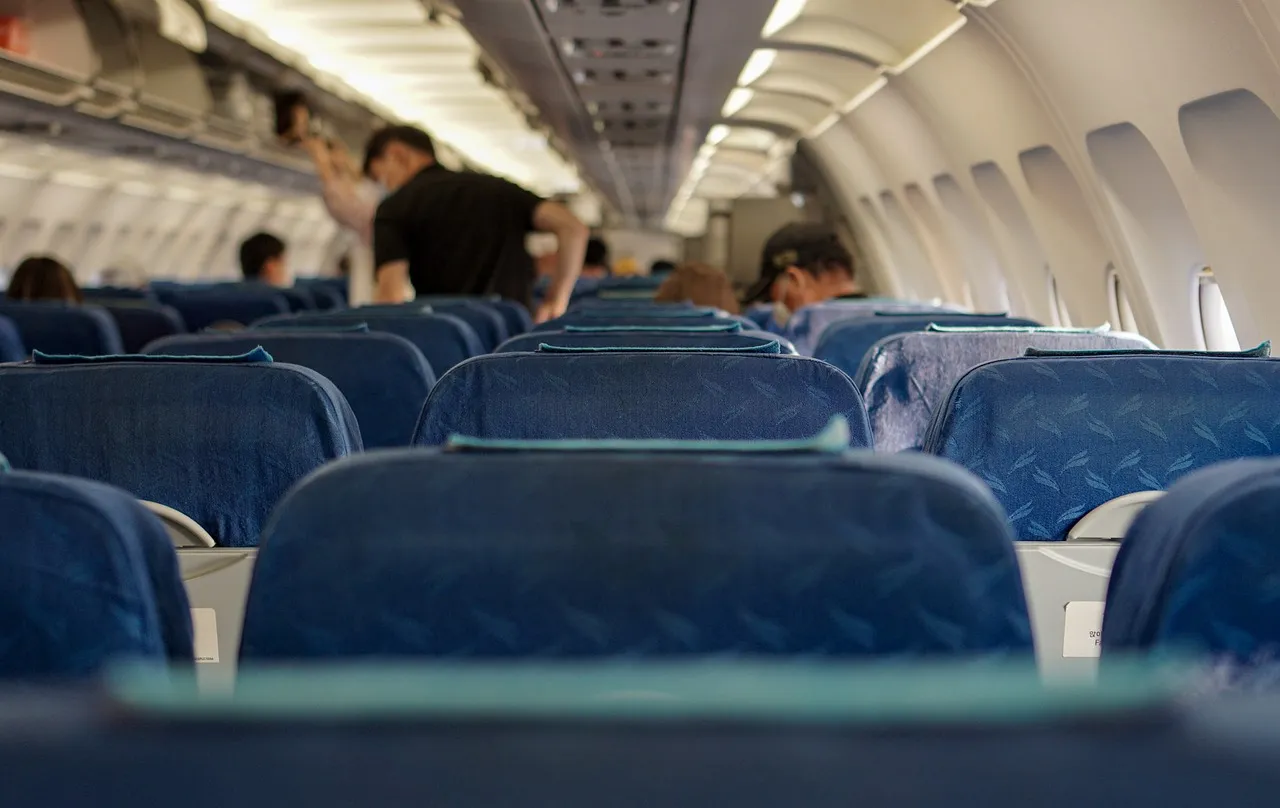
The debate looks different depending on where in the world you are flying. Globally, more than half of surveyed fliers say that having the person in front fully recline their seat is unacceptable, which makes it one of the most broadly cited in-flight irritants. That is a notable finding, given how many other behaviors compete for that title.
YouGov data from 18 markets shows meaningful variation by region: 59 percent of European respondents find full reclining unacceptable, compared to 46 percent in North America, 53 percent in the Asia-Pacific region, and just 32 percent in the UAE. Cultural norms around shared space and personal boundaries clearly shape how passengers experience the same physical event.
Within individual markets, gender also plays a role, with women reporting higher rates of finding full recline unacceptable compared to men. The recline debate, it turns out, is not a monolithic universal reaction but a layered social response filtered through culture, gender, and context.
What the Airlines Are Doing About It
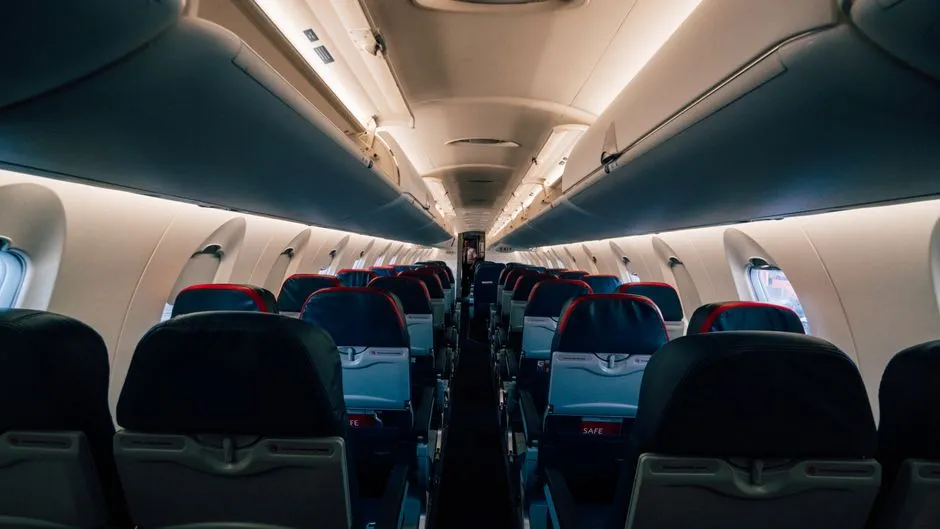
Some carriers have started responding to the conflict directly through seat design rather than passenger behavior campaigns. On certain aircraft, economy class seats have been modified to go from a four-inch recline to a two-inch recline, while first-class seats have been scaled back from a five-inch to a 3.5-inch recline. Reducing the physical capability of reclining is one way to sidestep the social conflict entirely.
Lufthansa introduced a new seat design called Allegris focused on improving comfort, particularly with more legroom, offering at least three additional inches of space, primarily in economy class. More legroom means that a reclining seat in front of you intrudes less severely on your immediate zone. The spatial math changes when there is more room to start with.
Bulkhead seats offer passengers priority boarding and ease of deplaning, and there is the added advantage that there is no seat in front of you to recline. Growing passenger demand for these seats reflects just how much the recline problem has started to drive seat selection decisions.
The Practical Etiquette Most Travelers Settle On
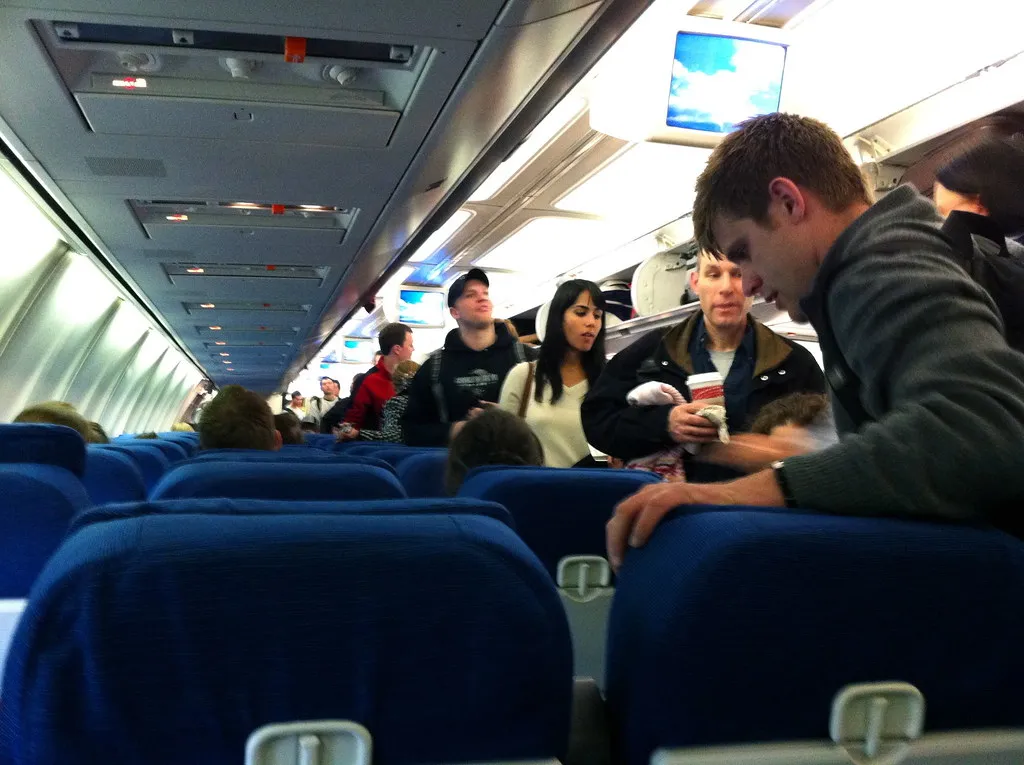
Reclining can get genuinely complicated when the person behind you has their tray table down or their knees are already pressed against the seat, which is why etiquette experts suggest being thoughtful enough to look backwards before you recline. A glance takes two seconds and can prevent a genuinely uncomfortable situation for someone else.
If someone asks you to put your seat back up, it’s generally because they are inconvenienced, and the reasonable question to sit with is why you would want to refuse that request. Holding your right to recline above another person’s comfort is a choice, not a necessity. It says something about how we navigate shared public space in miniature.
If you want to avoid the recline issue entirely, the practical option is to purchase a seat with extra legroom, such as in the exit row, premium economy, or first class. It is an imperfect solution that costs more money, but it does work, and it removes you from the social negotiation entirely.
Where the Debate Is Heading
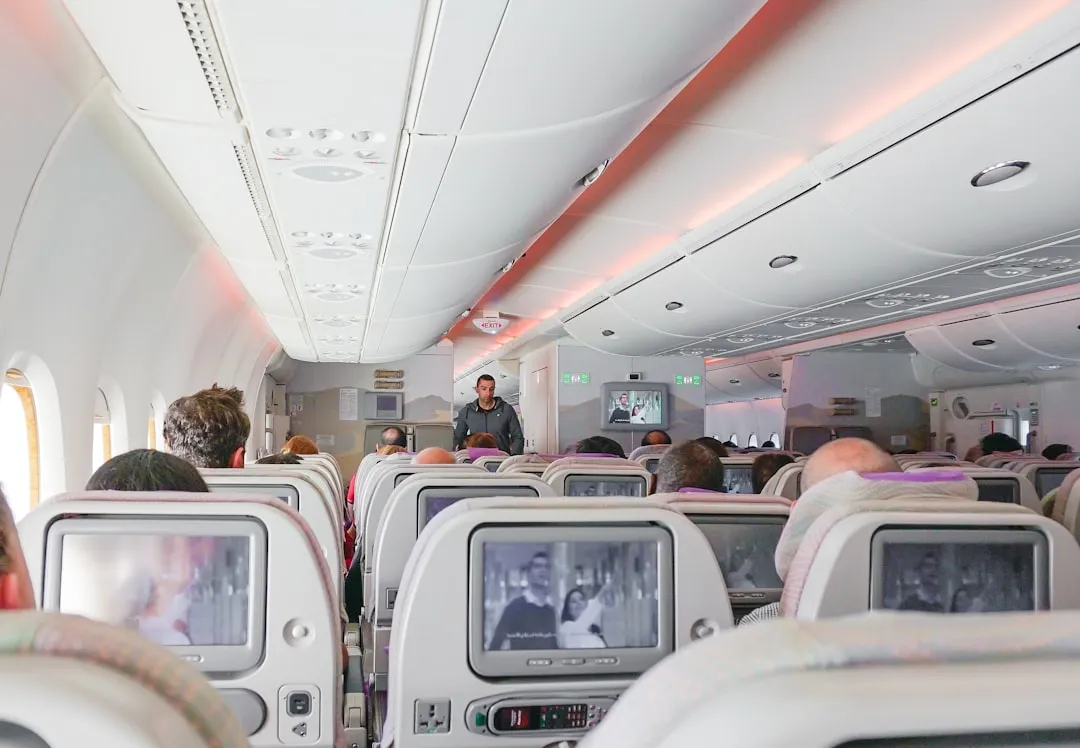
Although lawmakers are cautious about prescribing specific seat dimensions without conclusive test results, there is a growing consensus that airlines will need to provide more spacious seating arrangements as the FAA conducts its mandated studies and develops new regulations. If minimum seat standards do eventually arrive, the recline tension may ease naturally, because recline matters far less when there is adequate space to absorb it.
These shifts reflect a broader movement in the airline industry, with several carriers now implementing new seating requirements as they try to navigate a balancing act between accommodating more passengers per flight and delivering a better passenger experience. The financial pressure on airlines is real, and so is the growing passenger pushback.
Passengers did not design the seats, which raises a reasonable question about why it falls entirely to travelers to negotiate the social dynamics of maximizing comfort without offending fellow passengers. That framing points toward where the real responsibility lies: with aircraft designers, regulators, and airlines themselves.
The Takeaway
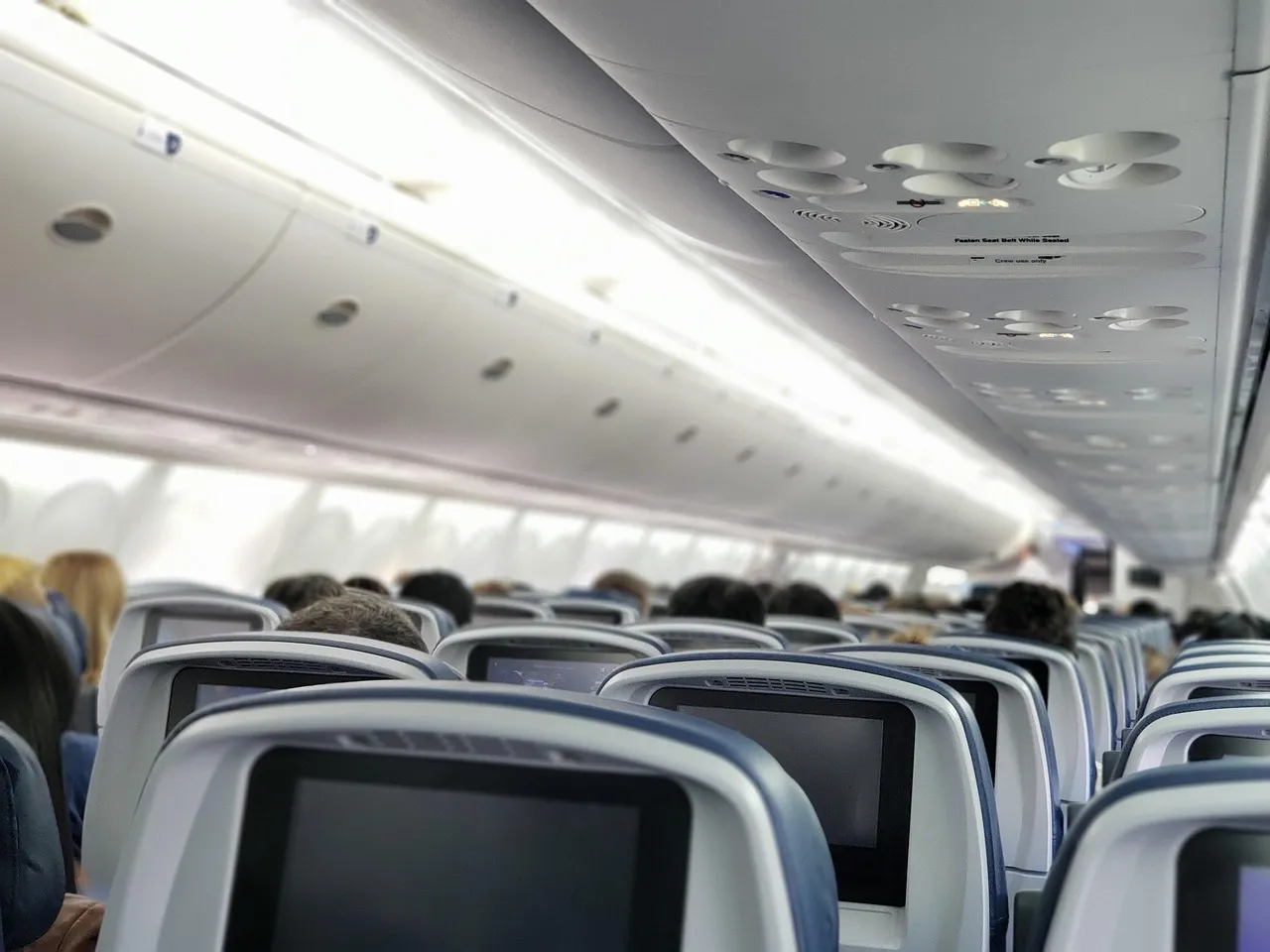
The seatback recline dilemma is not really about rudeness or rights in isolation. It is about what happens when a shrinking physical environment forces passengers into zero-sum conflicts over inches. The seat was designed to recline, but the space behind it was not designed to accommodate that recline comfortably. That is an engineering and regulatory problem dressed up as an etiquette debate.
The most honest answer to whether it is ever okay to lean all the way back is probably: it depends, and usually not fully. On a long overnight flight, a modest recline is reasonable. On a short daytime flight with a tray table in use behind you, it is not. The gap between your legal right and a considerate choice is exactly the space where most of this conflict lives.
The real progress will come not from passengers policing each other but from airlines and regulators addressing the conditions that make a three-inch recline feel like a provocation. Until then, a glance backward and a brief, quiet conversation with the person behind you remain the most underused tools in the entire debate.
AI Disclaimer: This article was created with the assistance of AI tools and reviewed by a human editor.