


There’s a particular kind of quiet that only exists deep inside the Maine woods in January. No traffic, no notifications, no ambient hum of a city. Just the creak of frozen pines, the muffled sound of snowfall, and the distant call of a loon echoing across an iced-over pond. For a growing number of people who genuinely thrive in that kind of stillness, that silence isn’t a byproduct of their destination. It’s the whole point.
In 2024, fully 56 percent of Americans said that time spent alone is essential for their psychological balance. Quietly and without much fanfare, a deeply introvert-friendly wilderness camp tucked inside Maine’s legendary Hundred-Mile Wilderness has become the destination serious solitude-seekers keep returning to winter after winter.
The Destination: AMC Medawisla Lodge in the Hundred-Mile Wilderness
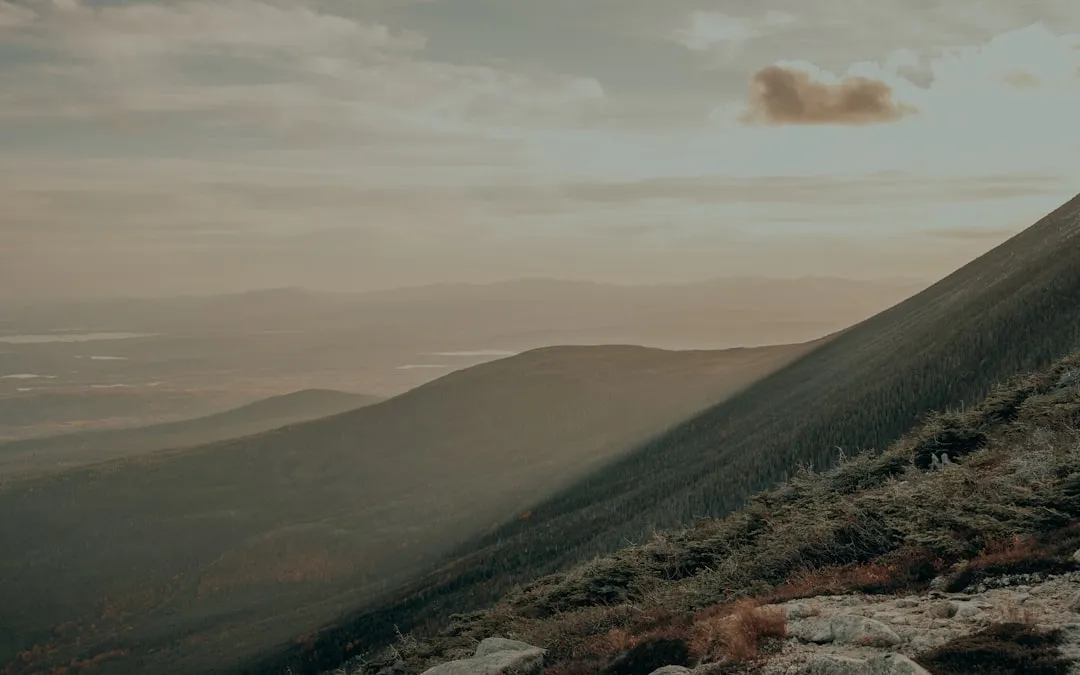
Medawisla, the Abenaki word for “loon,” is the newest destination in the Appalachian Mountain Club’s Maine Wilderness Lodges network. It sits at the confluence of Second Roach Pond and the Roach River, seven miles from the tiny community of Kokadjo and northeast of Greenville.
At the edge of the Hundred-Mile Wilderness, Medawisla is the Appalachian Mountain Club’s only Maine wilderness lodge with winter drive-in access, and it welcomes guests to a compact campus of cabins and bunkhouses on sylvan Second Roach Pond, some 26 miles northeast of Greenville.
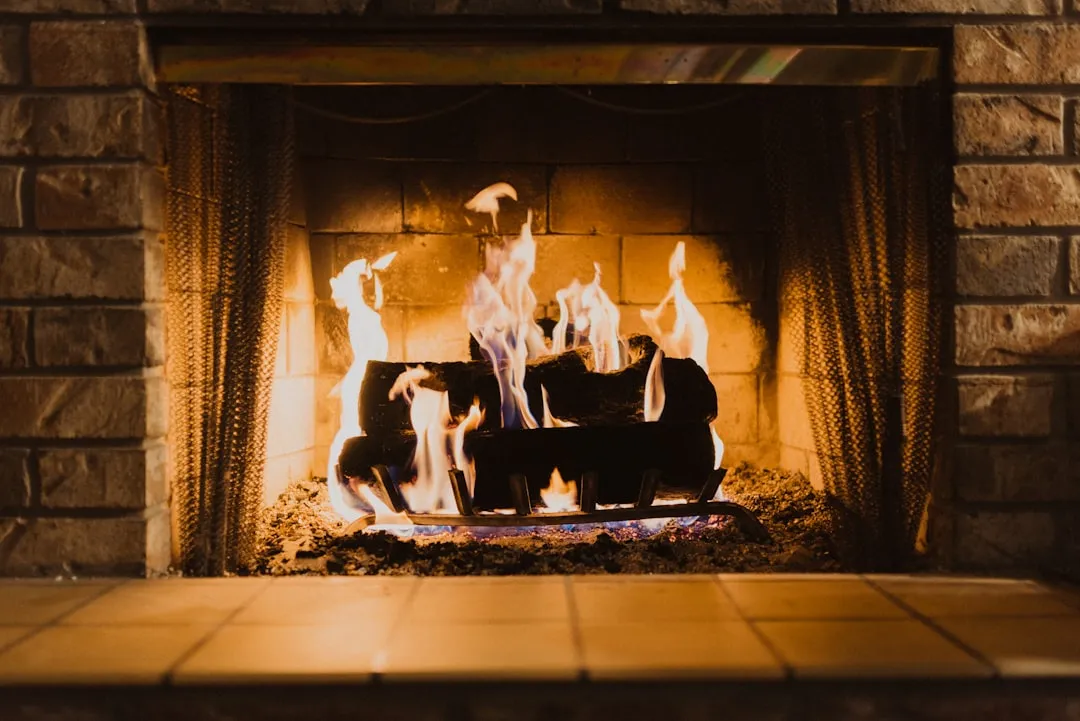
The place feels fresh, the vibe somewhere between a sporting camp and a nice youth hostel, and it’s comfier than a lot of budget motels, with a huge double-sided fireplace in the lodge, solar-generated electricity, and cozy flannel blankets on the beds. It is remote enough to feel genuinely cut off from the world, but not so austere that comfort becomes a concern.
What the Camp Actually Looks Like
Guests can stay in one of nine private cabins sleeping up to six people, or in two shared bunkhouses. Both bunkhouses and some cabins have kitchenettes, and all are heated by woodstoves, with wood provided. The five hilltop cabins are closer to the lodge and have private bathrooms, while waterfront cabin guests share a central bathhouse.
The amenities are rustically plush, with each cabin and bunkhouse spotless and meticulously maintained, featuring gorgeous wooden floors, walls, and ceilings, plus comfortable beds. The cabins have more creature comforts like private bathrooms, while the bunkhouses are shared accommodations.
There’s a heated main lodge with a large dining hall, showers, toilets, and comfortable sitting areas near a big fireplace to read, play games, or plan your next outdoor adventure. Since the whole compound operates off the grid, it is designed for efficiency with solar electricity generation, a backup generator, and wood stoves in the cabins and bunkhouses for heat.
The Trails: 90 Miles of Groomed Winter Silence
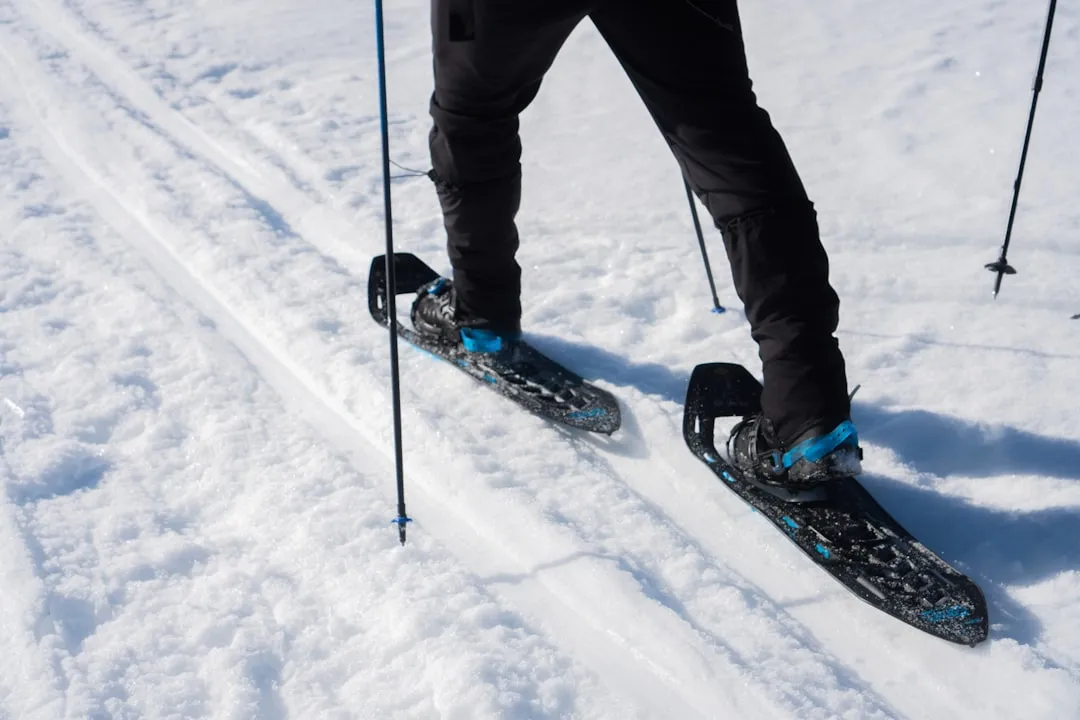
Guests have access to more than 30 miles of groomed cross-country ski trails around the lodge, plus an additional 80 miles of lodge-to-lodge groomed trails connecting Medawisla to Gorman Chairback and Little Lyford lodge.
The AMC-groomed winter trail system traverses woods, mountains, and frozen lakes, and in its 90-mile entirety it connects with two other lodges to the south for those who want to ski lodge to lodge. About a third of those trail miles surround Medawisla itself, and most are beginner-friendly, encircling Second Roach Pond and accessing smaller wilderness lakes nearby.
The ungroomed side trails are narrow, with surrounding trees filled with snow that deadens all sound. It’s both peaceful and eerie to be alone in the backcountry where it’s so quiet you can hear your heart pounding as you climb the mountain. For an introvert, that kind of profound stillness is its own reward.
A Dark Sky Sanctuary That Few People Know About

AMC’s Maine Woods is a certified International Dark Sky Park, the first in all of New England. Here, guests find world-class stargazing and a reminder of why protecting this landscape matters.
On a clear winter night, the Milky Way is fully visible overhead, unobscured by any light pollution for dozens of miles in every direction. Cell service is limited in the Maine Woods, and GPS is unreliable north of Greenville, so guests are encouraged to print or download directions before their trip.
That enforced disconnection from devices isn’t a bug. For introverts traveling to Medawisla, it’s very much a feature. The Maine Woods essentially does the digital detox for you the moment you turn off the paved road.
The Food Situation (It’s Better Than You’d Expect)

Dinner, breakfast, and a trail lunch are all included in full-service nightly rates. Breakfast is served buffet-style at 8 a.m., and dinner is served at 6 p.m., including soup or salad, an entrée, and dessert.
Pancakes and eggs fuel the mornings, while evenings bring big dinners of salmon, pizza, pasta, prime rib, vegetables, and homemade desserts. Meals are served family-style by a seasoned kitchen staff that also sends guests out with bagged lunches during the day, and for post-meal downtime, the lodge is stocked with books and board games.
This rhythm of communal mealtimes paired with long hours of personal freedom on the trails suits introverts remarkably well. There’s structure without pressure, and plenty of room to disappear into the woods between meals.
Why Introverts Specifically Gravitate Toward Places Like This

Retreats are not just for the social and outgoing. In fact, the entire structure of stepping away from daily noise, slowing down, and turning inward is exactly what introverts crave but rarely get permission to do.
What sets introvert-friendly environments apart is structure with flexibility. Mornings might include activity on the trails, while afternoons are open for journaling, reading, or simply resting. Meals can be shared or taken alone, and the best hosts understand that introverts recharge through solitude, not socializing, and design their programs accordingly.
Introverts often seek destinations that respect silence, encourage solo dining, and offer calming spaces for reflection. Ideal spots blend safety with what researchers call “solitude infrastructure,” quiet spaces, serene parks, and reliable personal boundaries. Medawisla checks every one of those boxes.
The Science Behind the Pull of Solitude in Nature
In 2018, researchers from the University of East Anglia published a survey of the health benefits of green space exposure compiled from more than 140 studies, including a total of 290 million participants from twenty countries. The British researchers showed evidence that spending time in nature significantly lowered risks for several chronic illnesses. It reduces levels of stress hormones, lowers heart rate, reduces the risk of coronary heart disease, lowers blood pressure, lowers cholesterol, reduces the risk of type II diabetes, and decreases all-cause mortality.
Spending time alone allows for deep introspection and mindfulness. Whether walking in nature, journaling, or sitting in quiet meditation, these moments of solitude can significantly enhance emotional well-being. Regular practice of mindfulness or meditation can reduce stress, improve emotional regulation, and increase overall happiness.
Solitude is useful for anyone who needs time and space to calm from strong negative emotions like anxiety, stress, and anger. Solo time provides space to process experience, find a response, reset, and restore. In a winter wilderness setting, all of those effects are amplified by the sheer absence of distraction.
The Solo Travel Wave Is Real and Growing

The people heading to places like Medawisla aren’t outliers. They’re part of a measurable shift in how people choose to travel. The U.S. solo travel market was valued at nearly 95 billion dollars in 2024 and is expected to expand significantly from 2025 to 2030.
According to Hilton’s global research, the number one motivation to travel for leisure in 2026 is “to rest and recharge,” cited by more than half of respondents. Top desires also include spending time in nature, improving mental health, and enjoying genuine “me time.”
More than one in four travelers plan to travel alone in 2026, and nearly half of travelers report adding solo travel days to their itineraries before or after group or family trips. The desire for quiet, self-directed time is no longer a niche preference. It has become a mainstream travel motivation.
Wildlife and Winter Wilderness Encounters
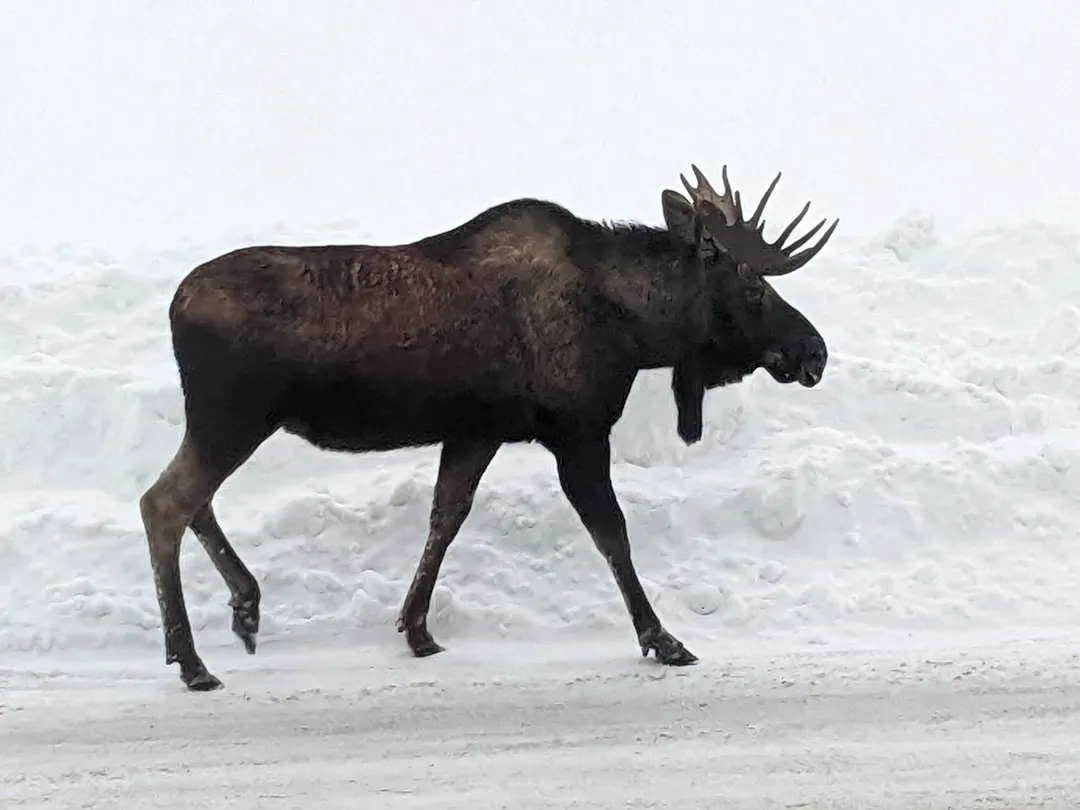
One of the quieter pleasures of a winter stay at Medawisla is what you might encounter beyond the tree line. Guests are encouraged to watch for moose, raptors, and, if they’re fortunate, bobcats or lynx moving through the surrounding forest.
Abundant animal tracks cross the ungroomed paths, left by deer, smaller rodents, and many mammals between. As you climb toward higher ground, the views of a snow-covered Mount Katahdin gleaming in the afternoon sun become unmistakable.
Katahdin, which means “Great Mountain” in Penobscot, is Maine’s highest peak, residing in Baxter State Park about 25 miles to the northeast. Catching a clear glimpse of it from the trail on a cloudless winter afternoon is the kind of moment that stays with a traveler far longer than any busy itinerary could.
Sustainable and Off-Grid by Design

AMC has a long-standing commitment to using its huts, lodges, and camps as models for sustainable operations and environmental stewardship. At Medawisla, solar panels and a Clivus composting toilet system support the lodge’s green operations, and AMC offers “green tours” so guests can learn more about their conservation practices.
Nurture Through Nature, another Maine retreat, has similarly positioned itself as Maine’s first Green-Certified earth-friendly retreat center, operating across 33 forested mountainside acres in the Lakes and Mountains region. The responsible travel philosophy running through the AMC’s Maine operations aligns naturally with the reflective, low-impact mindset that serious introverts tend to carry with them.
Choosing a carbon-conscious wilderness lodge over a conventional resort isn’t just an ethical choice. For many guests, it reinforces the deeper intention of the trip: to be present, to tread lightly, and to leave the landscape exactly as quiet as they found it.
A Measured Reflection

There is something almost counterintuitive about the fact that one of the best places to find yourself in 2026 involves gravel roads, a woodstove, and a near-total absence of cell service. Yet the numbers, the research, and the steady stream of returning guests all suggest the same thing.
In contrast to the pre-2020 era of fast-paced, checklist-driven vacations, the rise of what some call “soft travel” is rooted in wellness, calm, and genuine immersion. From wilderness lodges to slow coastal living in seaside towns, the trend reflects a growing desire to disconnect, decompress, and reconnect with simplicity.
For the genuinely introverted traveler, the Hundred-Mile Wilderness in winter offers something increasingly rare in modern travel: a place that asks nothing of you socially, gives generously in terms of beauty and stillness, and sends you home feeling measurably more like yourself. Sometimes the quietest destinations carry the loudest meaning.
AI Disclaimer: This article was created with the assistance of AI tools and reviewed by a human editor.