

There’s a stretch of Georgia coastline that most people simply drive past. Heading south on Interstate 95 toward Florida, travelers cross into Georgia, maybe stop in Savannah, and push on. Many don’t realize what they’ve passed. They cross into Georgia, perhaps make a stop in Savannah, then set their sights on the Florida state line, just a little over 100 miles to the south. What they miss along the way is a group of beautiful small Atlantic coast islands.
One of those islands is Sapelo. It sits about seven miles offshore, quiet, mostly undeveloped, and guarded by its own geography. Georgians who know it tend to keep the knowledge close.
A Place That Physically Requires You to Slow Down
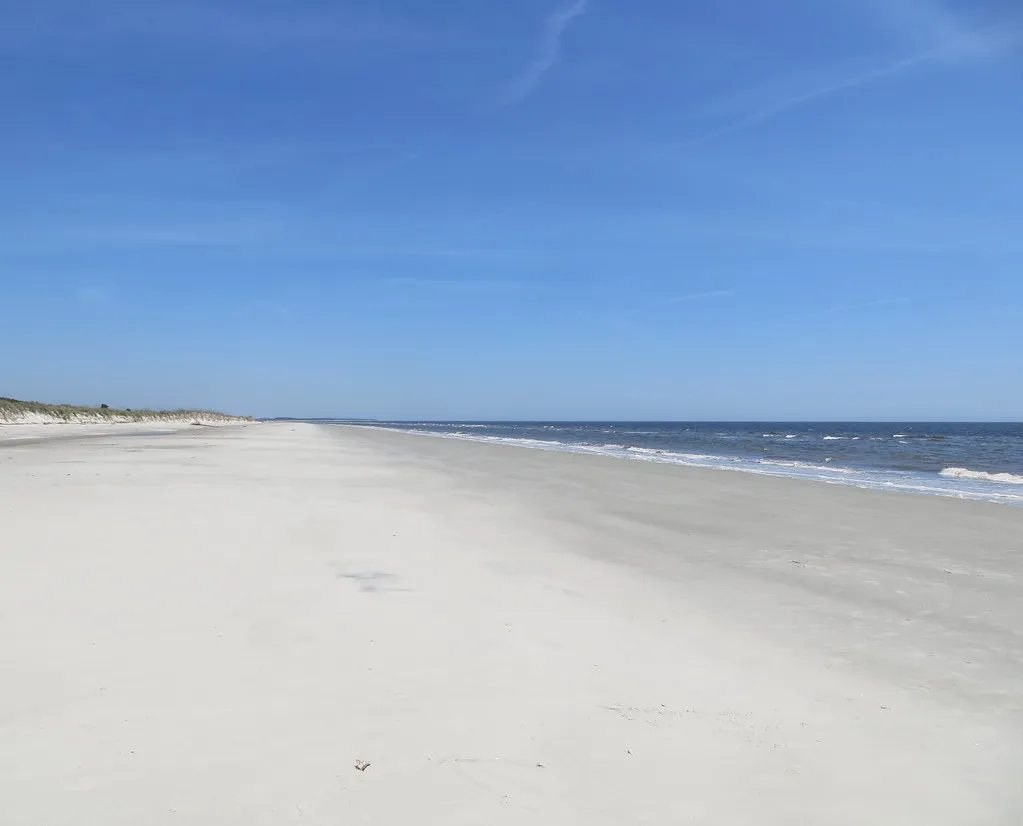
Sapelo Island is a state-protected barrier island located in McIntosh County, Georgia. The island is accessible only by boat, with the primary ferry coming from the Sapelo Island Visitors Center in McIntosh County, a seven-mile, twenty-minute trip. That journey across open water is itself the first signal that you’ve left ordinary life behind.
Sapelo Island is located seven miles off the mainland coast of Georgia, larger than Bermuda and approximately the same size as Manhattan or St Simons Island, yet it has less than 25 permanent residents. Loved for its primitive and undeveloped beauty, it remains in its natural state unmatched anywhere on the Atlantic Coast.
Ninety-seven percent of the island is owned by the state of Georgia, and the rest is under private ownership. That ownership structure is precisely what keeps it from becoming another resort destination.
The Coast Georgia’s Tourism Boards Rarely Advertise
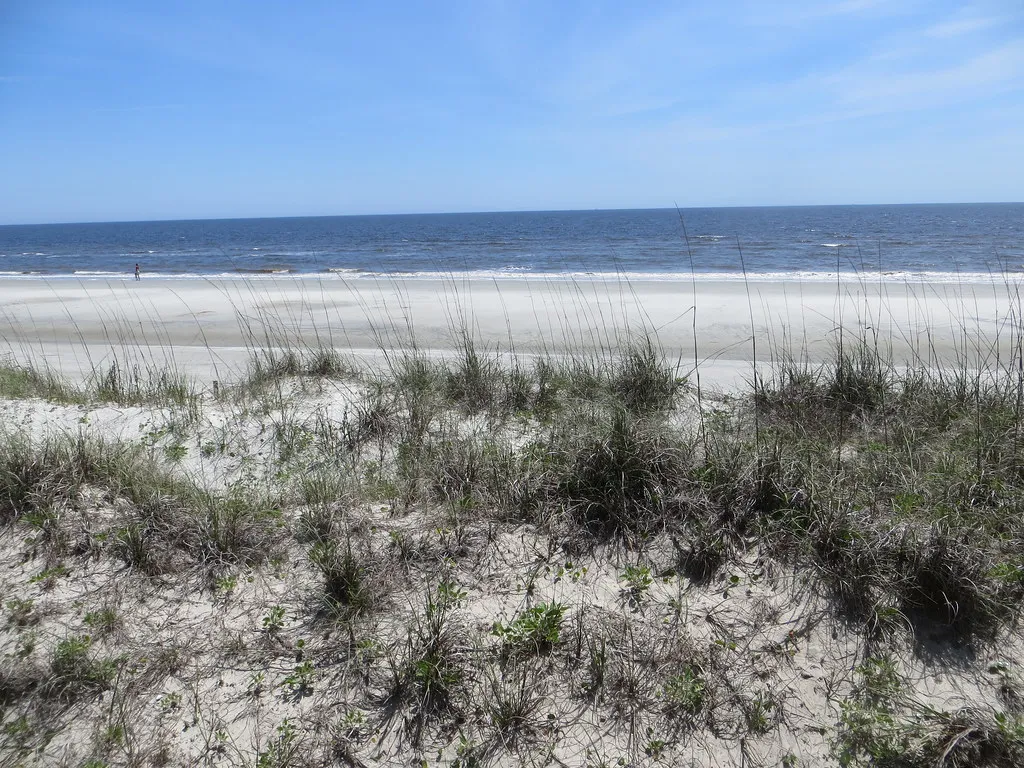
The coast of Georgia is roughly 110 miles and includes 15 barrier islands on the Atlantic Ocean, four of which are accessible by car and have become popular resort destinations. The rest of Georgia’s islands require transportation by boat and are virtually unspoiled natural escapes.
The Golden Isles, the better-known cluster of Georgia barrier islands, were named the number one Best U.S. Islands in the 2026 World’s Best Awards by Travel + Leisure. Sapelo, however, sits outside that promotional spotlight almost entirely.
Despite sprawling thousands of acres off the Georgia shoreline, Sapelo Island has managed to keep a low profile for a very long time. For many regular visitors, that’s the entire point.
Beaches That See Almost No Footprints
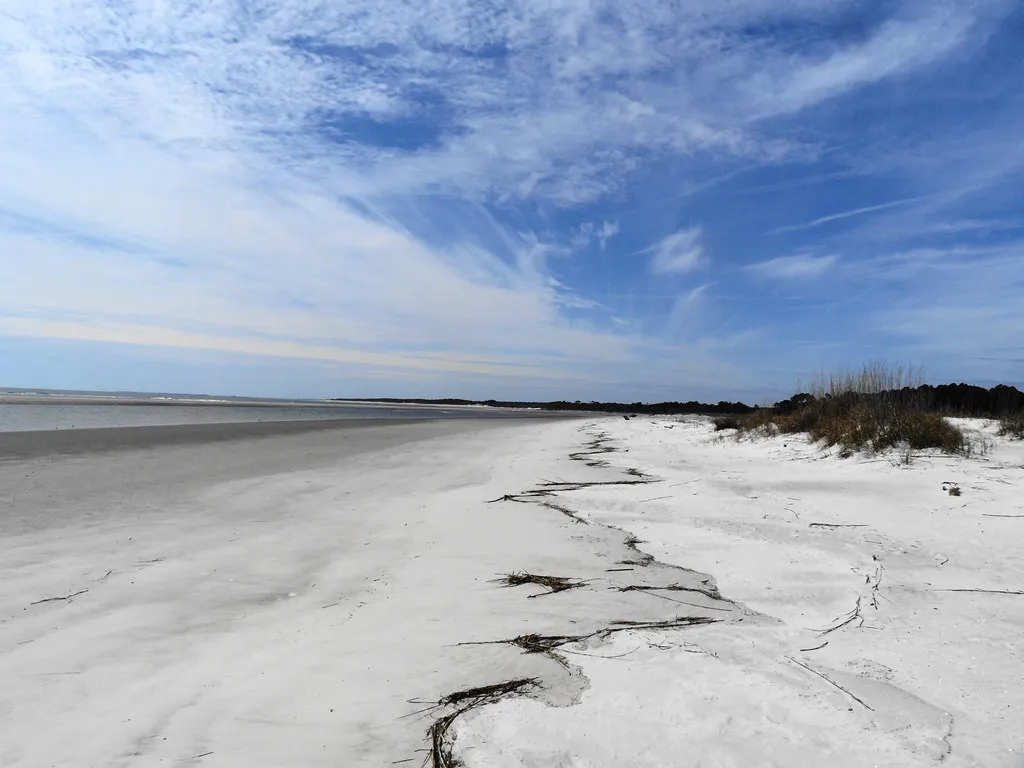
Sapelo Island boasts some of the most unspoiled beaches and natural landscapes in Georgia. Nanny Goat Beach is an expansive stretch perfect for sunbathing, swimming, and beachcombing, with soft sands and gentle waves that make it a favorite among visitors.
For many, the twelve-mile stretch of deserted beach with its abundance of seashells is especially alluring, regardless of the season. On a summer weekend that might see tens of thousands of people at Tybee Island, Nanny Goat Beach might see dozens.
The lush forest surrounds guests in a sea of green almost year-round, and exploring the island’s twelve-mile length and four-mile width is certain to produce sightings of whitetail deer, raccoon, opossum, wild turkey, armadillo and other animals. Wildlife outnumbers visitors on most days.
Wildlife That Rivals Any National Park
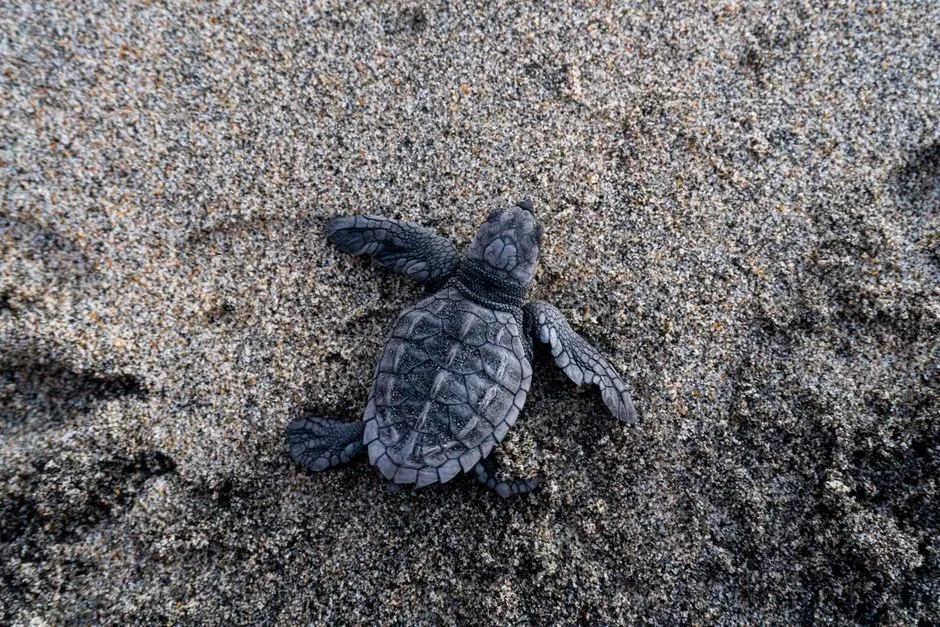
Tarpon, redfish, trout, flounder and many other species are bountiful, as the island and its shores are federally protected. Right whales give birth to their young off the shores of Sapelo, and loggerhead turtles lay their eggs on the beaches at night. Birdwatchers come to Sapelo from all around the world, as the island has over 250 permanent or migratory species, many of which are rare and endangered.
The rare Guatemalan Chacalaca, imported as a game bird, now runs wild in the forest, as do wild hogs and feral cattle, descendants escaped from the farms of Sapelo’s early settlers. Sapelo is a birder’s paradise, with many different shorebird and indigenous species calling the island home permanently or seasonally.
Blackbeard Island National Wildlife Refuge, a short boat ride from Sapelo, offers hiking trails, birdwatching, and opportunities to see diverse wildlife in their natural habitat. The whole region feels like a living field guide.
A History That Goes Back Thousands of Years

Humans first inhabited Sapelo Island some 4,500 years ago. Native Americans are believed to have lived on Sapelo, and the name itself has Indigenous origins. Spanish missionaries also called this island home from 1573 to 1686, and a Spanish mission once stood on the island near a unique ceremonial mound on the north end known as the Native American Shell Ring.
Traces of civilization on the island go back almost 6,000 years, to a twelve-foot-high, 180-foot-diameter wall that remains on its western side. It is thought that early members of the Guale tribe built the Sapelo Shell Ring, a large circular deposit of shell, bone, soil and artifacts.
Sapelo Island is speculated to be the site of San Miguel de Gualdape, the short-lived first European settlement in the present-day United States in 1526 and 1527, and if true, it would also be the first place in the present-day U.S. where a Catholic mass was celebrated. Few places in America carry that kind of layered, contested weight.
The Hog Hammock Community and the Gullah-Geechee Heritage
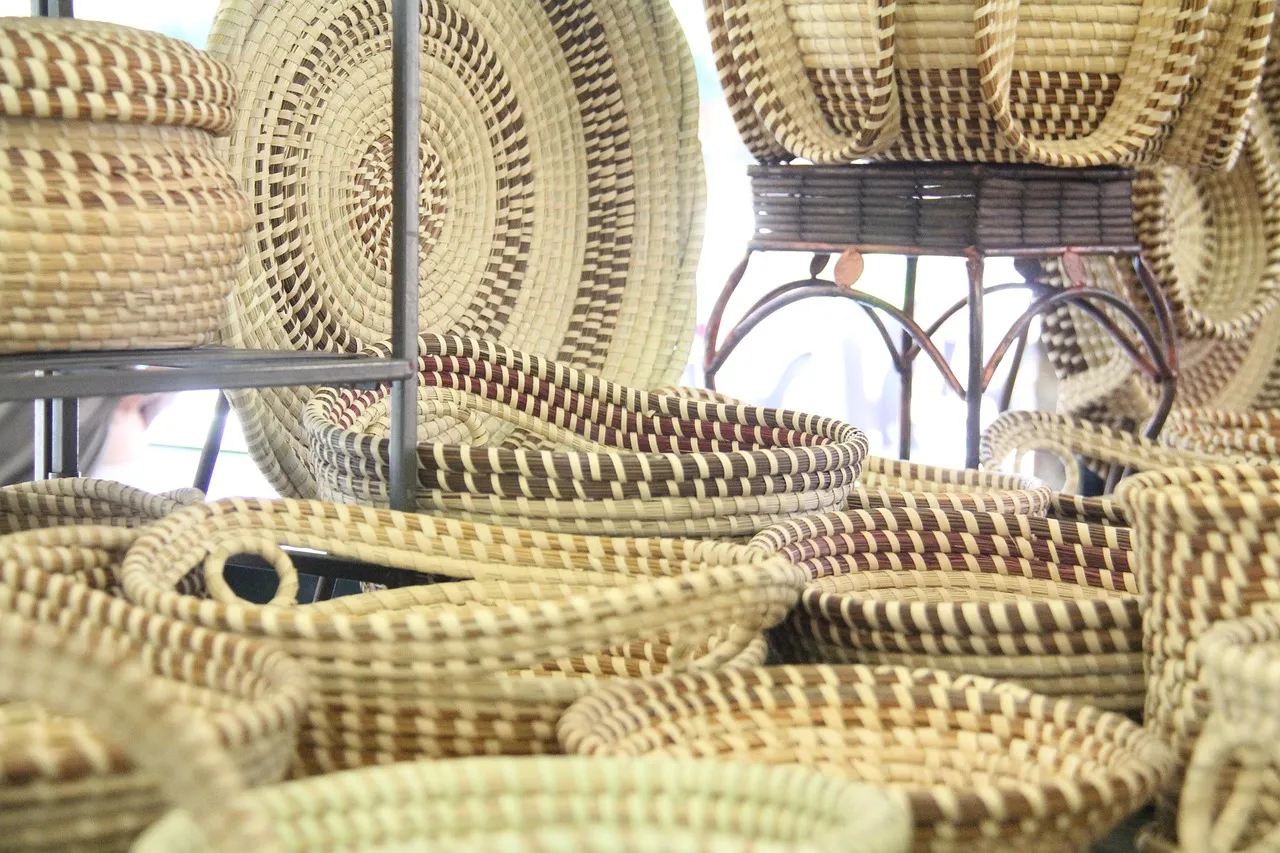
Hog Hammock, listed on the National Register of Historic Places, is the last intact Gullah-Geechee community in the Sea Islands of Georgia. That alone makes it one of the most historically significant communities on the entire Eastern Seaboard.
The Gullah-Geechee people are descendants of enslaved West African people who worked on coastal plantations from North Carolina to northern Florida. Scholars say their separation from the mainland caused residents to retain much of their African heritage, from their unique dialect to skills and crafts such as cast-net fishing and basket-weaving.
The Gullah-Geechee people on Sapelo Island have kept their traditions and cultural heritage intact for more than a century, despite gentrification and government neglect. Visiting with genuine curiosity and respect is not just encouraged here; it is essential.
The Reynolds Mansion: An Unlikely Overnight Stay

The original mansion was designed and built from tabby, a mixture of lime, shells and water, by Thomas Spalding, an architect, statesman and plantation owner who purchased the south end of the island in 1802. The mansion served as the Spalding Plantation Manor from 1810 until the Civil War.
It fell into ruin after being damaged during the Civil War and was later purchased and rebuilt by Detroit automotive engineer Howard Coffin in 1912. Tobacco heir Richard Reynolds purchased the property in 1934 and allowed the University of Georgia to use the facilities for marine research.
Guests can spend an entire visit to the island just exploring Reynolds Mansion and the expansive grounds, where sculptures entertain and engage visitors in the filtered light beneath massive live oaks. The mansion’s unique architecture creates many interesting and memorable spaces, as well as private spots to read or reflect. The library is a bibliophile’s dream, complete with the original nameplates in many volumes from Mr. Reynolds’ private collection.
How to Actually Get There (and What to Expect)
The state of Georgia provides a passenger ferry to the island, and advance reservations are required. Only island landowners, including the Georgia DNR, Sapelo Island National Estuarine Research Reserve, and the University of Georgia Marine Institute, can make ferry reservations. All visitors must be pre-registered by a landowning host.
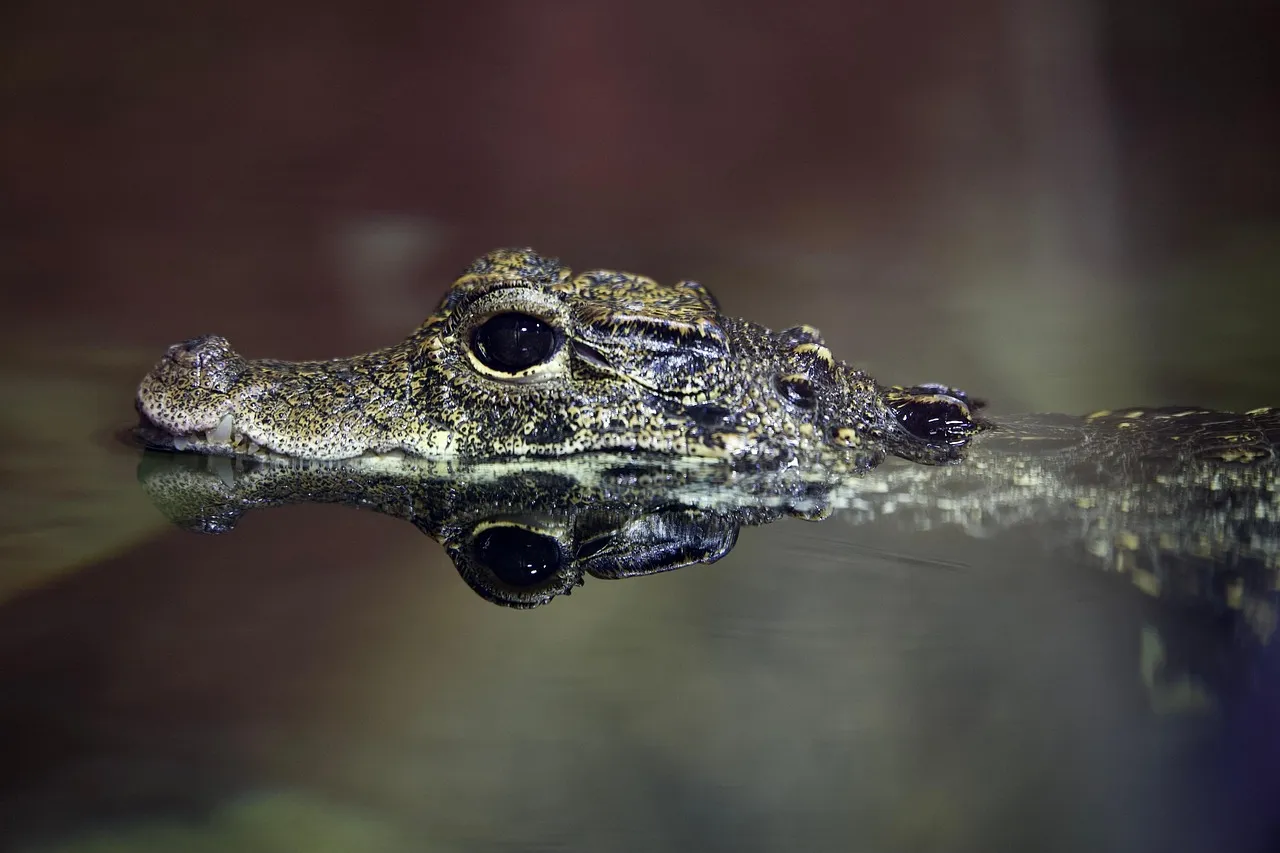
Sapelo Island is a self-catering island, so you bring all food items. There is wildlife on the island, including alligators, wild cattle, feral pigs and snakes. It is highly recommended to bring insect repellent, as insects on the island are simply a way of life.
Once on the island, biking and walking are the best ways to get around. Visitors can bring their own bike or rent one locally to explore at their own pace. The lack of convenience is, itself, the experience.
A Community in the Middle of a Historic Legal Fight

Voters in Georgia’s Sapelo Island’s Hog Hammock district rejected an ordinance that would have doubled the allowed square footage for homes, fearing higher property taxes, gentrification, and displacement. Unofficial results showed roughly 85% of voters cast their ballot to repeal the 2023 zoning ordinance, ending a nearly three-year fight that cost McIntosh County over half a million dollars in legal fees.
On January 21, 2026, residents of McIntosh County voted to override the 2023 zoning decision by county commissioners. Residents and supporters had obtained over 2,300 signatures on a petition to challenge the commissioners before the Supreme Court of Georgia and forced a special election. The community’s resilience is remarkable by any measure.
There are now about three dozen of those original Gullah-Geechee residents left on Sapelo. Many have moved away to find work or were forced out after giving up the rights to their property. Others left because the limited access via ferry made life untenable, even if they worked nearby on the mainland. Travelers who visit should understand this context fully before they arrive.
The Tragedy of October 2024 and What It Revealed

On October 19, 2024, a ferry dock located at Sapelo Island collapsed, resulting in the deaths of seven people. A ferry dock gangway collapsed into the water, causing crowds of people on the dock to fall in. The crowds had come together to celebrate Cultural Day, commemorating Sapelo Island’s Gullah-Geechee community.
Those who died were all older than 70, and one was 93. Residents in Sapelo Island had previously expressed concerns over zoning laws and access to emergency and other government services. In a 2015 federal civil rights lawsuit, residents claimed they were paying high property taxes but experienced a lack of government services, including adequate water, emergency medical, fire, road maintenance, and accessible ferry services.
New GatorDock aluminum gangways were subsequently engineered and manufactured by CMI Limited Co., a leading fabricator of engineered products for marine environments. Each of the gangways is 91 feet long, eight feet wide, and engineered to a maximum live load of 260 persons. The tragedy, painful as it is, brought long-simmering infrastructure concerns into national view.
Visiting Sapelo the Right Way
Darien, the mainland town where the ferry departs, isn’t just a place to catch a ferry to Sapelo Island; it’s a worthwhile destination in itself. Skipper’s Fish Camp is a well-regarded spot to eat before you catch the ferry. Starting there sets the right tone.
Visitors should make sure to respect the local environment and culture, ensuring that this beautiful place remains unspoiled for future visitors. That responsibility belongs entirely to the guest, not the community.
One of the most important things for visitors to understand is the distinction between comyas, the Gullah-Geechee term for people who “came here,” meaning visitors or outsiders, and beenya, meaning those who have “been here,” referring to descendants. Coming with awareness of that distinction makes all the difference.
The Takeaway
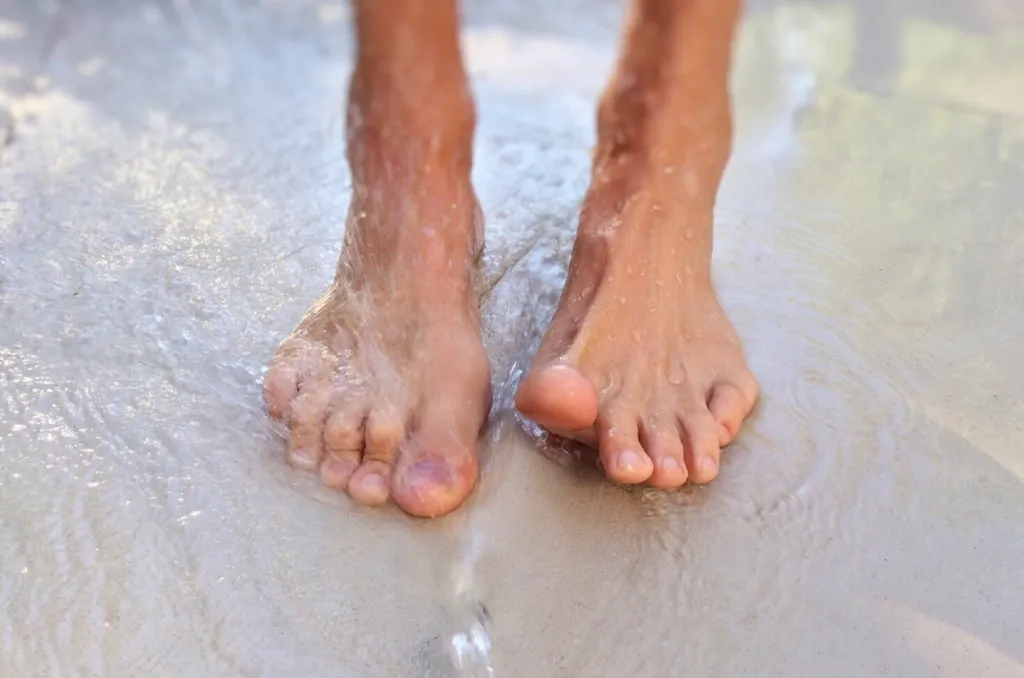
Sapelo Island is not a destination you stumble into. It demands planning, intention, and a willingness to move at the pace of the tide. Visitors to Sapelo say time stops when stepping off the ferry. For those who spend time on the island, there’s an undeniable sense of living between centuries, a special place disconnected and cloistered away from the rest of the world.
The island’s fragile ecosystems, its living Gullah-Geechee culture, and its deeply layered history all ask something of you before you arrive: humility, preparation, and genuine curiosity. Georgians who love this place keep it quiet not out of selfishness, but out of care. That’s worth honoring.
AI Disclaimer: This article was created with the assistance of AI tools and reviewed by a human editor.