
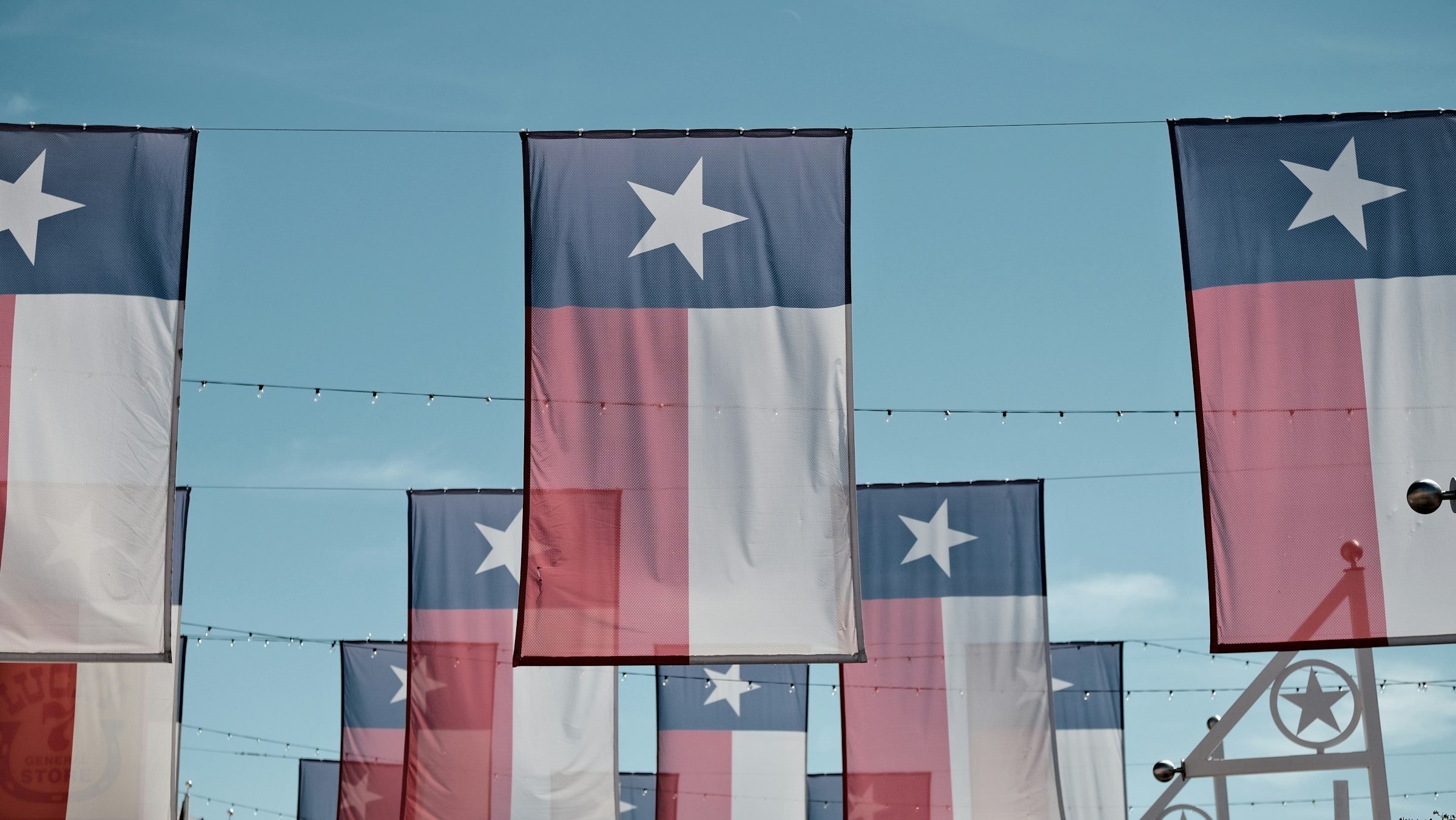

Fredericksburg, Texas sits roughly 70 miles west of Austin along the rolling limestone corridors of the Hill Country, and it has become one of the most visited small towns in the entire state. With a population of just over 11,000 people, it draws well over a million visitors a year, a reality that creates a fascinating social dynamic between those who were raised here and those who showed up on a Friday afternoon with a tasting itinerary in hand.
Locals develop an almost instinctive ability to read the room. The tells are surprisingly consistent, and they go far deeper than a rental car or an out-of-state license plate. From where someone parks to what they order for lunch, the cues are everywhere if you know what you’re looking for.
They Head Straight for Main Street Without Knowing What’s on It
Main Street in Fredericksburg stretches for several blocks and is packed with independently owned boutiques, antique shops, art galleries, and specialty food stores. Locals know exactly which shops are worth stepping into and which ones cater almost entirely to foot traffic. Tourists, by contrast, tend to walk the strip in a slow, slightly overwhelmed shuffle, stopping at every window display.
Unlike a typical tourist trap, Main Street here still serves actual residents. You will see locals picking up groceries, grabbing coffee, and chatting with shop owners by name. Someone who has never been before tends to treat the entire street as a sightseeing experience. A local treats it like a Tuesday errand run.
They Don’t Know the Winery Rules
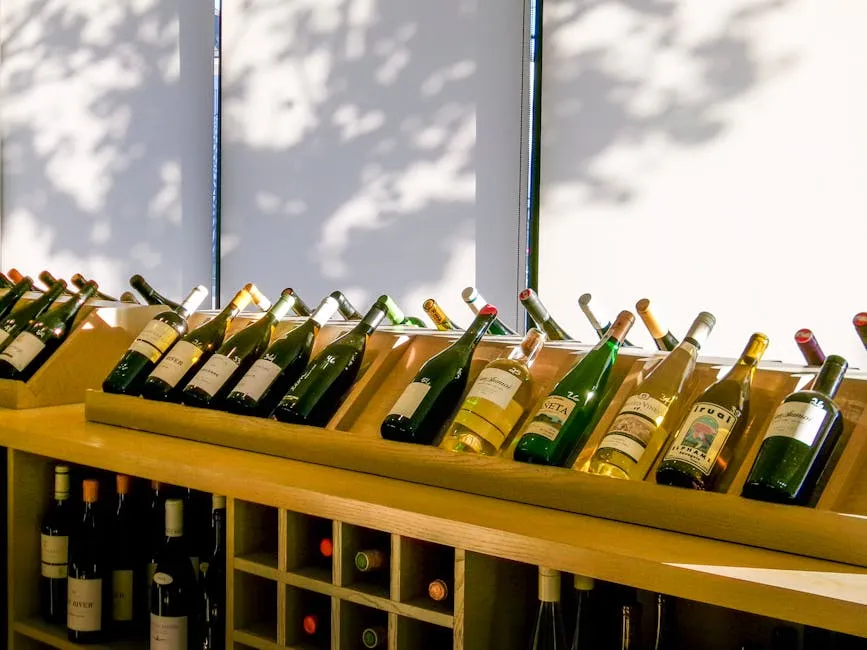
The Texas Hill Country is home to over 100 wineries and vineyards, and Fredericksburg is the epicenter of Texas Wine Country, with more than 75 wineries, vineyards, and wine tasting rooms located in Gillespie County alone. That density is genuinely staggering for a region this size, and navigating it takes some local knowledge.
Visitors might not realize that many vintners in the area incorporate grapes from California or elsewhere, a move that’s considered a big no-no in the world’s more established wine regions. Some don’t use any Texas grapes at all. Locals know which wineries use 100 percent Texas-grown fruit and which ones quietly don’t. Asking the tasting room staff about it with a look of genuine surprise is a reliable tourist tell.
Reservations are recommended for weekends at many of the most popular estate wineries, and showing up without one on a Saturday afternoon is a dead giveaway. Locals plan ahead or simply avoid the busiest spots on peak days entirely.
The Parking Situation Gives Everyone Away

Anyone raised in Fredericksburg knows that weekend parking near Main Street is genuinely competitive, and they plan accordingly. Tourists tend to circle blocks looking for a spot closest to the action, occasionally blocking traffic in the process. Locals know the side streets, the residential blocks, and the quieter lots that most visitors drive right past.
Weekends and holidays can be crowded, so many locals go early in the morning or plan weekday trips. Tourism drives the economy and shapes the daily routine. Weekends, wine festivals, Oktoberfest, and wildflower season bring heavy foot traffic, limited parking, and busy restaurants. Knowing that rhythm is part of what it means to actually live here.
They’re Unfamiliar with the German Heritage, and It Shows
Long ago, Fredericksburg was one of the first German settlements in Texas. In 1846, the Society for the Protection of German Immigrants founded the city known today as Fredericksburg. That history is woven into nearly every block of the historic district, from the limestone architecture to the food menus. For longtime residents, it’s simply the backdrop of daily life.
The German heritage is still evident today. Many residents are able to trace their families back to early times. An old-fashioned form of German, still spoken by older residents, is staying alive as younger people have begun learning the dialect to honor the town’s past. A tourist who stumbles into this linguistic layer of the community often doesn’t know quite what to make of it.
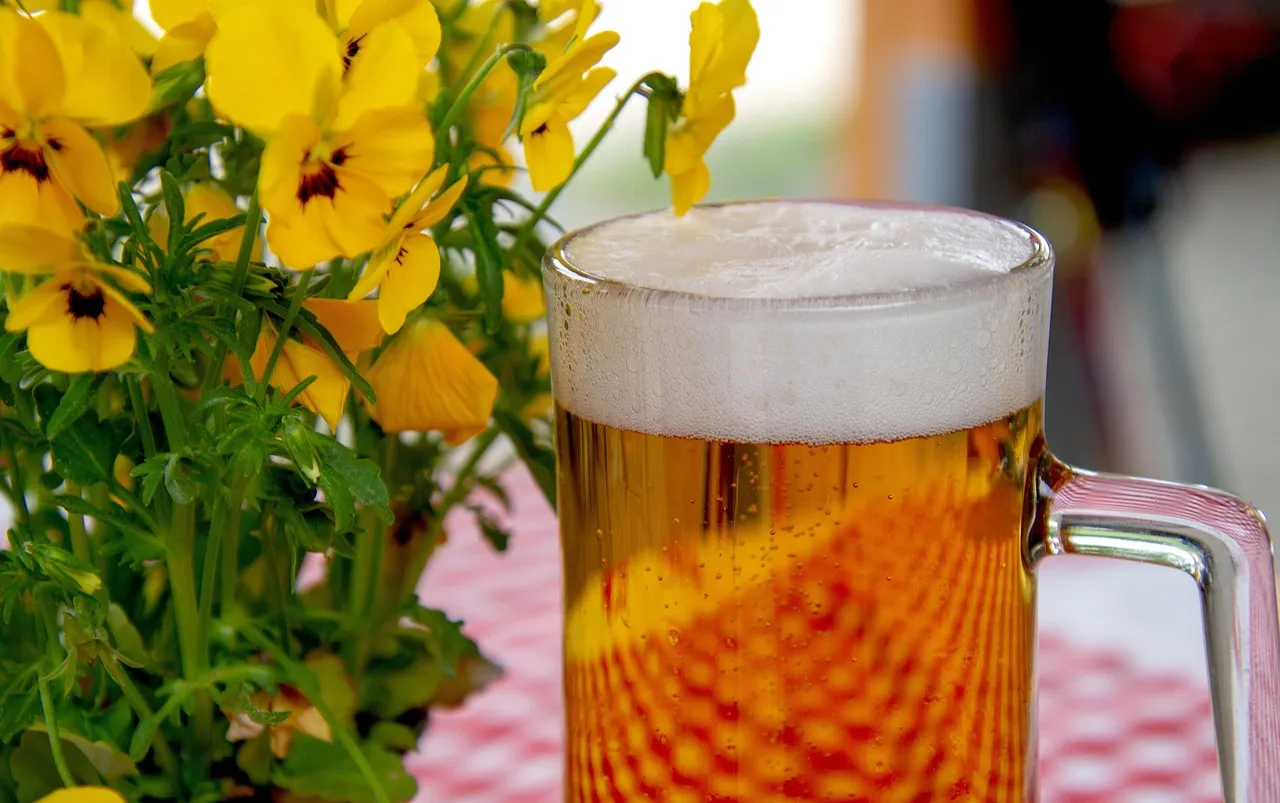
If there is one event that encompasses everything German about Fredericksburg, it is Oktoberfest. For three days each October, the town square is transformed into a place for all things German heritage, including live polka music, tasty food, cold brews, arts, crafts and games. Locals participate. Tourists photograph it.
They’ve Never Heard of Sunday Houses
A century before tiny houses were all the rage, Fredericksburg’s citizens were building diminutive homes of their own. Known as “Sunday houses,” these cozy pied-a-terres were homes that farming families would live in on weekends when they were away from their ranches. They would come to town on Saturday to sell their produce or pick up supplies, stay until Sunday to attend church, then return to their farms.
Today, many of these Sunday houses are used as short-term rentals and are a great way for visitors to truly immerse themselves in this aspect of Fredericksburg’s colorful past. Locals know these structures by sight and by story. A visitor who has just booked one on a vacation rental app often doesn’t realize they’re sleeping in a piece of living architectural history.
They’re Surprised by the Town’s Small Business Makeup
Fredericksburg runs on small businesses that appeal to tourists. What many visitors don’t expect is just how deeply independent that business culture runs. There are no chain stores lining the main corridor, which is something locals take for granted but visitors consistently remark on with surprise.
According to the Fredericksburg Chamber of Commerce, 98.5 percent of the town’s businesses are small or micro-businesses. That figure explains a lot about the texture of the place. It also means that when a visitor asks where the nearest chain coffee shop is, the answer from a local is usually a blank look followed by a recommendation for something far better.
They Underestimate How Busy the Town Gets
A research study completed by Travel Texas shows a record-breaking 62 million travelers visited Texas in 2024 from across the country and around the world, alongside over 67 million Texas travelers visiting destinations within the state on overnight trips. A meaningful slice of that traffic flows through Hill Country towns like Fredericksburg, especially during peak seasons.
So far in a recent reporting period, more than 740,000 visitors came to Gillespie County alone, according to the Fredericksburg Convention and Visitor Bureau. The year prior, tourism generated $175 million in visitor spending, creating 1,200 local jobs. Tourists often arrive expecting a quiet small-town experience, only to find a bustling Main Street that rivals some urban neighborhoods on a Saturday afternoon.
They Haven’t Factored In Enchanted Rock

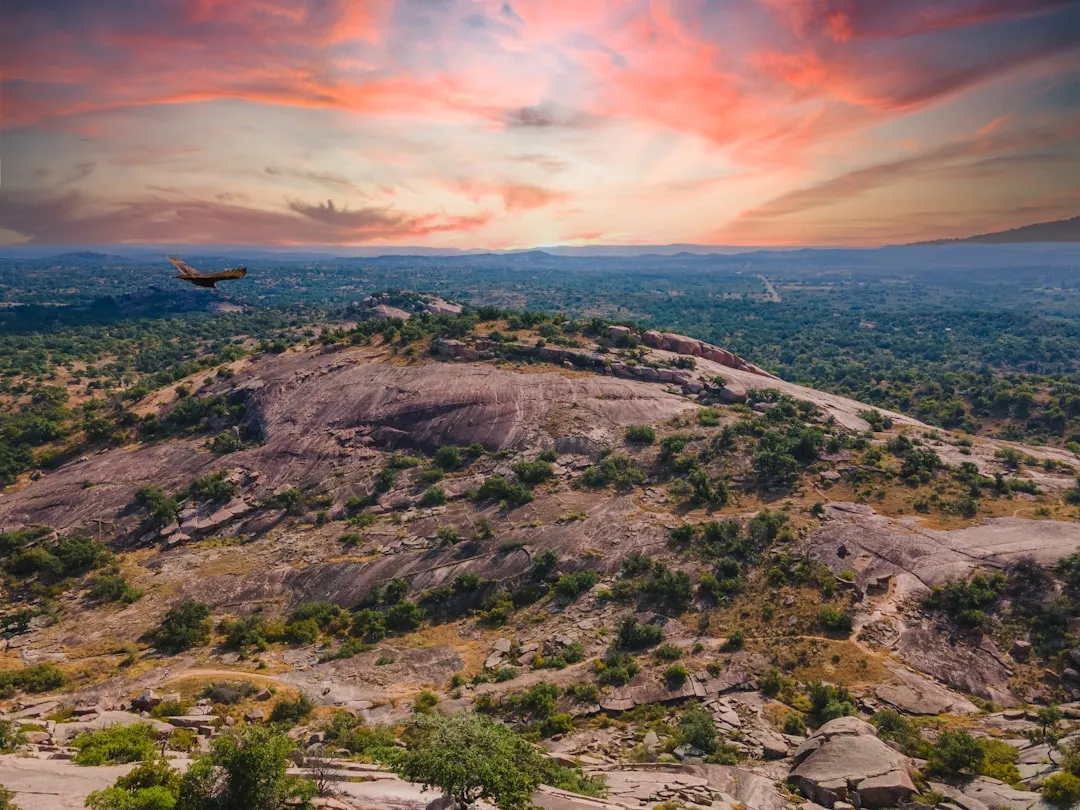
Just 20 minutes north of town lies Enchanted Rock State Natural Area, a massive pink granite dome that’s iconic in Central Texas. Hikers, climbers, and nature lovers come here for breathtaking views, scenic trails, and unforgettable sunsets. Locals know that the park fills its parking lot early, often by mid-morning on weekends. Showing up at noon on a Saturday without a timed entry reservation frequently means being turned away.
It’s one of those places where the gap between visitor expectations and local knowledge becomes very visible, very fast. Longtime residents plan Enchanted Rock trips for early weekday mornings, or they wait for cooler months when the crowds thin out naturally.
They React to the Housing Market with Visible Shock

As of October 2024, the median home price in Fredericksburg stands at $432,000, which is above the national median of $420,400. For a town of roughly 11,000 people in rural Texas, that number surprises a lot of first-time visitors. The short-term rental economy has played a significant role in shaping that reality.
A meaningful number of homes operate as short-term rentals, which can reduce long-term rental supply and shape pricing. Locals who have watched that shift happen over the past decade tend to carry a nuanced perspective on the tourism economy, one that visitors rarely think to ask about. Housing costs in Fredericksburg are often higher than in nearby rural counties due to tourism demand and limited inventory, and desirable locations near downtown or on hilltop view lots can come with a premium.
They’re Genuinely Stunned by the Hospitality Recognition

According to Booking.com’s 2026 Traveler Review Awards, Fredericksburg ranks as the most hospitable city in the United States, based on more than 370 million verified traveler reviews. Locals rarely lead with that fact in conversation, because to them, the warmth is just how the town operates. Visitors sometimes arrive having read about the accolade and are visibly testing whether it holds up.
The warmth here comes from a community that has maintained strong roots across multiple generations, and that stability shows in how people interact with each other and with newcomers alike. There’s a difference between hospitality performed for visitors and hospitality that’s genuinely embedded in a place. In Fredericksburg, most longtime residents would tell you it’s the latter, and most visitors leave believing them.
The Bigger Picture: A Town Navigating Its Own Success
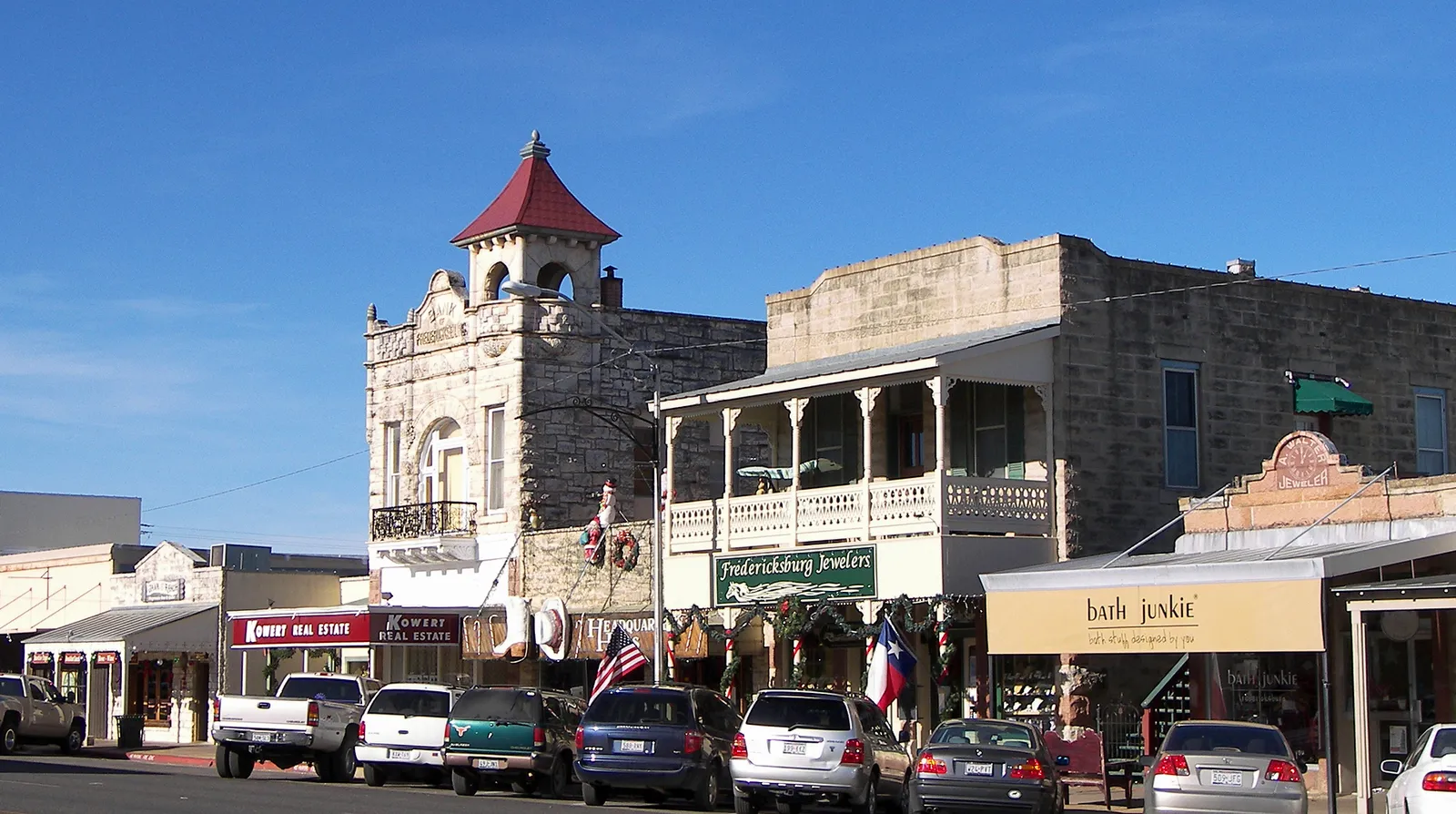
Fredericksburg is in the middle of a tension that many beloved small towns face. Millions of visitors have trekked from around the world to get a taste of the city’s food and wine and enjoy its unique architecture. Tourism is now outpacing local growth. The character that draws people here is, in a quiet way, tested by the volume of people who show up to experience it.
Like other fast-growing regions in the U.S., the assets that drew people here, and the overall character and beauty of the Hill Country, are now threatened by growth itself. Locals are well aware of that dynamic. It’s part of why they take a certain quiet pride in knowing the town in ways that go beyond a weekend visit.
The ability to spot a tourist isn’t really about superiority. It’s about the depth of connection that comes from actually living somewhere, knowing which roads to take on a Sunday morning, which small shops still exist because locals support them, and which hilltop to visit when the crowds are finally gone. Fredericksburg rewards that patience, and it’s worth earning.
AI Disclaimer: This article was created with the assistance of AI tools and reviewed by a human editor.