
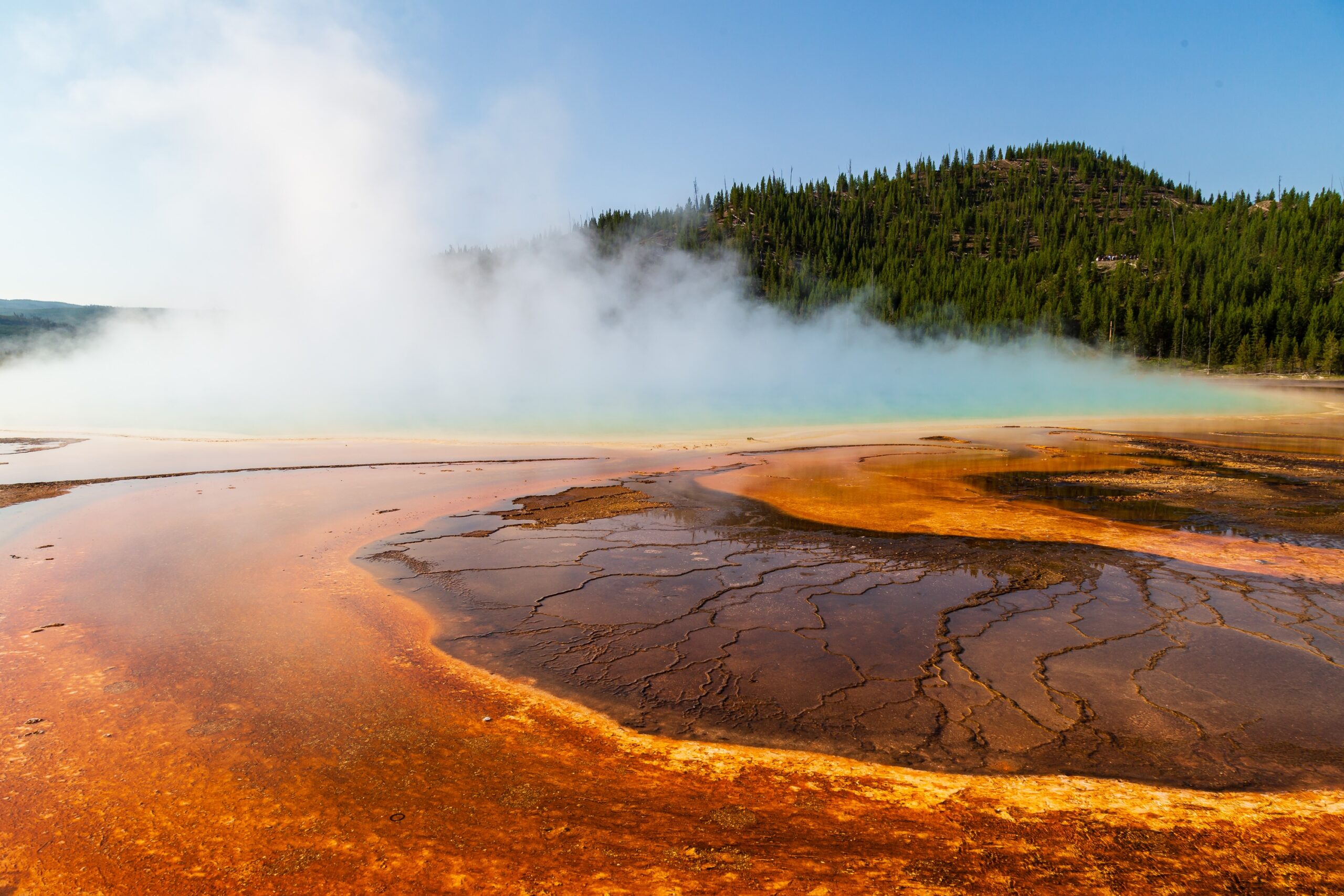
There’s something quietly revealing about the national park you keep returning to in your daydreams. Whether it’s the scalding earth of Yellowstone or the salt-scrubbed cliffs of Acadia, the landscapes that pull at us most powerfully tend to reflect something real about who we are. It’s not just aesthetics. Research consistently shows that personality traits shape the way people seek out and experience the natural world.
Your personality shapes more than just your career choices and relationships. Research reveals that certain psychological traits consistently influence whether you’ll gravitate toward challenging mountain peaks, peaceful forest walks, or adrenaline-pumping adventure sports. With that in mind, here’s a look at what ten iconic American national parks might say about the traveler drawn to each one.
Great Smoky Mountains: The Connector
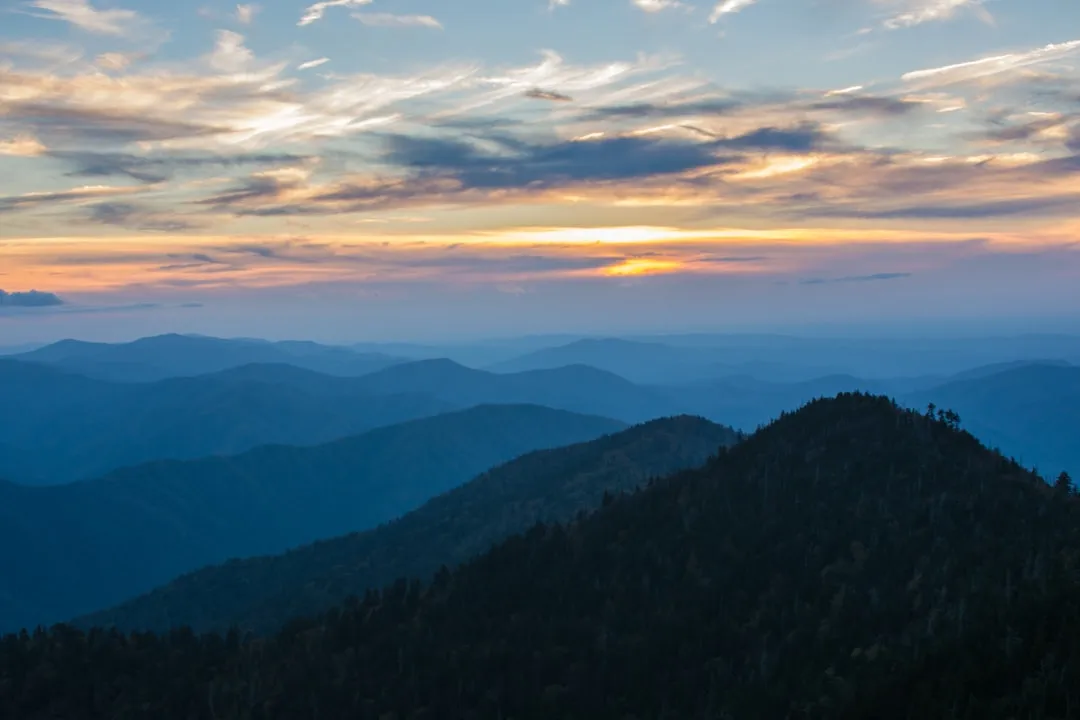
Great Smoky Mountains remains the most visited national park in America, with 11,527,939 visits recorded in 2025. That’s a staggering number, and it speaks directly to the park’s character: welcoming, layered, and deeply accessible. People who dream of the Smokies tend to value warmth and shared experience above solitude.
The park’s convenient location along the Tennessee-North Carolina border makes it accessible to major population centers, charges no entrance fee, and its diverse attractions include ancient mountains, rich biodiversity, and Appalachian cultural heritage. The Smokies visitor is rarely a lone wolf. They show up with family, with childhood friends, with a carload of cousins. They care more about the meal at the end of the hike than the elevation gain.
Extraverts typically gravitate towards social leisure activities, often seeking out group sports, parties, and community events. These individuals thrive on interpersonal interactions and derive energy from socializing. That profile fits the Smokies dream traveler almost perfectly. Connection, not conquest, is the whole point.
Zion National Park: The Thrill-Seeker
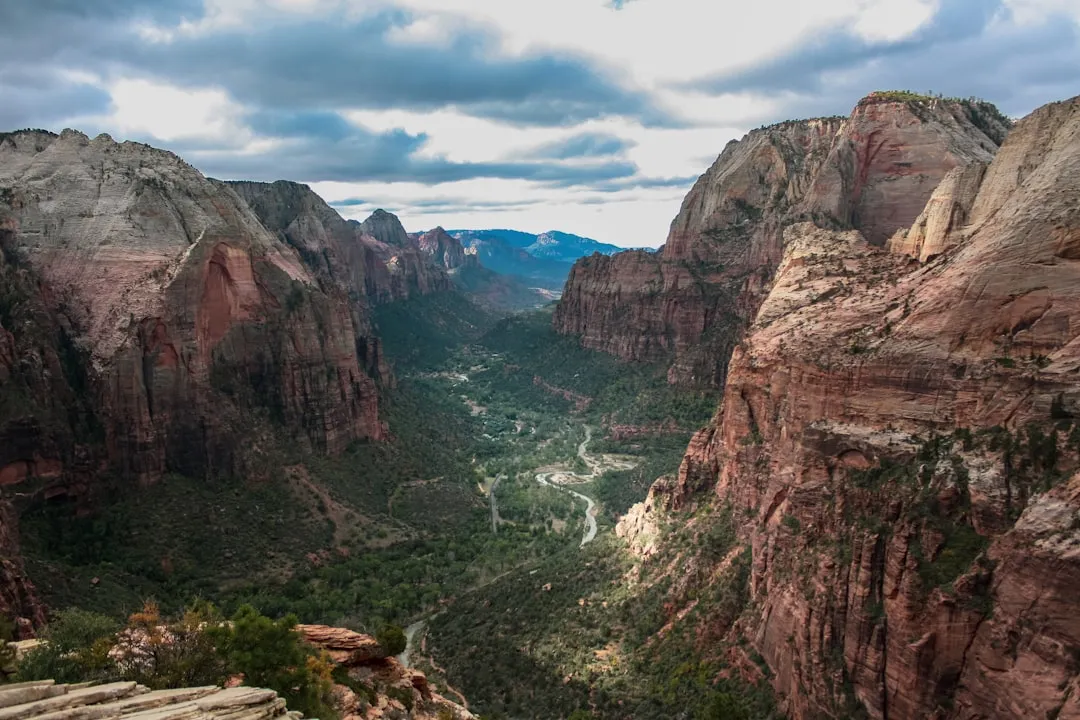
Zion held the number two spot in 2025 with 4,984,525 visits, inching up from 2024 and closing in on its all-time high of 5 million set in 2021. Zion draws a very particular kind of person. They’ve already looked up the permit lottery for Angels Landing. They own trekking poles. They are probably already planning the next trip before the current one is done.
Zion is the definitive choice for high-energy challenges, specifically the vertical sandstone corridors of the Narrows and Angels Landing. The research backs this up. Studies found strong effect sizes for adventure activities in terms of sensation seeking, extraversion, and impulsivity among adventure tourism participants. Zion fans score high across all three.
There’s also a competitive edge to this traveler. They want to say they did the hard version. The permit-restricted, thigh-burning, vertigo-inducing version. Not a flaw exactly, just a defining trait.
Grand Canyon: The Philosopher
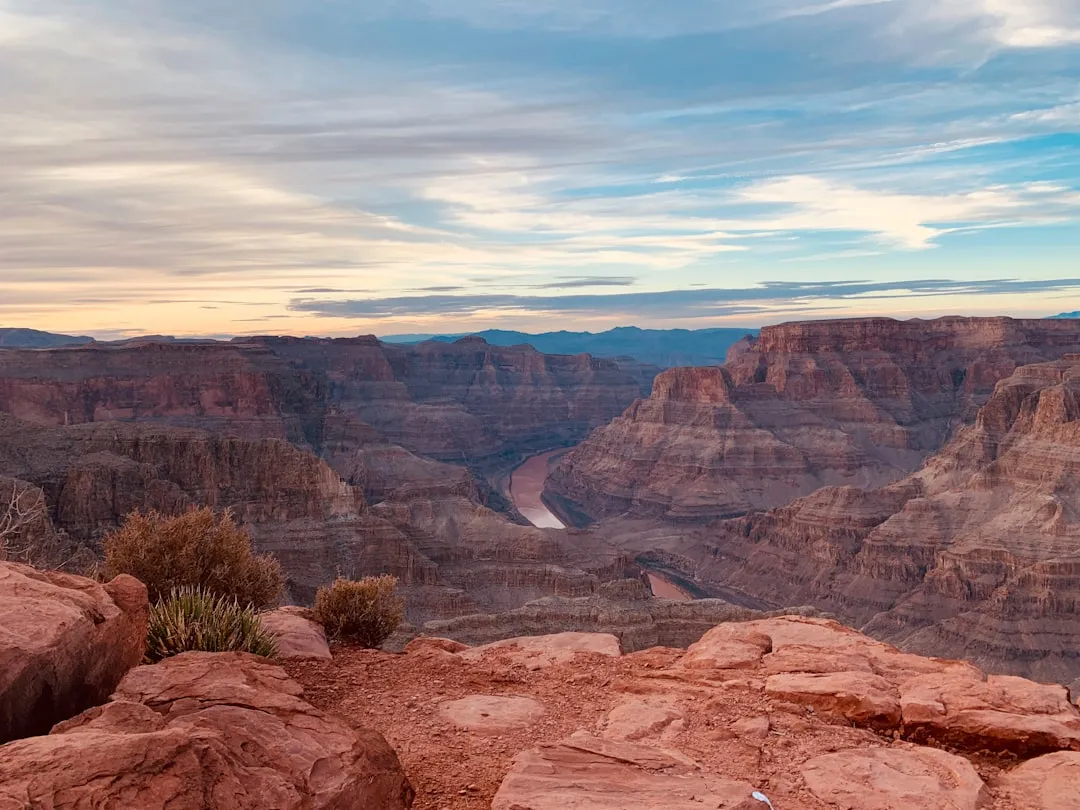
Grand Canyon National Park drew 4.91 million visitors in 2024, making it one of the most visited parks in the country year after year. Yet the Grand Canyon has always attracted a different energy than Zion or Yellowstone. People tend to go quiet when they reach the rim. That’s telling.
The Grand Canyon remains central to America’s adventure tourism industry through hiking routes, helicopter tourism, rafting experiences, photography tourism, and scenic road trip itineraries connected to the American Southwest. Still, what most visitors describe first isn’t the activity. It’s the feeling of smallness. The Grand Canyon traveler tends to be drawn to questions bigger than themselves.
Research by Nisbet, Zelenski, and Murphy found that Openness to Experience and Agreeableness were the strongest Big Five predictors of nature connectedness, with Openness predicting aesthetic and philosophical nature engagement. Grand Canyon dreamers lean heavily philosophical. They’re the ones who read the interpretive signs, not just glance at them.
Yellowstone: The Curious Scientist
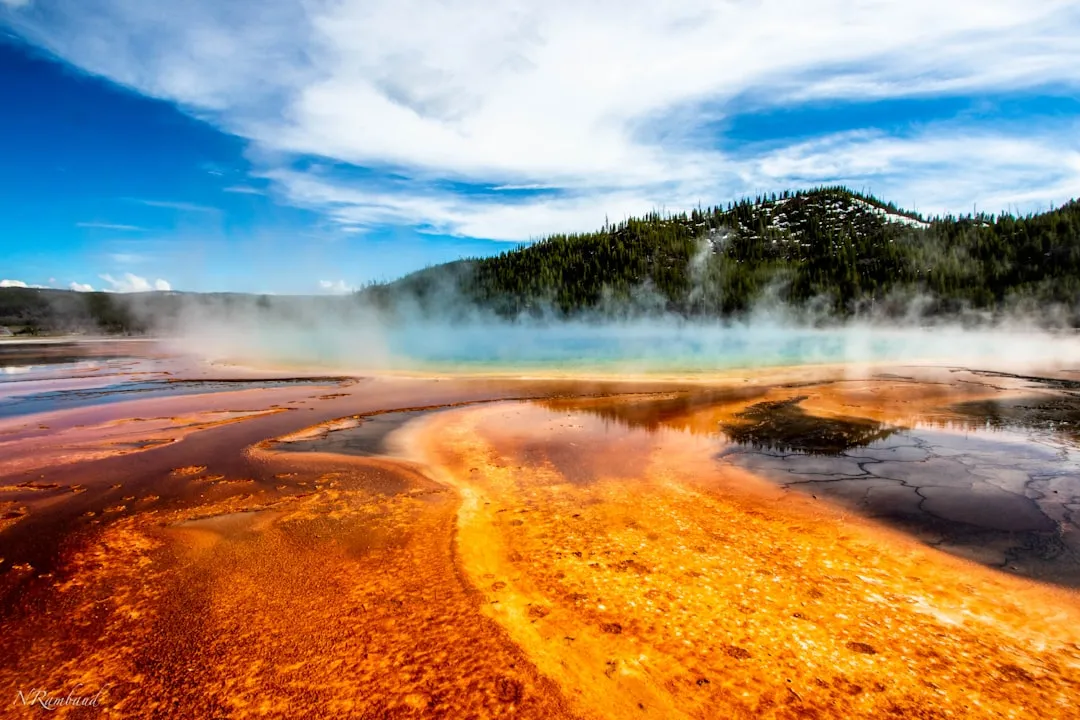
Yellowstone climbed from number four to number three in 2025 with 4,762,988 visits, a slight increase over 2024 and within shouting distance of its all-time high of 4.86 million set in 2021. The park is unlike anything else on the planet, and it draws a very specific traveler: someone who genuinely wants to understand how the earth works.
Yellowstone stands as the ultimate destination for rare geothermal activity and high-density megafauna like wolves and bears. Yellowstone fans tend to arrive with field guides, binoculars, and a list of geysers they want to witness in person. Environmental curiosity, specifically the Curiosity facet of Openness, drives genuine interest in ecology, natural history, and biological systems, converting nature contact into intellectually engaging exploration rather than passive recreation.
This is the traveler who stays an extra day just to catch Old Faithful at dawn, with no one else around. They’re not antisocial. They’re just fully absorbed by the world they’re standing in.
Rocky Mountain National Park: The Achiever
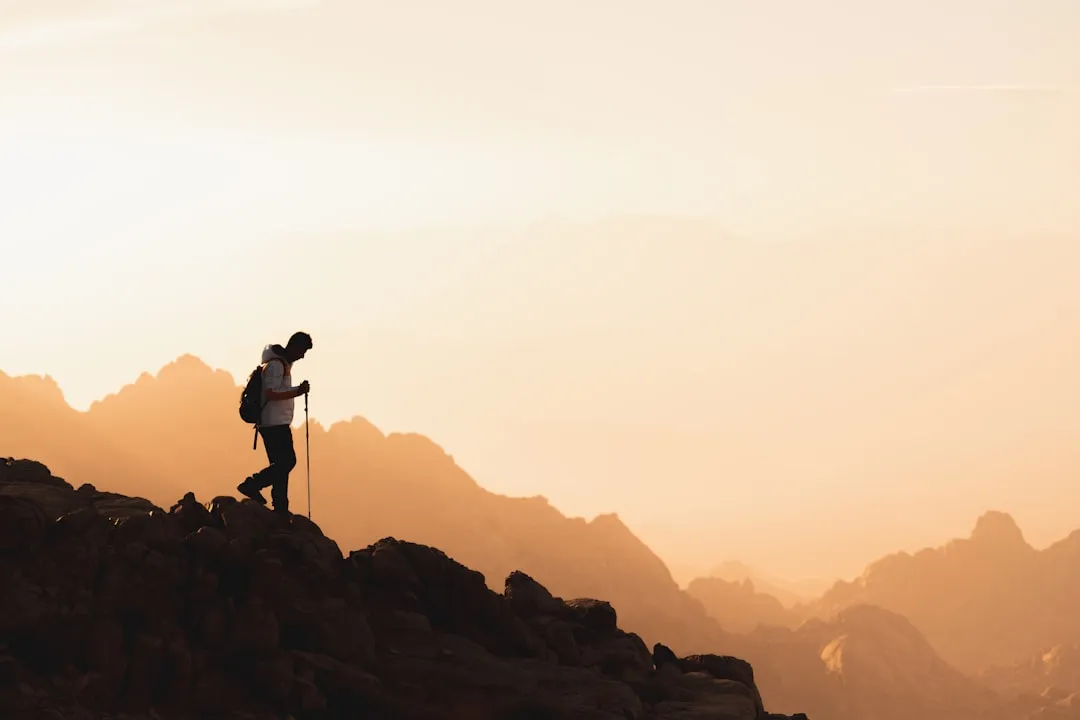
Visitation to Rocky Mountain National Park rose very slightly year over year, reaching 4.17 million visits in 2025 compared with 4.15 million in 2024. That steady, reliable growth mirrors the personality of its typical admirer: consistent, goal-oriented, and quietly proud of the effort they put in. Rocky Mountain visitors track their miles.
These numbers are undoubtedly aided by the park’s proximity to Denver and other Colorado cities, and Coloradans’ love of the Great Outdoors. But proximity doesn’t fully explain the devotion. People travel from across the country specifically for the altitude, the tundra, and the bragging rights of summiting above 14,000 feet. These are achievers at heart.
Research reveals that certain psychological traits consistently influence whether you’ll gravitate toward challenging mountain peaks, peaceful forest walks, or adrenaline-pumping adventure sports. For Rocky Mountain dreamers, the mountain peak is almost always the goal. The view from the top isn’t a bonus. It’s the whole reason.
Yosemite National Park: The Creative Soul
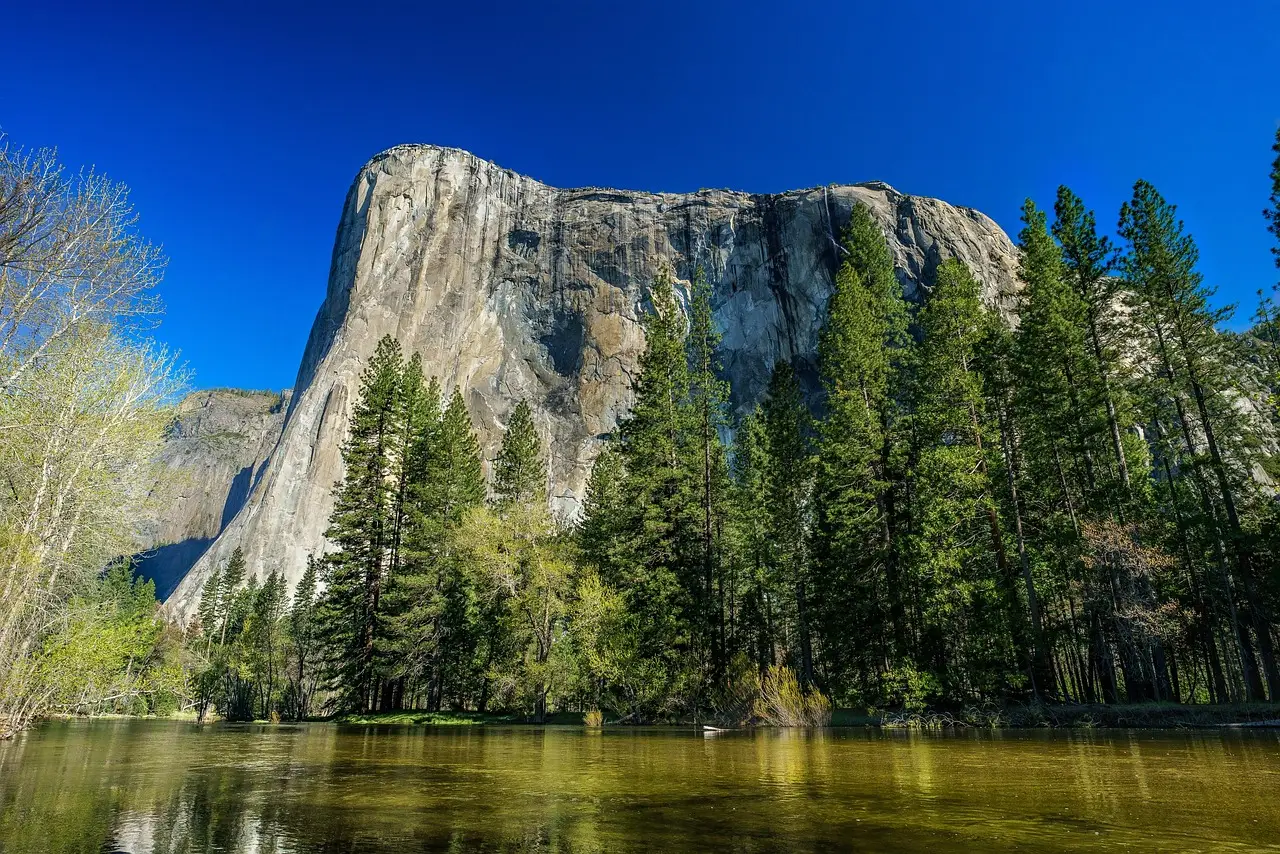
Yosemite National Park drew 4.12 million visitors in 2024, maintaining its long-held reputation as one of America’s most visually stunning landscapes. Yosemite is practically inseparable from the history of American nature photography, and that heritage still shapes who it attracts.
Yosemite provides incomparable mountain scenery, with late spring offering the most powerful waterfall views. People who dream of Yosemite almost always have an artistic sensibility. They’ve seen the Ansel Adams photographs. They want to find that particular angle of El Capitan that makes the world seem like it was designed with intention.
A person with a high level of openness to experience will often enjoy venturing beyond their comfort zone. They seek out new, unconventional and unfamiliar experiences, traveling to new destinations, embracing different cultures and practices. Yosemite lovers are deeply open in this way. They come not just to see, but to feel and create.
Acadia National Park: The Romantic Homebody
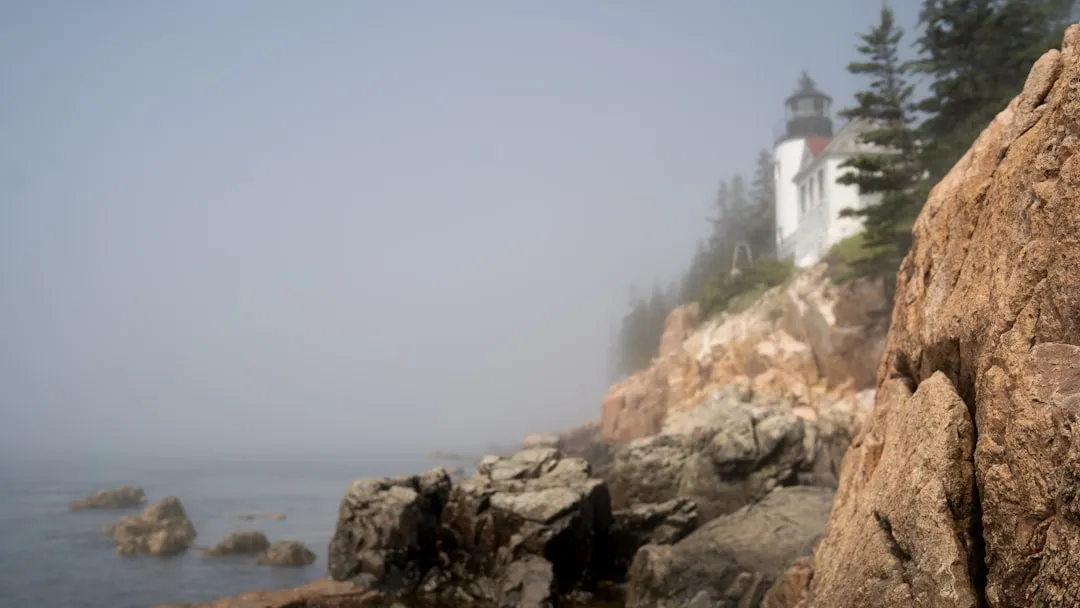
Acadia National Park drew 3.96 million visitors in 2024, making it the most-visited park in the entire northeastern United States. Acadia National Park is the most visited national park in the northeastern United States, which is fitting, because Acadia has always felt like a park that values intimacy over spectacle.
People who dream of Acadia tend to love cozy things: fog rolling in off the Atlantic, morning coffee on a rocky shore, carriage roads that feel like they belong to a different century. These aren’t thrill-seekers. They’re savors. The journey to Bar Harbor feels like part of the reward, not just the preamble to it.
Research on park visitor experiences identified five distinct groups of motivations: nature, physical accomplishments, personal sphere, infrastructure, and social interaction. These themes highlighted the contextual nature of experiences and the subjectivity of visitors’ responses. Acadia visitors lean strongly toward the personal sphere dimension. They come for how a place makes them feel, not what it lets them tick off a list.
Glacier National Park: The Purist
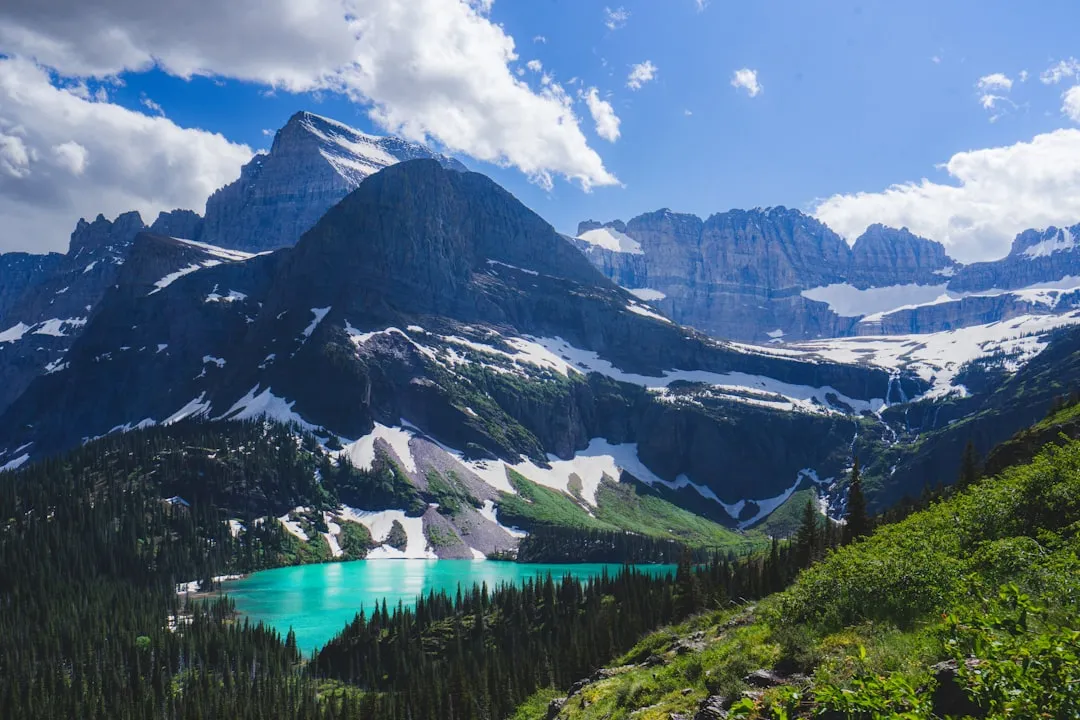
Glacier National Park in Montana is famous for alpine lakes, mountain scenery, wildlife, and the spectacular Going-to-the-Sun Road. Because the park’s high-elevation roads are only open during the warmer months, much of its visitation is concentrated into the short summer season. That narrow window is precisely part of Glacier’s appeal for the people who dream about it most.
Glacier National Park remains the top selection for those in pursuit of rugged northern beauty and pristine ecological health. Glacier fans are purists. They want wilderness that feels genuinely remote, untouched, and demanding. The park’s constraints, limited season, permits, and real physical challenge, are not deterrents to this traveler. They are qualifications.
Personality traits such as openness to experience, conscientiousness, and emotional stability can influence an individual’s connection with nature. The Glacier devotee tends to score high on conscientiousness. They research their itinerary thoroughly. They follow Leave No Trace principles with conviction. They care deeply about what happens to this place long after they leave.
Olympic National Park: The Independent Spirit
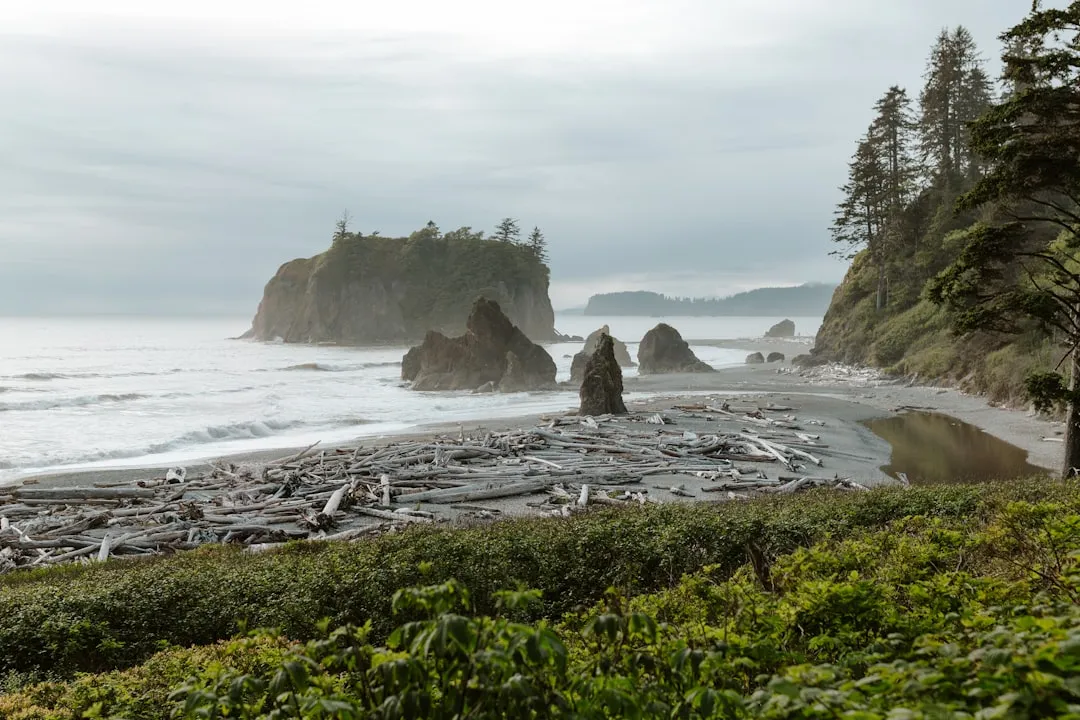
Olympic National Park drew 3.71 million visitors in 2024, a figure that consistently surprises people who haven’t been. Olympic is one of the most ecologically diverse parks in the system, shifting from temperate rainforest to alpine meadow to rugged coastline within a single park boundary. That sheer variety is a mirror for the traveler who resists easy categories.
Olympic fans tend to be people who don’t need a plan, or at least don’t need a rigid one. The Hoh Rainforest one morning, the tide pools at Rialto Beach the next. Travelers increasingly seek flexible itineraries allowing them to combine hiking, camping, wildlife tourism, photography travel, and scenic drives within one extended journey. Olympic is the park that rewards exactly that kind of open-ended curiosity.
Nature connectedness represents a profound psychological trait that shapes how you experience and interact with natural environments. This deep bond influences outdoor preferences in ways that extend far beyond simple recreational choices. Olympic lovers feel this at a cellular level. For them, the park isn’t a destination. It’s a relationship.
Gates of the Arctic: The True Solitude-Seeker
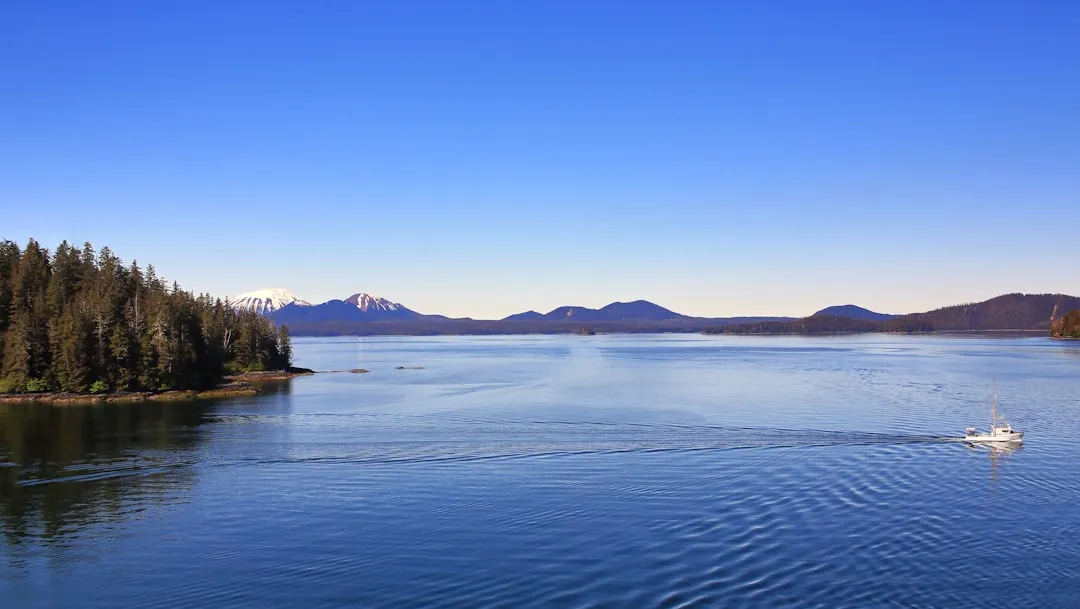
Gates of the Arctic National Park and Preserve in Alaska welcomed just under 12,000 visitors in 2024, making it consistently the least-visited national park in the entire system. There are no roads. No visitor centers. No infrastructure to speak of. And that is, for a very specific type of person, the whole appeal.
It is unsurprising that the least-visited national park is also one of the hardest to access. Gates of the Arctic National Park and Preserve, located in Alaska, welcomed just under 12,000 visitors last year. The people who dream about Gates of the Arctic are not running from something. They are running toward quiet, toward genuine vastness, toward a landscape that has no interest in making itself convenient for you.
The experience of being in nature is not uniform across people. While natural environments provide measurable benefits for most people, the degree of nature affinity, the form of outdoor engagement, and the psychological benefits received all vary systematically with personality. Gates of the Arctic visitors occupy the far end of that spectrum. They want nature fully unmediated, and they’re more than willing to work for it.
The Takeaway
Social scientists come to national parks to study people. Parks are described as “social laboratories” that can yield valuable insights about people, our activities, and the meanings we find in parks. That framing feels right. Every park has its own quiet character, and the travelers who love each one most deeply tend to carry some of that character within themselves.
A park’s popularity can depend on many things, including ease of access, perceived natural beauty, social popularity and recreational opportunities. Yet beyond logistics, there’s something more personal at work. The landscapes we return to in our imagination usually tell us something worth knowing about who we are and what we genuinely need from the world.
Maybe the most honest travel planning starts not with a map, but with a quiet look inward.
AI Disclaimer: This article was created with the assistance of AI tools and reviewed by a human editor.