
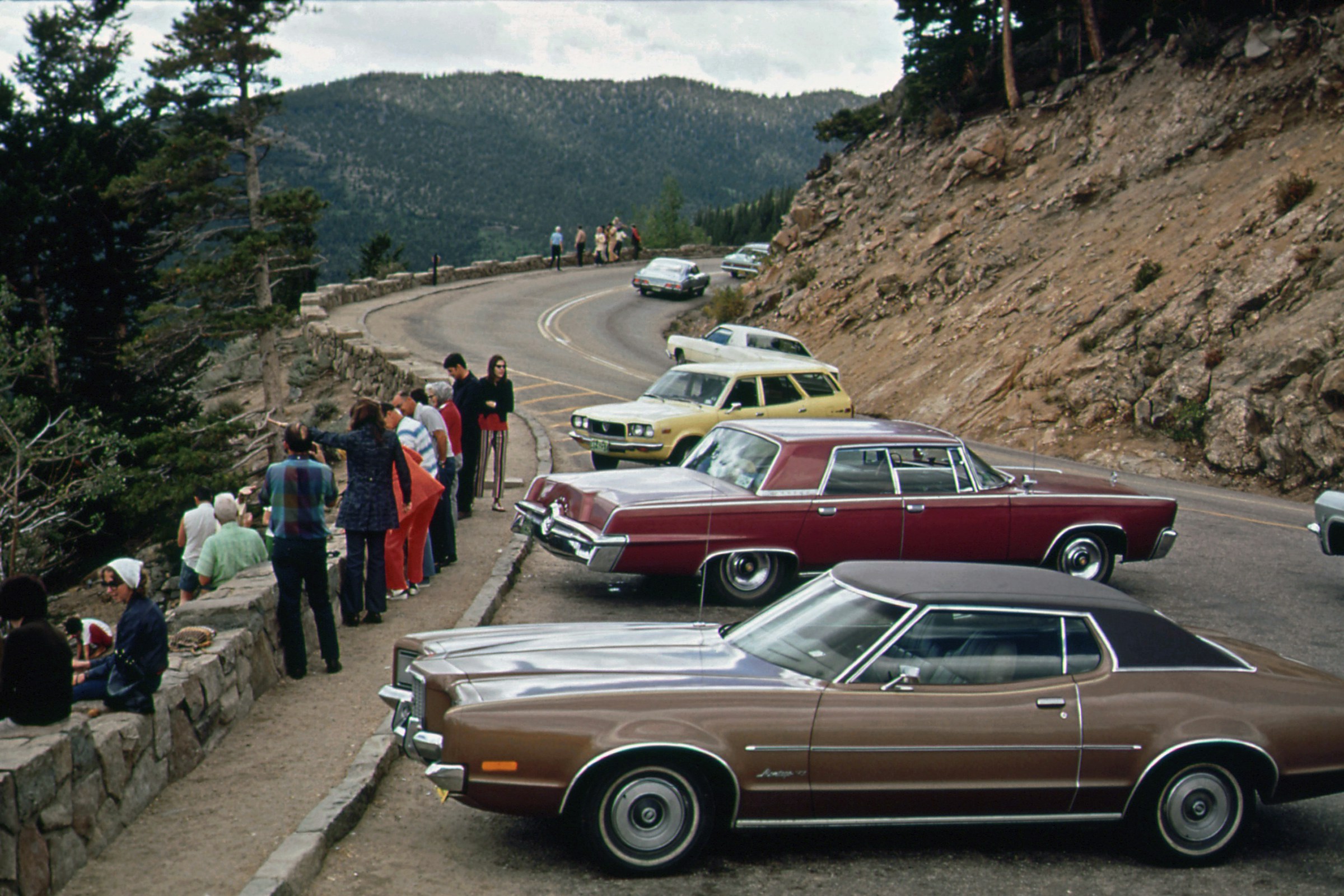

There’s a particular kind of quiet that only exists between radio songs on a long stretch of highway. No notifications, no pings, no algorithm deciding what comes next. For Baby Boomers, that quiet was the soundtrack of summer, and the road trip was where family life played out in its most honest, unscripted form.
According to author Richard Ratay, who wrote extensively on the subject, the golden age of road trips was from the 1950s to the 1970s. It’s a window of time that a whole generation still carries in their memory, not always with perfect accuracy, but with a warmth that’s hard to replicate. What follows are ten things that defined that era, with the one thing Boomers miss most saved for last.
The Station Wagon as a Rolling Home
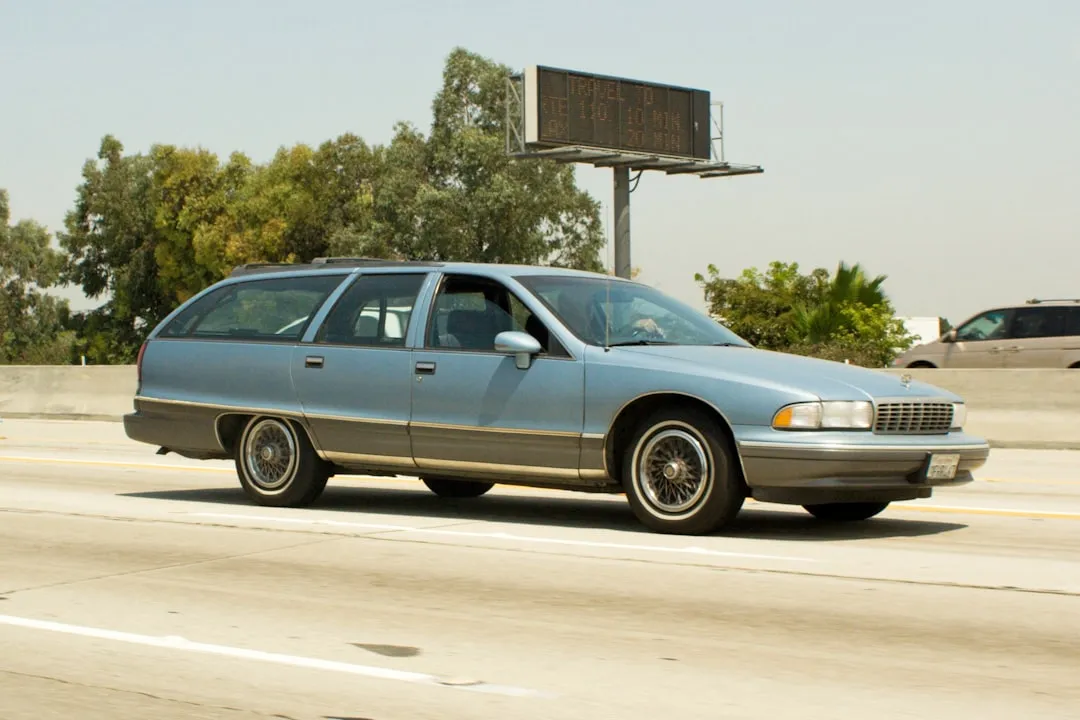
Families squeezed into station wagons with coolers and Polaroids, and friends cruised in vans plastered with bumper stickers and dreams of the open road. These vehicles weren’t just transportation. They were shared space, compressed and intimate in a way that no modern SUV with individual climate zones can replicate.
Classic cars evoke the allure and craftsmanship of a bygone era. These vehicles were not just modes of transportation but works of art, each with its distinct style and character. Driving a classic car was an experience, with the roar of the engine and the feel of the road adding to the thrill.
For many Baby Boomers, these cars represent freedom, adventure, and a connection to a time when life moved at a different pace. That connection wasn’t metaphorical. It was physical, felt through the seat, the wind, and the rumble of the road beneath you.
The Paper Map and the Art of Getting Lost
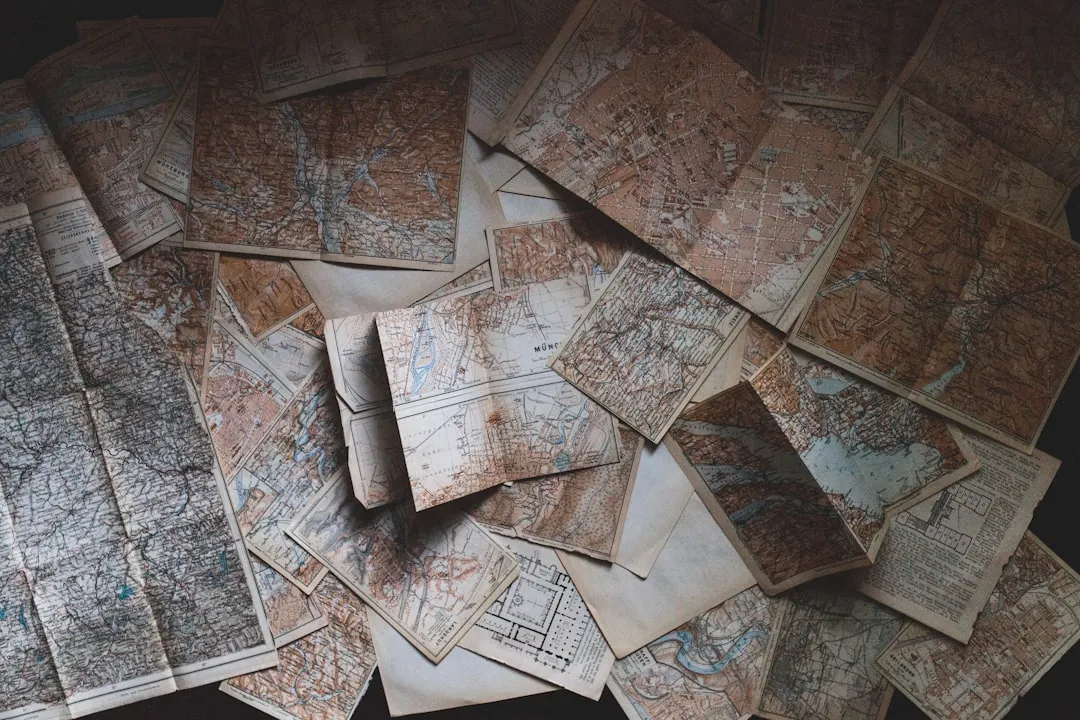
Road trips required preparation, spreading maps across the kitchen table, highlighting routes, and calculating distances. GPS didn’t exist, so planning was everything. The navigator held serious responsibility, calling out turns and tracking progress.
Every family had that enormous, coffee-stained atlas that lived permanently in the car and sparked more arguments than politics at Thanksgiving dinner. The navigator would try to refold it while the driver insisted they knew a shortcut that wasn’t on any map.
Getting lost was part of the adventure. Folding the map back correctly was nearly impossible, but the teamwork and shared decision-making made every journey feel collaborative and memorable. That tension between planning and improvisation gave every trip its own unpredictable shape.
Roadside America Before the Chains Took Over
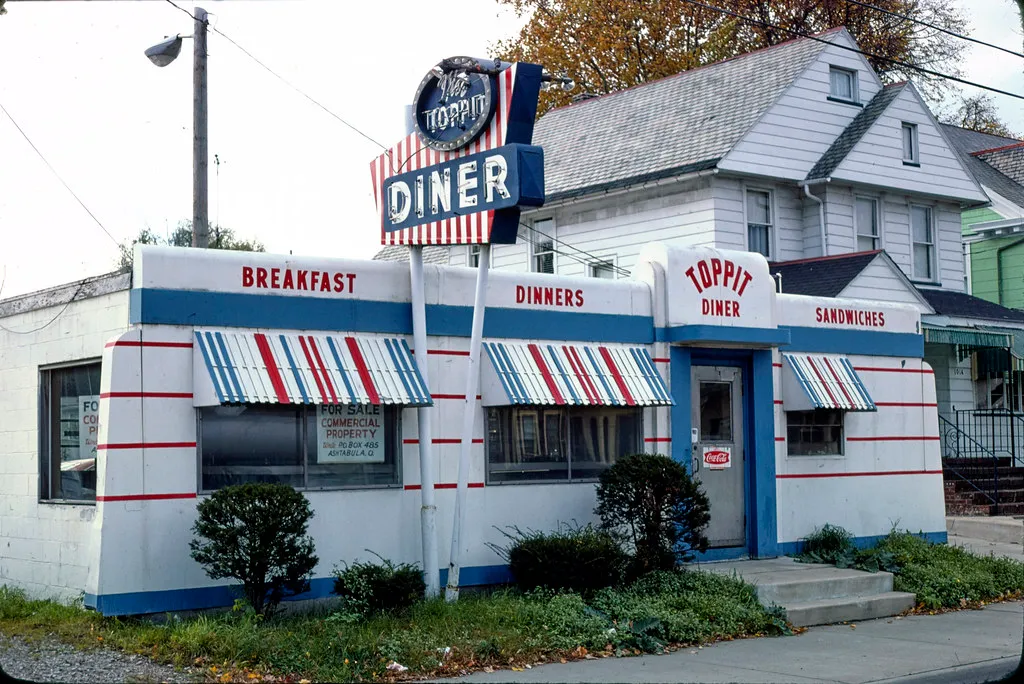
In the old days on a small highway, you would drive through each small town and village and see all the businesses and people. Now you drive around towns rather than through them. That shift changed everything about what it felt like to be on the road.
The biggest differences were that the interstate system was still being built, so you had long stretches of two-lane highway, and chain restaurants and such were much less common. There were many local restaurants, diners, and motels that each had their own distinct way of doing things.
Gas was cheap, the music was loud, and every stop along the way felt like an adventure waiting to happen. Roadside diners, quirky motels, and hand-painted signs became part of the story, etched into memories and photo albums. Today, that landscape has largely been replaced by the familiar geometry of chain franchises and freeway exit clusters.
The Full Nation on the Move
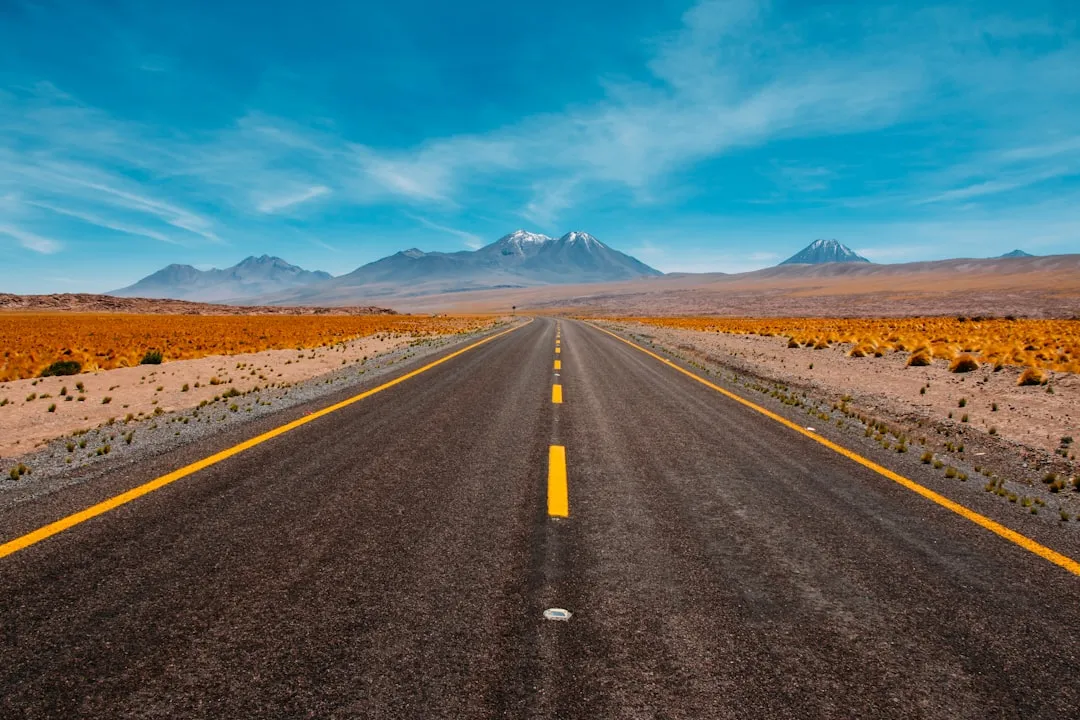
With financial struggles on the rise and morale plummeting, many families sought an affordable way to escape the daily pressures of life while spending time together. Surprisingly, roughly four in five Americans took vacations during the 1970s, up from about three in five the decade before. Attendance at historic sites, national parks, and other attractions also surged, and most visitors arrived by car.
Air travel, at that time, was prohibitively expensive. On average, you would pay anywhere from two to eight times as much as what you would pay today for the same air ticket. The car wasn’t a compromise. It was the only realistic option for millions of families, and that democratization of travel gave the road trip its cultural weight.
Taking a vacation became an American tradition for a growing number of middle-class families after World War II as a result of postwar prosperity, mass consumption, paid vacation leaves, and the development of the new interstate highway system. By the 1970s, this tradition was in full bloom, shared by nearly every family regardless of background.
AM Radio and the Joy of Unpredictable Music
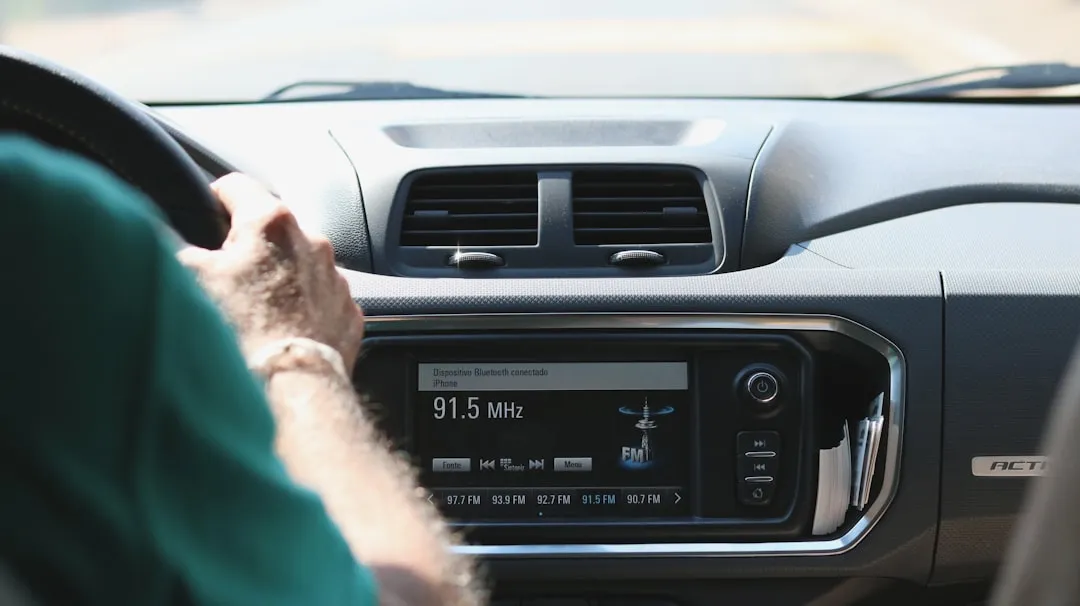
America in the 1970s was a country of endless highways, neon signs, and a sense of freedom that could be felt with every mile. It was a decade of change. Young people were looking for new ways to express themselves, road trip culture was flourishing, and rock ‘n’ roll and disco played from car radios at every turn.
The landscape of AM and FM radio was going through its own shifts. By the mid-1970s, FM radio accounted for one-third of all radio listening but only fourteen percent of radio profits. Stations began tightening their playlists and narrowing their formats, and by the end of the decade the progressive radio of the previous decade had become difficult to find.
Before that narrowing happened, the car radio was pure discovery. You might pull in a signal from three states away, catch a song you’d never heard, or drift between static and something wonderful. There was no skip button, no playlist, no algorithm. Just whatever the airwaves decided to give you that mile.
The Full-Service Gas Station Stop
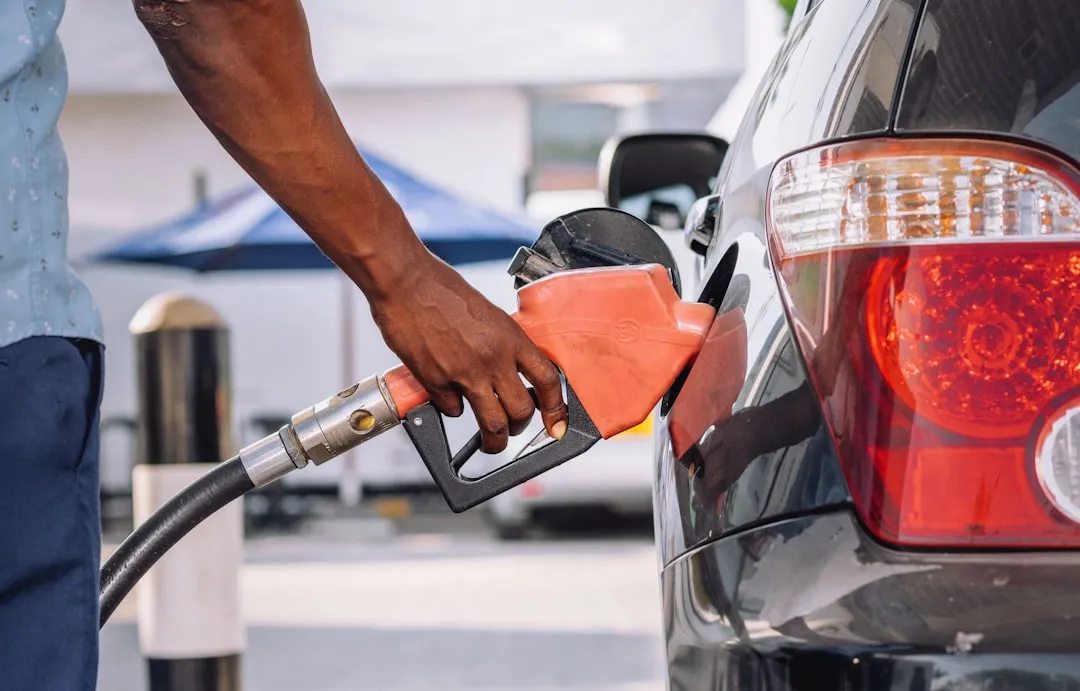
The first self-service gas station opened in Los Angeles in 1947, but the practice didn’t become widespread until the 1970s. Before then, a gas station attendant would fill your tank and process your payment, adding a personal touch to the fueling experience.
Those stops were brief, human rituals. Someone came to you, asked how far you were going, wiped your windshield without being asked. It wasn’t efficient by modern standards, but it was warm. It built in small, natural pauses that felt like the road itself was telling you to breathe.
Gas prices in the 1960s and 1970s hovered below 50 cents per gallon, that is, until the Arab nations that made up OPEC put an oil embargo on the United States during 1973. That first wave of fuel anxiety changed road trip planning forever, but before 1973, the open road was genuinely affordable for almost everyone.
Sleeping in Mom-and-Pop Motels
Most of the places families stayed were owned by families who lived there. Even the bigger chains like the Best Western that some stayed at in Georgia were run by local people. That distinction mattered more than any amenity. You weren’t checking into a brand. You were a guest in someone’s livelihood.
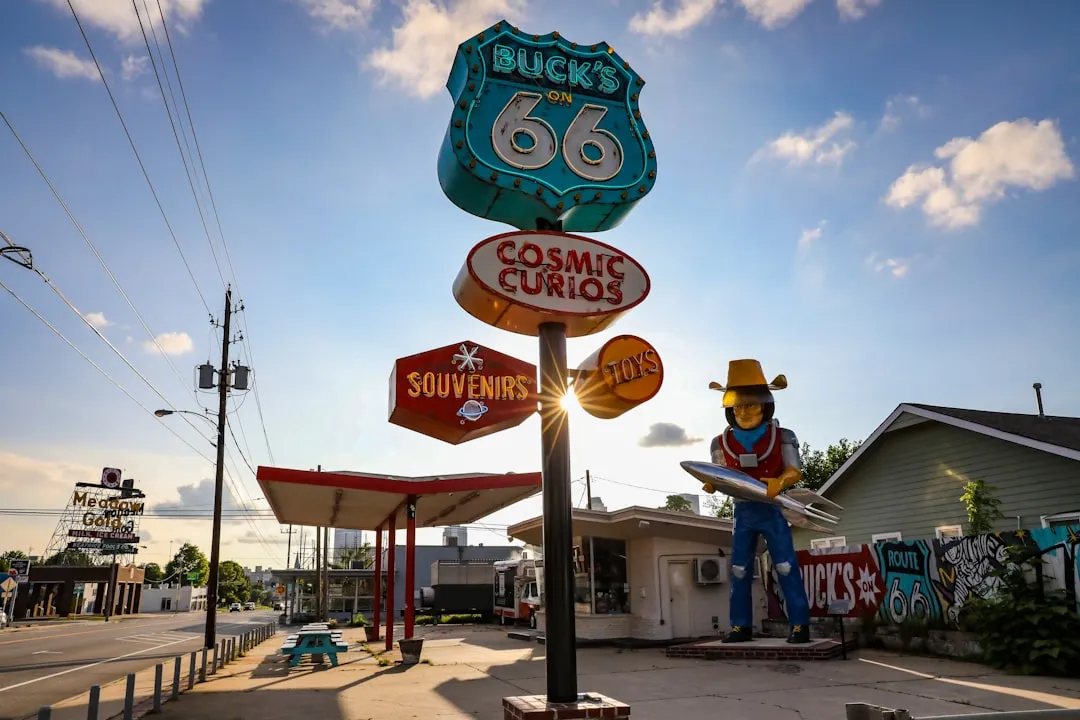
Following World War II, motels became a ubiquitous sight along American highways, providing a convenient and affordable option for an overnight stay. By the 1970s, these places had character: neon signs that buzzed softly in the dark, outdoor pools that smelled of chlorine, ice machines that rattled at the end of the corridor.
Preserved neon signs, revived diners, and restored motels keep Route 66’s quirky roadside traditions alive. It now stands as a symbol of freedom and fading Americana after the 1970s. That a preservation movement was needed says everything about how thoroughly the original motel culture has disappeared.
The Spontaneity of Not Knowing What Came Next
The old way of traveling meant there was a lot of serendipity happening. You’d head to some town you knew nothing about and get chatting with someone on the bus who would then invite you to stay at their house. That kind of unplanned human contact was a feature, not a flaw, of 1970s road travel.
The route could vary dramatically based on what happened over the course of the trip. The real joy of the road trip lies in its spontaneity and unpredictability. Today, every step of a journey can be tracked, reviewed, and optimized before departure. That certainty costs something.
The key to recreating that 1970s road trip feeling isn’t just about the destination, it’s about embracing the journey itself. Take the scenic routes, stop at local diners instead of chain restaurants, and don’t over-plan your itinerary. The best road trips happen when you’re willing to follow interesting signs, strike up conversations with locals, and remember that sometimes the best discoveries come from simply staying curious about what’s around the next bend.
National Parks Before the Crowds Arrived
About four in five Americans took vacations during the 1970s, and attendance at historic sites, national parks, and other attractions surged, with most visitors arriving by car. The parks were busy, but not overwhelmed. Arriving without a reservation wasn’t a gamble. It was simply how you did it.
Some of the most popular and most affordable destinations for vacations were national parks. Americans relished time away from overcrowded cities and the frenetic pace of everyday life and believed that they could find peacefulness and serenity in nature. That belief shaped an entire generation’s relationship with the American landscape.
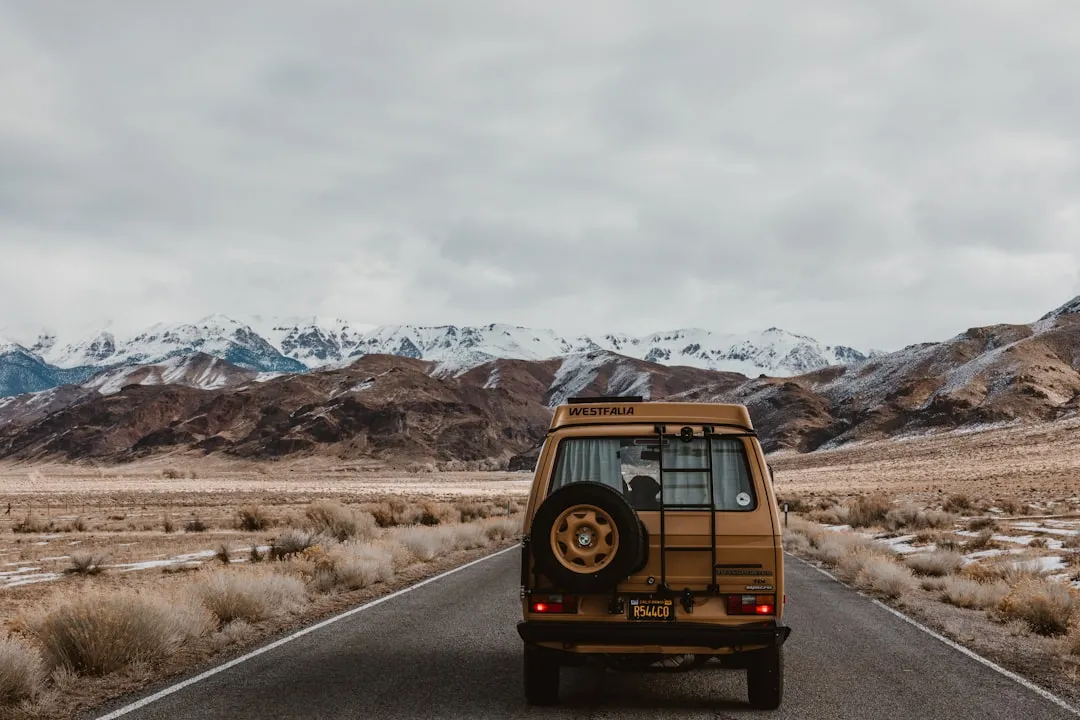
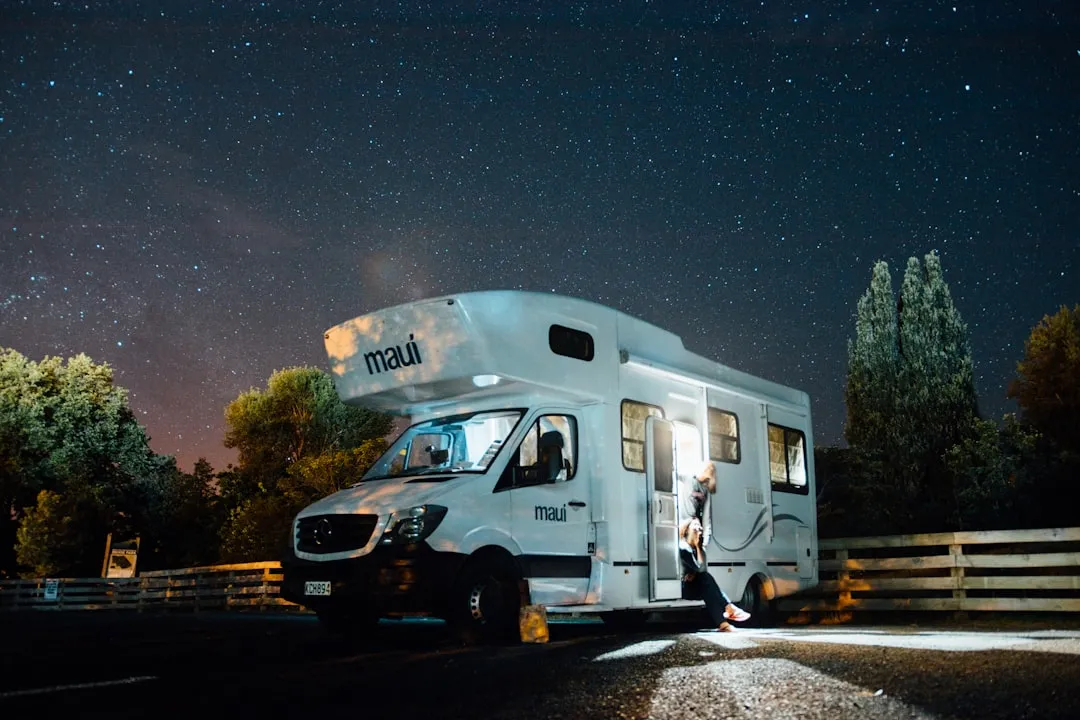
Camping, especially in recreational vehicles, became a symbol of 1970s American travel. Americans hit the road in vans, pop-up trailers, and RVs, particularly those celebrating the hippie movement. Combined with scenic roadways like the Blue Ridge Parkway, you had the makings of an epic road trip.
The One Thing They Miss Most: Uninterrupted Time With Each Other
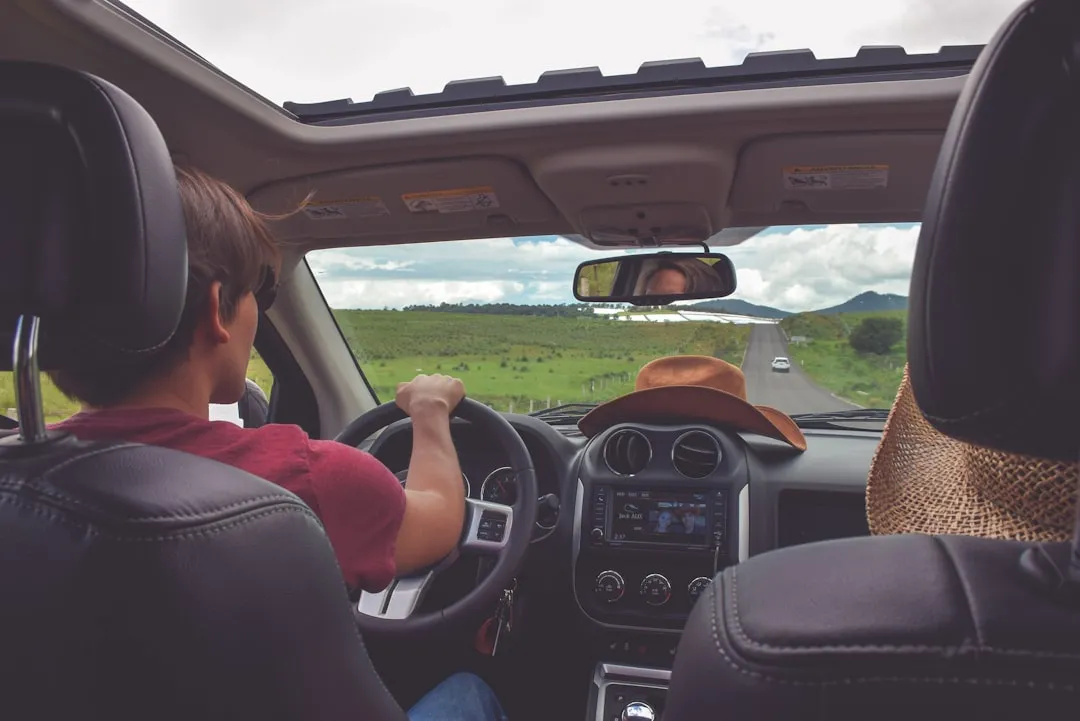
Those long stretches where boredom forced families into conversation or contemplation. No screens, no entertainment on demand, just the thoughts in your head and the people in your car. This is the one. Not the gas prices or the paper maps or the neon motels. It’s this.
Boredom wasn’t just empty time; it was fertile ground for imagination, for processing life, for actually connecting with the people three feet away from you. That enforced togetherness produced something that no app or streaming service can manufacture: genuine, unhurried presence.
Technology has changed the vibe of the modern road trip. In the backseats of cars today, where families once played games like the license plate game and the alphabet game, everybody now has devices. What got traded away wasn’t boredom. It was the conversations that grew from it, and the closeness that followed.
The Takeaway
Road trips in the 1970s were imperfect. The 1970s weren’t some golden era for everyone. Many people felt stuck, with a bad economy, sky-high inflation, and cold war paranoia defining the decade. Nostalgia smooths those edges, as it always does.
What remains true, though, is that the physical act of being in a car together, without exits into private digital worlds, did something to families that’s genuinely difficult to recreate now. Those empty hours taught patience, creativity, and the art of conversation. They forced people to be present, to notice the world, to rely on each other.
The open road hasn’t changed much. The people riding it have. And perhaps that’s the real thing worth reflecting on, not with grief, but with a quiet awareness of what gets left behind each time we gain something new.
AI Disclaimer: This article was created with the assistance of AI tools and reviewed by a human editor.