
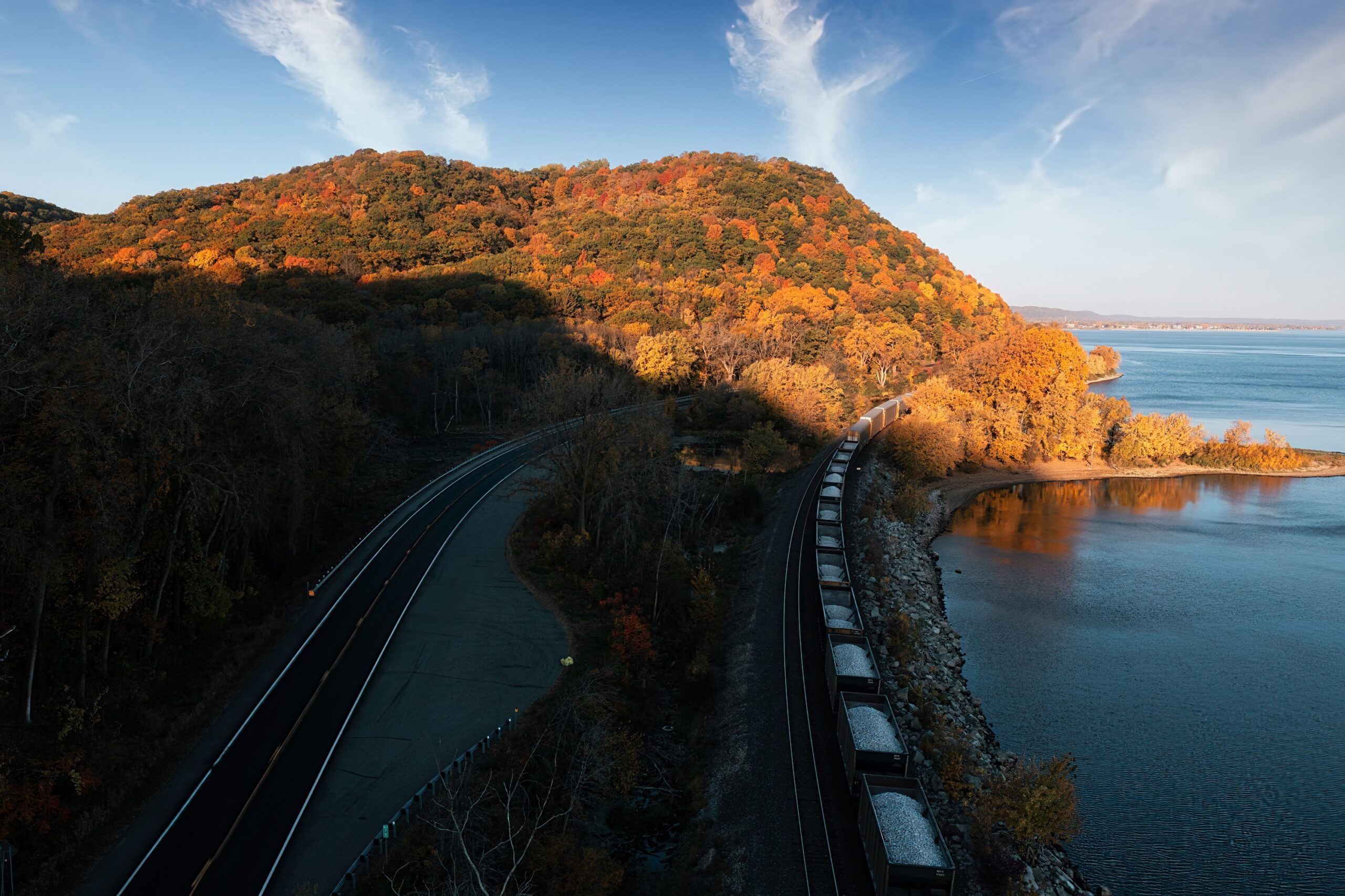

There is something about a long train journey that a flight can never replicate. You watch entire landscapes unfold rather than skip over them, and time slows down in a way that feels almost deliberate. For a growing number of travelers in 2026, that feeling is not a concession to nostalgia. It is the whole point.
Train travel is not just making a comeback. With a renewed focus on slow, scenic, and sustainable travel, luxury and heritage rail experiences are being reimagined for the modern traveler. The routes that once defined an era of glamour are being rediscovered, restored, and ridden by people who want something richer than a seat in a pressurized cabin.
The California Zephyr: America’s Most Storied Long-Distance Route
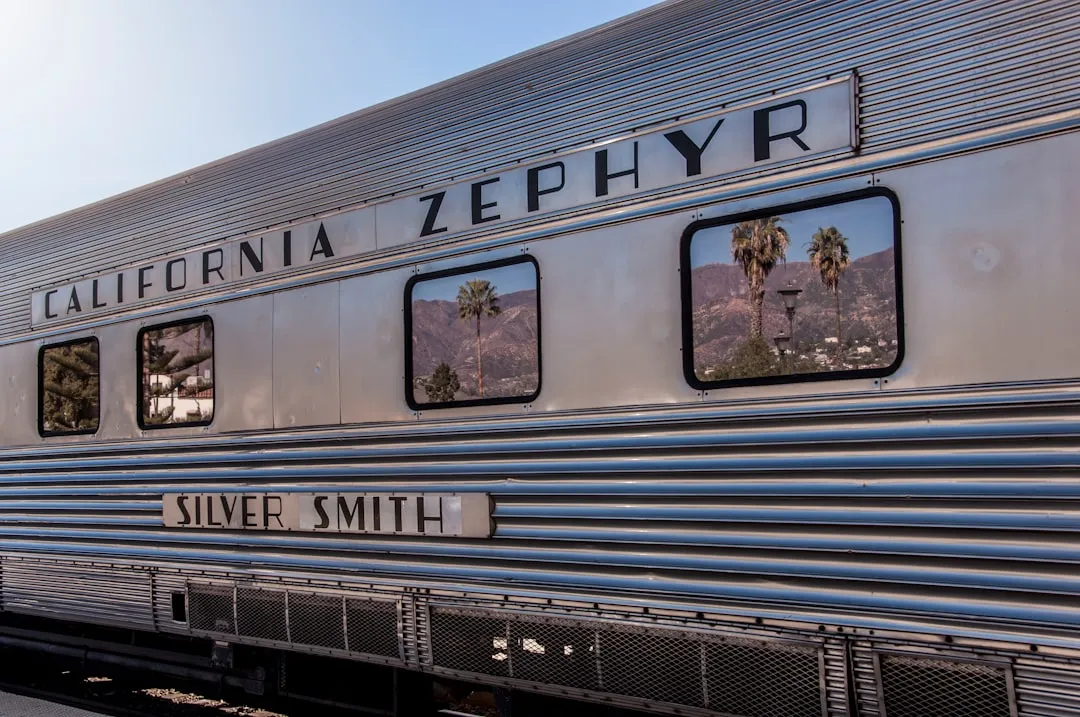
The California Zephyr is a long-distance passenger train operated by Amtrak between Chicago and the San Francisco Bay Area, via Omaha, Denver, Salt Lake City, and Reno. At 2,438 miles, it is Amtrak’s longest daily route, with travel time between the termini taking approximately 52 hours.
Originally launched in 1949 and hailed as one of the most scenic train routes in the United States, the route traversed the Rockies offering panoramic views of snow-capped peaks, deep canyons, and winding rivers, and was celebrated for its vista-dome cars featuring glass-topped observation decks that provided unobstructed views of the landscapes.
Scenic highlights include the Rocky Mountains, the Sierra Nevadas, Moffat Tunnel, Colorado’s Gore, Byers and Glenwood Canyons, Winter Park, Truckee River, Donner Lake, San Pablo Bay and the Carquinez Strait. Amtrak posted record ridership numbers in 2025, reflecting just how many travelers are rediscovering what this route has always quietly offered.
The Venice Simplon-Orient-Express: Rolling Art Deco Across Europe
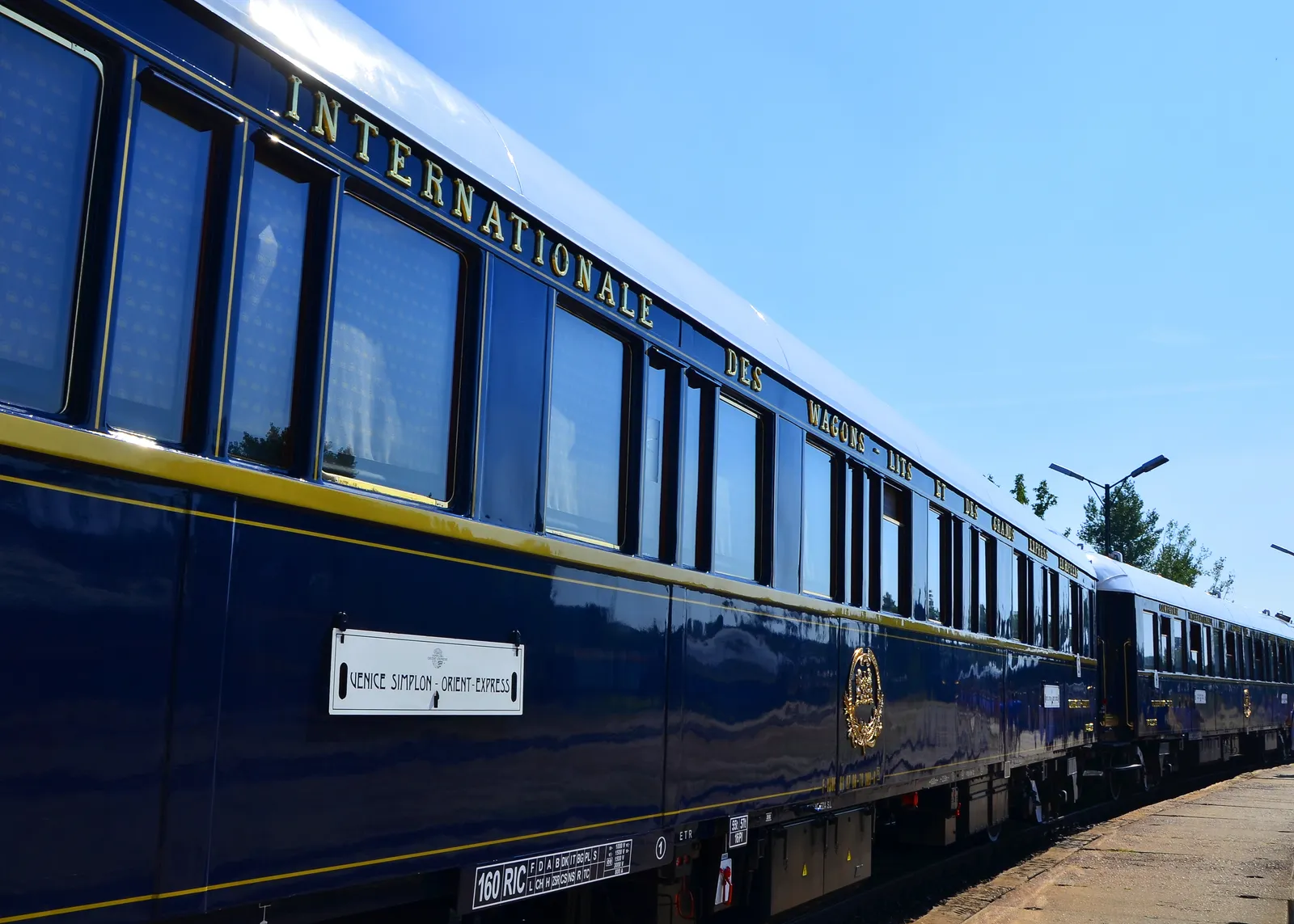
The Venice Simplon-Orient-Express is a luxury passenger train operating authentic restored carriages from the 1920s and 1940s across Europe. As of 2026, the oldest carriages are approaching 100 years old, with original Art Deco marquetry, Lalique glasswork, and brass fittings that are not reproductions.
Its beautifully restored 1920s carriages feature polished wood and vintage detailing that capture the glamour of the Golden Age of Travel. By day, elegant twin cabins offer relaxing views across Europe’s landscapes; by night, they transform into sumptuous sleeping quarters. Fine dining, refined service and atmospheric bar and restaurant cars ensure every moment feels indulgent.
The VSOE is operated by Belmond, running London-Venice and other European routes from March to November. Cabins start at approximately £3,530 per person on the flagship London-Venice route, rising to £17,500 or more for the Paris-Istanbul grand journey.
The Empire Builder: Following the Frontier Spirit North
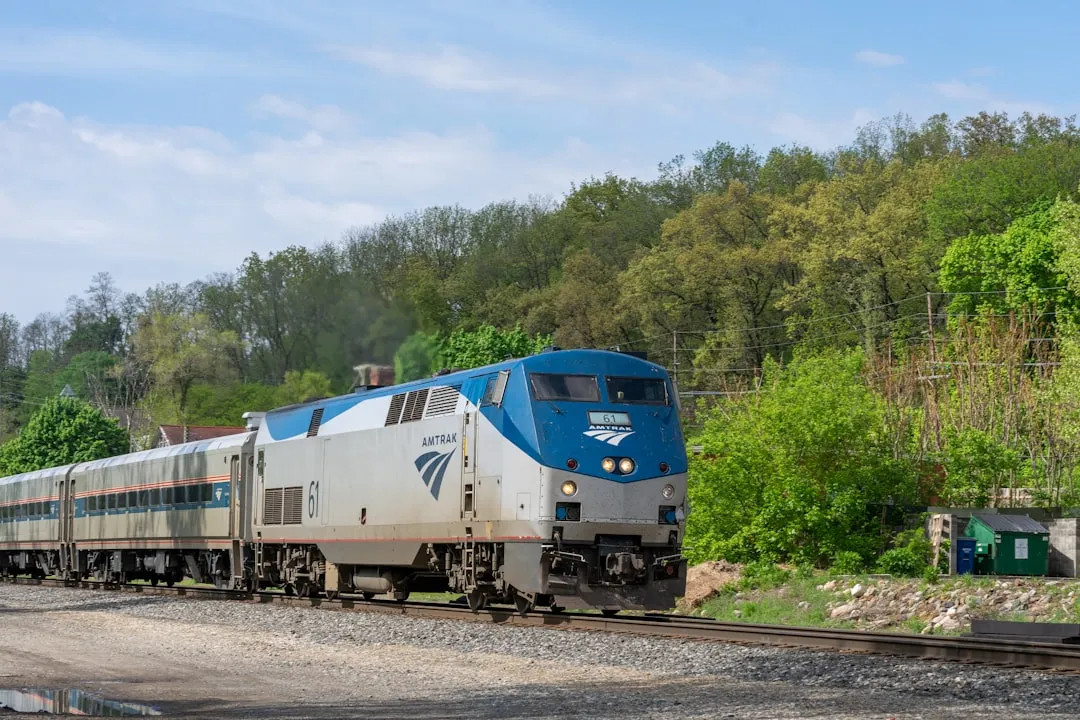
Named for railroad tycoon James J. Hill, the Empire Builder traces the northern edge of America from Chicago to Seattle through landscapes that defined the frontier spirit. Passengers drift to sleep in North Dakota’s plains and wake to Montana’s Glacier National Park pressed against their windows, a 2,200-mile journey through America’s northern wilderness.
The train follows much of Lewis and Clark’s historic route, with the dining car serving regional specialties as the mighty Mississippi, endless wheat fields, and eventually the Cascade Mountains roll by. The Empire Builder’s heritage stretches back to 1929, when the Great Northern Railway introduced it as their premier service.
Few train routes in North America blend history and geography this seamlessly. Boarding the Empire Builder feels less like taking a train and more like reading the American continent from the inside out, one slow mile at a time.
The Glacier Express: The World’s Slowest Express Train
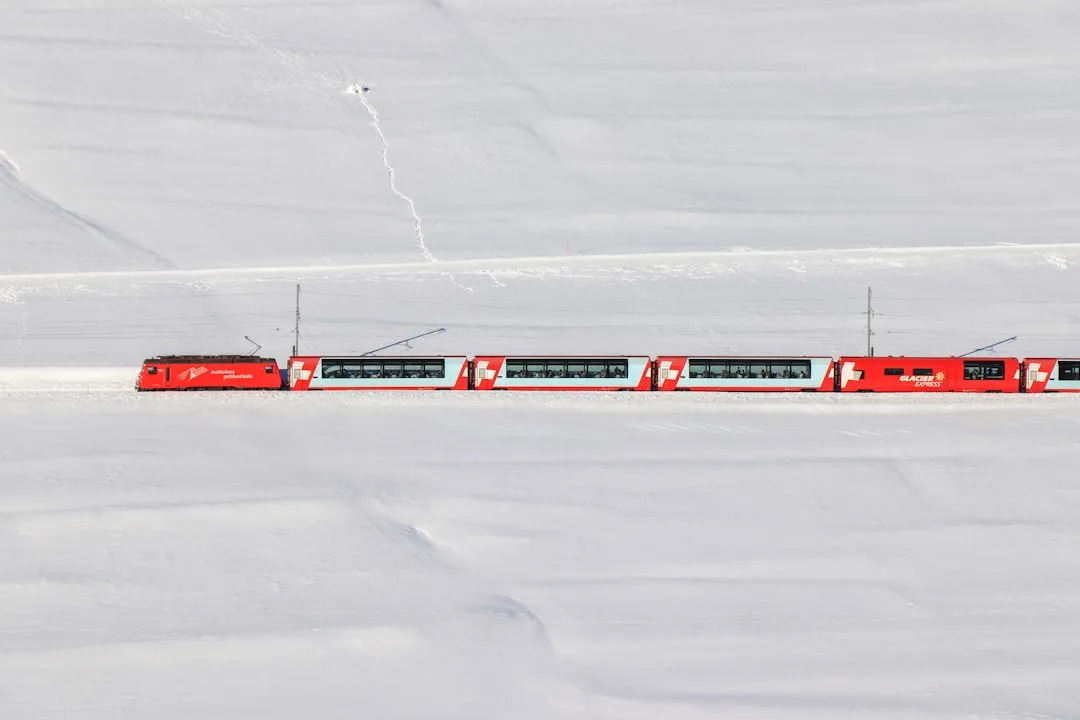
The Glacier Express is often regarded as the best train ride in Europe, offering unparalleled views of the Swiss Alps no matter the season. The train ride takes approximately 8 hours to travel between the Swiss towns of Zermatt and St. Moritz, offering a leisurely scenic journey.
Highlights include crossing the Landwasser Viaduct and the Oberalp Pass. Snow-capped peaks, deep gorges, and charming Swiss villages unfold outside the panoramic windows, and the slow pace allows for leisurely enjoyment of the scenery, making it one of the top scenic train journeys worldwide.
In September 2024, the Bernina Express, another iconic Swiss route, announced fleet upgrades with modern interiors and power outlets, set for completion by April 2025, signaling that the Swiss rail experience continues to evolve thoughtfully without sacrificing what makes it special.
The Durango and Silverton Narrow Gauge Railroad: Living History in Colorado
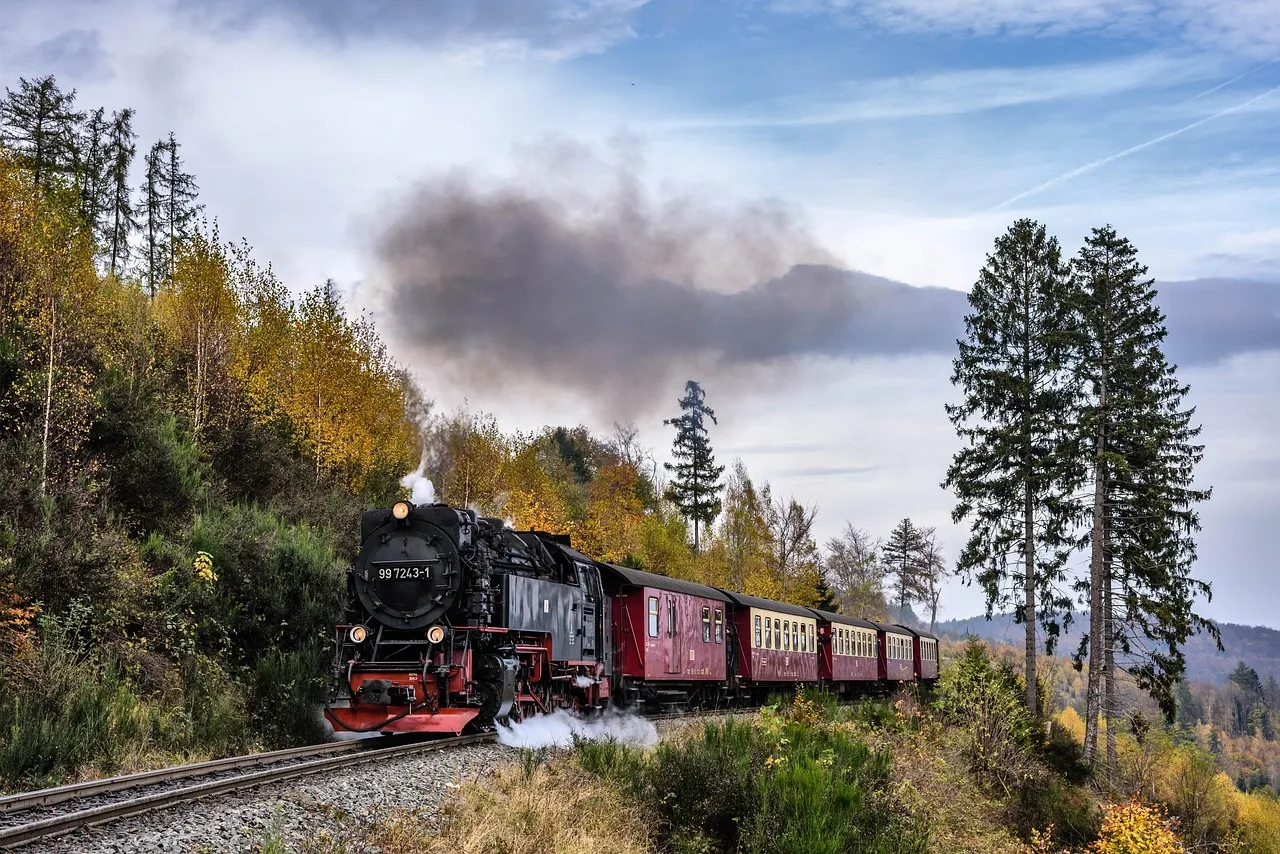
The Durango and Silverton Narrow Gauge Railroad has been part of Colorado’s history since 1881, originally serving the mining industry. Operating from Silverton to Durango, the history of America’s mining era is illustrated through the region’s economic growth, and the railroad has been designated as a National Historic Landmark since 1961.
Today, the railroad operates as a heritage line, offering passengers a glimpse into the preserving legacy of Colorado’s mining history. The steam locomotives that pull these cars are not replicas. They are genuinely original machines, still doing what they were built to do more than a century ago.
Riding this route through the San Juan Mountains is one of the more visceral heritage rail experiences available in the United States. The narrow canyon, the river below, and the sound of a steam whistle echoing off rock walls combine into something that no photograph quite captures.
The Maharajas’ Express: India’s Palace on Rails
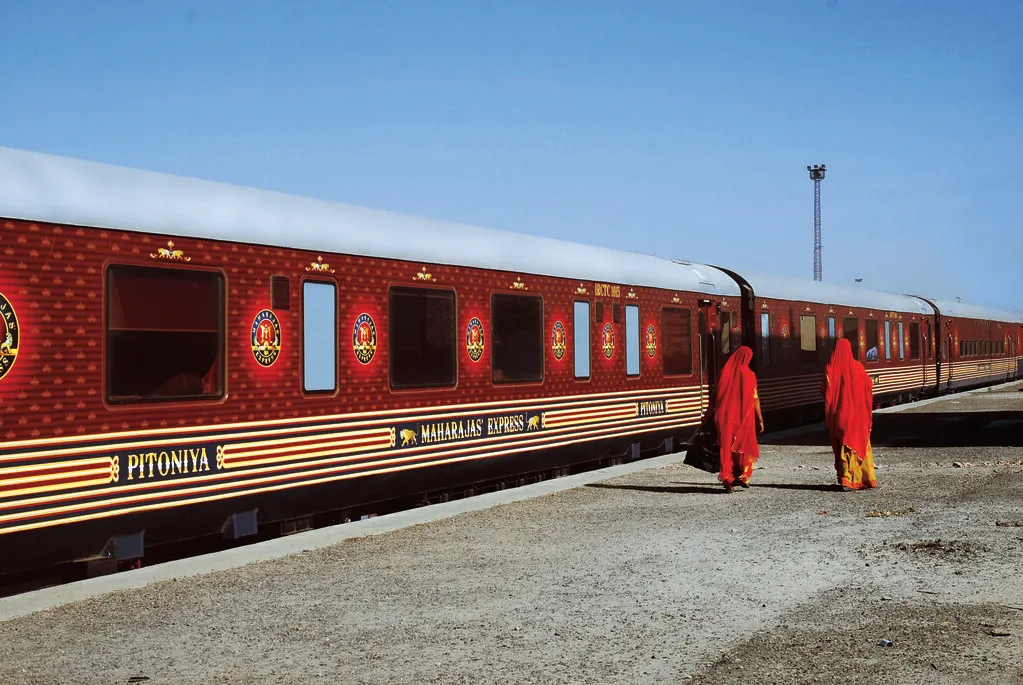
The Maharajas’ Express, a luxury train service operated by the Indian Railways, conjures a bygone era of train travel. It was custom-built to be the most luxurious train in India, offering state-of-the-art facilities and amenities.
Train decor is inspired by the palaces of the Maharajas and features amenities including an on-board gym and spa, two restaurants, bar cars, and even a sauna. Every detail on board is calibrated to echo the grandeur of a specific historical moment in Indian culture.
The Maharajas’ Express offers unparalleled luxury, service, and unique experiences in 2025 and beyond. For travelers drawn to the idea of experiencing India not just geographically but historically, boarding this train feels like stepping into a world that has been carefully and lovingly preserved.
The Rocky Mountaineer: Glass Ceilings and Canadian Peaks
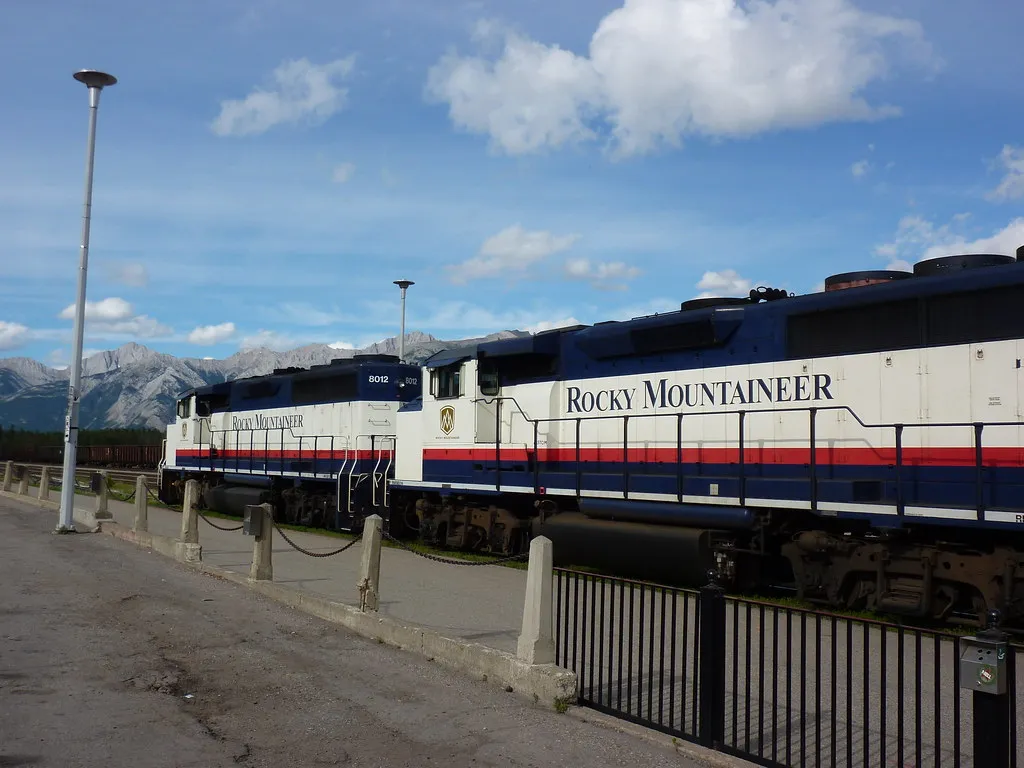
Known for its glass-domed cars offering unparalleled views of the Canadian Rockies, the Rocky Mountaineer provides stunning vistas of mountains, forests, and rivers. It has been on the Society of International Railway Travelers’ World’s Top 25 Trains list since it started, having been awarded the right to operate routes in the Canadian Rockies in 1990 by the Canadian government.
The Rocky Mountaineer is the picture of modern-day luxury, and travel on it is especially elegant if you book Gold Service, which lets guests sit under a glass ceiling on the train’s second floor. Both silver and gold service come with friendly hosts, gourmet breakfasts and lunches, and endlessly amazing views.
The route runs only during daylight hours, so passengers never miss a single ridge line or glacial river. That choice is intentional, and it says something quiet but significant about a train operator that understands its own greatest asset.
The Flåm Railway: Norway’s Engineering Marvel
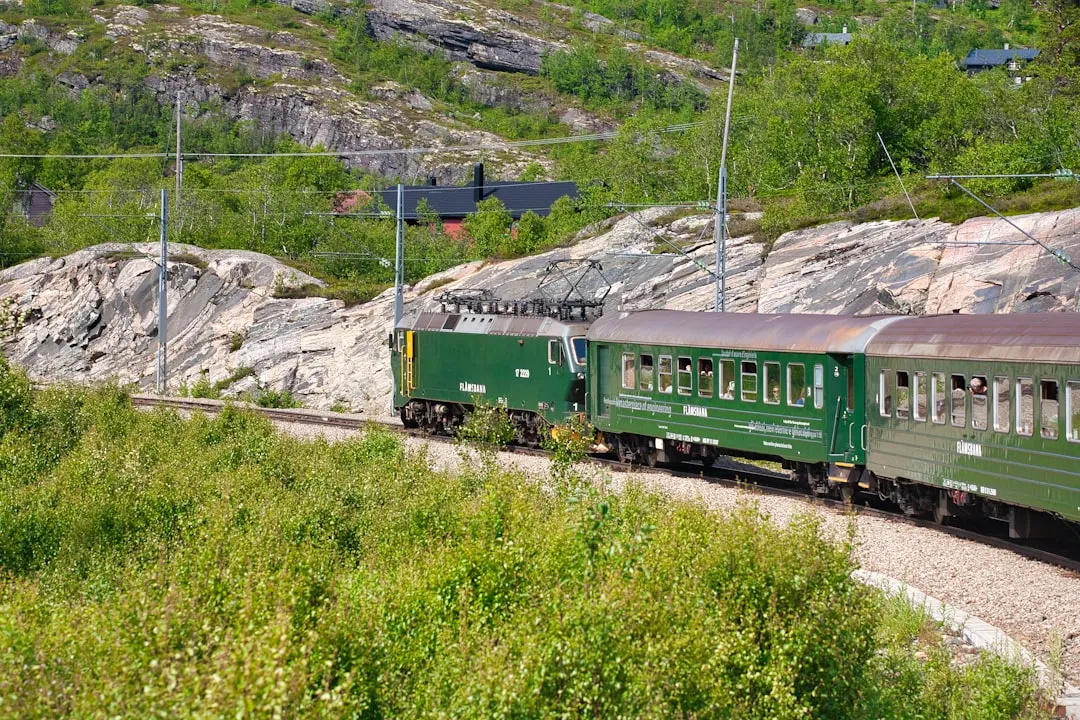
The Flåm Railway, known as the Flåmsbana, is famous for its steep gradients and scenic beauty. In 1944, under German occupation, the railway was electrified as part of modernized infrastructure during the war. The railway operates thanks to the Kjosfossen power plant, which was strategically built to harness the area’s hydroelectric potential.
Today, the Flåmsbana is a testament to Norway’s engineering achievements and offers travelers a journey through some of the country’s most breathtaking landscapes. The route descends nearly 900 meters through tunnels, hairpin bends, and mountain faces that seem to close in from all sides.
It is one of the steepest railway lines in the world to operate on normal gauge track. Riding it, you sense the sheer human effort it took to build something this improbable through terrain this unforgiving, and that feeling alone is worth the journey.
The New Golden Age: Heritage Rail Is Growing, Not Fading
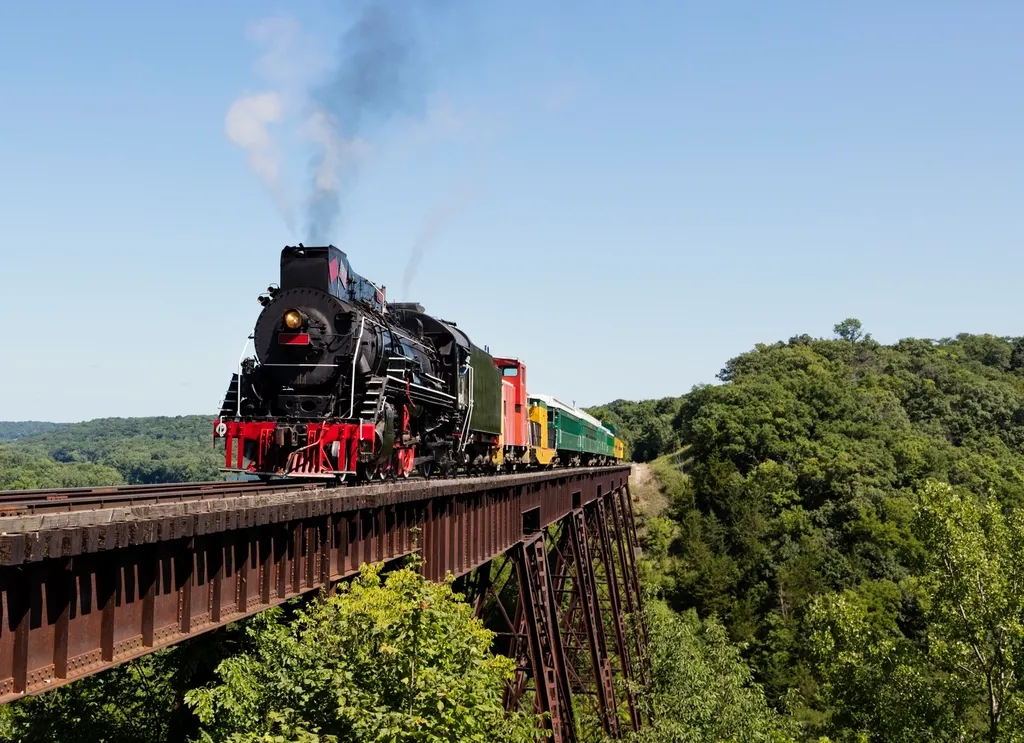
The heritage railway train market is predicted to expand at an impressive rate, with industry revenue standing at significant levels in 2024 and projected to more than double by 2034. The increasing trend of historical tourism and interest in cultural experiences has led to a surge in demand for heritage railway journeys, which offer a nostalgic and immersive travel experience. These trains, often restored to their original condition, allow passengers to experience a bygone era of travel while enjoying scenic landscapes.
Railbookers described 2024 as “record-breaking” for sales, which were up roughly a third compared to the prior year. Luxury journeys, in particular, saw a marked increase compared to 2023.
The increase in international disposable income levels and the trend towards experiential luxury have propelled the demand for luxury train travel. Sustainability in heritage railways is also attracting affluent travelers, many of whom are drawn to rail as a more conscious way of moving through the world.
The New Orient Express Rivalry: Belmond Versus Accor
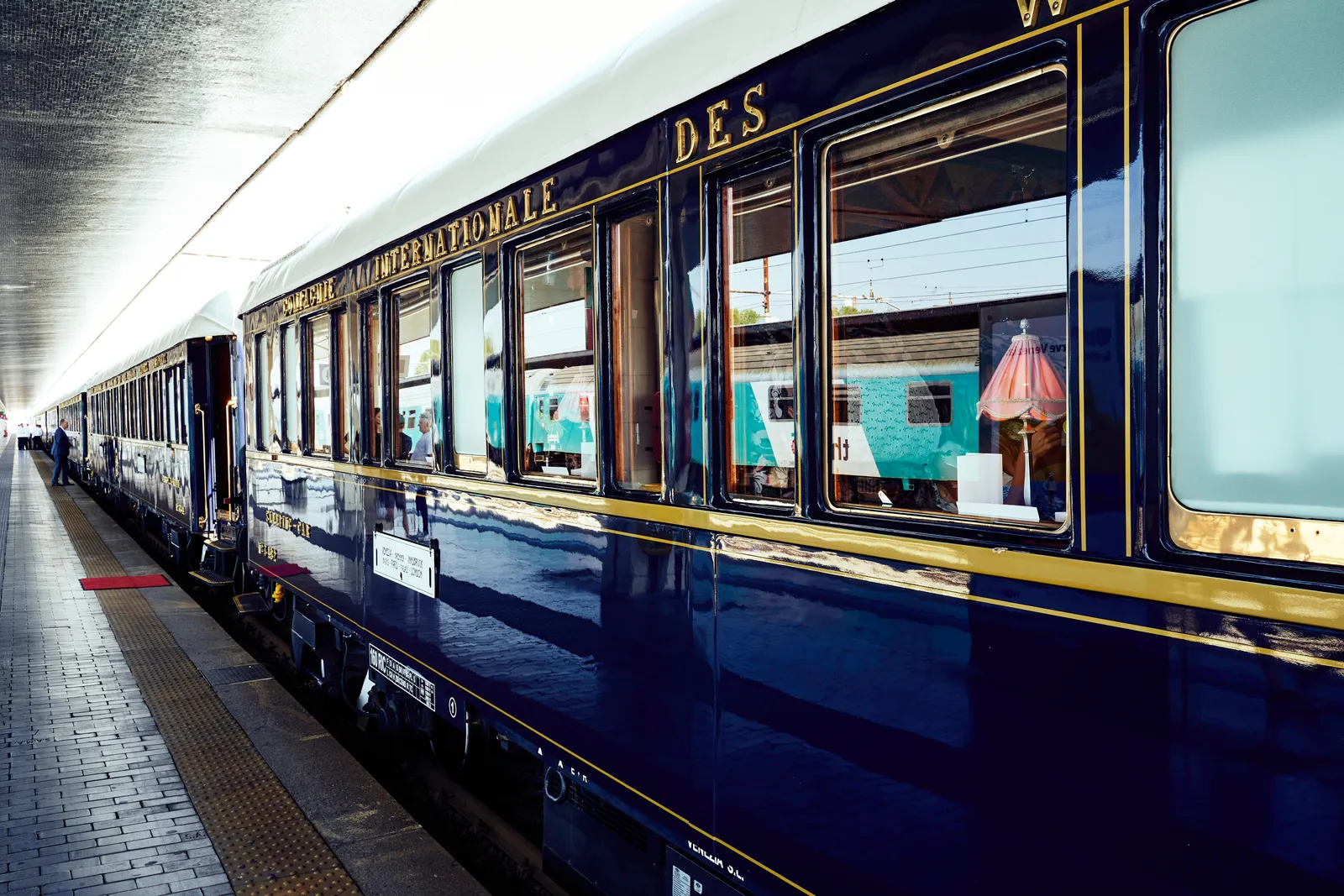
The Orient Express remains a gold standard of luxury travel, and today two distinct services carry the legendary name: the Venice Simplon-Orient-Express by Belmond, featuring restored 1920s carriages, and the newly launched La Dolce Vita by Accor, which began its full-scale Italian operations in 2025.
Every detail on the La Dolce Vita pays homage to Italy’s 20th-century era, with interiors evoking the works of design icons of the period. The itineraries total more than 9,941 miles of track, touching more remote destinations such as the ancient stone-carved architecture in Matera in Basilicata as well as Palena, a village in Abruzzo.
The Nostalgie-Istanbul-Orient-Express was planned for mid-2026. Neither the La Dolce Vita nor the new Nostalgie service uses authentic vintage stock; the VSOE’s 1920s to 1940s carriages remain genuinely irreplaceable. For those who care about riding the real thing, that distinction matters considerably.
The Takeaway
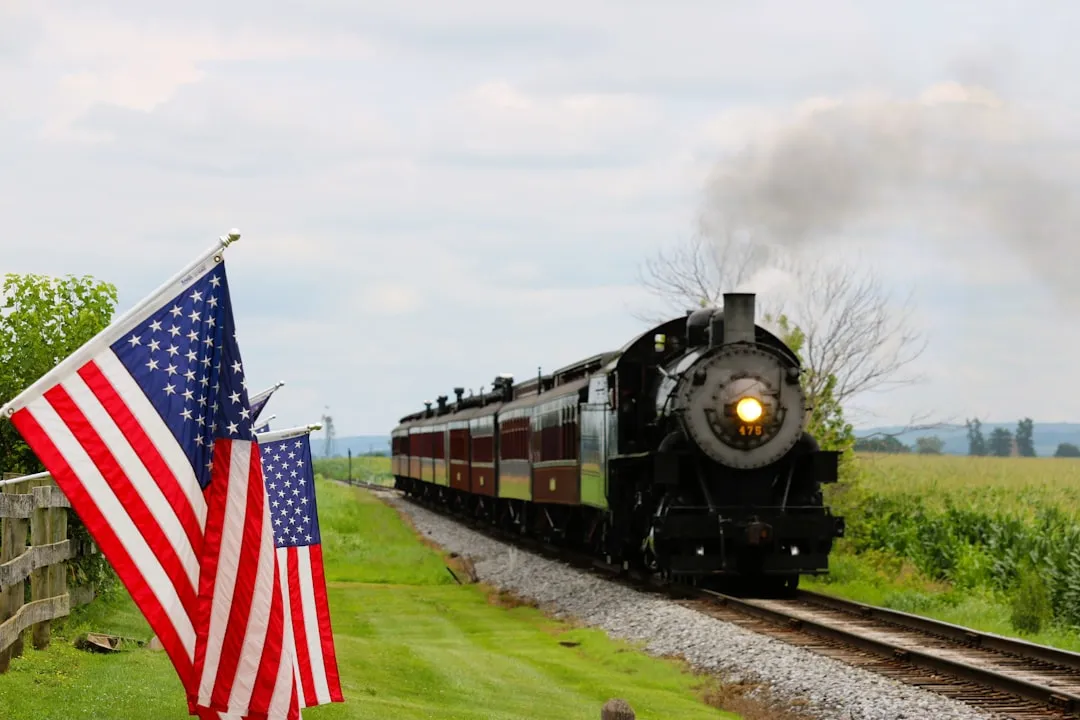
What unites all of these routes is not speed, and it is not efficiency. It is the understanding that how you travel shapes what you actually experience. After years of fast-paced travel, there is a growing desire to slow down and truly savor the experience. Trains allow travelers to witness landscapes unfold in real time, creating a connection to the environment that planes and highways simply cannot match.
Trends in heritage railway experiences indicate that mainstream tourists have shifted from sightseeing to experiential travel. Vintage trains respond directly to this industry-wide trend by providing not only a means of transport but also a unique experience through a country’s history and its scenic regions.
There is no rush on a heritage train. The window is the entertainment. The dining car is the social hour. The slow curve into a mountain valley at dusk is the reward. In a world that increasingly prizes arrival over journey, choosing the train is quietly, stubbornly, and beautifully countercultural.
AI Disclaimer: This article was created with the assistance of AI tools and reviewed by a human editor.