

There’s a particular kind of memory that hits differently. It’s not the destination you remember first. It’s the ritual before you even got there. The smell of a vinyl seat in August heat. The muffled click of a cassette flipping sides. The sound of a paper map unfolding in the passenger seat. If you grew up in America during the 1980s, these details aren’t just details. They’re a whole world.
If you grew up in America in the 1970s and 80s, a vacation with your family likely involved piling in a car with your parents and siblings and being stuck with them for eight or more hours on the open road with little other than each other to keep yourselves entertained. That shared confinement, oddly, is exactly what made it memorable. This is the story of the road trip routine that an entire generation still carries with them.
The Station Wagon Was the Living Room on Wheels
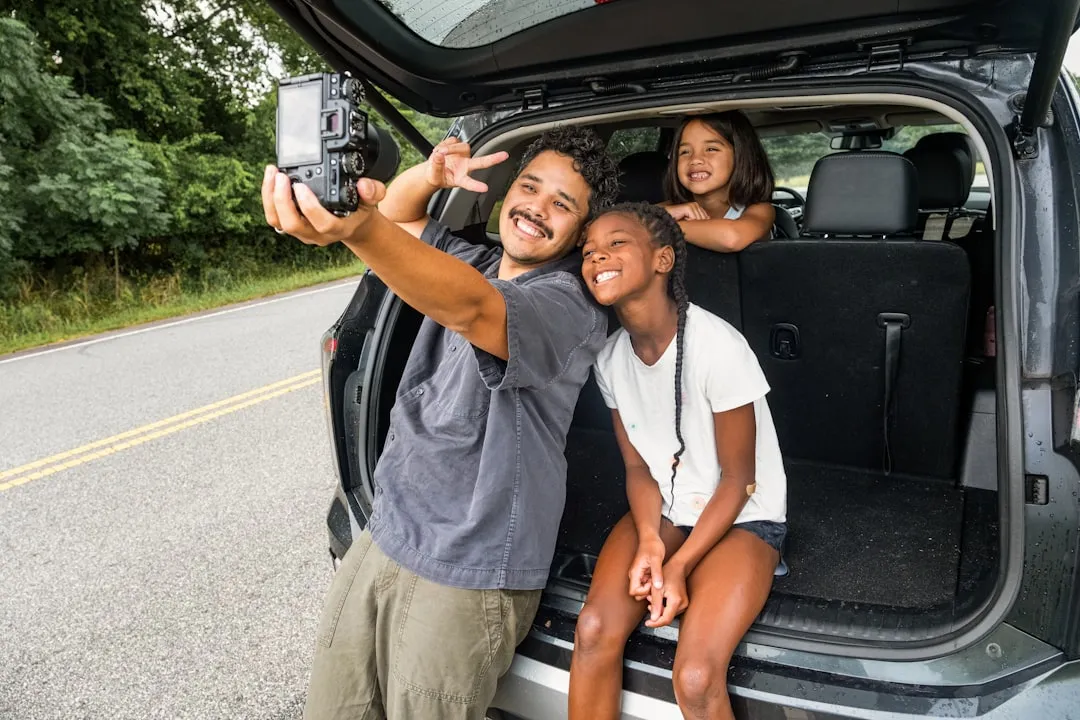
Families packed themselves tightly into vinyl-seated station wagons or wood-paneled conversion vans, rolling down the windows for natural ventilation and trusting their mechanical luck to get them through remote desert stretches. There was no backup plan if the AC failed. You rolled the window down and pressed your arm into the rushing air.
Every stop became part of the story, with the car itself being a mobile home of sorts, filled with snacks, games, and the occasional sibling squabble. Today, these wagons are a nostalgic reminder of simpler times, when the journey was just as important as the destination.
The 1980s marked a special time for families, when togetherness wasn’t interrupted by smartphones or social media. Instead, simple pleasures like outdoor adventures and shared experiences created bonds that have lasted decades. These unplugged activities fostered genuine connections and conversations that many adults now look back on with warm nostalgia.
The Mixtape Was the Heartbeat of Every Trip
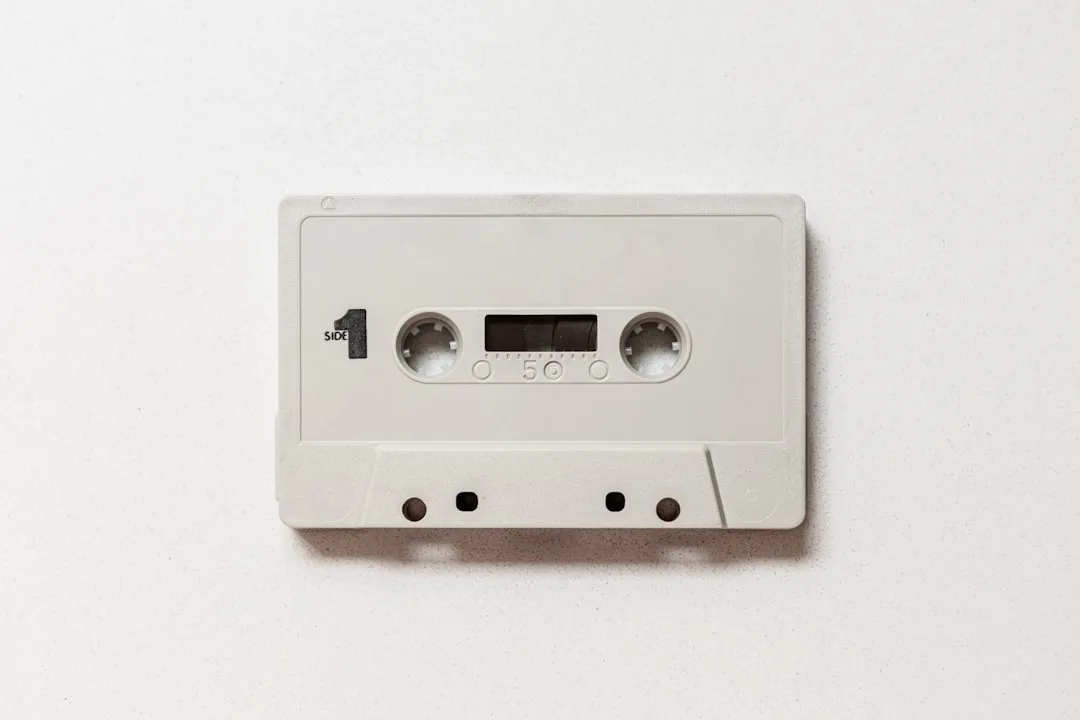
Cassette players in cars became standard during the early 1980s, replacing eight-track decks as the go-to in-vehicle audio system. Tapes gave drivers and passengers the freedom to bring their entire music collection on the road. The road trip cassette collection became a staple of glove compartments and center consoles.
The cassette gave listeners a new creative role through the mixtape. The New York Public Library describes the mixtape as a cassette-era phenomenon that allowed people to curate playlists for themselves or others. You had to choose the songs, sequence them, record them in real time, write the label, and hand the tape to someone.
Road trips became showcases for these homemade soundtracks, with everyone singing along to scratchy recordings of Journey and Madonna. The physical nature of these cassettes, passed between family members, decorated with colorful markers, and eventually worn out from overplaying, made them treasures in ways digital playlists can never match. Many parents still have shoeboxes of these plastic time capsules tucked away in attics.
The AAA TripTik: A Personalized Map for Every Adventure

In the days before Google Maps or even the internet, a traveler would go to their local AAA branch to plan a road trip. This AAA member would tell the office where they were starting and their intended destination. An agent would draw the route with a highlighter on a series of numbered maps, going through the route with the driver before they started. The end result, a guided route through a series of maps, was called a TripTik.
By the 1980s, AAA strip maps covered over 100,000 miles of roads in North America. While bulky folded maps and map books were sold in many retail stores, TripTiks, made by experts backed by AAA’s extensive resources and infrastructure, were tailored for each trip and much more convenient to use.
Though digital tools have replaced them, the tangible, hands-on experience of using a TripTik left an indelible mark on the road trip tradition, embodying the spirit of exploration and discovery unique to the era.
The Cooler Packed with Homemade Food
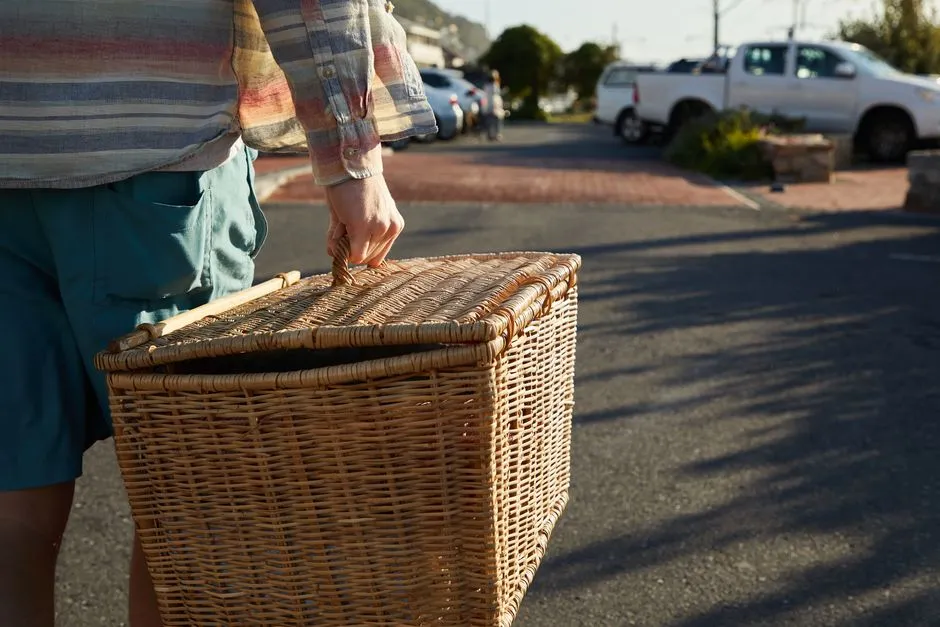
No 80s road trip was complete without a trusty cooler packed to the brim with sodas, sandwiches, and snacks. These coolers were lifelines on hot summer days, providing refreshing drinks and meals as families traversed miles of highway. The cooler’s contents were meticulously planned, often with homemade sandwiches wrapped in wax paper and a variety of sodas that ensured everyone had their favorite.
The simplicity of opening the cooler and enjoying a roadside picnic added to the charm of the journey. Rest stops became dining destinations, where the cooler’s bounty was shared among family members as they stretched their legs and savored the view.
There was something quietly satisfying about a meal eaten on a picnic table somewhere in middle America, with semi-trucks rolling past and a gas station visible down the road. It didn’t need to be special. The setting made it so.
Stopping at Strange Roadside Attractions Without Warning
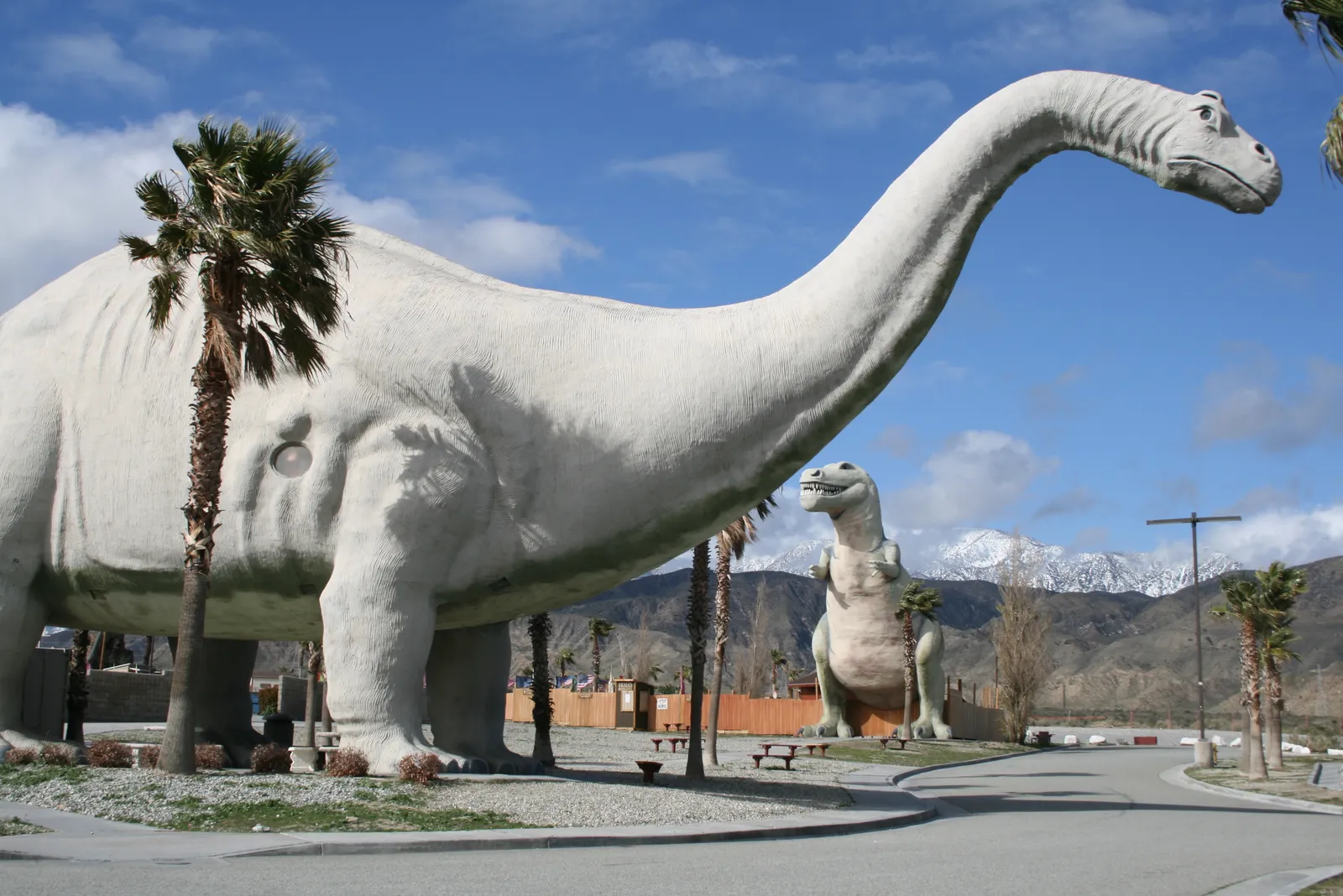
The American roadside in the 1980s was still alive with the kind of attractions that had no business existing: a giant fiberglass dinosaur visible from the highway, a mystery cave with a guide who was clearly inventing facts on the fly, a roadside petting zoo that turned out to be a farmer’s actual backyard. Nobody had vetted these places. Nobody had read a single review. You stopped because something caught your eye through the windshield, and half the time it turned out to be genuinely wonderful and half the time it was genuinely terrible.
These spontaneous detours were never sanitized by pre-trip research. That chaos was the point. The detour didn’t need to deliver on its promise. The act of stopping was the whole event.
Road trips often involved scheduled or, better yet, unscheduled detours to visit roadside attractions such as the Oregon Vortex in Gold Hill, Oregon, or the World’s Largest Frying Pan in Long Beach, Washington. Negotiating for those stops can be a memorable road-trip tradition.
The Art of Reading a Paper Map Together
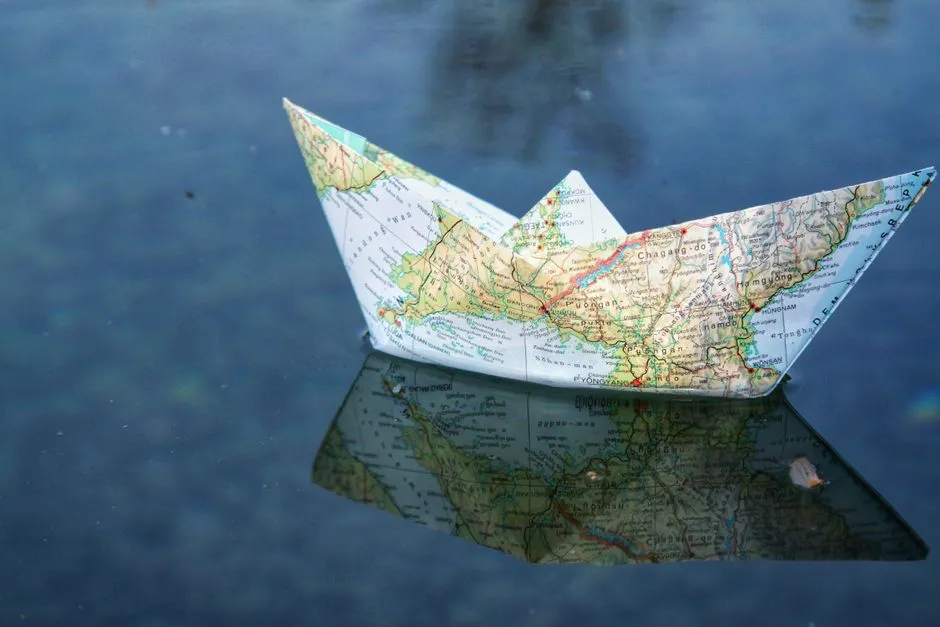
Before the era of GPS, navigating the open road required a skill that now seems almost archaic: reading a fold-out paper map. These maps were as much a part of the road trip as the car itself. Maps in the 1980s weren’t just functional. They were objects you actually handled, argued over, and eventually folded back into the approximate shape of something that could fit in the glove box.
Embarking on a classic family road trip during this iconic era meant intentionally detaching from the rest of the world, navigating vast geographic expanses using massive, unyielding paper maps stashed inside the glove compartment.
The whole family had to participate. Mom might hold the map flat against the dashboard, Dad would call out exit numbers, and the kid in the back would contribute absolutely nothing useful while pretending to study the legend. It was a team effort, sort of.
The Post-Trip Slide Show That Everyone Endured (and Actually Loved)
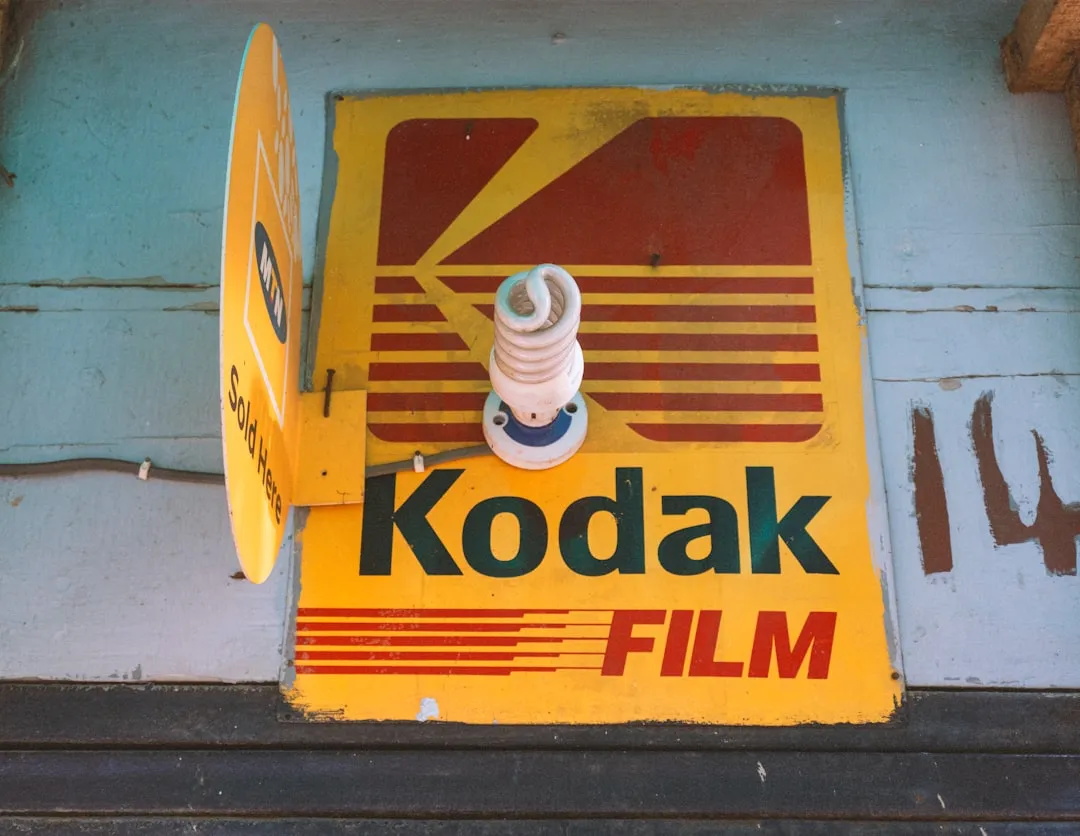
Dad would disappear into the hall closet and reappear carrying the Kodak Carousel projector. The living room furniture would get rearranged, a bedsheet pinned to the wall, and for the next two hours the entire family, plus whatever neighbors could be corralled, would relive every single moment of the trip through a parade of glowing 35mm slides. This was the post-vacation slide show. And if you grew up in an American home before 1990, you almost certainly sat through at least one.
A slide tray full of planned, predictable shots of famous landmarks made for a dull show. A slide of the entire family standing next to a concrete Brontosaurus in 95-degree heat, everyone sweating and slightly confused about why they stopped, that one got a laugh every time.
The ritual was partly about reliving the trip. Mostly it was about turning experiences into shared family mythology. Something that stuck around long after the tan faded.
The Unspoken Backseat Negotiations
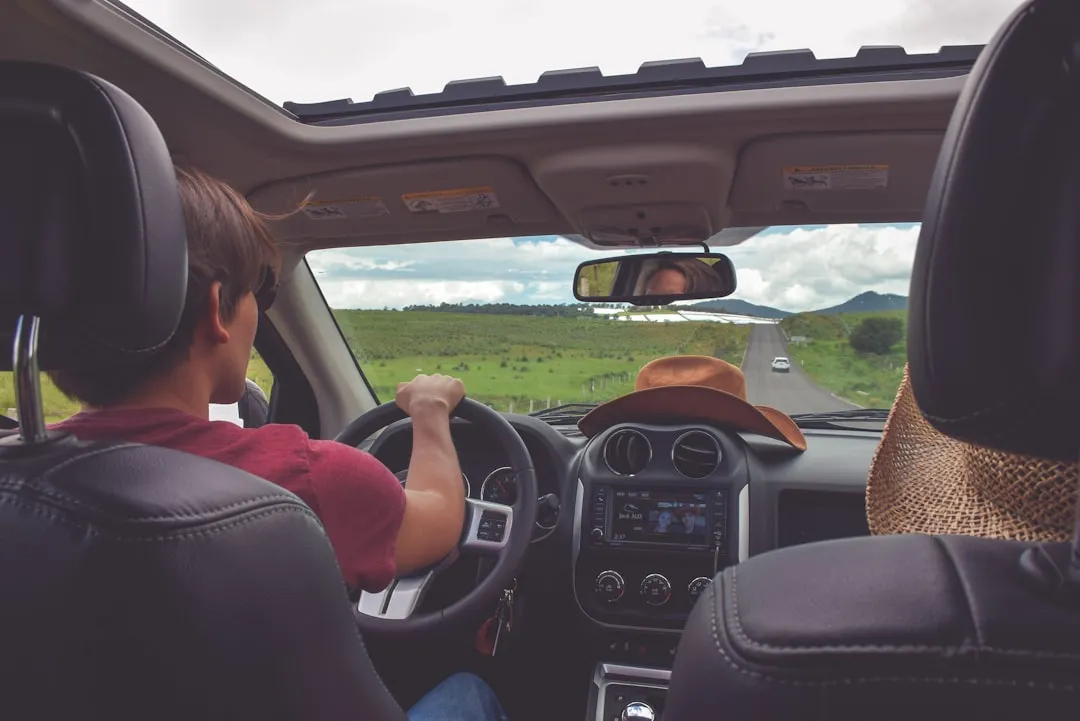
Every 80s kid who shared the backseat with a sibling knows the invisible line of demarcation. It was never formally drawn, but everyone knew exactly where it was. Crossing it, accidentally or otherwise, had consequences.
Car games were the peacekeeping mechanism. License plate bingo. Counting cows. The alphabet game using highway signs. These weren’t just distractions. They were survival strategies for eight-hour drives through flat interstate monotony.
Being stuck with your family for eight or more hours on the open road with little other than each other to keep yourselves entertained and sane sounds like the premise of a comedy film. For an entire generation, it was simply Tuesday in July. The strange thing is that most people remember it fondly.
The Nostalgia Is Real and the Numbers Prove It
As 80s pop culture makes a comeback in fashion, music, and travel, the past is fueling today’s cultural and lifestyle choices. The 1980s in particular have emerged as the decade most survey respondents want to revisit. In fact, roughly seven in ten report they are willing to give up modern technology for a week to experience life as it was in the 80s, underscoring a robust longing to relive the spirit of those times.
An overwhelming majority of survey participants yearn to break free from the complexities of the current era, with nearly three-quarters stating that this longing for a simpler time will strongly influence their travel decisions. That’s not a marginal trend. That’s a cultural signal.
In 2024, there was more nostalgia among people under thirty for the 1980s than for any other decade. The generation that actually lived those road trips isn’t the only one looking back. Younger people who never owned a cassette tape are chasing the same feeling.
Road Trips Are Back, and They’re Bigger Than Ever
Road trips have hit a decade-high, with nearly two-thirds of U.S. travelers taking a road trip in the past year, the highest level in more than a decade. Millennials and Gen Xers with children are driving the trend, drawn to the flexibility, affordability, and nostalgic appeal of the open road.
Hilton has called this growing trend “time travel,” defining it as the act of taking vacations and booking travel experiences inspired by nostalgic memories. In a 2025 survey, the hotel brand found that more than half of travelers revisit childhood travel destinations when vacationing with their own kids.
More than half of survey respondents say they’d rather drive than fly, citing cost effectiveness and the joy of being on the open road. Summer road trips are looking good to many travelers, with a strong majority saying they’re enticed by the idea of an extended road trip. The 80s road trip, it turns out, wasn’t just a product of its time. It was a template.
The Takeaway
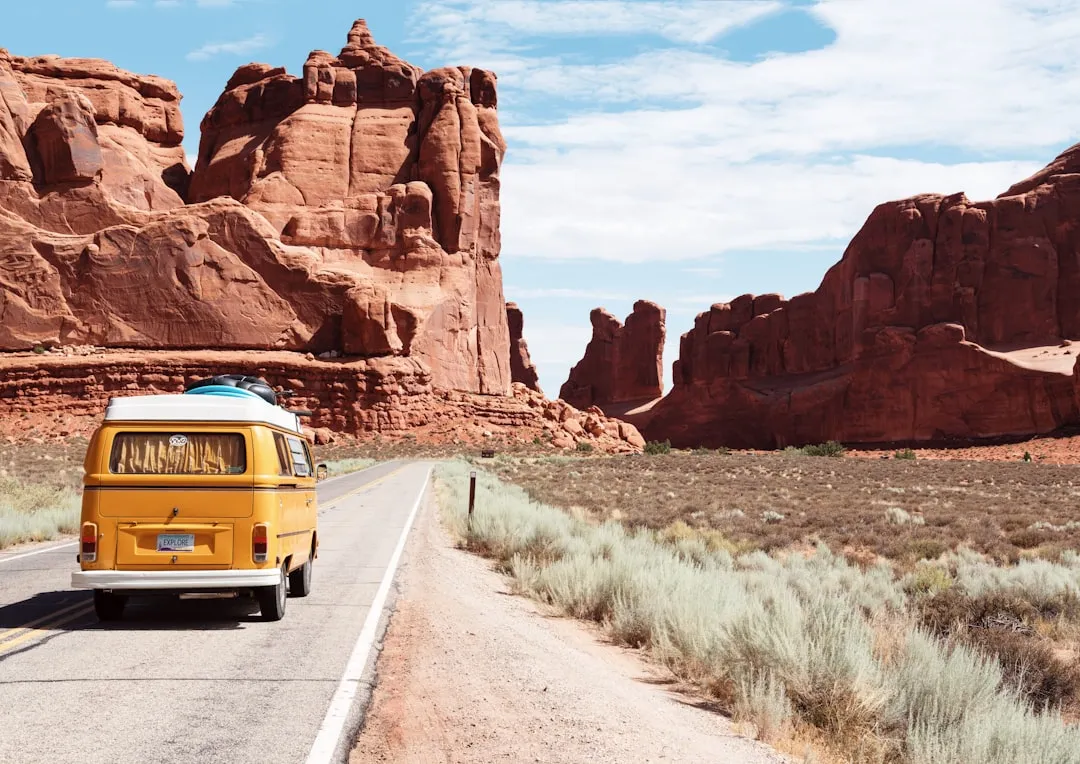
What made the 80s road trip routine so sticky isn’t any single element. Not the cassette tapes, not the TripTik, not the cooler full of wax-paper sandwiches. It was the sum of all those small, recurring rituals performed together, in close quarters, without distraction.
Research suggests that nostalgia tends to peak around a person’s age, with people gravitating toward the decade when they had less to worry about and more freedom, typically late childhood and early teens. For 80s kids, that decade and those road trips are permanently fused.
The open road hasn’t changed much. The cars are quieter, the navigation is instant, and the music lives in the cloud. Yet something keeps pulling people back toward the version of travel that asked more of you. More patience. More creativity. More presence. Maybe that’s the real thing every 80s kid remembers, without quite having the words for it.
AI Disclaimer: This article was created with the assistance of AI tools and reviewed by a human editor.