

Most people who dream of the Pacific Northwest picture the obvious: a crowded trailhead at Mount Rainier, a packed campground outside Olympic National Park, or a well-reviewed Airbnb with a hot tub and a waitlist. What they don’t picture is something quieter and considerably harder to find. The region holds a genuinely different layer of wilderness accommodation, places where the trees are older, the silence is deeper, and the nearest neighbor might be a mile down a forest service road.
The Pacific Northwest’s off-grid cabin culture is less a trend than a long tradition, shaped by the sheer scale of its public lands and the independence of the people who’ve always lived beside them. Getting into it requires a bit of research, the right vehicle, and a willingness to leave your itinerary loose. What you’ll find on the other side is worth it.
The Government Mineral Springs Guard Station, Gifford Pinchot National Forest, Washington
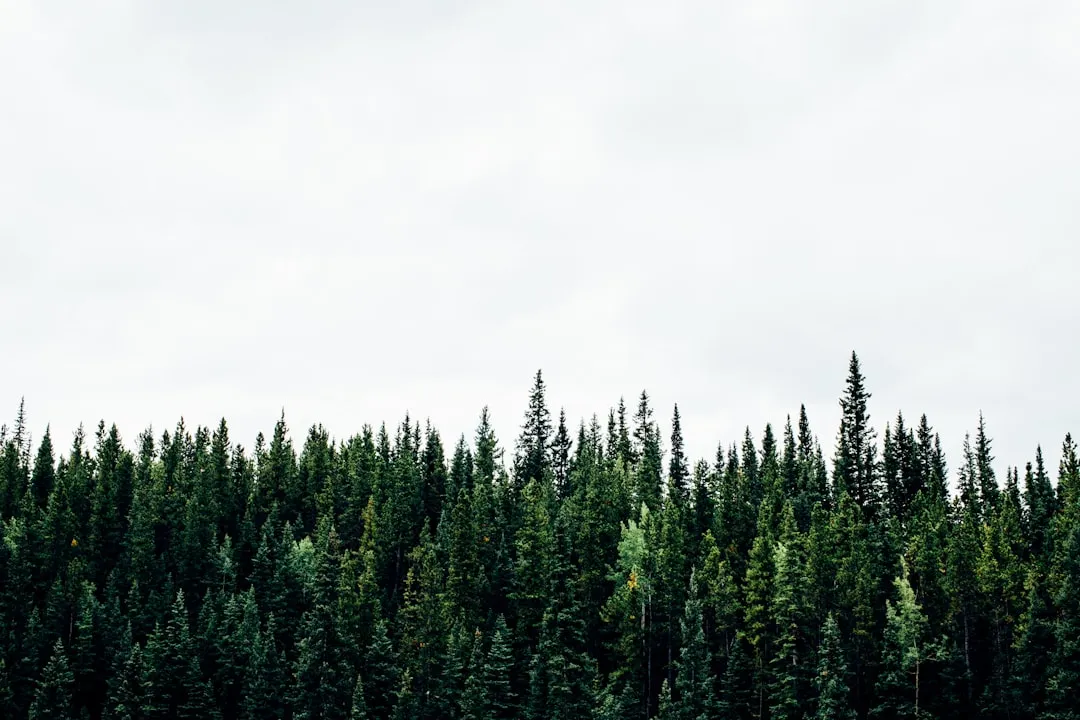
Set within a grove of towering old-growth conifers, the Government Mineral Springs Guard Station in Gifford Pinchot National Forest is a recently renovated two-story cabin with a covered front porch, a propane kitchen, and a living room fireplace. Two upstairs bedrooms accommodate up to five guests, and there is no potable water at the cabin, so visitors are advised to bring plenty for drinking, cooking, and washing.
A stream within 300 feet of the station can serve as a water source, but it must be treated or boiled before drinking, and melted snow can be used for washing but is not safe to drink. The adjacent Trapper Creek Wilderness spans 6,050 acres of diverse habitat, making this one of the most genuinely wild cabin experiences available on U.S. Forest Service land in the region. It books through Recreation.gov and disappears from the calendar fast.
Forest Service Road 29, Olympic National Forest, Washington
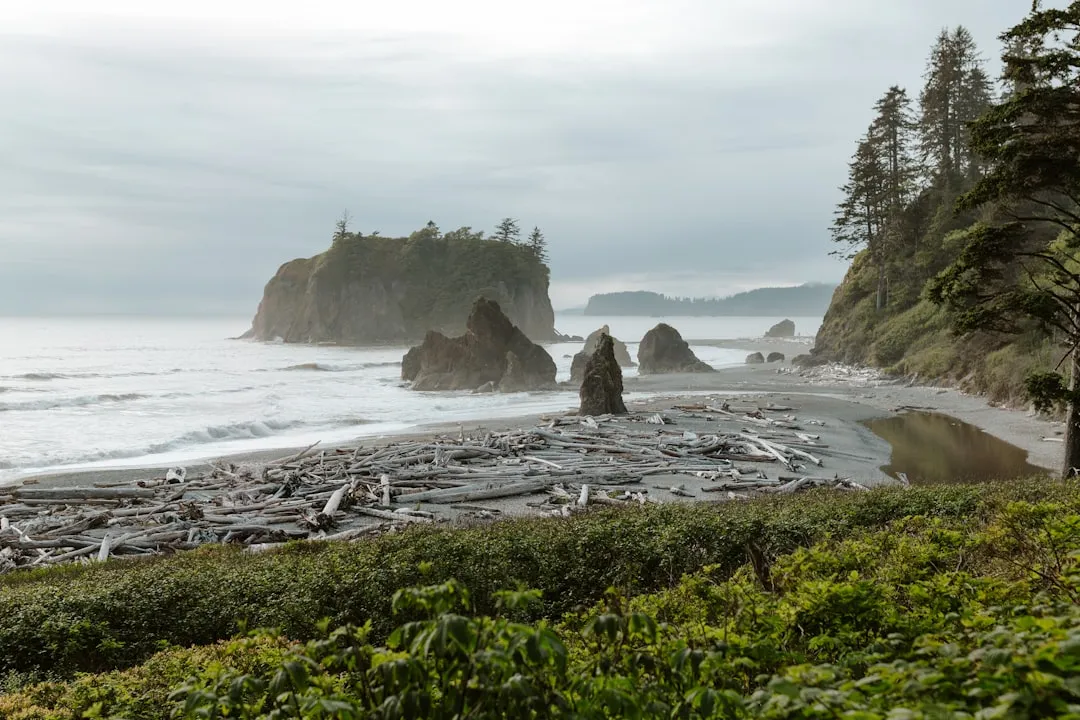
Forest Service Road 29 sits in the northwest corner of Olympic National Forest and is considered one of the best free camping corridors in the area, with many dispersed sites scattered along its length. The road offers several dozen pullouts that serve as natural dispersed campsites, and many can accommodate larger RVs and trailers as well as cabin-style setups.
Located just outside Olympic National Park, this forest offers incredible variety, from coastal camping to lush rainforest settings. Olympic National Forest limits camping to 21 total days per calendar year, so it rewards those who plan carefully and arrive with everything they need. The forest road narrows and climbs as you go deeper, and four-wheel drive makes the difference between a good site and a great one.
Okanogan-Wenatchee National Forest: The French Cabin Creek Area, Washington
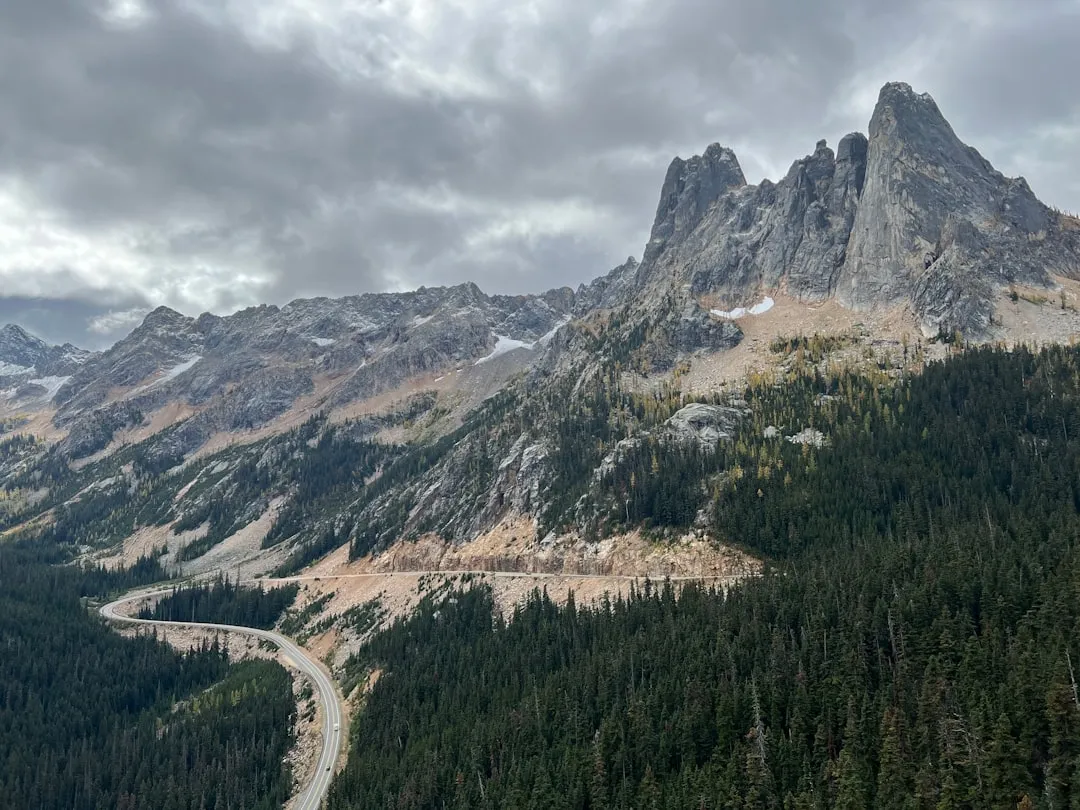
Okanogan-Wenatchee National Forest offers extensive dispersed camping across nearly 4 million acres, with popular areas including French Cabin Creek Recreation Area, the North Fork Teanaway River, and Salmon la Sac Road sites, all of which typically feature basic stone fire rings but lack amenities such as drinking water, toilets, or trash service.
Most sites remain accessible from May through mid-November, with higher elevation areas closing earlier due to snow conditions. At French Cabin Creek specifically, there is no cell service, so you’re truly out in nature. Primitive camping near Okanogan-Wenatchee spans multiple elevations, from 1,000 to over 7,000 feet, creating diverse camping experiences as seasons change. That vertical range means the forest feels genuinely different depending on where you set up.
Salmon La Sac Dispersed Sites, Wenatchee National Forest, Washington
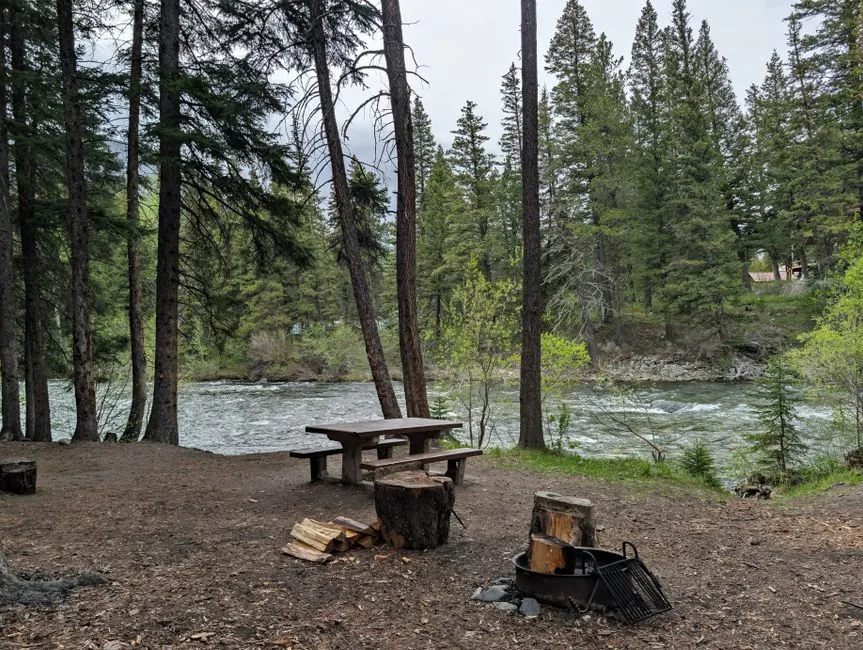
Tucked just past the official campground in the Wenatchee National Forest, Salmon La Sac offers free dispersed camping right along the Cle Elum River on a first-come, first-served basis, with crystal-clear water and excellent stargazing. The Mountain Loop Highway corridor nearby also has plenty of dispersed camping once you leave the pavement and move onto gravel roads, giving the area an extended network of quiet alternatives.
The area is ideal for those seeking a tranquil riverside retreat with ample opportunities for fishing and hiking, though there are no amenities here, just nature and fresh trout. Weekday arrivals are strongly recommended. The best dispersed spots here fill quickly, so arriving Wednesday or Thursday gives you the best chance of finding a quality site.
Sullivan Creek Dispersed Sites, Colville National Forest, Washington
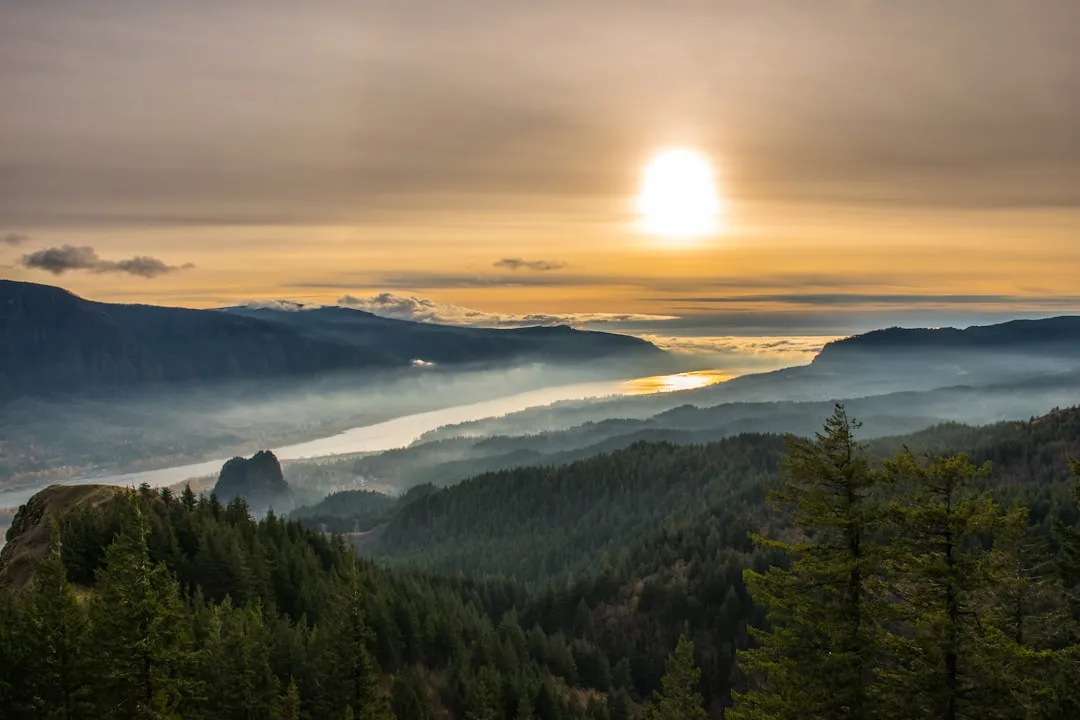
An excellent dispersed camping option in far northeast Washington, the Sullivan Creek Dispersed Sites in Colville National Forest offer privacy at no charge and have access to some basic amenities including vault toilets and fire rings, with campsites clustered along Sullivan Creek Road.
Nearby recreational opportunities include boating on Sullivan Lake and excellent hiking trails, though Sullivan Lake is still quite popular despite being a less-visited dispersed camping area overall. Colville National Forest allows dispersed camping with some restrictions: your campsite should be at least one mile from campgrounds and 100 feet from any stream, within 150 feet of a roadway, and you can stay for up to 14 days.
Off-Grid Near Gifford Pinchot: The Packwood Coordinates Cabin, Washington
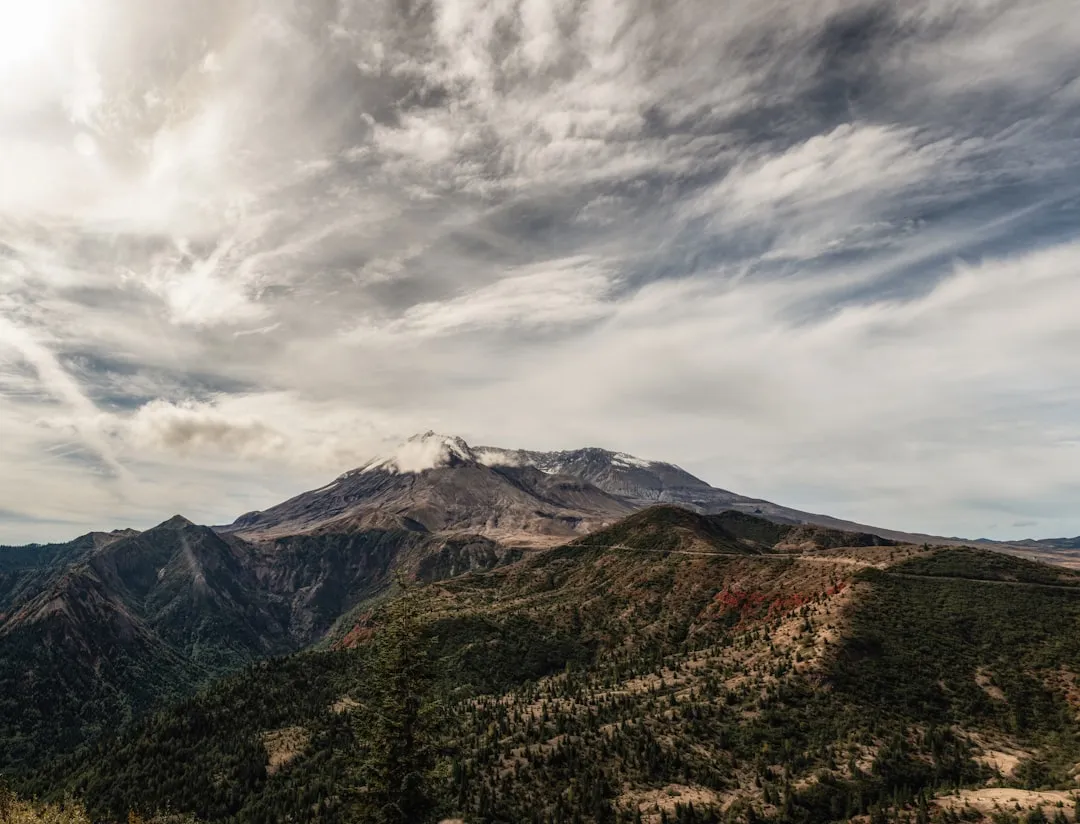
One distinctive off-grid tiny house sits just a mile from downtown Packwood, yet it is completely off-grid within the Gifford Pinchot National Forest and doesn’t even have a proper address, just coordinates showing how to get there. There is no WiFi, but cell service works fine, and the interior includes a king-size loft, pull-out sofa, flatscreen TV, a fully equipped kitchen, and a gorgeous deck with a fire pit and a soaking tub.
Staying here puts you close to Mount Rainier National Park, the White Pass Ski Resort, and the Pacific Crest Trail, making it one of the more strategically positioned off-grid options for nature lovers in the southern Cascades. Over 1.3 million acres of Gifford Pinchot National Forest sprawl across the southern Cascades, offering old-growth forests, mountaintop tundra meadows, glaciers, and volcanoes for exploration.
The Chuckanut Drive Forest Cabin, Washington
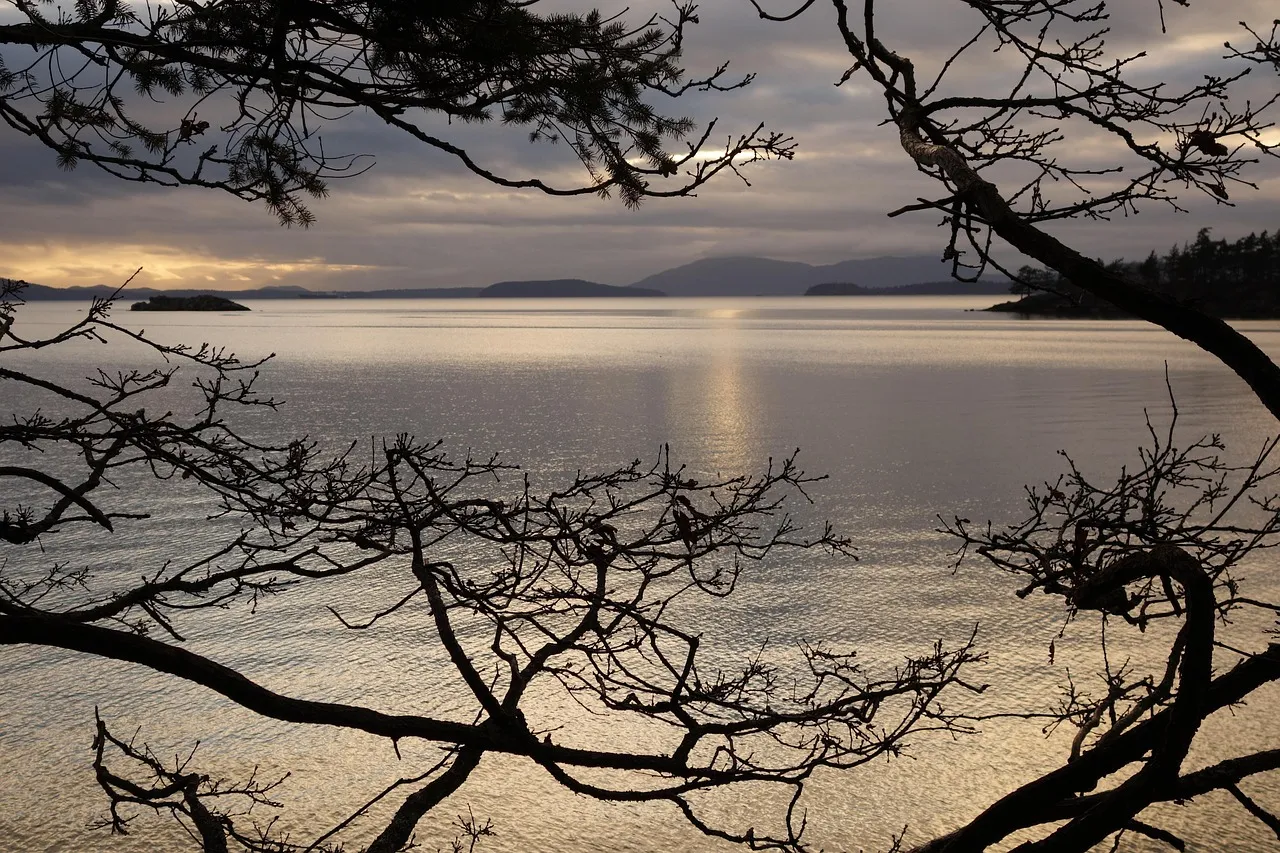
Located on Chuckanut Drive, a secluded off-grid cabin offers a rare combination of forest solitude and ocean proximity, with a five-minute uphill walk leading into a quiet forested sanctuary on 20 acres of private land. The setting immerses guests completely in nature, yet it sits just across the road from the beach and connects to the Interurban Trail system for miles of exploration, with a warm, cozy interior designed for rest and simplicity.
The cabin is genuinely off-grid, with minimal electricity, no running water, but an overhead light and a charging port for cell phones. The combination of rainforest canopy, saltwater views, and trail access makes Chuckanut Drive one of the more quietly spectacular corridors in all of Washington State. It rewards travelers who slow down long enough to notice it.
Mount Hood National Forest Dispersed Cabin Sites, Oregon
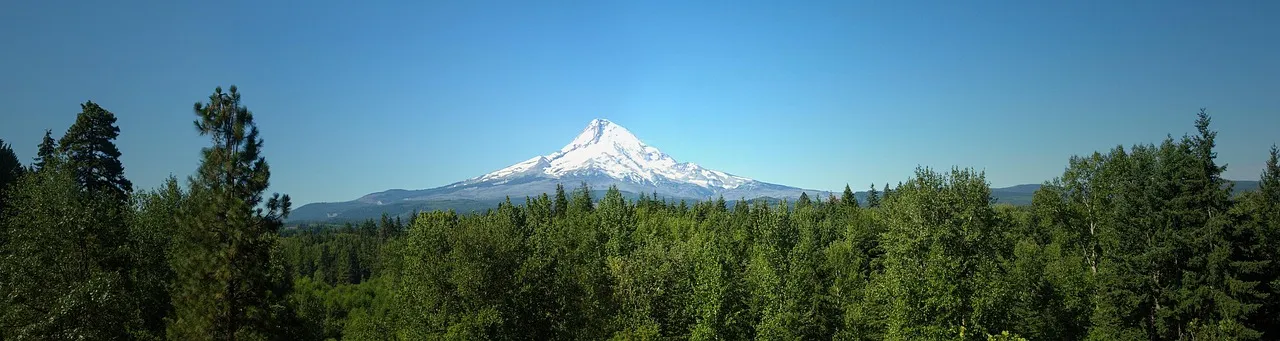
Mount Hood National Forest in Oregon offers scenic off-grid camping near Trillium Lake and along forest service roads. Near Mount Hood, many sites are easy for both hikers and cars to access, and U.S. Forest Service areas here are completely free to camp in as long as you follow fire safety rules and acquire a permit if required.
Mount Hood is described by seasoned campers as peaceful and isolated if you know where to look, and while you can drive into a dispersed camping spot, many visitors choose to backpack in for even greater solitude. While it may seem like a large portion of nearby Mount Rainier National Park is explorable by car, fully 97% of that park is designated wilderness, meaning that most of the terrain here is truly off-grid and requires proper backcountry permits.
Tye River Corridor Near Stevens Pass, Washington
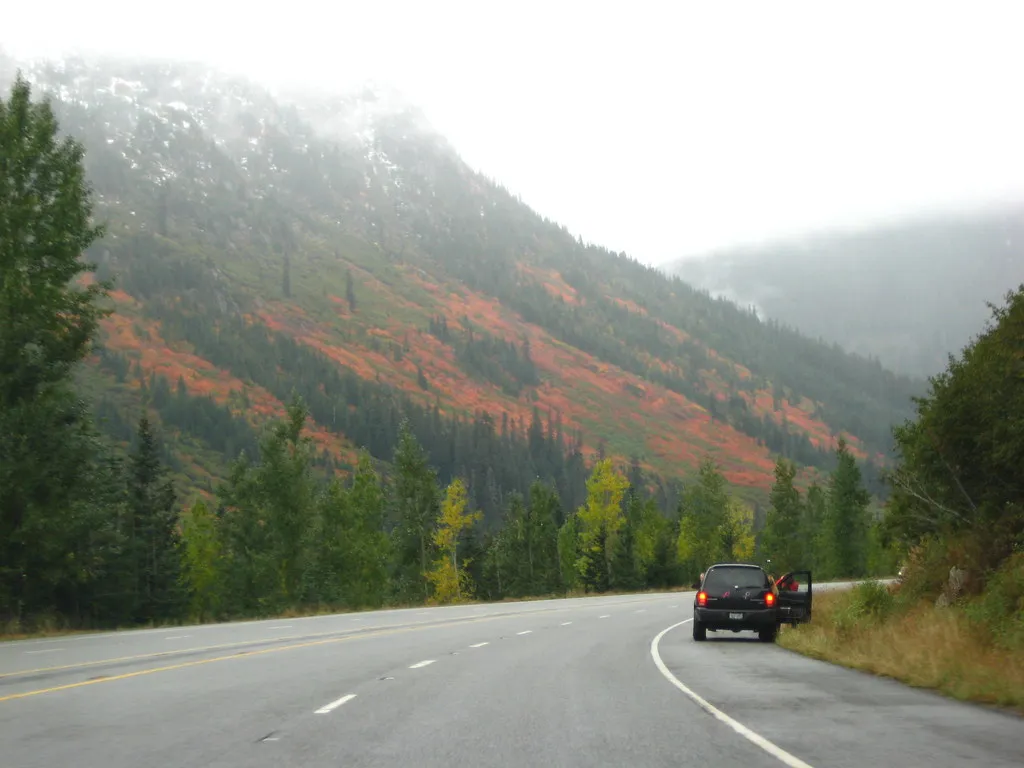
An off-grid riverside enclave situated along the banks of the Tye River offers the closest off-grid location to Stevens Pass mountain, just six minutes from Stevens Pass Resort, one minute to Scenic Hot Springs, and two minutes to Deception Falls. Guests have the option to add a sauna package and enjoy a wood-fired river-view barrel sauna, with a riverside wood-burning hot tub also available on weekends.
Few off-grid spots in the region combine this level of natural access with the kind of restorative amenities that make a multi-day stay genuinely comfortable. The Tye River corridor is one of those rare corners of the Cascades that feels simultaneously remote and well-positioned. Weather conditions vary significantly by elevation, with mountain sites in this region experiencing overnight temperatures 15 to 20 degrees Fahrenheit colder than lowland areas, even in summer months, so packing layers is non-negotiable.
Planning, Passes, and the Ethics of Going Off-Grid
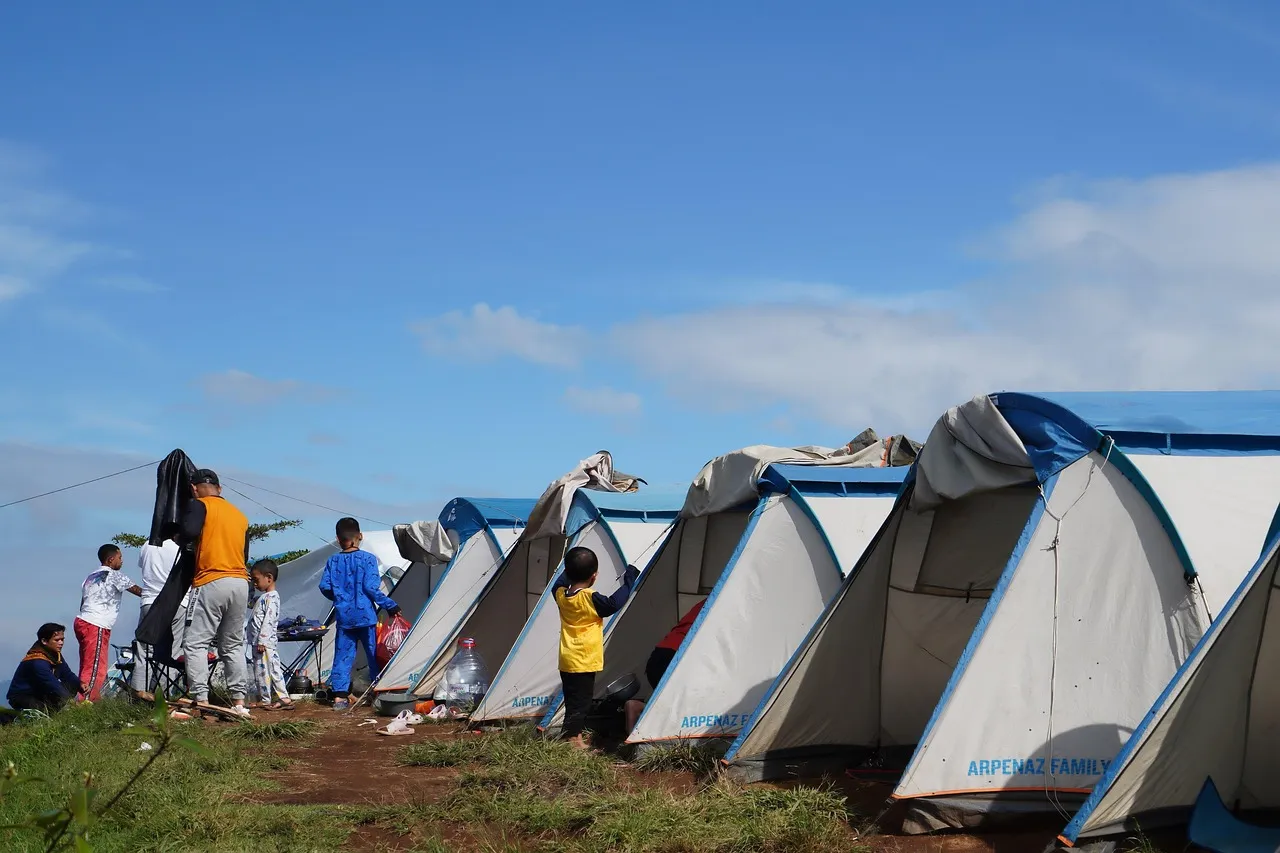
Gifford Pinchot, Olympic, Okanogan-Wenatchee, Colville, and Mount Baker-Snoqualmie National Forests all permit dispersed camping across their grounds, giving visitors a meaningful range of options across Washington alone. The interagency America the Beautiful pass is honored nationwide at all Forest Service, National Park Service, Bureau of Land Management, Bureau of Reclamation, and U.S. Fish and Wildlife Service sites, and the annual pass costs $80.
The best Leave No Trace practice when camping dispersed is to set up at least 200 feet from any water source. Many dispersed camping areas also operate on a 14-day stay limit, so planning accordingly is essential for anyone hoping to settle in for longer. Sustainable camping starts before you even hit the road, and proper planning minimizes waste, reduces environmental damage, and ensures compliance with local regulations. These places stay beautiful because visitors treat them that way.
Where the Real Discovery Happens
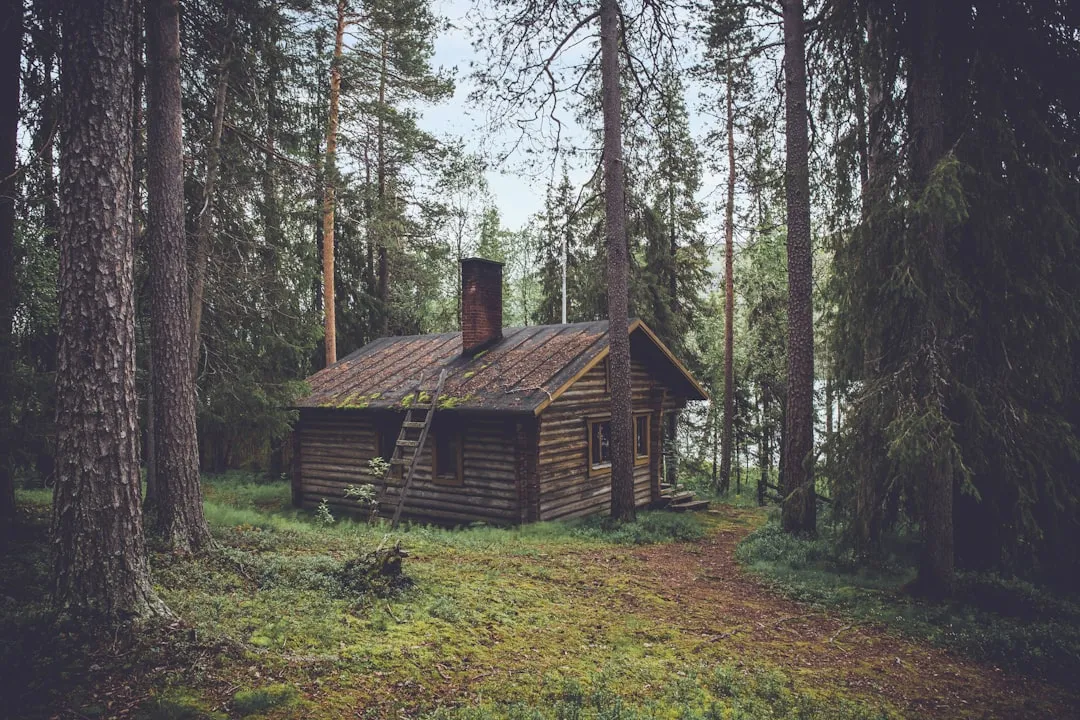
The Pacific Northwest’s off-grid cabin landscape is less a list of destinations than a way of moving through the region. Venturing off-the-grid in the Pacific Northwest requires a bit of strategy, because unlike traditional RV parks, off-grid and boondocking sites don’t always surface in a simple web search and instead require research, exploration, and sometimes local knowledge.
The Pacific Northwest is packed with stunning places, but the ones that stick with you are often the ones without signs, fees, or cell service, found on a tip, a dirt road, or pure curiosity. The forest service, the BLM, and the DNR have made it possible to access this kind of quiet on a scale that still surprises people. The only requirement is showing up prepared, leaving things exactly as you found them, and resisting the urge to share the coordinates too widely.
AI Disclaimer: This article was created with the assistance of AI tools and reviewed by a human editor.