
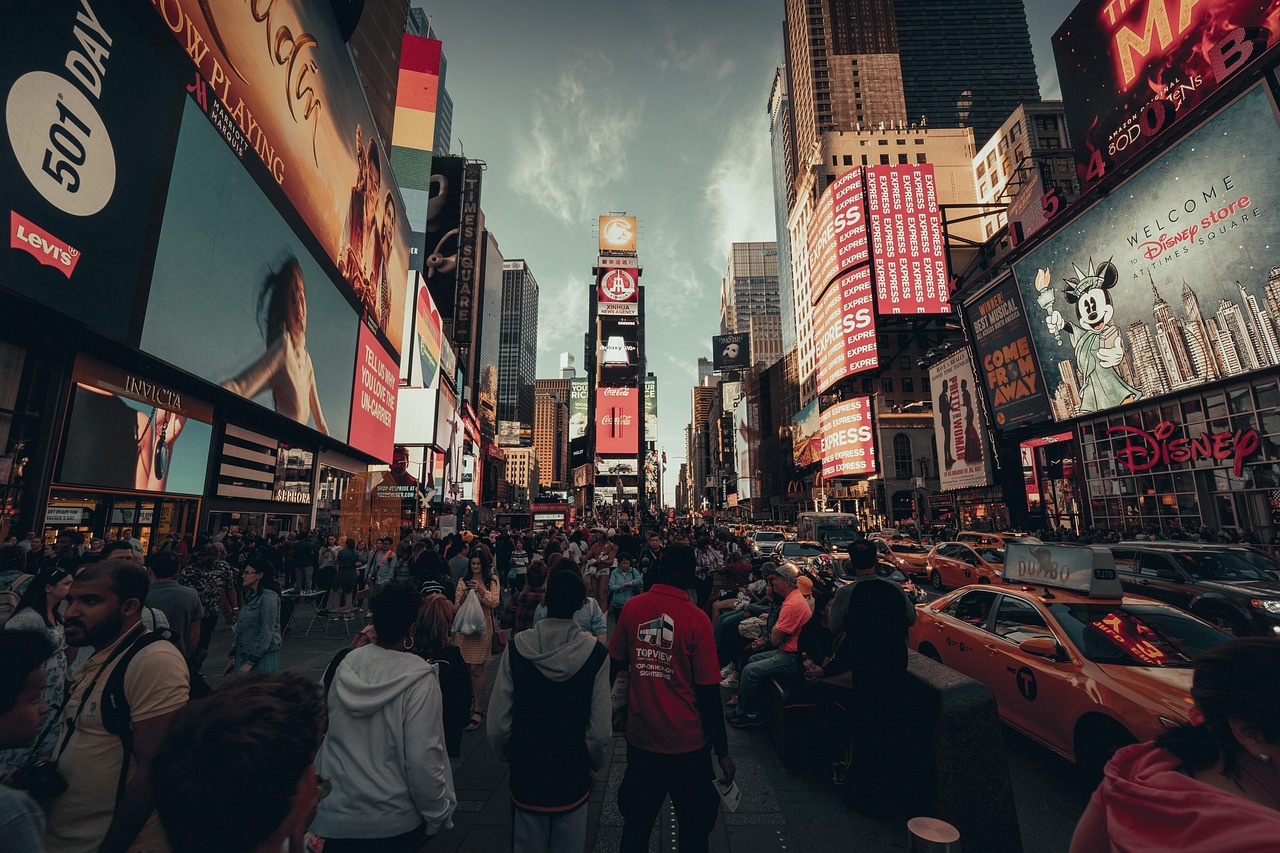

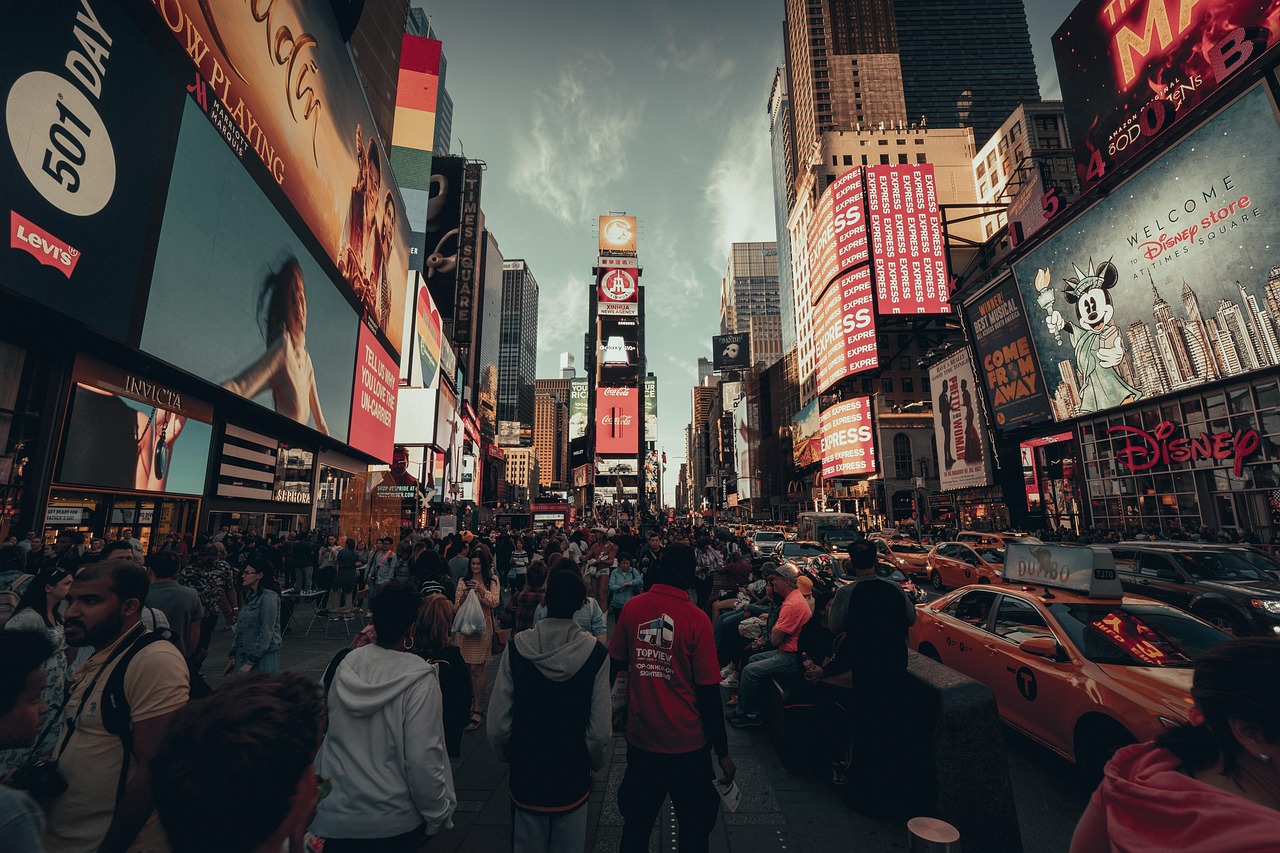
Tens of millions of people visit New York City every year, and most of them arrive confident they know the city at least a little. They’ve seen it in films. They’ve walked it in their imagination. They’ve studied the subway map. Still, within minutes of stepping onto a Manhattan sidewalk, something slips out that tells every local exactly who they’re dealing with.
It’s not always about what you’re wearing or how slowly you’re walking, though those things matter too. Sometimes it’s a single word, a mispronounced street name, or a phrase so routine at home that it never occurs to you it might mean something completely different here. New York has its own internal language, and the gap between knowing the city and speaking it is wider than most visitors expect.
The Phrase That Does It Every Time: “HUE-ston Street”
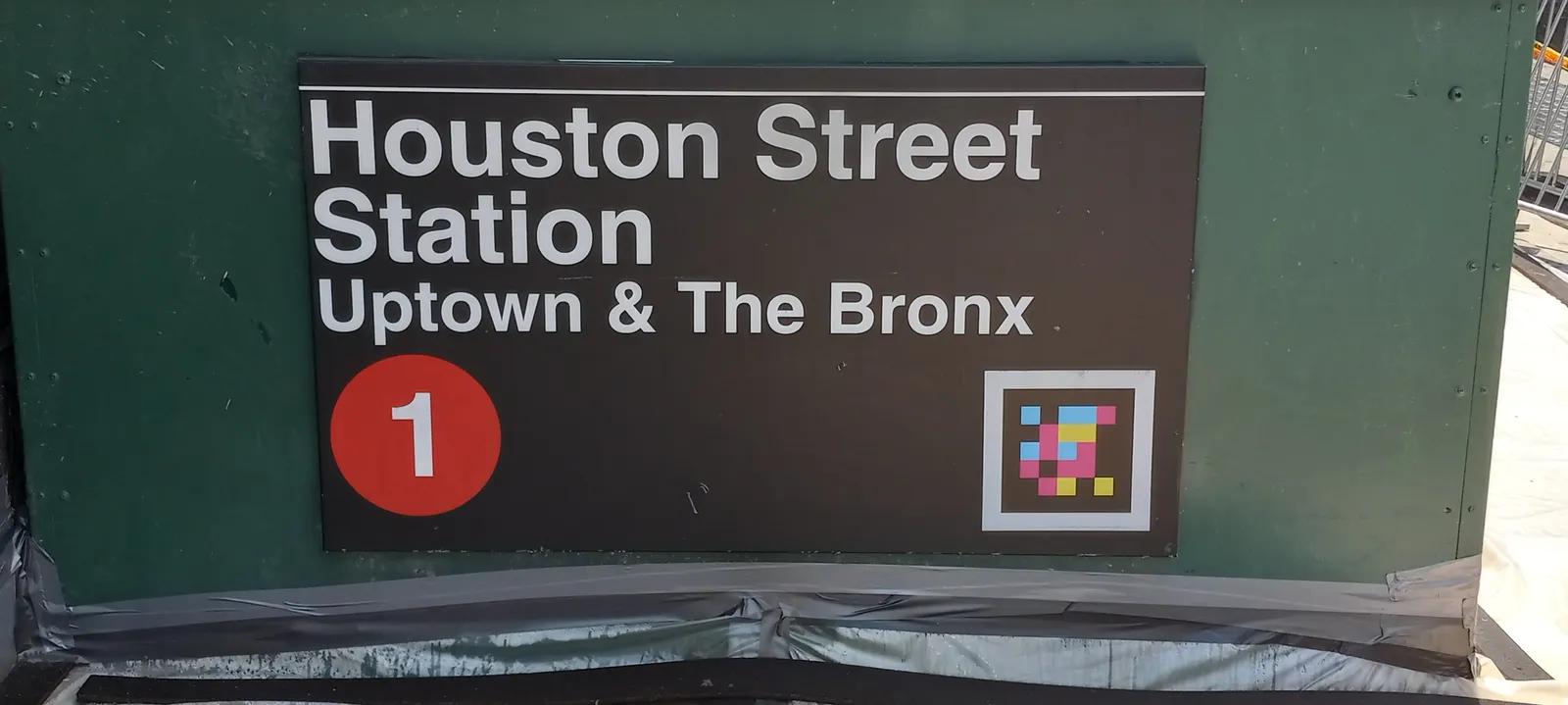
Nothing identifies a tourist in New York City faster than saying “HYOO-stun Street.” Locals know it’s “HOW-stun,” and this pronunciation difference has become such a reliable tourist detector that it’s featured in movies and TV shows. The word looks exactly like the Texas city, which is why almost everyone from out of town says it the same way.
Tourists have been butchering the pronunciation of Houston Street for years, but the street’s name has nothing to do with that city in Texas. It is not pronounced like the Texas city, named for Sam Houston. It’s pronounced How-ston. The street actually traces its name to a completely different person from a completely different era.
According to historian Gerard Koeppel, “Houston the city is named after Sam Houston. Our street was named after a fellow named William Houstoun, who was a prominent Georgian, from a long line of Scotsmen.” William Houstoun was born in 1755 in Savannah, Georgia. He began legal training at London’s Inner Temple, but returned to Georgia in 1783 to represent his state in the Continental Congress.
A Street Name With a Real History Behind It
Born in 1755, Houstoun was a prominent landowner and lawyer from Savannah, Georgia. Also a patriot of the Revolutionary War, Houstoun served a short time as a delegate for Georgia in the Continental Congress in 1787. However, it was not Houstoun’s legal or political presence which earned him a New York City street name. It was actually his wife, Mary Bayard, who won him this title.
You might wonder how the spelling turned from Houstoun to Houston. In his book, author Gerard Koeppel states that the second “u” was likely dropped out of confusion between Sam Houston and William. Today, though the spelling of Houston Street in NYC has changed, the pronunciation remains the same: How-stun. That original 18th-century pronunciation has never left the neighborhood.
Why the City Is Flooded with People Who Get It Wrong

In 2024, nearly 65 million visitors came to New York City, the second-highest figure in city history and a 3.5 percent increase from the previous year. The city is on pace to surpass pre-pandemic levels in 2025, marking a full economic recovery. That’s an enormous number of new arrivals, many of them walking straight into SoHo and the Lower East Side, directly across Houston Street.
Overall visitation generated $84.7 billion in total economic impact in 2025, including $55.6 billion in direct spending and $7.5 billion in local and state taxes. The tourism sector accounts for 397,000 jobs. With that level of foot traffic, the street gets mispronounced thousands of times daily during peak season.
Standing “In Line” vs. Standing “On Line”
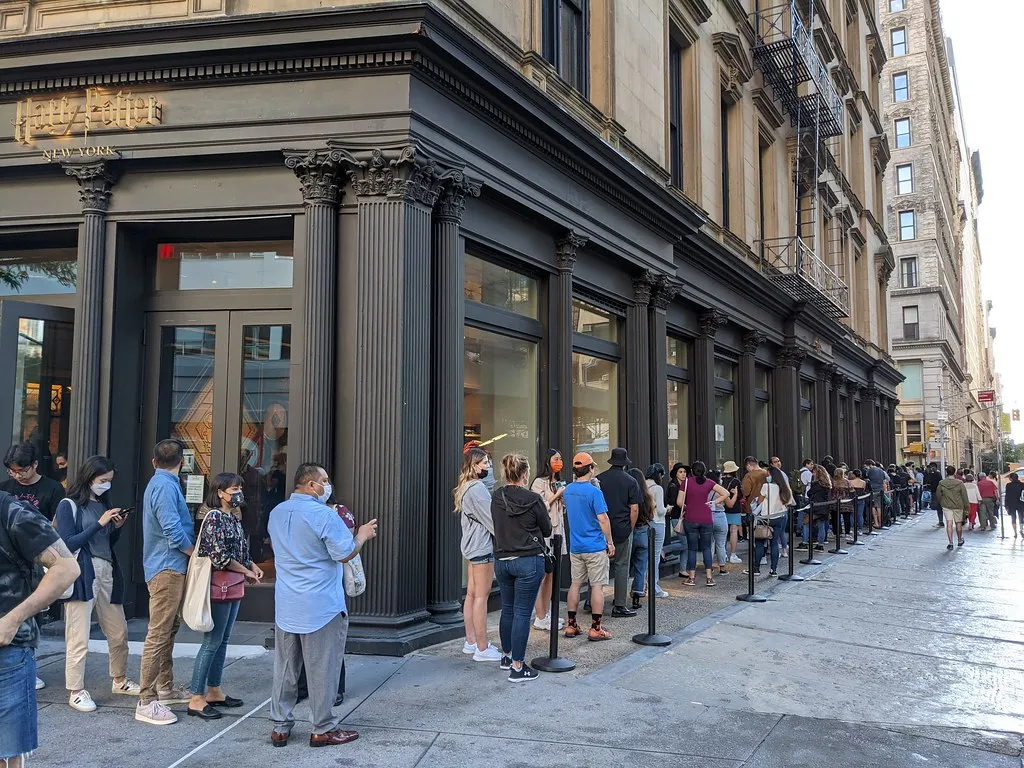
Forget about standing “in” line. In New York, you stand “on” line, whether you’re waiting for a bagel or a Broadway show. It’s one of those quirks so deeply embedded in the local dialect that New Yorkers don’t even notice they do it. Visitors, on the other hand, often get a puzzled look when a local tells them to “get on line.”
A combination of a lack of understanding when communicating with New York folk, coupled with the non-use of typical New York words and phrases, says enough about a person’s tourist status, much to locals’ entertainment. There’s a whole dictionary of examples of fine New York lingo. New York-dwellers don’t “stand in line,” they “stand on line,” and uptown and downtown are both traffic and subway directions as well as actual destinations.
Saying “The Subway” Instead of “The Train”
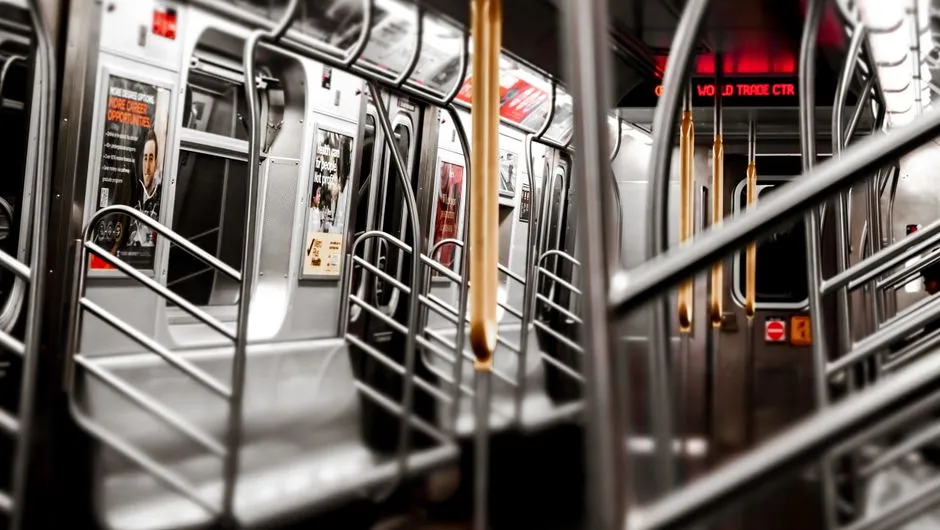
Tourists will say “riding the subway,” while locals will say “riding the train.” The subway refers to the entire underground system, so saying “riding the subway” isn’t at all correct. It’s a subtle distinction, but one that immediately marks you as someone who learned about the transit system from a guidebook rather than from daily use.
In many cities, it’s called the metro, underground, or tube. In New York, it’s always “the subway” for the system, but a New Yorker catching a specific line will just say “the train.” Knowing which word to use, and when, is a quiet but reliable signal of familiarity with the city.
Calling Manhattan “New York”
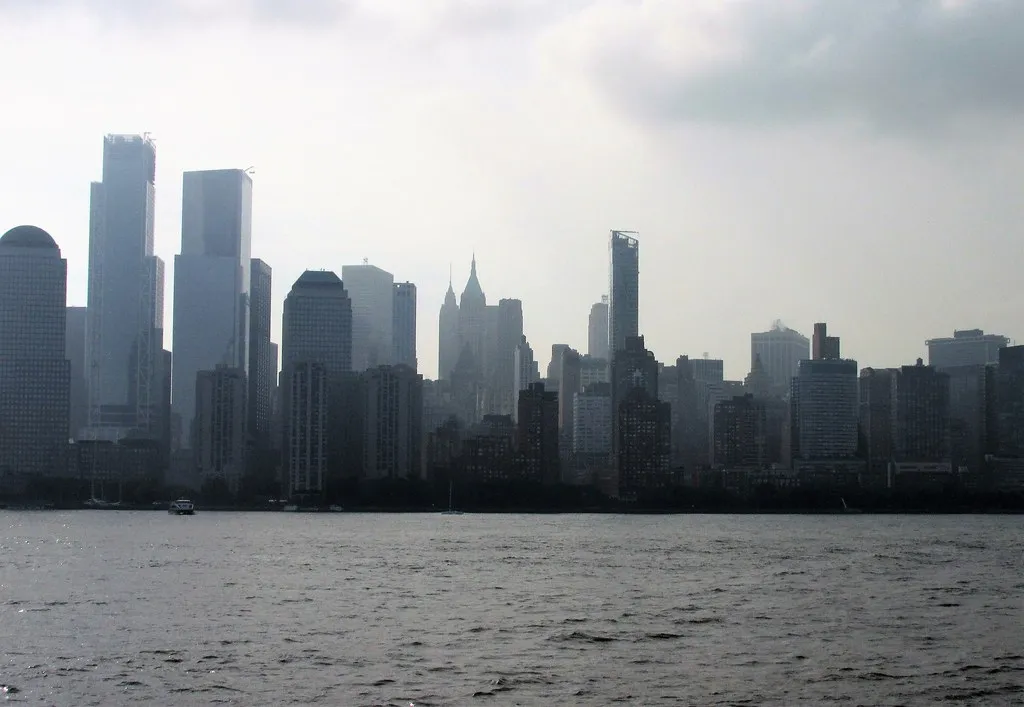
Geographically speaking, New York City is made up of five boroughs: Manhattan, Queens, Brooklyn, the Bronx, and Staten Island. However, when a New Yorker mentions “the city,” they are only talking about Manhattan. Calling the whole thing “New York” while talking about a specific neighborhood in Brooklyn, or asking someone if they live “in New York” when they live in Queens, signals immediately that you don’t quite grasp how the city is structured.
New York City is made up of five boroughs: Manhattan, Brooklyn, Queens, The Bronx, and Staten Island. Each has its own unique character. Borough identity matters deeply to residents, and flattening everything into “New York” is the conversational equivalent of getting off at the wrong stop.
Asking for a “Sub” Instead of a “Hero”

In Connecticut, they call it a grinder. In the Midwest, they call it a “sub.” But, in New York, a “hero” is a long deli sandwich that is made with either hot or cold fillings or meat and cheese and that is topped with the condiment of your choice. Walk into a deli and ask for a sub and you’ll get served, but you’ll also get a look.
Anyone who is new to New York may be confused when they hear the people in front of them on line order a “hero” in a sandwich shop. Have no fear, they are not phoning in Superman because they just saw the Joker down the block. The city is safe – they are just ordering a sandwich that others may call a sub or hoagie. This is one of those language differences that feels small but comes up almost every lunch hour.
Ordering “A Coffee” Without Knowing the Code

In New York, a “regular coffee” is with cream and two sugars. No need to specify unless you want something different. Walk into a bodega or diner and ask for a “regular coffee,” expecting something plain and black, and you’ll be surprised at what arrives. It’s one of those in-the-know details that locals absorb without thinking about it.
You can find a “bodega” on almost every corner of New York City. The term is most commonly used on the East Coast to describe a small mini-mart type store that sells anything from liquor and lotto tickets to magazines and grocery store products. Not knowing what a bodega is, or calling it a “convenience store,” is another clear signal that you’re passing through rather than living here.
Using North, South, East, and West Instead of Uptown and Downtown
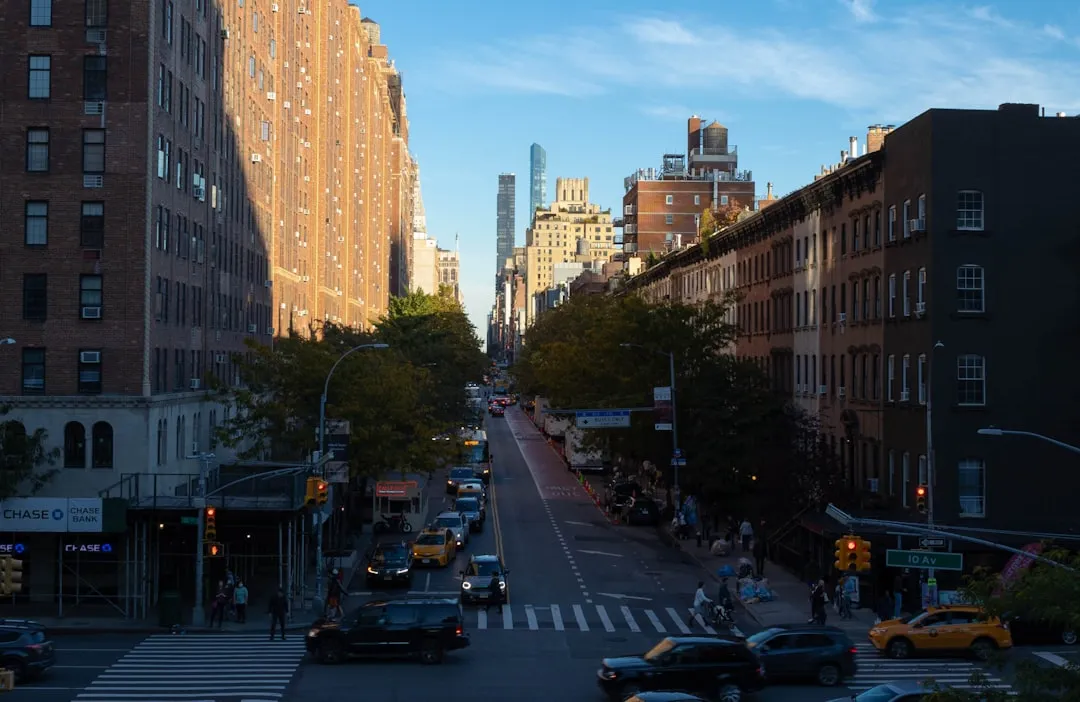
In NYC, giving directions to lost tourists requires the phrases “going uptown” and “going downtown.” “Going uptown” simply means going north where the numbers of the streets increase, the latter meaning just the opposite. Locals almost never use compass directions when talking about Manhattan. They think in terms of uptown and downtown, and if you ask someone which way is north, they might pause and actually have to think about it.
If you are trying to figure out which way is North/South or Uptown/Downtown, you simply need to look at the numbers. Street numbers go up as you go north (uptown) and go down as you go south (downtown). Once you learn this, Manhattan’s grid becomes surprisingly navigable. Until then, you’re the person spinning slowly on the corner with your phone pointed at the sky.
Stopping Dead on the Sidewalk
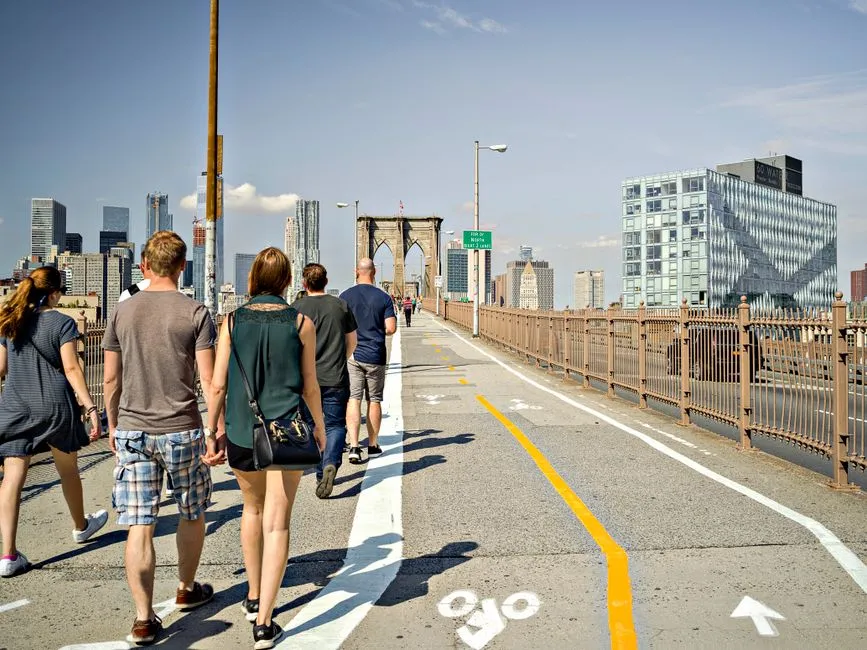
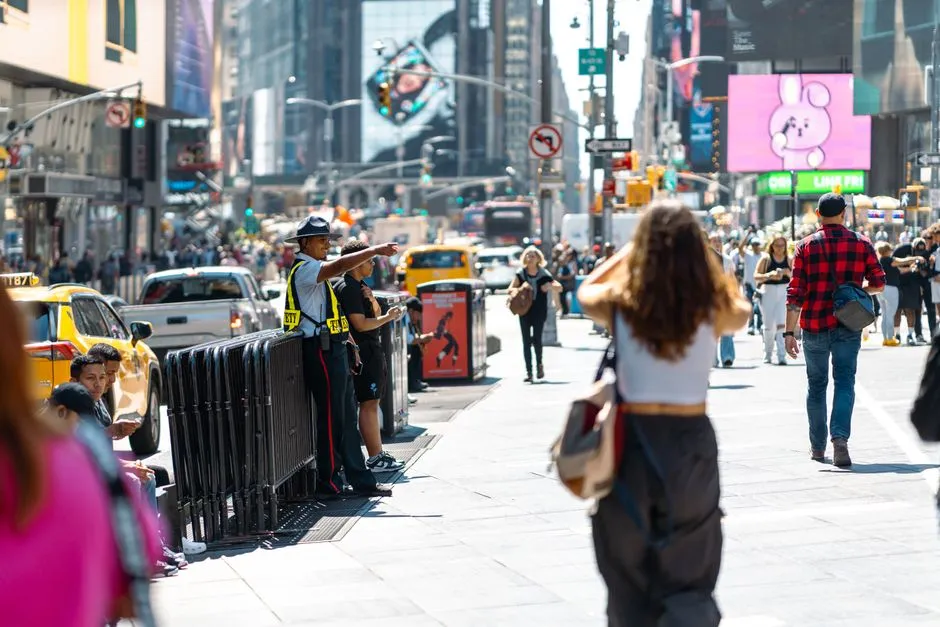
On the busy streets of New York City, it’s common to come across tourists who seem to be ambling around aimlessly. While their lack of directional clarity is understandable, given how overwhelming the city can be for newcomers, their meandering can create a nuisance for local pedestrians. Not only do they fail to adhere to the general pace of the city, but they also habitually stand in the middle of a sidewalk and stop dead in their tracks while staring at maps on their phones.
New Yorkers are always in a hurry. This translates to a shared pet peeve: things that get in the way and slow them down, whether that comes in the form of train delays, traffic or other people. Stopping mid-sidewalk isn’t just a behavioral tell, it’s also a phrase waiting to happen: “Sorry, can I just – which way is Times Square?” Everything about that moment, from the pause to the question itself, communicates “tourist” to everyone within earshot.
The Takeaway: Language Is the Real Passport
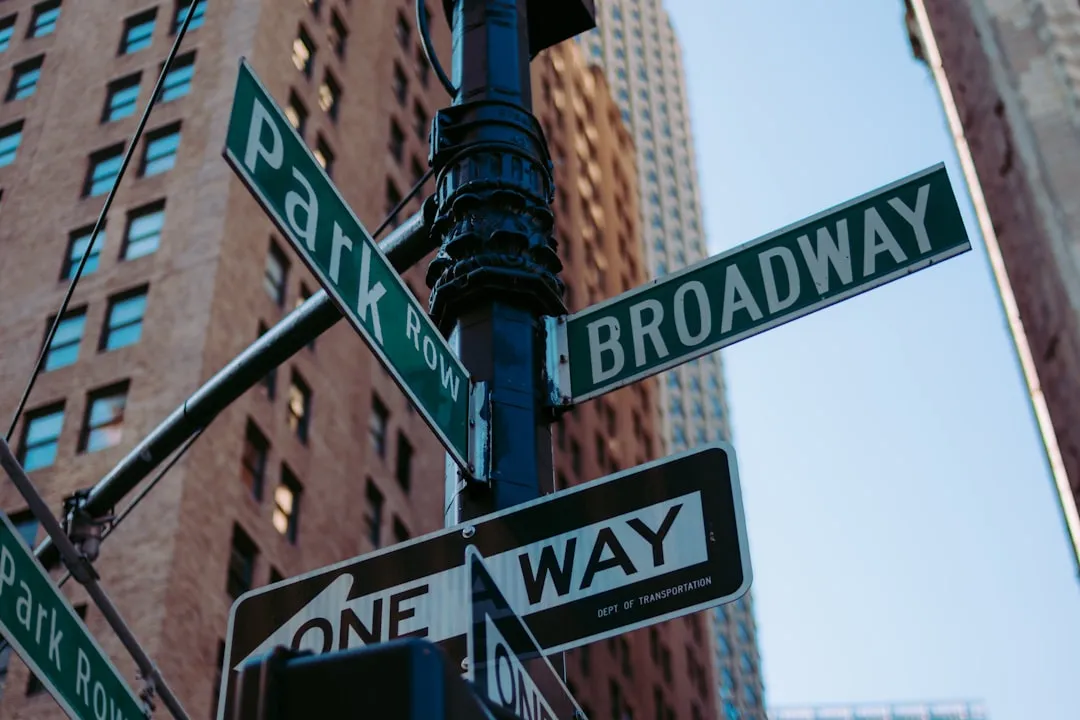
Visiting New York is one of the great travel experiences in the world, and there’s absolutely nothing wrong with being a first-timer. The Houston Street pronunciation difference represents more than just a linguistic quirk – it’s become a marker of local identity and a beloved part of New York City culture. While it may continue to confuse tourists, its unique pronunciation serves as a reminder of the city’s rich history and distinct cultural identity.
The real value in learning these distinctions isn’t about pretending to be someone you’re not. It’s about showing genuine curiosity and respect for the place you’re visiting. New Yorkers are as nice as anyone else, as long as you know NYC etiquette. Pronounce “HOW-stun” correctly, stand on line, ask for your hero at the deli, and the city opens up a little differently. Not because you’ve fooled anyone, but because you’ve made the effort to meet it on its own terms.
AI Disclaimer: This article was created with the assistance of AI tools and reviewed by a human editor.