

Most travelers consider themselves reasonably savvy when it comes to long-haul flights. They pack a neck pillow, download a few shows, maybe splurge on an aisle seat. What they rarely consider is that the one habit they’ve leaned on since their very first overseas trip, the habit that feels perfectly sensible and even restorative, is quietly making their jet lag significantly harder to shake.
Flight attendants see this play out constantly. They work across time zones for a living, and over years of observation, they’ve identified patterns in how passengers behave and how those behaviors translate into days of sluggishness at the destination. The culprit isn’t always dramatic. Sometimes it’s the most ordinary thing in the world.
Reaching for a Glass of Wine the Moment the Seat Belt Sign Goes Off
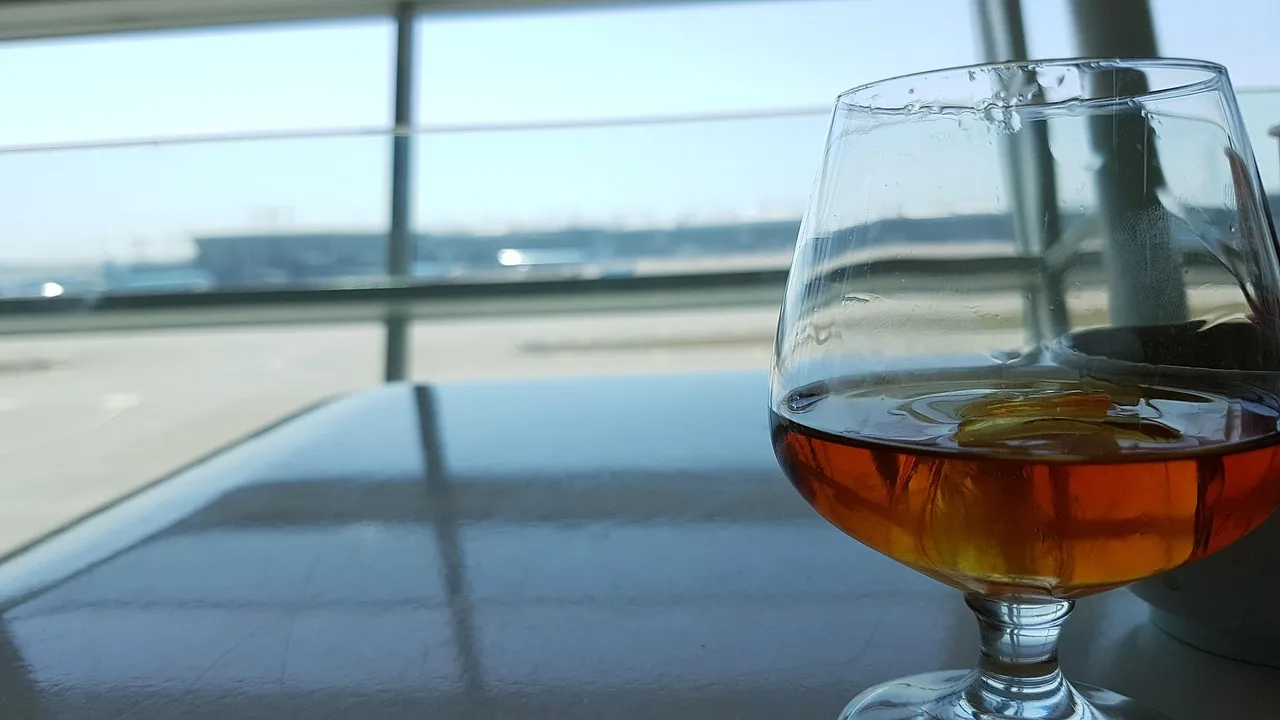
It feels like a small ritual of celebration, the flight is underway, you’re on holiday, and that glass of red seems perfectly harmless. Research has found that alcohol compounds the effects of high altitude on people’s bodies, putting an extra burden on the cardiovascular system, reducing blood oxygen levels, compounding dehydration, and impairing sleep quality.
Alcohol inhibits antidiuretic hormones, which cause people to urinate more frequently, removing water from the body and further interrupting sleep. That mid-flight nap you were counting on will be lighter, more fragmented, and far less restorative than you’d expect. Caffeine and alcohol also disrupt your sleep, so even if you manage to grab some rest on your flight, it likely won’t be very high quality.
According to Jay Robert, a senior cabin crew member with nearly 20 years of experience in the airline industry, avoiding dehydrating beverages like alcohol and coffee is key to lessening jet lag symptoms, with his best advice being to skip both entirely on board. That’s a strong position, and it comes from someone who has watched the consequences up close, flight after flight.
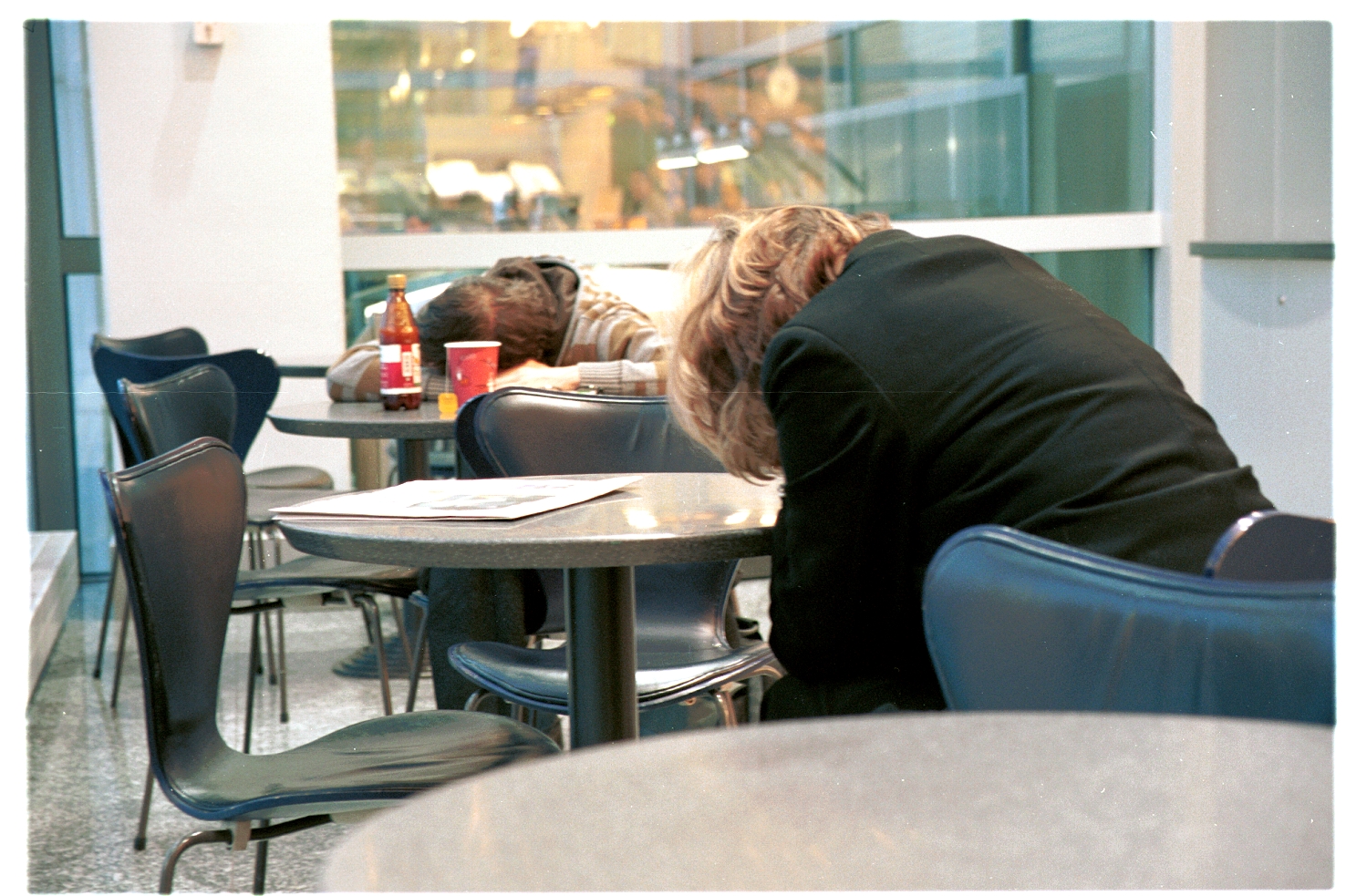
Taking a Long Nap the Moment You Arrive at the Hotel

You’ve just crossed eight time zones, dragged your luggage to the hotel, and the bed looks like the most welcoming thing on earth. The urge to collapse for a few hours feels not just reasonable, but medically necessary. It isn’t. Upon arrival at the destination, staying awake during the local day will increase the homeostatic drive for sleep and help facilitate sleep during the local night.
Short daytime naps of twenty to thirty minutes can be utilized to help sustain alertness during the local day, while longer daytime naps may interfere with subsequent nighttime sleep. The science here is fairly unambiguous. Avoid napping longer than twenty minutes during the day, as long naps anchor your body clock to the wrong time.
Waiting until the local evening to rest allows the body to adjust faster to the new time zone, while short naps earlier in the day can be tempting but often prolong adjustment. The discipline required to resist that hotel bed is real, but the payoff in reduced jet lag is just as real.
Ignoring Hydration Until You Feel Thirsty
Thirst is actually a delayed signal. By the time you consciously feel it on a plane, you’re already behind. Commercial aircraft maintain cabin pressure equivalent to altitudes of six thousand to eight thousand feet, and at this altitude, lower oxygen partial pressure increases respiratory rate, higher breathing rate accelerates water loss through exhalation, and cabin air humidity drops to levels comparable to desert conditions.
Dehydration worsens jet lag, as lack of fluids makes it harder for your body to adjust to new time zones and can amplify feelings of fatigue, confusion, and poor sleep quality, meaning you may take longer to recover after landing. Flight attendants understand this acutely because they’re working in that same dry air for hours at a stretch. The air in the cabin is often dry, which can lead to faster dehydration, and staying regularly hydrated is considered essential even when you don’t feel thirsty.
Alcohol and caffeine can both cause dehydration, which can further exacerbate jet lag. The practical fix is straightforward: aim to drink roughly 240 ml of water every hour while in the air, sipping steadily rather than drinking too much at once for better absorption.
Keeping Your Phone and Watch on Your Home Time Zone

Some travelers insist on keeping all their devices running on home time. It feels psychologically grounding, and for very short trips it might even make logistical sense. On longer journeys across multiple zones, though, it actively works against your body’s ability to recalibrate. The circadian system remains aligned with the departure time zone rather than adjusting to the arrival time, resulting in the onset of jet lag syndrome.
Jet lag occurs when the body’s internal circadian rhythm is disrupted due to rapid travel across multiple time zones, and the body struggles to synchronize its internal schedule with the new local time, resulting in fatigue and sleep disturbances. Keeping your devices on home time reinforces that misalignment by nudging your behavior toward the wrong clock at every moment. Every glance at your phone reminds your brain that it’s 3 a.m. at home, making it harder to commit to staying alert through the afternoon at your destination.
Flight attendants are consistent on this point: switch to local time the moment you board. It’s a small mental adjustment that carries a measurable physical benefit over the course of recovery.
Eating Heavy, Salty Meals on Board
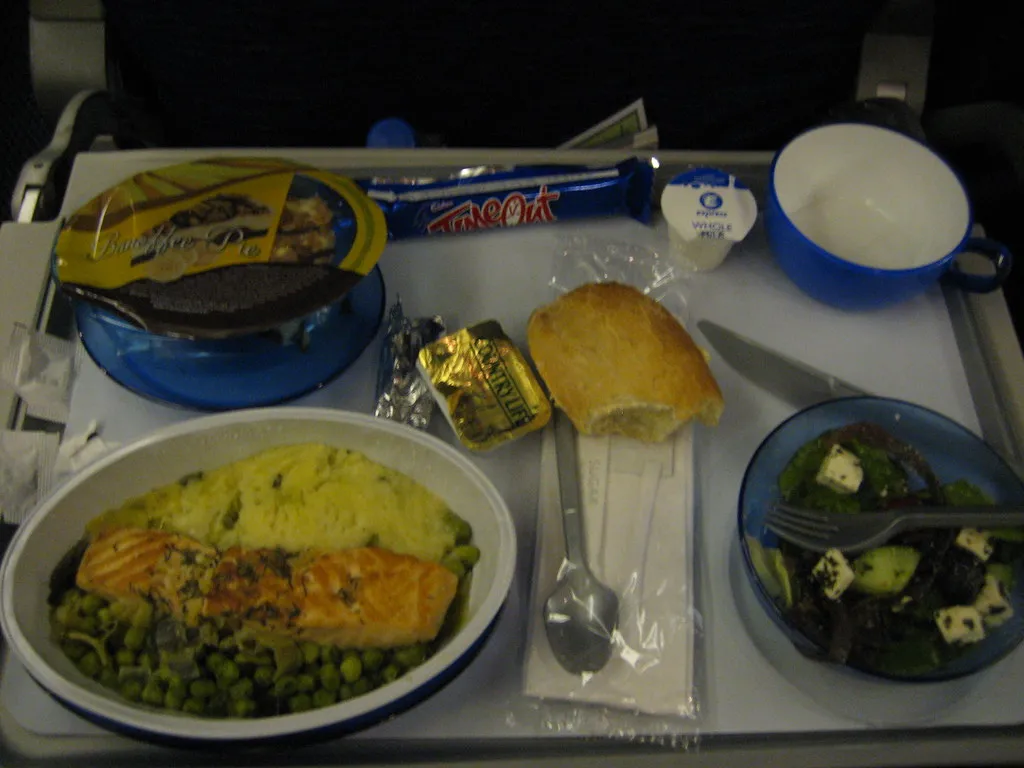
In-flight catering tends toward rich, sodium-heavy dishes, and after the boredom of a long cruise altitude, eating feels like one of the few available pleasures. The problem is that heavy meals, particularly those high in sodium, compound the dehydrating effects of the cabin environment and make digestion sluggish at exactly the wrong time. Flight attendants try to eat light both on and off the aircraft so that the body can recover better from jet lag symptoms and bloating caused by flying.
Senior cabin crew member Jay Robert noted that eating fresh food on a flight and avoiding heavy, sodium-packed dishes made a significant difference in how he felt on arrival, with hydrating foods like salad and fresh fruit being his preference. The reasoning is partly about digestion and partly about hydration. Salty food increases your body’s demand for water at a time when the cabin is already stripping moisture from you. Opting for nutrient-rich foods such as fruits, vegetables, lean proteins, and whole grains helps replenish energy stores and support overall well-being during travel.
Skipping Physical Movement Entirely During the Flight
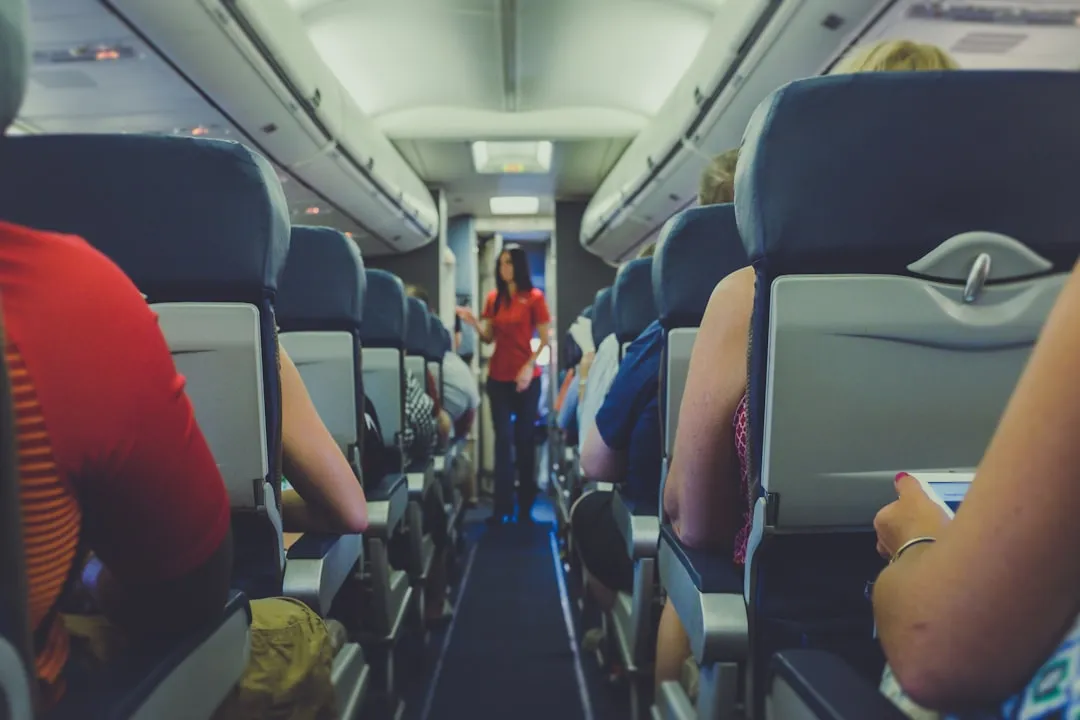
Sitting almost perfectly still for ten or twelve hours might feel like the respectful, low-maintenance thing to do, but your body has other needs. Long periods of sitting on a plane, lack of oxygen and decreased air pressure in the airplane cabin, and warm cabin temperature combined with low humidity can all contribute to jet lag and may make symptoms worse.
Exercise is another effective way to combat jet lag, as engaging in physical activity such as walking can keep your body active and help it adjust to new daylight hours. That doesn’t mean running laps around the aircraft. Even getting up once every couple of hours to stretch, walking to the back galley, or doing simple ankle rotations in your seat makes a measurable difference to circulation. Exercise outdoors, which combines physical activity with natural light, is a particularly powerful circadian reset tool once you’ve arrived at your destination.
Using Sleeping Tablets to Force Sleep on the Plane

Sleeping tablets feel like a logical solution. The flight is long, sleep is valuable, and a pill seems like the most efficient path from wakefulness to rest. Flight attendants are notably cautious about this habit, and not only for safety reasons. Flight attendants advise passengers not to take sleeping tablets because if there is an emergency, rousing those passengers to respond becomes extremely difficult.
Beyond the safety concern, drug-induced sleep doesn’t have the same circadian signaling value as natural sleep. In-flight sleep can be better maximized by minimizing alcohol consumption, which tends to reduce sleep latency but increase sleep fragmentation, as well as caffeine intake. Forcing heavy sedation at an arbitrary moment during the flight can actually anchor your body clock to the wrong phase, meaning you wake up groggy and out of sync with wherever you’ve landed.
Lavender-scented pillow sprays and relaxation teas are practical, gentler alternatives that experienced crew members recommend for improving rest quality on board. The goal isn’t to knock yourself unconscious; it’s to ease your body toward natural, rhythmically appropriate sleep.
Getting Maximum Bright Light at the Wrong Time of Day

Sunlight is the single most powerful signal your circadian system responds to. The catch is that timing matters enormously, and most travelers never think about it at all. Getting flooded with bright morning light after westward travel or bright evening light after eastward travel can shift your body clock in the exact wrong direction, extending recovery rather than shortening it.
On arrival, exposing yourself to bright outdoor light at the times your body clock needs to shift, specifically morning light after eastward travel and evening light after westward travel, is one of the more powerful tools for circadian realignment. This is why flight attendants often insist on getting outside immediately after landing, but strategically. Despite being tired, experienced crew members leave the hotel as soon as they arrive, try to stay awake until the evening, because fresh air, sunlight, and exercise help the body get used to the new time.
Interventions such as personalized light exposure and chrono-modulation can significantly improve sleep quality, reduce jet lag symptoms, and promote better health outcomes. Light isn’t just pleasant; it’s medicine for your internal clock when used correctly.
Flying Eastward and Expecting the Same Recovery as a Westward Trip
Not all jet lag is equal, and direction of travel matters more than most people realize. Passengers who return from a long trip westward and feel relatively fine within a day often make the mistake of assuming a similar eastward route will be comparable. It won’t be. Research has shown that jet lag is worse when travelling east compared to travelling west, because when you travel west, the time zones go back and you gain time, prolonging the circadian rhythm’s normal day-night cycle, with recovery from jet lag typically occurring faster when travelling westward.
This asymmetry is biological. The human circadian clock naturally runs slightly longer than twenty-four hours, which makes it easier to delay sleep than to advance it. Eastward travel forces an advance, pushing your bedtime and wake time earlier than your body wants to go. Shifting sleep one hour earlier per day in the two to three days prior to an eastward trip may reduce the amount of time required to adjust to the destination time zone.
Flight attendants who work heavy eastward routes know this well and plan their pre-trip sleep differently from colleagues on westward rotations. Travelers who account for direction can calibrate their expectations, and their recovery strategies, more accurately.
Assuming Jet Lag Is Just Tiredness and Powering Through Without Any Strategy
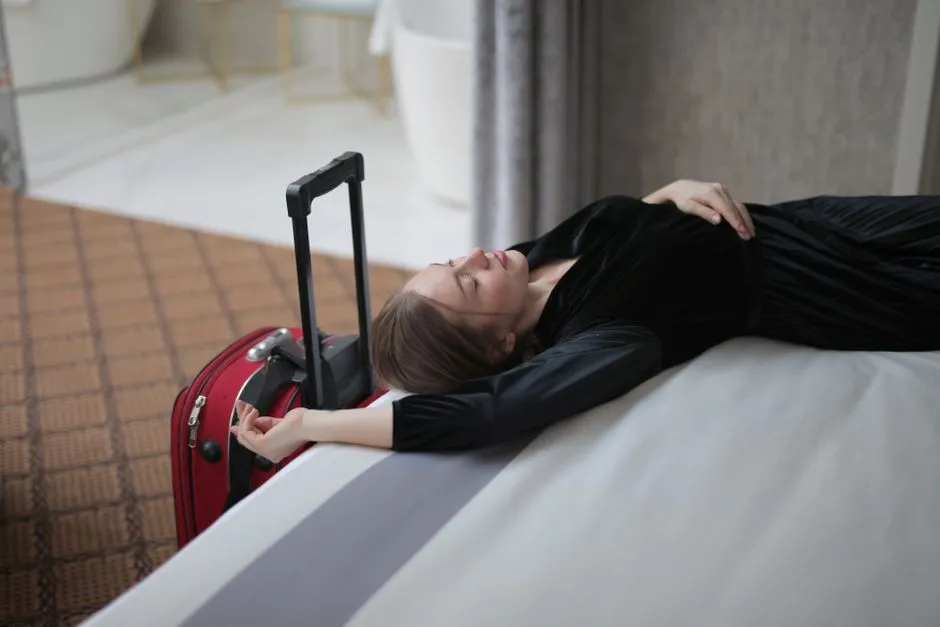
Jet lag disorder is not just a general feeling of low energy; it can manifest as sleep disturbances, cognitive impairment, daytime sleepiness, general malaise, and gastrointestinal disturbances. Treating it as simple fatigue that coffee can fix tends to lead travelers to make exactly the wrong choices throughout their first day or two. One recent survey reported that roughly two thirds of international business travelers experienced negative symptoms of jet lag on a regular basis.
Jet lag is a common condition that can affect up to seventy percent of long-haul travelers and almost all travelers crossing three or more time zones. The sheer prevalence of it has normalized suffering through it without strategy. The circadian rhythm regulates body functions based on the wake and sleep cycle and can be disrupted by changes in sleep, with the disruption compounding over successive affected nights.
There’s no one-size-fits-all solution for jet lag, as each person’s body reacts differently, and finding the right approach may require some experimentation. What flight attendants universally agree on, however, is that having a deliberate approach, adjusting meals, managing light exposure, avoiding alcohol, and committing to the local clock, is always more effective than simply gritting it out and hoping for the best.
A Smarter Way to Land
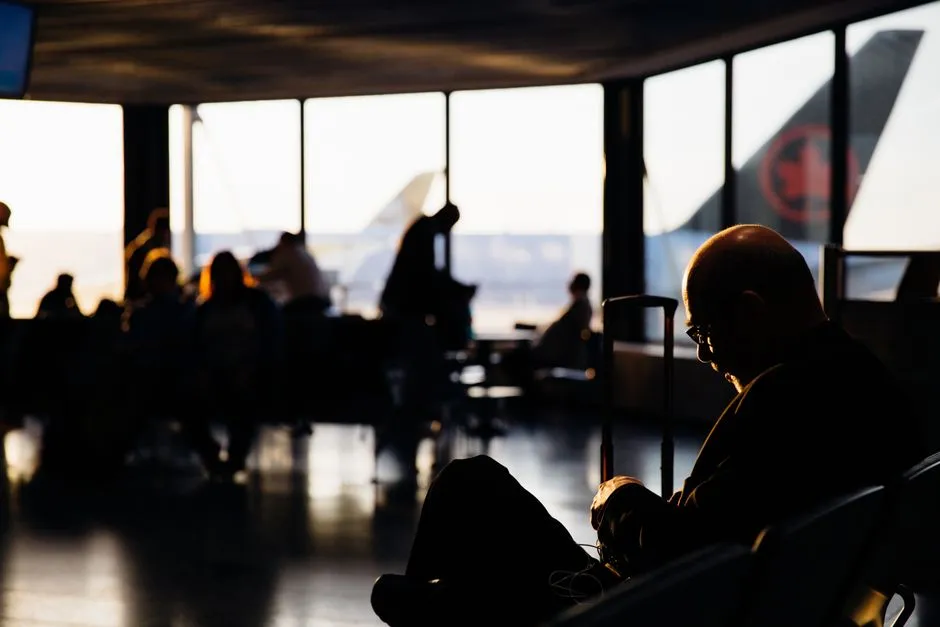
The through-line connecting all ten of these habits is surprisingly simple: jet lag is a physiological condition that responds to deliberate behavioral choices, not just rest. A major study drawing on over one and a half million nights of sleep data published in the journal SLEEP in 2025 confirmed how persistent the impacts of travel-related sleep disruption genuinely are, particularly when it comes to adjusting sleep timing.
Flight attendants are, in a sense, living laboratories for jet lag management. They don’t have the luxury of writing off three days at a destination to recovery. Their knowledge isn’t theoretical; it comes from repeating long-haul crossings dozens of times a year and testing what actually works. Travelers may feel as though they are not suffering from jet lag immediately following travel, only for the circadian misalignment to become evident as sleep pressure normalizes, which is exactly why proactive habits matter more than reactive ones.
The real takeaway is that the most damaging jet lag habits tend to feel perfectly reasonable in the moment. Skipping water for wine, collapsing into a long nap, powering through on caffeine. None of them feel like mistakes until a week into a trip that should have felt effortless by day two. A few small adjustments, guided by the people who live this reality, can change that equation considerably.
AI Disclaimer: This article was created with the assistance of AI tools and reviewed by a human editor.