
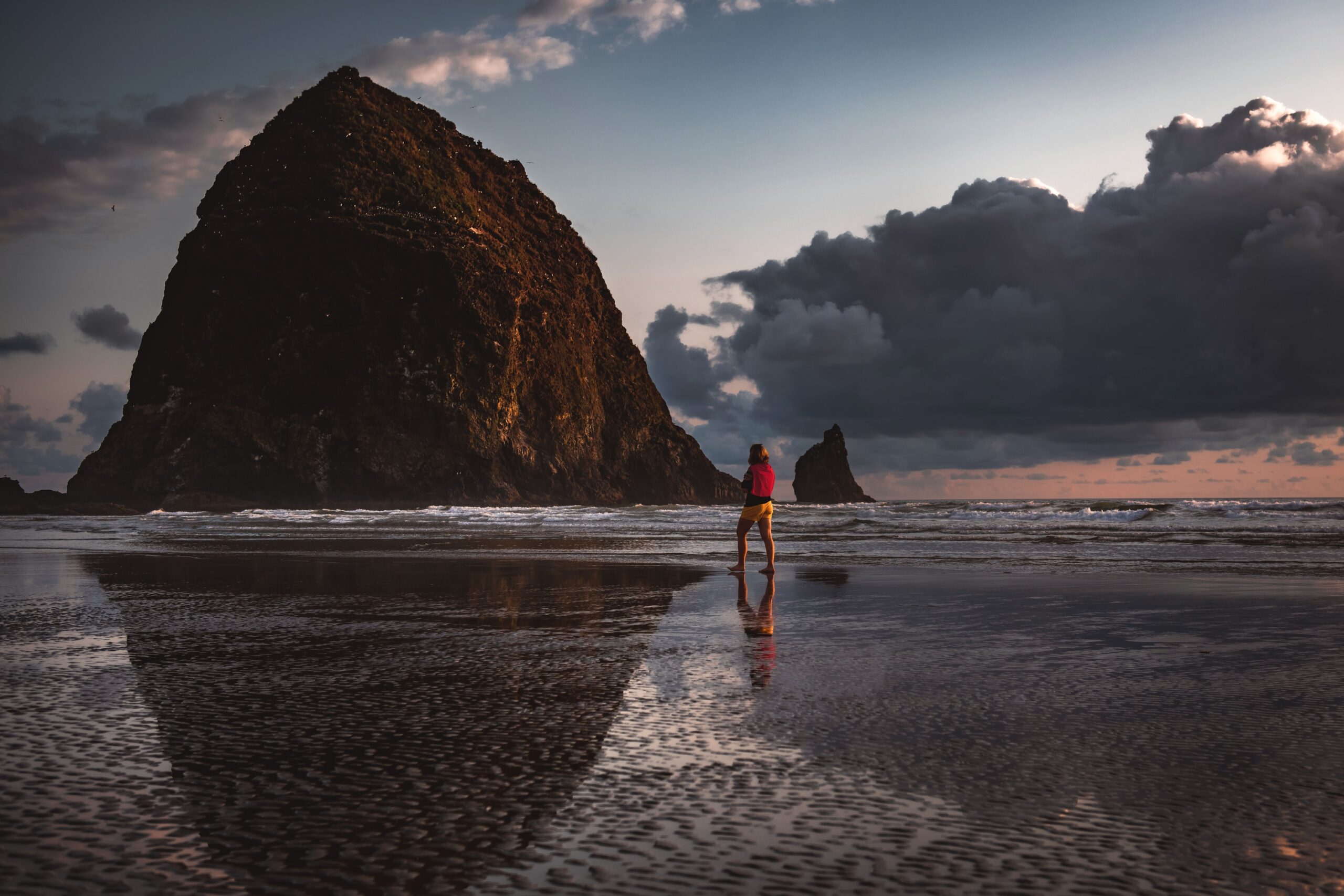
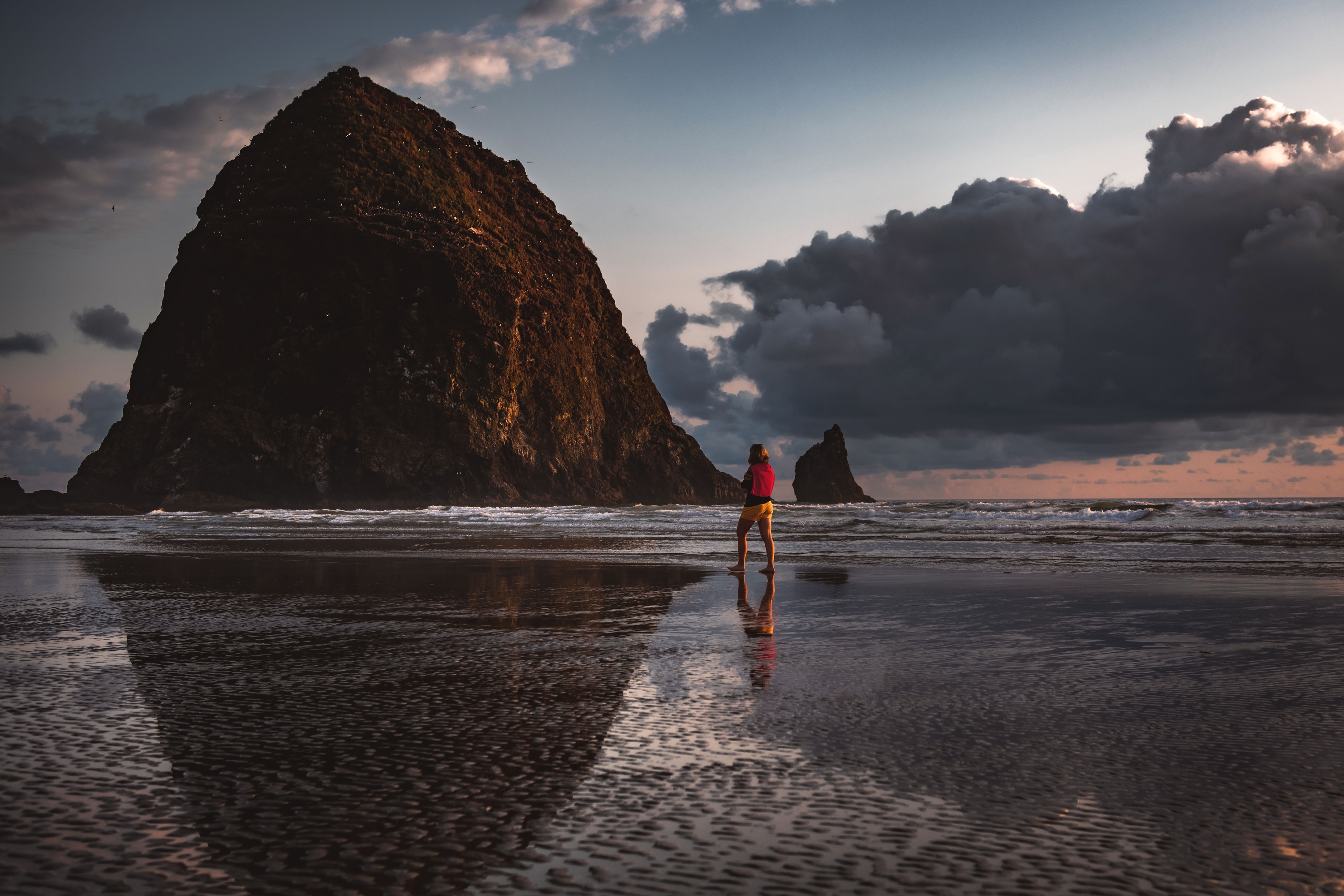
Every few weeks along Oregon’s northern coast, the Pacific Ocean pulls back just far enough to reveal a world most people never see. Rocky ledges appear from nowhere. Shallow pools glitter in the morning light. Star-shaped creatures in purple, orange, and rust cling to every surface in plain sight. This is Cannon Beach doing what it does quietly, repeatedly, and remarkably well.
The timing matters more than most visitors realize. You can’t simply show up and expect this. The most spectacular displays of starfish and intertidal life happen during a narrow window each year, driven by tides, daylight, and biology that all need to line up at once. Here is everything you need to know before you go.
Why Cannon Beach Is the Right Place to Start
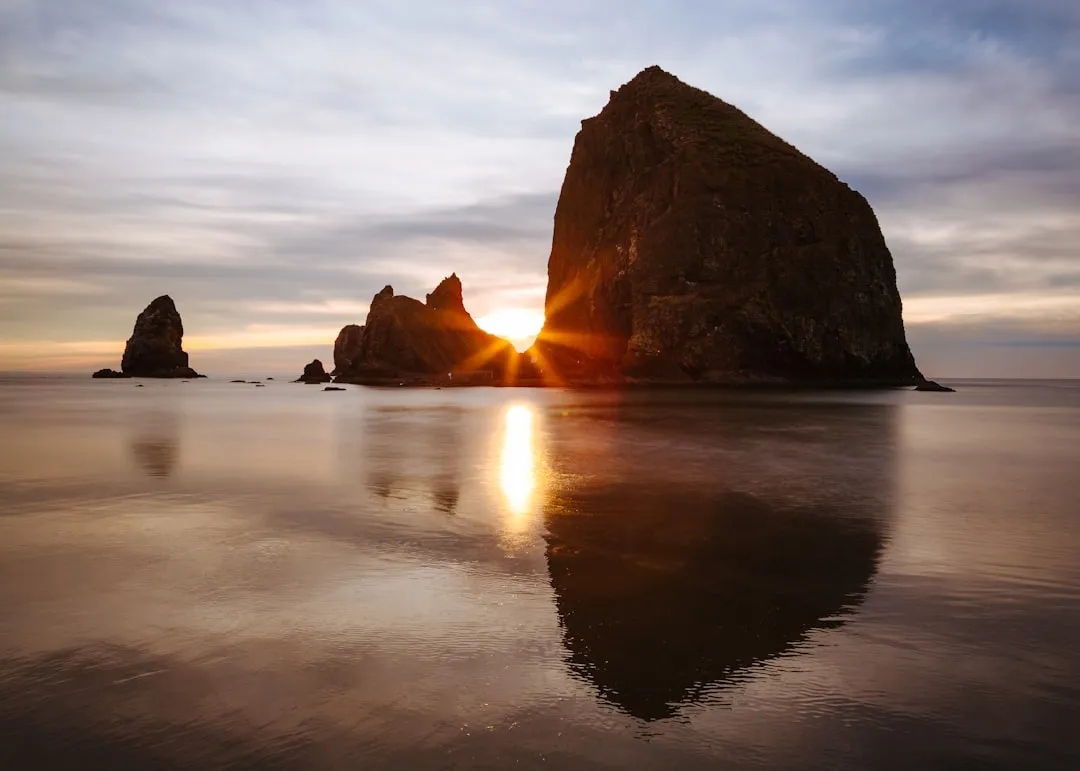
Perhaps the best-known tide pooling spot on the Oregon Coast is Haystack Rock. This 235-foot basalt sea stack is memorable for its striking conical shape and its proximity to shore, and during low tide, you can walk up to it and see the intertidal life surrounding it. That accessibility is genuinely rare. Most impressive tide pool locations require a hike, a scramble, or local knowledge. Cannon Beach puts the pools right at your feet.
Its intertidal area is one of Oregon’s seven Marine Gardens, and above the high tide line, Haystack Rock is protected as part of the Oregon Islands National Wildlife Refuge, providing habitat for a wide range of seabirds, including the most accessible colony of tufted puffins in the Northwest. That protection is part of what makes the ecosystem here so rich. Less disturbance over decades means more life in the pools.
The Three Months That Actually Matter: Spring Through Midsummer
Minus tides in Cannon Beach begin in spring, and the lowest minus tides of the year occur in summer. This creates a seasonal window, roughly from late April through July, when the ocean retreats far enough to expose the deepest tide pool zones where starfish are most visible and most abundant. Outside this window, low tides often fall at night or don’t drop low enough to reveal the good stuff.
Tide pools are most accessible and visible during the spring and summer months, particularly between April and August, when daylight hours are longer and weather conditions are generally more favorable. The combination of daytime minus tides and decent light is what creates those vivid, photogenic scenes you see in coastal photography. It’s not luck. It’s a narrow seasonal overlap.
Starting in March, spring brings Oregon’s most productive tide pooling conditions, as storm systems have cleaned debris from pools and marine life activity increases with warming water temperatures. March often offers excellent negative tides with fewer crowds than summer months. For those willing to dress for unpredictable weather, early spring visits can feel like a private showing.
The Remarkable Comeback of Oregon’s Ochre Sea Stars
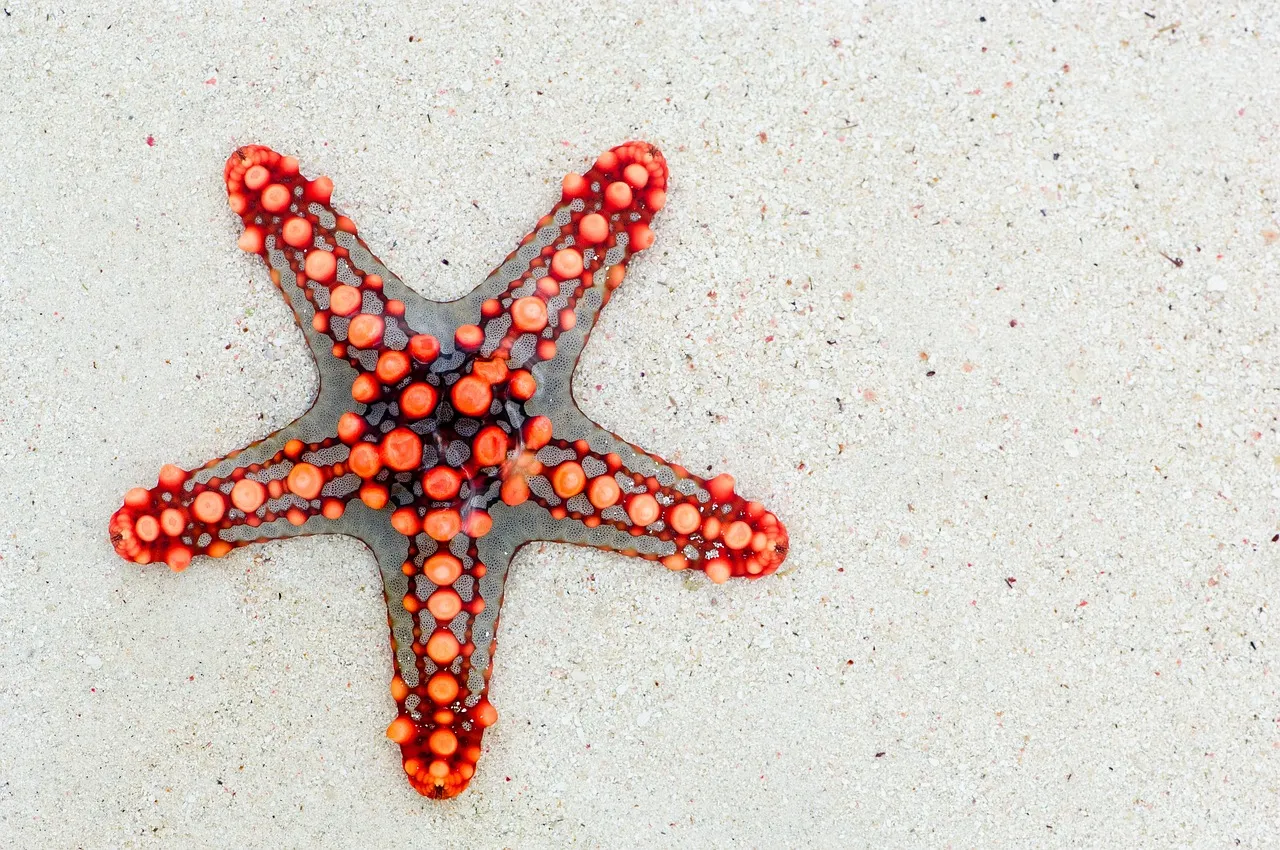
Ochre sea stars are surging back to life along Oregon’s coast after a mysterious disease nearly wiped them out a decade ago. Their return could help restore balance in rocky shore ecosystems overrun by mussels, and more than 80 percent of ochre sea stars in Oregon were killed by sea star wasting disease in 2014. What followed was one of the most dramatic ecological collapses ever recorded in Pacific Coast waters.
Researchers found that many sea star “baby boomers” have reached adulthood and that population numbers are now at or exceeding pre-wasting disease abundances. After declines of up to 84 percent in 2014, scientists quickly saw an 8,000 percent increase in young sea stars landing on shore. That extraordinary baby boom, studied by researchers at Oregon State University and Cal Poly San Luis Obispo and published in the journal Ecosphere in late 2025, now appears to be driving a genuine recovery.
However, the average body sizes of the sea stars are still about 25 to 65 percent smaller than they once were at all but one location, and populations coast-wide are generally less steady from year to year than before the epidemic. So while the tide pools of Cannon Beach are meaningfully fuller of starfish than they were just five years ago, the story of recovery is still unfolding.
What the Science Tells Us About the Cause of the Wasting Disease
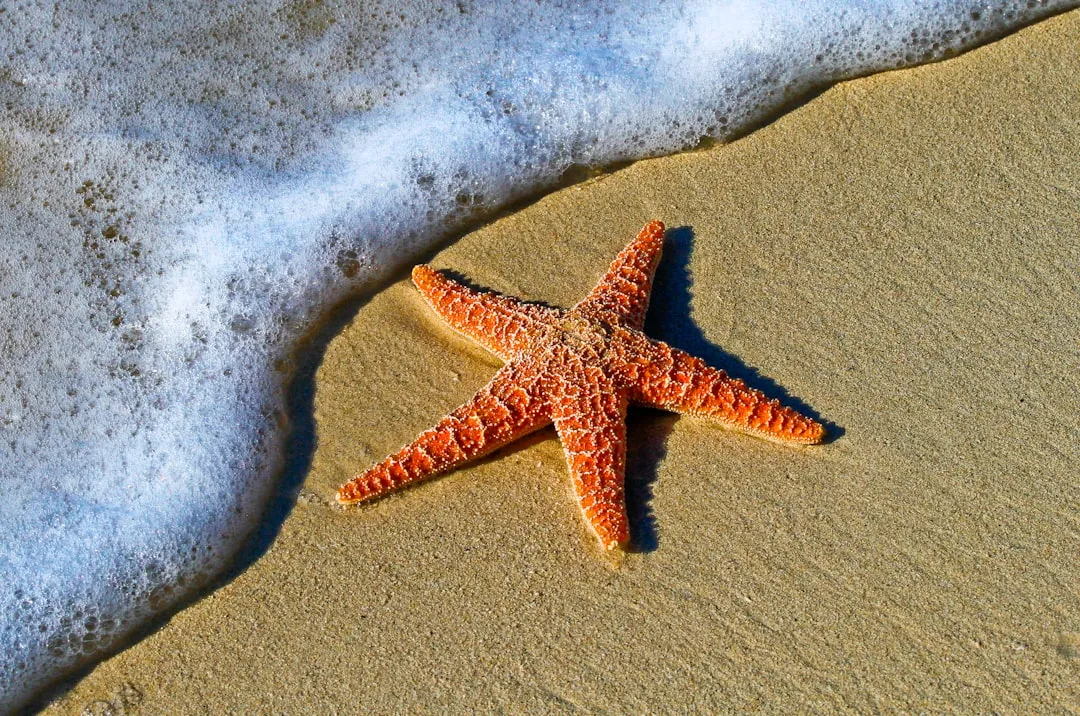
In August 2025, researchers publishing in Nature Ecology and Evolution revealed the cause of sea star wasting disease. This discovery came more than a decade after the start of the marine epidemic that killed billions of sea stars representing over 20 different species from Alaska to Mexico. Sea star wasting disease is considered the largest marine epidemic ever documented in the wild, and the investigation eventually pinpointed the microbial culprit: a strain of the bacterium Vibrio pectenicida.
Researchers at the University of Washington, University of British Columbia, the U.S. Geological Survey, and the Hakai Institute in British Columbia identified the bacteria responsible for the wasting disease, called Vibrio pectenicida. The discovery will allow researchers to learn what drives the disease and how sea stars can become more resilient in the future. It is a meaningful step, though the work to protect and restore these animals continues.
What You Will Actually See in the Pools
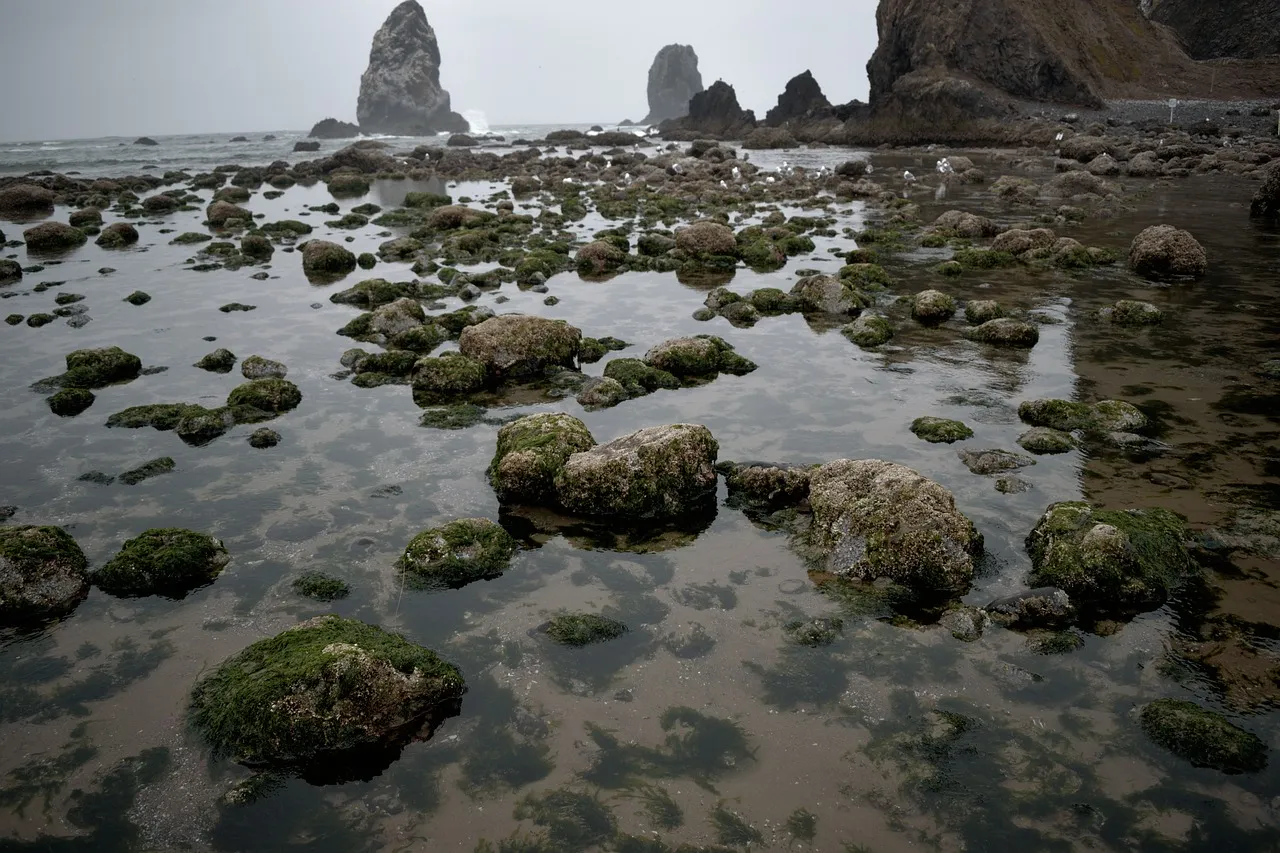
The tide pools at the base of Haystack Rock are the most famous and most accessible on the Oregon Coast. During low tide, the rock formations surrounding the 235-foot sea stack come alive with sea stars in both purple and orange ochre varieties, green anemones, hermit crabs, mussels, barnacles, and sometimes even nudibranchs if you look closely. Most people are surprised by just how much is packed into a single pool.
Ochre sea stars, Oregon’s signature tide pool species, come in purple, orange, and brown color variations. These keystone predators control mussel populations and shape entire intertidal ecosystems. Starfish can eat things much larger than themselves because they put their stomach outside their body and digest food externally, and they are able to regrow lost limbs. Once you know that, watching them becomes something else entirely.
You can also expect to see many species of marine plants and animals in Oregon tide pools including algae, kelp and seaweeds, barnacles, mussels, snails, nudibranchs, crabs, chiton, sea urchins, limpets, sea anemones, and occasionally even a giant Pacific octopus. The biodiversity in a single visit, if timed right, can be genuinely astonishing.
Understanding Minus Tides and How to Time Your Visit
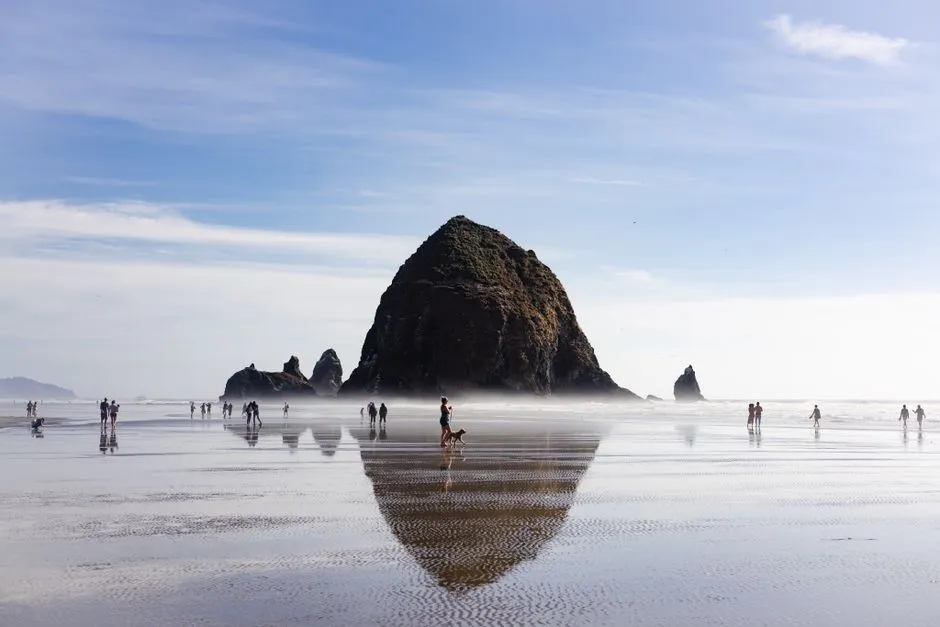
Tides of 0.0 feet and lower are best for visiting rocky shore areas, though tides up to two feet high can still provide good viewing in certain spots when the ocean is calm. Try to visit the tide pools at least one hour before low tide for the best viewing. The pools are most fully exposed in the lead-up to the lowest point, not after it, because the water begins rising again immediately.
Not all low tides are created equal. The lower the better for seeing tide pools, and negative numbers on a tide table are the best-case scenario. Minus tides, those that drop below the average low tide line, occur a few times a month and provide the best chance to see a wider array of marine life. NOAA publishes these predictions well in advance, and planning around them is the single most important thing you can do before your visit.
Beyond Haystack Rock: Quieter Spots Worth Knowing
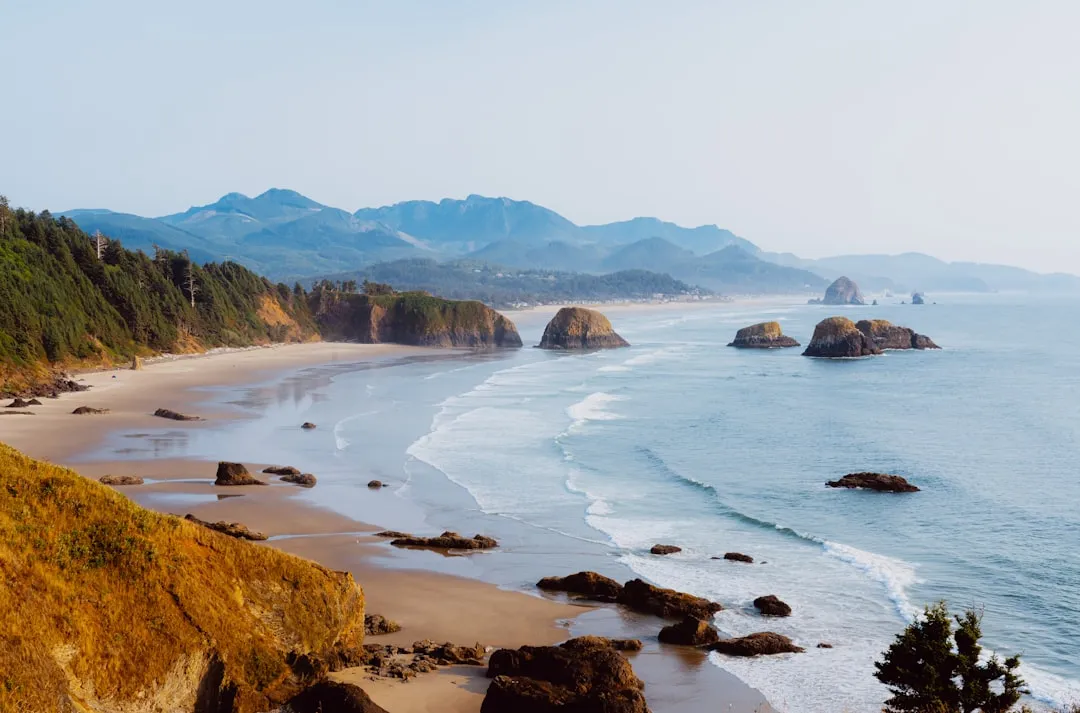
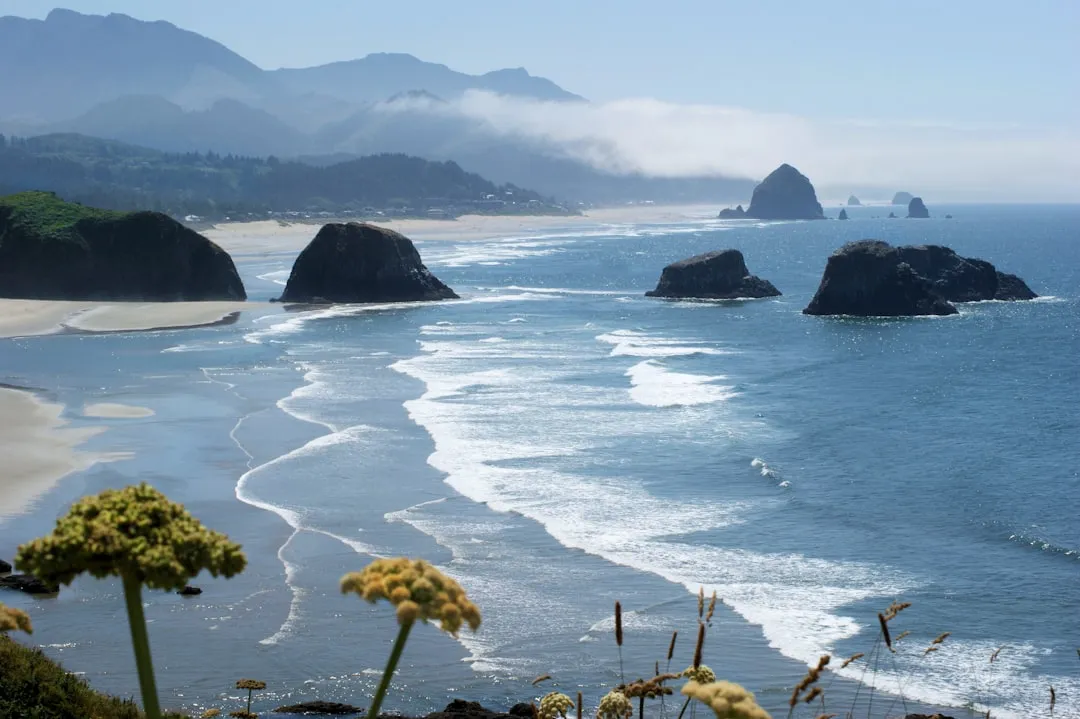
The beach around Haystack Rock can get very crowded, especially on beautiful summer days. To see Cannon Beach’s intertidal life without the crowds, head down the beach to the lovely but less famous sea stacks at Silver Point. The bases of the sea stacks there are so covered in intertidal critters that it is difficult to see any bare rock.
Indian Beach, located inside Ecola State Park, is less trafficked and great for quiet exploration. Visit the south end of the beach to find tide pools between the boulders. The pools there tend to have more variety because fewer people visit, and the rock formations create deep pools that hold larger creatures. It rewards those willing to walk a bit further.
The Ecological Importance of Starfish in These Pools
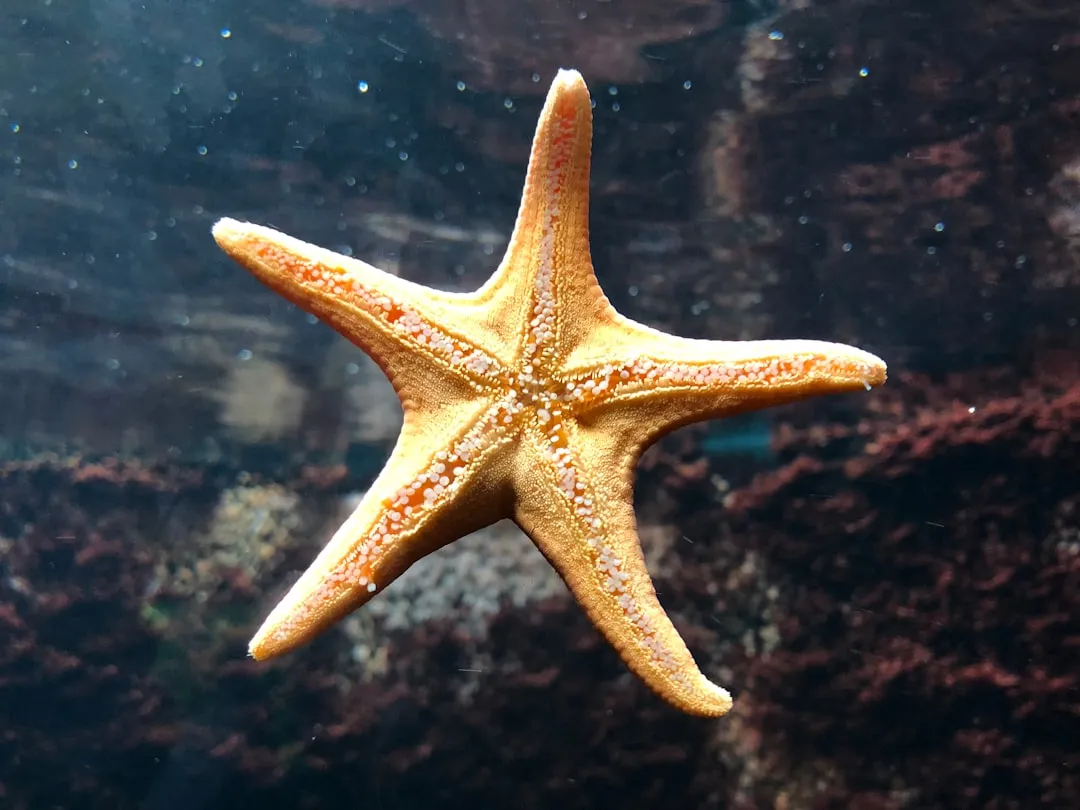
Since sea otters are extinct in Oregon, starfish have been one of the last things keeping sea urchin populations under control, which in turn saves the essential kelp forests. Their role is difficult to overstate. Remove the starfish, and the entire structure of the intertidal zone shifts within years.
Without ochre sea stars, mussel beds can easily take over tide pools, making life difficult for other invertebrates and seaweeds and decreasing biodiversity. Other sea star species devastated by the disease, like the sunflower star, haven’t recovered, and their absence has upended coastal ecosystems, fueling sea urchin booms and kelp forest declines. The presence of healthy starfish at Cannon Beach is genuinely meaningful, not just scenic.
How to Visit Responsibly and Leave the Pools Intact
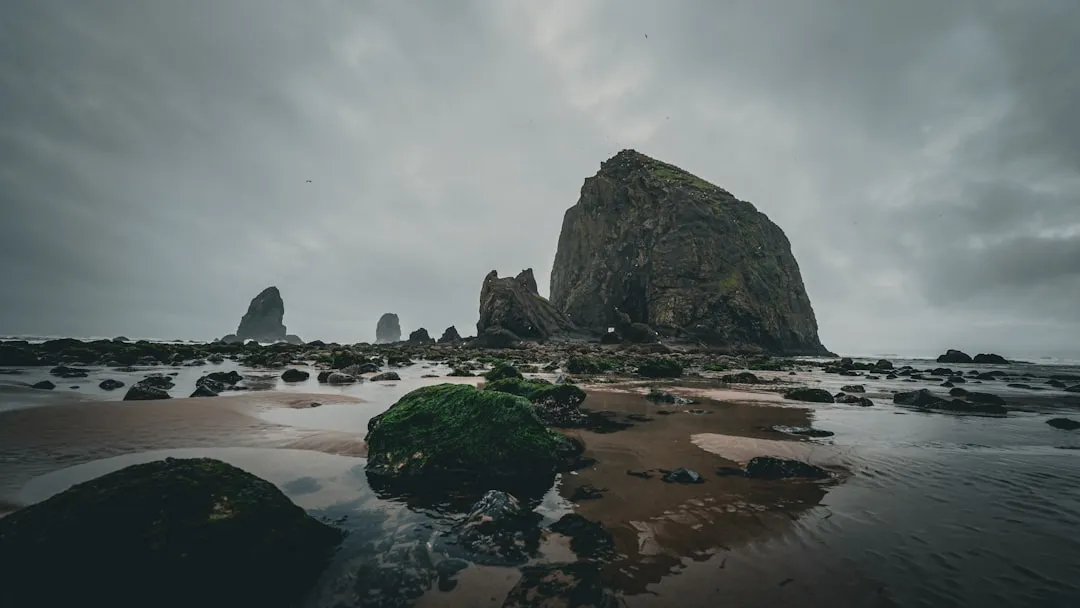
The Haystack Rock area is a marine garden, which means collecting is prohibited and volunteers from the Haystack Rock Awareness Program are often on-site to help you spot things and answer questions. Between mid-February and late October, during daytime low tides, the program presents interpretive programs at Haystack Rock with intertidal life forms on display, microscopes set up for observation of smaller organisms, and trained staff members on hand to answer questions.
Starfish have had issues with sea star wasting disease in recent years. If you touch an infected starfish and then touch a healthy one, you can spread it. The general guidance from Oregon coastal stewards is simple: look with your eyes, stay on bare sand or rock, and leave everything exactly where you found it. Oregon follows guidelines that mirror National Park Service and NOAA standards, including not picking up or prying off animals, since sea stars and anemones can tear easily.
What to Bring and How to Stay Safe
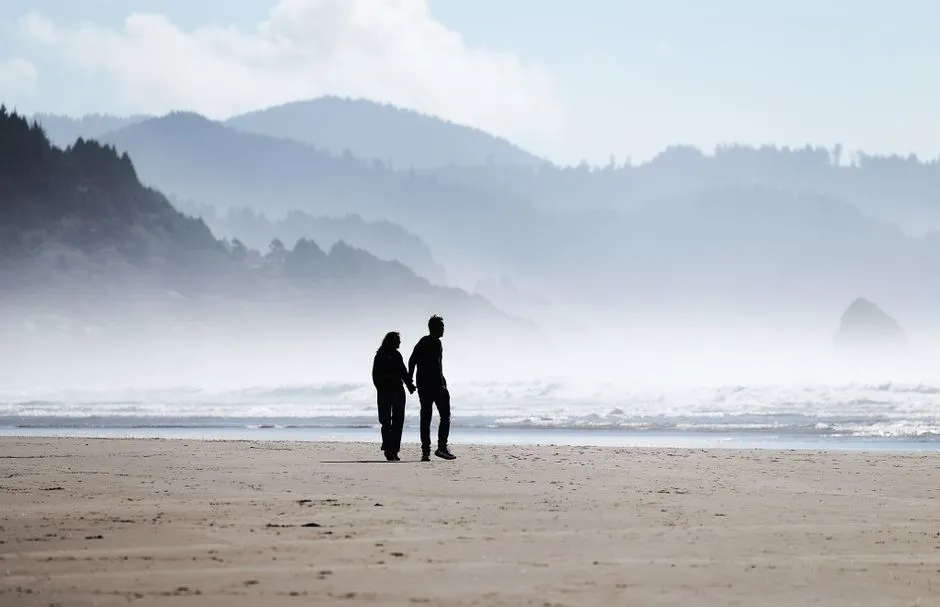
The Oregon Coast is cold even in summer, so wear layers, avoid cotton, and choose shoes with traction since the rocks get slick. This is not exaggeration. Even on a bright July afternoon, coastal temperatures combined with sea spray can catch people off guard. Sturdy footwear with grip, not sandals, is the right call for any rocky shore exploration.
Never turn your back on the water. Rogue waves happen fast, even on seemingly calm days. Stay aware of incoming swell, keep a safe distance from edges where waves crash, and don’t explore isolated rock platforms that could trap you when the tide rises. Oregon’s beaches are beautiful and real. Treating them with respect makes the experience better, not worse.
The Broader Recovery Story and What It Means for Visitors in 2026
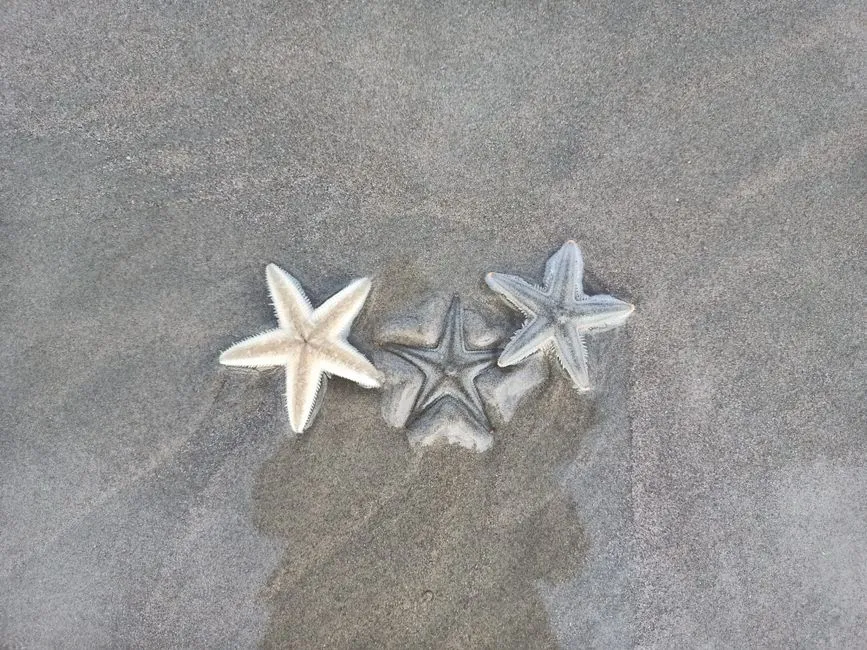
The year 2025 was a banner year for scientists in the Pacific Northwest working to save sea stars from a mysterious wasting disease, and after 90 percent of the world’s sunflower sea stars succumbed to the wasting disease, the University of Washington’s groundbreaking breeding program is now releasing captive-raised starfish into the wild. Cannon Beach sits within this broader arc of conservation and science, a place where the work being done in labs is becoming visible on the rocks.
According to Oregon State University researchers, wasting disease remains in circulation and populations continue to fluctuate, but there is much evidence that ochre sea stars are bouncing back. Analyzing ochre sea star populations at eight locations over a 23-year period, researchers found that many sea star baby boomers have reached adulthood and population numbers are now at or exceeding pre-wasting disease abundances. For visitors in 2026, this translates into tide pools that are genuinely more alive with starfish than they were a few years ago.
A Final Thought on Timing and Presence
Cannon Beach’s starfish-filled pools don’t wait for a convenient schedule. They appear and disappear with the tides, season after season, on their own terms. The three months from late April through July, when daylight minus tides overlap with warmer, calmer conditions, are when this particular stretch of the Oregon Coast offers something close to extraordinary.
The science confirms the comeback. The volunteers are there to help you understand what you’re seeing. All that’s needed is a tide chart, the right shoes, and the patience to arrive an hour early and crouch down close enough to look. That’s when the pools reveal themselves fully, and the effect tends to stay with you long after the tide comes back in.
AI Disclaimer: This article was created with the assistance of AI tools and reviewed by a human editor.