
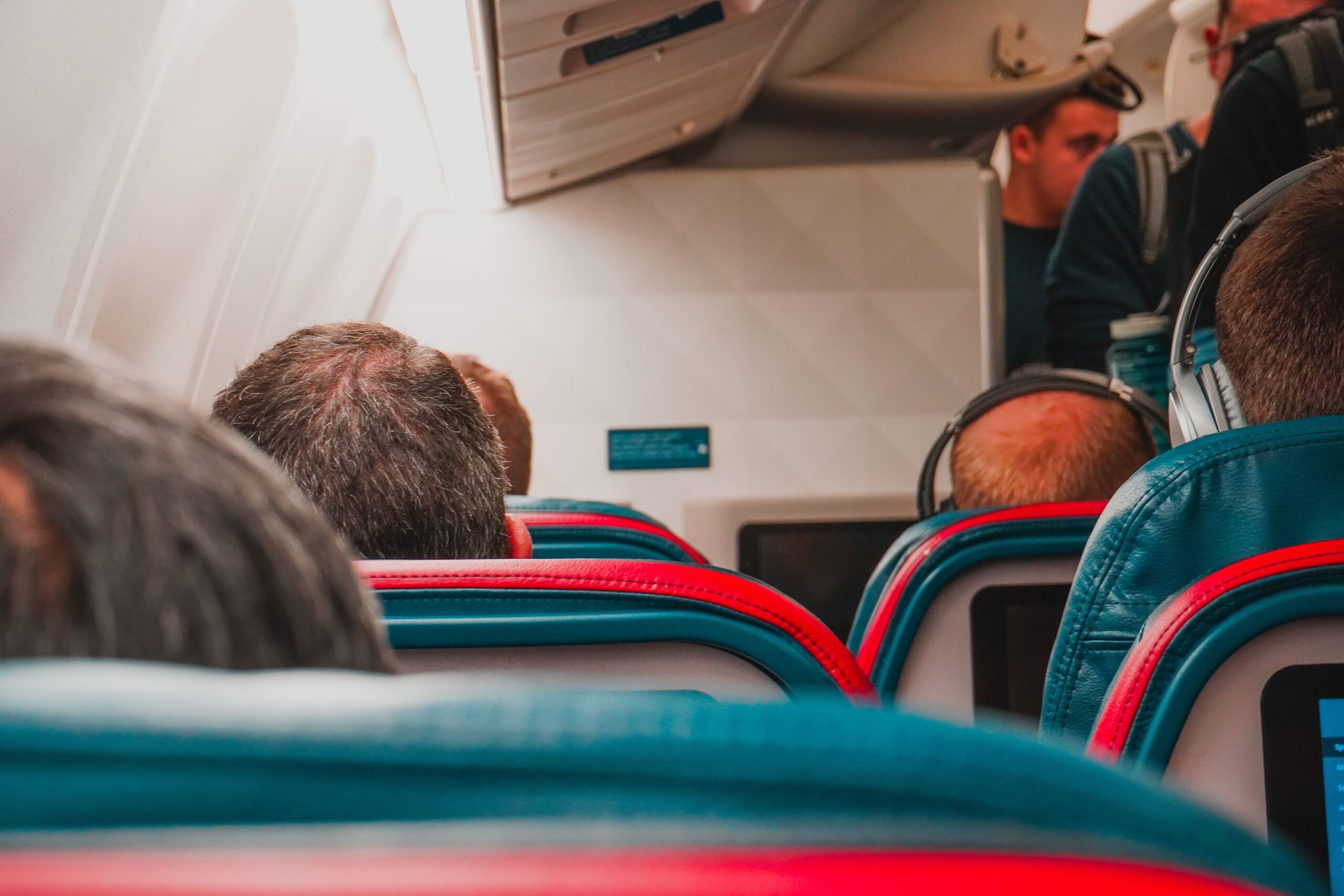

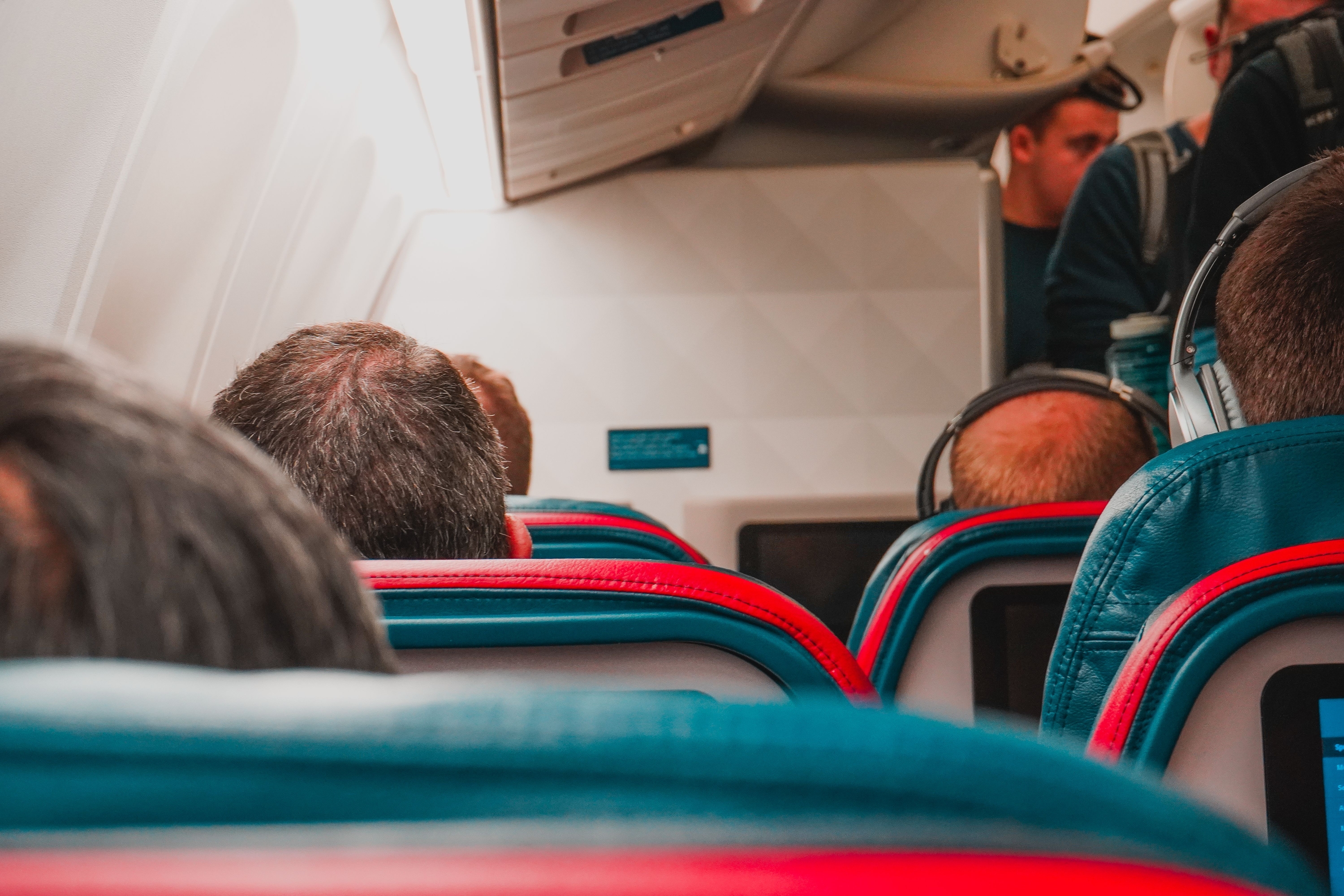
Every frequent flyer has a story. The moment the gate agent announces boarding, something strange happens to a crowd of otherwise perfectly reasonable adults. They surge forward, clog the jetway, wrestle with overhead bins, and scroll their phones through a safety briefing designed to keep them alive. Most of them don’t think twice about it.
The rule getting broken most consistently isn’t about reclining seats or removing shoes mid-flight. It happens on the ground, before the engines even spool up. It’s the quiet, unspoken contract between passengers, crew, and the system built to move nearly three million people through U.S. airspace every single day. Here’s what the data and aviation experts actually say about it.
The Gate Crowding Problem Nobody Talks About
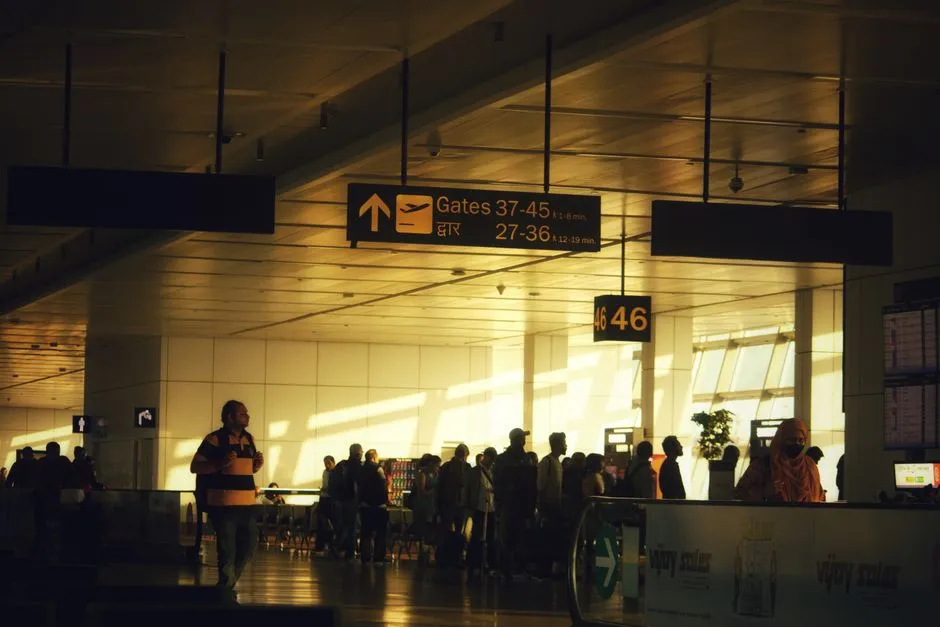
Gate lice is a pejorative term used to describe a phenomenon observed among air travelers where passengers gather in front of boarding gates before their designated boarding time. It sounds funny, but the behavior carries real consequences. This phenomenon can make the boarding process more cumbersome, leading to congestion, longer wait times for those who have prioritized boarding, and general confusion.
American Airlines recently made headlines when it unveiled a new ticket-checking system that chimes when passengers try to board ahead of their designated group, the latest in a trend of carriers retooling their boarding processes to address inefficiencies. The system exists for one reason: passengers routinely ignore their assigned boarding zones. Each airline is trying to improve as quickly and painlessly as possible the hectic process of seating the 2.9 million passengers who fly on U.S. airlines every day.
Why the Overhead Bin Battle Starts on the Ground
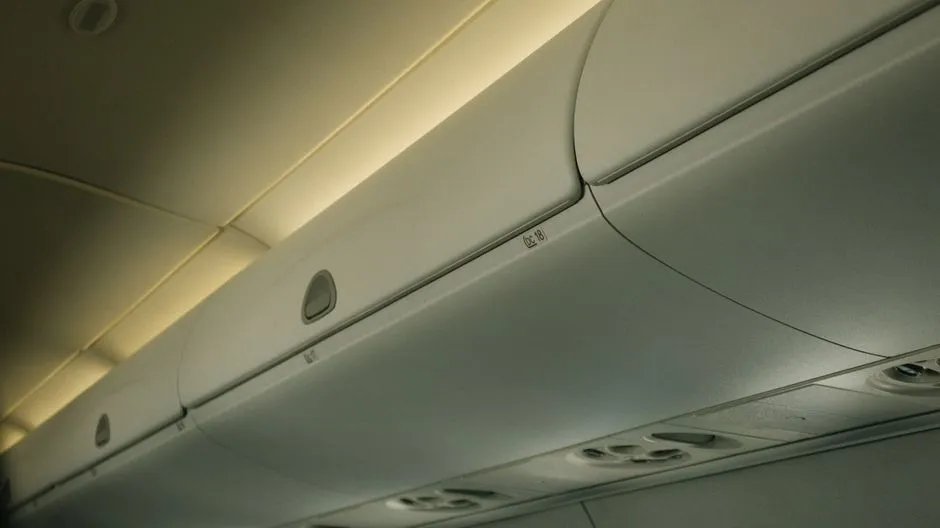
Many passengers crowd the gate before boarding an airplane because of limited overhead bin space. Everybody wants to store their bag near their seat, and no one wants to gate check it. That has caused a fierce battle among passengers before boarding, which adds more anxiety to an already stressful flying experience.
Airlines began charging for checked bags in 2008. Before that, overhead bin space was fairly abundant, and people were not lining up to get on the plane as early as possible. After implementing checked bag fees, it became cheaper to carry on luggage. That single policy decision reshaped the entire pre-boarding ritual. Overhead bins are a shared resource with fixed capacity. A typical narrow-body aircraft has bin space for approximately 120 to 150 standard carry-on bags, which may not accommodate every passenger’s bag on a full flight, creating the common experience of hearing “bins are full” announcements.
The YouGov Poll That Put a Number on the Problem
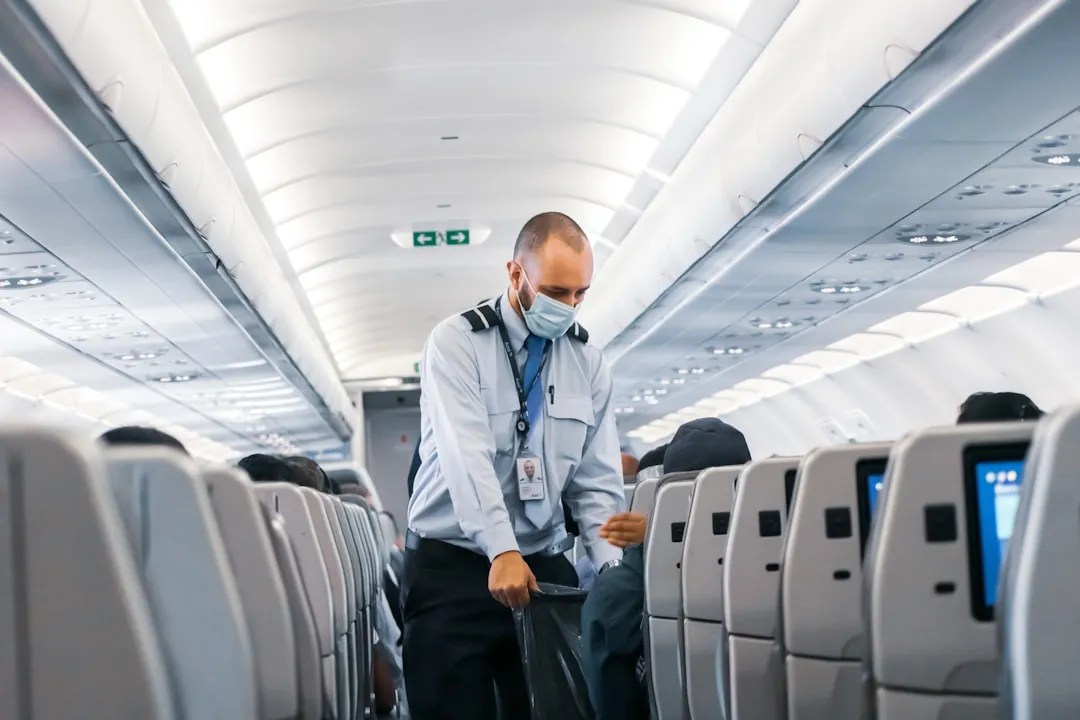
According to a YouGov poll, at least roughly four in five Americans find it unacceptable for passengers to allow their children to play in the aisles, the activity that garnered the most disapproval of any of the 30 potentially contentious issues surveyed. Yet other behaviors that happen just as routinely before takeoff are barely registered as violations at all. Other behaviors that are widely disapproved of include getting drunk, leaving one’s seat during turbulence, ignoring emergency demonstrations, and exiting the plane before the people in the row in front of them.
Standing up as soon as the plane lands is acceptable to roughly three in ten passengers, but half prefer everyone waits their turn. The gap between what people do and what people approve of is telling. Social norms exist; they’re just selectively applied.
Ignoring the Safety Briefing Is More Serious Than Most People Think
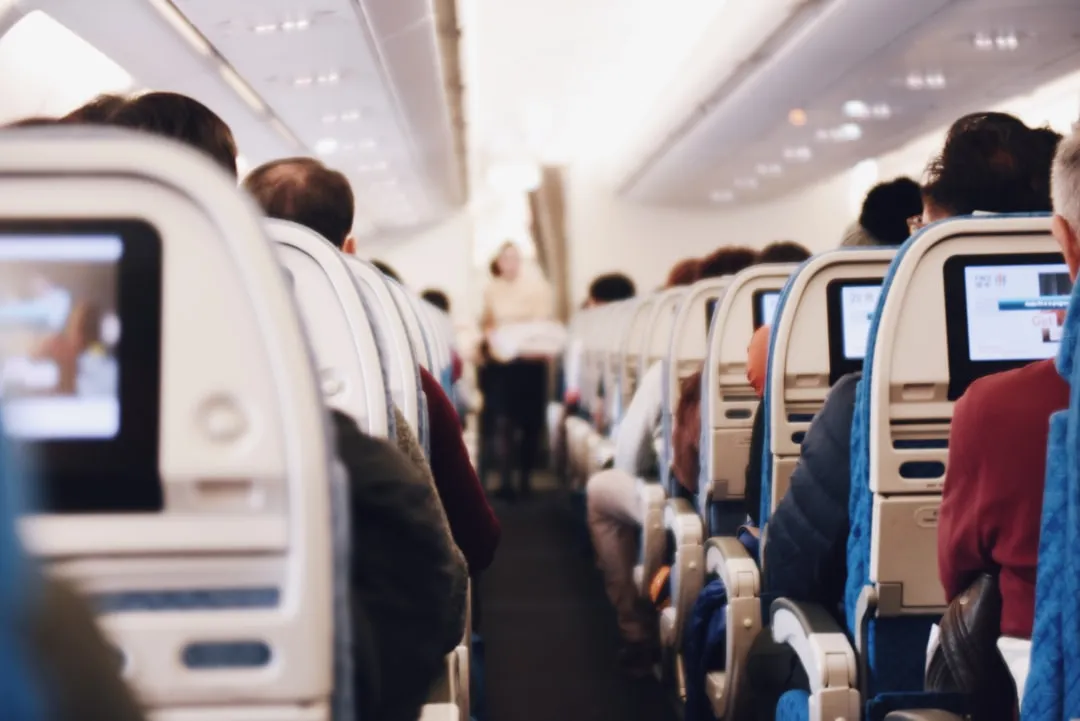
By outlining the location and operation of safety equipment, such as life vests, oxygen masks, and emergency exits, and demonstrating procedures like brace positions and evacuation routes, the briefing enables passengers to act swiftly and correctly if an incident occurs. This familiarization reduces the time required for response, which is critical in scenarios where seconds determine outcomes, as an alert and informed passenger has a significantly better chance of survival.
In one study, a range of pre-recorded safety briefings were tested. One contained humor, another was a standard style briefing, and another used a celebrity to sell the importance of the safety messages. Not long after exposure, individuals recalled approximately half of the key safety messages from the celebrity briefing, compared to just under a third from the standard version. The takeaway is straightforward: most passengers absorb very little even when they are technically watching. This might explain why there have been accidents and incidents when passengers have ignored crew instructions despite having received a safety briefing shortly before an emergency. In recent years, there has been an increasing trend for passengers to take cabin baggage with them during emergency evacuations despite specific crew instructions not to do so.
The FAA’s Zero-Tolerance Policy and What It Actually Costs Passengers
The FAA adopted a zero-tolerance policy on January 13, 2021, fundamentally changing how the aviation industry responds to passenger misconduct. This policy represents a dramatic shift from previous practices. Before 2021, unruly passengers sometimes received warning letters or counseling. Today, there are no second chances. Passengers who disrupt flights face automatic fines and serious penalties without exception.
The FAA can propose penalties of up to $43,658 per violation, and a single incident can result in multiple violations. This means a passenger involved in one disruptive event could face accumulated fines totaling hundreds of thousands of dollars. As a result of the FAA’s stricter rules, 512 investigations were initiated in 2024, or about a quarter of the total number of incidents for the year, with 402 seeing enforcement actions initiated and a total of $7.5 million in fees charged against disruptive passengers.
Boarding Out of Turn: Small Violation, Big Cascading Effect
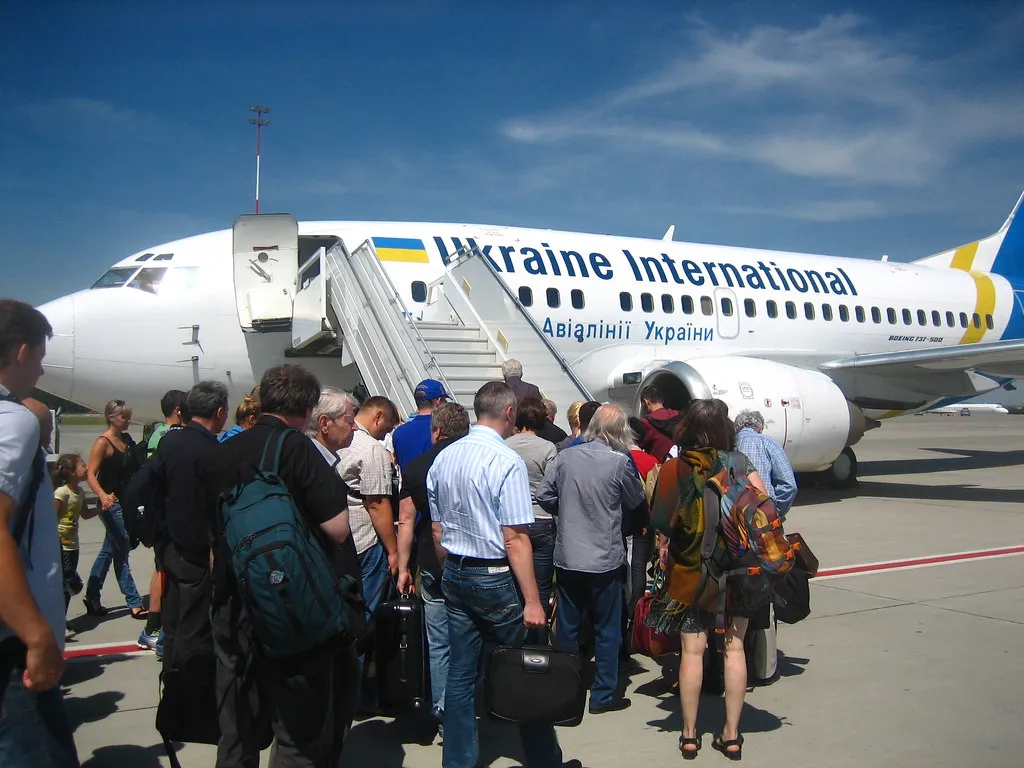
Crowding the gate ahead of one’s boarding zone is an understandable impulse, but it nonetheless slows down the entire process, according to flight attendants who work these flights daily. When early boarders fill the front bins, later passengers scrambling for space disrupts the entire loading sequence. Airlines have noticed a considerable decrease in boarding time, up to 15 minutes, when passengers pack in a more organized manner and board in sequence.
One Delta gate agent announced that the flight was completely full and reminded passengers to check their boarding zones carefully. Then came the twist: anyone who entered the boarding line before their zone was called would be “automatically volunteering” to check their carry-on bag. The crowd melted backwards instantly, drawing thousands of upvotes when the story was shared online. It speaks volumes about what actually motivates behavior at the gate.
Carry-On Chaos and the Real Etiquette Violations Inside the Cabin
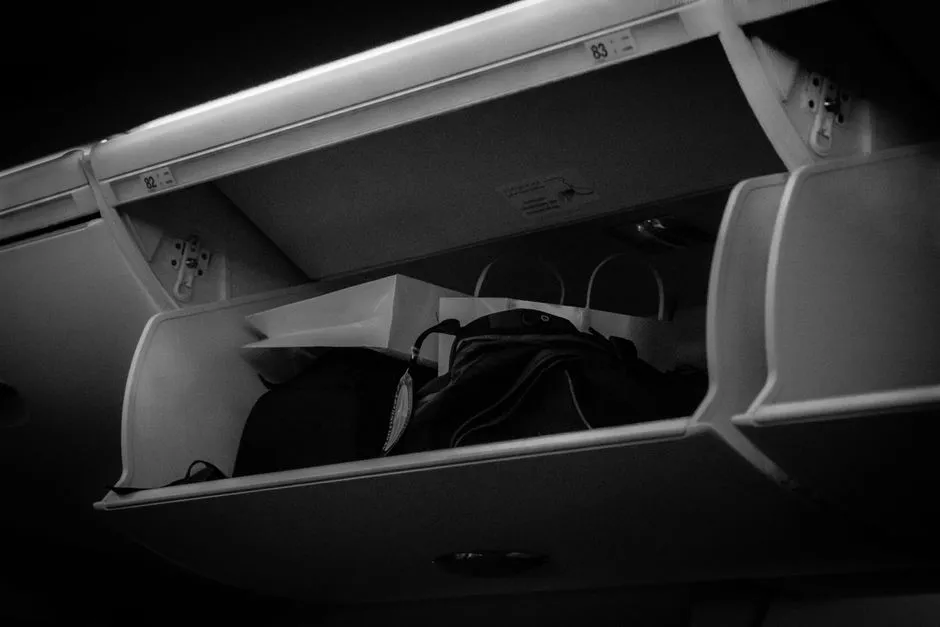
Dropping your bag off in the first available bin is rude and slows down deplaning for everyone. While you can technically use it, it makes more sense to save it for a passenger sitting toward the front of the plane. Otherwise, those sitting toward the front have to store their bag in a bin behind their seat, which means everyone may be waiting longer to get off.
If you are in the main cabin, store your bag in the main cabin. Do not store your bag in other cabins such as first class or premium economy. Many airlines use a plaque to mark bins in first class and premium economy for those passengers only. In many cases, those sitting in those cabins paid extra for their seats, which also includes dedicated overhead bin space. It’s a line that gets crossed more often than airlines would like to admit.
Personal Space Violations Begin Before Takeoff Too
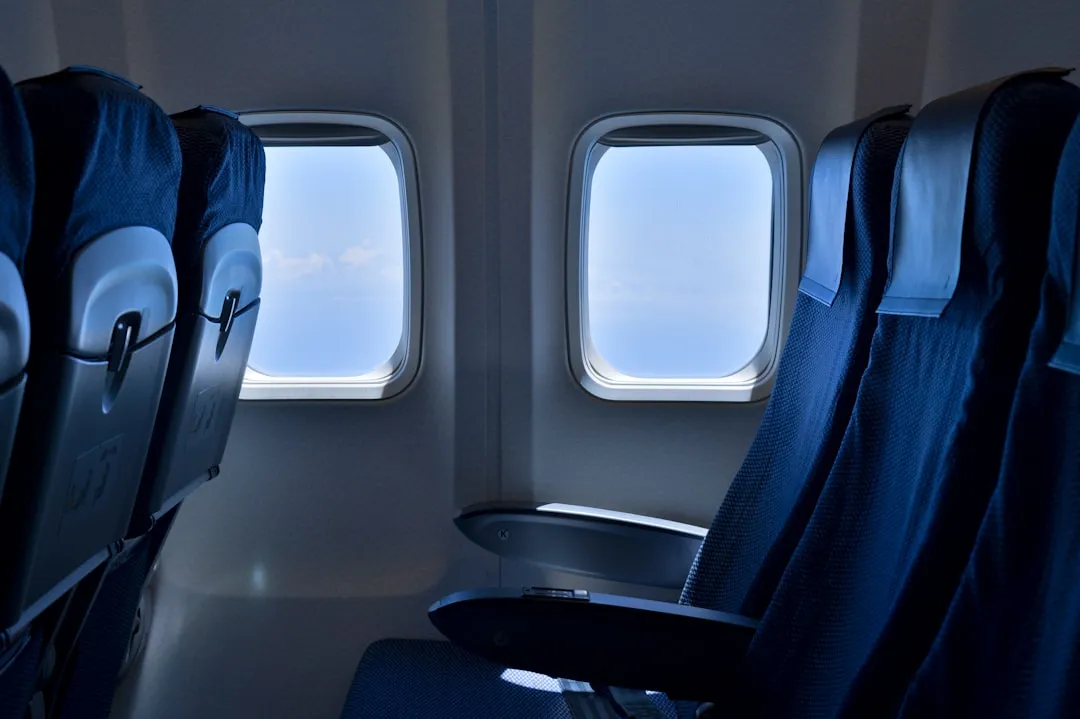
Airplane cabins can be cramped, so it’s essential to be mindful of fellow passengers’ personal space. Passengers should avoid leaning excessively into neighboring seats, hogging the armrest, and refraining from sprawling out beyond their allotted area. These habits tend to set in the moment someone sits down, not after liftoff.
Using both armrests is widely disapproved, with nearly three quarters of respondents finding it unacceptable. Yet it remains one of the most persistent pre-departure complaints. The accepted protocol, according to etiquette expert Diane Gottsman of The Protocol School of Texas, is that the person in the middle seat has access to both armrests because they’re in the least comfortable seat. That rule is more widely agreed upon than widely followed.
Disruptive Incidents Are Climbing, Not Falling
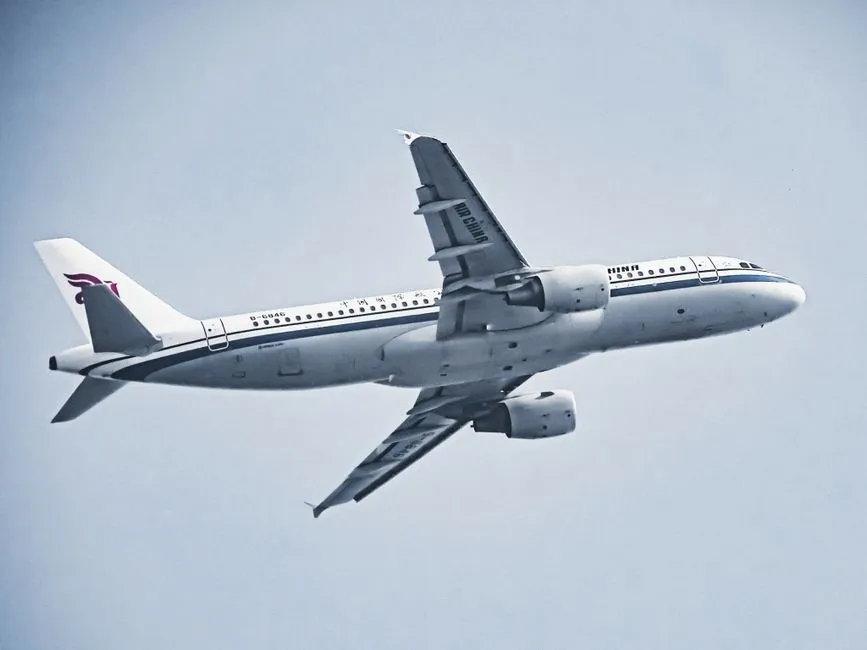
Disruptive passenger incidents doubled in 2024 compared with 2019, while in-flight outbursts, ranging from inappropriate behavior to physical attacks, surged dramatically by 2025. Many of these situations trace back to tensions that began at the gate or during boarding, not after the seatbelt sign came on. Airlines reported 2,102 unruly passenger cases throughout 2024, marking a one percent increase from 2023, which had 2,076 reported incidents.
More than 53,000 incident reports were filed by over 60 operators worldwide, or one incident for every 395 flights in 2024, according to the International Air Transport Association. That compared with one incident for every 405 flights a year earlier. The trend line is moving in the wrong direction, even as regulations tighten.
What Frequent Flyers Actually Think Versus What New Flyers Do
Opinions on plane behavior vary notably by how often someone flies. People who fly commercially at least once a year are more likely than people who never fly to say it is unacceptable to make a phone call while in the air and to put small items in the overhead compartment on a full flight. Experienced travelers develop a sharper awareness of what disrupts the system for everyone else.
On the other hand, frequent fliers are more likely than people who never fly to say it’s acceptable to not pay attention during the safety demonstration. That’s a telling contradiction. The people who know the aircraft best have started tuning out the briefing they’re most equipped to understand. Familiarity breeds inattention, and that’s a quiet risk all its own.
The Simplest Fix That Doesn’t Cost Anything
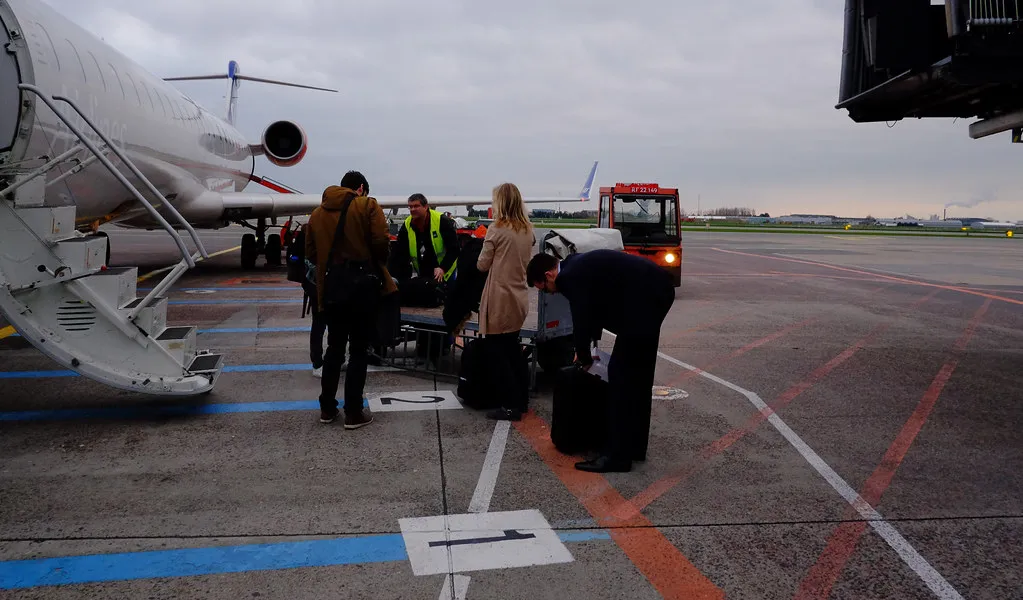
The starting point of good airplane etiquette is simple: leave enough time to be well-rested and relaxed at the airport. If you’re checking your baggage, you won’t be stressed waiting in line. Most of the friction at gates comes from passengers who are running late and feel justified cutting corners because of it.
Resist the urge to jostle for the first position in line. Everyone is going to board eventually. Let those with wheelchairs and young children get comfortable. Follow instructions about boarding groups. It really is that straightforward. The irony is that passengers who rush the gate typically board a plane that then sits at the gate for another fifteen minutes anyway.
Final Thoughts
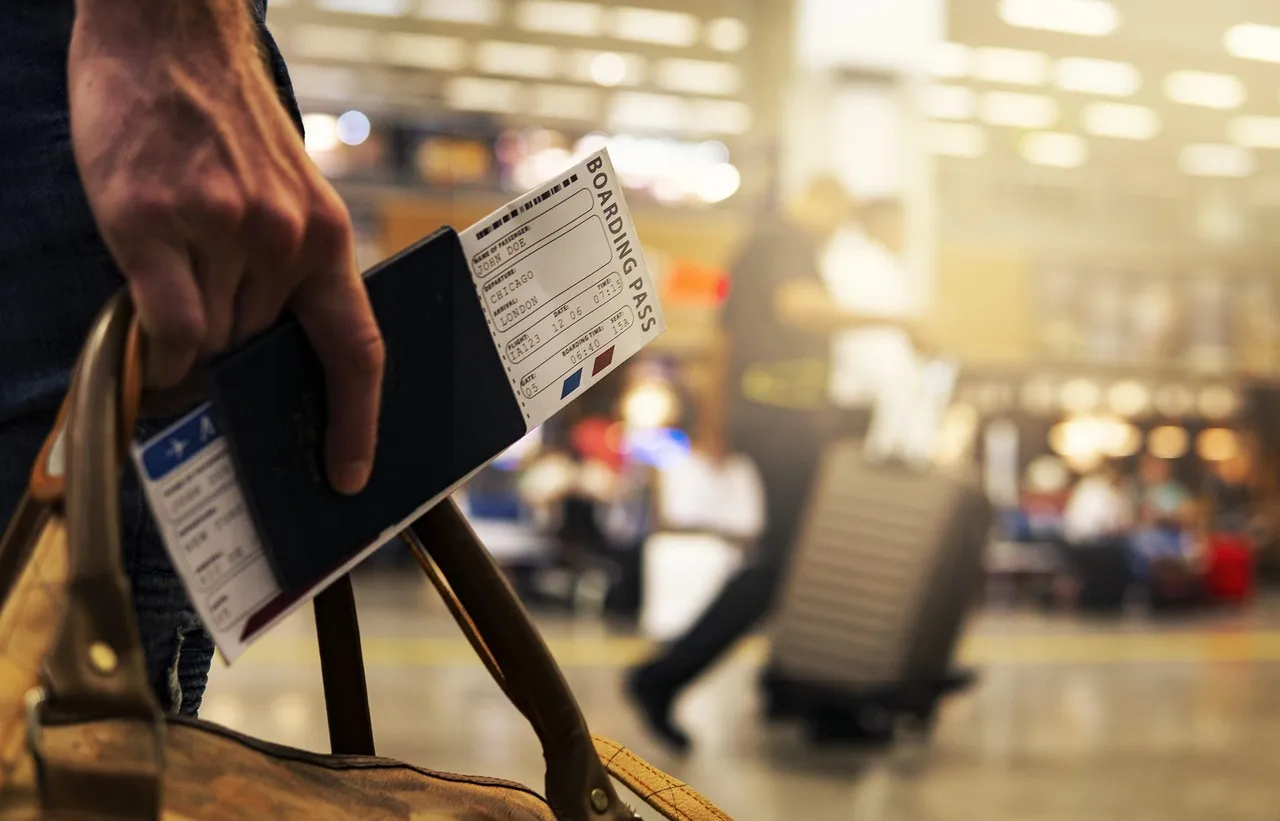
The rule that most passengers violate before takeoff isn’t obscure. It’s printed on the boarding pass, announced over the PA system, and reinforced by gate agents at every major airport on earth: wait for your boarding group, store your bag responsibly, and pay attention to the safety briefing. None of it is complicated.
What makes it persist is the gap between individual incentive and collective outcome. One person crowding the gate saves themselves thirty seconds. Two hundred people crowding the gate adds fifteen minutes to everyone’s journey. When the perceived perk of boarding early turns into a real consequence, the entire vibe changes. The fastest, least stressful way onto the plane for all passengers is when everyone just waits their turn.
That’s not a rule designed to inconvenience anyone. It’s what makes the whole improbable enterprise of moving millions of strangers through the sky actually work.
AI Disclaimer: This article was created with the assistance of AI tools and reviewed by a human editor.