

There’s something quietly revealing about the shoes a person grabs before a trip. It’s not about fashion, necessarily. It’s about instinct. Before the itinerary is packed and the gate number is confirmed, footwear gets chosen, and that choice carries more psychological weight than most of us realize.
Researchers have been curious about this for years. A study published in the Journal of Research in Personality found that strangers can accurately judge someone’s personality just by looking at their shoes. On a trip, where every decision is compressed and stress is often a co-passenger, those choices become even more concentrated. Here’s what ten types of travel footwear quietly reveal about the person inside them.
The Worn-In Sneaker: The Creature of Comfortable Habit
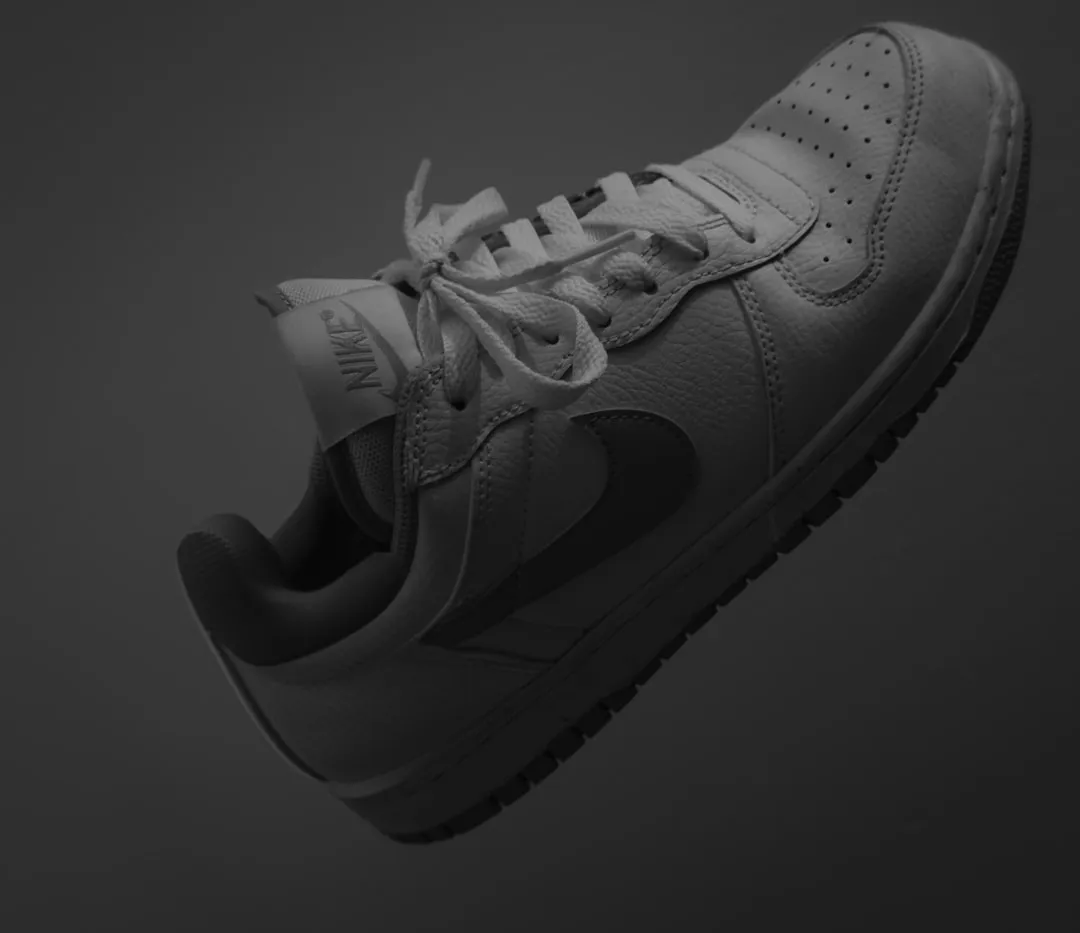
There is a reason the sneaker has become the universal travel shoe. Sneakers are considered a versatile pick for an active, practical, and laid-back personality, and people who often wear them tend to be comfort-seekers who enjoy outdoor activities. Choosing the same trusted pair trip after trip says something specific: this person prefers predictability over novelty when pressure rises.
The simple act of choosing for comfort becomes a mental anchor, and over time the brain starts to link that particular pair of shoes with feelings of positivity, calmness, and readiness. For the sneaker traveler, stress is managed through routine. They know what works, and they stick to it without apology.
The Hiking Boot: The Over-Preparer Who Rarely Panics
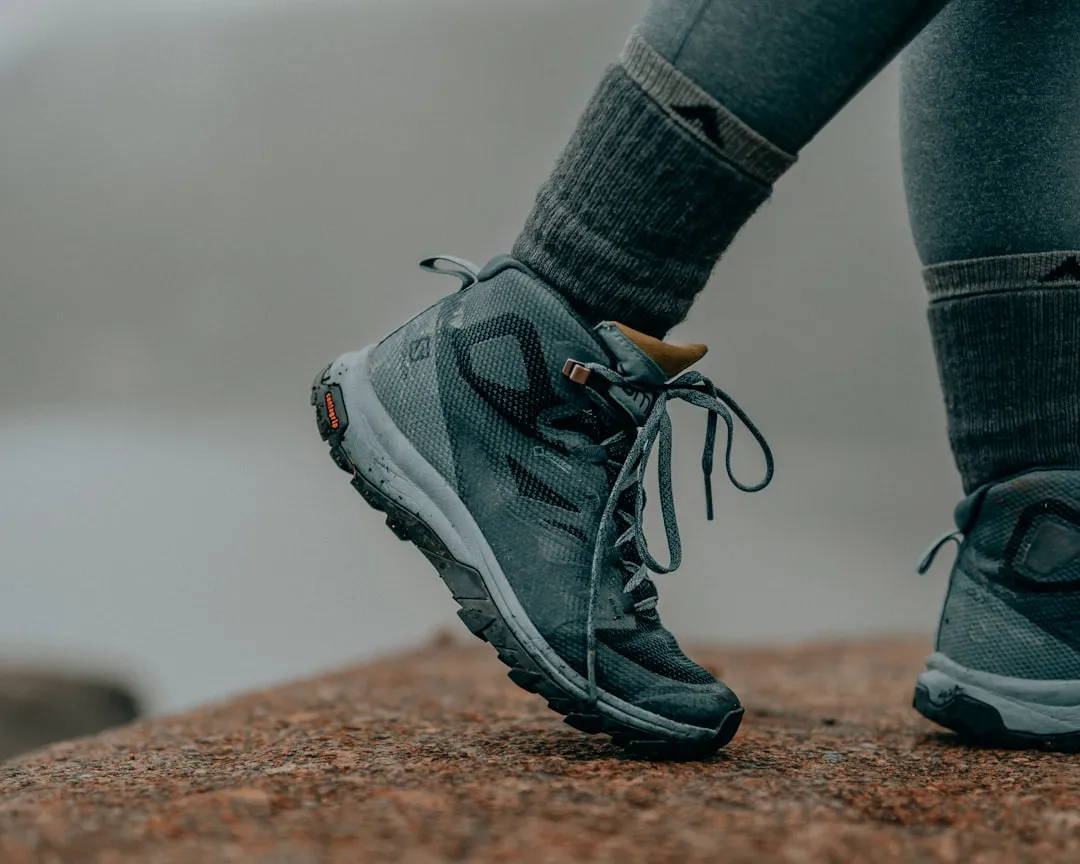
Boots come in various styles, from combat to ankle and knee-high. They can indicate a bold and confident personality. People who wear boots may enjoy a sense of adventure and have a strong, independent streak. On trails and cobblestone streets alike, the hiking boot wearer arrives with a plan, and usually a backup plan too.
Choosing the right shoes can prevent or alleviate common foot problems, improve posture, and distribute body weight evenly, leading to reduced joint stress and overall physical comfort. For this traveler, mental calm follows physical preparation. If the feet are safe and supported, everything else feels manageable. Stress, for them, is something to engineer away before it arrives.
The Flip-Flop Devotee: The Radical Acceptor
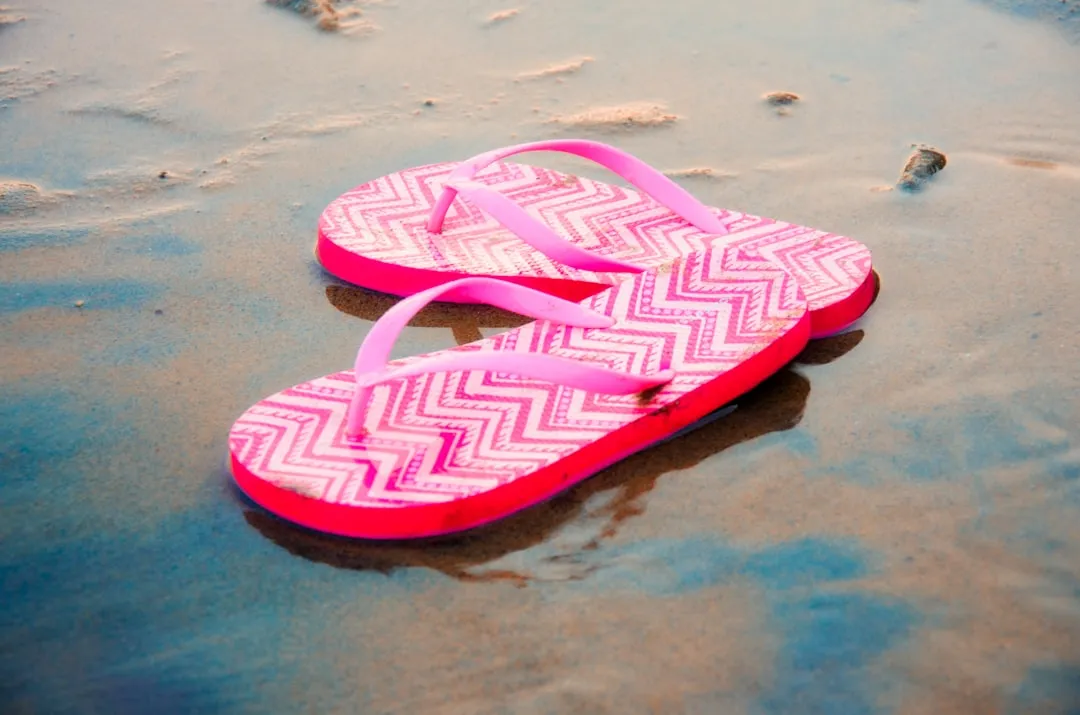
A sandal lover is often free-spirited, relaxed, and prefers an easygoing, outdoor lifestyle. The person who boards a flight in flip-flops has made a deliberate statement about control: they’re not chasing it. They’ve accepted that travel is inherently unpredictable, and their footwear reflects a kind of philosophical surrender to that fact.
This isn’t laziness. It’s a coping style rooted in acceptance rather than resistance. Wearing comfortable shoes helps prevent foot pain, which can reduce stress and anxiety levels, and comfortable feet create a general sense of relaxation, allowing you to feel more positive throughout the day. The flip-flop traveler banks on that sense of ease as a foundation for everything else the trip throws at them.
The Trail Runner: The Efficient Problem-Solver
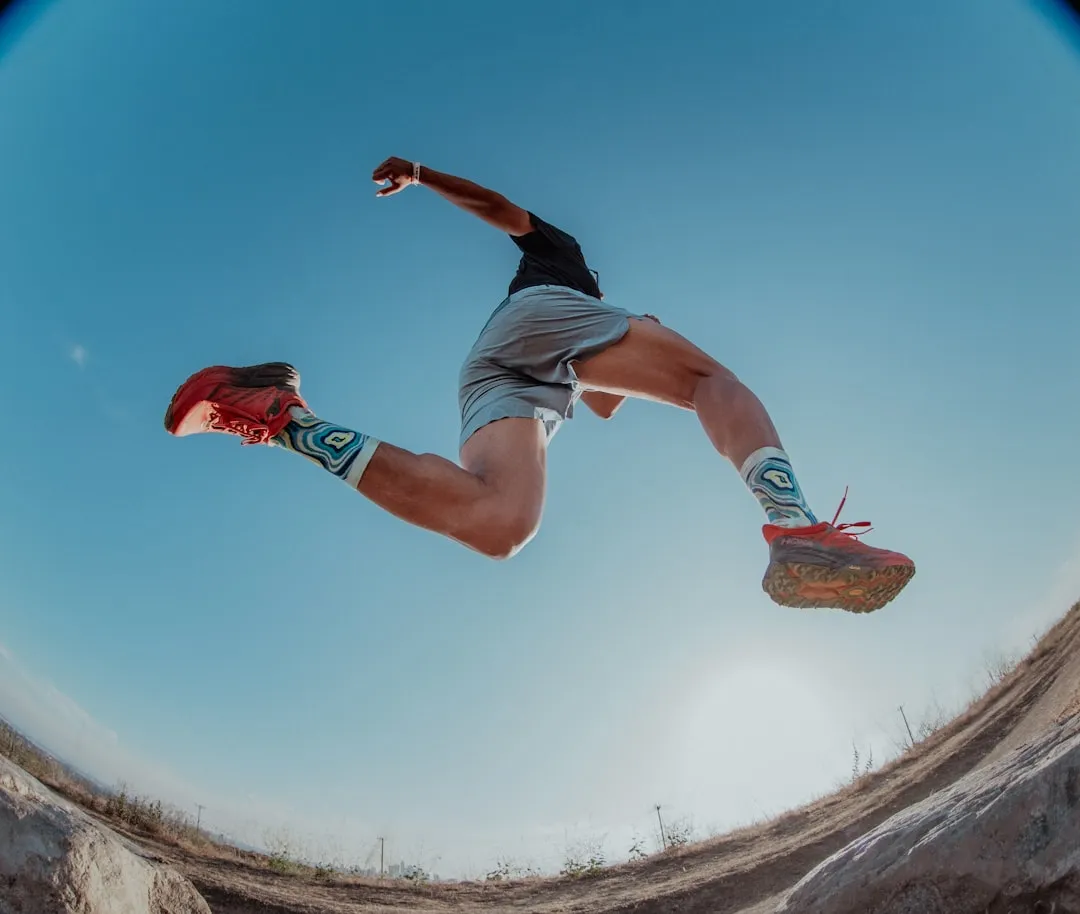
Trail runners have quietly taken over serious travel. While trail runners have been growing more popular since data collection began in 2015, their popularity surged during the pandemic era and has remained stable, with roughly the vast majority of long-distance hikers now wearing trail runners for most of their miles. The traveler in trail runners values performance and flexibility above image.
They approach stress the same way they approach uneven terrain: with quick adjustments and forward momentum. This kind of traveler measures hikes in miles per hour, not just miles, and for them efficiency, minimalism, and covering ground quickly are the core priorities. Disruptions are just data points to recalibrate around, never reasons to stop.
The Loafer or Flat: The Understated Pragmatist
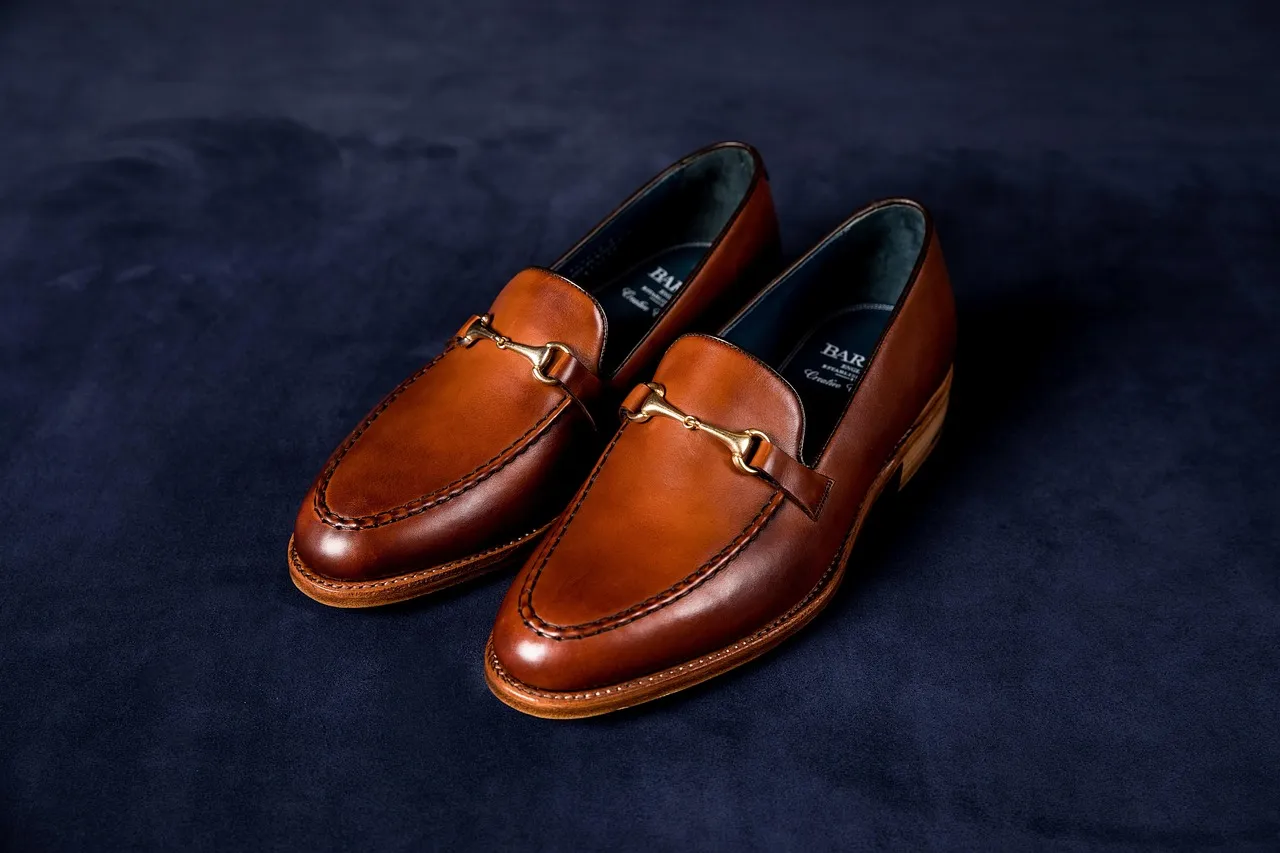
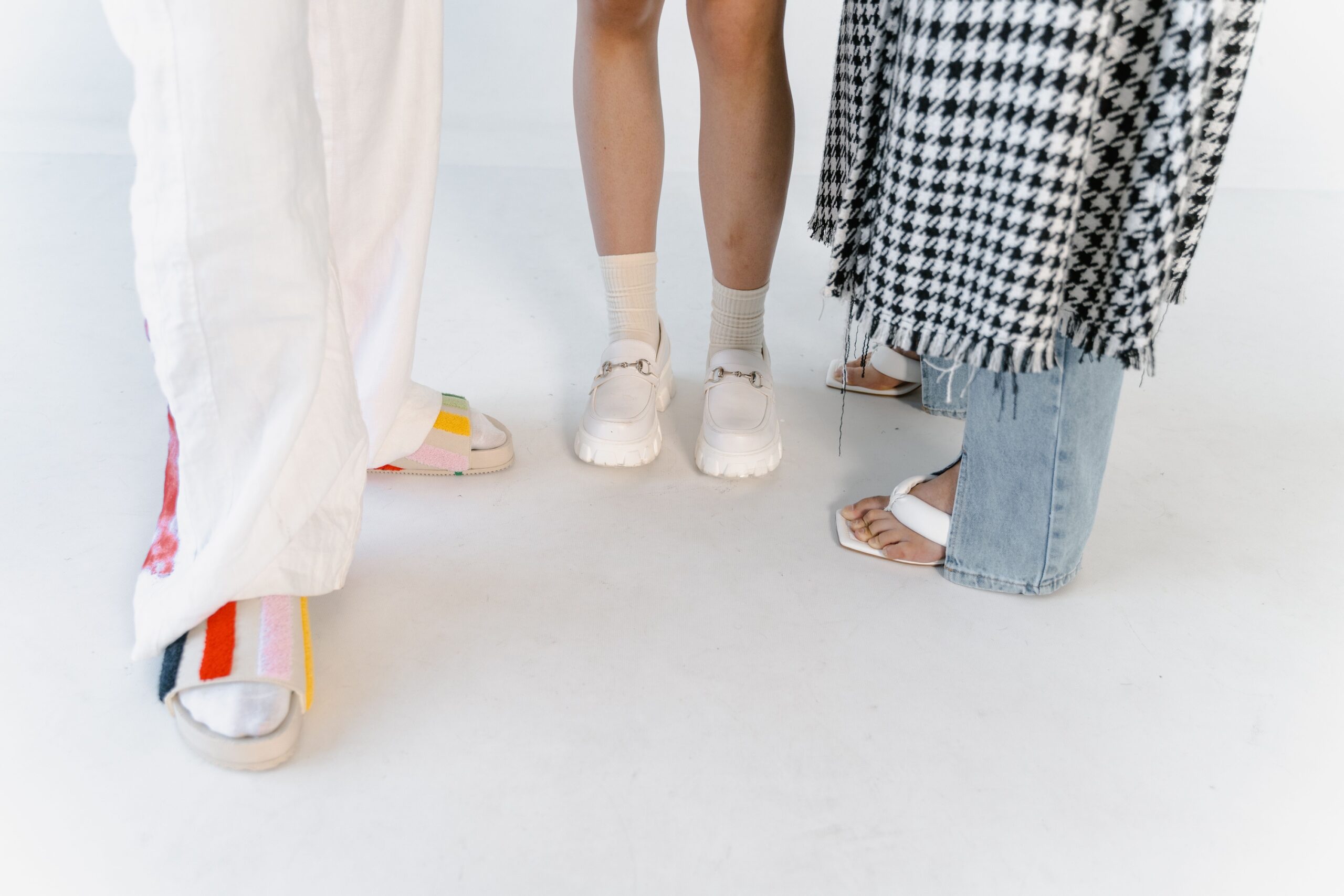
Ballet flats or loafers suggest a practical, approachable personality focused on functionality and ease. The loafer traveler wants to look composed and move freely without calling attention to either quality. Stress, for them, is something to absorb quietly rather than display outwardly.
Research suggests that shoe choices act as a type of behavioral residue, and footwear can be an unintended manifestation of personality. The person in flats is often the one who handles airport chaos with a steady face, adjusts plans without theatrics, and rarely catastrophizes. Their footwear choice signals restraint as a default mode of operation.
The Fashion Sneaker: The Image-Conscious Stress Performer
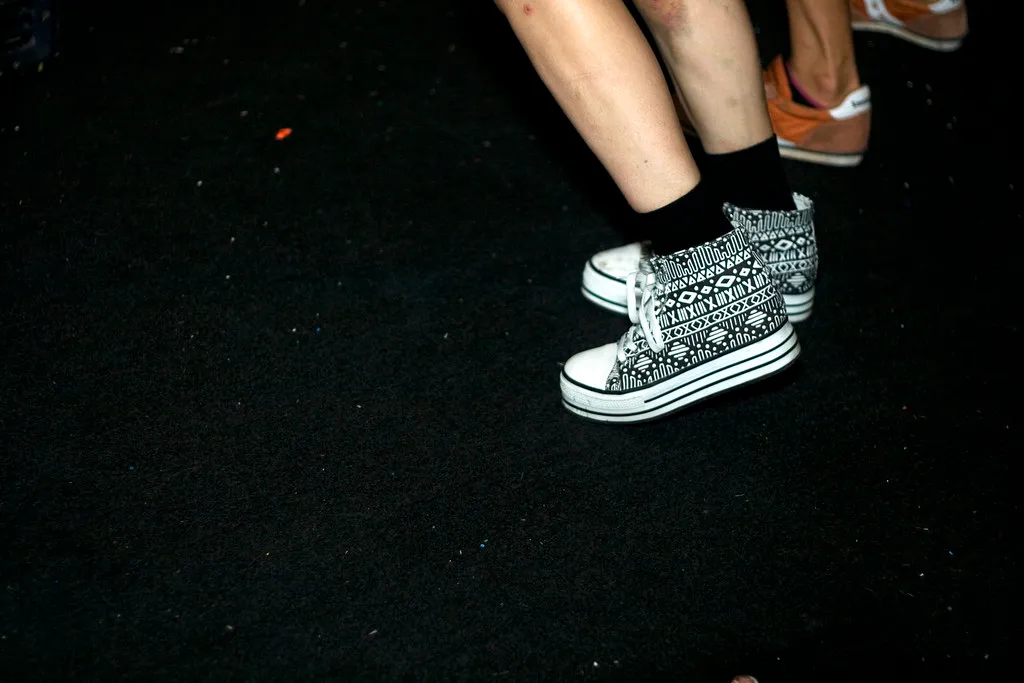
People who favor practical and functional shoes often value comfort above all, while those drawn to bolder styles may be more outgoing or love to stand out. The traveler who shows up in pristine, logo-heavy sneakers is communicating something about identity management. Looking a certain way on the road matters to them, even when tired.
According to a study published in the Journal of Research in Personality, observers could guess a person’s age, gender, income, and attachment style just by seeing pictures of their everyday shoes. For this traveler, visible branding often correlates with a higher need for social recognition. Stress responses tend to involve reasserting control over appearance and perception, sometimes more than the actual problem at hand.
The Minimalist Barefoot Shoe: The Body-Aware Introvert
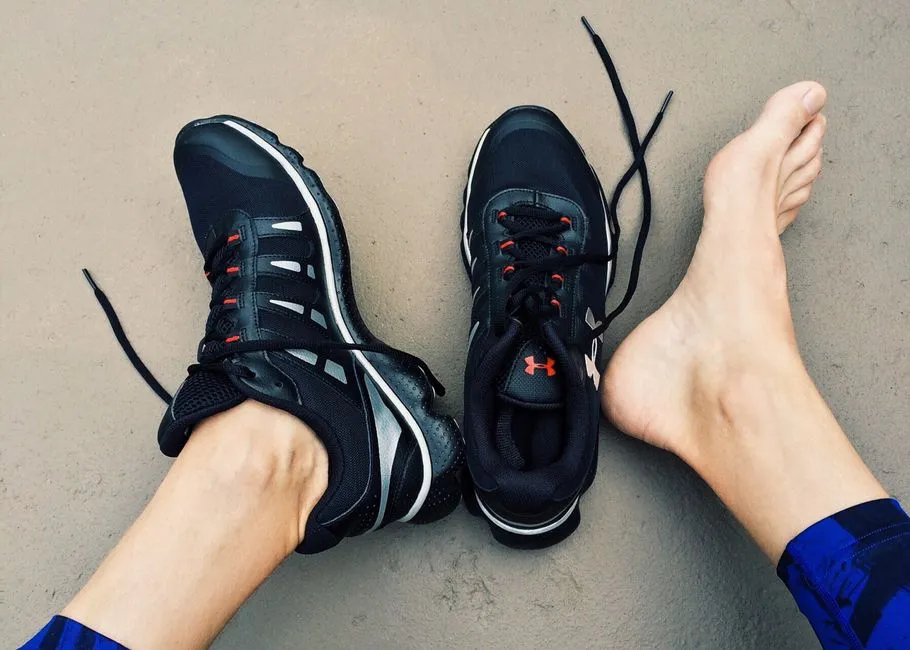
The minimalist traveler shows up in zero-drop, thin-soled footwear that most people find baffling. Minimalist shoes with less cushioning mean more ground feel, giving better stability and responsiveness on technical terrain. There is a philosophy embedded in that choice: trust the body’s own intelligence over manufactured support.
The right shoes absorb shock, provide stability, and support the natural mechanics of the foot, contributing to better overall health and reduced physical and mental stress. For the minimalist wearer, anxiety tends to be managed inward, through physical sensation, breathing, movement, and bodily awareness rather than external reassurance. They tend to slow down rather than speed up under pressure.
The Ankle Boot: The Boundary-Setter
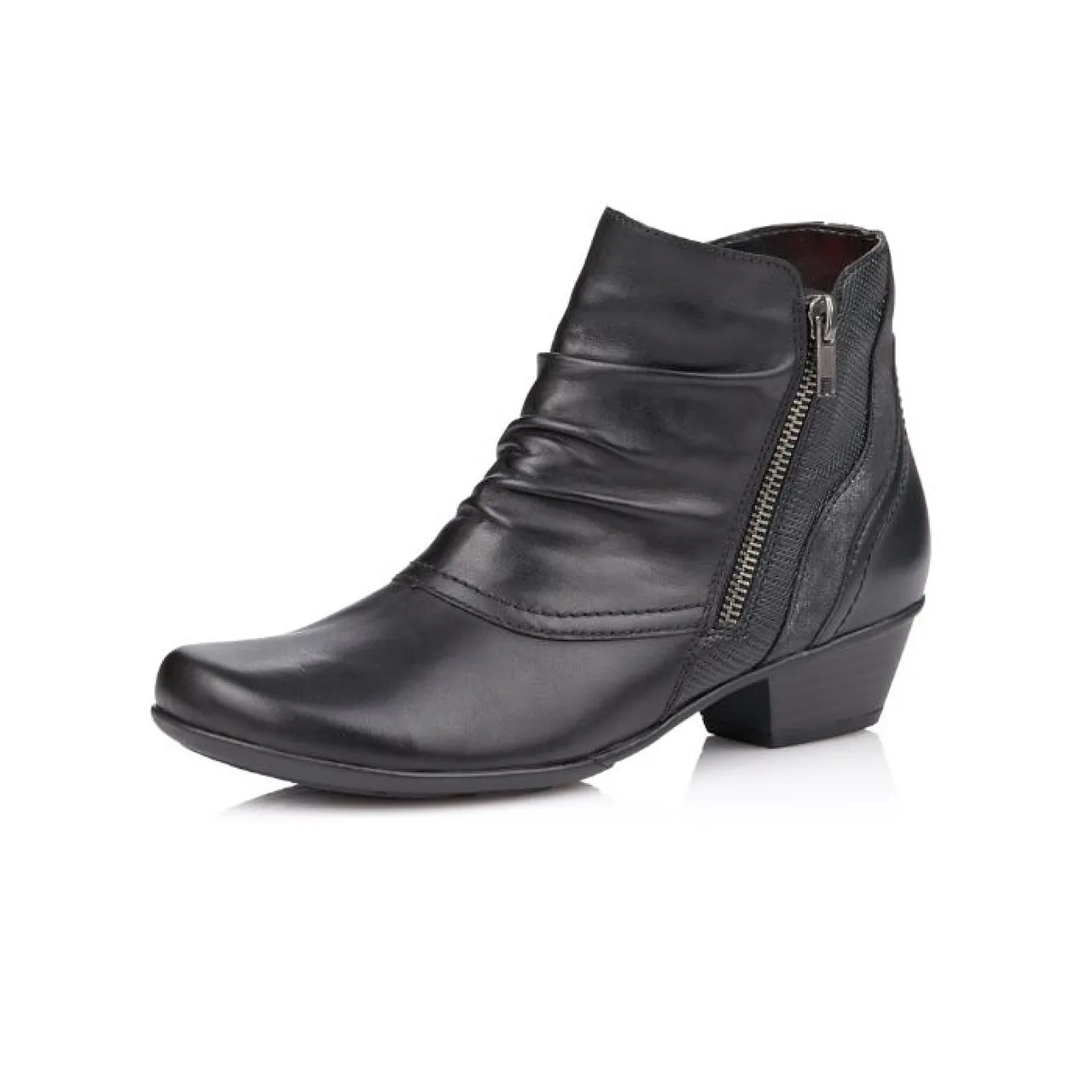
Boots, from ankle to knee-high or rugged combat styles, are a favorite of independent, adventurous, and sometimes bold personalities. The ankle boot traveler carries a certain intentionality. Their footwear choice signals that they’ve thought about what they need and what they’re willing to tolerate, and those two things rarely overlap.
High boots have been linked to a tendency to avoid overly close relationships. In a travel context, this translates to someone who is self-reliant under stress. They don’t readily ask for help, prefer to solve problems independently, and their emotional boundaries stay firm even when the itinerary collapses. Not cold, just composed on their own terms.
The Well-Maintained Dress Shoe: The Control-Seeker
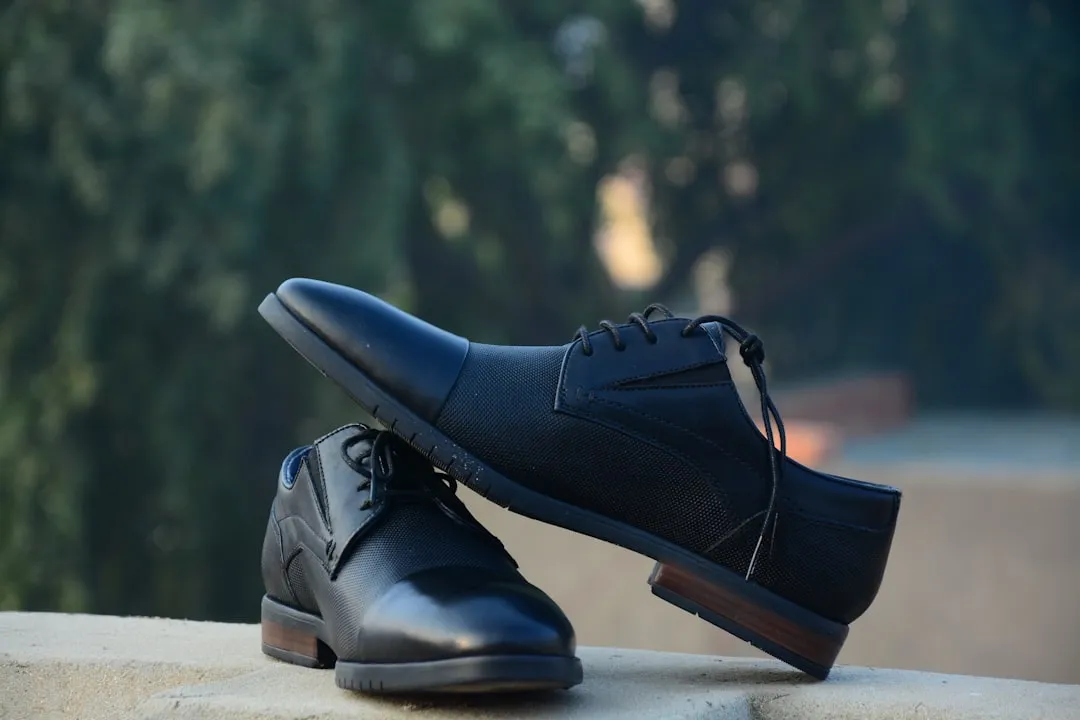
Well-maintained shoes often signal organization and attention to detail. The traveler in polished, structured dress shoes is rarely there by accident. Every element of the trip is likely mapped, and footwear is simply another variable they’ve optimized.
Wearing poorly fitted shoes or those lacking proper support can lead to foot pain, affecting posture and even how we walk. Pain can radiate through the body, and this discomfort can lead to irritability, mood swings, and stress. The person in dress shoes understands the body-mind link keenly, which is precisely why they choose structure. Stress, for them, is something to armor against with preparation and presentation.
The Worn-Out Pair: The Unbothered Realist
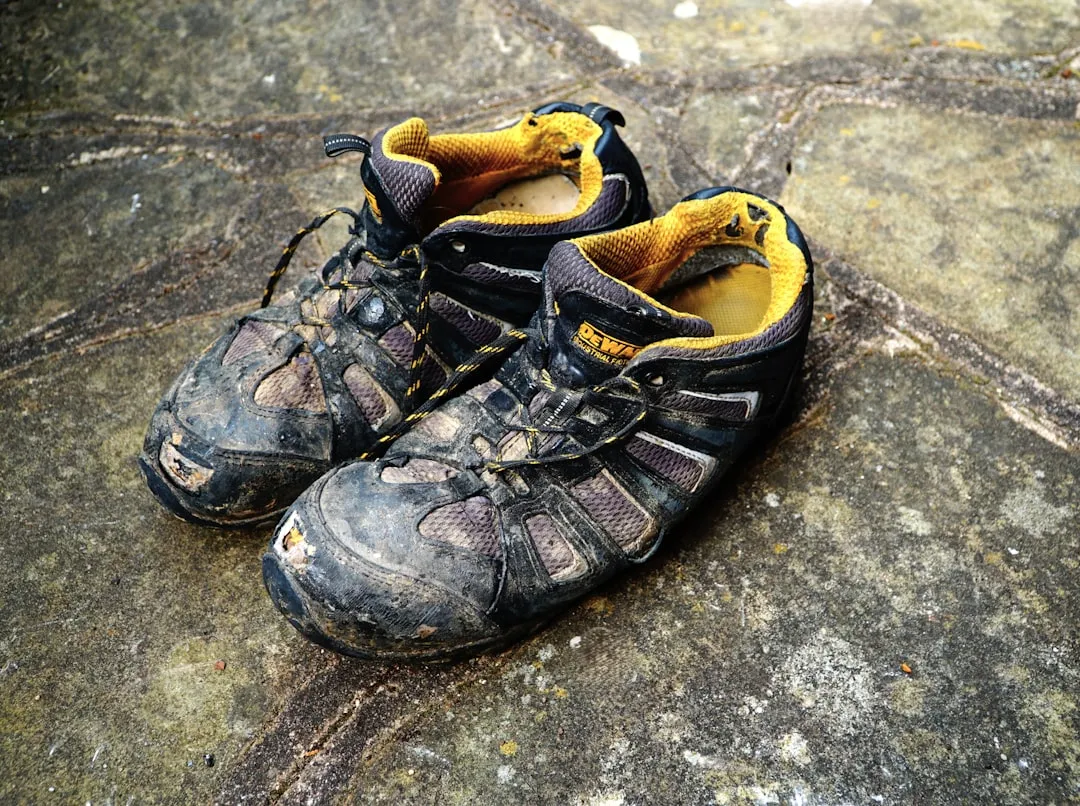
People who presented photos of their shoes on their own feet were perceived to be more emotionally stable. There’s something emotionally settled about the traveler in battered, beloved shoes. They’re not performing for strangers or chasing an aesthetic. The shoes work, and that’s enough.
To spot a more agreeable person, look for affordable and practical shoes. The worn-out pair signals someone who copes with stress by staying grounded in what’s real and useful rather than ideal. Flight delayed? They find a seat and wait. Hotel room disappointing? They sleep anyway. Their equanimity isn’t forced. It’s simply built from years of caring about what actually matters.
The Takeaway
The shoes you choose don’t just take you places. They influence how you arrive, how you stand, how you move, and how you feel while doing it. That’s not trivial, especially on a trip where everything is already slightly uncertain.
Research has found that strangers agreed with each other across a host of personality dimensions based on footwear alone, and shoes often communicate messages about us that we wouldn’t necessarily acknowledge ourselves. None of this means you need to rethink your packing. It simply means that the next time you reach for a specific pair before a trip, it might be worth pausing for a moment. What you’re really choosing is a coping style for everything the road is about to hand you.
AI Disclaimer: This article was created with the assistance of AI tools and reviewed by a human editor.