
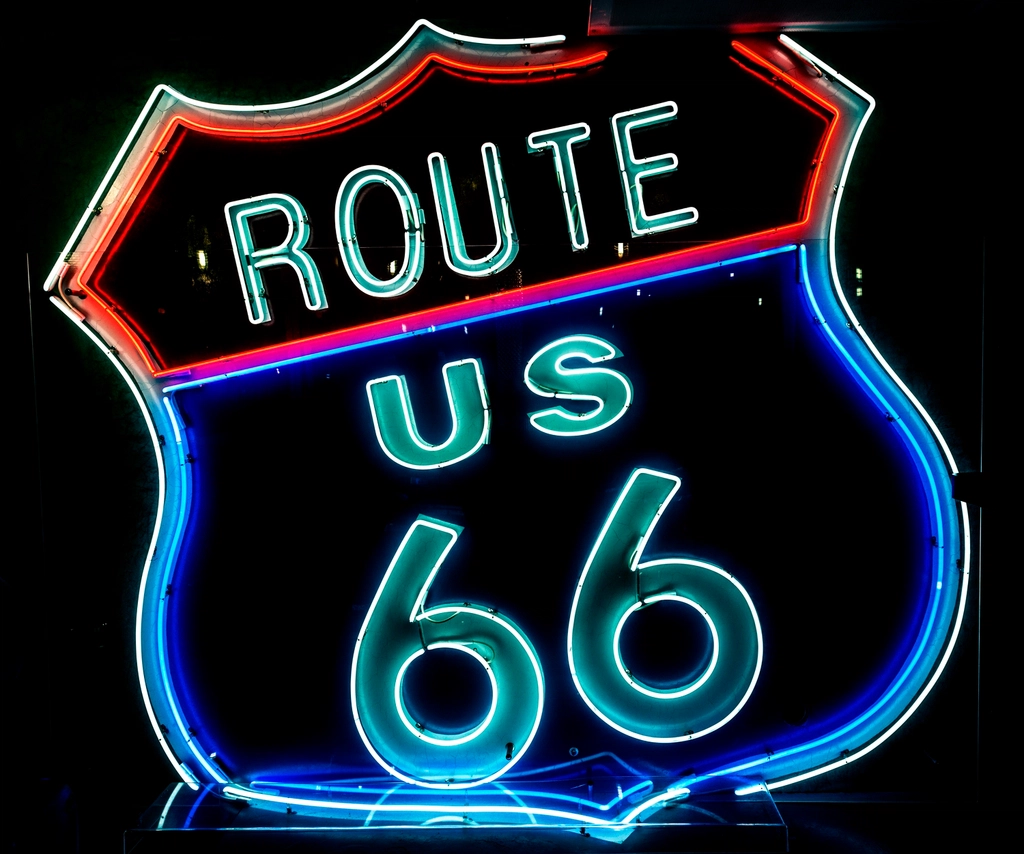

There’s something quietly remarkable about sitting down at a diner counter where truckers, Dust Bowl migrants, and postwar families once did the same thing. Route 66, known as the “Mother Road,” was one of the original highways in the U.S. Highway System, established in 1926, stretching from Chicago to Santa Monica. By the 1950s, it powered the golden age of American road travel, with neon motels, diners, and roadside attractions defining its identity. Some of those diners are still there. Still standing, still serving, still looking like they haven’t moved a chair since Eisenhower was president.
In 2026, Route 66 turns 100 years old, and the celebrations along the corridor have renewed global attention to what remains. As the historic road approaches its centennial anniversary, the National Trust for Historic Preservation is providing grants and other assistance to help preserve Route 66 while highlighting hidden stories and places along the route. This is a gallery of the diners that survived, the ones where the booths, the neon, and the pie recipes have outlasted everything that tried to replace them.
The Ariston Café, Litchfield, Illinois: The Oldest Survivor on the Road
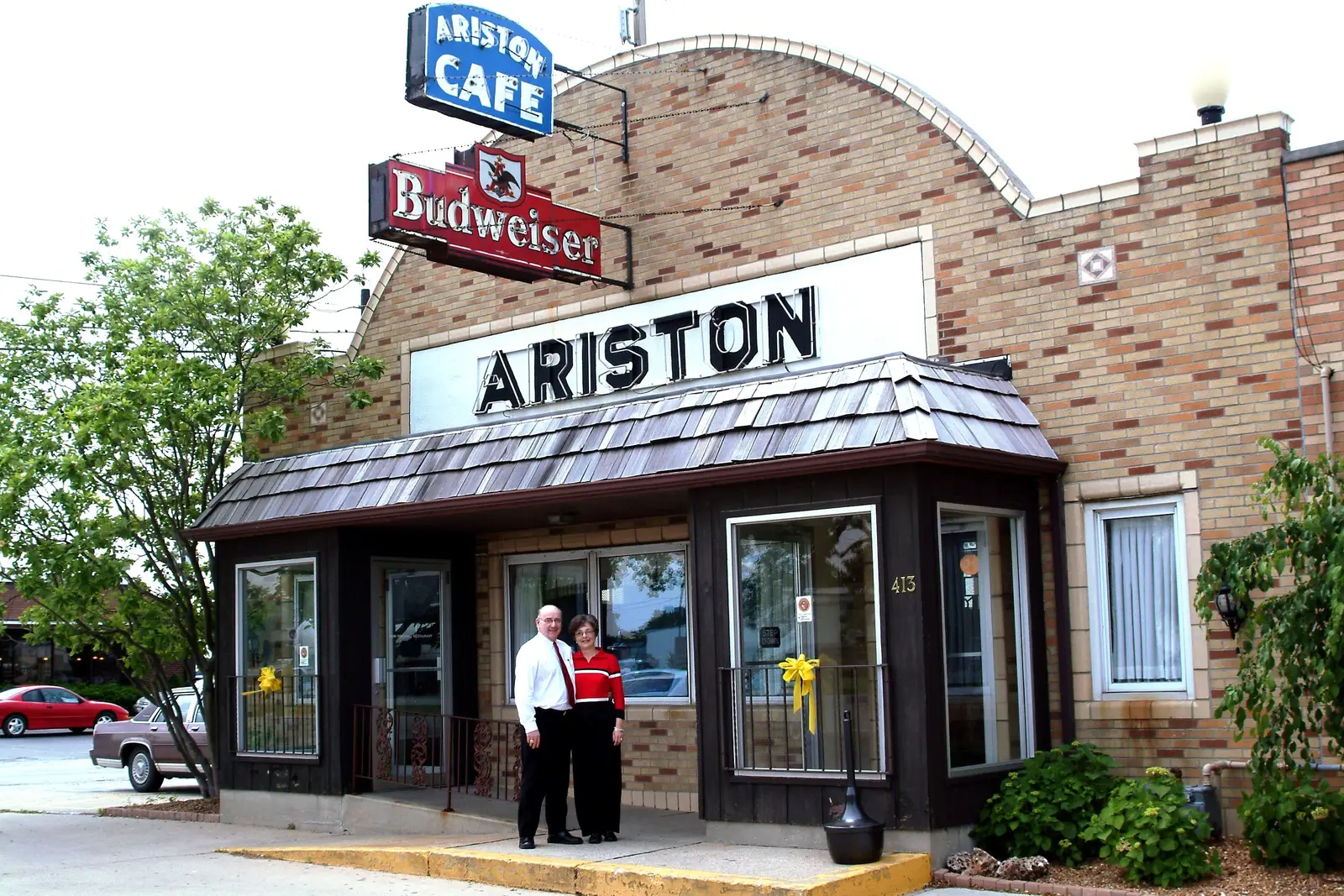
The Ariston Café on old Route 66 holds the distinction of being the oldest continuously operating restaurant on the historic highway, serving customers since 1924. The restaurant was started by Greek immigrant Pete Adams as a candy store in Carlinville, and when Route 66 was built through Litchfield, the business moved to where the action was.
The cafe opened its doors along Route 66 on July 5, 1935. The interior dining room still retains much of its original decor, including a stunning Art Deco wall cabinet along the north wall, chrome stools, and original light fixtures in the booths, and the original dining section still retains its 1935 acoustical tile ceiling.
When founder Pete Adam died in 1966, his son Nick took over the operation for nearly 50 years, making the Ariston Café a rare survivor of family-run restaurants that flourished along the Mother Road during the mid-20th century. In 1992, the Ariston Café and the Adam family were inducted into the Route 66 Hall of Fame, and since 2006, it has been listed on the U.S. National Register of Historic Places.
Lou Mitchell’s, Chicago, Illinois: Where the Mother Road Begins
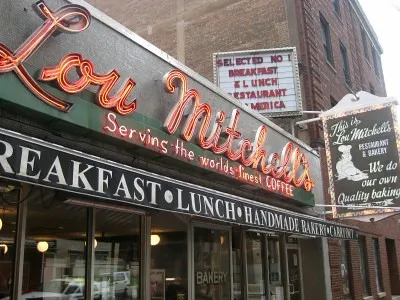
A Route 66 staple since 1923, Lou Mitchell’s is famous for its fluffy pancakes, classic omelets, and complimentary donut holes, and has been serving travelers and locals alike for generations. Founder William Mitchell, whose original restaurant was across the street on the north side of Jackson Boulevard, named his 1923 startup after his son Lou, who worked with other family members helping to run the restaurant.
The dining room retains its original black and white terrazzo flooring, and most of the dining and counter areas are unchanged, with the booths retaining their original wood tables, coat racks, and seats, although the seats sport new upholstery. Much of the wood and formica wall paneling dates to 1949.
The restaurant’s intense presentation of neon, shining glass, and sleek aluminum truly place this historic eatery in Route 66’s classic Golden Age, and the mix of local Chicagoans and travelers usually found at Lou Mitchell’s underscores one of the most important historical dynamics of the Route 66 experience. Lou Mitchell’s was listed in the National Register of Historic Places in May 2006.
Mitla Café, San Bernardino, California: The Diner That Invented Taco Bell
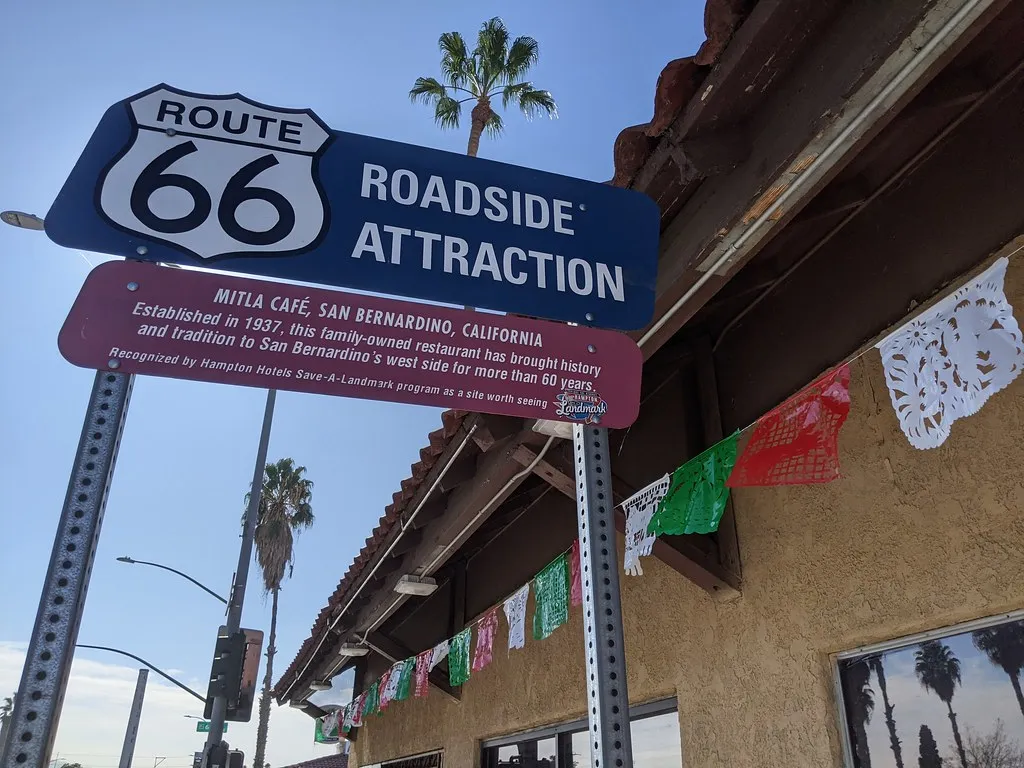
The Mitla Café on Mount Vernon Avenue in San Bernardino, California, has been serving tacos dorados since it opened its doors in 1937, made of a fried tortilla stuffed with cheese, ground beef, and diced tomatoes, originally sold for ten cents each to Mexican immigrants working in the region’s railroad and citrus industries. It was founded by Mexican immigrant Lucia Rodriguez, who was a trailblazer in operating an all-female business on Route 66.
The couple who founded Mitla Café in 1937 invited Taco Bell creator Glenn Bell into their inner circle and showed him how to make the tacos that became the foundation of his fast-food empire. By the time Bell opened his hamburger stand in 1948, Mitla Café had been in business for more than 10 years, expanding from a basic lunch counter to a full-service restaurant.
The warm, flower-tiled walls are adorned with photographs of Mexican-American historical icons, friends, and regulars, representing the tight-knit Latinx community in San Bernardino who have communed in this humble café over the years, reshaping California from the ground up. More than 80 years after opening, Mitla Café is still a family-owned San Bernardino mainstay, currently owned and operated by founder Lucia Rodriguez’s grandson, Michael Montaño.
66 Diner, Albuquerque, New Mexico: Born From a Gas Station
Sam’s 66 Service Center was built in 1945 as a Phillips 66 gas station by John H. Samuelson, and a large service area was added on the north side, before the building was used for a variety of automotive sales and service operations until it was repurposed into the 66 Diner in 1987. The Streamline Moderne architecture as well as the curved ceilings in the dining areas is reminiscent of the diners of the past, some built from repurposed railroad dining cars.
In 1995, a devastating fire broke out at 66 Diner, destroying almost everything on site, and the only thing that was salvaged was the 1958 jukebox, which is still churning out tunes in the restaurant today. To preserve the history of the site and the historical integrity of Route 66, the owners rebuilt the diner just as it was before, with a few minor adjustments to enhance efficiency.
Route 66 ran 2,448 miles through eight states from Chicago to Los Angeles, and today it has all but vanished, either renamed or reduced to dusty frontage roads on the side of Interstates, and the disappearance of the old road has stirred a sense of what Route 66 meant and still means to many Americans. The 66 Diner keeps that meaning alive, counter stool by counter stool.
Delgadillo’s Snow Cap Drive-In, Seligman, Arizona: Built by Hand From Railroad Timber
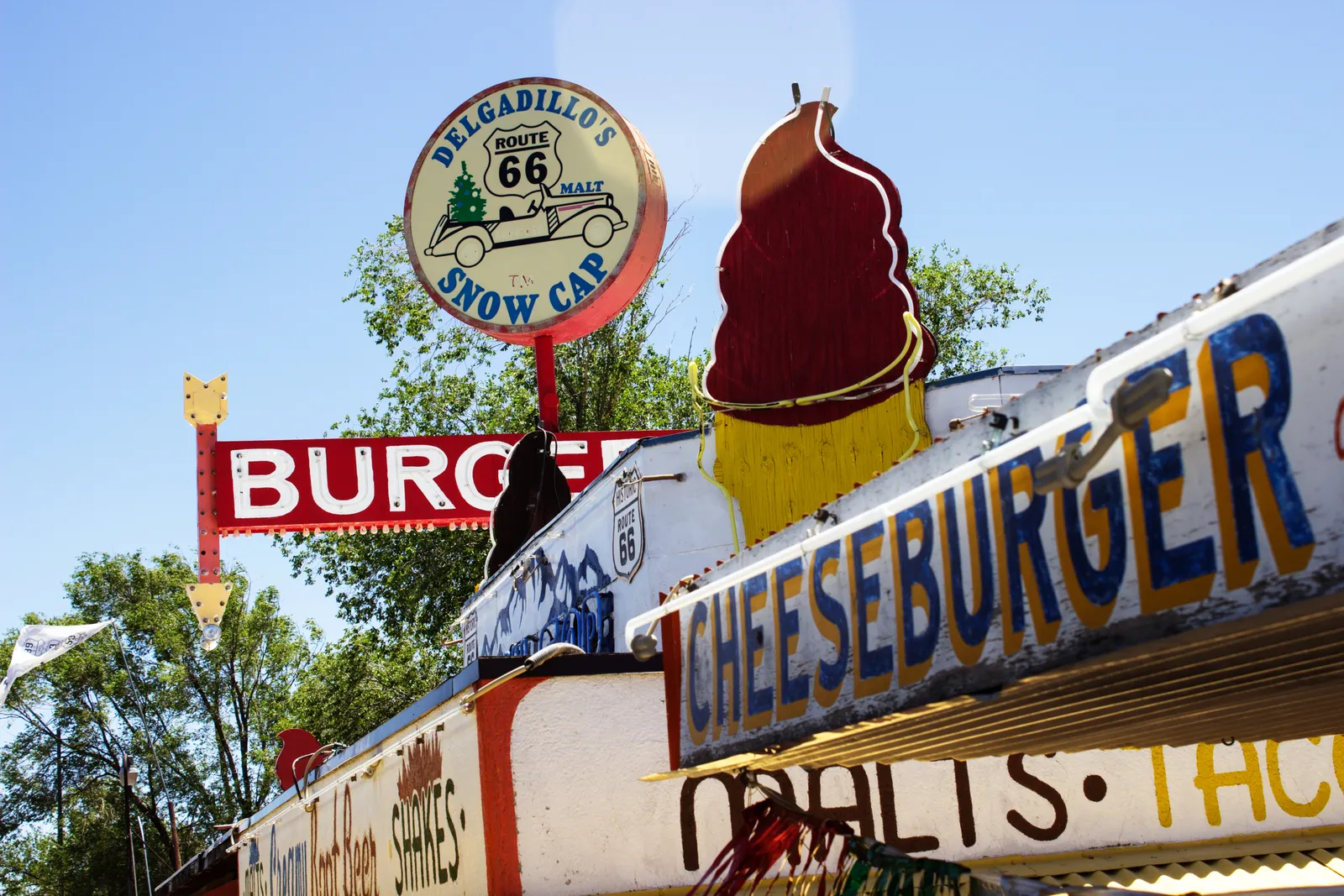
Since 1953, the Snow Cap has been a beacon for hungry travelers, delivering great road food and plenty of laughs, with founder Juan Delgadillo known for mischievous gags, and his family continuing to serve up jokes, memories, and burgers, tacos, chicken sandwiches, and shakes. Juan Delgadillo is also famous for opening Delgadillo’s Snow Cap in 1953, and having worked for the railroad, he built the diner out of the lumber he salvaged from the yard, creating a kitschy yet charming roadside landmark.
Opened in 1953 by Juan Delgadillo, this quirky roadside stop is famous for its humor, neon lights, and massive cheeseburgers, and the playful staff and vintage atmosphere make it a fun, must-see experience on Route 66. The hand-built structure, with its deliberately crooked door frame and homemade signs, looks precisely as improbable and charming today as it did when Delgadillo first nailed it together.
Mr. D’z Route 66 Diner, Kingman, Arizona: The One Oprah Loved
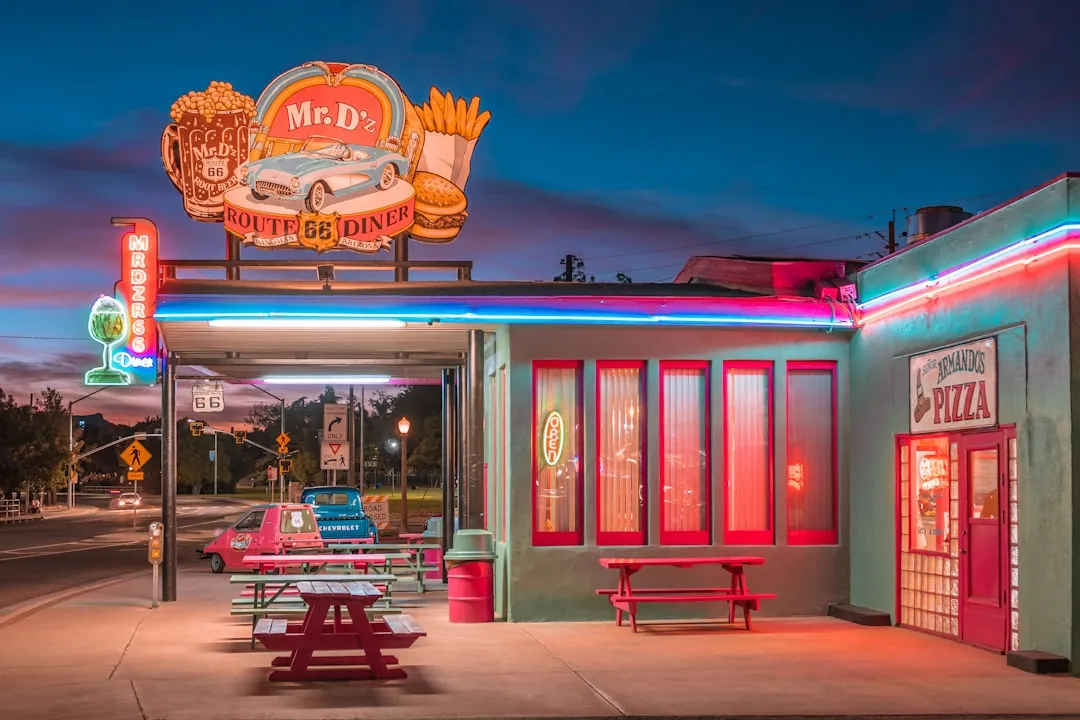
As you venture into Arizona, Mr. D’z in Kingman provides another perfect slice of Americana, with bright turquoise and pink colors, checkerboard floors, and classic car memorabilia creating a cheerful and welcoming vibe, and Mr. D’z is famous for its homemade root beer and juicy burgers. Even Oprah Winfrey once stopped for lunch and loved the house-made root beer so much, she gave cases of it away on her show.
It’s the kind of place where you can easily lose track of time, sipping a float and listening to Elvis on the jukebox, and its location in historic downtown Kingman makes it an ideal spot to take a break and soak in the atmosphere of a classic Route 66 town. The color scheme alone has become something of an icon: that specific pink-and-turquoise combination now reads as shorthand for the entire era.
El Camino Dining Room, Albuquerque, New Mexico: Adobe Walls and Vintage Signs
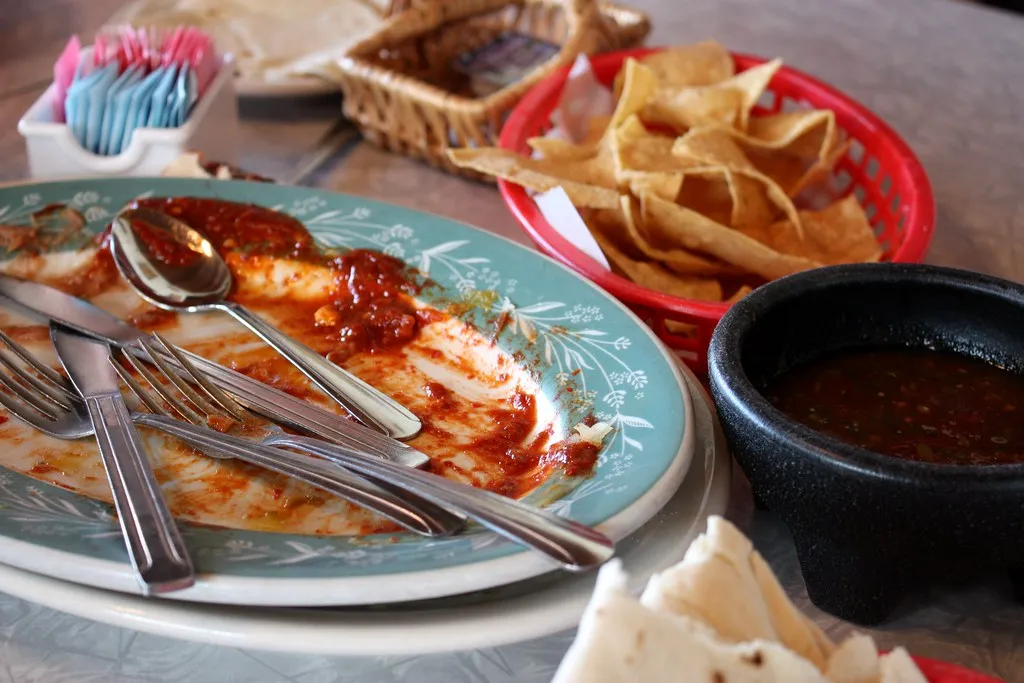
El Camino Dining Room is a diner from 1950 that has stood the test of time on the pre-1937 alignment of Route 66, founded by Clyde Tyler as a motel and dining room, and it has been serving up savory New Mexican dishes for over 70 years. The restaurant has a uniquely New Mexican charm: white adobe walls, vigas, and an abundance of vintage signage.
You might recognize the sign out front from AMC’s “Better Call Saul,” and the diner’s interior was featured in several scenes as the place where attorney Kim Wexler would meet her legal clients. That kind of cameo says something real about the place: production designers looking for a credible 1950s diner didn’t need a set. They just needed El Camino.
The Chavez family proudly owns and operates El Camino, and the heart-shaped neon sign with the names “Gilbert” and “Mandy” pays homage to the restaurant’s management team, Gilbert and Mandy Chavez. Few details in American diner history are quite as quietly sweet as a neon heart on a Route 66 rooftop.
Midpoint Café, Adrian, Texas: Exactly Halfway Between Everything
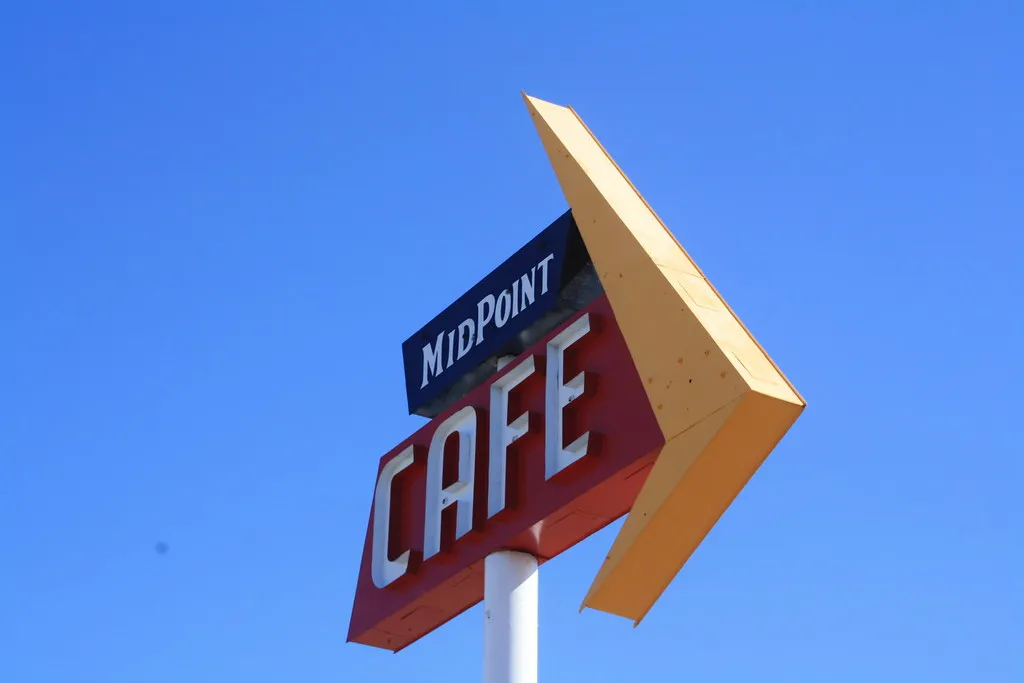
The Midpoint Café in Adrian, Texas, marks a significant landmark along the route, with a sign proudly proclaiming that you are exactly 1,139 miles from Chicago and 1,139 miles from Los Angeles, marking the geographical center of Route 66. The café itself is a charming throwback to the 1950s, famous for its “Ugly Crust Pies,” and these homemade pies have become a rite of passage for Route 66 travelers.
Stopping here has the feel of a deliberate pilgrimage. Travelers from both coasts arrive at Adrian knowing they are equidistant from their starting point and their destination, and they mark it with a slice of pie. Sitting at the exact midpoint of Route 66, this café is known for its homemade pies, including the famous “Ugly Crust Pie,” and visitors stop in for a slice to enjoy the retro atmosphere of this historic eatery.
Peggy Sue’s Diner, Yermo, California: Built on Railroad Ties
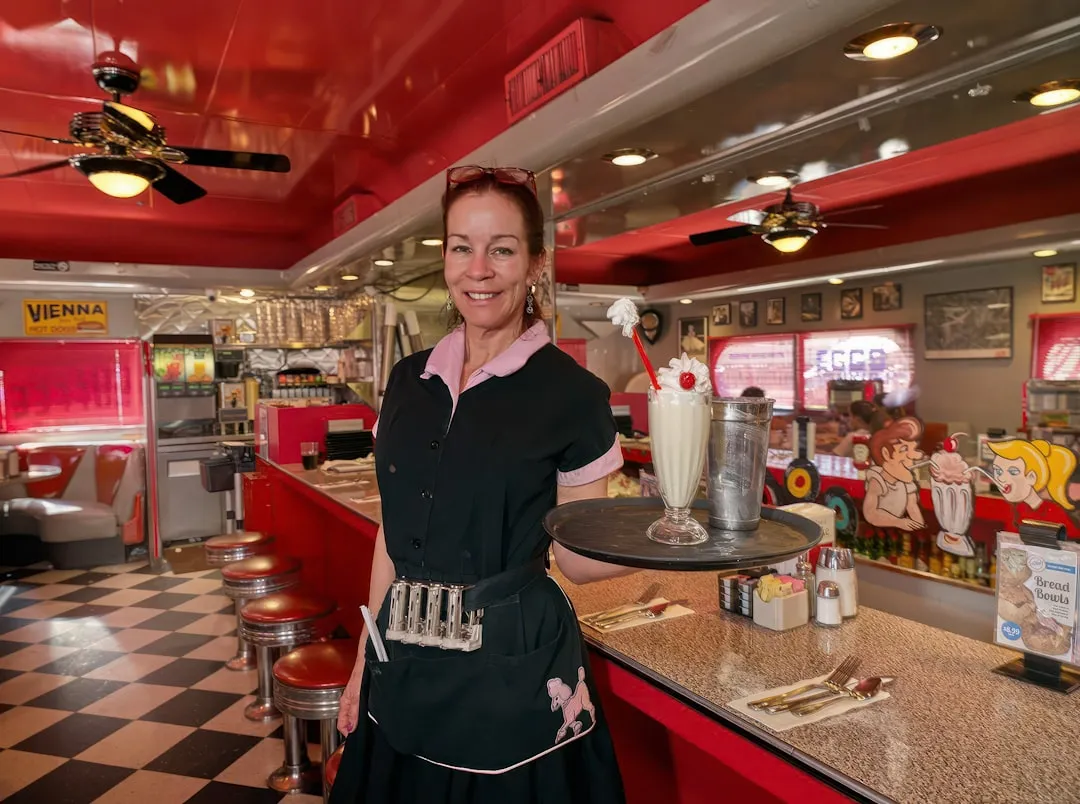
Located in Yermo, California, Peggy Sue’s has been a Route 66 icon since 1954, sitting in the shadow of the Calico Mountains and built using railroad ties and mortar from the Union Pacific Rail yard, starting small with just nine counter stools and three booths and growing into a must-stop for everyone driving the Mother Road.
Peggy Sue’s has a full 1950s diner experience, complete with classic burgers, curly fries, and cherry lemonade. The building’s origins give it an authenticity that no decorator can replicate: when the materials themselves are salvaged from mid-century industry, the atmosphere tends to take care of itself. Right behind the diner is Peggy Sue’s Dinosaur Park, a little roadside park full of life-size dinosaurs.
Mary & Tito’s, Albuquerque, New Mexico: A James Beard Classic
Mary & Tito’s was established in 1963 by Mary Ann Gonzales and Tito Gonzales, after Tito retired from a career in firefighting, and continues to be family-owned and operated today, with Antoinette Knight at the helm of this beloved neighborhood restaurant. In 2010, Mary & Tito’s won the “America’s Classic” award from the esteemed James Beard Foundation.
The James Beard “America’s Classic” designation is reserved for restaurants with timeless appeal and local community importance. Winning it speaks to decades of consistency and genuine neighborhood roots rather than any calculated effort at nostalgia. Mary & Tito’s is a hidden gem on 4th Street, established in 1963 by Mary Ann Gonzales and Tito Gonzales. The red chile and carne adovada keep people coming back in a way that no amount of vintage signage alone ever could.
The Road Itself: Why These Diners Still Matter in 2026
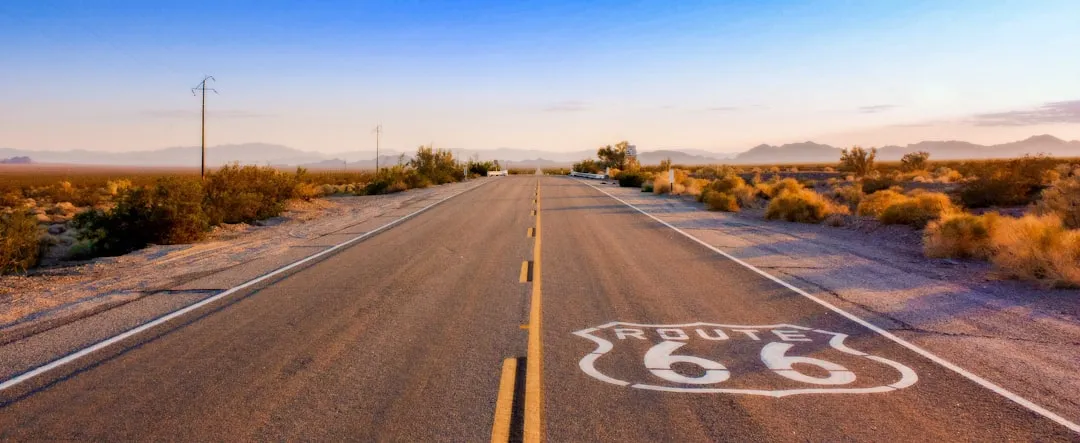
The federal government recognized grassroots preservation efforts when Congress passed legislation in 1999 establishing the Route 66 Corridor Preservation Program, administered by the National Park Service, which focuses on identifying and preserving significant Route 66 resources, from vintage motels and diners to bridges and gas stations. Many sections of Route 66 now hold listings in the National Register of Historic Places, ensuring legal protection for these cultural landmarks.
The Route 66 Revitalization Grant Program has awarded funding to cities, towns, government agencies, and nonprofits with the goal of preserving locations along the route and promoting local economies, with the grants allowing towns along the route to “dream” about their centennial celebrations. The city of Stroud, for instance, received nearly a million dollars in 2024 to install 49 neon lights on businesses to encourage travel along its commercial corridor.
Exploring the retro diners of Route 66 is more than a culinary tour; it’s an immersive historical experience, as these establishments are the heart and soul of the Mother Road, preserving a unique chapter of American history one burger and milkshake at a time. The diners listed here aren’t preserved behind glass. They’re preserved through daily use, which is the only kind of preservation that really counts.
The Takeaway: What Hasn’t Changed Is the Point
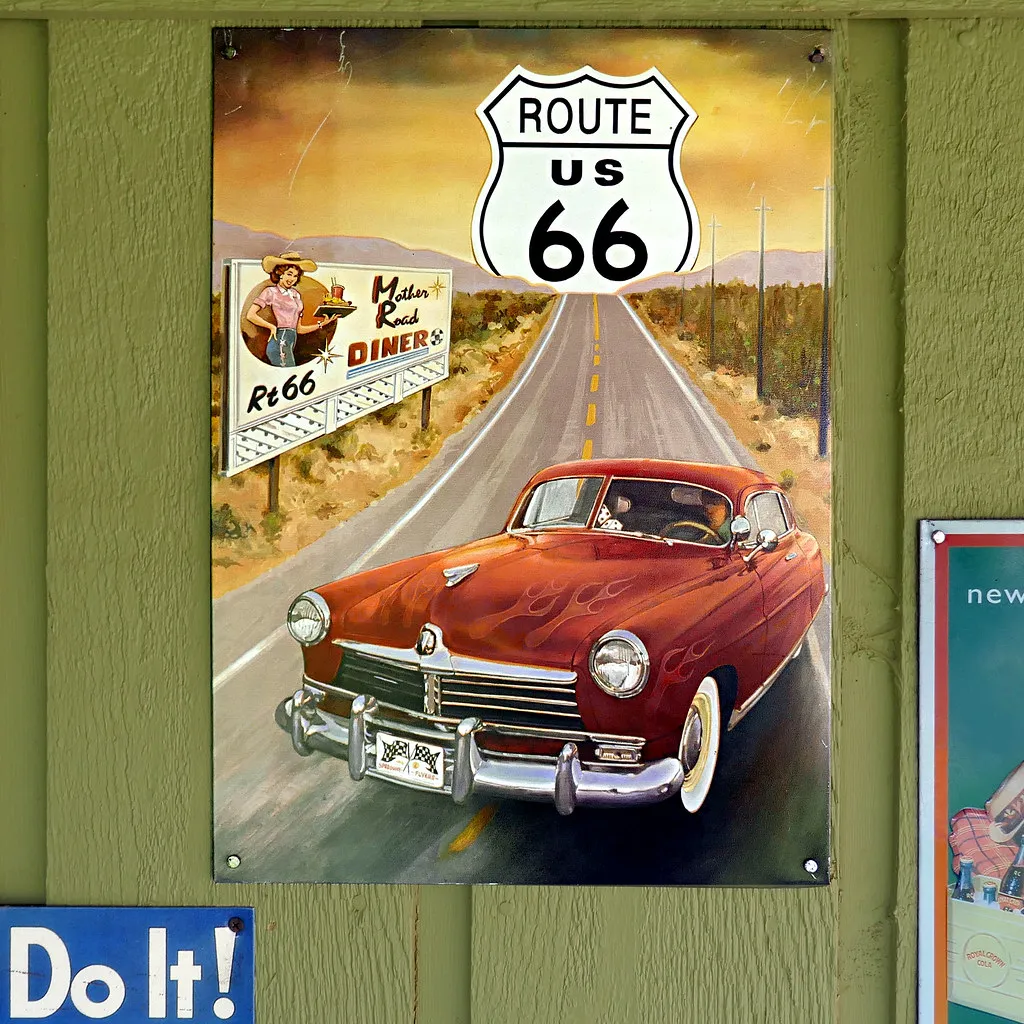
What makes these places genuinely moving isn’t the chrome or the checkered floors. It’s the continuity: the same families, the same recipes, the same corner booths where generations of strangers became briefly, warmly acquainted over a shared plate of pie. This historic highway isn’t just a stretch of asphalt; it’s a journey back in time, and nothing captures that spirit quite like the retro diners that still dot its path, as these establishments are more than just places to eat – they are living museums of Americana, serving up comfort food with a generous side of nostalgia.
In 2026, Route 66 reaches its 100th anniversary, and the scale of restoration, investment, and global interest makes this year uniquely important for travelers. The diners don’t need the anniversary to justify themselves, though. They’ve been justifying themselves, one breakfast plate at a time, for the better part of a century. That’s the kind of proof that speaks for itself.
AI Disclaimer: This article was created with the assistance of AI tools and reviewed by a human editor.