
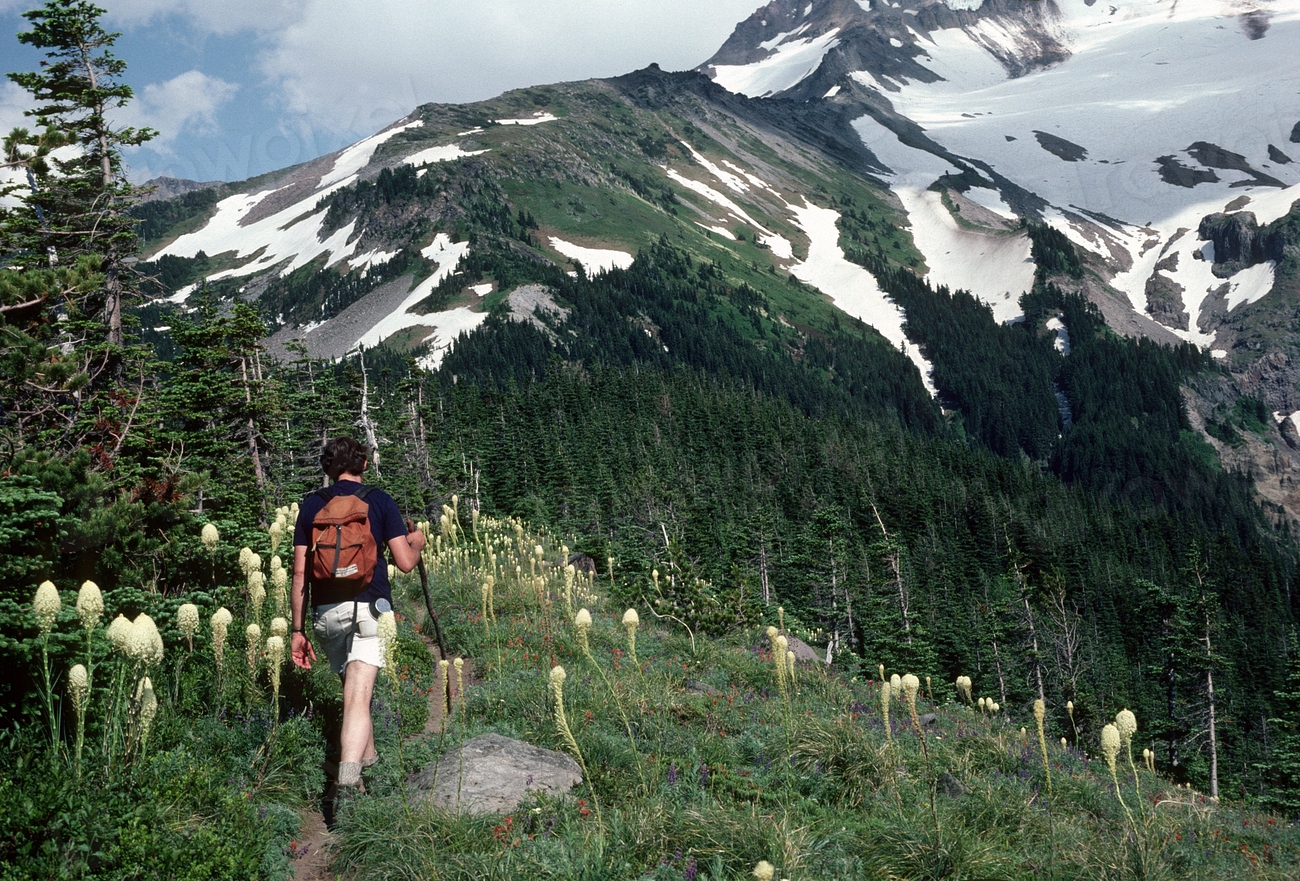

There’s a quiet code among Pacific Northwest hikers. You can sometimes spot it in the way a local pauses just a half-second too long before answering, “Where’s a good trail around here?” They’ll name something well-known, something with a trailhead sign and a busy parking lot. They won’t tell you about the other one.
This isn’t secrecy for secrecy’s sake. It comes from something deeper: a genuine, earned attachment to wild spaces that are still intact, still quiet, still functioning the way a forest or ridge ought to. Understanding why locals guard certain trails so fiercely means understanding the broader story of what happens when a place loses its mystery entirely.
The Pacific Northwest Has More Trails Than Most People Realize
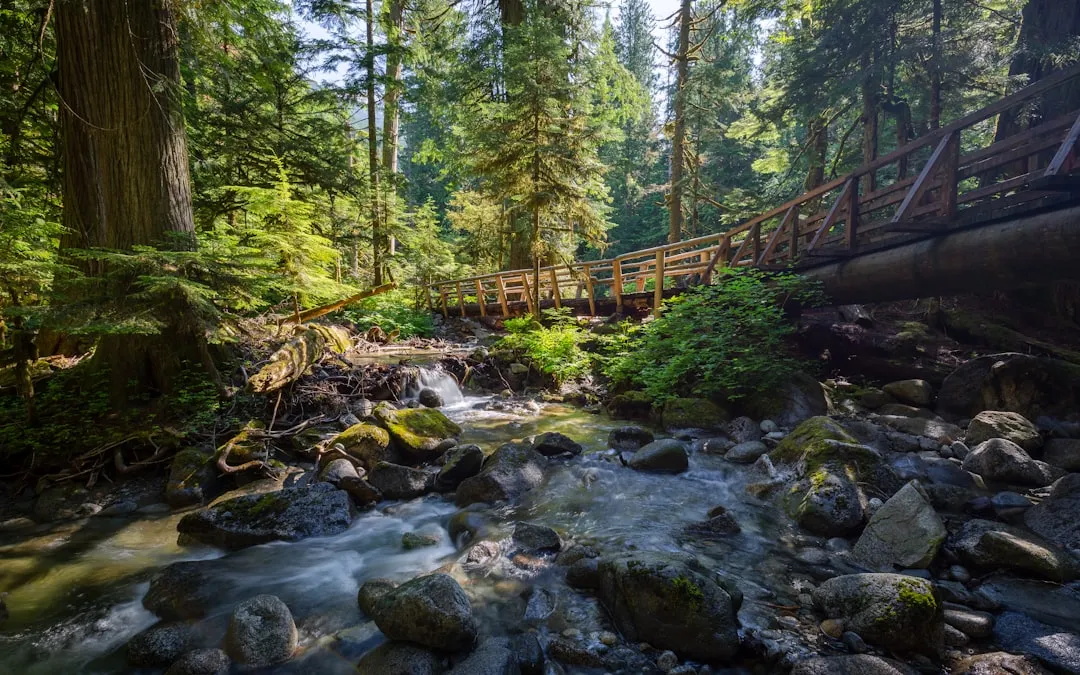
The Pacific Northwest Trail alone is a 1,200-mile route that runs east to west starting at the Continental Divide in Montana and ending on Washington’s coast, crafted to provide breathtaking views as frequently as possible and to allow access for hikers, mountain bikers, and horse riders alike. That’s just one corridor. Washington state contains hundreds of additional trails threading through old-growth forest, alpine meadows, and coastal cliffs that never make a national headline.
The Washington Trails Association’s hiking guide is the most comprehensive database of hikes in Washington, comprising content written by local hiking experts and user-submitted information. Even so, seasoned locals know that the most meaningful trails don’t always appear in any database at all. Some are intentionally left undocumented, passed along by word of mouth only.
Overcrowding Has Changed Everything at Popular Trailheads
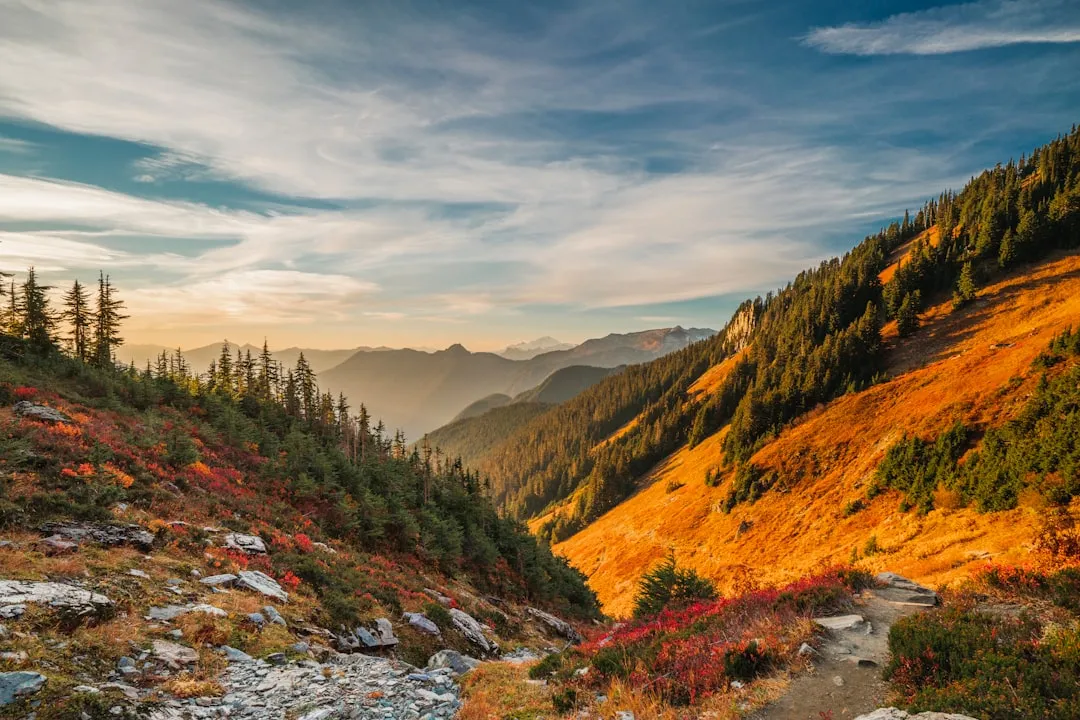
There’s nothing worse than planning an excursion into the wild only to have it interrupted by crowds using the same trail, which is why trail experts increasingly recommend hidden hiking gems that are big on views and low on foot traffic. This isn’t a new sentiment, but the scale of the problem has grown considerably.
In the PNW, most people hike July through September, and this concentrated use can put considerable strain on the trails. Oregon is already expanding permit areas to limit the number of hikers, and the same is likely to happen in Washington state in the years to come. For locals who have watched beloved areas transform under that kind of pressure, keeping a quieter trail off the radar feels less like selfishness and more like stewardship.
The Enchantments Effect: What Viral Fame Does to a Wild Place
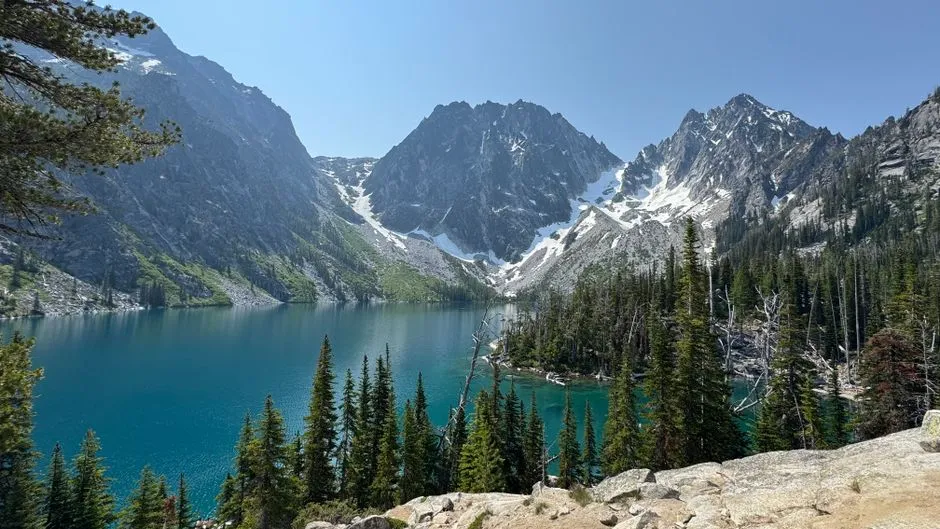
The popular area known as the Enchantments in Washington had over 17,000 visitors in 2017, with roughly 3,000 overnight permits issued from May 15 through October 31, while over 20,000 people applied for those permits. That imbalance tells its own story. Demand so dramatically outpacing capacity is exactly what locals dread seeing repeated at places that are currently still pristine.
Once a trail becomes the subject of a viral post or a major travel feature, its character changes fast. Parking areas get overwhelmed, social trails form around fragile vegetation, and the solitude that made the place worth visiting evaporates. Locals have watched this cycle play out enough times to recognize the early warning signs.
The Volunteer Army Working Quietly Behind the Scenes
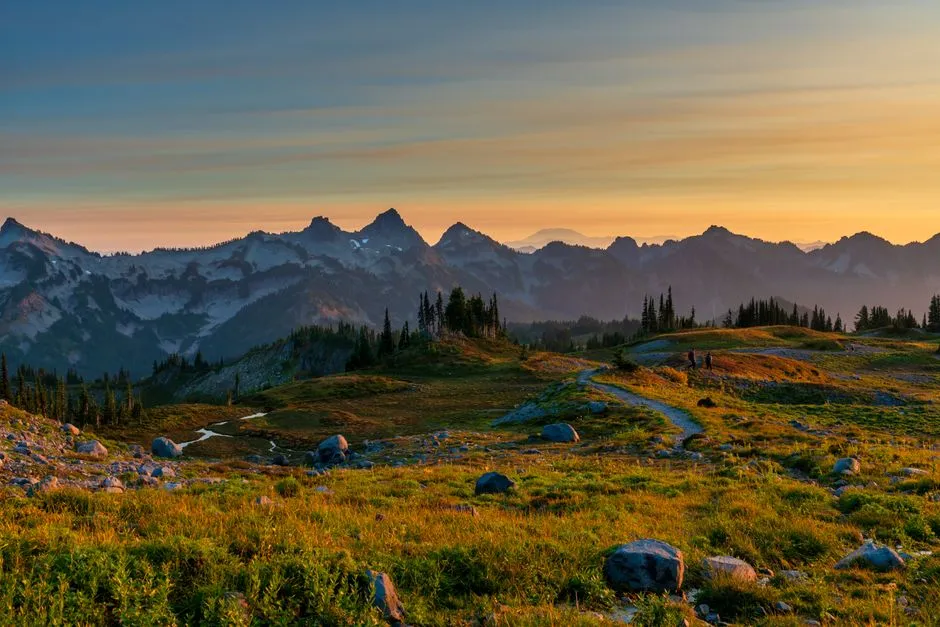
In 2024, the Washington Trails Association continued to build on the strength of its trail community, with more than 150,000 volunteer hours contributed by over 3,400 volunteers, delivering the equivalent of $4.7 million in essential trail work across Washington. That’s a remarkable level of civic investment in the land, and it comes almost entirely from people who care deeply about these spaces.
In 2024, the WTA completed over 158,000 hours of trail work, the majority donated labor from volunteers, improving more than 300 trails across the state. The people putting in those hours tend to be the same people who know where the less-documented trails are. They’ve earned their knowledge the slow way, with blisters and early starts, and they’re not eager to hand it off casually.
Indigenous Land Stewardship Shapes a Deeper Respect for Place
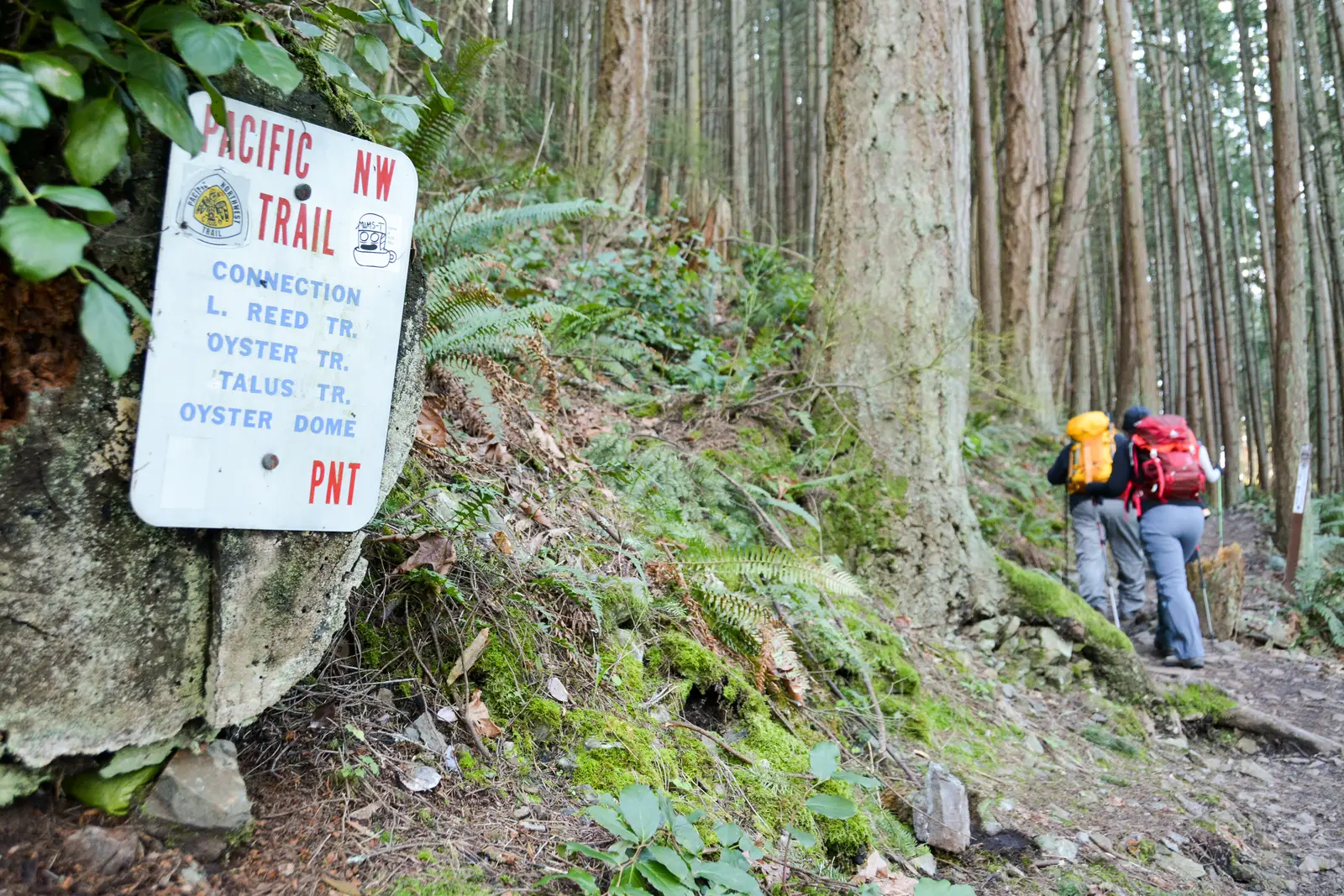
The Washington Trails Association respectfully acknowledges that the lands hikers are visiting are the homelands of Indigenous tribes of the Pacific Northwest, some of whom have reserved rights on these lands, and that tribes continue to rely on and share in the management of these lands today. Tread gently and treat these places with respect.
This acknowledgment isn’t ceremonial for many Pacific Northwest hikers; it shapes how they relate to the land. There’s a longstanding ethic in the region that certain places carry meaning that extends well beyond recreational value. Protecting a trail from overuse is, in part, an extension of that ethic. Quiet places stay quiet because people choose to keep them that way.
Lesser-Known Trails Often Offer More Rewarding Experiences
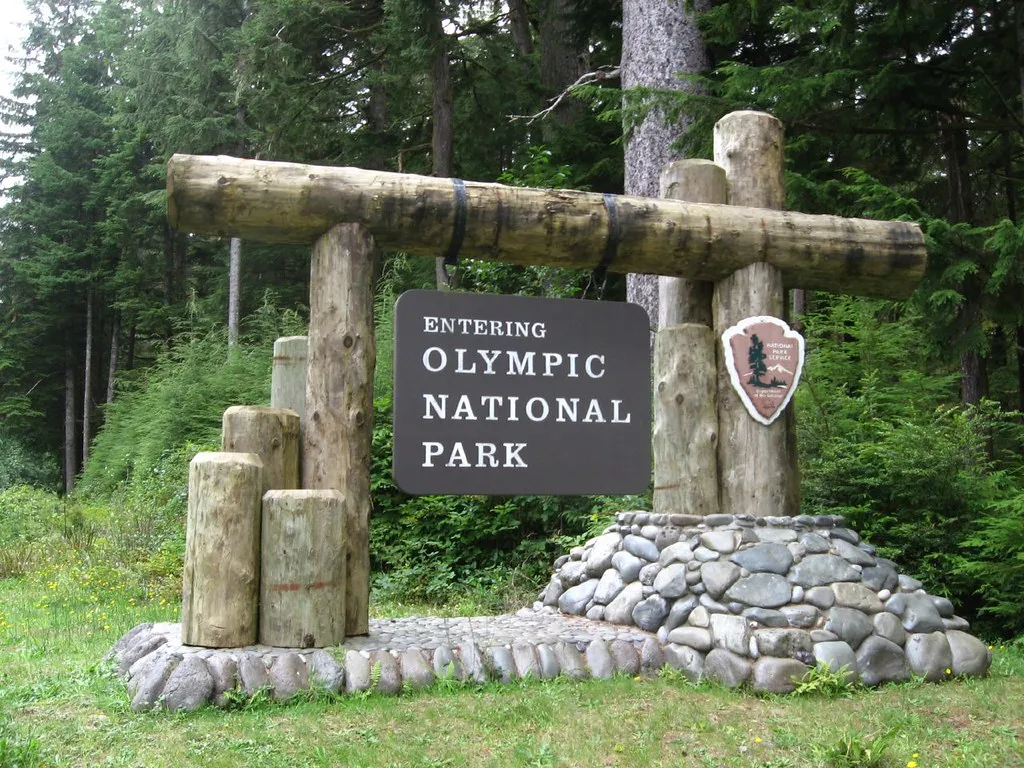
The Heather Park Trail in Olympic National Park is 12 miles away from Hurricane Ridge, far less crowded, and still offers incredible views, including a panorama of the Strait of Juan de Fuca from west to east, Port Angeles below, and a multitude of peaks to the south. This is exactly the kind of trade locals are willing to make: a bit more effort, a far better experience.
Some trails simply aren’t well-known, so crowds stay minimal. One local hiker noted heading out on a Friday night and seeing only two other groups, eventually having a windy summit entirely to himself. That kind of encounter is increasingly rare on popular trails. It’s precisely what the unofficial secrecy around quieter routes is designed to preserve.
The Role of Wildfire and Environmental Fragility
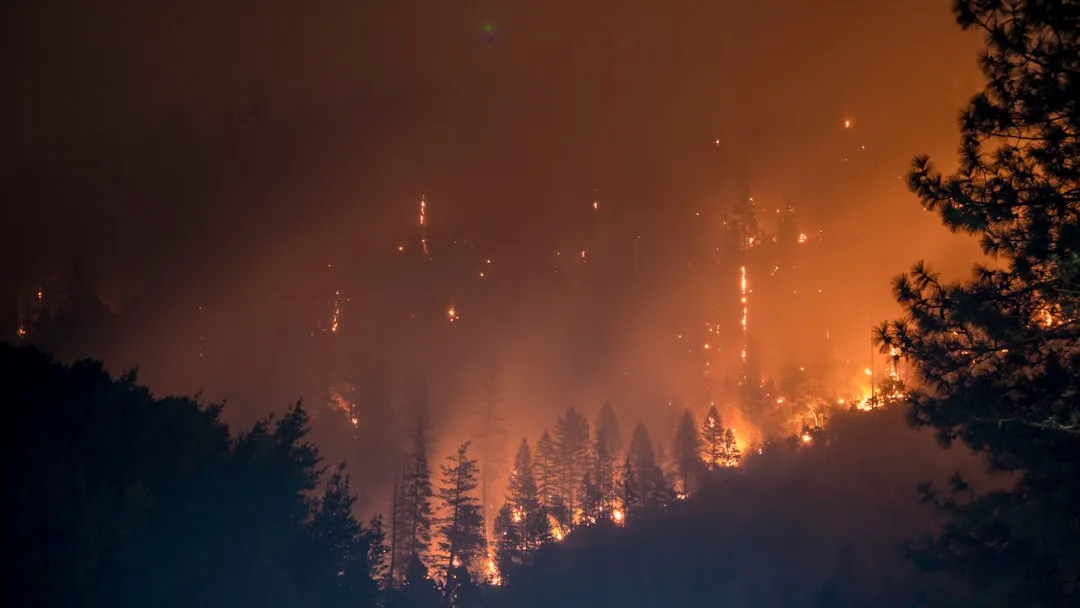
Wildfire season is a persistent reality in Washington, and approximately 85 percent of the state’s wildfires are caused by people. High foot traffic in sensitive areas increases this risk considerably, especially during dry summer months when the forest floor is tinder-dry. Locals understand that sending a wave of unprepared visitors into backcountry terrain carries real consequences.
Trail fragility extends beyond fire risk. Alpine meadows, riparian zones, and old-growth understories are slow to recover from repeated disturbance. A trail that sees ten visitors on a summer weekend handles impact very differently from one that sees three hundred. The difference between those two numbers, locals know, is often just a single viral social media post.
Social Media Has Accelerated the Problem

The tension between sharing a beautiful place and protecting it has never been more acute. A photograph tagged with a location can route thousands of additional visitors to a trailhead within days. What took years to build as a local secret can unravel in a weekend. This reality has made many experienced Pacific Northwest hikers genuinely cautious about what they share and where.
From 2022 to 2025, the Washington Trails Association partnered with Glacier Peak Institute for trailhead outreach along the Mountain Loop Highway, putting boots on the ground in popular areas like Lake 22 and the Barlow Pass trailhead to teach hikers how they can lessen their impact on the environment. That kind of grassroots education reflects how seriously the local community takes the stewardship challenge that overcrowding creates.
A Growing Community of Stewards Is Protecting What Remains
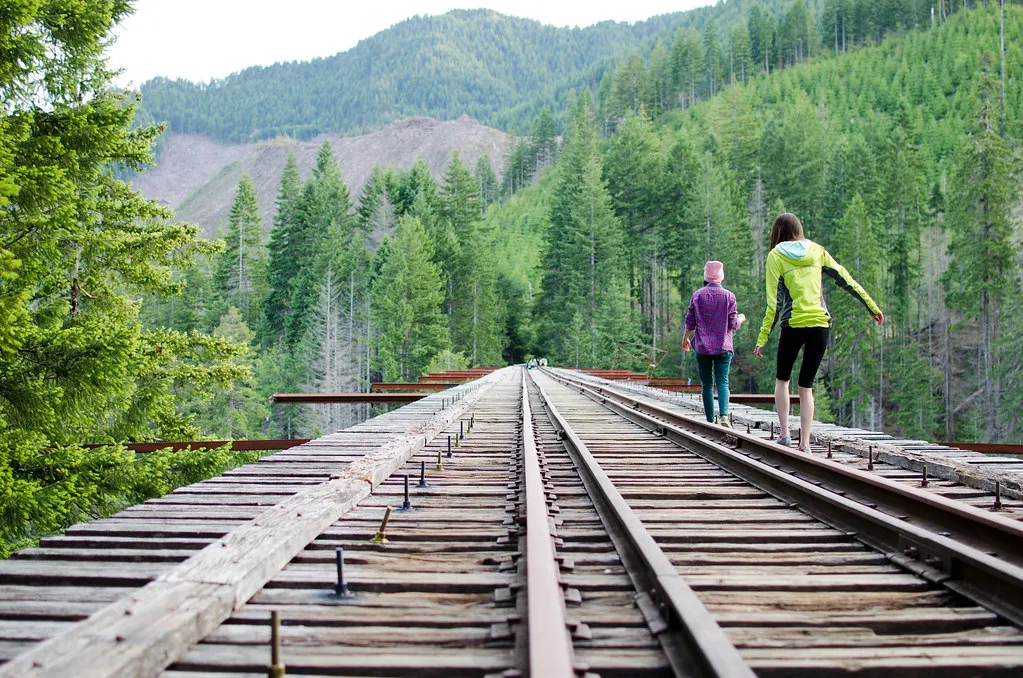
The Washington Trails Association mobilizes hikers to steward and advocate for trails, with a stated goal of trails for everyone, forever, taking a holistic approach and addressing systemic barriers to time outside. In 2025, that involves maintaining and building trails, lobbying for public lands through grassroots advocacy, sharing free hiking resources, and reducing barriers for youth to get outside.
The nonprofit employs about 85 full and part-time staff statewide and has over 26,000 members. Behind that membership are real people with real knowledge of the land. Their commitment to protecting trails is backed by thousands of hours of physical work each year, not just a philosophical attachment. The secret trails benefit quietly from all of it.
What Responsible Visitors Can Do Instead

The instinct to seek out a local secret is understandable. Everyone wants to feel like they’ve found something real. The more constructive approach, though, is to ask how you can become someone who earns that knowledge rather than just extracting it. Maintaining trails isn’t the only way to donate time: WTA ambassadors volunteer statewide to encourage stewardship, share hiking resources, and talk to hikers about responsible recreation.
WTA’s website and Hiking Guide remained the go-to resources for hikers, with more than 250,000 trip reports shared to help others explore safely and confidently. There are genuinely wonderful, less-visited trails documented through responsible channels. Starting there, going on weekdays, arriving early, and practicing solid Leave No Trace ethics are all ways to experience the Pacific Northwest thoughtfully without adding pressure to places that are already carrying too much of it.
The Mystery Is the Point
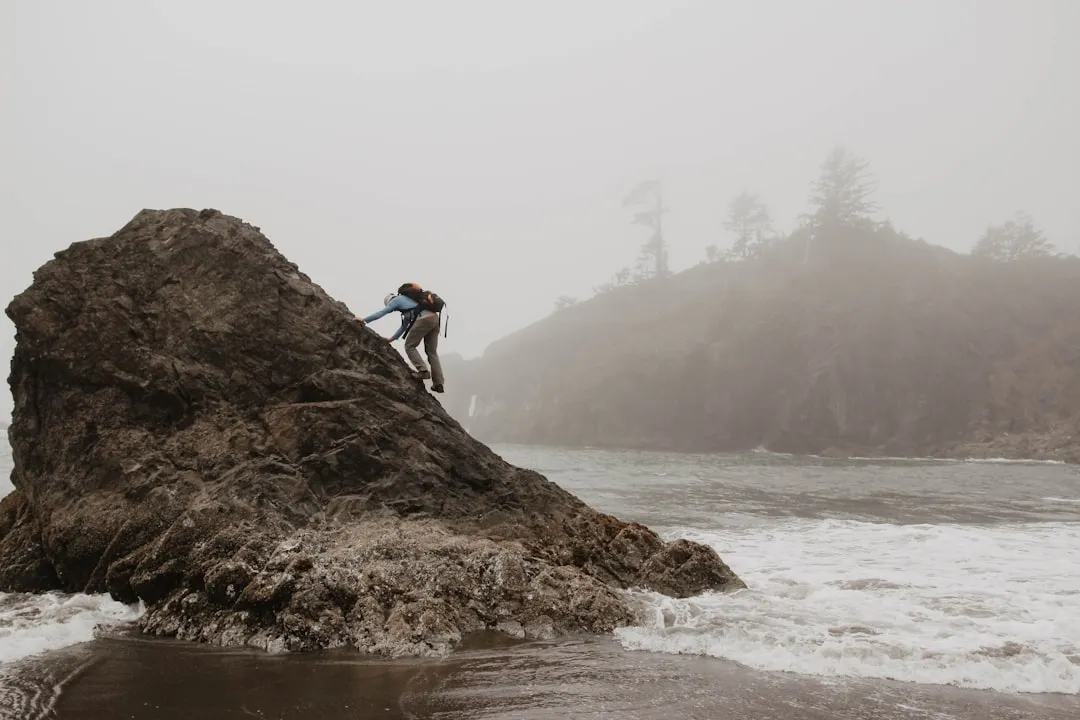
There’s something worth sitting with here. The fact that a trail remains a mystery to most visitors is not a failure of information. It’s often the reason the trail is still worth visiting. Hikers and backpackers share a deep connection to the land, but preserving trails takes collective effort. Part of that effort, for the people who know these places best, is simply choosing not to broadcast them.
The Pacific Northwest’s most quietly protected trails will likely remain that way as long as the people who love them most keep choosing the land over the likes. That’s not a mystery to solve. It’s a culture worth respecting.
AI Disclaimer: This article was created with the assistance of AI tools and reviewed by a human editor.