


There’s a particular kind of nostalgia that only car people really understand. It’s not just about the styling or the sound of a motor – it’s about how those machines actually felt to live inside day to day. The 1990s produced vehicles with an intimacy, a tactility, a kind of honest physicality that’s quietly disappeared from modern showrooms.
The decade gave us some genuinely groundbreaking car design, but it also delivered a heap of features that reviewers once dismissed, comedians lampooned, and buyers quietly crossed off their wish lists. Now those same features have become objects of genuine longing. Slide into a ’90s car today and you’ll feel immediately what’s been lost. Here’s a gallery of the ten features that still haunt us.
1. The Near-Panoramic Visibility of the ’90s Cabin

Climb into most cars made even as recently as the 1990s and you’ll be struck by the near-panoramic visibility. It’s genuinely startling if you’ve spent years driving a modern vehicle.
Plunging rooflines, higher beltlines, and thicker pillars have all chipped away at outward vision in contemporary cars, and crash safety plays a part – thin metal does not behave well in a rollover. Electronics now try to fill those blind spots, but cameras and sensors don’t quite replicate that sense of spatial awareness.
Those airy old cabins were more personable, too – you felt as though you were a part of the world rather than forging through it in a reinforced bunker. There’s something grounding about being able to see clearly in every direction, without waiting for a sensor to tell you what’s there.
2. Physical Buttons and Knobs That You Could Find Without Looking
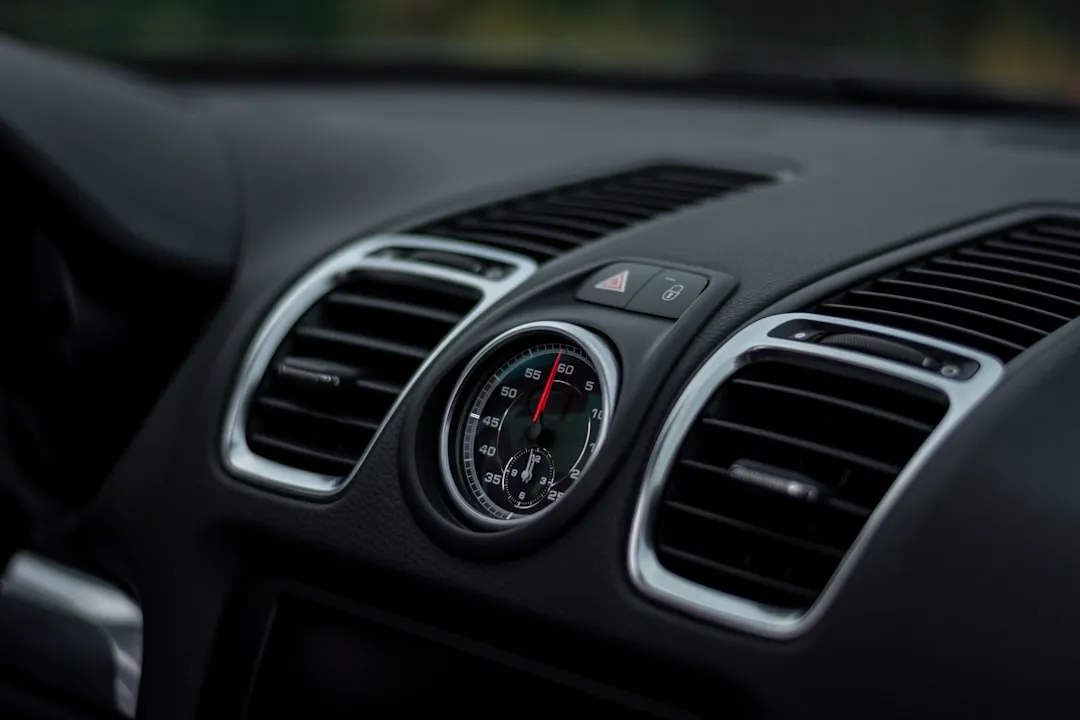
According to survey data, 97% of new cars built after 2023 have at least one screen, but 89% of drivers surveyed prefer physical buttons. That gap between what manufacturers build and what drivers actually want has never been wider.
Touchscreens dominate today’s vehicles, even for basic tasks like adjusting climate, which adds complexity and poses a safety risk. A 2022 study by Swedish magazine Vi Bilägare found that drivers needed much more time to complete tasks using touchscreens as opposed to physical buttons.
Compared to the tactile, driver-centric cockpits of the 1990s and early 2000s, today’s dashboards represent a step backward in intelligence, safety, and ergonomics by many accounts. The reassuring click of a real knob is something no touchscreen has managed to replace. Volkswagen’s design chief has since announced that next-generation models will return physical buttons for volume, seat heating, fan controls, and hazard lights, applying “in every car that we make from now on.”
3. Analog Instrument Clusters That You Could Read at a Glance

The industry largely retreated to analog gauges through the 1990s after early digital dashboards of the ’80s proved legitimately hard to read. Those full-needle clusters were then labeled old-fashioned when LED and LCD displays started appearing in higher-trim vehicles.
The feedback on going fully digital has been nearly universal: digital driver displays are harder to read at a glance, require more eyes-on time than analog gauges, and present more information than most drivers ever need. A needle sweeping across a physical tachometer is information absorbed in a fraction of a second.
Those fancy screens might be cutting-edge today, but they will quickly look dated. Good analog gauges, like those found in well-regarded ’90s cars, never go out of style – but touchscreen technology changes rapidly. Some high-end brands are quietly moving back toward analog gauges precisely because they look special and give a car more character.
4. Cassette Players and In-Dash CD Players

One of the most appealing aspects of cassettes was the ability to create mixtapes. Car owners could curate their playlists by recording from vinyl records, radio broadcasts, or other cassettes, allowing for a uniquely tailored listening experience during road trips and commutes.
CD players came in all shapes and sizes in the 1990s. If you had one, you were likely seen as a trendy, modern driver with money to spare, and CD players provided genuinely high-quality audio that didn’t “eat” your music the way cassette players occasionally did.
Car CD changers gained popularity in the late 1980s and continued throughout the 1990s, with earlier devices being trunk-mounted and later ones mounted in the head unit, some able to accommodate six to ten CDs. In the United States, the last cars to have cassette players as standard were as late as 2010, after which no manufacturers offered a tape player either as standard or as an option. That physical ritual of loading music is something streaming has never quite replaced.
5. Front Bench Seats and the Space They Created
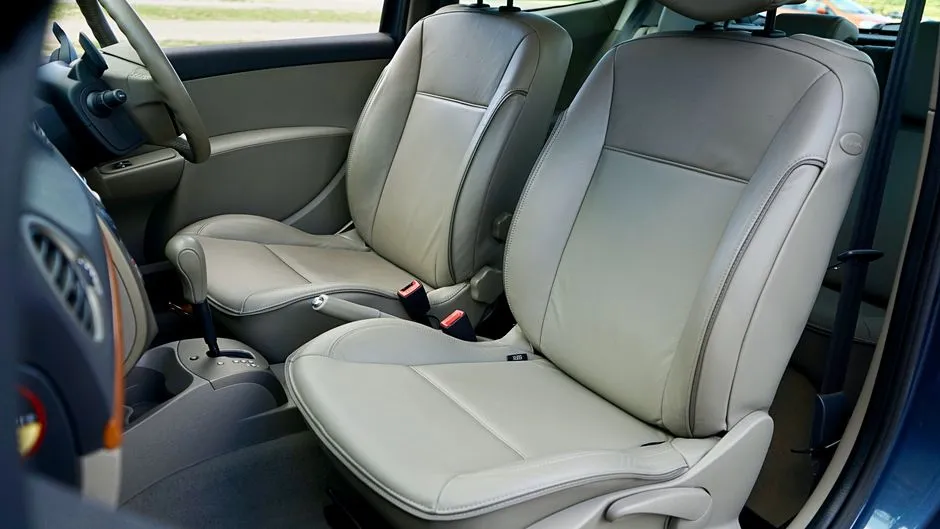
Bench seats up front were once standard in family sedans, big coupes, and pickups. They allowed three passengers to sit side by side, and they made interiors feel genuinely wide open.
Modern airbag safety systems have effectively eliminated front bench seats, because side airbags are designed for two individual passengers in fixed positions, making it impossible to provide adequate protection for a center front passenger without compromising airbag effectiveness. Seatbelt regulations also created complications for center seating.
While bench seats lacked the lateral support of bucket seats, they hold nostalgic appeal for their simplicity and the sense of closeness they brought. For many, they’re remembered as a symbol of togetherness on road trips, dates, or evenings at the drive-in. That easy sociability is simply not available in modern interiors.
6. Pop-Up Headlights and the Theater They Brought
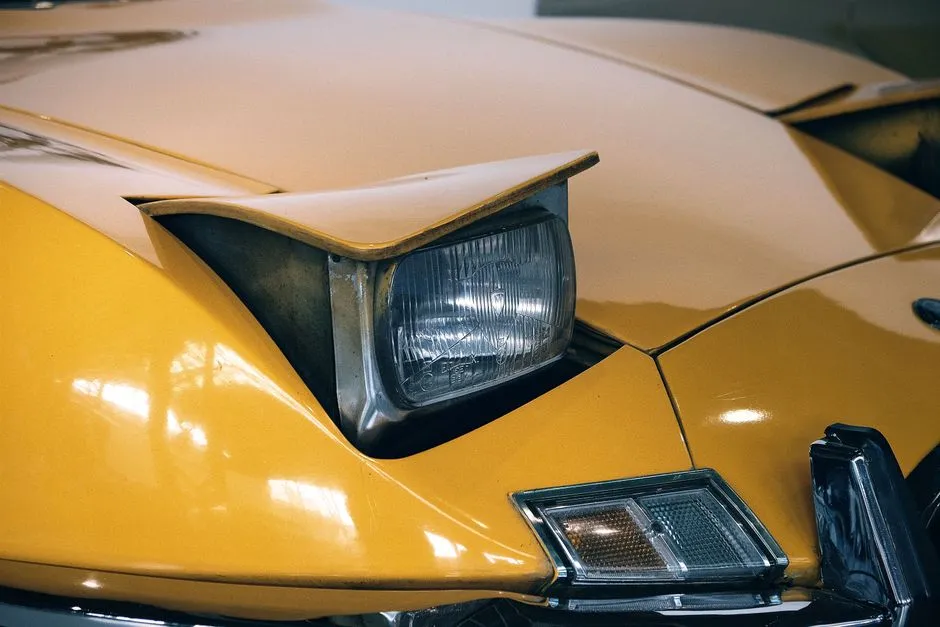
Pop-up headlights featured retractable mechanisms that kept headlights hidden behind body panels when not in use, creating sleek profiles that defined sports car aesthetics throughout the 1980s and 1990s. The mechanical systems added complexity and weight but delivered distinctive appearances that made vehicles instantly recognizable. Iconic models including the Mazda Miata, Chevrolet Corvette, and Mazda RX-7 built their visual identities around pop-up headlight designs.
The way these lights rose out of the bonnet added a real sense of occasion to the simple act of switching on your lights, and a sense of fun you perhaps don’t get on modern cars. They were also great for maintaining a car’s clean, sleek design, being completely hidden from view when not in use.
The disappearance of pop-up headlights wasn’t due to a single cause, but rather a combination of safety regulations, technological advancement, cost considerations, and changing design priorities. The biggest reason was safety – specifically, protecting pedestrians. Stricter pedestrian safety standards were introduced in the late 1990s and early 2000s, aiming to reduce injuries by requiring smoother, more forgiving front-end designs. One of the final mass-produced cars to feature pop-up headlights was the Chevrolet Corvette C5, which ended production in 2004, after which the feature effectively disappeared from new vehicles worldwide.
7. Patterned and Colorful Fabric Seat Upholstery
There is a specific shade of purple-and-teal geometric pattern that haunts ’90s nostalgia content, and the seats that wore it were vivid to the point of distraction. By the early 2000s the trend had shifted hard toward black, beige, and gray interiors, and those bold fabrics disappeared.
Here’s what pattern-heavy cloth actually got right: breathability. Leather and leatherette holds heat and sticks to skin in summer – a real and persistent problem in warm climates. Patterned cloth ran cooler, felt more comfortable in cold weather, and proved genuinely durable across years of use.
According to reported figures, in a recent year in the U.S., roughly four out of five cars sold were monotone in color, painted white, black, gray, or silver. Car restorers have started hunting for period-correct fabric to rehabilitate original interiors, and what was once the mark of a base trim level has become a collector’s target, with the market for reproduction cloth quietly growing.
8. Quarter Vent Windows for Natural Airflow
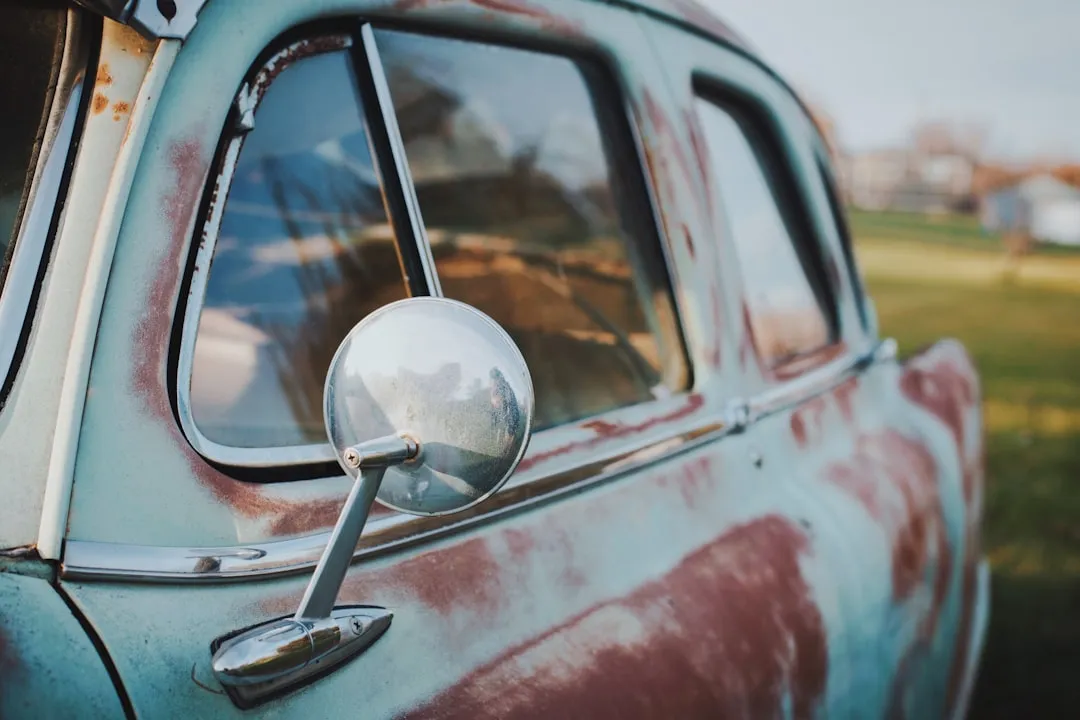
Perhaps the next best thing to air conditioning, wing windows or vent windows were popular on many vehicles. Simply flipping them out directed some cool, fresh air into the cab without much road noise or the annoyance of wind disrupting your experience inside.
The single best thing about those opening quarter windows was the sheer range of control they offered. They looked beautiful but were also insanely functional – you could have a tiny amount of fresh air, pump air out of the car, blast it like a form of AC, or just crack it to smell the rain.
Also called wing windows, these little triangular panes on the front doors could be flipped open to scoop in fresh air. They disappeared as air conditioning became common and side impact safety rules made them impractical. People miss them because they offered natural ventilation, a breeze on your face, and did not require running the AC at all.
9. The Ignition Key and the Ritual of Starting Your Car
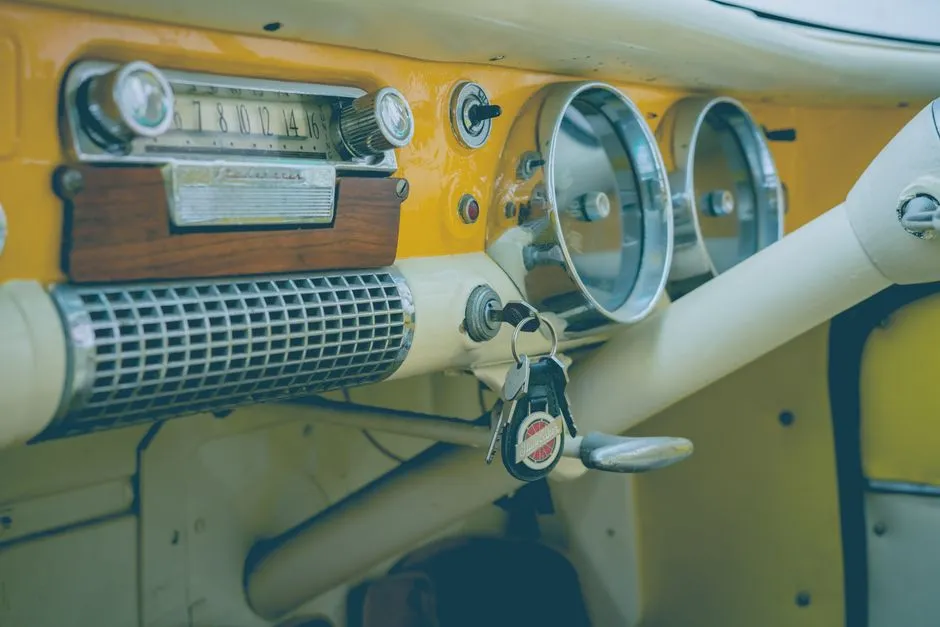
Remember the days before start/stop buttons and keyless entry? Many drivers do, and fondly. As a new driver, there was nothing more exciting than getting your first set of car keys – using them to turn the ignition on your new car was freedom personified.
The startup procedure is one of the great joys of older cars, an interaction often overlooked when compared to steering feedback or gearshift feel. There is something in the physical rotation of a key – a commitment, an act – that a push button simply cannot replicate.
Modern keyless systems have their undeniable conveniences, of course. Yet the physical key also served a clarifying purpose: it meant the car was indisputably, definitively on or off. No ambiguous engine-running-in-the-garage scenarios. Modern cars are complicated machines that rely on extensive electronic systems, so it’s becoming harder for the average car owner to understand or carry out even basic fixes – complex electronic diagnostic tools are now often needed to identify faults.
10. The Mechanical Handbrake Lever
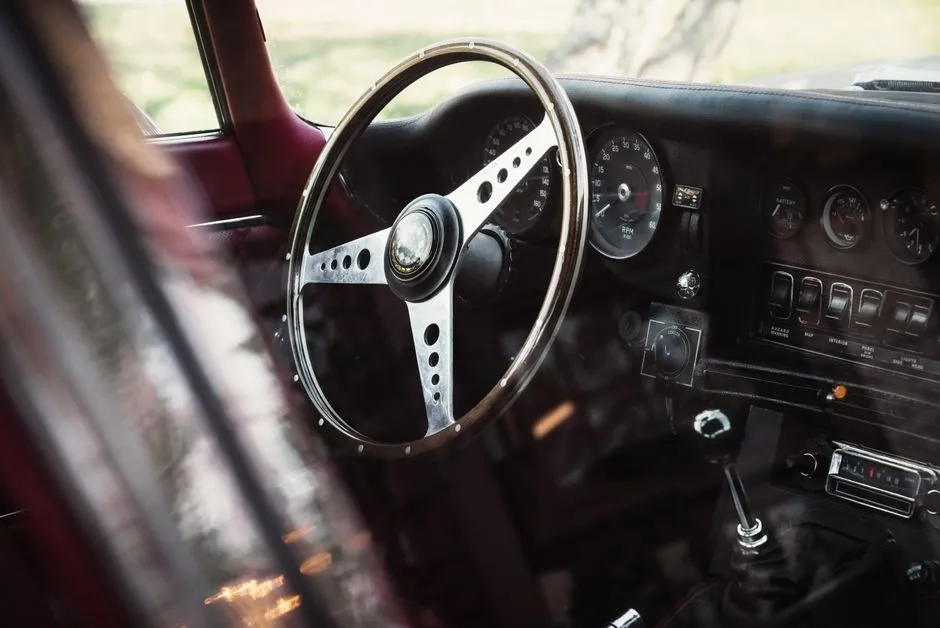
Gear sticks aren’t the only thing disappearing from modern cars – handbrakes are becoming a relic of the past, too. A lot of new cars have replaced the traditional stick handbrake with an electric one, which supposedly saves space and allows for automatic road holding. However, there’s still something many drivers love about using a traditional handbrake lever – it makes you feel connected to the car in a way that electronics can’t.
As a learner driver, there’s nothing more satisfying than mastering the handbrake, especially when practicing hill starts. And a good old lever also gives the option for handbrake turns – not that anyone’s necessarily condoning it.
The electric parking brake does its job quietly and efficiently. Nobody argues with that. Still, there’s a tactile honesty to pulling a mechanical lever that grounds you in what the vehicle is actually doing. Enthusiasts are increasingly drawn to ’90s cars precisely because of the features that were once considered downsides. Not every item was cutting-edge engineering – some were simply comfortable, honest, or interesting in ways that modern cars have traded away for sleekness.
What the 1990s Actually Got Right
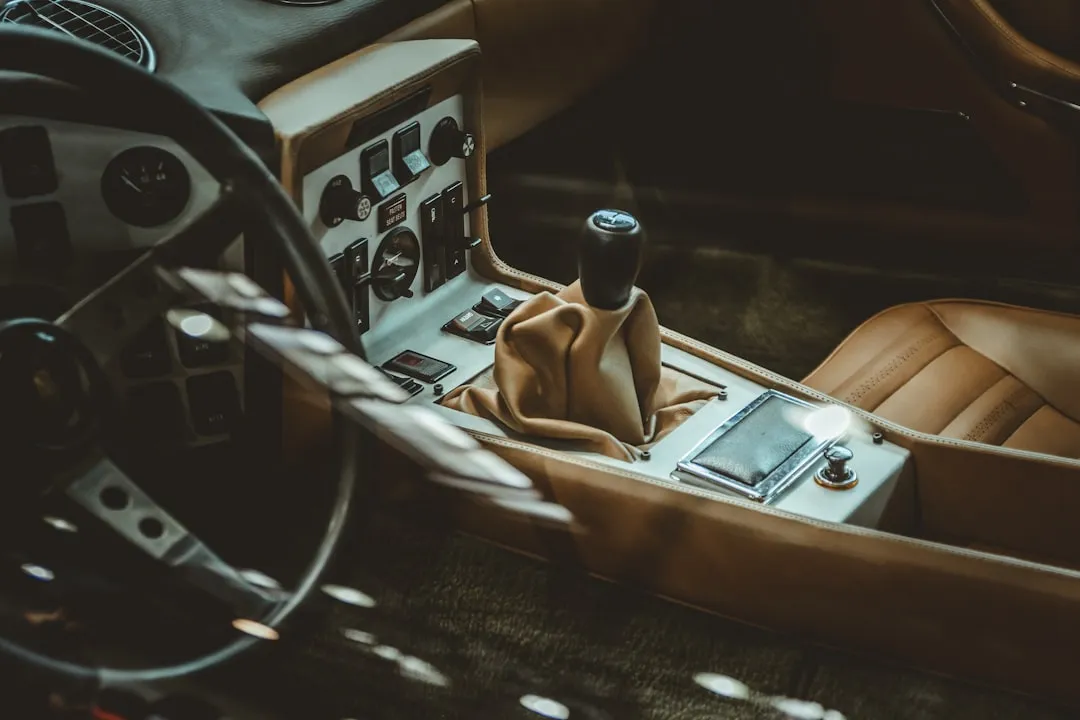
Modern cars are undoubtedly safer, faster, and better equipped than they’ve ever been – but that doesn’t mean nothing worthwhile has been lost along the way. The 1990s struck a balance between mechanical accessibility and genuine driver engagement that still resonates decades later.
Those cars didn’t always have the flashiest technology, the most convenient features, or the most cushy interiors, but they had plenty of thoughtful details that made driving a pleasure. That’s what many people are really reaching for when they talk about ’90s car nostalgia – not the decade itself, but a philosophy of design that put the driver’s physical experience first.
The good news is that the industry is listening, even if slowly. From Volkswagen’s return to physical controls to a handful of brands holding onto analog gauges, the pendulum is showing signs of movement. The features themselves may be gone from most showrooms, but the values behind them – clarity, tactility, honesty – seem to be edging their way back in.
AI Disclaimer: This article was created with the assistance of AI tools and reviewed by a human editor.