
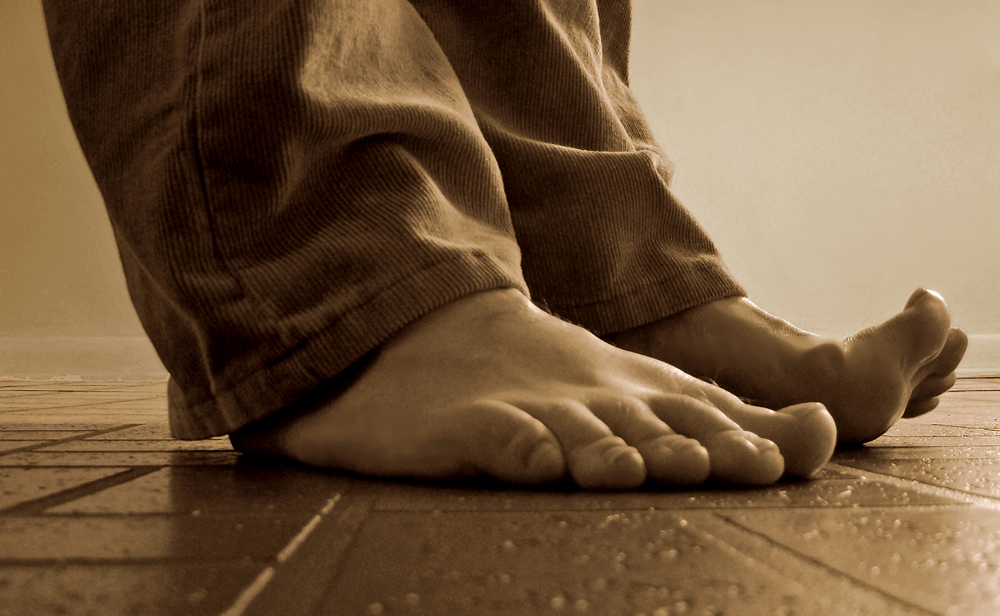

Few topics in travel manage to combine hygiene, safety, etiquette, and personal freedom all at once. The sight of bare feet propped on an armrest or padding barefoot down an aircraft aisle has become one of the most reliably viral moments in travel culture, sparking passionate comment threads and more than a little genuine disgust. Whether you’ve witnessed it firsthand or only encountered it through social media, the question it raises is surprisingly complicated.
Is going barefoot on a plane purely a personal choice, or does it affect everyone else in that cabin? As airlines began formalizing their policies in 2024 and 2025, the conversation shifted from informal grumbling to actual enforceable rules.
How the Controversy Took Off
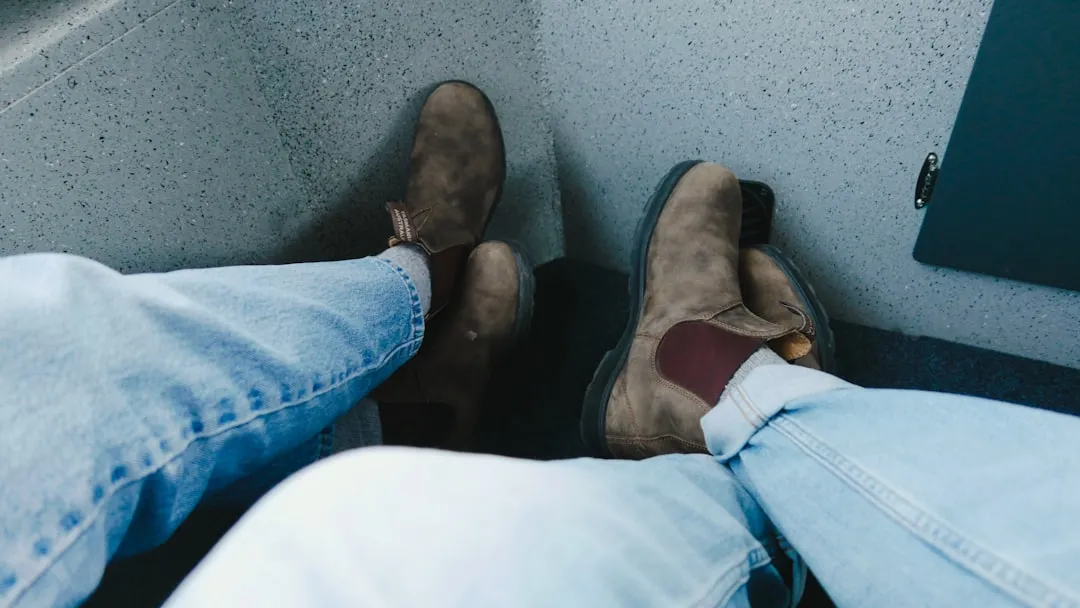
In recent years, videos posted on social media platforms have highlighted passengers who take off their shoes, causing discomfort to others. These clips spread rapidly, turning a minor breach of etiquette into a genuinely public debate. They sparked a broader discussion about proper in-flight etiquette, particularly regarding bare feet, and some airlines responded by putting explicit policies in place banning passengers from being barefoot.
From short hops across the Channel to long-haul journeys over the Pacific, flight attendants say they have seen a sharp rise in passengers slipping off shoes and padding around aircraft cabins in socks or bare feet. Cabin crew unions and individual attendants speaking to lifestyle and travel outlets in the UK, US, and Australia describe the trend as one of the most persistent etiquette battles on board modern flights.
What the Major Airlines Actually Say
American Airlines, in its “conditions of carriage” contract, clearly states that passengers must “dress appropriately,” which includes not going barefoot or wearing offensive clothing. United Airlines’ policy states the airline may refuse transport to passengers who are “barefoot, not properly clothed, or whose clothing is lewd, obscene or offensive.”
Delta’s contract of carriage includes a refusal-to-transport rule that applies “when the passenger is barefoot,” while Spirit Airlines’ policy states that a guest may not board or may be required to leave an aircraft if they are barefoot or inadequately clothed. It should be noted that American has changed its code of conduct for removing passengers; flight attendants now cannot act alone and must consult with other crew members, and a Complaint Resolution Official must be contacted before removing a passenger.
Interestingly, while these restrictions are common among U.S.-based airlines, they are not universally adopted. Major international airlines like Air Canada, British Airways, and Air France do not list any specific rules regarding barefoot passengers in their contracts. Still, just because being barefoot is not specifically mentioned in a non-U.S. contract of carriage, those airlines could still find a reason to refuse a barefoot person if they really wanted to by invoking some other rule in their contract.
Age Exemptions and Special Cases
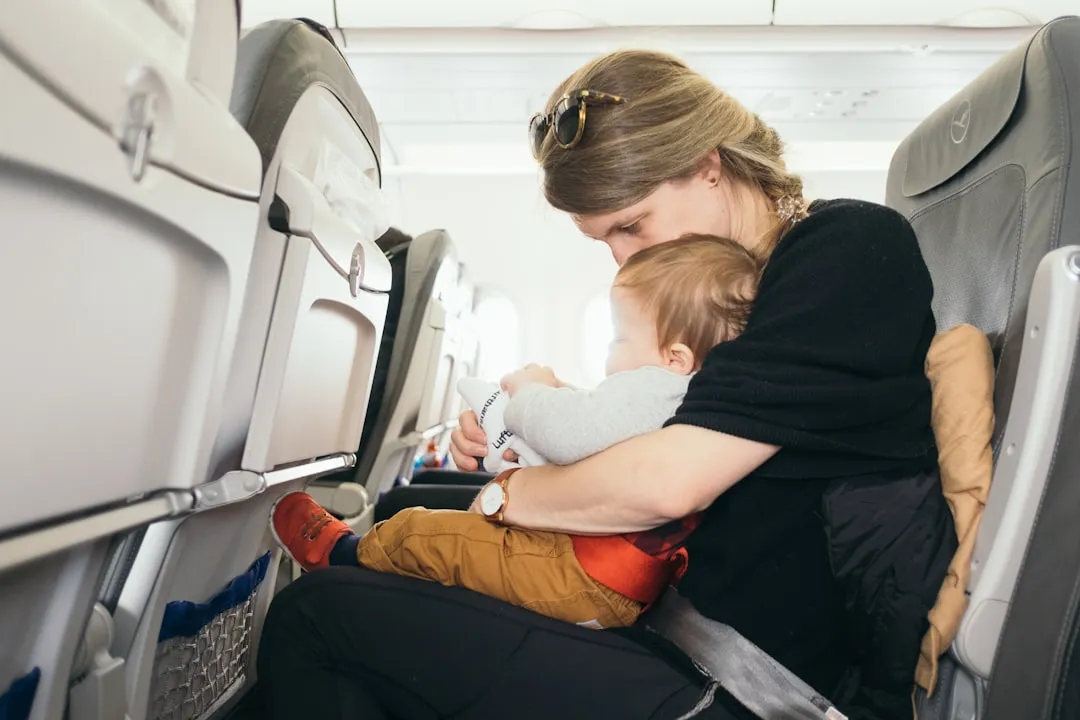
Some airlines have implemented specific age restrictions when it comes to going barefoot. Southwest Airlines and JetBlue Airways do not allow anyone over the age of five to be barefoot during flights, except for those with medical conditions that require it. Frontier Airlines states that the rule applies to those older than three years of age, and excludes those who need to be barefoot for medical reasons.
Southwest Airlines makes exceptions to their footwear rule, allowing children under five and individuals with documented medical needs to fly without shoes. These exemptions reflect a practical acknowledgment that not every passenger’s situation is identical, even within a firm policy framework.
The Hygiene Case Against Bare Feet
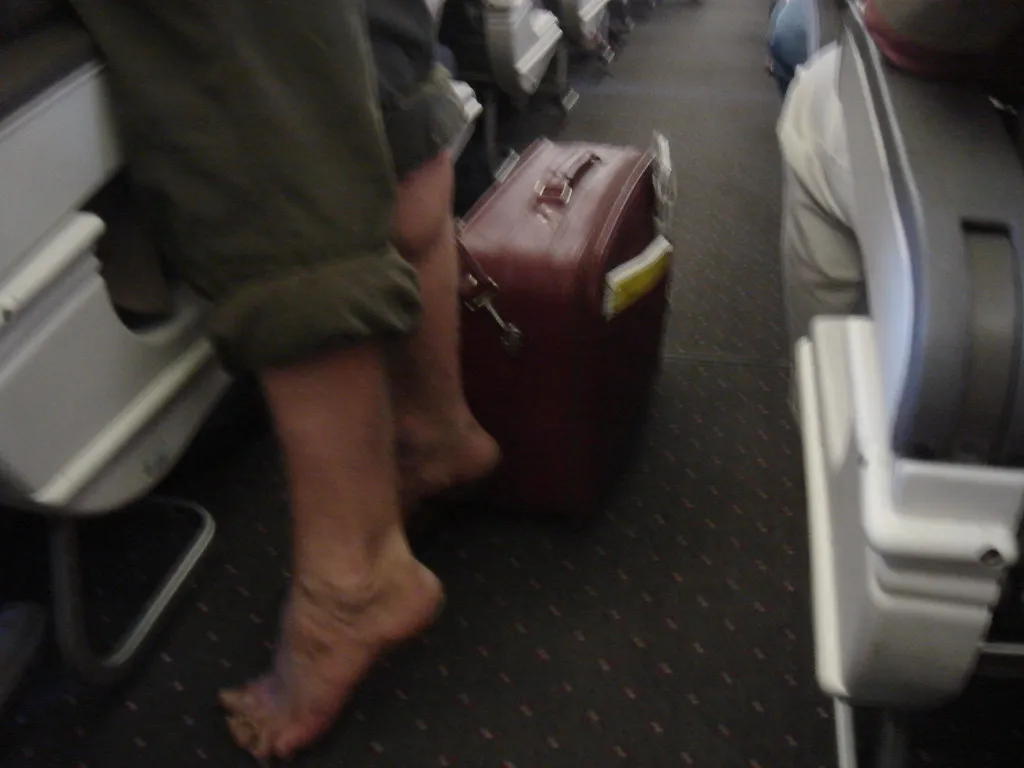
Aircraft interiors, particularly the carpets, are not deep-cleaned between flights, meaning that floors can still harbor germs, bacteria, and other unsanitary substances like spilled drinks, food crumbs, or body fluids. Walking barefoot in such an environment increases the risk of coming into contact with these contaminants, which can result in infections or other health issues.
Passengers who have stepped in who knows what are walking across those floors, and planes generally only get a comprehensive cleaning every 30 to 45 days. Cleaning crews typically have ten minutes or less during turnarounds, and their priority is to keep the plane visually clean by removing crumbs and large debris, not disinfecting every surface.
Travel advisor and former airline employee Kerwin McKenzie describes aircraft lavatories as consistently unsanitary. Passengers frequently spill beverages in the aisle or miss the toilet in cramped restrooms, and these fluids collect on the floor. Socks do not protect because fabric absorbs liquids; when passengers walk through lavatories in socks, moisture and bacteria soak through to the skin.
What Science Says About Cabin Microbiomes
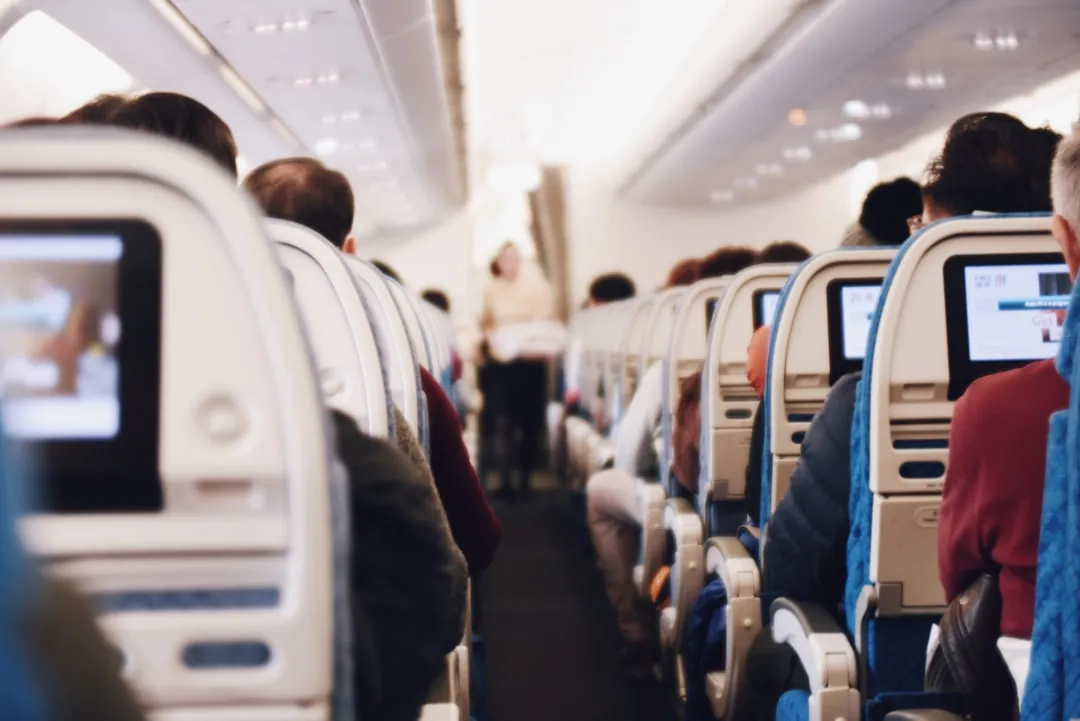
A research team collected 229 environmental samples on ten transcontinental US flights using 16S rRNA sequencing and found that bacterial communities were largely derived from human skin and oral commensals, as well as environmental generalist bacteria. Several species identified in aircraft cabin research are described as potential human pathogens. The species A. fumigatus is humans’ leading agent of aspergillosis, while P. citrinum and Penicillium decumbens have also been associated with opportunistic infections.
That said, the science isn’t purely alarming. Researchers from Emory University note that airline passengers should not be frightened by sensational stories about germs on a plane, and that “an airplane is no better and no worse than an office building, a subway car, home or a classroom.” The concern is not that planes are uniquely dangerous, but that bare feet make direct contact with surfaces that shoes would otherwise protect against.
The Real Safety Argument: What Happens in an Emergency
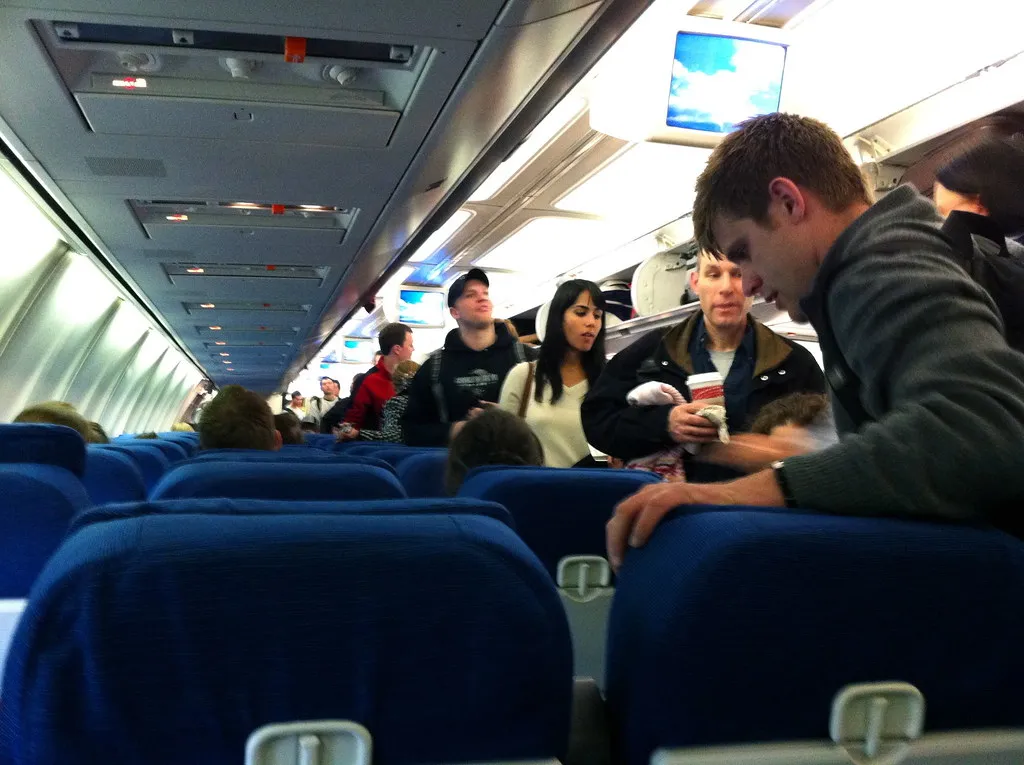
In the event of an emergency evacuation, passengers may need to move quickly across potentially hazardous surfaces, such as sharp debris or even hot tarmac. FAA certification standards require that crew must execute an aircraft evacuation in 90 seconds or less. That leaves very little margin for anything that slows a passenger down.
If there’s an emergency and you need to quickly evacuate from your seat, being barefoot and having loose shoes in your walking path can become a significant hazard. Aviation experts agree with the general public that bare feet on planes are not a good idea for safety and hygiene reasons, and that being barefoot in the case of an emergency landing or other unexpected incident is ill-advised.
Flip-flops are too easy to slip off or trip in, and they offer zero protection for feet if a passenger is sprinting down an aisle or navigating hot tarmac. This is precisely why footwear choice matters not just for etiquette, but for outcomes in high-pressure situations.
Flight Attendants Are the Front Line
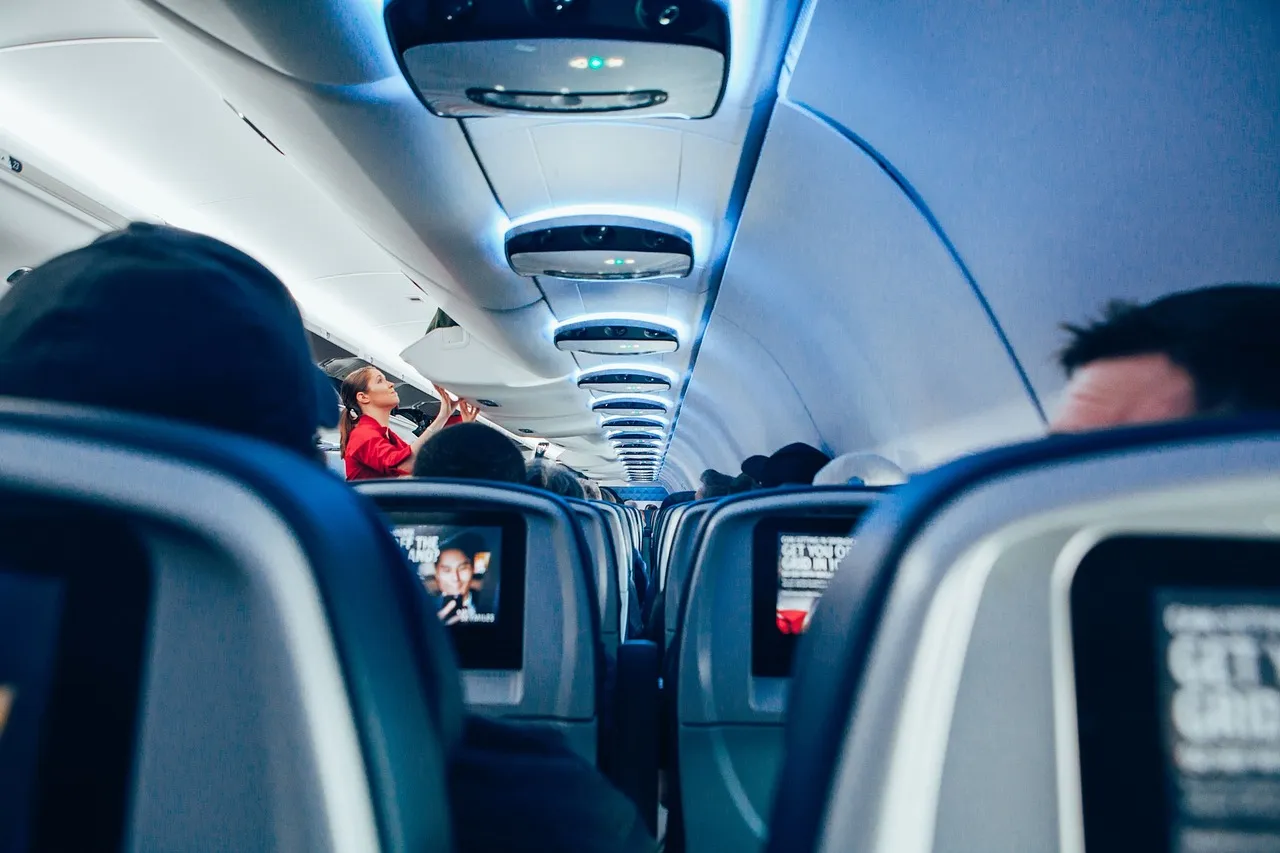
Even without a formal rule in place, flight attendants are typically responsible for enforcing barefoot policies when they exist. They are often given the discretion to decide whether a passenger’s behavior, including going barefoot, warrants removal from the flight. In practice, this means enforcement varies considerably from one crew to another.
Many airlines do ban being barefoot on planes, which is something that many people don’t realize. However, it’s rarely enforced. Flight attendants from major carriers in the UK, United States, and Australia have been renewing calls for passengers to keep their shoes on during flights, warning that the increasingly common habit of going barefoot in the cabin is not just inconsiderate but a genuine hygiene and safety concern.
The Social Media Effect: Viral Incidents Keep the Debate Alive
A Reddit user on a Singapore Airlines flight posted a photograph of a breach of flight etiquette that made many people’s toes curl: the person sitting next to them had removed their socks and shoes and was sitting cross-legged, with the sole of a foot bared toward the neighbor and a toe hooked around the seat in front. The post drew enormous response.
American Airlines faced significant backlash after a passenger was spotted going barefoot in the first-class cabin, sparking a fierce debate over the airline’s dress code enforcement. The incident quickly gained attention on social media and led to widespread criticism and a renewed push for airlines to take stronger action. The incident sparked widespread debate, with many people voicing concerns about the decline of travel etiquette and suggesting that airlines need to be more diligent in enforcing their dress code policies.
The Passenger Comfort Counterargument
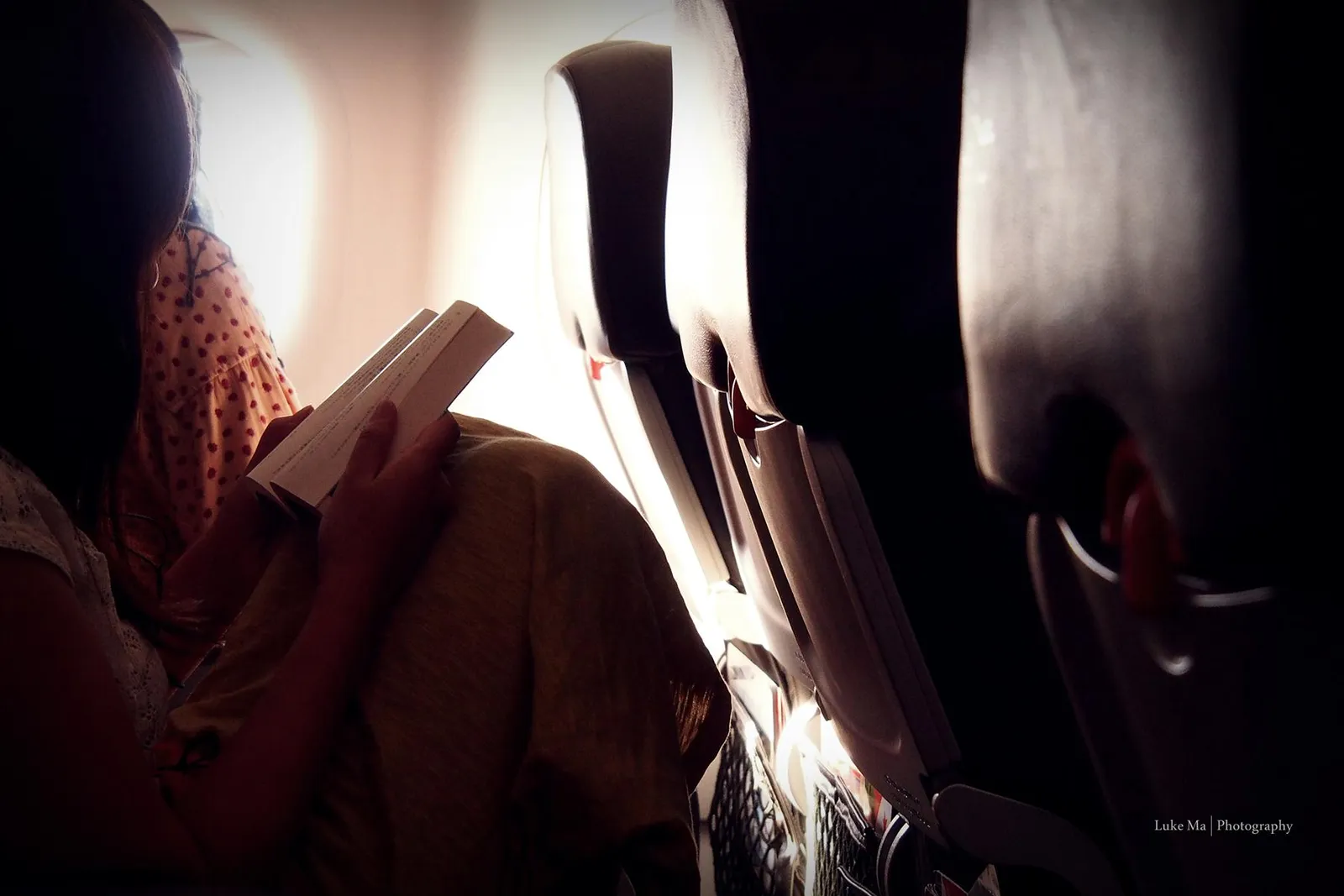
Many travelers enjoy the comfort of removing their shoes during long flights. However, several airlines now have policies in place that restrict this practice due to health, hygiene, and safety concerns. The tension here is genuine. Long-haul flights can last fourteen hours or more, and tight footwear isn’t comfortable over that kind of duration.
Flight attendants also think about health factors like swollen feet and circulation issues. The pressure difference on an airplane compared to sea level means there’s a higher risk of thrombosis in the veins, which can be worsened by tight shoes. The sensible middle ground, widely suggested by travel professionals, is to bring a pair of clean socks or soft-soled travel slippers, which allow comfort without exposing bare skin to cabin floors.
Where International Policies Differ From U.S. Carriers
While footwear restrictions are common among U.S.-based airlines, they are not universally adopted. Major international airlines like Air Canada, British Airways, and Air France do not list any specific rules regarding barefoot passengers in their contracts. This creates an inconsistent global standard that can confuse travelers moving between carriers.
Premium long-haul carriers tend to approach this differently by providing amenity kits with socks and slippers, reducing the temptation to go fully barefoot while keeping passengers comfortable. The unwritten cultural norms of air travel are now shifting, where attire choices are no longer simply a personal matter but contribute to the overall travel experience and passenger satisfaction. Whether the rest of the world follows the lead of U.S. carriers in formalizing these rules remains to be seen.
The Takeaway
The barefoot passenger debate sits at an interesting intersection of personal freedom and shared responsibility. The hygiene risks are real, even if not catastrophic. The safety risks in emergencies are documented and measurable. The discomfort caused to fellow passengers is consistently reported. What’s genuinely in question is whether airlines should be formally legislating this behavior or trusting social norms to do the work.
For now, the U.S. industry has moved clearly in the direction of formal rules. The issue of going barefoot on flights is not limited to one airline but has become a standard concern across the aviation industry, with airlines recognizing the importance of maintaining a clean, safe, and comfortable environment for all passengers. The simplest and most respectful solution, regardless of where your airline stands, is to pack a pair of travel socks. Comfort and consideration for others are rarely mutually exclusive.
AI Disclaimer: This article was created with the assistance of AI tools and reviewed by a human editor.