


Something has been shifting in California over the past few years, quietly, without headlines. While the state’s big coastal cities hold their grip on culture, tech jobs, and sunshine, a growing number of residents are looking east, toward the granite walls and high-altitude lakes of the Sierra Nevada. One town in particular keeps coming up in conversations among those who’ve made the leap: June Lake, a small alpine community tucked into the Eastern Sierra at 7,600 feet, still little-known enough to feel like a genuine discovery.
It isn’t that California is emptying out in dramatic fashion. The picture is more nuanced than that. With roughly 39.5 million people as of July 2025, California remains the nation’s most populous state by a wide margin. The pull away from urban density, though, is real. And for those who haven’t fled to Texas or Nevada, many are simply moving somewhere quieter within the state’s own spectacular borders.
The Quiet Exodus Behind the Statistics
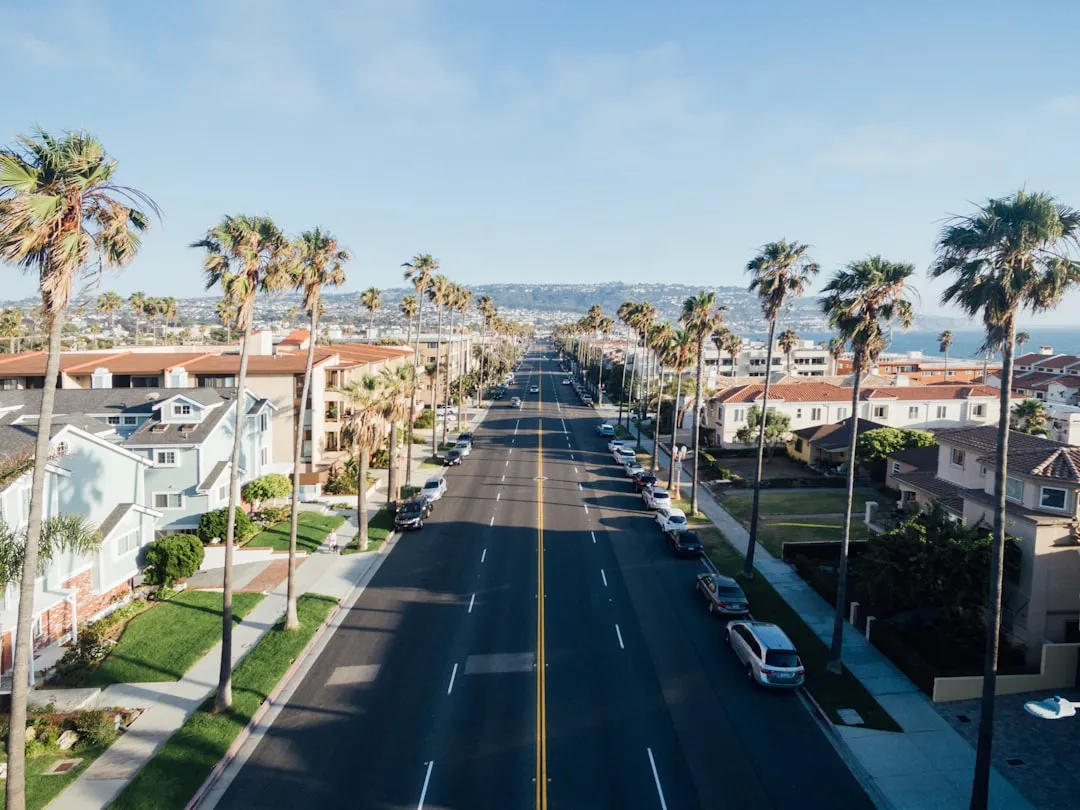
Census Bureau data shows that 662,053 residents moved out of California in 2024, while 408,445 people moved in. That’s a meaningful gap, and the reasons are well-documented. The state consistently ranks in the country’s top five priciest states, coming in at number two in 2024, right behind Hawaii.
Greater domestic in-migration and slowed domestic out-migration had helped bring California’s net domestic migration loss down to 140,000 persons in 2023-24, but that figure increased again to a loss of 216,000 persons in 2024-25, consistent with levels seen in 2018 and 2019. Not everyone is heading out of state, though. In 2024, roughly 5 million Californians moved from one residence to another, representing about 13 percent of the total state population. Of those, 45 percent remained in the same county, while 16 percent relocated to a different county within California.
Why June Lake? The Case for California’s “Little Switzerland”
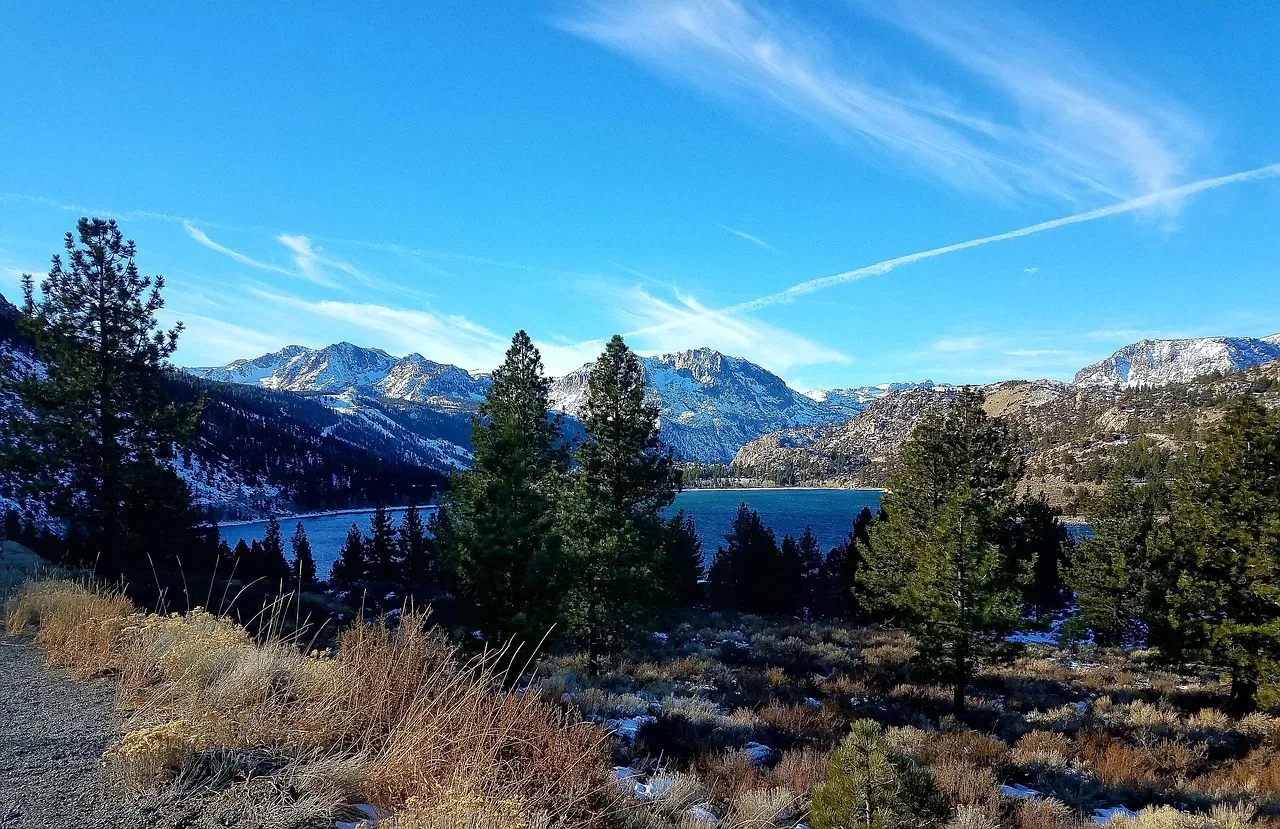
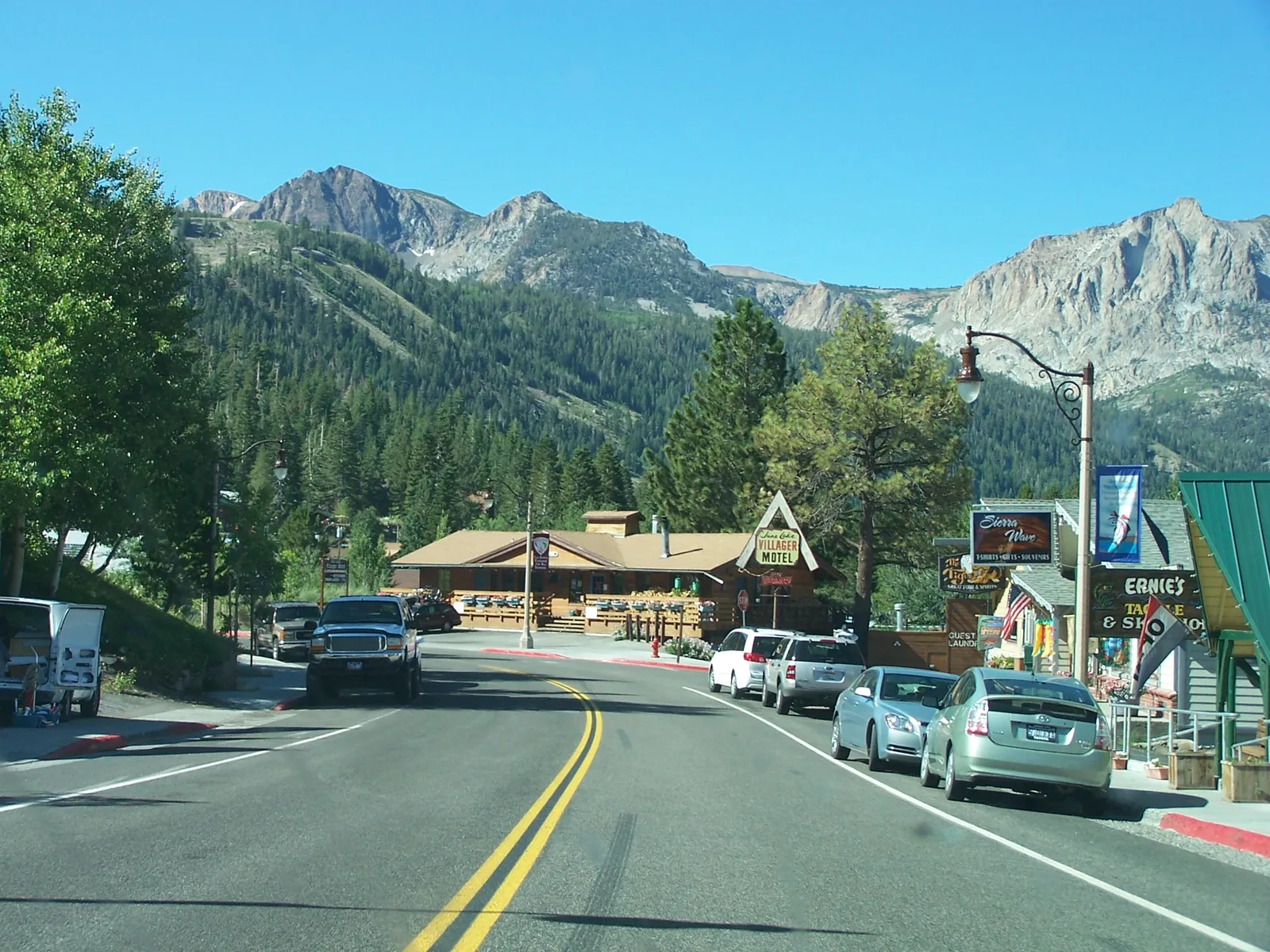
At the southern rim of the Mono Basin sits June Lake, one of the most scenic but underrated mountain towns in the Sierra Nevada. Ensconced by the towering peaks of the High Sierra, the town’s unique alpine scenery earned it the nickname “Little Switzerland of California,” and with only about 600 residents, it remains a destination where a more relaxed pace is the norm rather than the exception.
Nestled between Mammoth and Lee Vining in the heart of the Mono Basin, June Lake sits at 7,600 feet elevation along Highway 158, also known as the June Lake Loop. That alone tells you something about the geography. The drive into town feels like peeling back a curtain.
The June Lake Loop: A Road That Changes Perspective
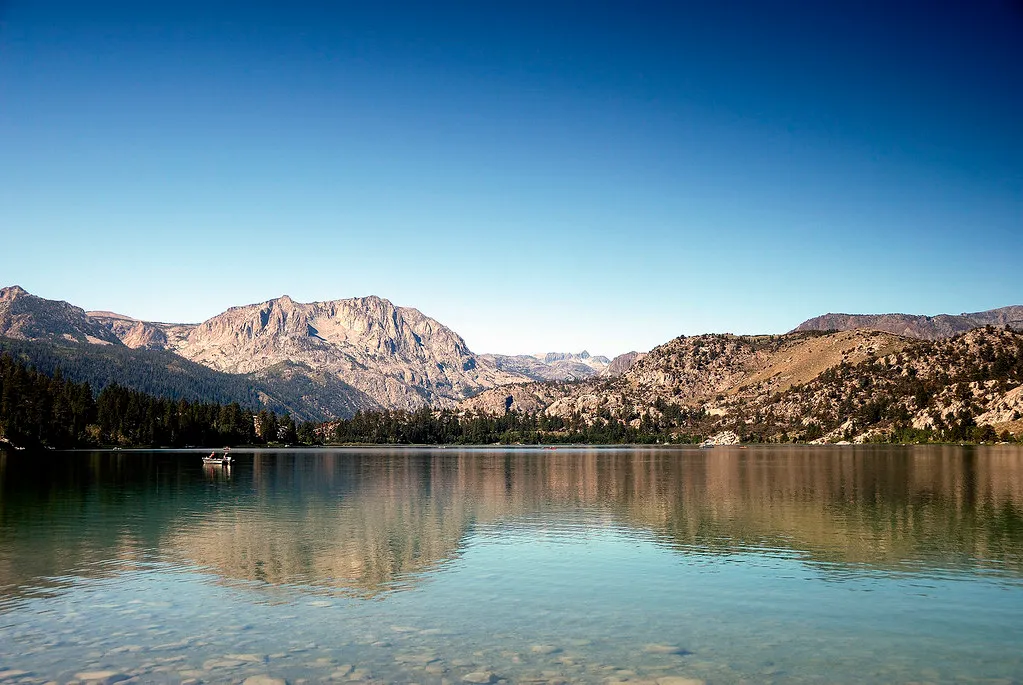
June Lake is part of the June Lake Loop, a horseshoe-shaped canyon formed by a glacier and featuring four lakes: June Lake, Gull Lake, Silver Lake, and Grant Lake. A must-do is to venture around the approximately 14-mile loop, which makes for a great scenic drive or hike.
Bald eagles and osprey hunt the myriad lakes that dot the loop, and cruising it from South of Lee Vining into June Lake takes you past the massive reservoir of Grant Lake and on to the achingly beautiful Silver Lake. It’s the kind of landscape that makes you reconsider what you thought you needed from a place. The drive takes maybe 30 minutes, but the mental reset lasts considerably longer.
Skiing Without the Crowds or the Price Tag
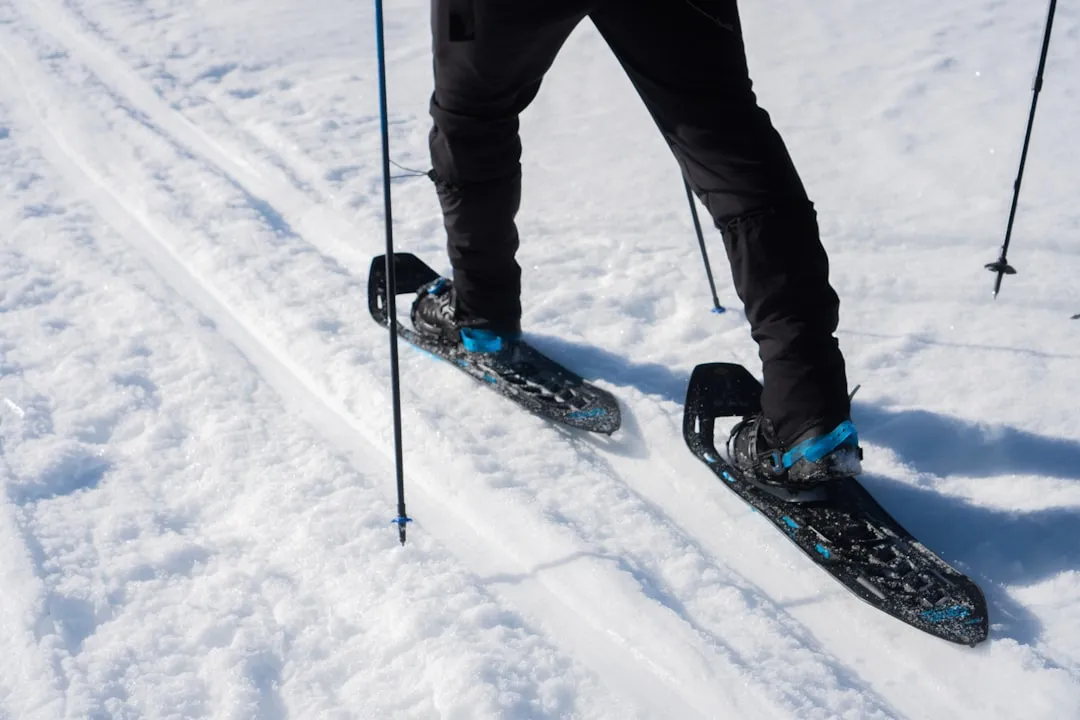
One of the most practical reasons Californians keep gravitating toward June Lake in winter is the skiing. June Mountain Ski Area has become a chosen winter destination over nearby Mammoth and Tahoe for many visitors because of fewer crowds, a family-friendly atmosphere, and unique backcountry tours. The resort offers 1,500 acres with 41 trails, seven chair lifts, and ample beginner-friendly runs.
The terrain is suitable for both beginners and experts, and children under twelve can ride the lifts and ski for free. Lake Tahoe draws about 15 million people annually across the larger Tahoe Basin area. June Mountain operates in an entirely different register. You can ride a lift, look out at Carson Peak, and genuinely not see another soul for a stretch.
Fishing, Paddling, and the Sierra Grand Slam
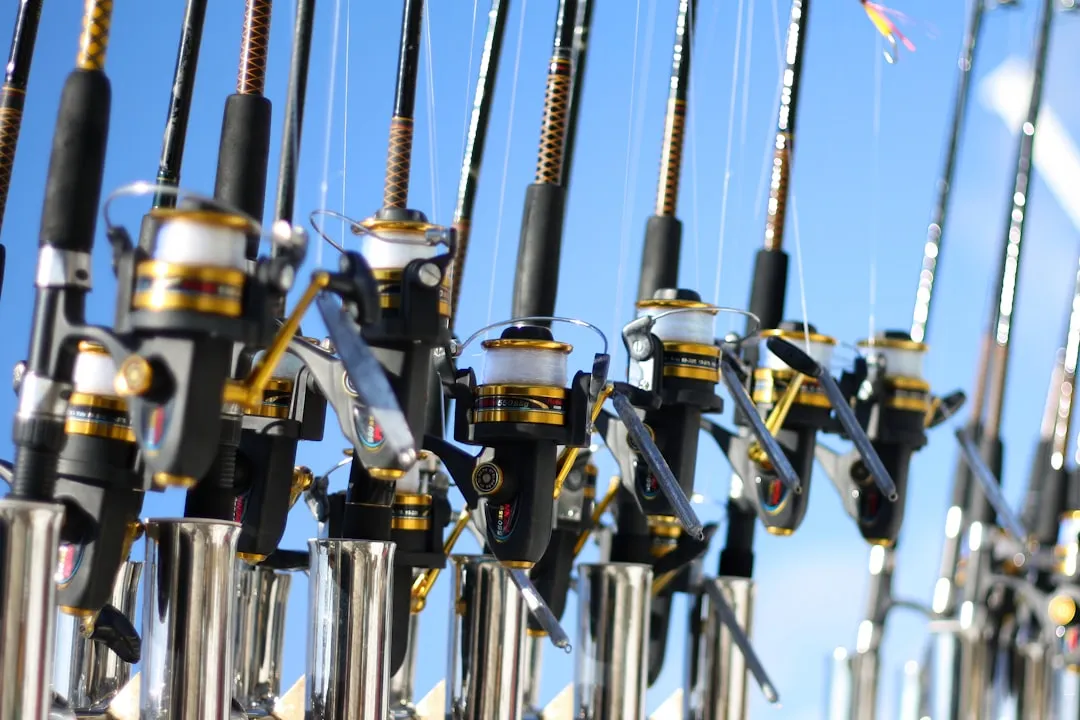
The lakes along the June Lake Loop, including June Lake, Gull Lake, Silver Lake, and Grant Lake, are known for exceptional trout fishing. Anglers come specifically for what locals call the Sierra Grand Slam. June Lake is one of the few places where you have the chance to catch a rainbow, brown, brook, and cutthroat trout in a single day.
Unlike some of the region’s more challenging bodies of water, June Lake and its surrounding alpine lakes feature clear water primed for water activities during the spring and summer months, including kayaking, canoeing, boating, and swimming. You can rent watercraft at the June Lake and Gull Lake Marinas. For people used to fighting for parking at Malibu, this kind of unhurried access to water feels almost radical.
Hiking Into the Ansel Adams Wilderness
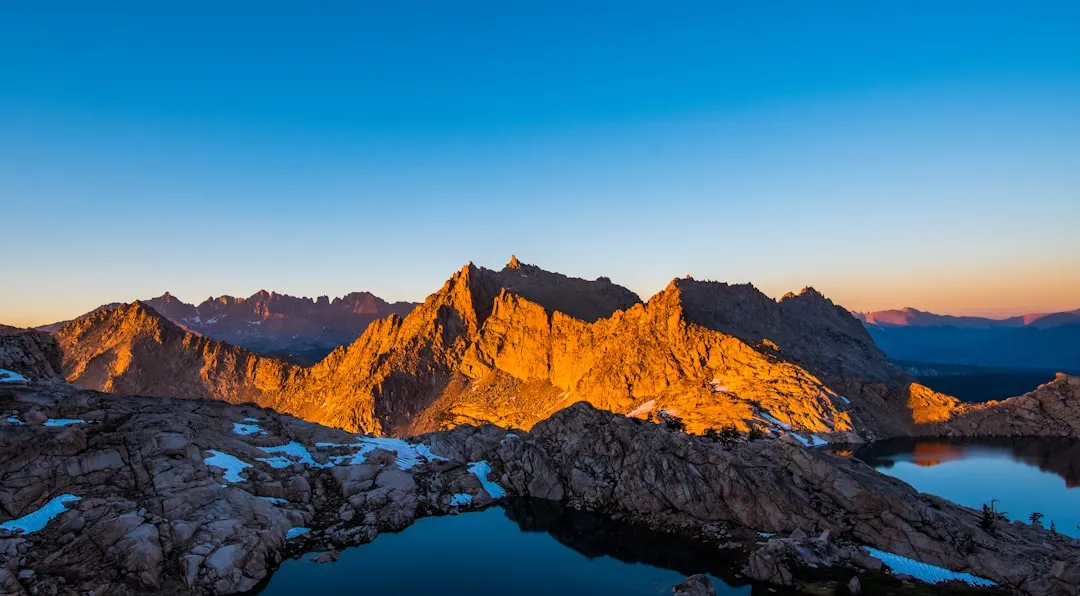
Just outside June Lake, you’ll find yourself on the doorstep of the Ansel Adams Wilderness, named after the famous photographer who captured stunning images of the Sierra Nevada. This pristine wilderness area offers landscapes that continue to inspire artists and nature enthusiasts.
Some of the best trails open up to the backcountry, such as the Parker Lake Trail, taking hikers to a pristine alpine lake along the creek, with changing vegetation from wildflower-covered meadows to coniferous trees. The crystal-clear lake sits under the shadows of the 12,000-foot peaks of the Sierra Crest. What makes hiking here different from other mountain destinations is the solitude. Even on popular trails, you’re not dealing with the conga lines of hikers you might find in more famous national parks.
Bishop: The Eastern Sierra’s Practical Anchor Town
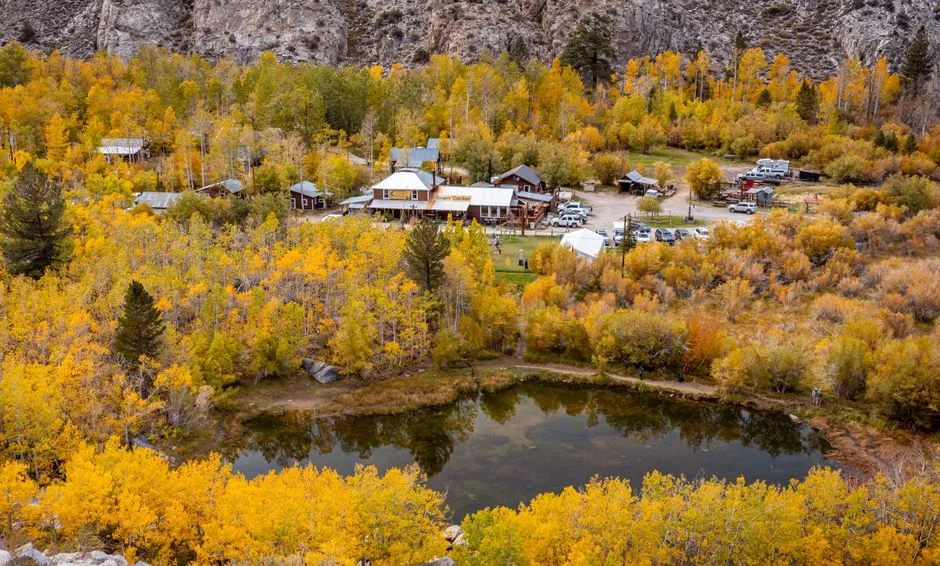
June Lake’s neighbor to the south, Bishop, deserves its own mention. It operates as the region’s practical hub, the place where you stock up, refuel, and discover that small-town life still has its own distinct texture. Bishop sits at an elevation of about 4,100 feet, while just a few miles away in either direction, peaks tower to 14,000 feet, giving it a truly spectacular setting.
On a busy day, the City of Bishop attracts in excess of 30,000 visitors for various events and recreation, which is remarkable for a city with a permanent population of under 4,000. Bishop outdoor recreation includes hiking, fishing, climbing, photography, sightseeing, golf, road biking, mountain biking, running, floating down the river, pack trips, bird watching, hunting, rock-hounding, and cross-country skiing. It’s essentially a Swiss Army knife of a town, modestly sized but extraordinarily useful.
The Financial Logic of Heading to the High Sierra
According to Zillow, the average home value in California is about $773,300. That figure covers everything from coastal luxury to rural simplicity, but it anchors the broader point. The estimated median home value in Bishop in 2024 was $399,443, with a median gross rent of $1,632.
Bishop’s cost of living index in December 2024 sat at 94.6, meaning it clocks in below the U.S. average. For a California address, that’s a genuinely unusual thing to be able to say. The trade-off in amenities and services is real, but for the right person it reads less as a sacrifice and more as a fair exchange.
Remote Work and the Rise of “Quietcations”
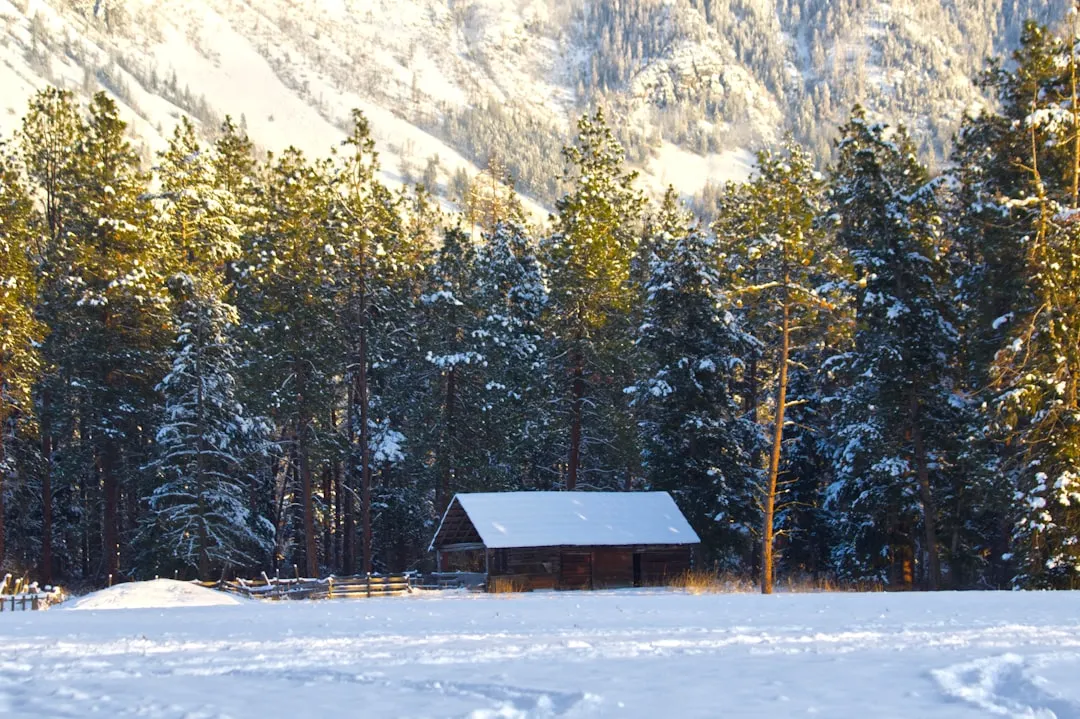
Working from home has shifted from an exception to a norm for roughly one fifth of the national workforce, and many people have used that flexibility to move out of expensive cities. The High Sierra is a direct beneficiary of that shift. California’s interior mountain ranges offer a profound sense of isolation that is increasingly sought after in 2026, and recent tourism data shows that “quietcations” in the High Sierra and San Jacinto Mountains have seen a notable increase as travelers look to disconnect from urban noise.
June Lake’s community is small enough that new arrivals are genuinely noticeable. The village exudes a warm, welcoming atmosphere with its cozy lodges, local breweries, and friendly residents. You can immerse yourself in the laid-back mountain lifestyle while enjoying year-round outdoor activities that showcase the best of the Eastern Sierras. That combination of access and intimacy is exactly what remote workers sorting through where to put down roots are looking for.
What the Town Still Protects: A Sense of Scale
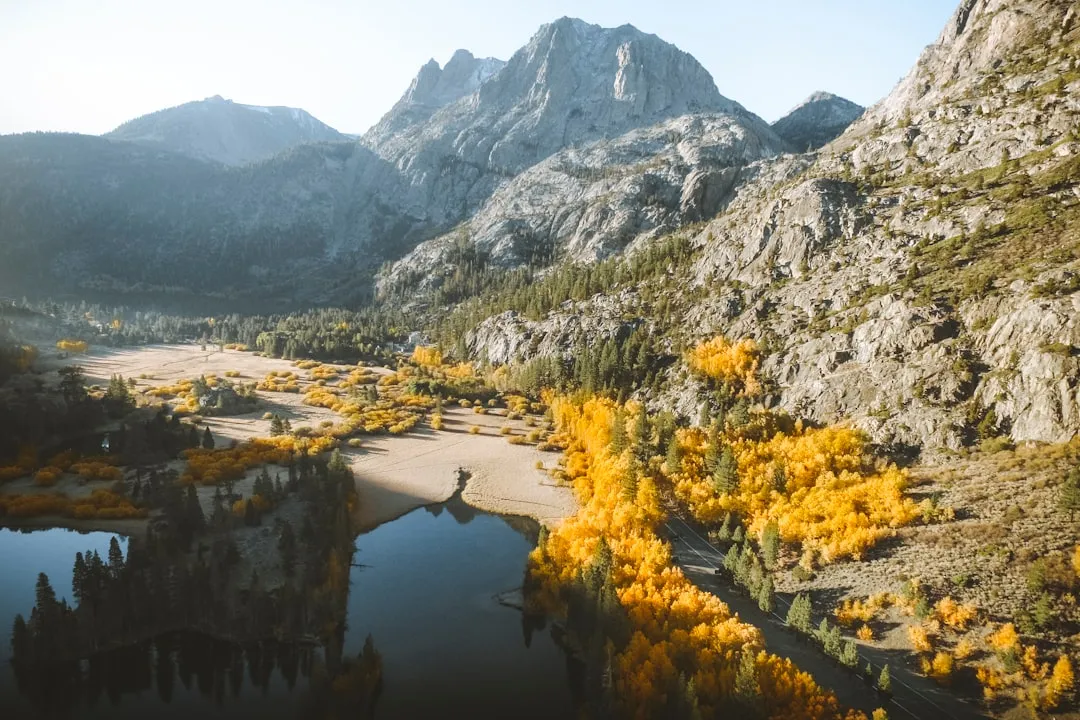
There’s a quiet dignity to a place that hasn’t been overrun, and June Lake, so far, still has it. June Lake may be a small town, but it’s large in terms of adventure, with the towering Sierra Nevada as its scenic backdrop. The namesake lake itself sits within Inyo National Forest, one of the most beautiful forests to explore in the Sierra Nevada mountains.
The overlooked and underrated towns of California’s Sierra Nevada are so much more than just detours between national parks and famous ski resorts. These towns reveal how mountain economy and culture continue to thrive in modern times. The challenge for June Lake, as more people discover it, will be preserving what makes it worth finding in the first place.
The Takeaway
The data makes it clear that Californians are in motion, sorting through a complicated set of tradeoffs around cost, density, and quality of life. Instead of staying in once-popular megacities, where skyrocketing costs of living and booming population numbers are the norm, people seem to be favoring more breathable towns with a lower cost of living.
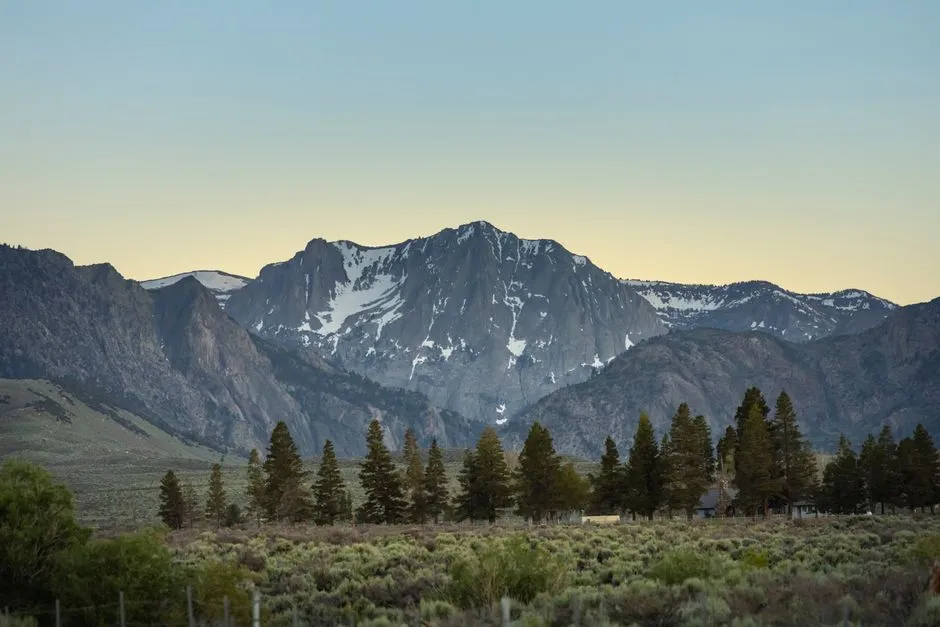
June Lake isn’t a cure-all, and it isn’t trying to be. It’s simply a place where the granite goes straight up, the lakes are cold and clear, and the ski lifts don’t require an hour of queuing. Located along the June Lake Loop at the base of the 10,908-foot Carson Peak, it sits within one of the Eastern Sierra’s most quietly stunning corners. For Californians who’ve started to feel the weight of urban life, that might be enough reason to start paying attention.
AI Disclaimer: This article was created with the assistance of AI tools and reviewed by a human editor.