
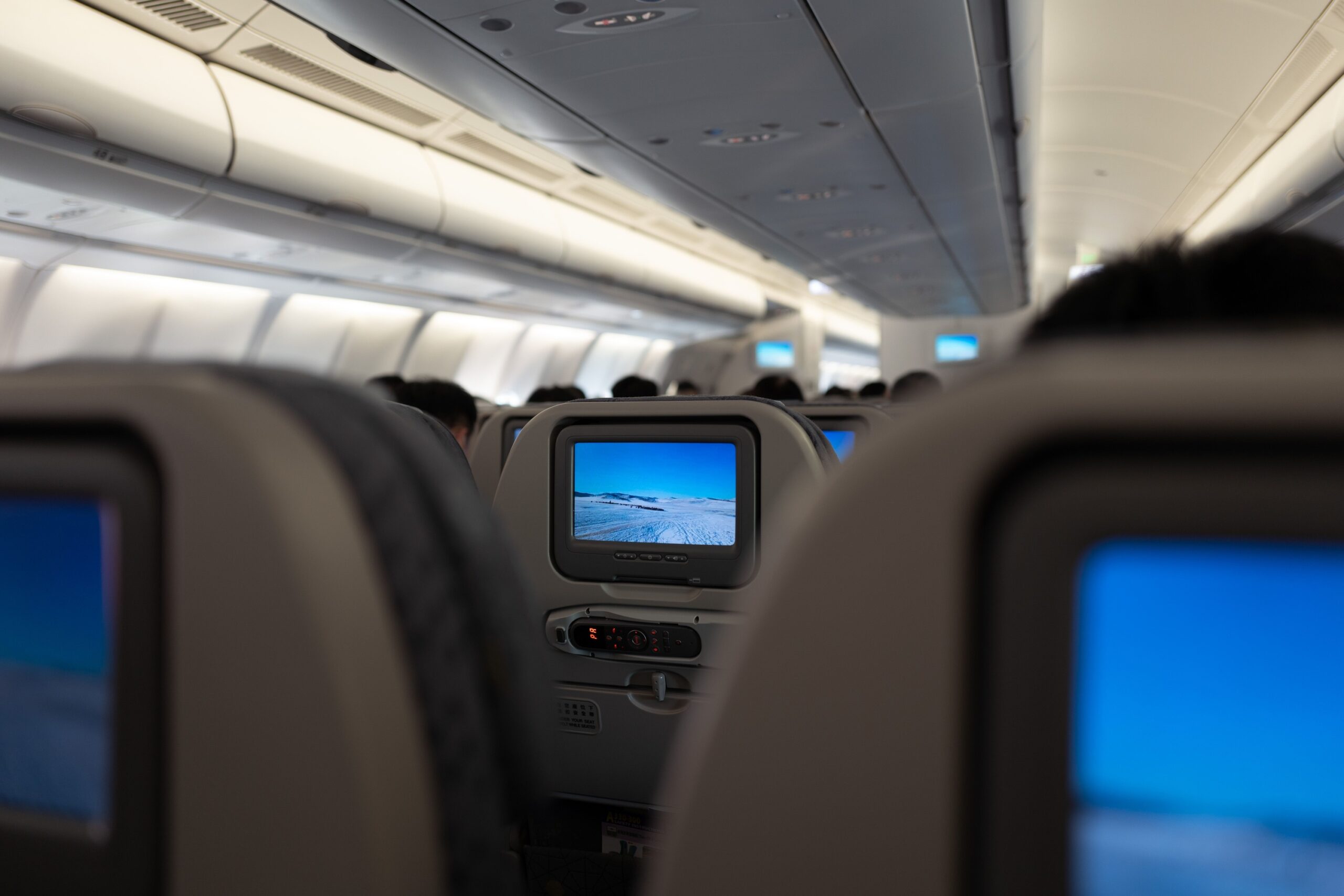

There’s something quietly revealing about what you reach for the moment the seatbelt sign switches off. Some people start a movie before the cabin crew has even finished the safety demonstration. Others plug in headphones, close their eyes, and disappear into a playlist. A few open a book, fire up a podcast, or simply stare out the window.
These aren’t random choices. Research into the psychology of in-flight behavior, combined with a growing body of data from the in-flight entertainment industry, suggests that what we choose to watch, hear, or ignore at 35,000 feet reflects something honest about our emotional state at that particular moment. Here’s what your go-to entertainment choice might be telling you.
You Reached for a Tearjerker Film: You’re Emotionally Raw and Ready to Feel

If you gravitate toward a sad, emotionally heavy movie the moment you board, you’re likely already in a tender, reflective place. Travel is often emotionally charged – you may have just said goodbye to loved ones, battled the stress of security, and arrived at the gate already a little frayed. Many people are anxious about flying too, and that accumulated tension leaves passengers in an emotionally delicate state before a single scene has played.
A study that surveyed over a thousand adults in the US who had watched a film on a plane in the past year found that roughly one in four reported crying at movies in the air, compared to about one in five who cried watching the same kind of content on the ground. The gap is real, if modest. Researchers have suggested this may partly be a social phenomenon, but also because in-flight, there are fewer distractions. Passengers become more emotionally invested in what they’re watching and remember their emotional reactions more clearly.
The lower-than-normal air pressure in the cabin is known to induce mild hypoxia, or reduced oxygen levels in the brain, which is associated with a range of cognitive and emotional effects, including heightened negative moods. So if you’re drawn to a tearjerker, your mind may already be craving an emotional outlet that the environment quietly amplifies.
You’re Scrolling Through a Comedy: You’re Escaping Something
Reaching for comedy specifically – not just any film, but something deliberately light and funny – is often a deliberate counterweight. Research on the negative psychological effects of flying has identified communication, humor, and entertainment as active methods passengers use to reduce stress during air travel. Choosing comedy isn’t passive; it’s a small but deliberate act of emotional self-regulation.
The enclosed environment of an aircraft causes both physiological and psychological discomfort and even negative stress, and in-flight entertainment systems were introduced on long-haul aircraft precisely to counter that discomfort. When you bypass the dramas and go straight for something that makes you laugh, you’re telling yourself something: the weight of the moment feels like enough, and you don’t want any more of it right now. That’s a perfectly sensible instinct.
You Put On a Familiar Series You’ve Already Seen: You’re Seeking Comfort
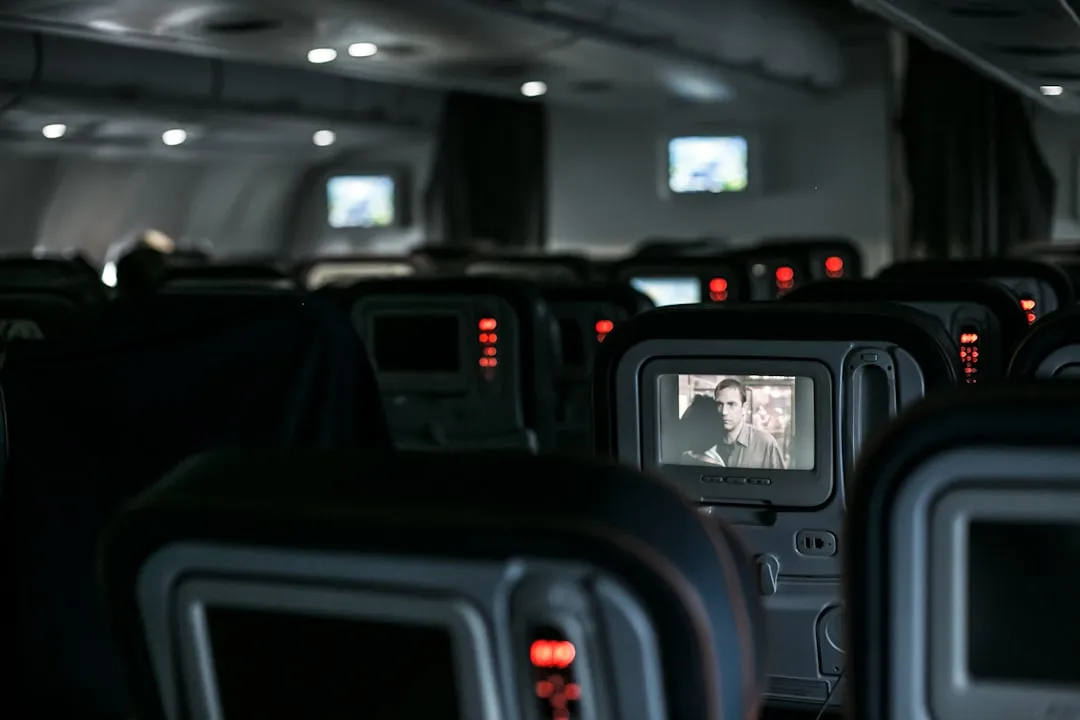
Rewatching a beloved series you know by heart is one of the more underrated forms of emotional self-care. The familiarity is the point. Air travel, especially over long distances, exposes passengers to a range of factors that cause both physiological and psychological discomfort, and in-flight entertainment exists specifically to improve passenger satisfaction during that experience. A known story removes uncertainty from the equation entirely.
This choice usually signals one of two things: you’re mildly anxious and your brain wants predictability, or you’re simply exhausted and don’t have the bandwidth for something new. Research has shown that long-term flights can lead to a range of physical and psychological issues, including mood anxiety, limb discomfort, and fatigue. When the body is already stretched, the mind tends to reach for what’s safe.
You’re Listening to a Curated Music Playlist: You Know Exactly What You Need
A passenger who boards with a deliberate playlist already assembled is often someone who travels with emotional intention. Research commissioned by Spotify found that songs with a slow tempo, around 60 beats per minute, coupled with slow breathing, can help reduce flight anxiety. Choosing calm, measured music isn’t just a mood preference – it’s a physiological strategy.
Breathing in time with music at a slow, controlled pace has been shown to lower heart rate and blood pressure, which in turn reduces anxiety. Listening to songs that stimulate both sides of the brain through headphones with eyes closed can be especially relaxing, particularly when the music is harmonious and emotive. If this describes your in-flight ritual, you’re likely someone with decent self-awareness about your stress levels and what helps manage them.
Music therapy has been scientifically shown to be one of the most effective means of managing anxiety during travel. The fact that you reach for it instinctively says a lot about your emotional intelligence.
You Put On a Podcast: You’re in Curious, Exploratory Mode
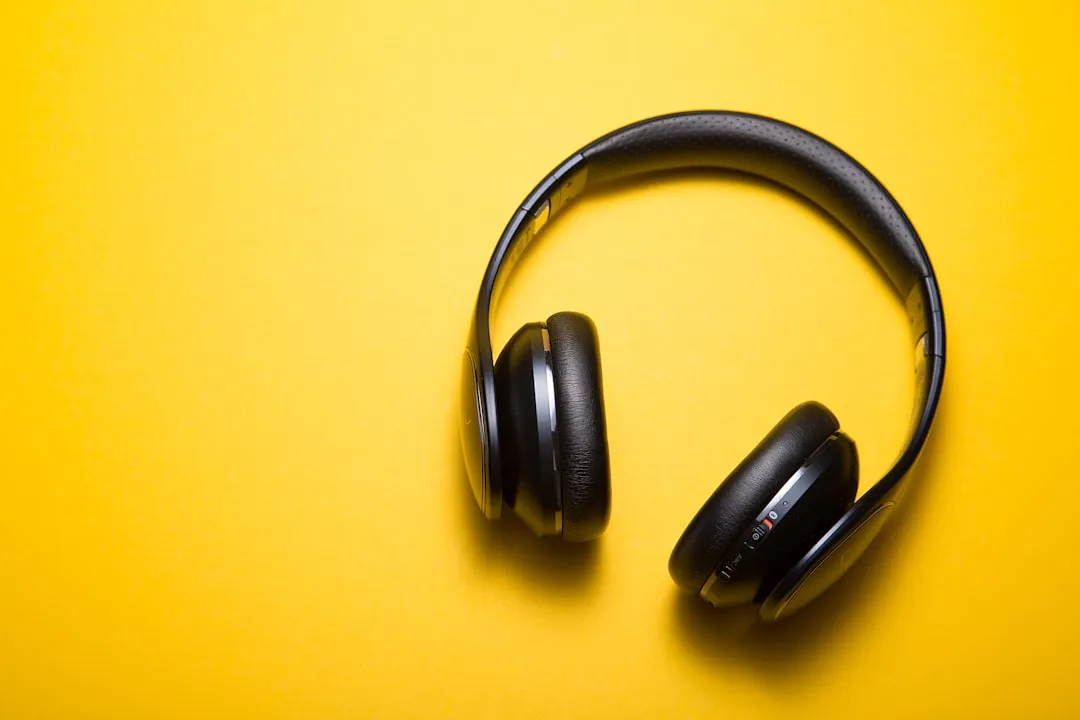
The podcast listener is rarely someone in emotional crisis. Choosing an informative, conversational, or narrative podcast typically signals a calm, curious mind looking for stimulation rather than escape. Data from Viasat’s 2024 global survey of over 11,000 passengers found that roughly three in five passengers said they would connect to Wi-Fi specifically to access entertainment, making it more popular even than sleeping or having a drink.
Podcasts sit in a category of their own – they demand partial attention without full visual engagement. That’s a mood state worth noting: you want engagement, you want learning or storytelling, but you’re comfortable enough in your surroundings to let your eyes rest. It suggests a traveler who has made peace with the journey itself.
You’re Playing Games: You’re Restless, or Mildly Stressed
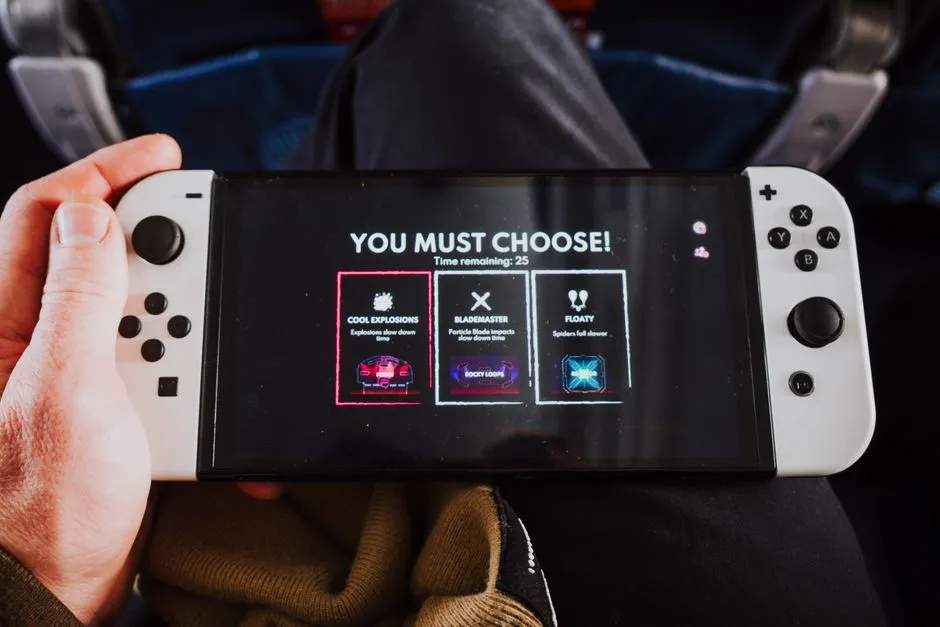
Research into the gamification of in-flight entertainment has examined how games affect passenger psychology, with findings suggesting that somatosensory gaming can actively encourage passengers to relax during long-distance flights. Games require engagement that quiets the noise of ambient anxiety without requiring emotional depth.
Some airlines are now using AI to suggest games based on passenger preferences, personalizing the entertainment experience in real time. Air France, for instance, has explored mood-responsive lighting and sound environments as part of the broader in-flight experience, based on research suggesting that different colors and sounds can trigger specific emotional responses. The instinct to play is often the mind’s way of channeling restlessness somewhere harmless and contained.
You Open a Book: You’re Calm, or Trying Hard to Be

Reading on a plane is a quiet signal of either genuine ease or deliberate self-discipline. It takes sustained focus, which means the brain isn’t in high-alert mode – or the reader is actively working to bring it down. Relaxing with interesting reading material is recognized in aviation psychology research as one of the primary methods passengers use to reduce negative stress during a flight.
Research has also found that a strong majority of passengers who engaged with multimedia books during flights reported a positive impact on their reading experience and increased overall satisfaction with the journey. There’s something grounding about a book at altitude. It signals that you’ve carved out your own mental space within the cabin – a small act of quiet confidence.
You’re Doing Work: You’re Avoidant, or Deeply Driven
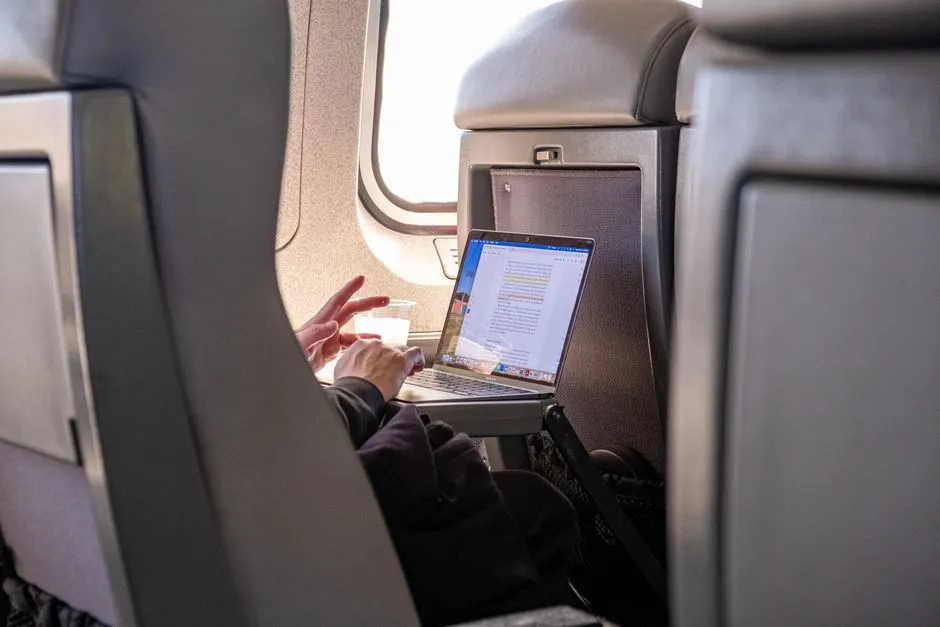
The passenger who opens a laptop and gets to work the moment the plane levels off is sending a complicated signal. It could mean they’re genuinely motivated and see flight time as protected thinking time, free from the interruptions of the office. Viasat’s 2024 survey found that roughly a third of passengers use personal devices on flights for work apps, alongside web browsing and social media.
Sometimes, though, work is avoidance dressed up as productivity. The flight becomes a place to outrun discomfort – whether that’s the anxiety of flying itself, the weight of a transition, or simply the discomfort of sitting still with no clear purpose. Research has highlighted that confined spaces, fatigue, dehydration, and disrupted circadian rhythms all contribute to heightened emotional states during flights. Working through that quietly takes a particular kind of personality.
You’re Scrolling Social Media or Shopping: You’re Mentally Checked Out
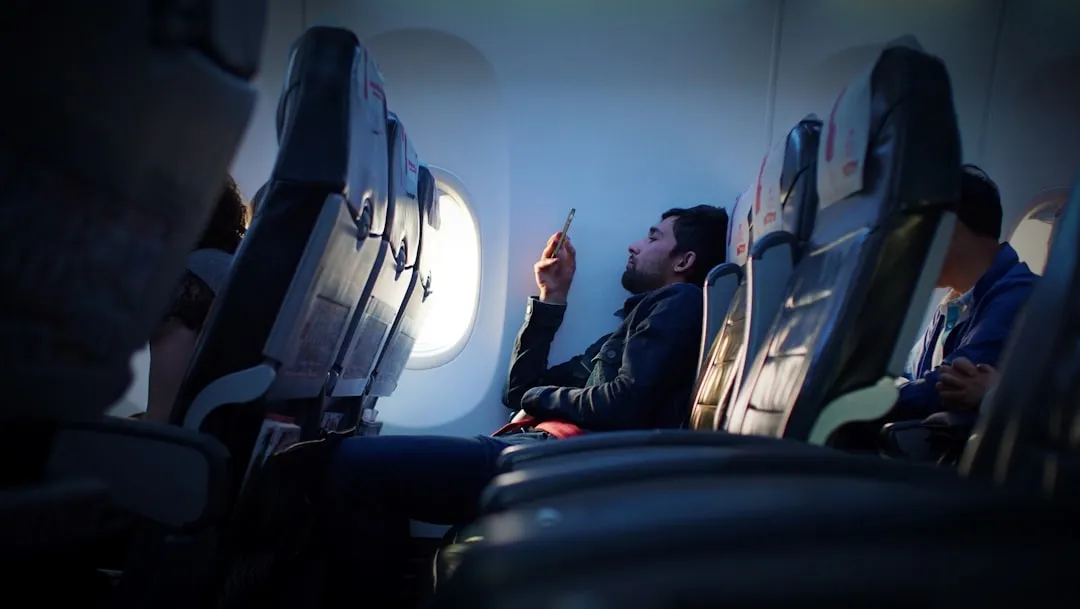
This is perhaps the most revealing choice of all. Nearly all passengers surveyed globally still prefer using personal devices for activities like web browsing and social media, with nearly half citing both as their primary on-device activities in the air. It’s the default state – familiar, low-effort, and mentally frictionless.
Mindless scrolling during a flight usually signals one of two things: emotional flatness, or the aftermath of too much stimulation before boarding. The airport experience itself is taxing. For people who experience anxiety around environmental change, the airport alone can signal a perceived threat to the brain, and the cascade of tasks involved in simply getting on a plane adds up before the journey has even begun. By the time you’re seated, the brain sometimes just wants to coast.
You Put Nothing On and Just Sit: You’re More Present Than Most
The rarest profile on any flight is the passenger who does nothing. No headphones, no screen, no book. Just the window, the clouds, and their own thoughts. Flying can genuinely elevate mood in some passengers, causing a quiet appreciation for the experience itself and sometimes an unexpected sense of connection with those around them.
Technologies like virtual reality headsets and emotion-recognition systems are being developed to enhance passenger experience by suggesting content based on a passenger’s mood. Yet the passenger who opts out of all of it entirely is perhaps already in their own version of a regulated, reflective state. There are a range of emotions people experience in flight, and one of the healthiest is simply allowing them to pass without distraction.
The Takeaway
What you reach for on a plane isn’t accidental. The cabin is a peculiar environment – air travel, especially over long distances, exposes passengers to factors that cause both physiological and psychological discomfort – and our entertainment choices are often an instinctive response to that pressure. Whether you’re cueing up a tearjerker, losing yourself in a playlist, or quietly staring out at the clouds, you’re telling yourself something real.
Passengers increasingly prefer personalized content tailored to their emotional state, and the industry is catching up fast. The integration of AI technologies into in-flight entertainment is now being designed to analyze passenger preferences, behavior, and demographics to offer content that genuinely matches the moment. The technology is beginning to catch up with what instinct has always known: the right entertainment at the right altitude isn’t entertainment at all. It’s emotional care.
AI Disclaimer: This article was created with the assistance of AI tools and reviewed by a human editor.